








Understanding Your Branch Size: The First Step to Wood Chipper Selection
Before you start comparing models, the first and most important step is to assess your own yard. Walk through your property and take stock of the kind of debris you clean up most often. Are you dealing with thin twigs from hedges and shrubs, or are you frequently clearing fallen limbs from mature trees? Take a moment to measure the thickest branches you anticipate needing to chip. This single measurement—your typical maximum branch diameter—is the key that will unlock the right wood chipper for your needs and will guide every other decision in your selection process.
How Branch Diameter Dictates Chipper Type and Power
Every chipper for wood is rated with a "maximum capacity," which refers to the thickest branch it can safely process. For example, a chipper with a 3-inch capacity can handle any branch up to that diameter. Attempting to force a larger branch into the machine is not only ineffective but is also a significant safety hazard that can cause serious damage to the chipper’s engine and blades. As a general rule, the larger the branch diameter you need to handle, the more power your chipper will require. This is often the main factor that separates smaller electric shredders from more powerful gas-powered machines.

Electric vs. Gas Wood Chippers: Powering Your Yard Waste Management
Your power source choice is directly tied to the branch size you need to manage.
- Electric Wood Chippers: Ideal for smaller yards and light-duty cleanup, electric models excel at processing leaves, twigs, and small branches, typically up to 1.5 or 2 inches in diameter. They are valued for being lightweight, quieter, and requiring very little maintenance. Their main limitation is the need to be near a power outlet.
- Gas Wood Chippers: For larger properties with more substantial trees, a gas-powered chipper is the practical, high-efficiency solution. These robust machines deliver the power needed to make quick work of branches from 2 to 3 inches thick or more. They offer complete portability, allowing you to work anywhere on your property, though they do require fuel and regular engine maintenance.
What Horsepower Do I Really Need for My Branches?
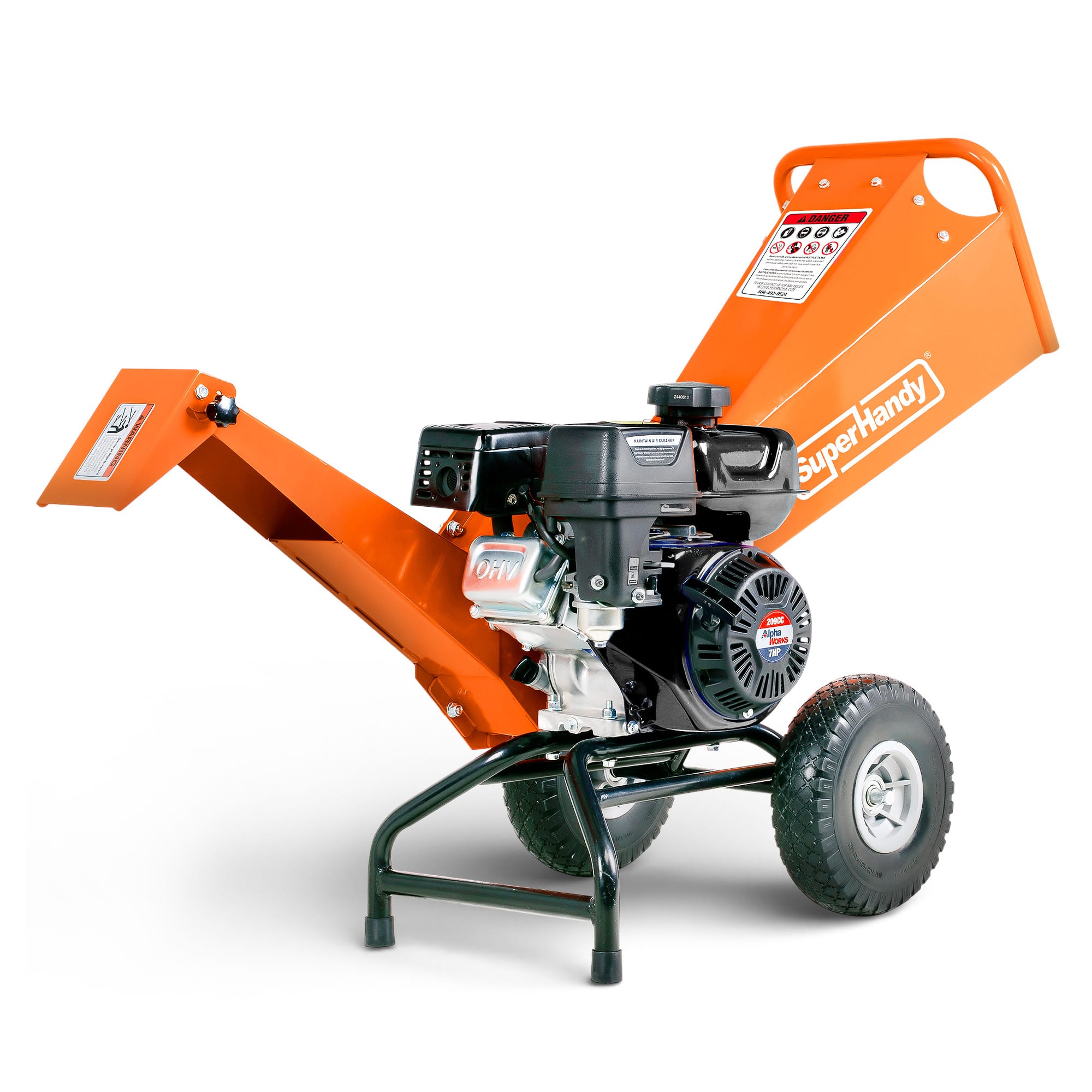
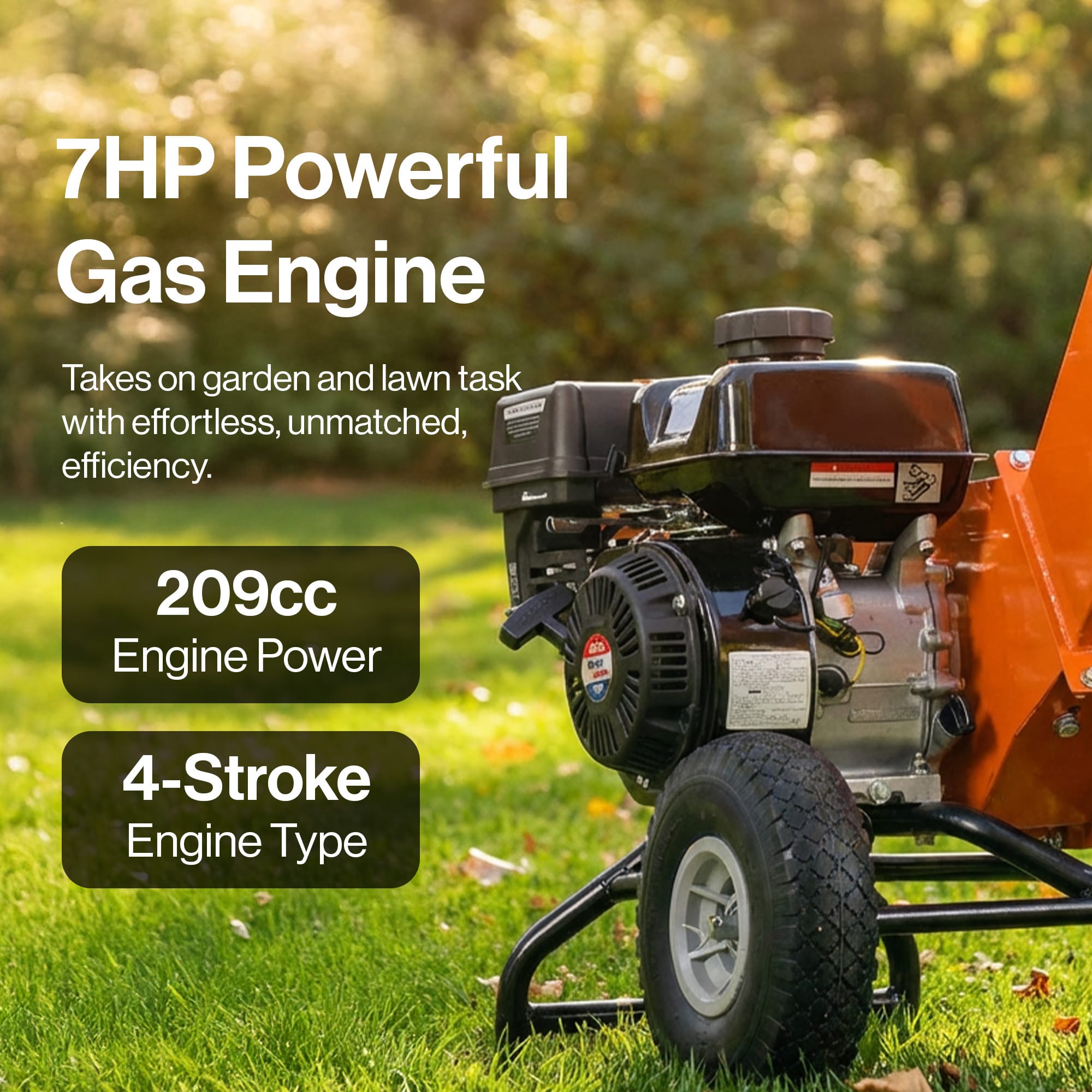
For gas-powered wood chippers, horsepower (HP) is the primary measure of its capability. More horsepower translates to more chipping force, allowing the machine to handle thicker, denser wood without bogging down. While needs vary, a good guideline is that you need about 3-4 HP per inch of branch diameter for effective performance. When evaluating different types of equipment, it's also useful to understand how power is measured; for instance, on tractor-mounted units, the power-take-off (PTO) horsepower is often 10–15% lower than the tractor's rated engine HP. For most residential applications, a chipper that balances power and size is ideal. A model like the SuperHandy Wood Chipper Compact - 7HP 212CC, 3" Max Branch Capacity strikes this balance perfectly, providing ample power for common storm debris and yard cleanup.
Comparing Chipper Types: From Electric Shredders to Heavy-Duty Chippers
When you start looking for a chipper for wood, you'll find a wide range of options. The simplest are electric shredders. These are quiet, lightweight, and great for shredding leaves and small twigs, typically under 1.5 inches in diameter. They are perfect for small yards with light debris.
For more substantial work, you'll need a gas-powered wood chipper. These machines offer significantly more power, allowing them to handle thicker branches, often in the 2- to 3-inch range, which is ideal for most residential properties. While they require more maintenance than electric models, their power and portability make them the go-to choice for managing storm cleanup and regular pruning. At the high end are heavy-duty and Power Take-Off (PTO) chippers, which are designed for large estates or commercial use and attach to a tractor.

Direct Drive vs. Belt Drive: Which Engine Connection is Right for You?
The way a chipper’s engine connects to the cutting mechanism impacts its performance and durability.
- Direct Drive: In this setup, the engine's crankshaft is connected directly to the cutting rotor. This design is compact and offers efficient power transfer. However, a severe jam can put significant stress directly on the engine.
- Belt Drive: This system uses a belt and pulley to transfer power from the engine to the rotor. The belt acts as a shock absorber, slipping slightly if a jam occurs, which helps protect the engine from damage. This is a common feature on more robust, durable chippers built for reliability.
Blade vs. Hammer Mill: Understanding the Chipping Mechanism
A wood chipper breaks down branches using one of two primary mechanisms:
- Blade (or Knife) System: This system uses one or more sharp, rotating knives to slice branches into uniform, clean-cut chips. It is highly effective for processing fresh, clean wood and is the standard on most residential chippers designed for branches.
- Hammer Mill System: This mechanism uses a series of blunt, pivoting "hammers" (or flails) that spin at high speed to pulverize material. It excels at processing a mix of yard waste, including leaves, vines, and small, brittle twigs, and is less prone to damage from small stones or dirt.
Key Features to Look For: Safety, Mobility, and Maintenance
Beyond power, several key features determine a chipper's real-world value.
- Safety: Look for a long, narrow feed chute to keep your hands away from the blades and an emergency shut-off switch.
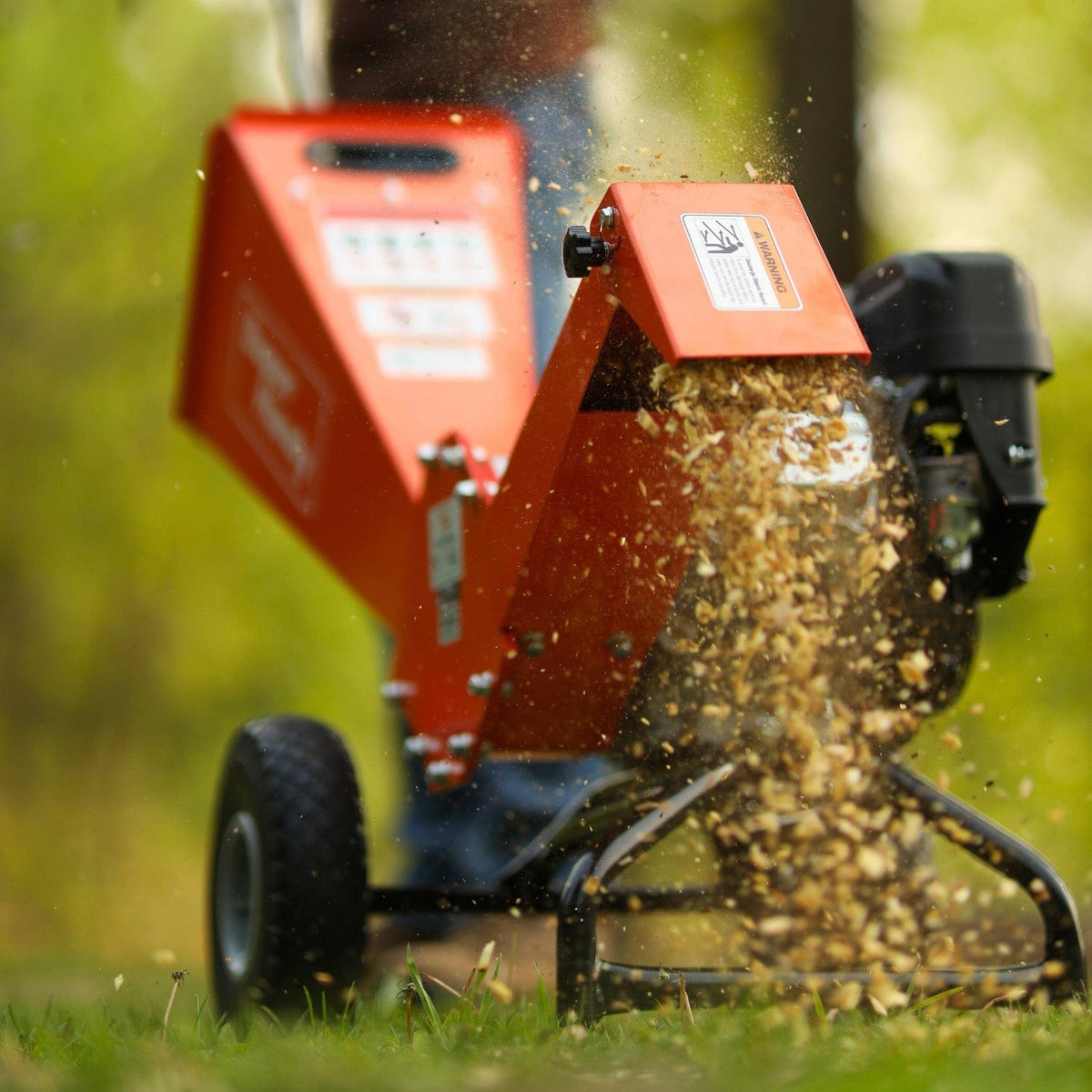
- Mobility: For use around a property, good mobility is essential. Look for large, sturdy wheels (pneumatic tires are best for rough terrain) and a well-balanced frame that is easy to move. A compact but powerful model like the SuperHandy Wood Chipper Compact - 7HP 212CC, 3" Max Branch Capacity demonstrates how a practical design can make yard work much more efficient.
- Maintenance: Easy access to the chipping chamber for clearing clogs and inspecting or replacing blades is a must for long-term performance.
How to Safely Operate Your New Wood Chipper
A wood chipper is a powerful tool that makes yard cleanup efficient, but safety must always be your top priority. Before you even start the engine, read the owner's manual thoroughly to understand your specific model's operation and safety features.
Always wear the proper Personal Protective Equipment (PPE), including:
- Eye Protection: Safety glasses or goggles are essential to protect against flying debris.
- Hand Protection: Heavy-duty gloves protect against splinters and cuts.
- Hearing Protection: Gas-powered chippers are loud; use earplugs or earmuffs.
- Sturdy Clothing and Footwear: Wear long pants, long sleeves, and closed-toe, slip-resistant shoes. Avoid loose-fitting clothes, jewelry, or anything that could get caught in the machine.
When you're ready to work, clear the area of any tripping hazards. Operate the chipper on level, stable ground. Feed branches butt-end first and let the machine pull the material in. Never use your hands or feet to force material into the hopper. Stand to the side of the feed chute, not directly in front of it, and always turn the machine off completely before leaving it unattended or performing any adjustments.

Maintaining Your Wood Chipper for Long-Term Performance
Proper maintenance is the key to keeping your chipper for wood running safely and efficiently for years to come. A well-maintained machine is a reliable machine.
- Clean After Each Use: Clear out any leftover wood chips and debris from the hopper, discharge chute, and cutting chamber to prevent rust and clogs.
- Inspect the Blades: Regularly check the chipper blades for sharpness and signs of wear. Dull blades crush wood instead of cutting it, which strains the engine. Sharpen or replace them according to the manufacturer's instructions.
- Check Belts and Bolts: If your machine is belt-driven, inspect the belts for cracks or fraying. Ensure all nuts and bolts are tight before each use, as vibration can loosen them over time.
- Engine Care (Gas Models): Just like any small engine, your gas wood chipper needs regular oil changes, clean air filters, and fresh spark plugs to ensure stable performance.
When to Call a Professional: Recognizing Chipper Limitations
A residential wood chipper is an incredible asset, but it’s important to know its limits. Forcing a machine to do a job it wasn't designed for is unsafe and can cause serious damage. It's time to call a professional tree service when:
- The branches are larger than your chipper’s maximum rated diameter.
- You are dealing with an enormous volume of debris from major storm damage or large-scale land clearing.
- The work area is on a steep slope or in a location that makes safe operation impossible.
- The job simply feels too big or you are not comfortable operating the equipment.
What is the maximum branch diameter a residential wood chipper can handle?
The maximum branch diameter for a residential wood chipper typically ranges from 1.5 to 3 inches. The exact capacity depends heavily on the type and power of the machine. Electric shredders are generally on the lower end, handling branches up to about 2 inches. Gas-powered wood chippers offer more power and are the best choice for homeowners with larger properties and more substantial debris. A quality gas model, like the SuperHandy Wood Chipper Compact - 7HP 212CC, 3" Max Branch Capacity, can efficiently process branches up to 3 inches in diameter, making quick work of most residential yard waste. Always check the manufacturer's specifications to ensure the chipper meets your needs.
How much horsepower is sufficient for chipping branches up to 3 inches?
When you’re dealing with branches up to 3 inches in diameter, you need a machine with substantial power to get the job done efficiently and without stalling. For this task, a gas-powered wood chipper is essential. Generally, a chipper with an engine in the 6 to 8 horsepower (HP) range provides the right balance of power and performance for typical residential needs.
An engine in this class, often around 212cc, has the necessary torque to pull in and break down sturdy branches without overwhelming the motor. For example, a reliable SuperHandy Wood Chipper Compact - 7HP 212CC, 3" Max Branch Capacity is perfectly designed for this workload. Anything less than 6 HP might struggle with consistently chipping dense, 3-inch hardwood, leading to jams and a frustrating experience. Opting for a chipper in this power range ensures you can confidently tackle most storm cleanup and pruning debris found on a residential property.
Are electric wood chippers powerful enough for most homeowners?
Electric wood chippers, often called shredders, are an excellent choice for homeowners with lighter yard work. They are powerful enough for managing small twigs, leaves, and branches typically under 1.5 to 2 inches in diameter. Their main advantages are convenience and ease of use—they are quieter, lighter, produce no emissions, and require less maintenance than their gas counterparts.
However, their power is limited. If your property has mature trees that drop branches larger than 2 inches, an electric model will not be sufficient. For most homeowners with small yards and minimal pruning needs, an electric chipper is a practical, cost-effective tool. But for those facing larger debris or more demanding cleanup, a gas-powered chipper for wood remains the more capable and versatile option.

What are the safety risks associated with using a wood chipper?
Operating a wood chipper requires your full attention, as it is a powerful piece of equipment with inherent risks. Understanding these dangers is the first step toward safe operation. Key risks include:
- Contact with Blades: The most severe risk involves hands or clothing getting pulled into the chipping mechanism. Never reach into the hopper while the machine is running.
- Flying Debris: Small, hard pieces of wood can be ejected from the input hopper or output chute at high speed. Always wear safety glasses or a full face shield.
- Kickback: Occasionally, a branch can be forcefully thrown back out of the hopper. Stand to the side of the feed chute, not directly in front of it.
- Noise Exposure: Gas-powered chippers are loud and can cause hearing damage over time. Always use hearing protection, such as earplugs or earmuffs.
Always read and follow the manufacturer’s safety instructions. Wearing the proper Personal Protective Equipment (PPE)—including sturdy gloves, eye protection, and hearing protection—is non-negotiable for safe operation.
Related Products



Leave a comment
All comments are moderated before being published.
This site is protected by hCaptcha and the hCaptcha Privacy Policy and Terms of Service apply.