









Choosing the Right Log Splitter for Your Needs: Gas vs. Electric vs. Manual
Selecting the right log wood splitter is the first step to an efficient firewood season. Your choice depends on your power needs, work location, and log volume. Gas-powered splitters offer maximum force for tackling large, tough, or green wood, making them ideal for farm owners and remote job sites. Manual log splitters are quiet and portable, best suited for small, occasional jobs or creating kindling.
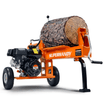
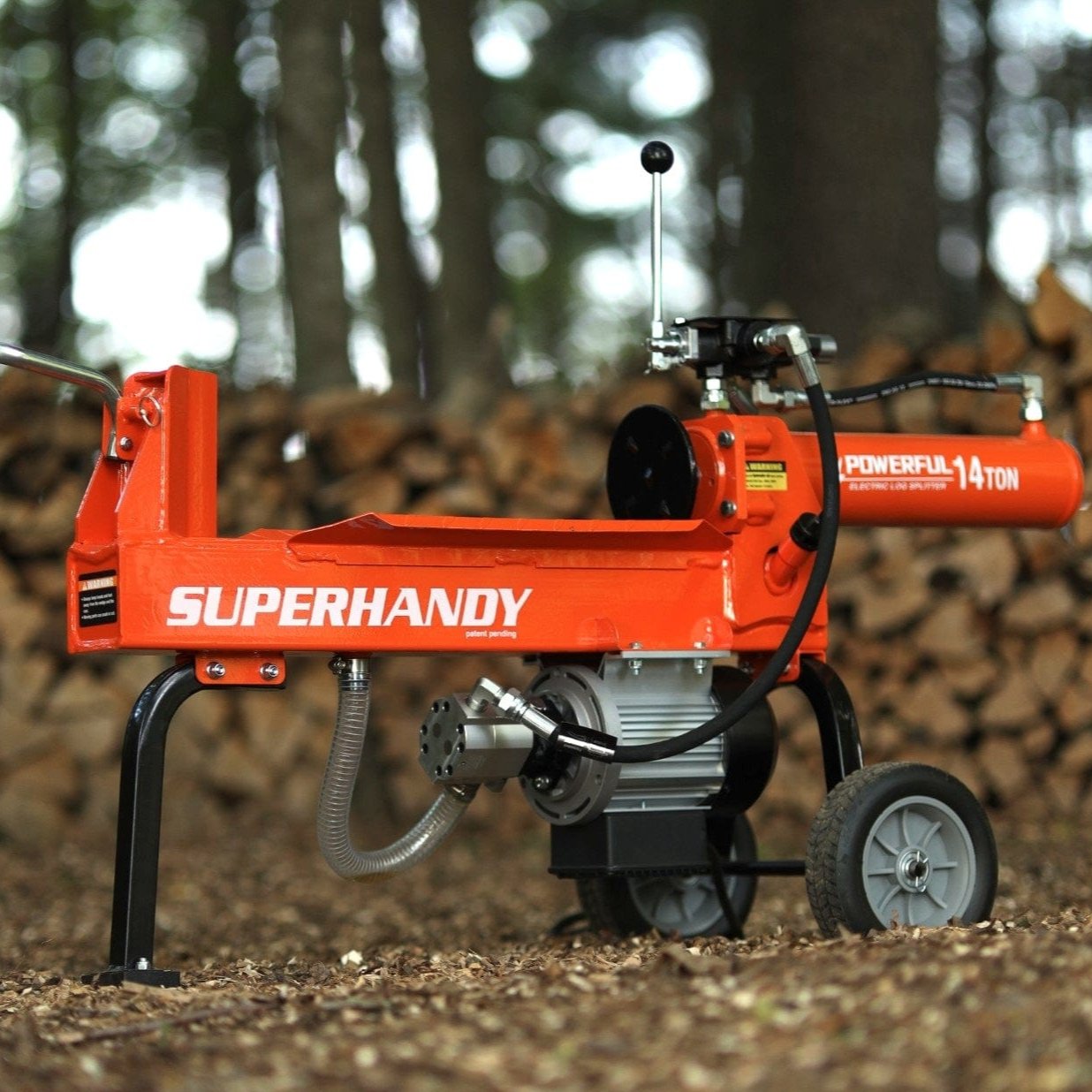
For most household users, an electric log splitter provides the perfect balance of power and convenience. They are quieter, produce no fumes, and require less maintenance than gas models. A robust unit like the SuperHandy 14 Ton Electric Log Splitter - 120V Corded, 20" Max Log Length offers substantial splitting force for logs up to 20 inches long, making it a practical and labor-saving choice for preparing your winter woodpile.
Essential Log Splitter Safety Gear: What You Absolutely Need
Operating a log splitter is not a task to be taken lightly. Before you even start the machine, equipping yourself with the right safety gear is non-negotiable.Always wear durable, non-slip gloves for a secure grip, safety glasses or goggles to protect from flying debris, and steel-toed boots to guard your feet. For louder gas models, hearing protection is also essential.

Pre-Operation Log Splitter Inspection: A Step-by-Step Guide
A quick five-minute inspection before each use ensures your log splitter operates safely and effectively, preventing unexpected downtime. Walk around the machine and perform these simple checks:
- Frame and Components: Look for any loose nuts, bolts, or damaged parts.
- Hydraulic Hoses: Inspect for cracks, leaks, or signs of wear.
- Wedge and Ram: Ensure the splitting wedge is sharp, secure, and free of damage.
- Tires: Check for proper inflation for stable and easy movement.
- Safety Guards: Verify all guards and controls are in place and functioning correctly.
Fueling Your Gas Log Splitter: The Right Type and Amount
For those using a gas-powered log splitter, proper fueling is crucial for performance and engine longevity. Always fuel the machine outdoors on level ground, away from any potential ignition sources. Use fresh, clean, unleaded gasoline with the octane rating specified in your owner’s manual. Avoid using old fuel, as it can cause starting problems and damage the engine. Fill the tank carefully to avoid spills and never overfill it; leave some room for fuel expansion.
Checking Hydraulic Fluid Levels: Crucial for Performance
The hydraulic system is the heart of your log splitter, generating the immense force needed to split tough wood. Before each use, ensure the machine is on level ground and check the hydraulic fluid level via the dipstick or sight glass, as specified in your owner's manual. Low fluid can cause poor performance and damage the pump, while overfilling can lead to leaks under pressure. Topping off with the correct type of hydraulic fluid is a simple step that guarantees your log wood splitter operates at peak power.
Blade and Wedge Condition: Sharpening and Maintenance Tips
A dull wedge crushes wood instead of splitting it, wasting energy and putting unnecessary strain on your machine. Regularly inspect the splitting wedge for nicks, burrs, or a rounded edge. A few minutes with a flat-file or grinder is all it takes to restore a sharp, efficient cutting surface. Always maintain the wedge's original angle for optimal performance. A sharp blade ensures clean, fast splits, saving you time and effort with every log.
Log Preparation: Sizing and Stacking for Efficient Splitting
Efficient splitting begins before you even start the engine. Cut logs to a manageable length that fits your machine’s specifications. For example, a heavy-duty model like the SuperHandy 14 Ton Electric Log Splitter can handle logs up to 20 inches long. Create an organized workspace by stacking unsplit rounds on one side of the log splitter and creating a clear area for the split firewood on the other. This simple setup minimizes movement, reduces fatigue, and prevents trip hazards.

Operating Your Log Splitter Safely: Best Practices for Every Use
Your log splitter is a powerful tool that demands respect. Always operate it on a stable, level surface to prevent tipping. Keep your hands clear of the ram and wedge during operation, and never attempt to split more than one log at a time. Following established hand and power tool safety guidance is non-negotiable for preventing injury. Ensure no one else, especially children, is standing near the work zone. Using both hands on the controls not only engages the ram but also keeps them safely occupied and away from moving parts.
Troubleshooting Common Log Splitter Problems: What to Do When Things Go Wrong
Even the most reliable log splitter can encounter issues. If your machine isn't performing as expected, start with these simple checks. For a gas engine that won’t start, ensure you have fresh fuel and the spark plug is clean and connected. If the splitting wedge moves slowly or not at all, the most common culprit is low hydraulic fluid. Top it off and check for leaks. If the problem persists, you may need to bleed air from the system. A log wood splitter that struggles with logs it previously handled may simply have a dull wedge that needs sharpening.

Post-Operation Log Splitter Care: Cleaning and Storage
A few minutes of care after each use will dramatically extend your log splitter's life. Always clear away wood chips, bark, and dirt from the beam, wedge, and engine area. This prevents buildup that can interfere with operation or cause corrosion. For storage, keep your machine in a dry, protected space like a shed or garage. This shields it from rain and sun, which can damage hoses, fade paint, and rust metal components. For long-term storage of a gas model, use a fuel stabilizer or drain the tank completely.
Maintenance Schedule: Keeping Your Log Splitter in Top Shape Year-Round
A consistent maintenance routine ensures your log splitter is always ready for work. Before every session, perform a quick visual inspection: check the hydraulic fluid and engine oil levels, look for loose fittings, and ensure tires are properly inflated. Every 50 hours of use, sharpen the wedge and clean the air filter on gas models. Annually, or after about 100 hours, it's time to change the hydraulic fluid and engine oil.
Understanding Log Splitter Specifications: Tonnage, Cycle Time, and More
Choosing the right log splitter means matching its specs to your workload.
- Tonnage: This measures the splitting force. A 5-ton splitter is great for small, seasoned softwoods, while a model with 14 tons or more can tackle larger, tougher hardwoods up to 20 inches long.
- Cycle Time: This is how long it takes the ram to extend and retract. A faster cycle time (e.g., 15 seconds) means higher working efficiency, letting you split more wood in less time.
- Power Source: Electric log splitters like the SuperHandy 14 Ton Electric Log Splitter offer powerful, labor-saving operation with less noise and no fumes, making them ideal for household use in garages or near your home. Gas models provide maximum power and portability for remote farm or field work.
Rental vs. Purchase: Is Buying a Log Splitter Worth It?
Deciding between renting and buying a log splitter comes down to your annual firewood needs. Renting can be a good option for a one-time, large clearing project. However, the costs, time, and hassle of pick-up and return can add up quickly. For homeowners who heat with wood, manage a wooded property, or simply value convenience, purchasing a log wood splitter is a sound investment.
Owning a durable and reliable machine means you can split wood on your own schedule, whether it's a few logs for the weekend or processing a full cord over several days. The long-term cost savings, combined with the immense labor-saving benefits, make owning a log splitter the most practical choice for anyone who regularly processes firewood. It ensures you have a powerful tool ready for any season.

Frequently Asked Questions About Log Splitters
Are electric log splitters powerful enough for tough wood? Absolutely. Modern electric models deliver impressive splitting force without the noise, fumes, and maintenance of gas engines. High-tonnage units are more than capable of handling seasoned hardwoods like oak and maple, making them suitable for most household and farm use. For example, the SuperHandy 14 Ton Electric Log Splitter provides heavy-duty power from a standard 120V outlet, combining robust performance with the convenience of an electric design.
What size logs can a splitter handle? This depends on the model's specifications. Most household log splitters can handle logs up to 20 inches in length and 12 inches in diameter. Always check the machine’s rated capacity for both length and diameter to ensure efficient and safe operation.
FAQ: How often should I change the hydraulic fluid?
Proper hydraulic fluid maintenance is key to your log splitter’s performance and longevity. As a general guideline, many manufacturers recommend changing the fluid after the first 25-50 hours of use to clear out any break-in contaminants. After that, a change every 100-150 hours of operation or at least once a year is a common recommendation.
However, the most important rule is to always consult your owner’s manual. Your specific log splitter model will have a precise maintenance schedule outlined by the manufacturer. Following this schedule ensures your machine runs smoothly and remains protected under warranty.
Related Products


Leave a comment
All comments are moderated before being published.
This site is protected by hCaptcha and the hCaptcha Privacy Policy and Terms of Service apply.