










Understanding the True Price: Beyond the Initial Purchase Price
When you’re staring at a freshly cleared yard full of branches and debris, buying a wood chipper feels like an obvious solution. But as you start shopping, it's easy to focus solely on the price tag. The reality is, the initial purchase price is just the first chapter in the story of your machine's total cost. To make a truly informed investment, you need to look beyond the sticker and consider the lifetime cost of ownership, which includes everything from fuel and maintenance to accessories and storage.
Initial Purchase Price: What Influences the Sticker Shock?
The upfront cost of a chipper shredder can range from a few hundred dollars for a light-duty electric model
Fuel and Energy Costs: The Ongoing Expense of Operation
Once you’ve brought your new chipper shredder home, the most consistent expense you'll encounter is the cost to power it. The type of machine you own—gas or electric—will determine the nature of this ongoing cost.
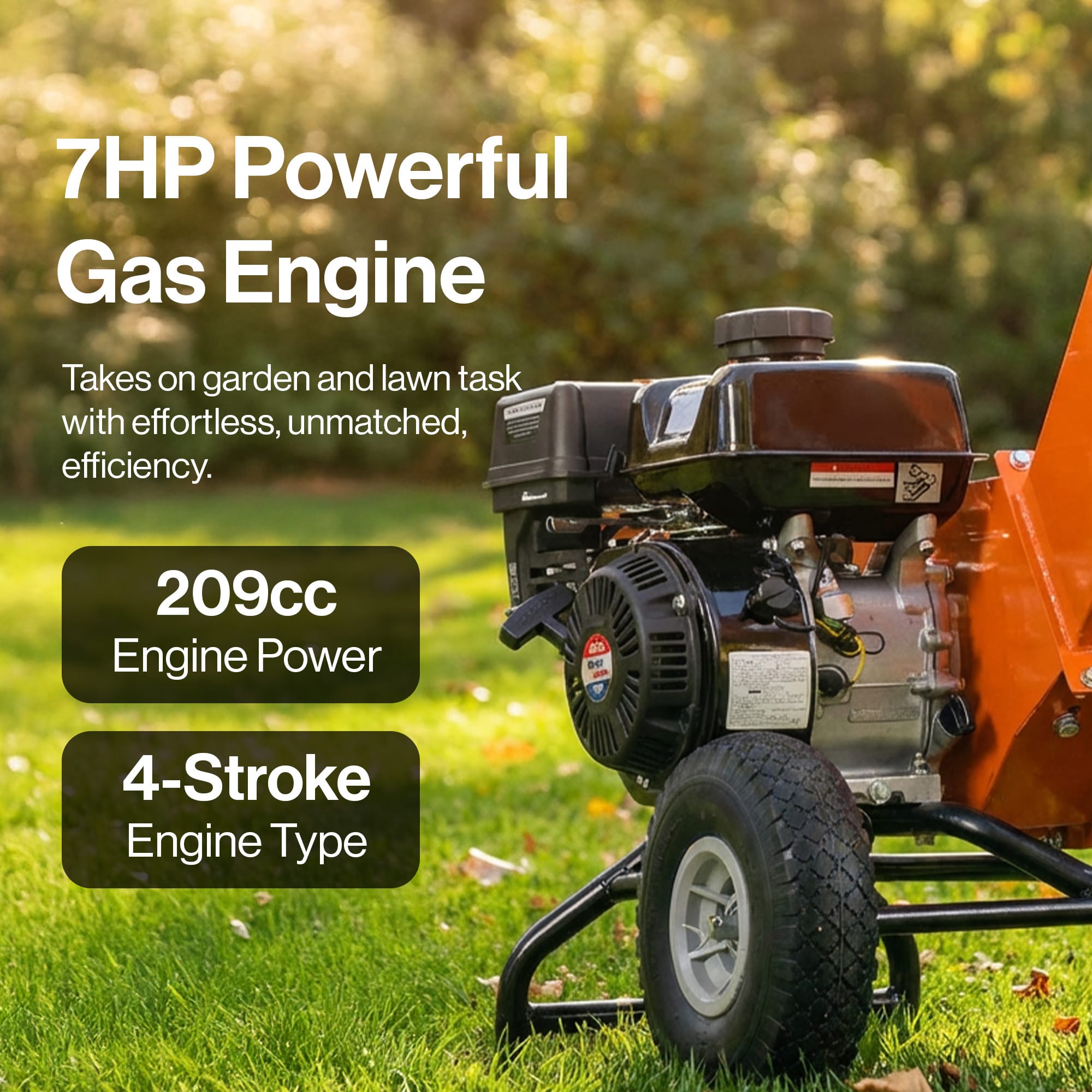
- Gas-Powered Chipper Shredders: These are the most common for residential use due to their power and portability. Their primary running cost is gasoline. The fuel consumption depends heavily on the engine's horsepower (HP) and how hard it's working. Chipping dense, hardwood branches will use more fuel than shredding dry leaves. With fluctuating gas prices, this cost can vary from season to season.
- Electric Chipper Shredders: While often less powerful than their gas counterparts, electric models benefit from lower and more stable energy costs. You’ll pay for the electricity based on your local utility rate (cents per kilowatt-hour). These models are excellent for smaller properties with light-duty yard waste.
Estimating Annual Fuel Consumption for Your Chipper Shredder
To avoid surprises, it’s wise to estimate your annual fuel budget. You can calculate a rough estimate using a simple formula:
(Total Hours of Use Per Year) x (Fuel Burn Rate Per Hour) x (Local Fuel Cost Per Gallon) = Estimated Annual Fuel Cost
For example, a robust 9HP gas-powered wood chipper might consume about 0.5 to 0.75 gallons of gasoline per hour of heavy use. If you plan to use it for 25 hours over the year and the local gas price is $3.75 per gallon:
25 hours x 0.6 gallons/hour x $3.75/gallon = $56.25 per year
This figure is just an estimate, but it gives you a realistic baseline for budgeting the operational cost of your machine.
Maintenance and Repair: Budgeting for Longevity
Like any powerful piece of equipment, a wood chipper requires regular maintenance to run safely and efficiently. Neglecting maintenance doesn't save money; it just delays a much larger repair bill. Key maintenance items include:
- Engine oil
- Spark plugs
- Air and fuel filters
- Drive belts
- Blade sharpening or replacement
A practical rule of thumb is to budget approximately 3-5% of the chipper’s initial purchase price for annual maintenance. For a $1,000 machine, this means setting aside $30-$50 per year for routine upkeep parts. This proactive approach ensures your chipper starts when you need it and extends its operational life significantly.
Routine Maintenance Tasks You Can Do Yourself to Save Money
You don’t need to be a master mechanic to handle the most common maintenance tasks. Performing these simple checks yourself can save hundreds of dollars in shop fees over the life of your chipper shredder. Always consult your owner’s manual first for specific instructions.
- Check and Change the Oil: Just like in a car, clean oil is vital for engine health. Check the level before each use and change it according to the manufacturer's schedule.
- Clean the Air Filter: A clogged air filter suffocates the engine, reducing power and increasing fuel consumption. Most are easy to access, clean, or replace.
- Inspect and Rotate Blades: Dull blades mash wood instead of cutting it, which strains the engine. Many models, like this compact wood chipper, feature reversible blades. When one side gets dull, you can simply unbolt, flip, and reinstall them for a factory-fresh cutting edge, doubling their lifespan before needing to be sharpened or replaced.
- Check Belt Tension: A loose drive belt can slip, reducing chipping power, while a belt that’s too tight can damage bearings. Check the tension periodically.
- Keep It Clean: After each use, clear out any leftover debris from the hopper, chipping chamber, and discharge chute. This prevents corrosion and makes it easier to spot potential issues like loose bolts or worn parts on your chipper.
When to Call a Professional: Understanding Repair Costs
While routine maintenance can be handled by most owners, there are times when a problem with your wood chipper requires a professional touch. Attempting complex repairs without the right tools or expertise can lead to further damage and more expensive fixes down the line.
You should consider calling a small engine repair shop for:
- Engine Failure: If the engine won’t start, runs erratically, or stalls under load, and you’ve already checked the basics like fuel, spark plugs, and air filters, it’s time for a pro.
- Excessive Vibration: If balancing or sharpening the blades doesn't solve a severe vibration issue, it could point to a bent flywheel or a problem with the main bearing, both of which are complex jobs.
- Drive System Issues: Problems with a centrifugal clutch or a complex belt tensioning system that you can't easily adjust may require professional service.
- Structural Damage: Any cracks in the main housing or damage to the frame should be assessed by a professional to ensure the chipper shredder remains safe to operate.
Expect to pay a diagnostic fee, typically between $50 and $100, which is often applied toward the final repair cost. Labor rates for qualified technicians usually range from $75 to $150 per hour. A carburetor cleaning or rebuild might cost $150-$250, while more significant engine work can easily exceed $400.
Storage and Transportation: Hidden Costs to Consider
Your chipper shredder's lifespan is directly impacted by how you store it. Leaving it exposed to rain, snow, and sun will accelerate rust, degrade belts, and damage the engine. If you don’t have available space in a garage or shed, you’ll need to factor in the cost of proper storage.
- Covers: A high-quality, weatherproof cover is the minimum protection you should consider, costing between $30 and $70.
- Dedicated Shelter: For superior protection, you might invest in a small, prefabricated resin shed ($300-$800) or build a simple lean-to against an existing structure. This protects your investment from the elements and theft.
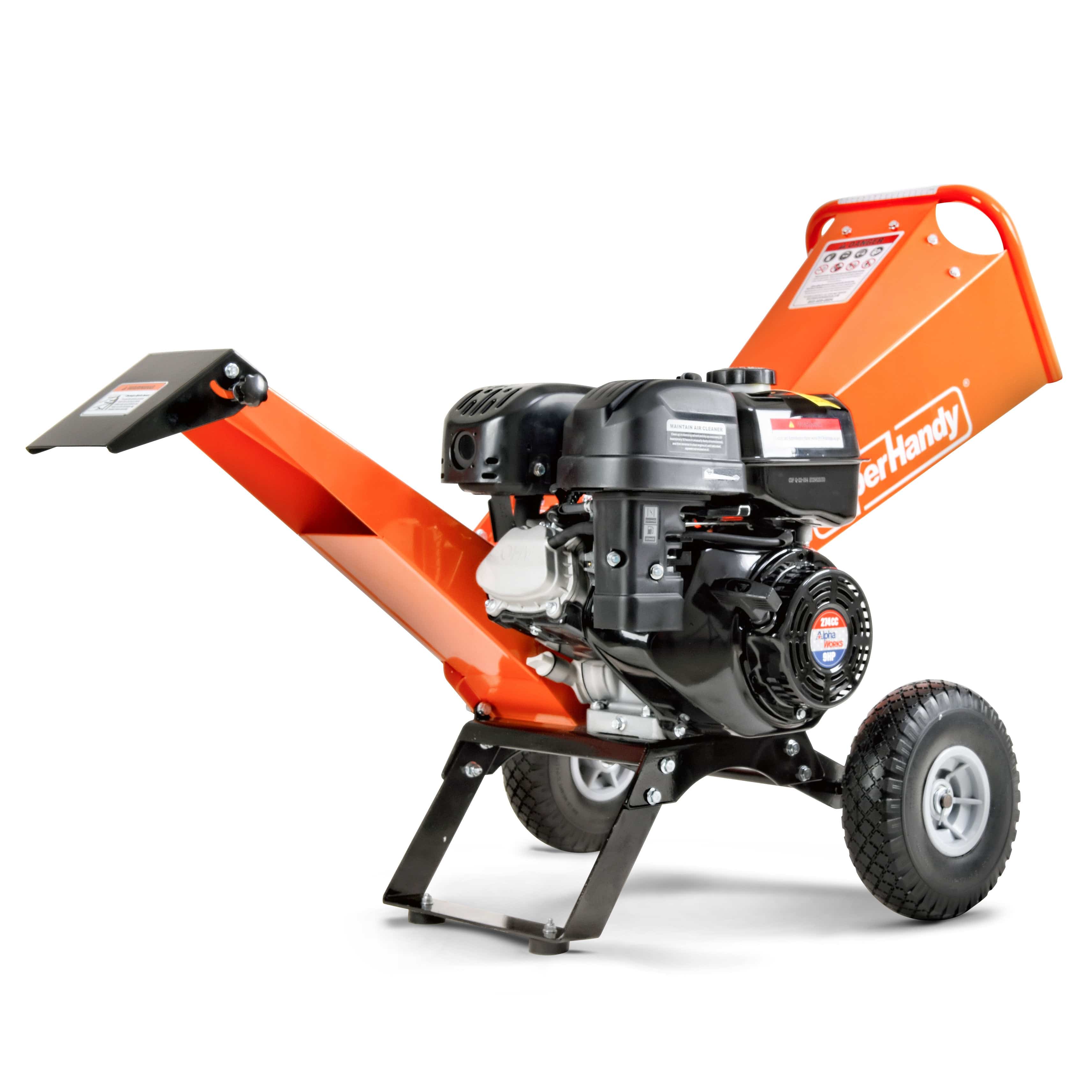
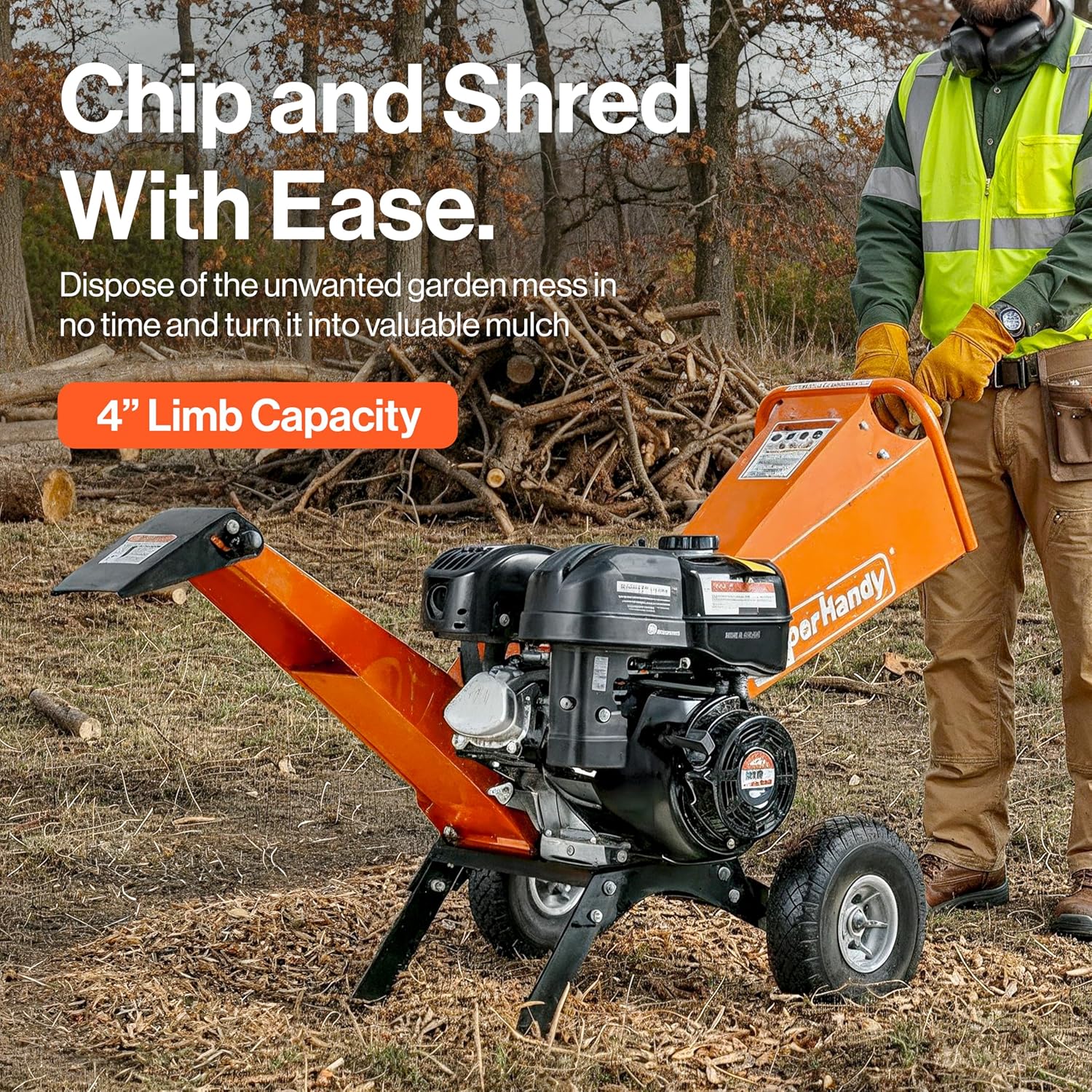
Transportation is another potential cost. While models like this heavy-duty 9HP chipper shredder are designed with large wheels for easy maneuverability around your property, moving it to another location may require a truck or utility trailer. If you don't own one, a daily trailer rental can cost $20 to $50.
Insurance and Liability: Protecting Your Investment
A quality wood chipper is a significant purchase, and it’s wise to protect it. Review your homeowner's insurance policy to see if equipment of this value is covered against theft, fire, or damage. Some policies have coverage limits for personal property, and you may need to add a special rider to fully insure your machine. This is often a minimal annual cost but provides crucial peace of mind.
More importantly, consider the liability. A chipper shredder is powerful machinery. Your homeowner's policy should include liability coverage in case of an accident that causes injury or property damage. Confirm your coverage limits are adequate, and consider an umbrella policy for extra protection.
Depreciation: How Much Value Will Your Chipper Shredder Lose?
Like any piece of equipment, your chipper shredder will depreciate, or lose value, over time. As a general rule, expect the steepest drop in the first year—often 20-30% of the purchase price. After that, the value will decrease more slowly.
A well-maintained, five-year-old residential wood chipper might retain 30-50% of its original value. The exact rate depends on:
- Brand and Build Quality: Reputable brands with a history of durability hold their value better.
- Maintenance History: A clean machine with service records will always command a higher resale price.
- Hours of Use: Lower hours mean less wear and tear and higher value.
- Market Demand: The local market for used landscaping equipment will influence its final price.
While a chipper shredder is a depreciating asset, its true value is also measured in the work it accomplishes, the money saved on professional yard cleanup services, and the free, high-quality mulch it produces for your garden.
Calculating Your Total Cost of Ownership: A Step-by-Step Guide
You’ve explored the different types of wood chippers, considered the fuel and maintenance needs, and now you’re ready to put it all together. Calculating the Total Cost of Ownership (TCO) moves you beyond the initial sticker price to give you a realistic picture of what your chipper shredder will cost over its entire life. This powerful insight helps you choose the right machine for your budget and your property.
Here’s a simple, step-by-step guide to calculating the TCO for your future wood chipper.
Step 1: Tally Your Initial Investment
This is the most straightforward part of the equation. Your initial investment is the total upfront cost to get your machine home and ready for its first job.
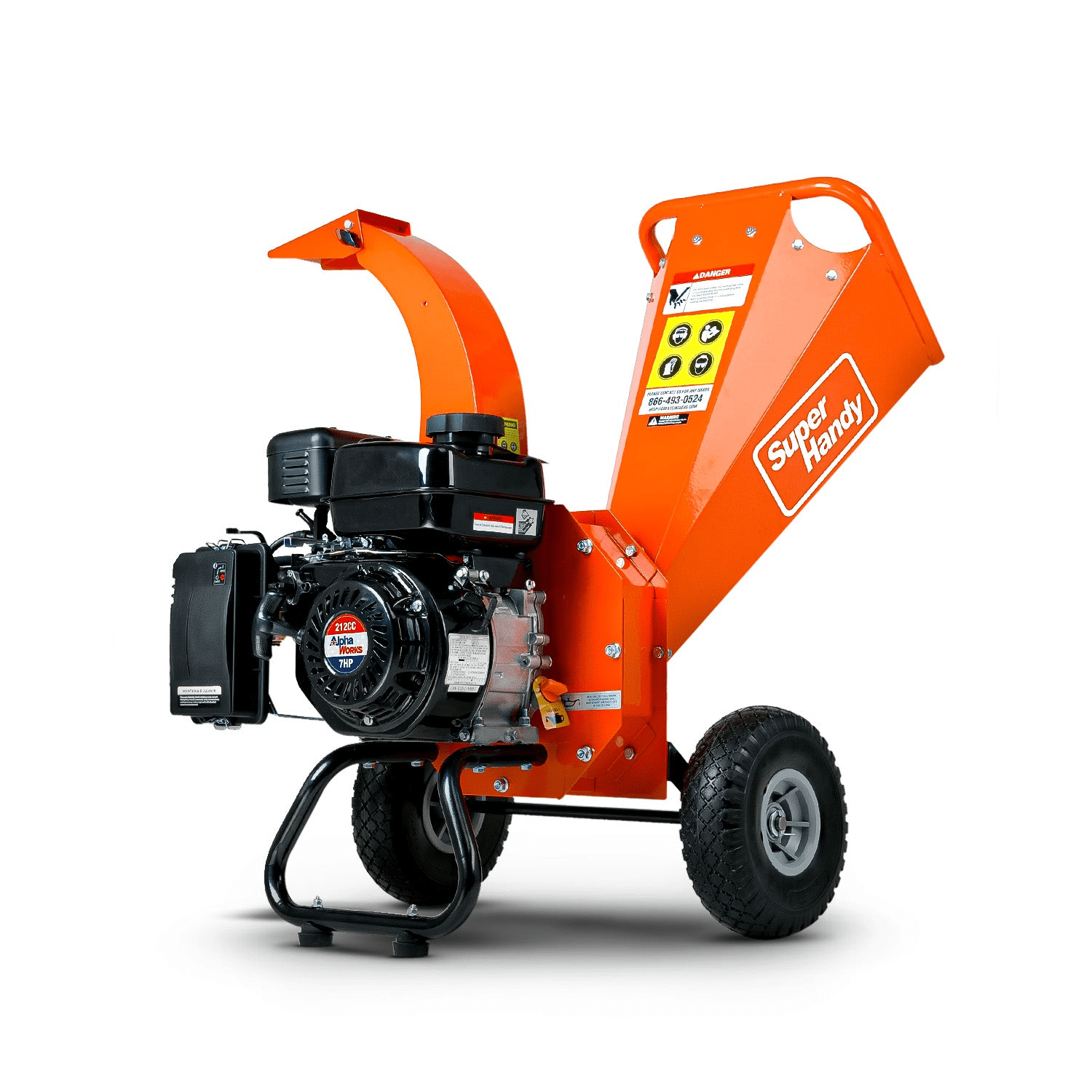
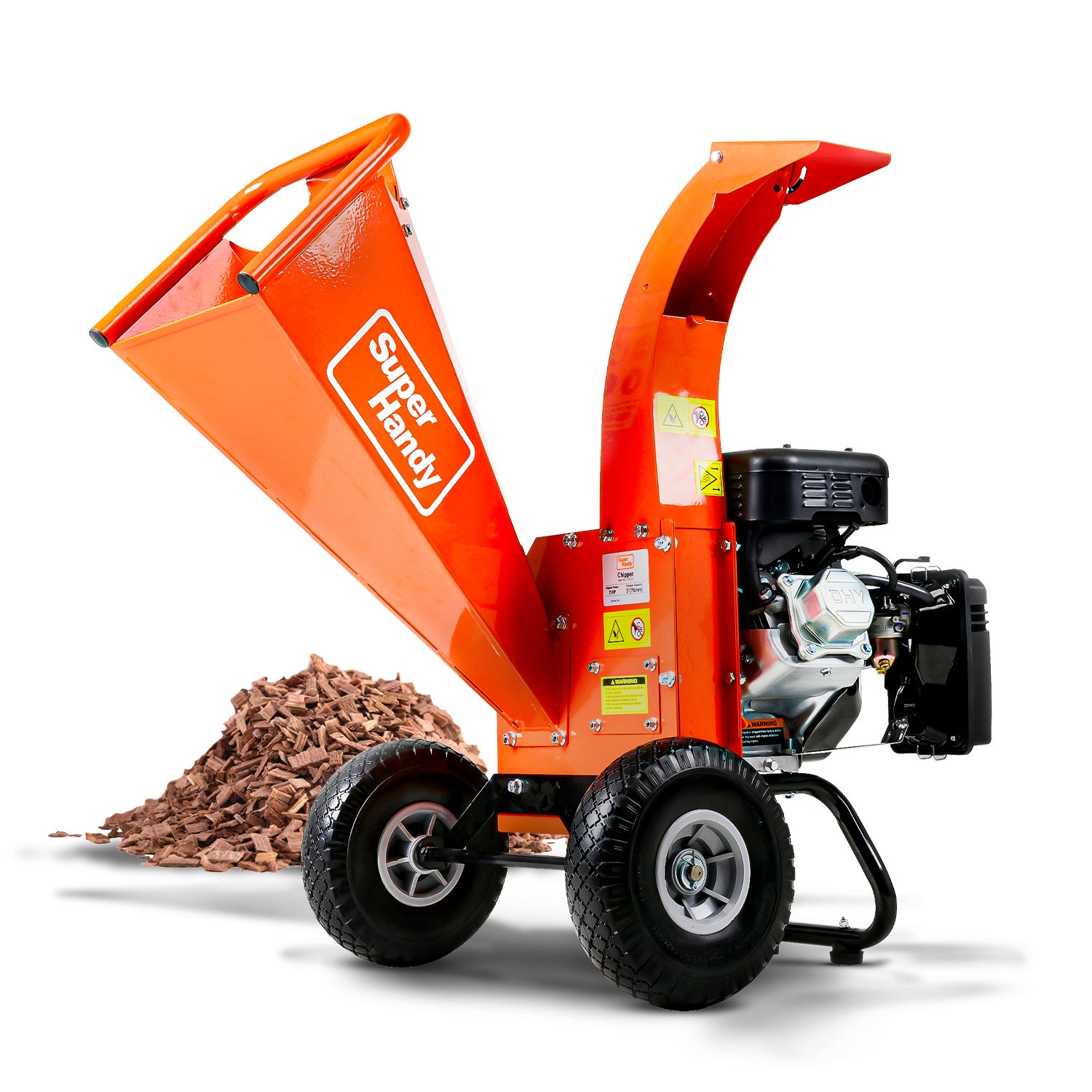
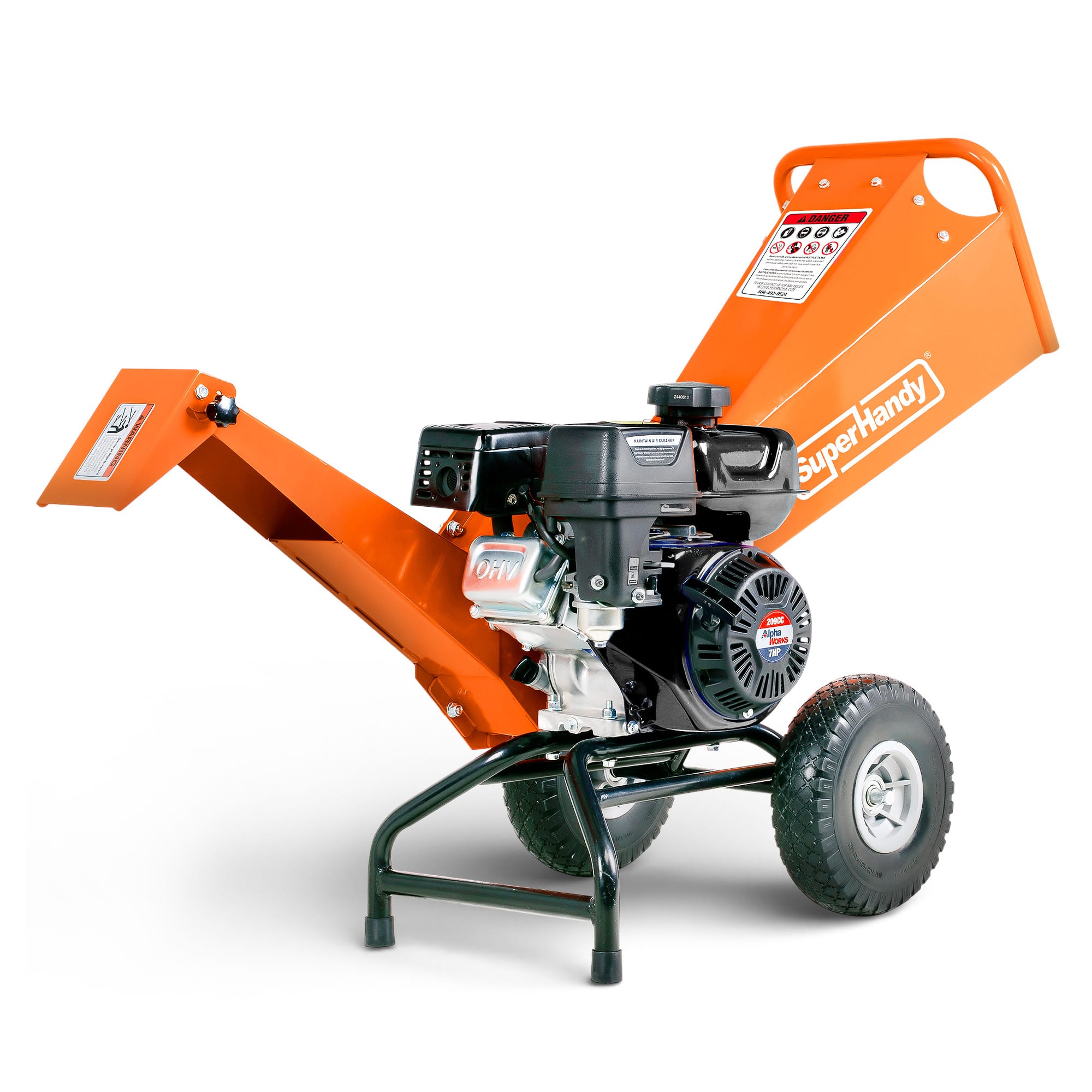
- Purchase Price: The price of the chipper shredder itself. This will vary depending on power and features, from a compact, efficient unit like our 3-inch, 7HP model to a more robust, heavy-duty 4-inch, 9HP chipper for larger properties.
- Essential Accessories: Add the cost of safety gear (goggles, gloves, hearing protection), fuel cans, and any optional accessories like a tow bar kit or collection bag.
Initial Investment = Purchase Price + Accessory Costs
Step 2: Estimate Annual Operating Costs
These are the recurring costs you’ll face every year you own the chipper.
- Fuel/Energy: Estimate how many hours you’ll use the chipper annually and multiply that by its hourly fuel consumption. For example: 20 hours/year x 0.5 gallons/hour = 10 gallons/year. Then, multiply by your local price per gallon.
- Routine Maintenance: Budget for annual oil changes, new spark plugs, air filters, and blade sharpening or replacement. A reasonable estimate is $50 - $150 per year, depending on your usage and model.
Annual Operating Cost = Annual Fuel Cost + Annual Maintenance Cost
Step 3: Project Long-Term Expenses and Final Value
This step involves looking further down the road to complete the financial picture.
- Major Repairs: It’s wise to budget for potential repairs outside of routine maintenance. A conservative approach is to set aside a small percentage (1-2%) of the chipper’s initial purchase price each year.
- Resale Value (Depreciation): Your chipper will lose value over time. After your planned ownership period (e.g., 10 years), estimate its resale value. Well-maintained machines from quality brands typically retain more value.
Step 4: Put It All Together with the TCO Formula
Now, let's combine these figures to find your Total Cost of Ownership. Decide how many years you plan to own the chipper shredder (e.g., 10 years is a common lifespan for calculations).
TCO = (Initial Investment) + (Annual Operating Cost x Years of Ownership) + (Projected Major Repair Costs over lifespan) - (Estimated Resale Value)
Example Calculation (10-Year Ownership):
- Initial Investment: $1,200 (
Frequently Asked Questions About Chipper Shredder Lifetime Costs
How often do chipper shredder blades need to be replaced?
Blade life varies based on usage frequency and the type of wood you're chipping. For the average homeowner, a set of blades can last one to two years. Many modern chipper shredders feature reversible blades, which doubles their lifespan before a replacement is needed. Sharpening your blades periodically can also significantly extend their life and reduce long-term costs.
Is it cheaper to rent a wood chipper than to buy one?
Renting is ideal for a one-off project, like clearing a single fallen tree. However, daily rental fees can add up quickly. If you anticipate needing a chipper shredder more than two or three times a year for seasonal cleanups or storm debris, purchasing one is almost always the more cost-effective option in the long run.
What's the biggest "hidden" cost of owning a chipper shredder?
Beyond fuel and blades, the most significant potential cost is a major repair due to improper use or neglected maintenance. Jamming the machine with material that is too large or wet can strain the engine and damage the flywheel or blades, leading to costly professional service. Consistent, routine maintenance is the best way to avoid these unexpected expenses.
How long does a residential wood chipper typically last?
With proper care and maintenance, a quality residential wood chipper can last for 10 to 20 years. The key to longevity is following the manufacturer's maintenance schedule, including regular oil changes, air filter cleaning, blade sharpening, and proper off-season storage to protect it from the elements.
Is a Chipper Shredder a Worthwhile Investment for My Property?
Ultimately, deciding if a chipper shredder is a worthwhile investment comes down to a simple calculation: will the long-term savings and convenience outweigh the total cost of ownership?
A wood chipper is likely a great investment for you if:
- You own a property of a half-acre or more with numerous trees that require regular pruning.
- You frequently deal with fallen branches and debris after storms.
- You are an avid gardener who can use a constant supply of free, nutrient-rich mulch for flowerbeds and landscaping.
- You currently spend a significant amount of money on hauling away yard waste or paying for professional tree services.
By turning waste into a valuable resource, a chipper shredder pays for itself over time. For a typical suburban yard, a compact and efficient 3-in-1 model might be the perfect solution. Those with more land and tougher debris could benefit from a more robust gas-powered unit that offers more power and capacity. For large-scale clearing on farms or forested land, a heavy-duty 4-inch chipper provides maximum performance.
Conversely, if you have a small yard with minimal tree cover and only need to dispose of yard waste once a year, the cost of renting may be more practical. Consider your property's needs, your willingness to perform maintenance, and the potential savings. For the right homeowner, a chipper shredder isn't just a tool—it's a long-term investment in a cleaner, healthier, and more self-sufficient property.
Related Products





Leave a comment
All comments are moderated before being published.
This site is protected by hCaptcha and the hCaptcha Privacy Policy and Terms of Service apply.