











Understanding Your Scooter's Dimensions: The First Step to Navigating Tight Spaces
Before you can confidently glide through a narrow passage, you must become an expert on your scooter's size. Knowing your Mobility Scooter's length, width, and, most importantly, its turning radius is the foundation of safe indoor navigation.
Grab a tape measure and note these key specifications from your scooter's manual or measure them yourself.
- Width: This is the most critical dimension for doorways. Measure your scooter at its widest point, which is often the rear axle.
- Length: This affects your ability to turn in hallways and small rooms.
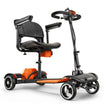
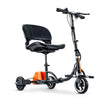
- Turning Radius: This number tells you the smallest circular turn your scooter can make. A smaller turning radius is a huge advantage in tight quarters. The Passport Mobility Scooter, for example, is designed with a compact frame to excel in these environments.
Once you know your scooter’s dimensions, measure the doorways and hallways in your home. While residential buildings don't have to follow the same strict rules as public ones, the ADA Accessibility Standards provide a helpful benchmark. These standards set minimum requirements for new and altered public facilities to be accessible, often mandating a clear width of at least 32 inches for doorways. Comparing your scooter’s width to these measurements will give you a clear idea of where you can and cannot go.
Pre-Ride Checklist: Ensuring Your Scooter is Ready for Maneuvering
Just as a pilot performs a pre-flight check, a quick inspection of your electric mobility scooter before navigating tight spaces can prevent mishaps. This ensures your machine is in optimal condition for the precise movements required.

Before you roll, run through this simple checklist:
- Battery Level: Ensure you have a sufficient charge. The last thing you want is to lose power while blocking a narrow hallway or doorway.
- Tire Condition: Check that your tires are properly inflated. Underinflated tires can make steering feel sluggish and unresponsive, while properly inflated ones provide better control.
- Controls: Test your tiller and throttle. Make sure the steering is smooth and the acceleration is predictable, not jerky.
- Remove Obstructions: Make sure no bags, blankets, or other items are dangling where they could get caught on a doorknob or in the wheels.
- Horn and Lights: Test your horn to ensure it works. It’s your best tool for alerting others of your presence before you enter a blind corner or doorway.
Mastering the Three-Point Turn: A Technique for Confined Areas
One of the most valuable skills you can learn is the three-point turn. This technique allows you to completely change direction in a space that is not wide enough to complete a full U-turn, such as the end of a hallway. Practice this in an open area first to build confidence.
Here’s how to execute a perfect three-point turn:
- Forward and Angle: Start on one side of the hallway. Move forward slowly while turning the tiller sharply toward the opposite wall. Stop just before the front wheels touch the wall.
- Reverse and Angle: Put your scooter in reverse. Turn the tiller in the opposite direction and back up slowly. The rear of your scooter will now move toward the wall you started on. Stop before you make contact.
- Forward and Straighten: Shift back into drive. You should now have enough space to move forward and straighten your path in the new direction.
This maneuver requires patience and slow, deliberate movements. Rushing can easily lead to scuffed walls or a stuck scooter.
Approaching Doorways: Slow and Steady Wins the Race
Doorways are the narrowest points in any home, and they demand your full attention. The single most important rule for navigating them is to reduce your speed. Approaching a doorway too quickly is a recipe for scraped knuckles, damaged doorframes, and a jolting stop.

Adopt a slow and steady strategy for every doorway:
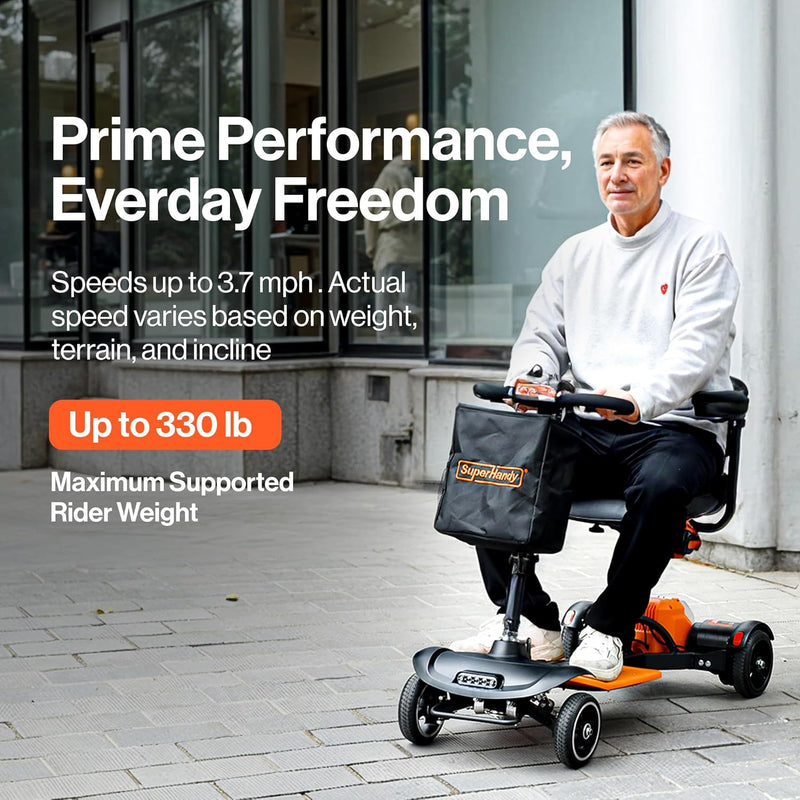
- Slow Down Early: Decrease your speed well before you reach the threshold. Models like the Passport Prime Mobility Scooter offer excellent speed control, allowing for a crawl when needed.
- Align Your Approach: Whenever possible, approach the doorway straight on. This minimizes the angle and gives you the maximum amount of clearance on both sides.
- Look Through and Beyond: Scan the area ahead. Is someone coming from the other side? Is there a rug or other obstacle waiting for you?
- Announce Your Arrival: If you can’t see what’s on the other side, give a quick, friendly tap of your horn or a verbal "coming through!" to alert anyone nearby.
Navigating Doorways: Strategies for Success
Once you’ve approached a doorway slowly and squarely, the next step is to pass through it without a hitch. Doorways are natural chokepoints, and a successful pass-through requires precision and a few key strategies. While many modern residential buildings are built to accessibility standards—for example, California building codes specify that residential dwelling units required to provide mobility features shall comply with Sections 11B-809.1.1 through 11B-809.1.3, and Sections 11B-809.2 through 11B-809.4—older homes or non-compliant spaces can present a tighter squeeze.
- Mind the Swing: Pay attention to which way the door swings. If it opens toward you, back up to give it a full range of motion before proceeding. If it opens away from you, push it fully open and move through promptly before it swings closed. A simple doorstop can be a great tool for doors you use frequently.
- Watch the Door Frame and Stop: The biggest culprits for scrapes and bumps are the door frame and the doorstop (the thin strip of wood that stops the door from swinging through the frame). As you move through, keep your eyes on your front wheels and ensure they clear these points on both sides.
- Approach at a Slight Angle: For extremely tight doorways, approaching straight-on may not work. Instead, try approaching at a very slight angle. This allows one front wheel to enter the doorway first, and you can then straighten out, giving the rear wheels more room to clear the frame as they follow.
- Cross Thresholds with Care: Go over the threshold (the sill at the bottom of the doorway) at a slow, steady pace. Hitting it too fast can jolt the scooter, cause you to lose control, or even get a smaller wheel stuck.
Dealing with Unexpected Obstacles: What to Do When Space is Limited
Residential hallways are rarely as clear as we’d like. A dropped grocery bag, a pair of shoes left outside a door, or a neighbor’s welcome mat can quickly turn a familiar path into an obstacle course. When you encounter something unexpected, your first reaction is the most important.
- Stop and Assess: As soon as you see an obstacle, stop your Mobility Scooter. Do not try to quickly swerve around it or power through it. Take a moment to gauge the amount of space you have.
- Evaluate the Obstacle: Is it something soft and movable, like a gym bag? Or is it hard and fixed, like a piece of furniture? Can you safely move it without getting off your scooter or compromising your balance? If not, do not attempt it.
- Reverse to a Wider Area: In most cases, the safest maneuver is to slowly reverse. Back away from the obstacle until you reach a wider section of the hallway or an intersection. This gives you more room to either attempt a wide turn around the object or to turn around completely and find an alternate route.
- Ask for Help: There is no shame in asking for assistance. If you are truly blocked, use your scooter’s horn to get someone’s attention or call out for help. It is far better to wait a few moments for a neighbor to move an item than to risk damaging your scooter or the property.
Turning in Hallways: Maintaining Control and Avoiding Collisions
Turning a corner in a narrow hallway can feel like navigating a canyon. The key is to use the space you have wisely and maintain absolute control over your scooter’s speed and direction.
- Slow Down Before the Turn: Never enter a turn at full speed. Reduce your speed significantly before you begin to turn the tiller. This prevents the scooter from lurching and gives you ample time to react and make fine adjustments.
- Take it Wide: Just like driving a car, you want to take wide turns. As you approach a right-hand turn, position your scooter toward the left side of the hallway. As you begin the turn, you will naturally swing into the center of the adjoining hall, clearing the corner easily. Reverse this for a left-hand turn (start on the right side).
- Look Where You Want to Go: Your scooter will follow your line of sight. Instead of staring at the corner you are trying to avoid, look down the hallway where you intend to go. This helps your brain and body subconsciously steer the scooter in the correct path.

Using Your Scooter's Turning Radius to Your Advantage
Every electric mobility scooter has a "turning radius," which is the smallest amount of space it needs to make a circular turn. Understanding this feature is critical for indoor navigation. A scooter with a smaller, or "tighter," turning radius is far more adept at handling confined spaces.
For example, compact models like the Passport Mobility Scooter are specifically designed with indoor maneuverability in mind. For those navigating particularly tight living quarters, a model like the Passport Prime Mobility Scooter boasts an impressive turning radius that makes it ideal for apartment hallways and sharp corners inside your home.
To use your scooter’s turning radius effectively:
- Practice in an Open Space: Get a feel for how tightly your scooter can turn. Practice making full circles in both directions in a living room or garage to understand its limits.
- Master the Three-Point Turn: Knowing your turning radius is essential for executing a three-point turn (or "K-turn") in a hallway that is too narrow for a full U-turn.
- Pivot to Reposition: Scooters with an excellent turning radius can almost pivot in place. Use this to your advantage to slightly adjust your position or angle without having to back up and pull forward multiple times.
Assessing Hallway Congestion: Recognizing Potential Hazards
Before you even start moving down a residential hallway, take a moment to be a detective. Your eyes are your best first line of defense against getting stuck or causing a collision. Scan the entire length of the hallway, looking for potential hazards that could narrow your path or create a challenge for your Mobility Scooter.
Common hazards to watch for include:
- Temporary Obstacles: Bags, shoes, umbrellas, or delivery boxes left outside doorways.
- Furnishings: Small tables, decorative plants, or chairs placed against the walls can significantly reduce clearance.
- Service Carts: Housekeeping or maintenance carts can appear unexpectedly and block the entire corridor.
- Floor Coverings: Pay attention to the edges of area rugs or mats, which can catch a wheel and alter your course. Also, be wary of "wet floor" signs, as slick surfaces can affect your scooter’s traction and braking.
- People and Pets: Hallways are shared spaces. Be mindful of neighbors who may step out of their rooms without looking or pets that might dart into your path.
By identifying these potential issues from a distance, you can plan your route, adjust your speed accordingly, and decide if you need to wait for a temporary obstruction to be cleared before proceeding.
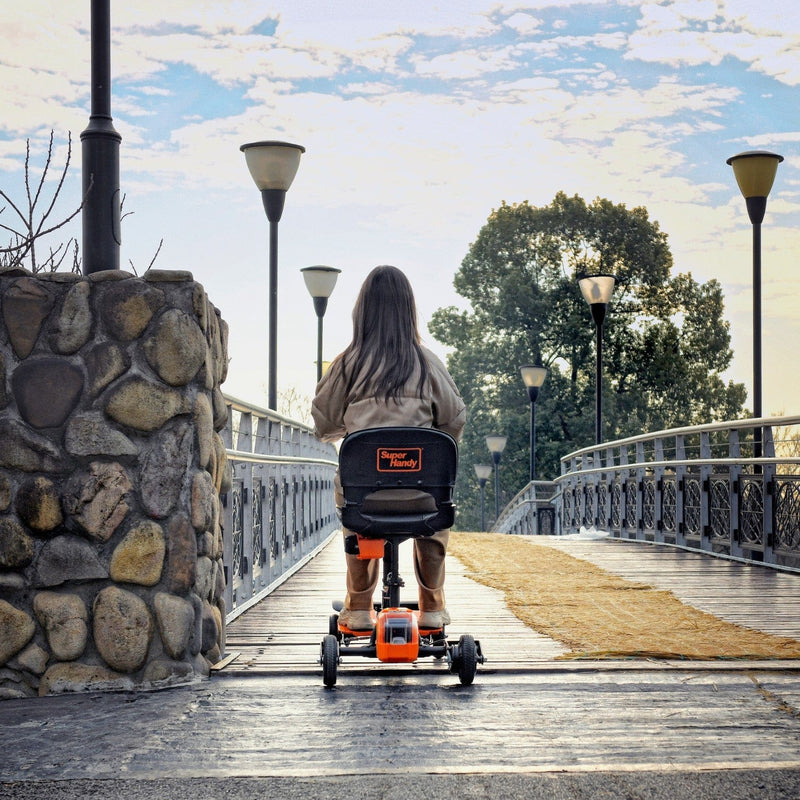
Communicating Your Presence: Alerting Others in Shared Spaces
Navigating a shared residential space on an electric mobility scooter isn't just about what you can see; it's also about making sure others are aware of you. Clear and courteous communication is essential for preventing accidents, especially around blind corners and doorways.
Your scooter’s horn is a valuable tool, but it should be used thoughtfully. A quick, gentle tap is usually all that’s needed to signal your approach as you near a corner or an intersecting hall. This gives anyone on the other side a moment to react. Similarly, if you are behind someone who hasn't noticed you, a polite beep is more effective and less startling than trying to squeeze past.
Don't underestimate the power of your own voice. A friendly "excuse me" or "coming through on your left" can work wonders. It’s direct, personal, and universally understood. Whenever possible, try to make eye contact with people in the hallway. This non-verbal cue confirms they see you and you see them, creating a mutual understanding that helps everyone share the space safely.
Assisted Maneuvering: When and How to Ask for Help
There is no shame in asking for assistance. In fact, knowing when to ask for help is a sign of a smart and safe scooter operator. Your priority should always be to avoid injury to yourself and others, and to prevent damage to your scooter or the building. If you encounter a situation where you feel uncertain or the space is simply too tight, it's time to ask for a hand.
Consider asking for help when:
- An unexpected obstacle, like a large piece of furniture, is blocking the path and you can't safely get around it.
- You need to navigate an extremely tight turn and are worried about scraping the walls.
- You are not feeling well or are overly tired, which can impair your judgment and fine motor control.
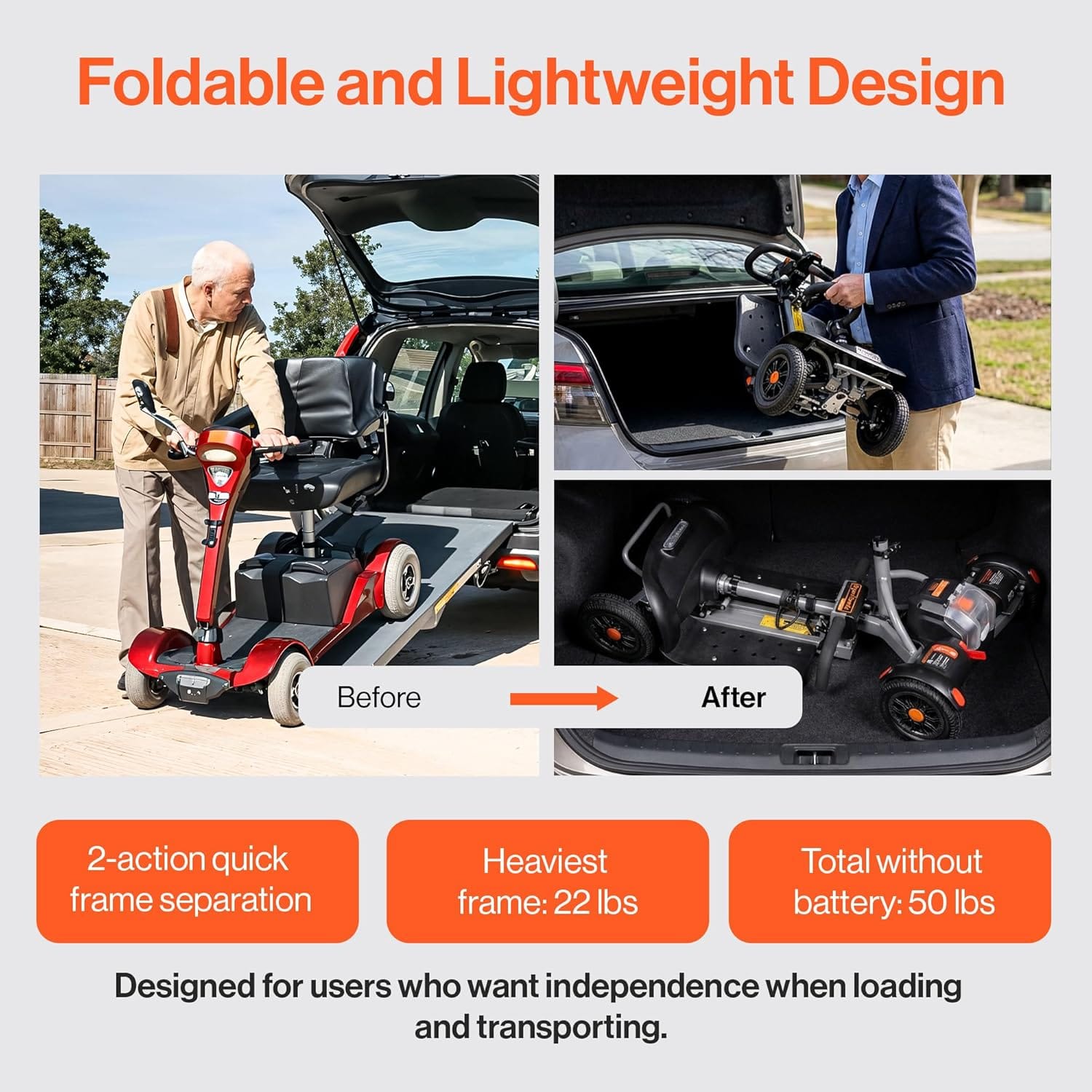
When you ask for help, be specific. Instead of just looking for assistance, clearly state what you need. For example, say "Could you please help guide my back wheel as I turn this corner?" or "Would you mind moving that box so I have enough room to pass?" Most people are willing to help but may not know what to do unless you tell them. For users with a lightweight, foldable model like the Passport Prime Mobility Scooter, a helper can sometimes more easily assist in repositioning the device if you need to get off it to clear a particularly difficult spot.
Maintaining Your Scooter for Optimal Maneuverability
A well-maintained electric mobility scooter is a responsive and reliable one. Regular checks and basic upkeep are crucial for ensuring your machine handles exactly as you expect it to, which is vital when navigating narrow spaces. Poor maintenance can lead to sluggish steering, unpredictable braking, and a wider turning radius—all things you want to avoid in a tight hallway.
Focus on these key areas for peak maneuverability:
- Tire Pressure: This is one of the most important and most overlooked aspects of scooter maintenance. Under-inflated tires can make steering feel heavy and unresponsive. Check your user manual for the recommended PSI and inspect your tires regularly to ensure they are properly inflated for crisp, precise handling. Models like the Passport Mobility Scooter with solid, puncture-proof tires remove this concern entirely.
- Battery Life: Always try to operate your scooter on a full or near-full charge. As a battery drains, it can sometimes affect the power delivered to the motor, potentially leading to less responsive acceleration when you need it most.
- Braking System: Test your brakes in an open area. They should engage smoothly and bring you to a firm, controlled stop. If they feel loose or weak, they need to be adjusted or serviced.
- Tiller and Controls: Ensure the steering column (tiller) is locked securely in place. Any wobble or play in the tiller will make precise steering nearly impossible.
By performing these simple checks, you ensure that your scooter will perform at its best, giving you the control and confidence needed to master any indoor environment.
Frequently Asked Questions About Scooter Navigation in Residential Halls
Navigating a residential space with an electric mobility scooter can present unique challenges. Here, we answer some of the most common questions to help you move through your home or apartment building with confidence and ease.
What is the best type of mobility scooter for tight residential hallways?
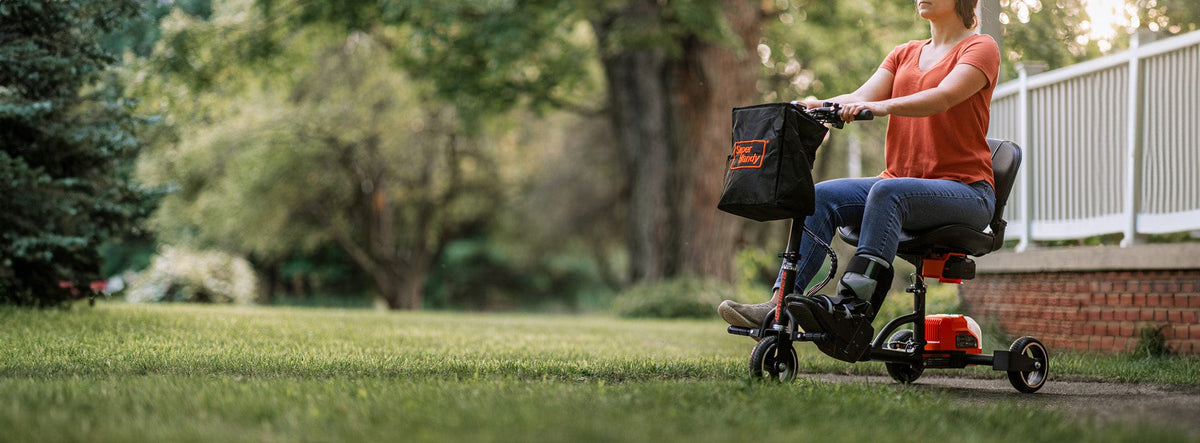
The best scooter for indoor use, especially in confined areas, is one with a compact frame and a tight turning radius. Three-wheel mobility scooters generally offer superior maneuverability and a smaller turning circle compared to their four-wheel counterparts, making them ideal for sharp corners and narrow passages. Look for models specifically designed for portability and indoor navigation. For example, the Passport Prime Mobility Scooter is engineered with a slim profile that easily fits through standard doorways. Similarly, the foldable design of the Passport Mobility Scooter makes it a versatile choice. When browsing any Mobility Scooter collection, always check the product specifications for "turning radius" and "overall width" to ensure it meets the demands of your living space.
How can I practice maneuvering my scooter before tackling a busy hallway?
Practice is essential for building confidence. Find a safe, open area, such as an empty community room, a quiet parking lot, or even a large living room with furniture moved aside. Set up obstacles like cardboard boxes or small cones to simulate the width of your hallways and doorways. Practice the following maneuvers:
- Driving forward and backward in a straight line.
- Making slow, controlled turns.
- Executing a full three-point turn.
- Stopping and starting smoothly.
- Navigating a "slalom" course around your markers.
Getting a feel for your scooter's acceleration, braking, and turning capabilities in a stress-free environment will make real-world navigation much less intimidating.

My scooter seems too wide for some doorways. What should I do?
First, don't panic or try to force it. Most modern mobility scooters are designed to pass through standard residential doorways (typically 30-32 inches wide). The issue may be your angle of approach. Always try to approach the doorway as straight as possible. If you come at it from an angle, your scooter's effective width increases, making it harder to get through. If the doorway is genuinely too narrow, see if there is an alternative, wider, accessible route. If not, and you have a foldable scooter, you may need to ask for assistance to fold it and carry it through before unfolding it on the other side.
What's the best technique for turning sharp corners in a narrow hallway?
The key to mastering sharp corners is to take them wide. As you approach the turn, position your electric mobility scooter on the outside edge of the hallway (e.g., for a right turn, stay closer to the left wall). This gives you a wider arc to pivot around the corner. Reduce your speed significantly before you begin the turn. A slow, steady pace allows you to make minor adjustments and prevents the rear wheels from clipping the inside wall. If the corner is exceptionally tight, you may need to perform a multi-point turn by pulling forward, reversing slightly, and then completing the turn.
What should I do if I get stuck or can't make a turn?
If you find yourself stuck, the most important thing is to stay calm. Stop and assess the situation. Avoid revving the motor or trying to force the scooter, as this can drain the battery or cause damage. Your first move should be to try reversing slowly and carefully in a straight line to dislodge yourself and get a better angle. If you are truly wedged and cannot move, it's time to ask for help. Use your voice or the scooter's horn to alert a neighbor, family member, or building staff that you need assistance.
How can I make my scooter more visible to others in hallways?
Visibility is a key component of safety in shared spaces. Always use your scooter's built-in headlight and taillights, especially in dimly lit corridors or during the evening. For an extra layer of safety, consider applying high-visibility reflective tape to the sides, front, and back of your scooter. This makes you much more noticeable to others, particularly around blind corners. Additionally, get comfortable using your horn—not aggressively, but with a quick, polite "beep-beep" as you approach a corner or doorway to gently alert anyone on the other side of your presence.
Related Products


Leave a comment
All comments are moderated before being published.
This site is protected by hCaptcha and the hCaptcha Privacy Policy and Terms of Service apply.