










The Challenge: Inefficient Wood Waste Management Slowing Down Operations
For any growing landscaping business, efficiency is everything. Our days were packed with tree trimming, pruning, and site clearing, but we were hitting a wall. The problem wasn't a lack of work; it was a mountain of wood waste. At the end of each job, our crew was spending an excessive amount of time dealing with piles of branches, brush, and leaves. This meant loading bulky debris onto the truck, making multiple trips to the local disposal facility, and paying hefty dumping fees. This process wasn't just costly; it was a significant drain on our most valuable resource: time. We were turning down jobs because our cleanup process was so slow, and our job sites often looked cluttered for longer than we liked, impacting our professional image.
Identifying the Bottleneck: Why the Old Chipper Was No Longer Viable
We had a chipper, but it had become more of a liability than an asset. Our old, underpowered machine was the single biggest bottleneck in our workflow. It constantly struggled with anything thicker than a small twig, leading to frequent jams that brought all work to a halt. The crew would spend more time trying to clear the chute or manually sawing larger branches down to a manageable size than they did actually chipping. The small intake capacity meant that processing even a moderate amount of brush was a slow, painstaking ordeal. Breakdowns were becoming more common, and the frustration was palpable. We realized our old chipper for wood wasn't just failing to keep up; it was actively holding our business back.
The Search for a Solution: Key Features Our Landscaping Business Needed
Fed up with the inefficiency, we began the search for a new wood chipper that could meet the demands of our professional services. We needed more than just a replacement; we needed a significant upgrade. Our research process involved creating a checklist of non-negotiable features. To ensure we were covering all our bases, we consulted resources like a detailed wood-chipper-buying-guide to understand the market better. Our key requirements were:
- Power and Capacity: The ability to effortlessly handle branches up to 3 inches in diameter was paramount. This would eliminate the need for pre-cutting and dramatically speed up processing.
- Reliability: We needed a machine with a robust, dependable engine that could run for hours without issue. Downtime is lost money, so build quality was a top priority.
- Portability and Maneuverability: The unit had to be easy for a small crew to move around a client's property and load onto a trailer for transport between jobs.
- Fuel Efficiency: A modern, efficient engine would help us manage and reduce our daily operating costs.
Implementation Process: Seamless Integration and Initial Setup
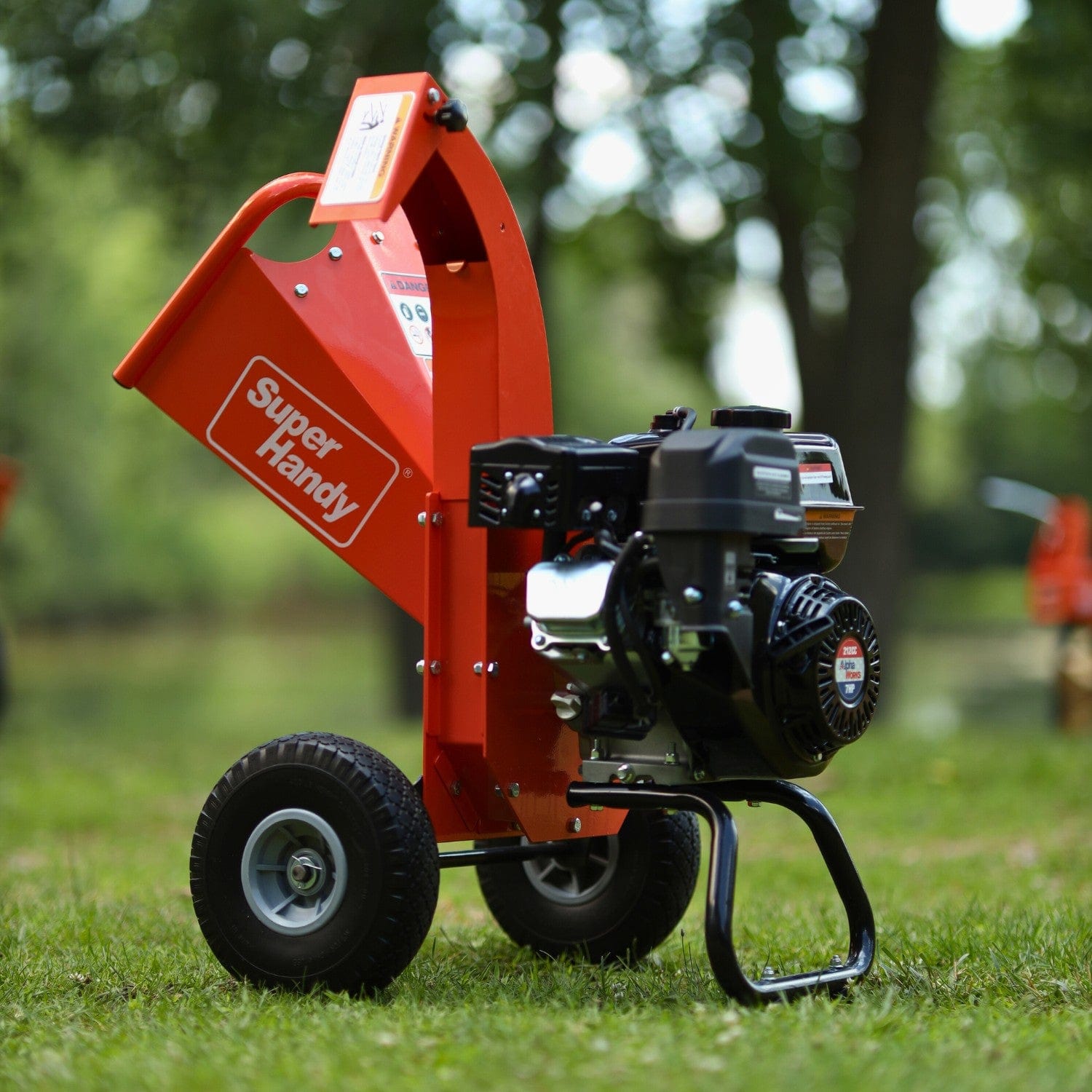
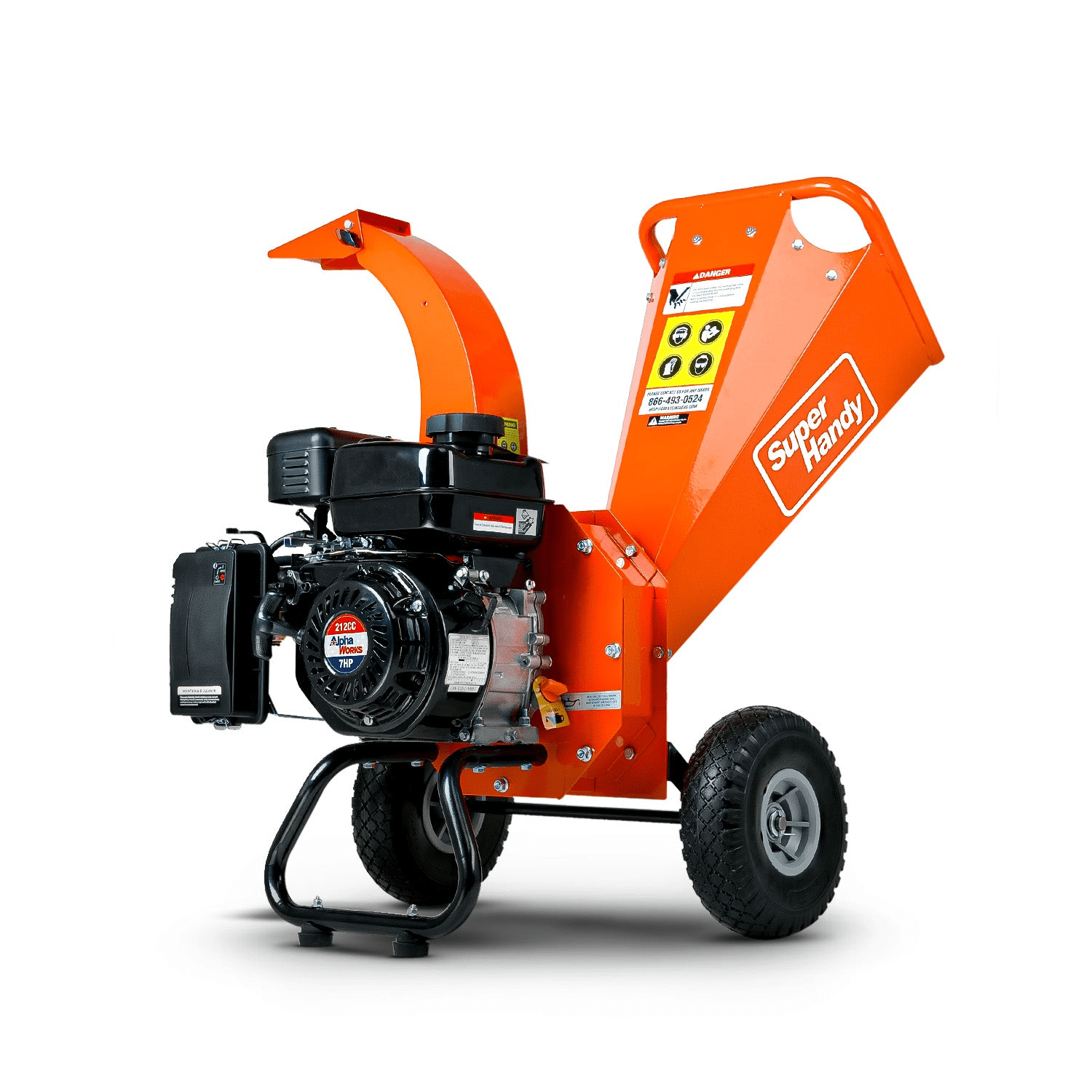
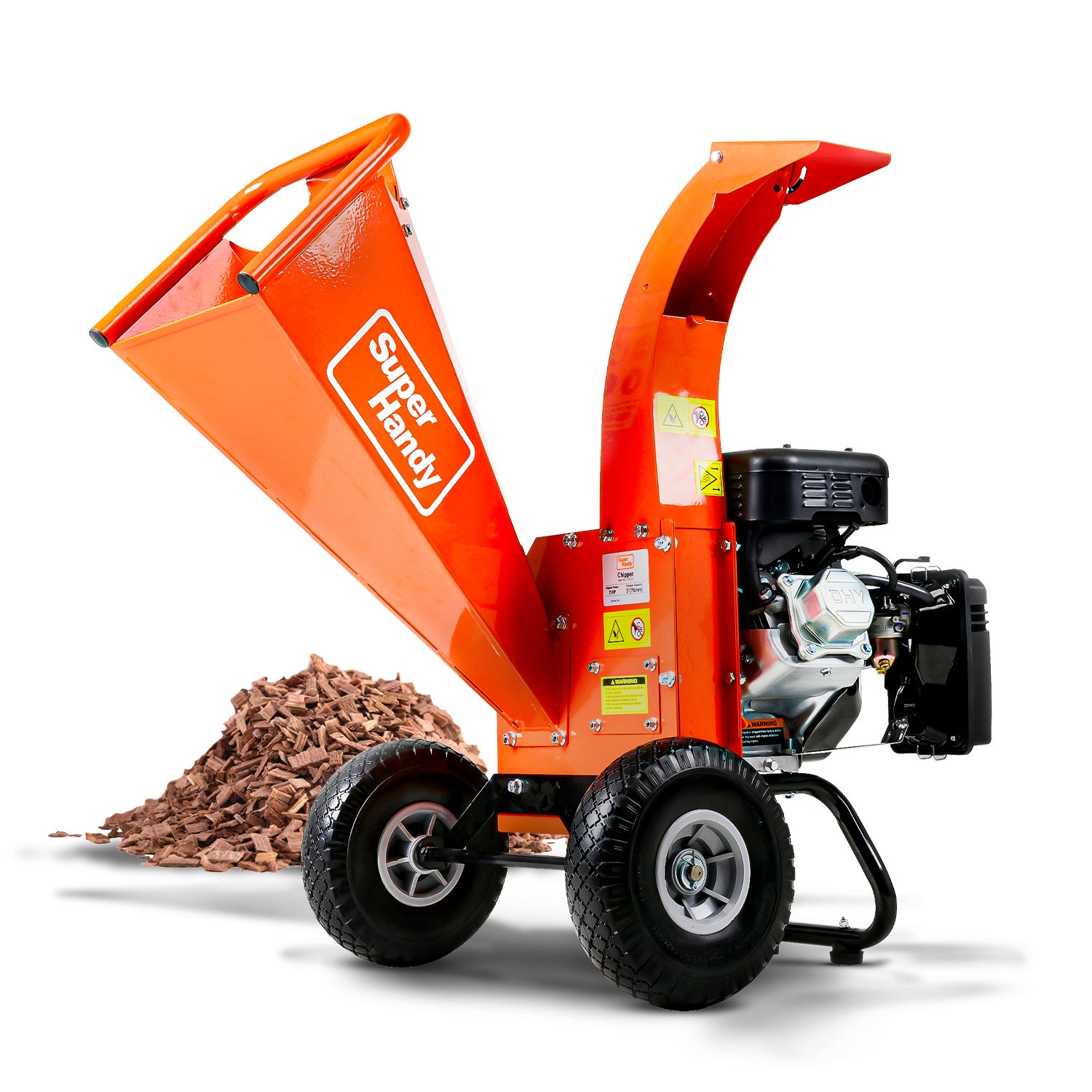
After careful consideration, our search led us to the SuperHandy Wood Chipper Mini - 7HP 212CC, 3" Max Branch Capacity. It checked all our boxes on paper, and we were eager to see it in action. The machine arrived securely packaged, and the assembly process was surprisingly straightforward. With clear instructions, our team had it fully assembled, fueled, and ready to go in under an hour.
The true "aha" moment came during its first run. We cautiously fed in a 2.5-inch thick branch that would have instantly jammed our old machine. The new wood chipper pulled it in and turned it into a pile of uniform wood chips in seconds, without any hesitation. The crew was genuinely impressed. We held a quick team briefing to go over the new safety features and operating procedures, and then put it to work. The seamless integration and immediate, noticeable power difference confirmed we had made the right choice.
Performance Metrics: Quantifying the Impact of the New Wood Chipper
Investing in new equipment is a significant decision for any small business. For us, the purchase of a new wood chipper wasn't just about replacing an old machine; it was a strategic move to enhance efficiency and profitability. To justify the investment, we knew we had to go beyond gut feelings and measure the actual impact. We focused on three core performance metrics: the speed of processing wood waste, the quality of the material produced, and the overall cost savings in fuel and labor. By tracking these key indicators before and after implementation, we could clearly quantify the return on our investment and see just how much our operations had improved. For coverage planning, Medicare.gov outlines when wheelchairs and scooters may qualify as durable medical equipment.
Reduced Processing Time: How Much Faster Are We Now?
The most immediate and dramatic improvement we saw was in processing time. Our old, struggling machine was a major bottleneck, often requiring one crew member to spend hours feeding it small branches. With our new SuperHandy Wood Chipper Mini - 7HP 212CC, 3" Max Branch Capacity, the change was night and day. We went from processing the brush from a medium-sized tree removal in about 90 minutes down to just 30 minutes.
This 66% reduction in chipping time per job is a game-changer. The wider chute and powerful engine on the new chipper for wood allow it to self-feed more aggressively, meaning our crew spends less time manipulating branches and more time on other cleanup tasks. On a busy day with multiple jobs, this easily saves us 2-3 hours of labor, allowing us to fit in an extra client visit or finish the day earlier, boosting both revenue potential and team morale.

Improved Material Output: From Waste to Valuable Resource
Previously, our "wood chips" were a chunky, inconsistent mix of splintered wood and leaves that clients were happy to see hauled away. The material was low-grade and suitable only for the landfill. Our new wood chipper, however, produces a fine, uniform mulch that is genuinely valuable. This consistent output has completely changed how we handle green waste.
Instead of a disposal problem, we now have a valuable byproduct. We offer this high-quality mulch to clients for use in their garden beds and around trees, providing a natural, attractive ground cover that suppresses weeds and retains soil moisture. This has become a fantastic value-add that differentiates our service. For larger jobs, we can even stockpile the mulch and sell it to other landscapers or homeowners, creating an entirely new, albeit small, revenue stream from what was once purely waste.
Cost Savings Analysis: Fuel Efficiency and Labor Optimization
While speed and material quality are impressive, the bottom line is always about cost. The financial impact of the new chipper was calculated through two primary lenses: fuel and labor. Modern engines are significantly more efficient, and our data proved it. We saw a roughly 30% reduction in daily fuel consumption for chipping activities, a saving that adds up quickly over the course of a season.
The most significant savings, however, came from labor optimization. As mentioned, we are saving several hours of labor each day. Let's break that down: if we save an average of 2.5 hours per day for a two-person crew at a conservative rate of $25/hour per person, that's a saving of $125 per day ($25/hr x 2 people x 2.5 hrs). Over a 20-day work month, that equates to $2,500 in direct labor savings. When combined with fuel efficiency, the new chipper for wood isn't just a tool; it's a powerful financial asset that is on track to pay for itself in a matter of months.
Environmental Benefits: Sustainable Waste Disposal and Reduced Landfill Impact
One of the most significant transformations for our business has been in our environmental footprint. Previously, every job ended with us loading bulky branches and brush onto a trailer for a trip to the local landfill. This process not only consumed fuel and time but also contributed to the growing pressure on landfill capacity. Our new, efficient chipper for wood has completely changed this dynamic. Now, we process nearly 100% of our green waste on-site, converting what was once a disposal problem into a valuable resource.
By turning branches and limbs into nutrient-rich wood chips, we’ve adopted a circular economy model. This material is no longer "waste." Instead, it becomes high-quality mulch that we can offer to clients for their garden beds, or use in our own landscaping projects to suppress weeds and retain soil moisture. This shift has drastically reduced our carbon emissions from transport and eliminated our contribution of wood waste to landfills, aligning our operations with the sustainable, eco-friendly values our customers appreciate.
A neat pile of fresh, uniform wood chips on a tarp, ready to be used as mulch.
Client Testimonials: Positive Feedback on Faster Service and Tidier Sites
The operational benefits we've measured internally are great, but the feedback from our clients is what truly confirms the value of our investment. The difference has been so noticeable that customers have gone out of their way to comment on the improvements.
Here’s what a few of them had to say:
-
"I was amazed at how quickly the team cleared the massive oak limb that fell in our yard. They were in and out in half the time it took last year, and the property was left spotless. The on-site chipper seems to make all the difference!" — David R., Homeowner
-
"What I appreciate most is how tidy the process is now. In the past, there was always a huge, messy pile of branches waiting to be hauled away. This time, they chipped everything as they went. It was so much cleaner and less disruptive. Plus, I got a fresh batch of mulch for my flower beds!" — Maria G., Repeat Customer
-
"The efficiency of this crew is top-notch. They completed a full day's worth of pruning and clearing before lunch. Having the wood chipper on-site means no wasted time and a much cleaner result. We’ll definitely be calling them back." — Tom W., Property Manager
Lessons Learned: Adapting to New Equipment and Training Staff
Integrating any new, powerful piece of equipment into your workflow comes with a learning curve. A key lesson was the importance of upfront research. Using resources like a comprehensive wood-chipper-buying-guide helped us match the machine’s features to our specific needs, but hands-on experience was the best teacher. We learned the exact capacity of our chipper, understanding how to feed it efficiently without overloading the engine and how different types of wood (hardwood vs. softwood, green vs. dry) affect performance.
Beyond the technical aspects, we reinforced our commitment to safety. We dedicated a full training session to the new machine, reviewing manufacturer guidelines and our own company protocols. We covered everything from proper start-up and shutdown procedures to troubleshooting common issues and ensuring all safety guards are in place. This training was guided by established best practices, like the ones found in the OSHA hand and power tool safety guidance, to ensure every team member could operate the equipment confidently and safely. This investment in training has been crucial for a smooth and accident-free transition.
Future Outlook: Expanding Services with Enhanced Wood Chipper Capabilities
The ripple effects of this single equipment upgrade have opened up exciting new avenues for growth. With our newfound efficiency, we’re no longer just thinking about managing waste—we’re thinking about creating value. Our SuperHandy Wood Chipper Mini - 7HP 212CC, 3" Max Branch Capacity has proven so reliable and effective that we are actively planning to expand our services.
The SuperHandy wood chipper in action at a new job site, easily handling branches.
In the near future, we plan to launch a "mulch on-demand" service, delivering our high-quality, recycled wood chips to local gardeners and DIY landscapers. We are also exploring partnerships with smaller landscaping companies in the area that lack their own wood chipper, offering our services to help them process their green waste sustainably. The speed and power of our new chipper give us the confidence to bid on larger land-clearing projects that were previously beyond our capacity. This investment wasn't just about solving a problem; it was about building a more capable, profitable, and sustainable future for our business.
Frequently Asked Questions
We've received a lot of questions since upgrading our equipment and sharing our story. Here are answers to some of the most common ones we hear from fellow landscapers and business owners.
What's the most important factor when choosing a new wood chipper for a small business?
For our landscaping business, the two most critical factors were branch capacity and engine power. You need to realistically assess the average and maximum size of the branches you handle on a daily basis. We needed a machine that could confidently process branches up to 3 inches in diameter without bogging down. This is tied directly to engine power—a higher horsepower (HP) and engine displacement (CC) means the chipper can tackle tougher, denser wood more efficiently and for longer periods. Don't be swayed by "max capacity" alone; focus on a machine built for consistent, professional-grade work.
How do you decide between a gas and an electric chipper for wood?
The choice between gas and electric really comes down to power and portability. For a mobile landscaping service like ours, a gas-powered wood chipper is the only practical option. It provides the raw power needed for varied types of wood and the freedom to operate on any job site, far from an electrical outlet. Electric chippers are quieter and require less engine maintenance, making them an excellent choice for homeowners with smaller properties and light-duty yard cleanup. However, for the demands of commercial use, the performance and untethered convenience of a gas engine are essential.
What are the essential safety precautions when operating a wood chipper?
Safety is our number one priority on every job site. When operating any wood chipper, all staff must wear the proper personal protective equipment (PPE), including heavy-duty gloves, safety glasses or goggles, and hearing protection. We have a strict rule: never put your hands or feet inside the feeding chute or discharge chute for any reason. Always use a long branch or push stick to guide material in. Before starting, ensure the machine is on stable, level ground and that all safety guards are in place. Following manufacturer instructions and comprehensive safety standards is critical. The Occupational Safety and Health Administration (OSHA) provides comprehensive guidance on hand and power tool safety that we integrate into all our employee training sessions.
How much maintenance does a new chipper require?
Consistent maintenance is the key to performance and longevity. We perform a quick check before every job, which includes inspecting oil and fuel levels. The most important ongoing task is monitoring the blades. Dull blades will crush and shred wood instead of slicing it, which puts immense strain on the engine and results in poor-quality, stringy mulch. We inspect our blades after every 10-15 hours of use and sharpen or replace them as needed. Keeping the air filter clean and regularly checking for any loose bolts or connections also prevents unexpected downtime.

We're thinking of buying a chipper. What should we look for in a buying guide?
A comprehensive wood-chipper-buying-guide is an invaluable resource for making an informed decision. It should walk you through key specifications like feed capacity (the max branch diameter), the reduction ratio (e.g., 15:1, which indicates how much it reduces the material's volume), and engine type. Pay close attention to the cutting mechanism—whether it's a drum-style or disc-style chipper—as this affects how it handles different types of debris, from leafy branches to harder wood. The guide should help you align these features with your specific business needs.
What do you do with all the wood chips you produce?
This is the best part of our operational upgrade! Our new chipper transformed a costly waste product into a valuable resource. The SuperHandy Wood Chipper Mini - 7HP 212CC, 3" Max Branch Capacity produces uniform, high-quality wood chips that are suitable for mulch. We now offer this premium mulch directly to our landscaping clients for their garden beds, which they love. Any excess we have is bagged and sold to local gardeners, creating an entirely new revenue stream for our business while promoting a sustainable, zero-waste approach.
Related Products


Leave a comment
All comments are moderated before being published.
This site is protected by hCaptcha and the hCaptcha Privacy Policy and Terms of Service apply.