












Why a Portable Mobility Scooter is a Game-Changer for Independence
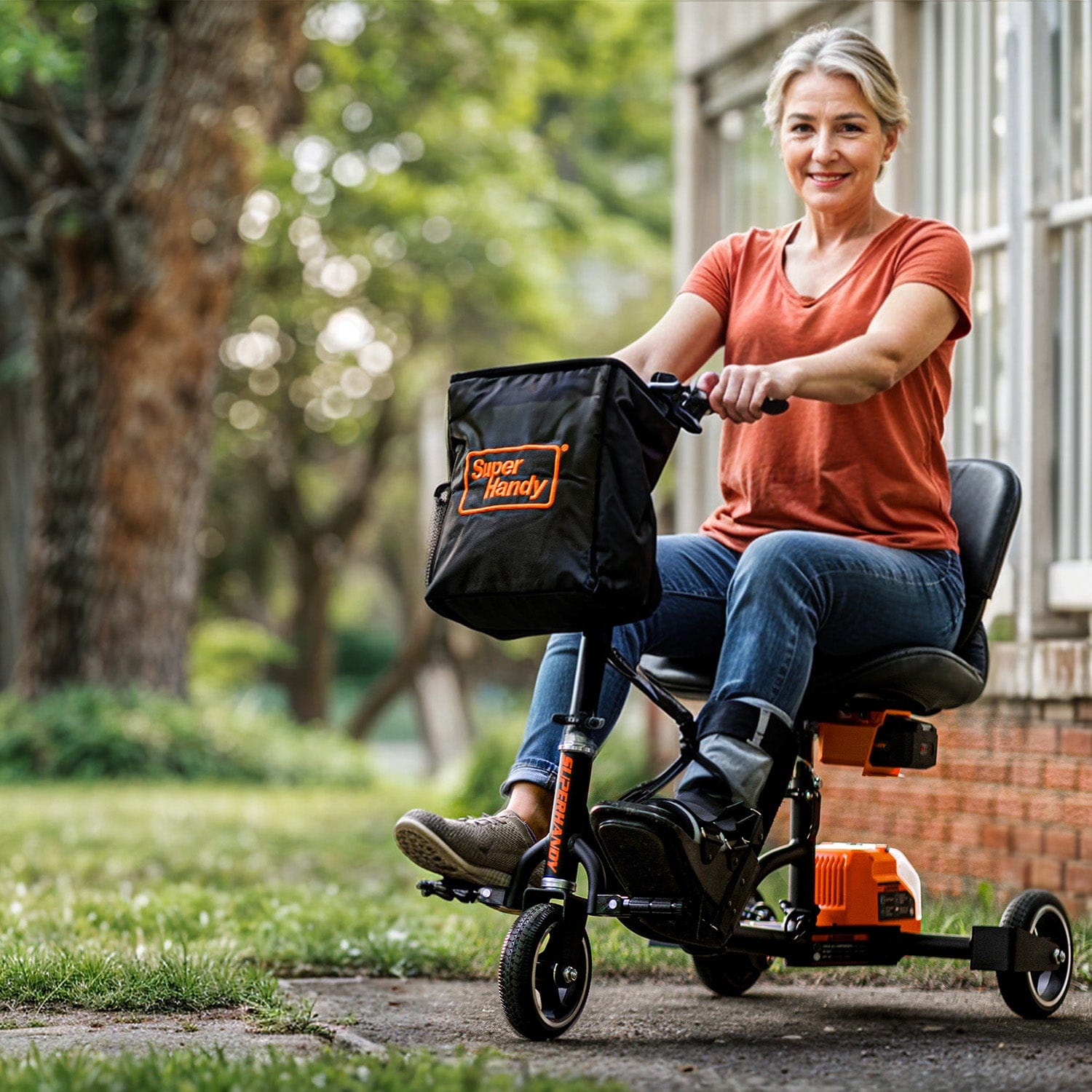
Regaining or maintaining your freedom of movement is a powerful step toward a more active and fulfilling life. For individuals who find walking long distances challenging, an electric mobility scooter can be the key to unlocking new possibilities—from simple grocery runs to attending family gatherings and exploring new places. While standard mobilized scooters are excellent for home and neighborhood use, a portable model is specifically designed to go wherever you do. These compact and lightweight Mobility Scooters are true game-changers, breaking down the barriers that can lead to isolation.
According to health resources like MedlinePlus mobility aids, assistive devices play a crucial role in helping people with injuries or disabilities move around more safely and independently. A portable mobility scooter fits this description perfectly, providing a reliable and powered means of transport that you can easily take with you in a car, on a train, or even on a cruise ship. It’s not just about getting from point A to point B; it’s about having the confidence to say "yes" to more of life's adventures.
Feature 1: How Easy is it to Disassemble and Reassemble?
A scooter is only truly portable if you can manage it on your own or with minimal help. The single most important factor in portability is the process of breaking it down for transport and putting it back together at your destination. The best designs are intuitive, quick, and don't require an engineering degree or a toolbox. Before you buy, ask yourself: How many steps are involved? Are the latches and release mechanisms easy to operate? A complicated process can quickly turn a convenient tool into a frustrating burden.
Understanding Folding Mechanisms: One-Touch vs. Manual
Portable mobility scooters generally fall into two categories based on how they are prepared for transport: automatic folding or manual disassembly.
Automatic or "One-Touch" Folding: These premium models are the pinnacle of convenience. With the press of a button on a remote or the scooter itself, the entire frame folds into a compact, trolley-like shape. This is an ideal solution for users with limited strength, balance, or dexterity, as it eliminates nearly all physical effort.
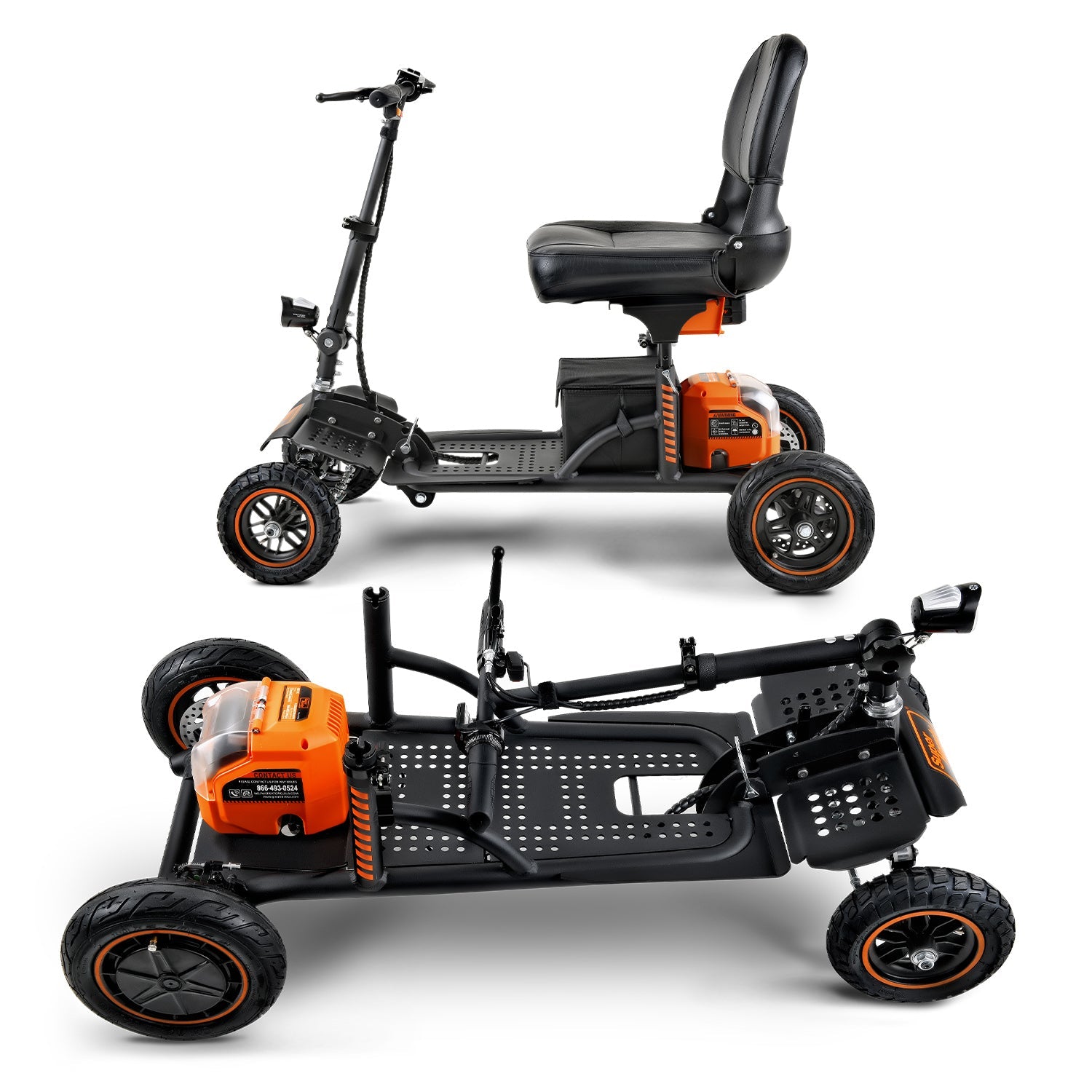
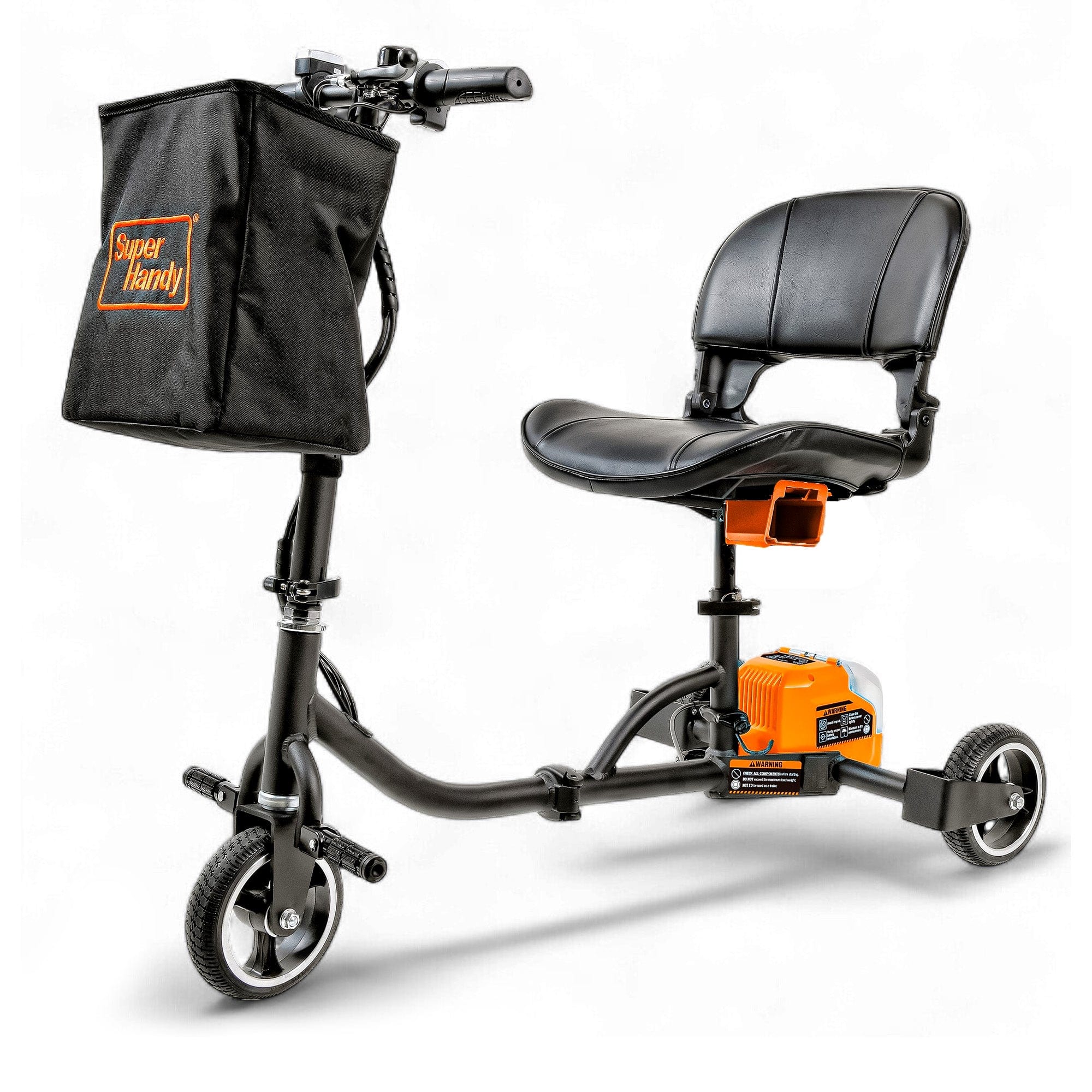
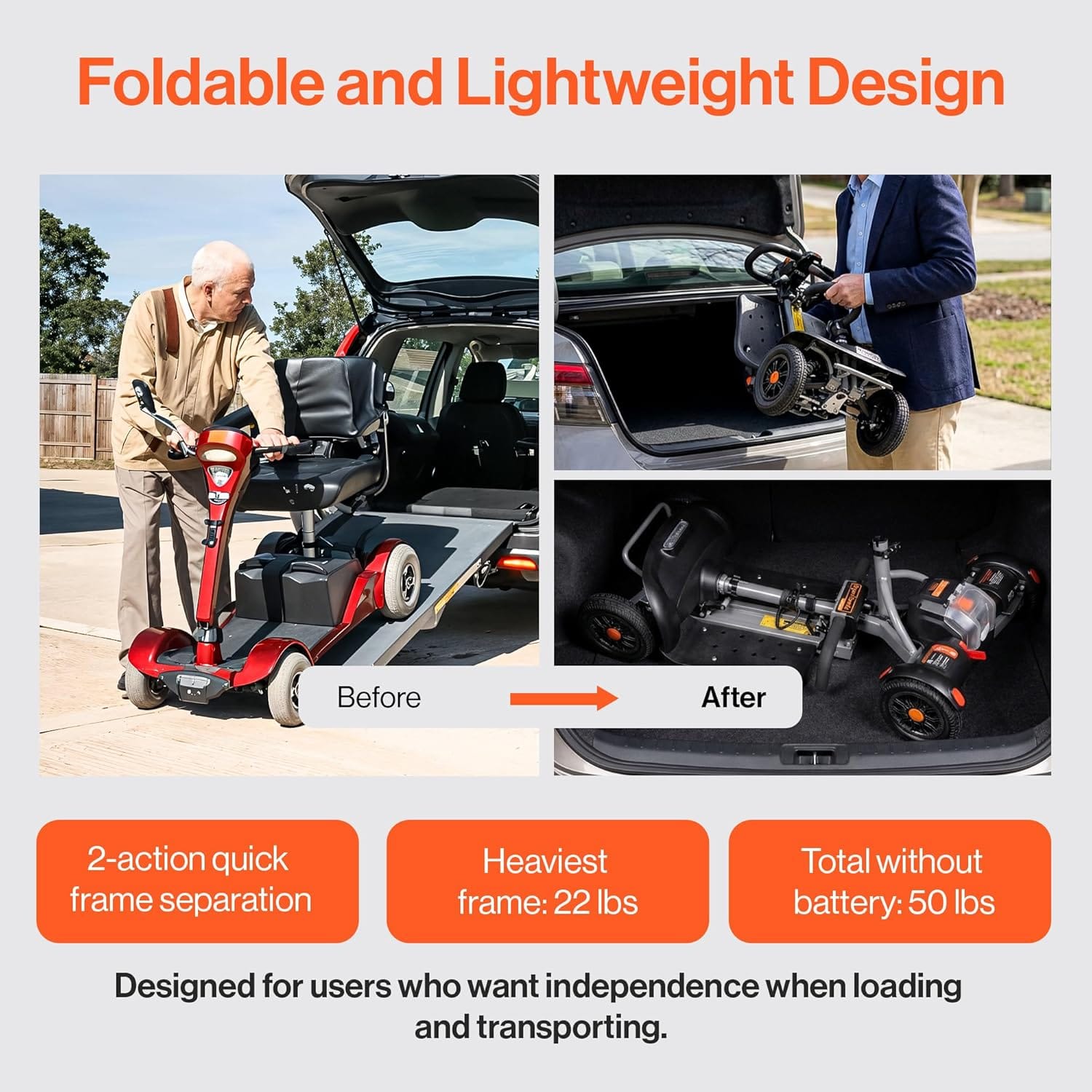
Manual Folding or Disassembly: The more common and often more affordable option involves a manual process. This typically means folding the tiller down, removing the seat, taking out the battery pack, and sometimes separating the frame into two or more pieces. While it requires more steps, a well-designed Mobility Scooter makes this process fast and tool-free. The components are designed to click apart and lock back together securely, making it manageable for most users or their travel companions.
Weight of Individual Sections: Can You Lift Them?
This is where practicality meets reality. A scooter that disassembles into five lightweight pieces is far more manageable than a single folding unit that weighs 60 pounds. When reviewing a scooter's specifications, pay close attention to the "weight of the heaviest piece." This is the most critical number for determining true portability, as it represents the single heaviest object you will have to lift into a car trunk or carry up a step.
Generally, the heaviest component of a take-apart electric mobility scooter is the front or rear frame section, often weighing between 25 and 45 pounds. Be honest with yourself about what you can comfortably and safely lift. If the heaviest piece is beyond your capacity, the scooter will remain stuck at home, defeating its purpose. Always choose a model with individual components that fall well within your lifting ability.
Feature 2: What is the Maximum Travel Range on a Single Charge?
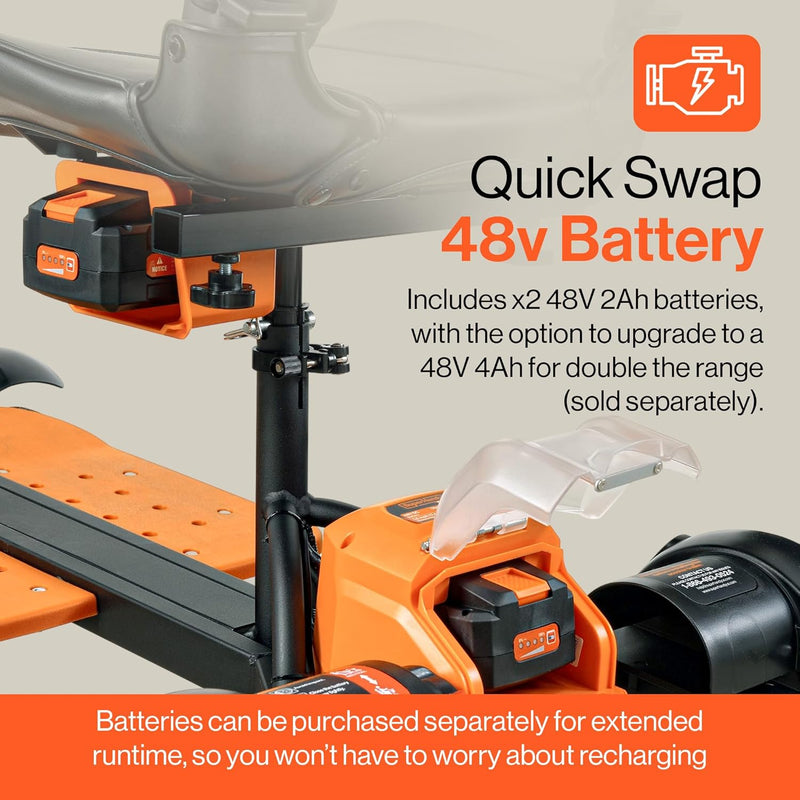
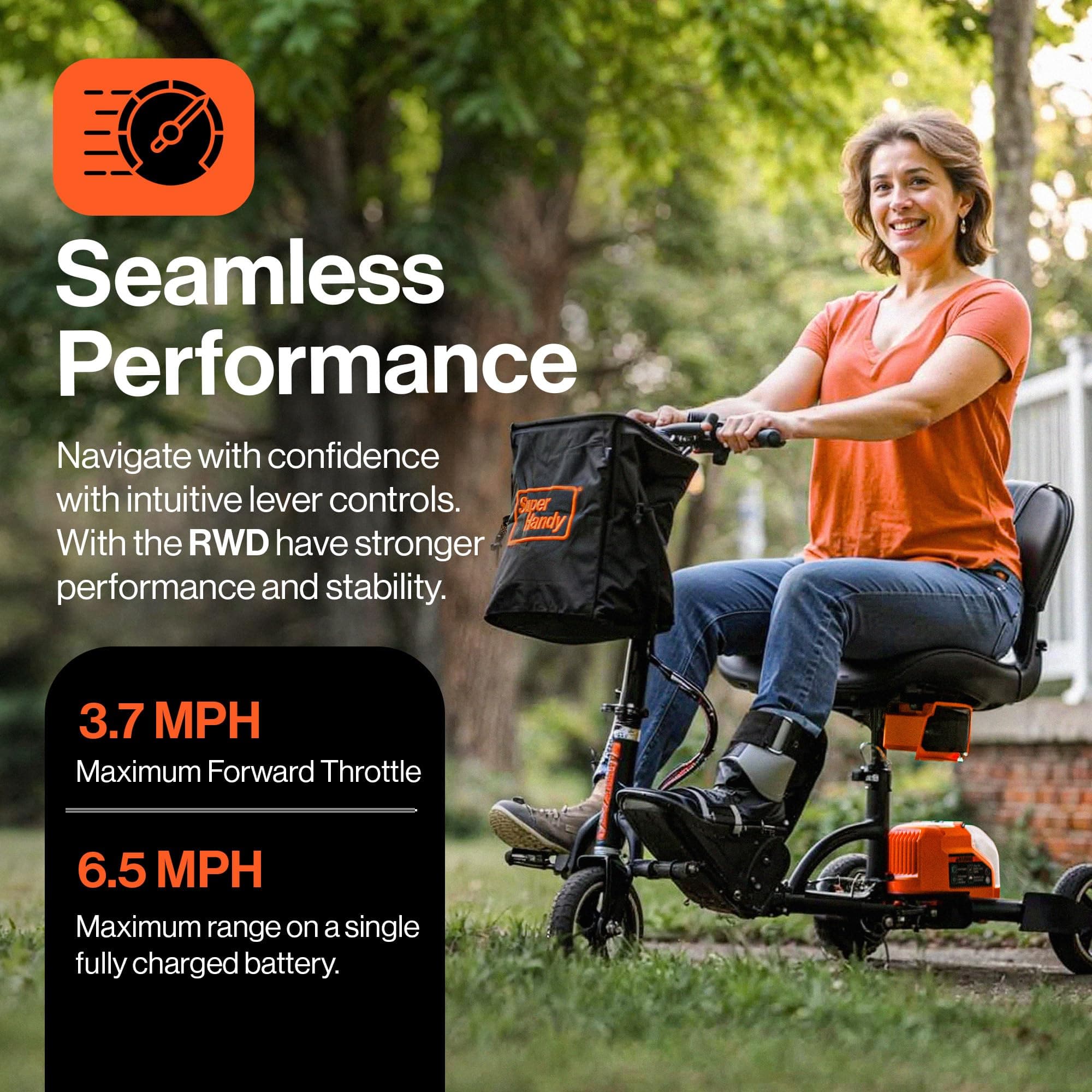
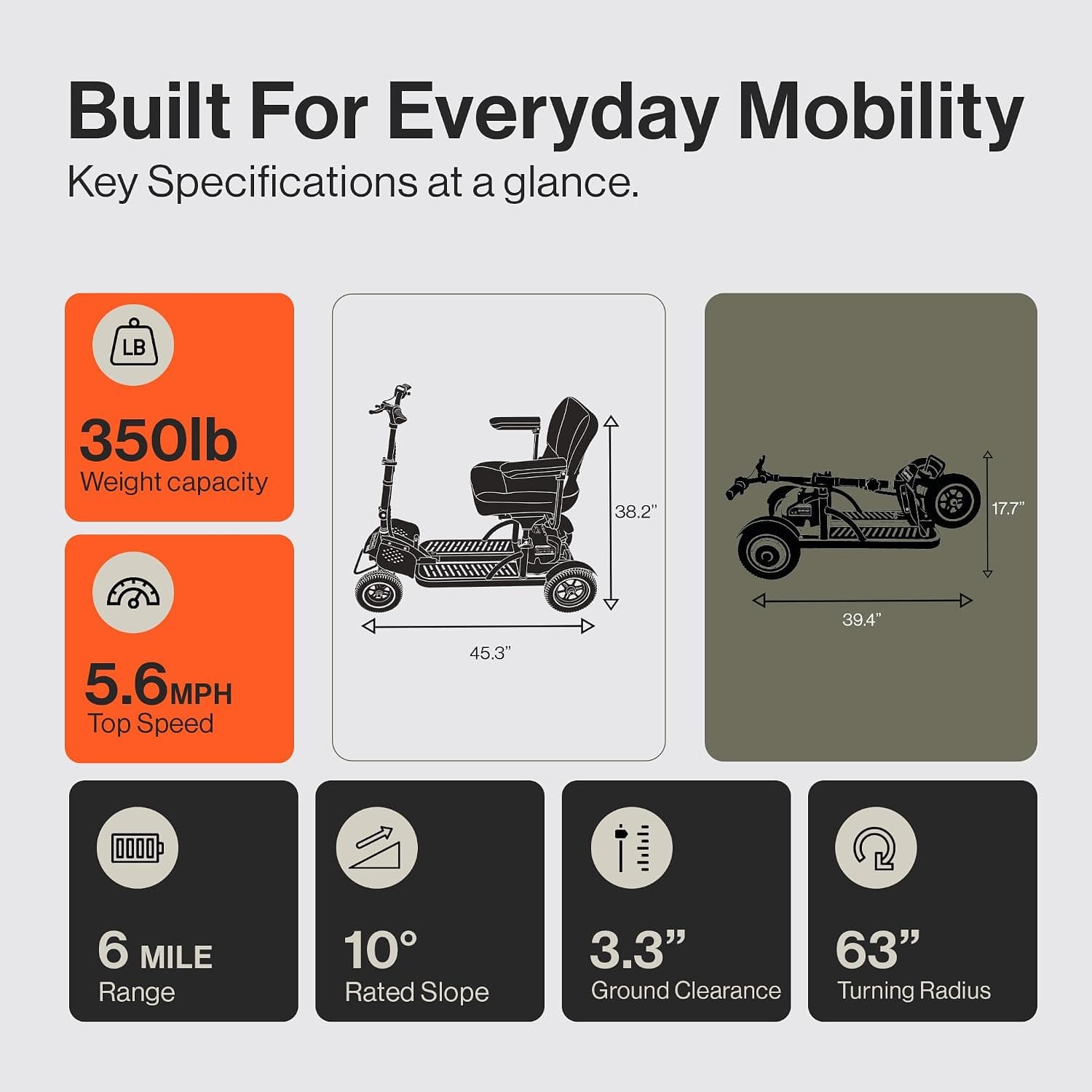
Nothing cuts a great day short like a dead battery. The travel range of an electric mobility scooter dictates how far you can go before needing to plug in, directly impacting your freedom and spontaneity. Whether you’re planning a full day at the museum, a trip to the shopping mall, or simply running errands around town, you need a scooter that can keep up. Range isn't just a number; it's the difference between a confident outing and "range anxiety"—the constant worry that you won't make it back home. When evaluating mobilized scooters, the maximum travel distance is a top-tier specification to consider.
Battery Type and Capacity: Lithium-ion vs. Lead-acid
The battery is the heart of your mobility scooter, and its type and capacity are the biggest factors determining travel range. Most modern portable scooters use one of two types of batteries:
- Lithium-ion (Li-ion): This is the current gold standard for portable electronics, and for good reason. Lithium-ion batteries are significantly lighter, charge faster, and have a longer overall lifespan than their counterparts. For a portable scooter that you’ll be lifting and transporting, this weight savings is a massive advantage. If you plan to travel by air, many airlines permit lithium-ion batteries, but you must follow specific carrier and government guidelines; be sure to review the FAA PackSafe wheelchair and mobility-device battery rules before your trip.
- Sealed Lead-acid (SLA): This is an older, heavier, and less expensive technology. While SLA batteries are reliable, their substantial weight can compromise the "portability" of a scooter, making disassembly and lifting more difficult. They also take longer to charge and may need to be replaced sooner than lithium-ion options. While they can lower the upfront cost, the trade-off in convenience and weight is something to carefully consider when browsing Mobility Scooters.
Real-World Range vs. Manufacturer Claims
It’s important to read manufacturer range claims with a critical eye. The advertised maximum range (e.g., "up to 15 miles") is typically calculated under ideal laboratory conditions: a lightweight rider on a perfectly smooth, flat surface with a brand-new battery and no wind. Your real-world mileage will almost always be lower. Factors that reduce range include:
- Rider Weight: A heavier user requires more power to move.
- Terrain: Driving up hills, on grass, or over bumpy pavement consumes much more energy than gliding on a smooth floor.
- Speed: Consistently driving at top speed will drain the battery faster.
- Tire Pressure: Under-inflated pneumatic tires can increase resistance and reduce range.
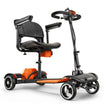
When choosing, consider your typical routes. If your daily path includes hills or rough sidewalks, look for a scooter with a higher-than-needed advertised range to ensure you have a comfortable buffer. A model like this Mobility Scooters offers a solid baseline for daily adventures.
Feature 3: How Much Weight Can the Scooter Safely Support?
A scooter’s weight capacity is a critical safety specification, not a suggestion. This number indicates the maximum load the scooter can safely carry, including the rider and any personal items like shopping bags, a purse, or a portable oxygen tank. Exceeding the weight limit puts excessive strain on the frame, motor, brakes, and tires. This can lead to decreased performance, damage to the scooter’s components, and most importantly, an increased risk of instability or structural failure, which could cause an accident.
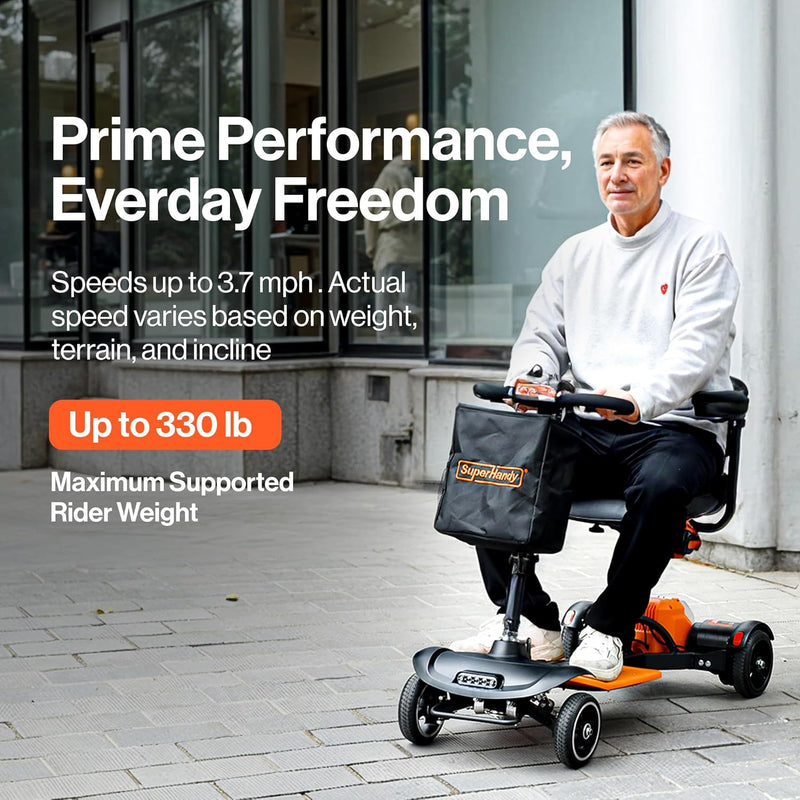
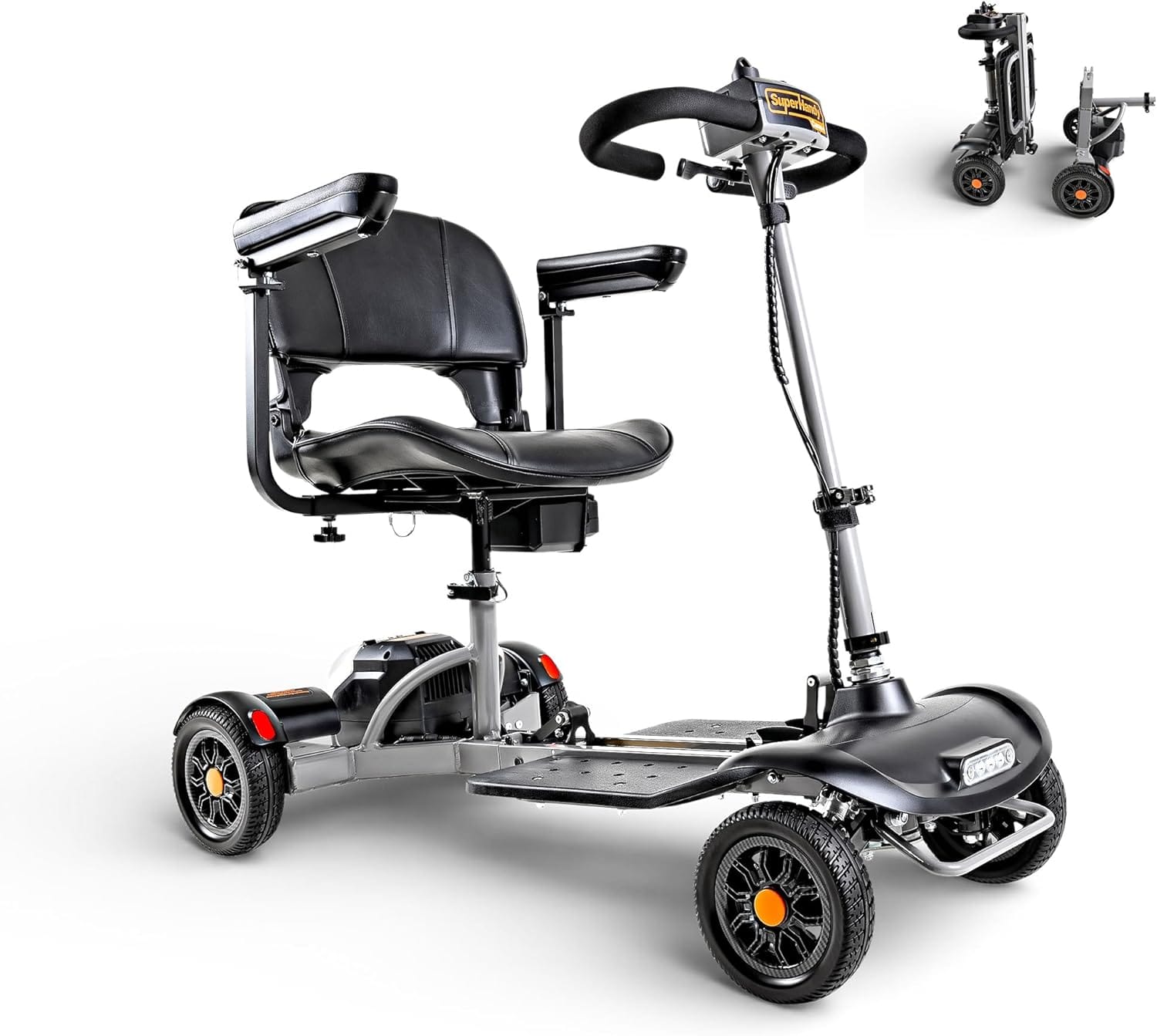
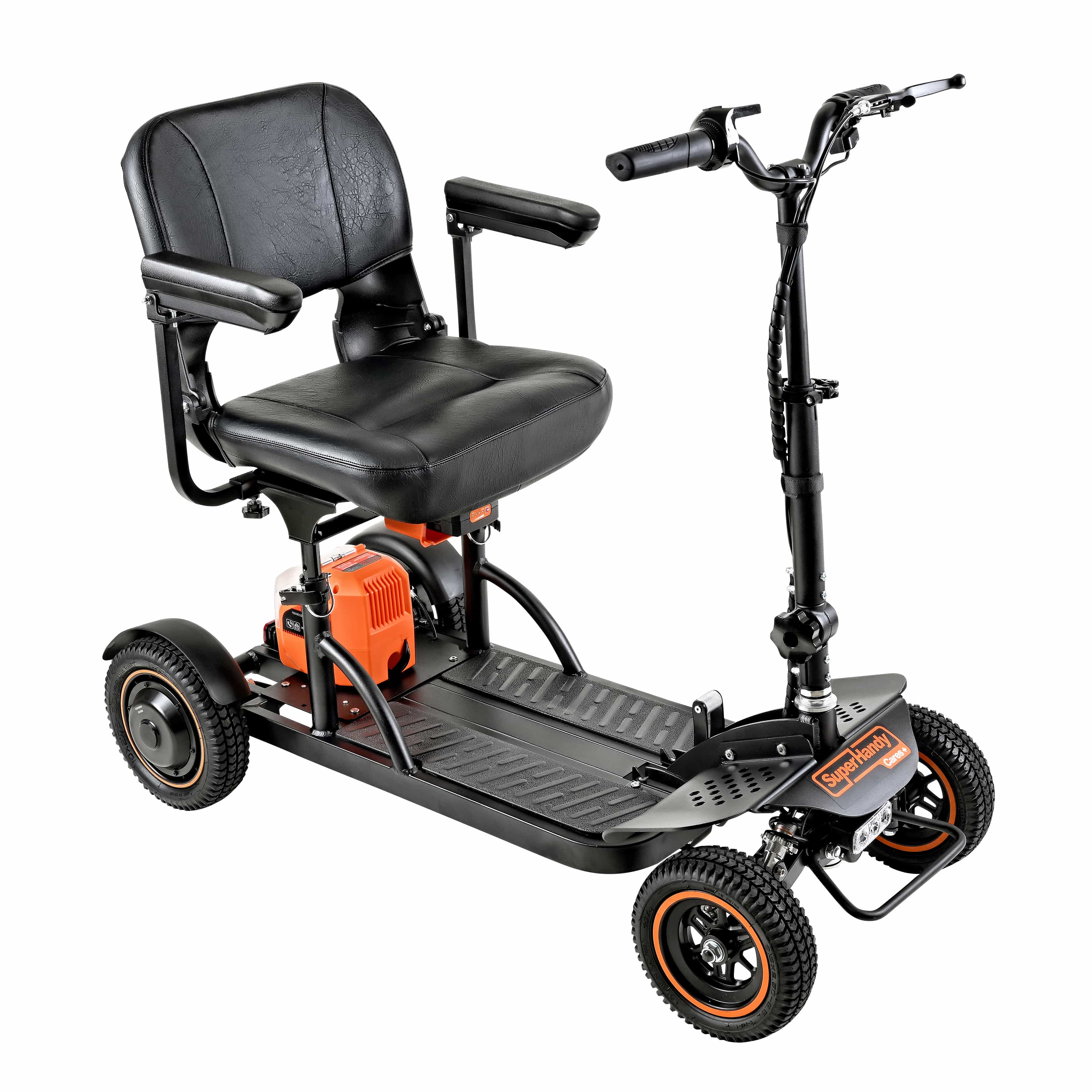
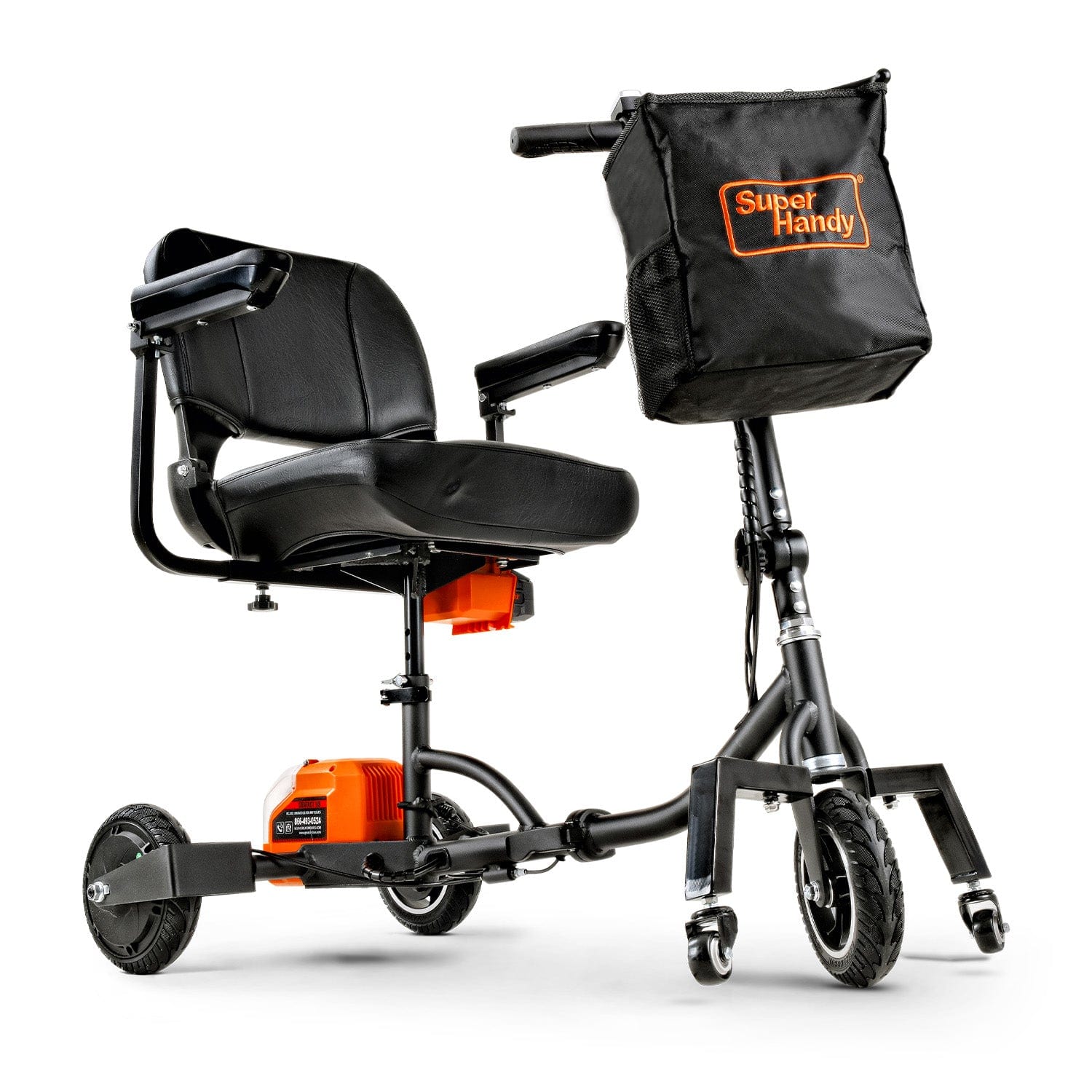
When selecting an electric mobility scooter, always choose a model with a weight capacity that is comfortably above your own body weight. A good rule of thumb is to add 20-40 pounds to your weight to account for clothing, shoes, and any items you’ll carry. This safety margin ensures the scooter operates efficiently and safely without being over-stressed. For example, a robust model like the SuperHandy Passport Prime Mobility Scooters offers a generous weight capacity, providing peace of mind and reliable performance for a wider range of users. Never compromise on weight capacity; it is fundamental to your safety and the longevity of your scooter.
Understanding Weight Capacity and Its Importance
Every mobility scooter has a manufacturer-specified weight capacity, which is the maximum load it can safely support. This isn't just a suggestion—it's a critical safety and performance specification. Exceeding the weight limit can put significant strain on the scooter's frame, motor, and braking system, leading to a higher risk of component failure or instability, especially on inclines or uneven ground. Furthermore, overloading your scooter can negatively impact its performance by reducing its top speed, diminishing its battery range, and causing it to wear out more quickly. Remember that this capacity must account for your own body weight plus the weight of any personal items you plan to carry, such as shopping bags, a backpack, or portable oxygen. For medical context, MedlinePlus summarizes common mobility aids such as canes, walkers, wheelchairs, and scooters.
Choosing a Scooter That Exceeds Your Needs
When browsing for different Mobility Scooters, a smart rule of thumb is to choose a model with a weight capacity that is comfortably above your current weight. Aim for a scooter that can support at least 20-40 pounds more than your body weight. This buffer serves two important purposes. First, it gives you the flexibility to carry groceries, packages, or other items without worrying about pushing the scooter to its operational limit. Second, it ensures that the motor and frame are not constantly under maximum stress, which contributes to the scooter's long-term durability and reliability. A scooter that isn't struggling to perform will deliver a more consistent and dependable experience day after day.
Feature 4: What Kind of Tires and Suspension Does it Have?
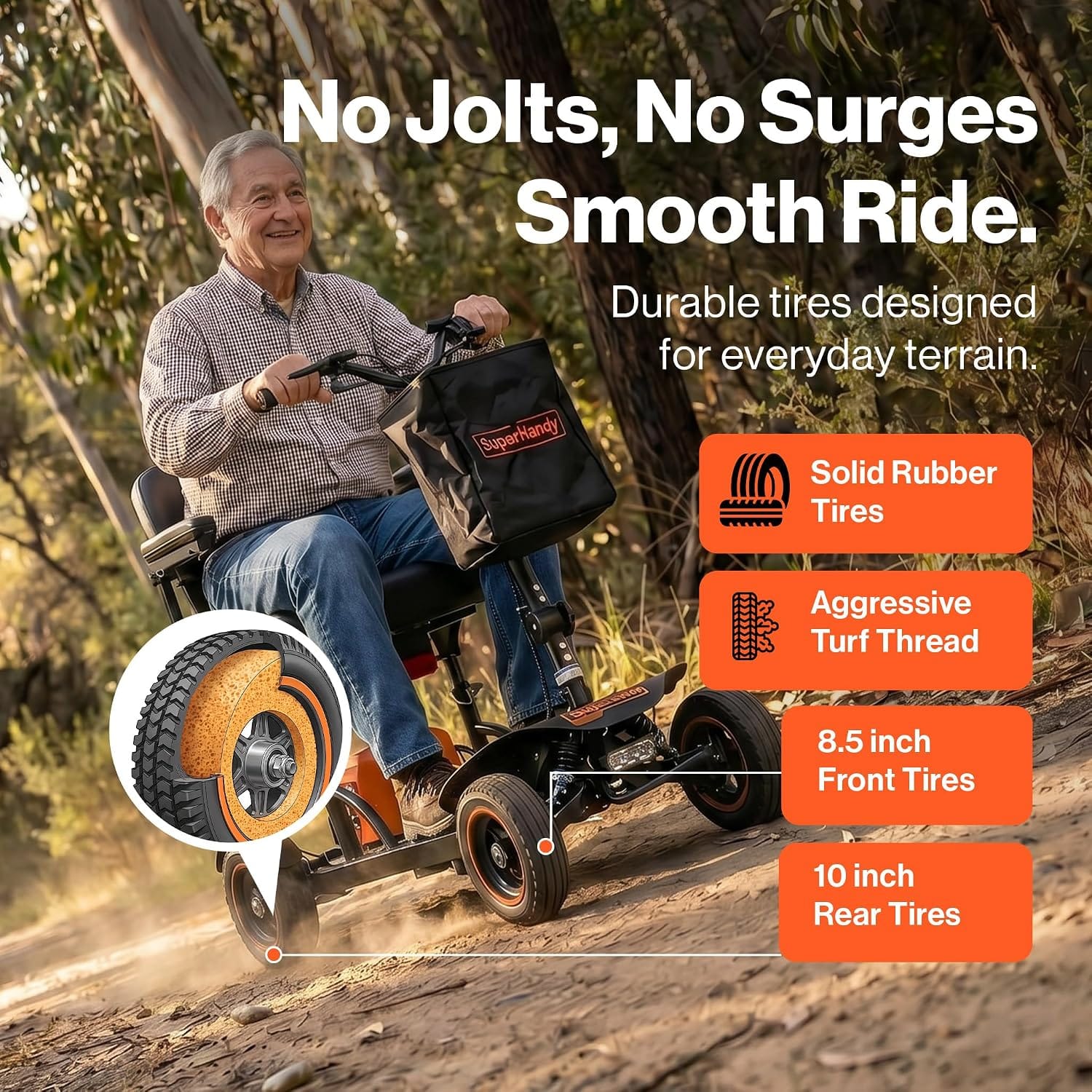
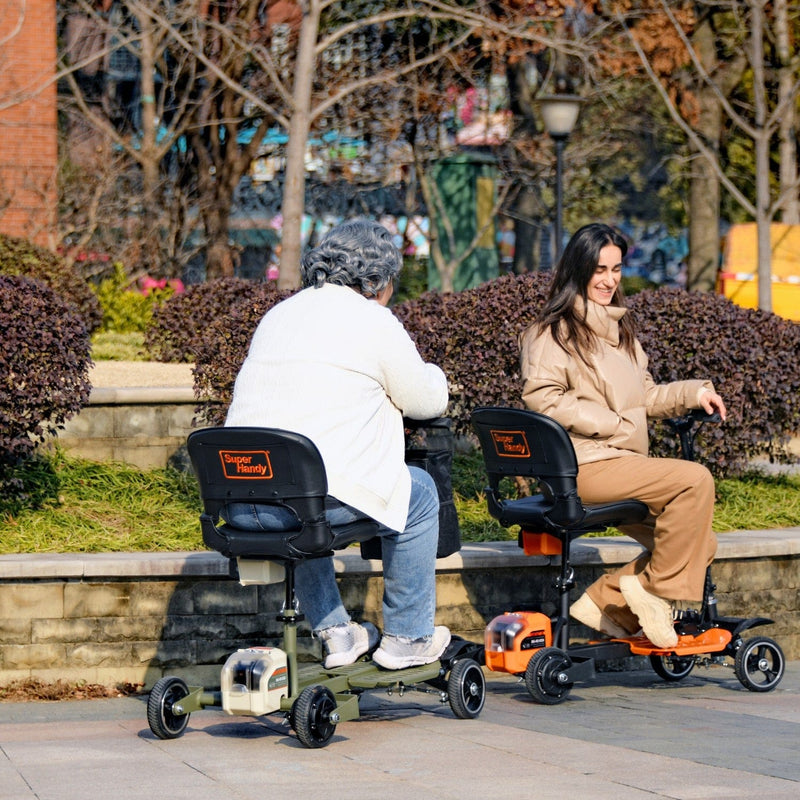
Beyond how a scooter folds or how far it can go, the ride quality itself is paramount. This is determined almost entirely by its tires and suspension system. These two components work in tandem to provide stability, traction, and comfort by absorbing the bumps and vibrations from the ground beneath you. The right combination can make the difference between a jarring ride and a smooth glide, especially when navigating cracked sidewalks, park lawns, or cobblestone paths. For portable mobilized scooters, the type of tire is often a defining feature that balances convenience with comfort.
Solid vs. Pneumatic Tires: Pros and Cons for Portability
When it comes to portable electric mobility scooter tires, you generally have two choices: solid or pneumatic. Each has distinct advantages and disadvantages that cater to different needs and environments.
Solid Tires: These tires are typically made from rubber or a solid polyurethane compound.
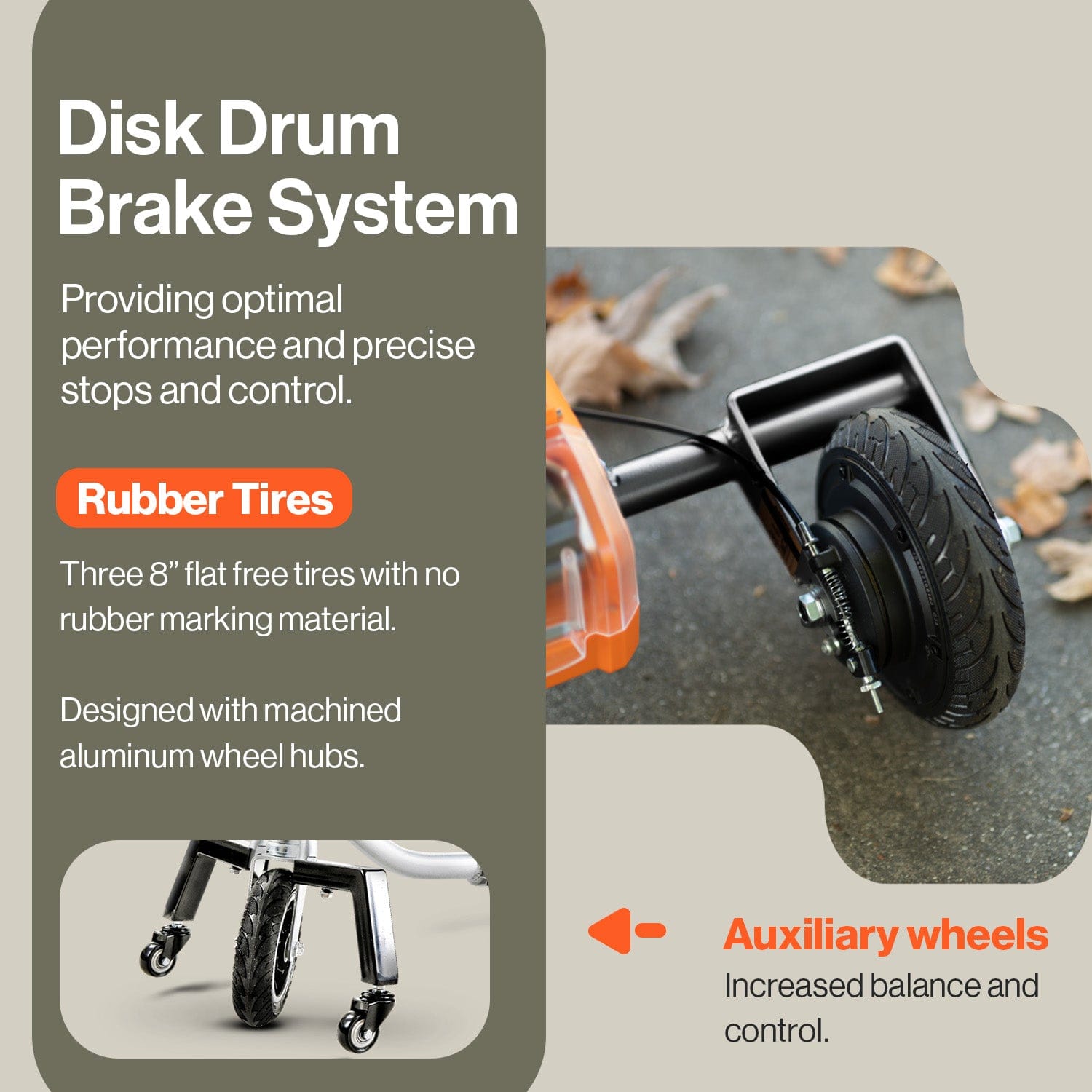
- Pros: The biggest advantage of solid tires is that they are completely puncture-proof. You will never have to worry about getting a flat tire, which provides excellent peace of mind. They are also maintenance-free, requiring no air pressure checks. This reliability makes them a popular choice for lightweight travel models, like some foldable Mobility Scooters, where simplicity and dependability are key.
- Cons: The trade-off for this convenience is a much firmer, less forgiving ride. Solid tires offer minimal shock absorption, so you will feel more of the bumps and imperfections in the terrain. They may also provide less traction on wet or very smooth surfaces.
Pneumatic Tires: These are air-filled tires, similar to those on a bicycle or car.
- Pros: Pneumatic tires act as a natural part of the scooter's suspension system. The cushion of air inside absorbs shock, providing a significantly smoother and more comfortable ride. They also offer superior traction across a wider variety of surfaces, from grass and gravel to uneven pavement.
- Cons: Their main drawback is the risk of getting a flat. They require regular maintenance to ensure they are inflated to the correct pressure. If comfort on varied terrain is your top priority, an electric mobility scooter with pneumatic tires is often the often a practical choice, as long as you are prepared for the occasional upkeep.
Suspension Systems for a Smoother Ride
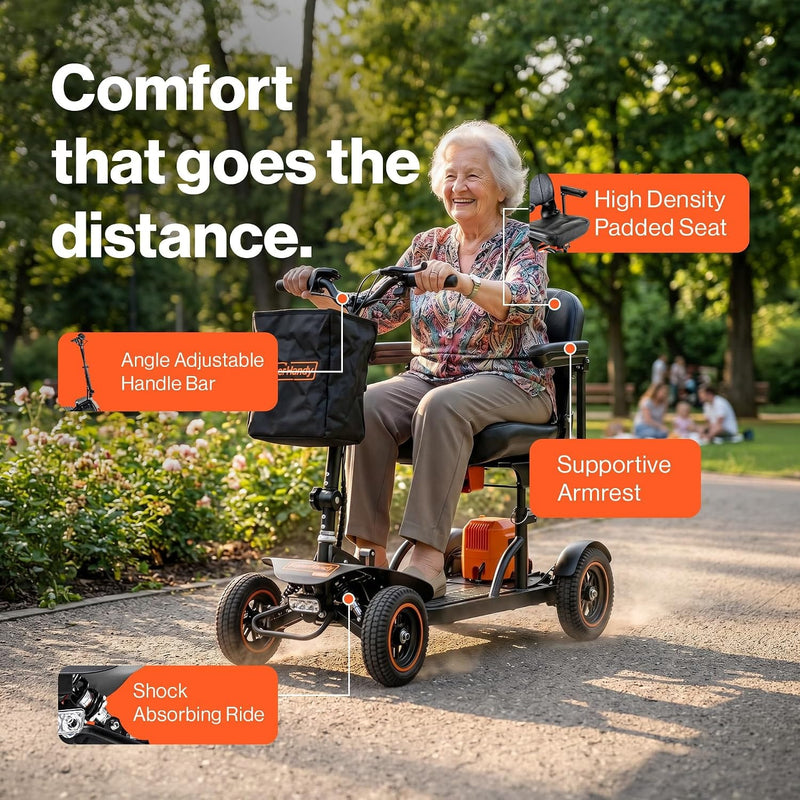
While tires are the first line of defense against bumpy terrain, a suspension system is what truly separates a jarring ride from a comfortable one. Think of it as the scooter’s shock absorbers. When you travel over cracked pavement, uneven park trails, or brick walkways, a suspension system compresses and rebounds to absorb the impact, preventing those jolts from traveling up the steering column and seat into your body.
For individuals with back pain, arthritis, or other sensitivities, this feature is less of a luxury and more of a necessity. While many basic, lightweight mobilized scooters forgo suspension to save on weight and cost, more advanced models incorporate it to enhance ride quality. You might find a simple spring suspension on the front or rear wheels, or a full system covering both. When evaluating an electric mobility scooter, consider the typical terrain you'll be navigating. If your daily travels will be exclusively on smooth, indoor surfaces, you may not need it. But for all-around use, a scooter with suspension provides a significantly more pleasant and comfortable experience. For air travel, FAA PackSafe lists battery and handling rules for wheelchairs and mobility devices.
Feature 5: How Compact is it When Folded for Transport?
You’ve checked the battery range, weight capacity, and disassembly process. Now for the final, crucial test of a portable scooter's convenience: its size when folded or disassembled. A scooter isn’t truly portable if you can't easily store it in your home or fit it in your vehicle. This is where folded dimensions become one of the most important specifications to check.
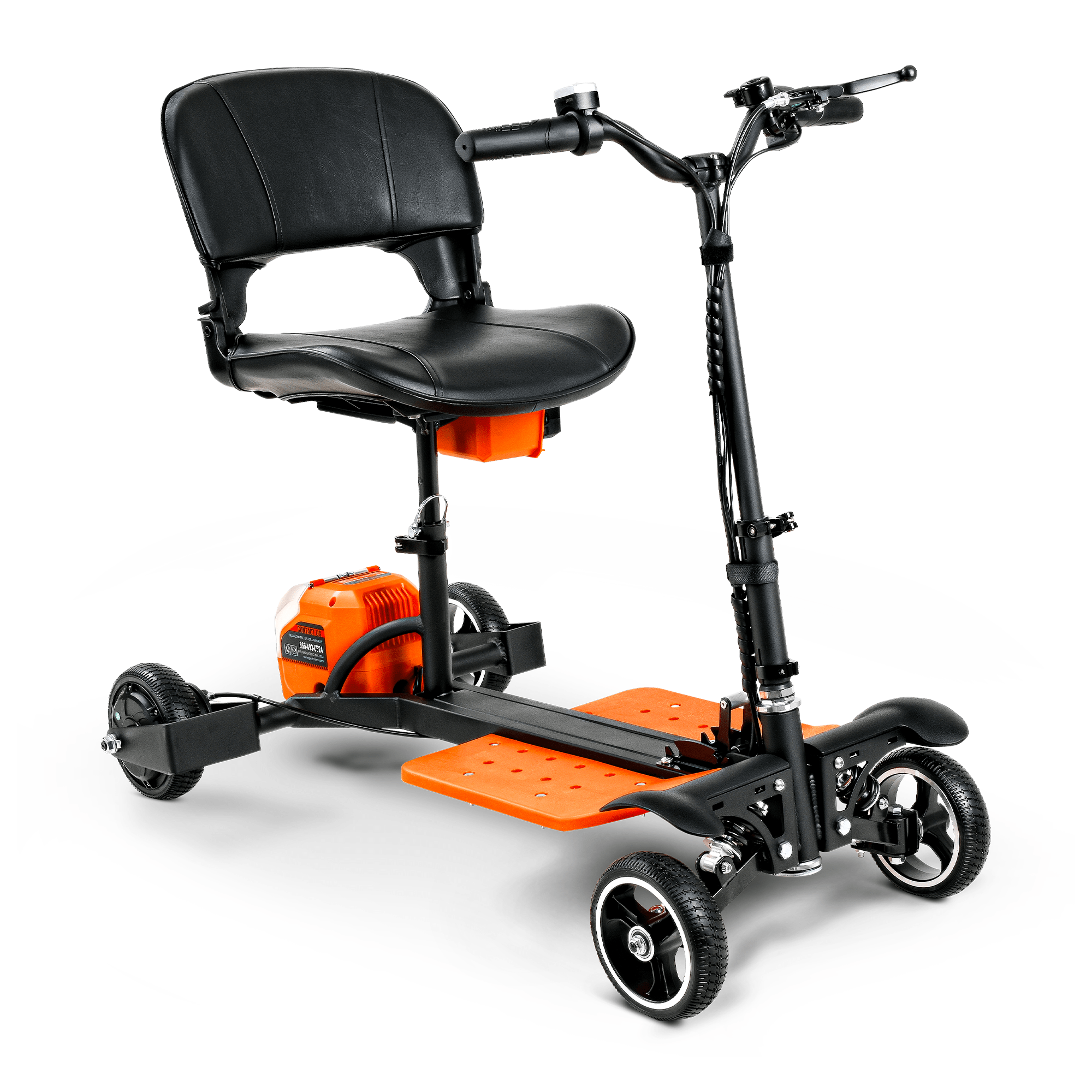
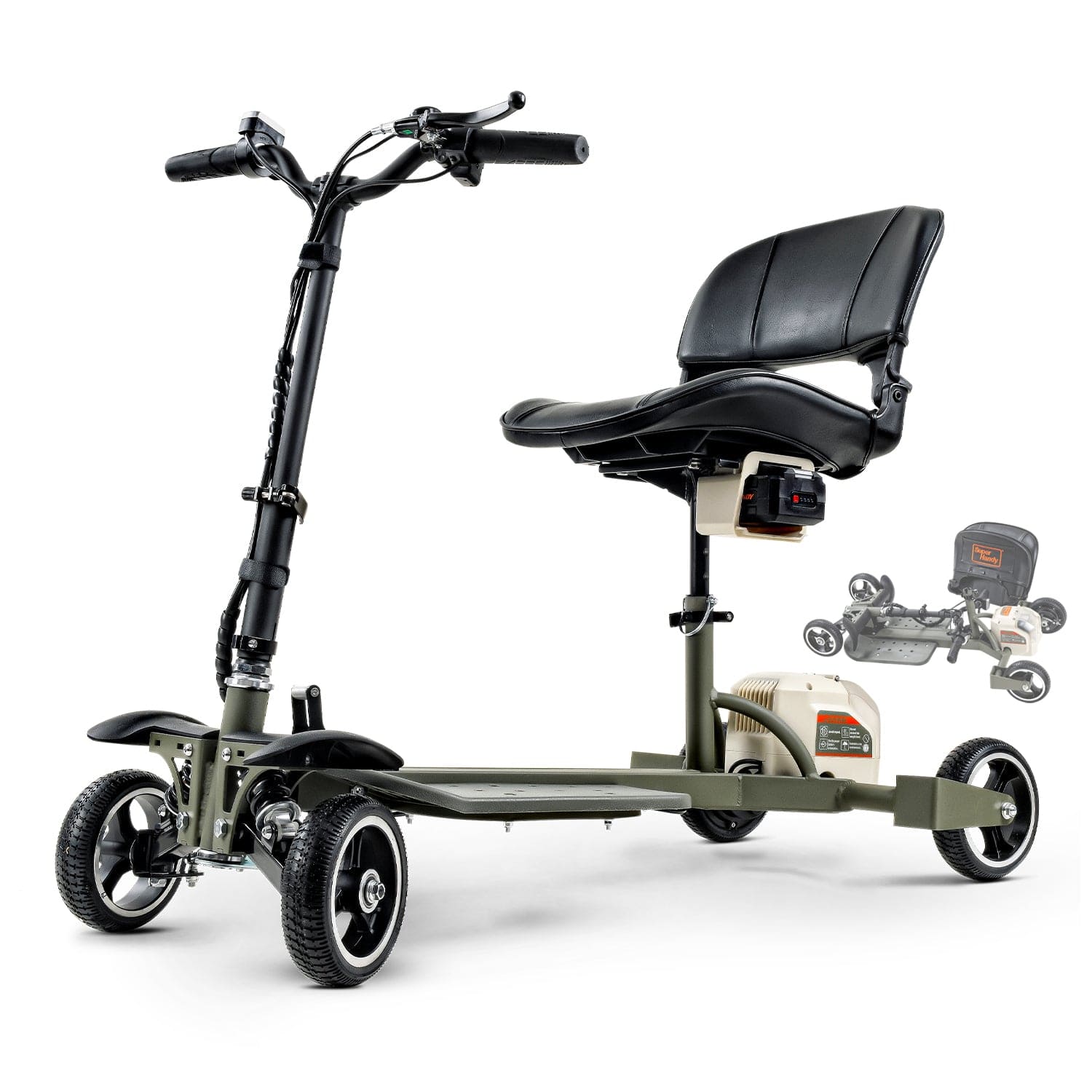
The goal of a portable mobility scooter is to be there when you need it and disappear when you don't. A compact folded profile means you can tuck it into a closet, the corner of a room, or the trunk of a car without it taking over the entire space. Folding models often have an advantage here, collapsing into a single, manageable piece that resembles a piece of rolling luggage. When browsing different Mobility Scooters, look for the "folded dimensions" (L x W x H) in the product details and compare them to the spaces you intend to store it in.
Dimensions for Storage: Will it Fit in Your Car Trunk?
This is the million-dollar question for most scooter owners. The most common reason to own a portable scooter is to take it with you on errands, visits, and vacations, and that almost always involves a car. Before you fall in love with a model, grab a tape measure and head to your vehicle. Measure the width, depth, and height of your trunk. Pay special attention to the height of the trunk opening, as you'll need to clear that lip when lifting the scooter inside.
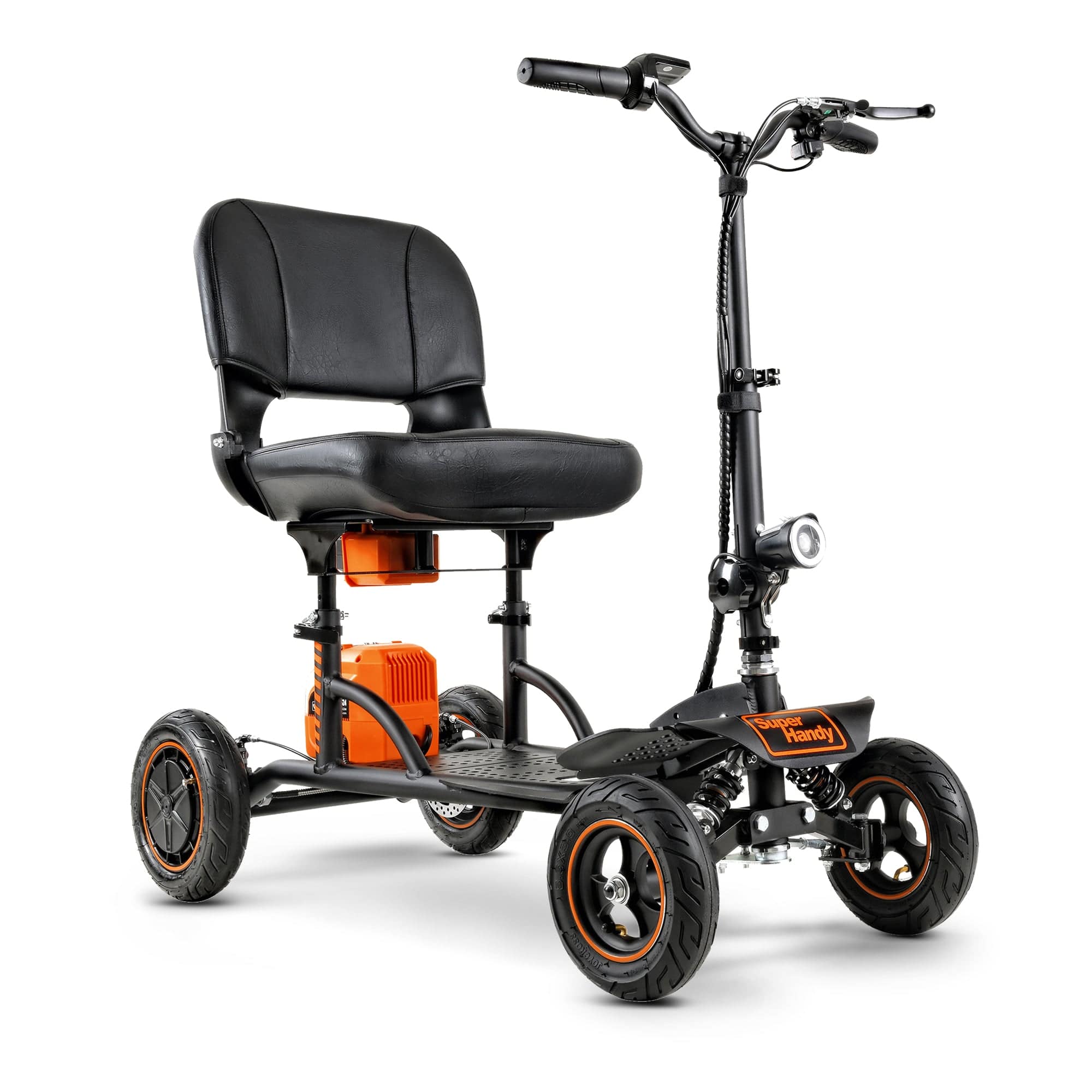
A small sedan may have limited trunk space, making an ultra-compact scooter essential. An SUV or minivan offers more flexibility, but you still don't want a scooter that takes up the entire cargo area. Some innovative designs, like those found on specific Mobility Scooters, are engineered to fold into a tight, squarish shape that fits neatly into a wide variety of vehicle trunks. Don't forget to consider other vehicles you may travel in, such as those of family or friends. A scooter that is compact enough for multiple scenarios will provide the greatest freedom. Many of today’s best Mobility Scooters are designed with this real-world practicality in mind, ensuring your independence travels with you.

Related Products

Leave a comment
All comments are moderated before being published.
This site is protected by hCaptcha and the hCaptcha Privacy Policy and Terms of Service apply.