










Why Invest in a Hydraulic Log Splitter?
If you've ever spent a weekend swinging an axe, you know that splitting firewood by hand is back-breaking, time-consuming work. A hydraulic log splitter transforms this chore into a fast, efficient, and far less strenuous task. Instead of hours of labor, you can process an entire cord of wood in a fraction of the time. Investing in a quality wood splitter means less physical strain, more time to enjoy your accomplishments, and the satisfaction of a perfectly stacked woodpile ready for the fireplace or farm. It’s all about working smarter, not harder, and a machine built for high working efficiency is the key.

Understanding the Core Components of a Hydraulic Log Splitter
While they may seem complex, hydraulic log splitters operate on a straightforward principle. Understanding the main parts helps you appreciate their solid structure and stable performance. At the heart is the engine or motor, which powers a hydraulic pump. This pump pressurizes hydraulic fluid, which then drives a piston inside a cylinder. The piston pushes a log against a stationary splitting wedge, forcing it apart with immense pressure. All these components are mounted on a durable steel frame designed for a long service life and easy operation.
Log Splitter Power Sources: Electric vs. Gas Engines
One of the first decisions you'll make is choosing between a gas or electric power source. Electric log splitters are quieter, lighter, and require less maintenance, making them great for smaller jobs in a garage or backyard where a power outlet is nearby. Gas-powered log splitters, on the other hand, are the workhorses of the firewood world. They offer superior power and complete portability, allowing you to work anywhere on your property without being tethered to a cord.
Gas-Powered Log Splitters: Pros, Cons, and Ideal Scenarios
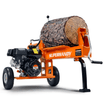
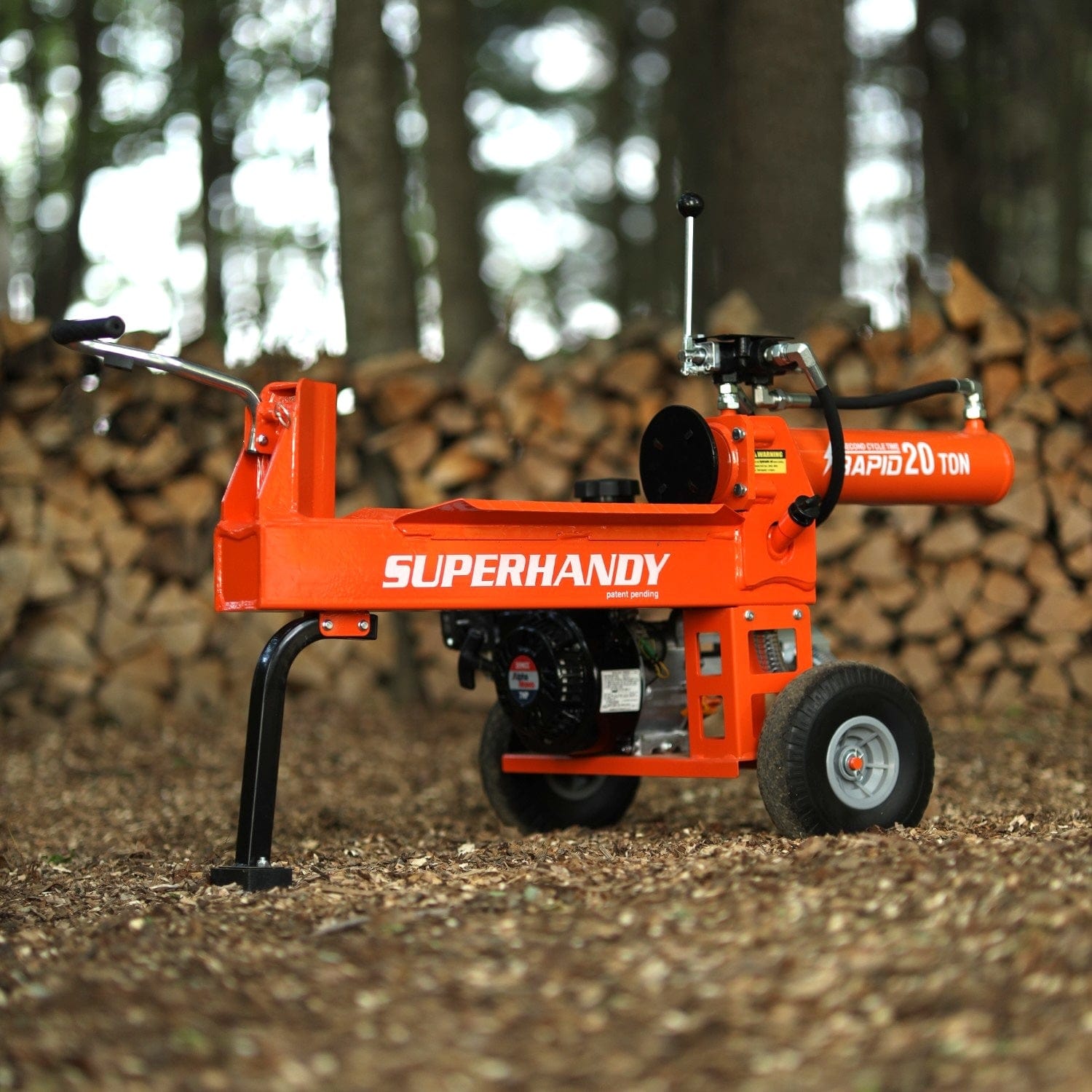
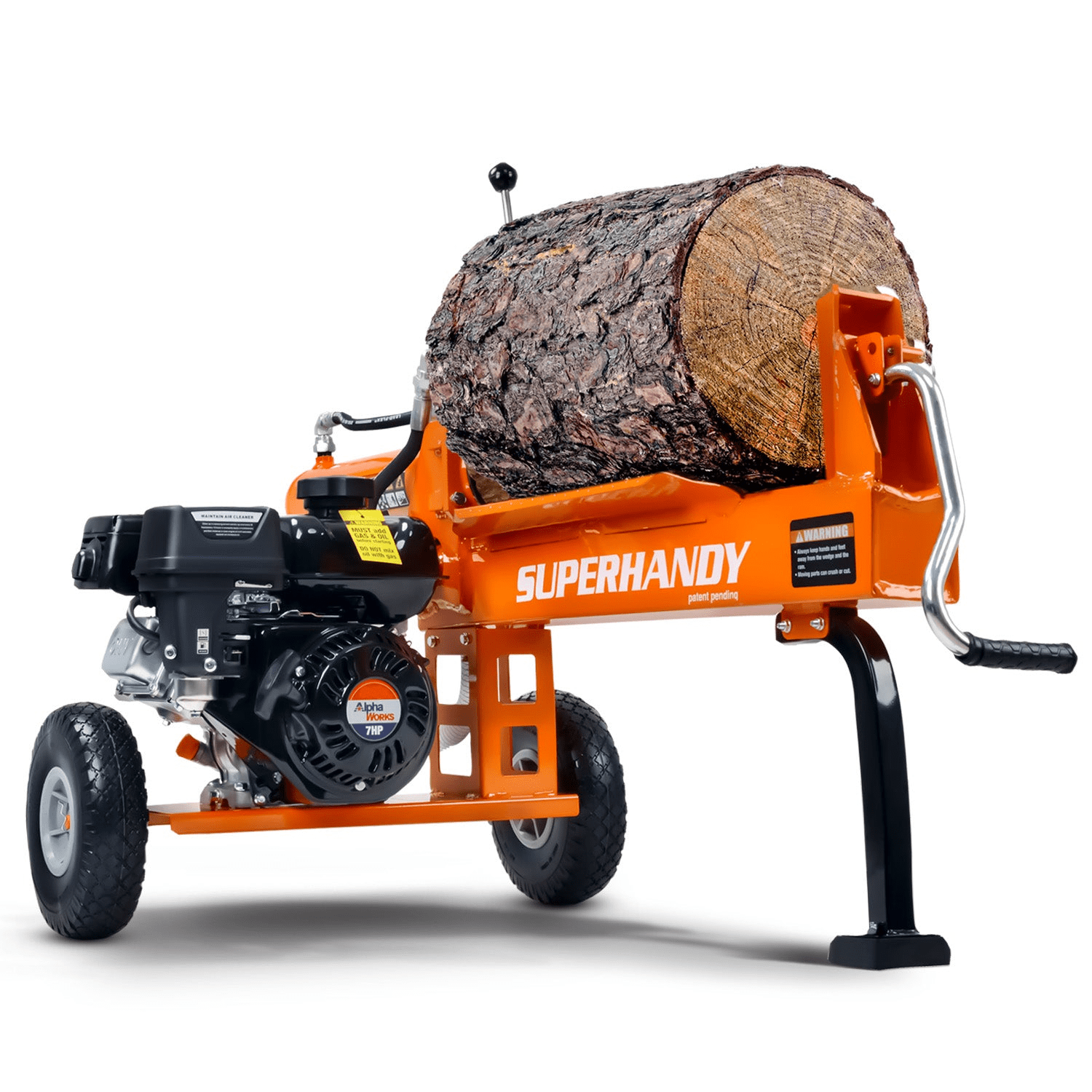
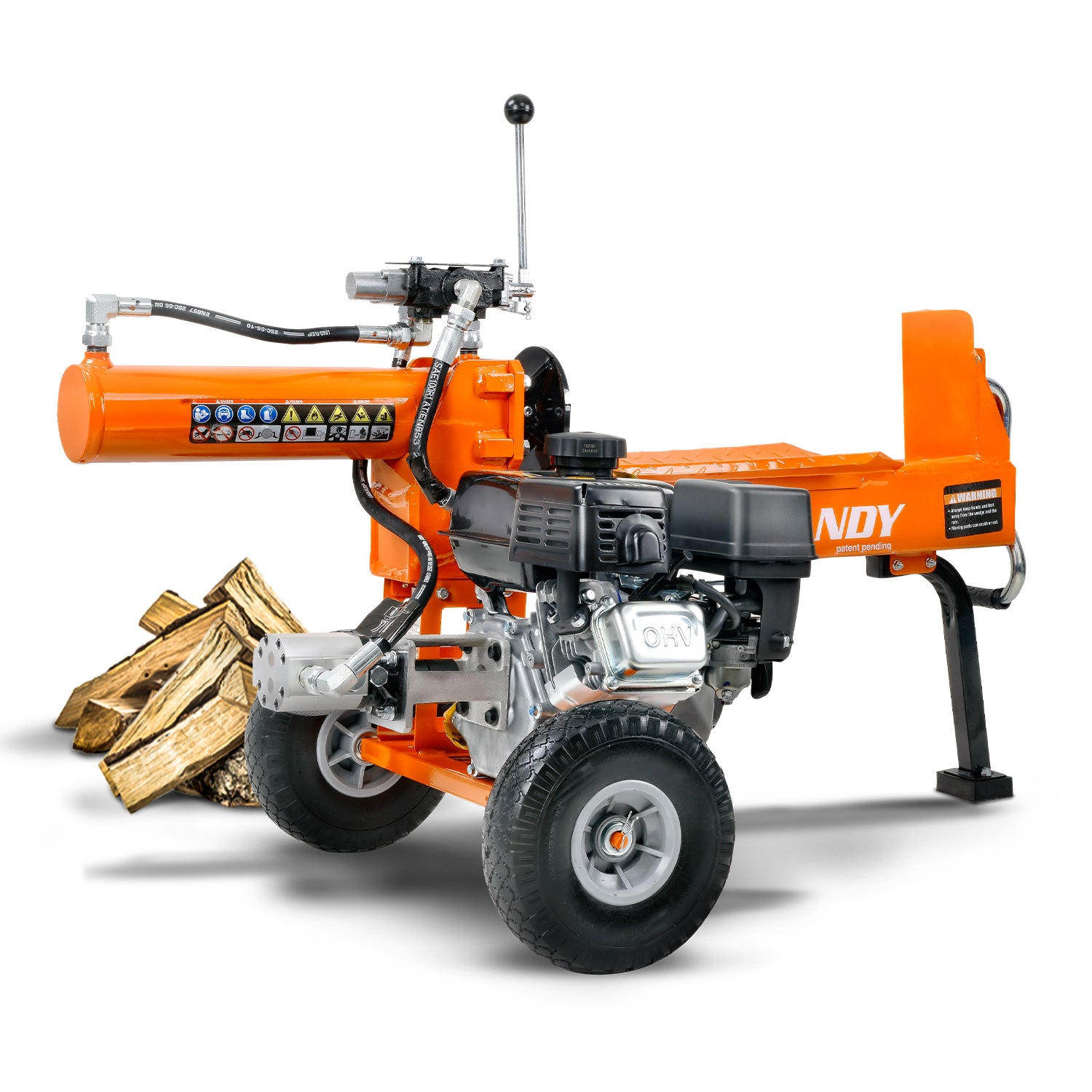
For serious firewood processing, a gas-powered hydraulic log splitter is often the best choice. Their main advantage is raw power, measured in tonnage, which allows you to split larger, tougher, and greener logs with ease. This power makes them ideal for homeowners with large properties, farm use, or anyone preparing multiple cords of wood for winter. For instance, a robust model like the SuperHandy 20 Ton Gas Log Splitter - 7HP 209CC, 20" Max Log Length offers the freedom to split wood in the field right where the tree was felled. The trade-offs are that they are louder, produce exhaust (requiring outdoor use), and need regular engine maintenance. However, for sheer performance and off-grid capability, their benefits are hard to beat.
Key Specifications to Consider: Tonnage, Cycle Time, and Max Log Length
When you’re looking at a log splitter for sale, the technical specs can feel a bit overwhelming. Let’s break down the three most important numbers you’ll see: tonnage, cycle time, and max log length. Tonnage is the amount of splitting force the machine can generate. Cycle time is how quickly it can split a log and be ready for the next one. Max log length tells you the biggest piece of wood the splitter can accommodate. Understanding these three specifications is the key to finding a hydraulic log splitter that matches your workload.
What Tonnage Rating Do You Actually Need?
The tonnage of a wood splitter directly relates to its power. While it's tempting to go for the highest number, more isn't always necessary. The right tonnage depends on the type and condition of the wood you split.
- For smaller, seasoned softwoods (like pine or fir) up to 12 inches in diameter, a splitter in the 10-20 ton range provides plenty of force.
- For large, green, or knotty hardwoods (like oak, hickory, or maple), you’ll want the higher power of a 20-ton or greater log splitter to avoid stalls and ensure efficient splitting.
Choosing the correct tonnage ensures you have a machine with stable performance for your specific needs without overspending on power you won’t use.

How Cycle Time Impacts Your Splitting Efficiency
Cycle time is the total time it takes for the splitting wedge to extend, split the wood, and retract. A shorter cycle time means higher working efficiency, allowing you to process more firewood in less time. For homeowners with a small pile of wood, a 20-second cycle time might be perfectly fine. However, if you're a farm operator or someone who heats with wood all winter, a fast cycle time (under 15 seconds) is a massive advantage. Our log splitters are designed for a long service life, and a fast cycle time helps you get the job done quickly, reducing overall wear and engine hours.
Horizontal vs. Vertical Log Splitters: Which Orientation Suits You?
Hydraulic log splitters come in two main orientations: horizontal and vertical.
- Horizontal Splitters: These are the most common for home use. You lift the log onto the beam, and the ram pushes it horizontally into the wedge. They are great for logs that are a manageable weight.
- Vertical Splitters: These are designed to handle large, heavy rounds that are too difficult to lift. You simply roll the log onto the base plate and the wedge drives down from above.
Many modern machines, like the versatile SuperHandy 20 Ton Gas Log Splitter - 7HP 209CC, 20" Max Log Length, offer the best of both worlds. This provides maximum flexibility, combining easy operation for smaller logs with the raw power to tackle the biggest rounds in your woodpile.
Horizontal Splitters Explained: Portability and Ease of Use
If you're primarily splitting logs of a manageable size that you can comfortably lift, a horizontal log splitter is an excellent choice. These models are designed for straightforward operation: you lift a log onto the horizontal beam, engage the controls, and the hydraulic ram pushes it against the splitting wedge. Their design often prioritizes portability and a smaller footprint, making them ideal for homeowners and DIY users who need to process firewood for the winter. With a solid structure and user-friendly controls, a quality horizontal splitter offers high working efficiency for most common firewood splitting tasks.
Vertical Splitters Explained: Power and Handling Larger Logs
What about those massive, heavy rounds of wood that are too cumbersome to lift? This is where a vertical wood splitter shines. With a vertical orientation, you don’t have to lift the log at all. You simply roll the heavy round onto the ground-level splitter plate and operate the ram, which travels downward to split it. This makes them suitable for farm use or anyone dealing with large-diameter timber. Many modern hydraulic log splitters, offer both horizontal and vertical operation, giving you the ultimate flexibility to handle any log that comes your way.

Essential Safety Features to Look for in a Log Splitter
When searching for a log splitter for sale, safety should be a top priority. A well-designed machine incorporates features that protect you while you work. Look for:
- Two-Handed Operation: This is a critical feature that requires you to use both hands to engage the hydraulic ram, ensuring your hands are safely away from the wedge and moving parts.
- Log Cradles or Trays: These features help catch the split pieces of wood, preventing them from falling on your feet or creating a tripping hazard.
- Automatic Ram Return: A ram that automatically retracts after splitting a log not only speeds up your workflow but also allows you to prepare the next log without manually reversing the control. These design elements align with the general principles of hand and power tool safety by minimizing risk during operation.
Maintenance Tips to Extend the Life of Your Log Splitter
A durable log splitter is a significant investment, and proper care is key to ensuring it delivers stable performance for years to come. To guarantee a long service life, integrate these simple checks into your routine:
- Check Hydraulic Fluid: Regularly inspect the hydraulic fluid level and top it off as needed. Change the fluid and filter according to the manufacturer's recommendations.
- Keep the Wedge Sharp: A sharp wedge splits wood more efficiently and puts less strain on the engine and hydraulic system.
- Inspect Hoses and Fittings: Before each use, look for any cracks, leaks, or damage in the hydraulic hoses and fittings.
- Engine Care: Follow the engine’s maintenance schedule for oil changes, air filter cleaning, and spark plug checks.
Frequently Asked Questions About Hydraulic Log Splitters
What kind of hydraulic fluid does my log splitter need? Most hydraulic log splitters use a standard hydraulic fluid like AW32 or AW46, but it's crucial to consult your owner's manual for the specific type and viscosity recommended by the manufacturer. Using the correct fluid is essential for maintaining stable performance and ensuring a long service life for your wood splitter's hydraulic system.
Can I use a log splitter in the rain or on wet ground? Operating any power equipment in wet conditions poses significant risks. For electric log splitters, the danger of electric shock is severe. For gas models, slippery ground can lead to falls and unsafe operating conditions. It's always best to wait for dry weather.
How often should I sharpen the splitting wedge? A sharp wedge is key to high working efficiency. The frequency of sharpening depends on your usage and the type of wood you're splitting. A good rule of thumb is to inspect the wedge before each use. If you notice dings, dents, or a rounded edge, it’s time to sharpen it with a file or grinder. A sharp wedge splits wood more cleanly and puts less strain on the engine and hydraulic system.

Making Your Final Decision: Matching a Splitter to Your Woodpile
Choosing the right hydraulic log splitter ultimately comes down to matching the machine’s capabilities to your specific firewood needs. By now, you have a clear picture of how tonnage, cycle time, and orientation affect performance. It’s time to put it all together. Think about the wood you split most often. Is it mostly seasoned softwood under 12 inches, or do you regularly tackle large, green rounds of oak and hickory? Your answer will point you toward the right tonnage. Consider how much wood you process in a season. If you’re filling a large woodshed, a faster cycle time will be a priority to maximize your efficiency.
For homeowners and farm operators seeking a versatile and reliable machine, finding a balance is key. You need a wood splitter with a solid structure that can handle tough jobs without being overkill for everyday tasks. A model with proven durable quality, like the SuperHandy 20 Ton Gas Log Splitter, often hits the sweet spot. It provides ample power for most hardwoods, easy operation, and a design built for years of dependable service. When you find a log splitter for sale that aligns with your power, volume, and log-handling needs, you can invest with confidence.
Related Products

Leave a comment
All comments are moderated before being published.
This site is protected by hCaptcha and the hCaptcha Privacy Policy and Terms of Service apply.