












Unlocking Versatility: Why Car Dollies Are More Than Just for Mechanics
When you picture an automotive car dolly, your mind probably goes straight to a professional garage or a classic car enthusiast’s workshop. You see them tucked under the wheels of a vehicle, allowing a mechanic to effortlessly glide a car across a concrete floor. While that is their primary purpose, these powerful, low-profile platforms are one of the most underutilized and versatile tools available. Their simple design—a sturdy frame with heavy-duty casters—is the key to unlocking a world of possibilities for dolly moving that extends far beyond the auto shop. From organizing your workspace to completing ambitious DIY projects, the humble car dolly is a secret weapon for adding mobility to the immovable.
Understanding the Core Functionality: How Car Dollies Work and Their Standard Applications
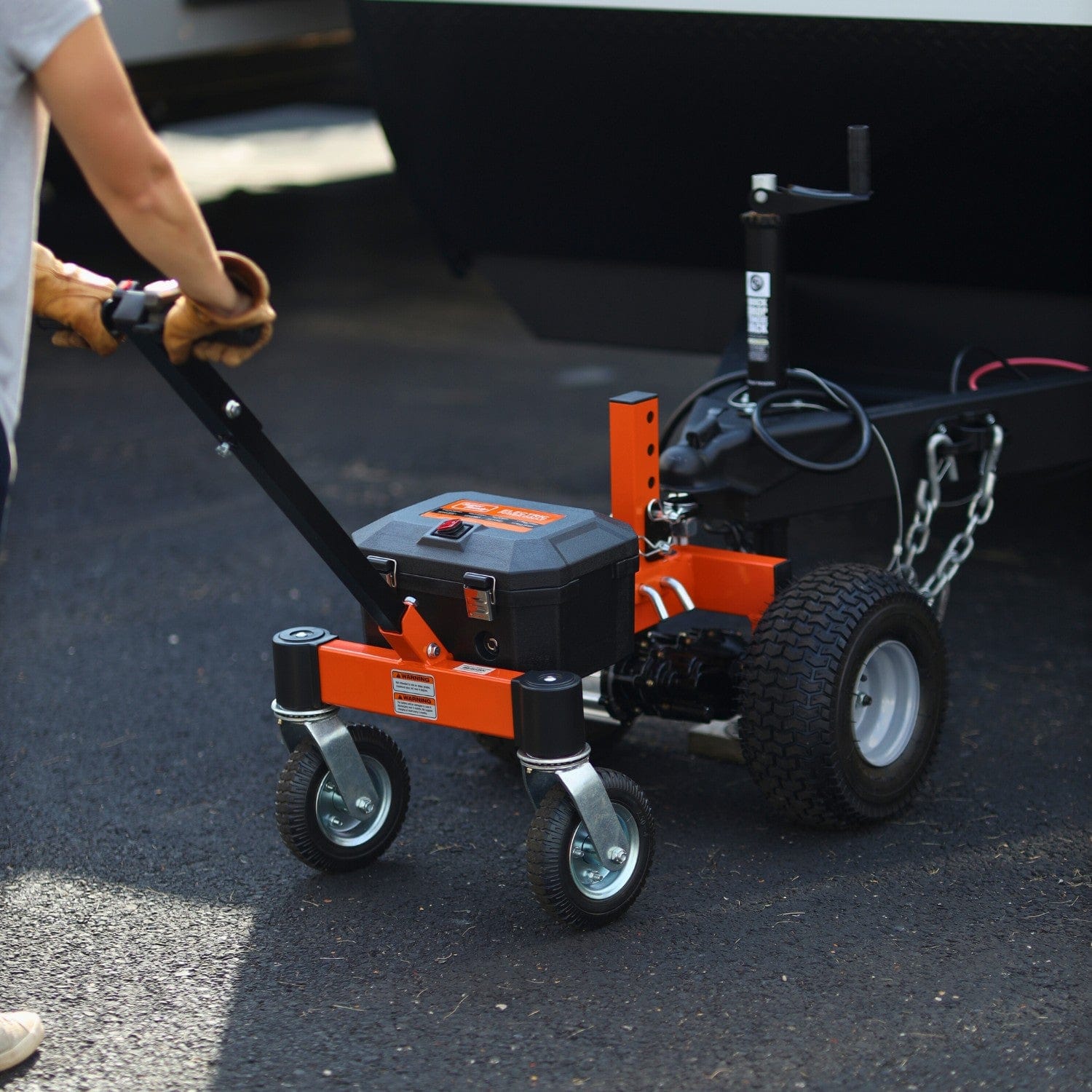
At its heart, a car dolly is designed to make thousands of pounds of metal move with a simple push. Typically sold in sets of two or four, each dolly is a steel plate equipped with multi-directional caster wheels. To use them, you simply position a dolly under each tire of a vehicle. This lifts the car just enough to disengage the tires from the ground, allowing the vehicle to roll on the dollies' casters instead. This is invaluable in showrooms for positioning cars perfectly or in a home garage where you need to push a project car against the wall to make space. While car dollies excel at moving vehicles, other specialized tools like Trailer Dollies are designed to maneuver campers and boats with similar ease.

Beyond Vehicle Repair: Exploring the Practicality of Car Dollies for Storage and Organization
One of the most practical non-automotive uses for a car dolly is reclaiming and optimizing your storage space. Garages, basements, and workshops are often cluttered with heavy, awkward items that get placed in a corner and never move again. Think about that massive generator, the ride-on lawnmower you need to store for winter, or a heavy-duty workbench. By placing these items on a set of automotive car dollies, you instantly make them mobile. This allows you to reconfigure your workspace on the fly, easily clean underneath and behind bulky equipment, and access items that would otherwise be blocked. It’s a simple solution for maximizing every square foot of a tight space. For public access decisions, ADA.gov explains how covered entities evaluate wheelchairs and other power-driven mobility devices.
DIY Dream Projects: Leveraging Car Dollies for Furniture Moving and Rearrangement
For the ambitious DIYer or homeowner, car dollies are a game-changer for moving heavy furniture. Forget trying to slide a solid oak armoire across the floor on a blanket. A set of automotive car dollies provides a stable, high-capacity solution for rearranging your home. The process is straightforward: using a small jack or lever, lift one corner of the piece of furniture and slide a dolly underneath. Once you have a car dolly under each corner, you can glide even the most cumbersome items—like a piano, a large safe, or a stone-topped island—across the room with minimal effort. This makes tasks like deep cleaning carpets, painting walls, or simply trying out a new room layout a one-person job instead of a major logistical challenge.
The Art of Mobility: Using Car Dollies for Stage and Set Design
In the dynamic world of theater and film, quick and seamless scene changes are crucial. Heavy, cumbersome set pieces—like walls, platforms, or large props—can bring a production to a halt. This is where the humble car dolly finds a surprising role in the spotlight. By placing large set elements on a set of four automotive car dollies, stagehands can glide massive structures across the stage with minimal effort and noise.
This creative use of a dolly moving system allows for complex choreography of scenery, enabling designers to create more fluid and immersive environments. Whether it's for a high school play, a community theater production, or a professional Broadway show, using a car dolly under each corner of a set piece transforms it into a mobile unit. This simple hack saves immense time and labor, allowing for ambitious set designs that can be reconfigured in seconds, even in the middle of a live performance. For coverage planning, Medicare.gov outlines when wheelchairs and scooters may qualify as durable medical equipment.

Streamlining Operations: Car Dollies in Workshop and Manufacturing Environments
Efficiency and flexibility are the cornerstones of a productive workshop or manufacturing floor. Heavy machinery, large stacks of raw materials, and works-in-progress often create logistical bottlenecks. Automotive car dollies provide a powerful solution for mobilizing these static, heavy objects. Placing a large piece of equipment like a table saw or a band saw on dollies allows you to reconfigure your shop layout on the fly to accommodate different projects.
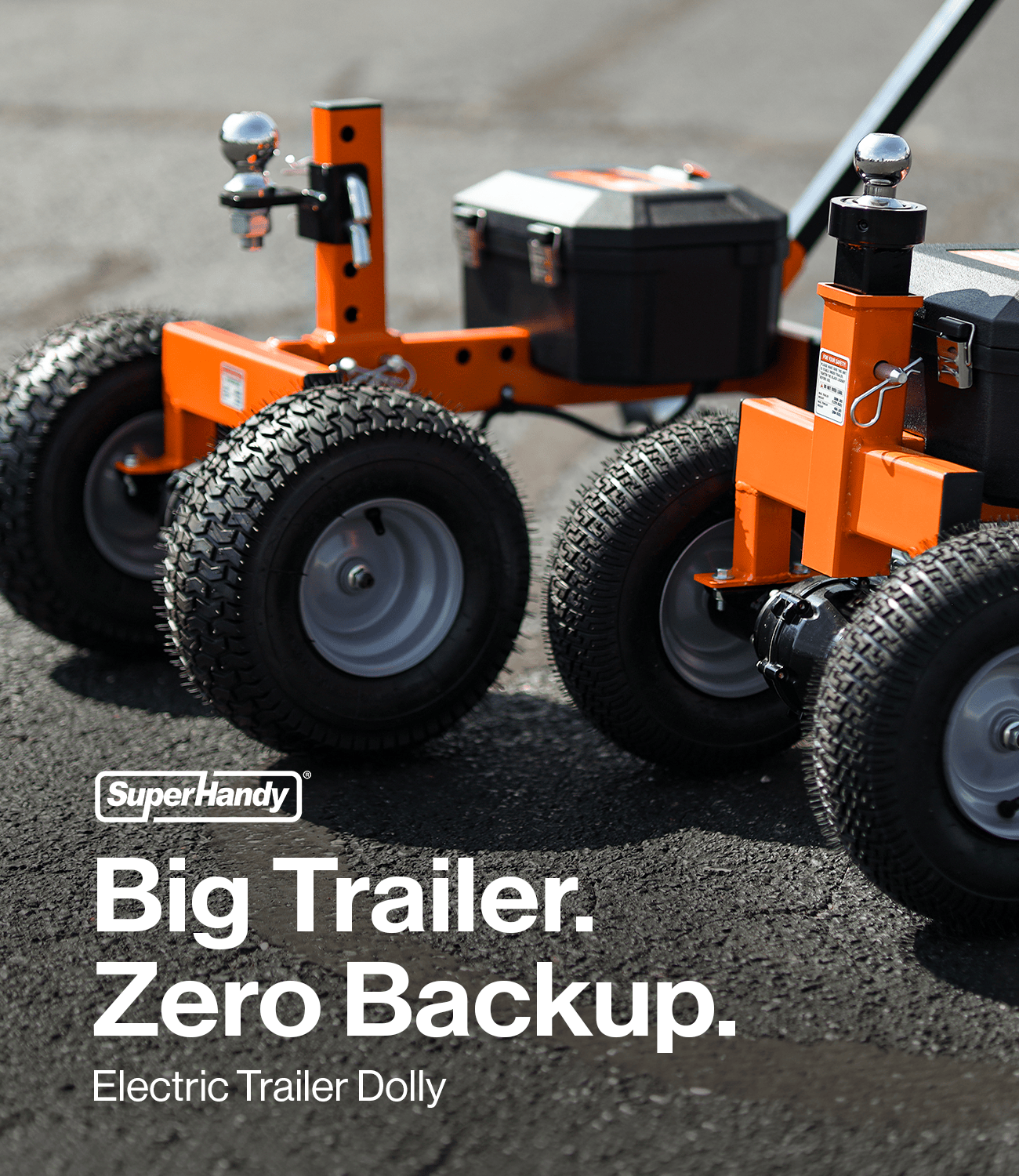
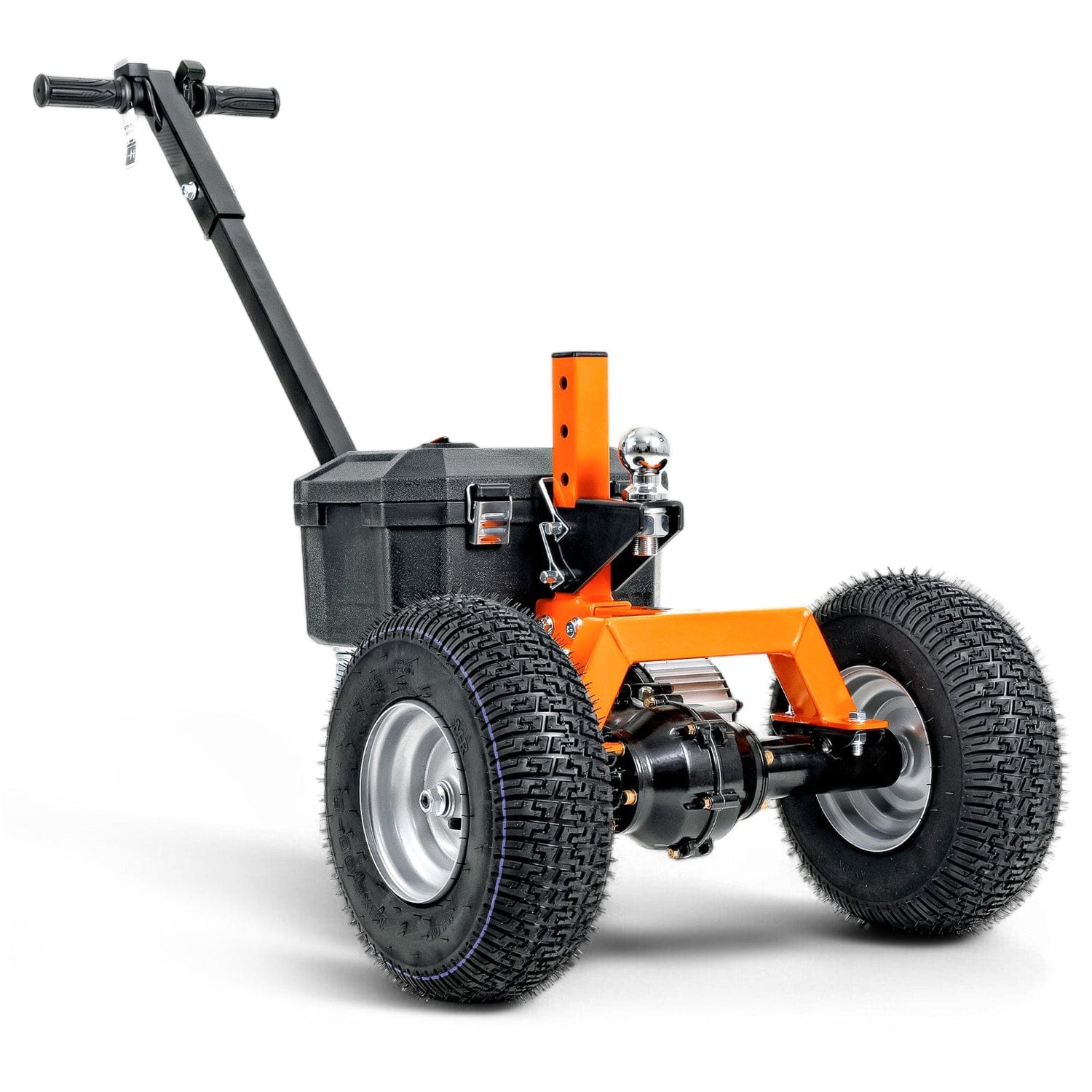
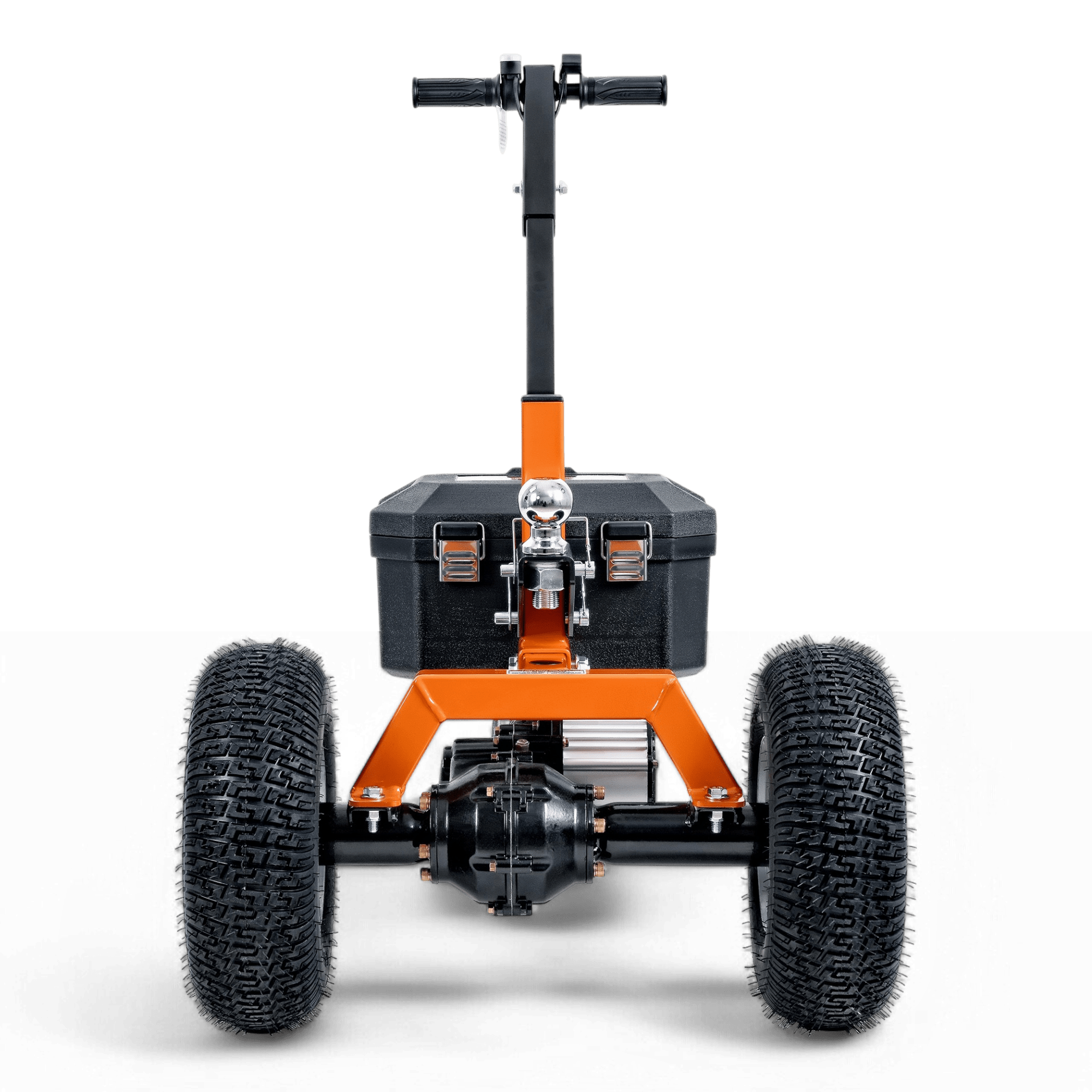
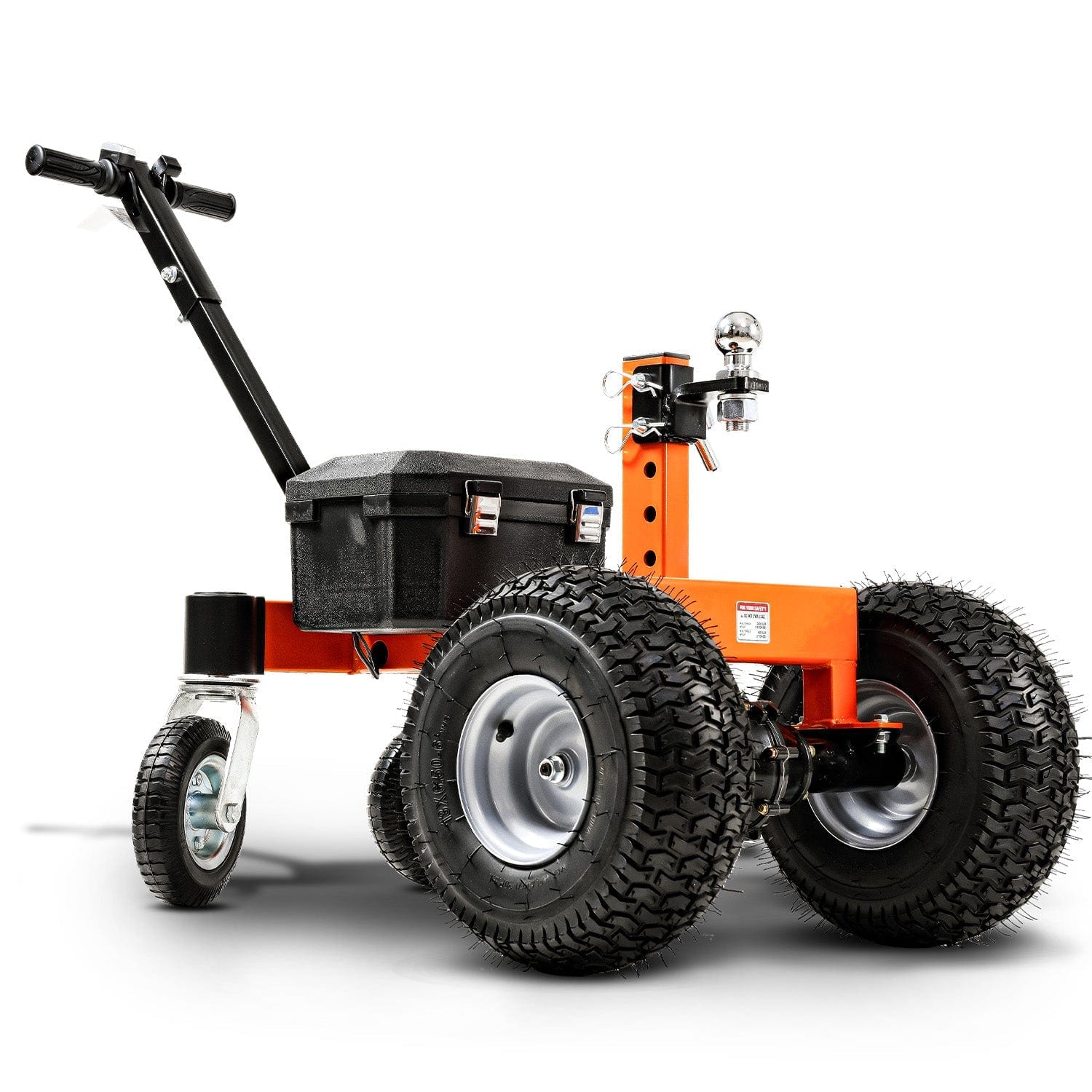
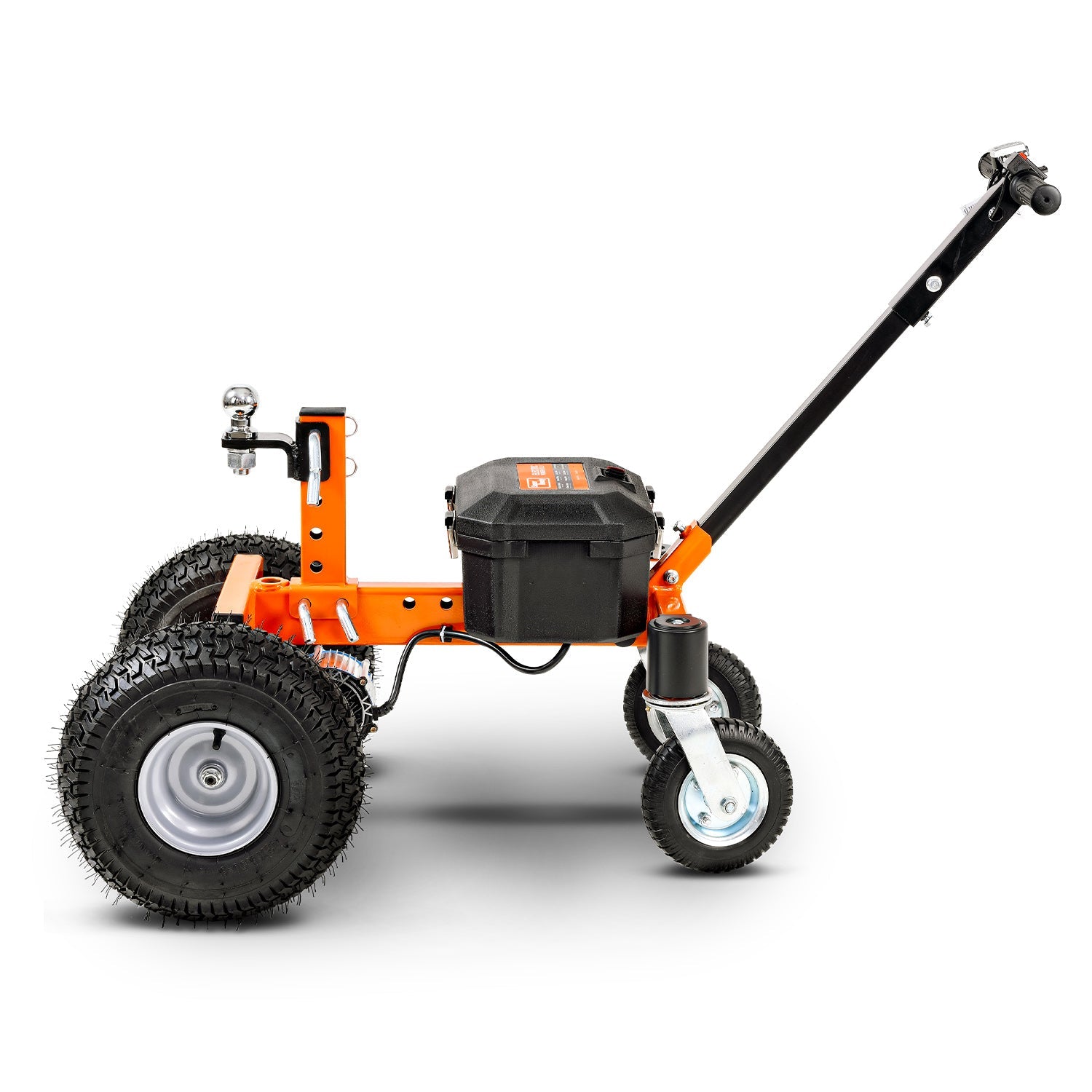
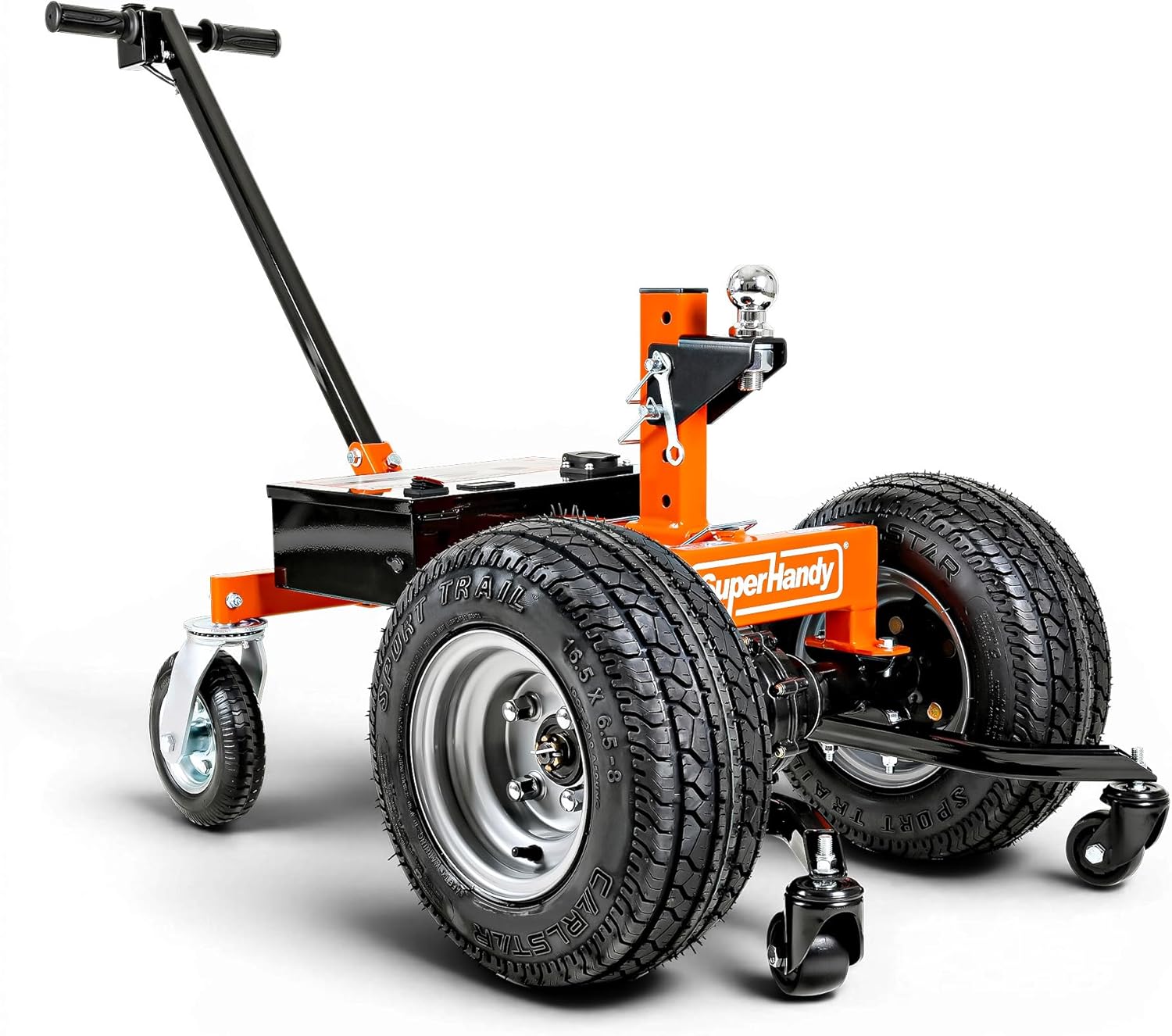
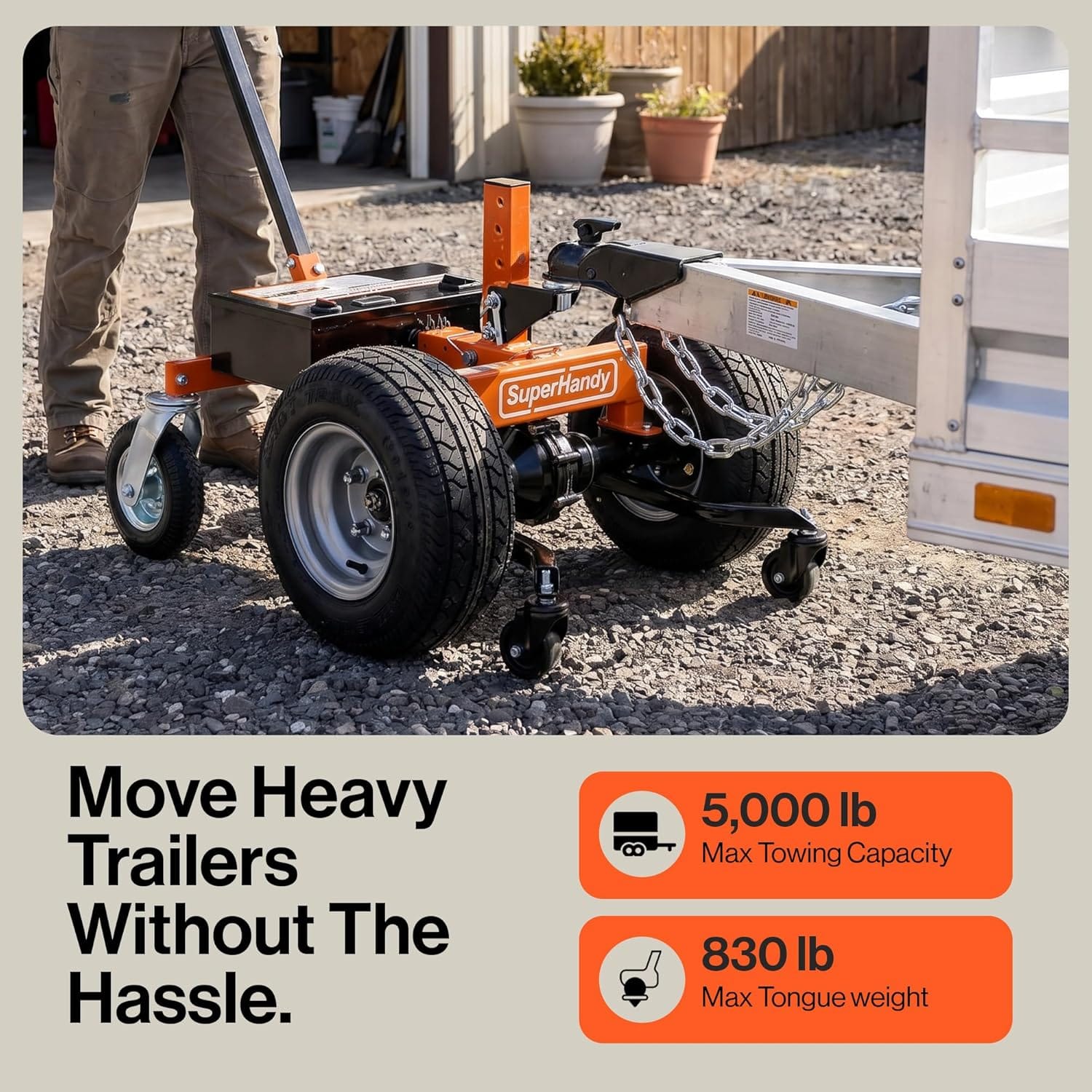
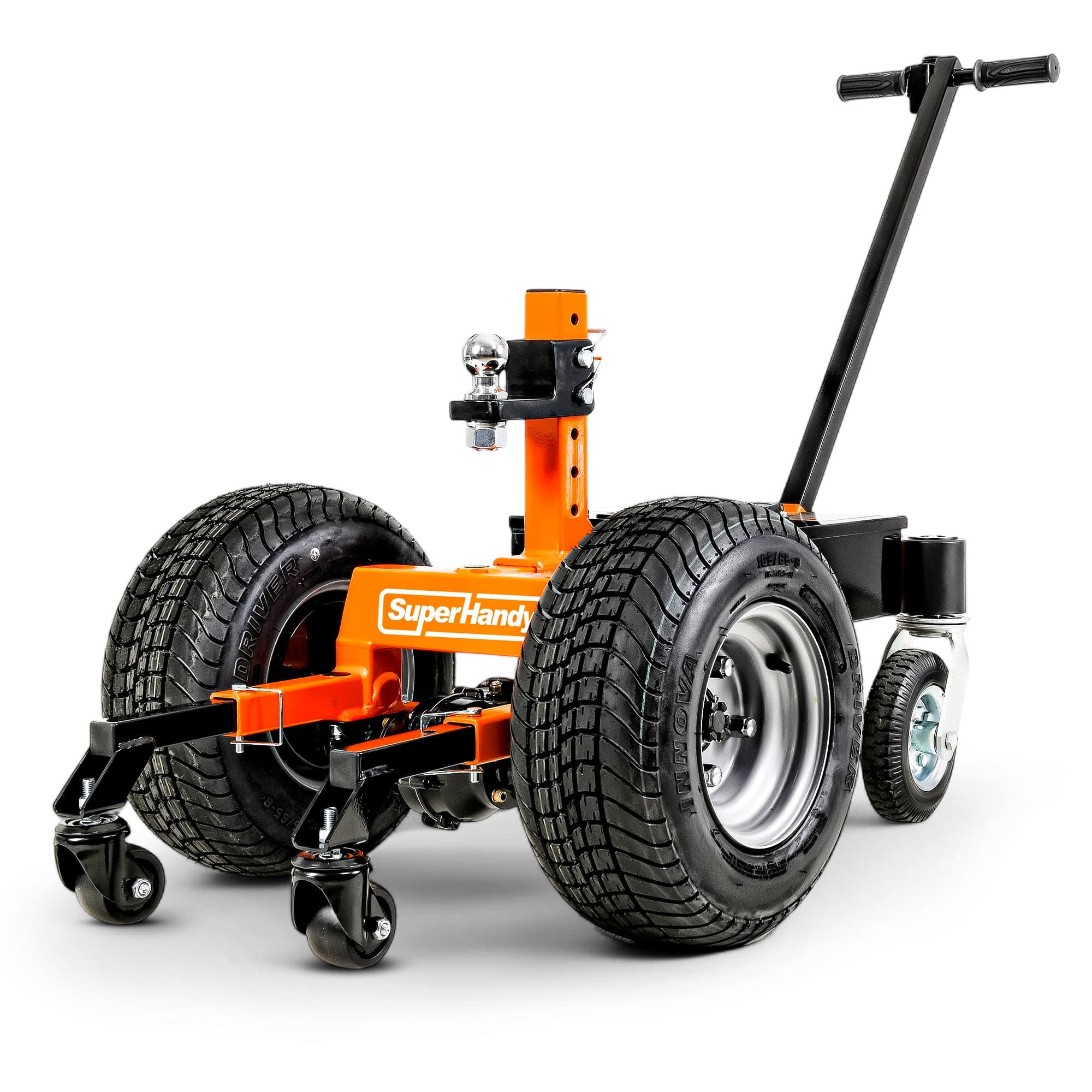
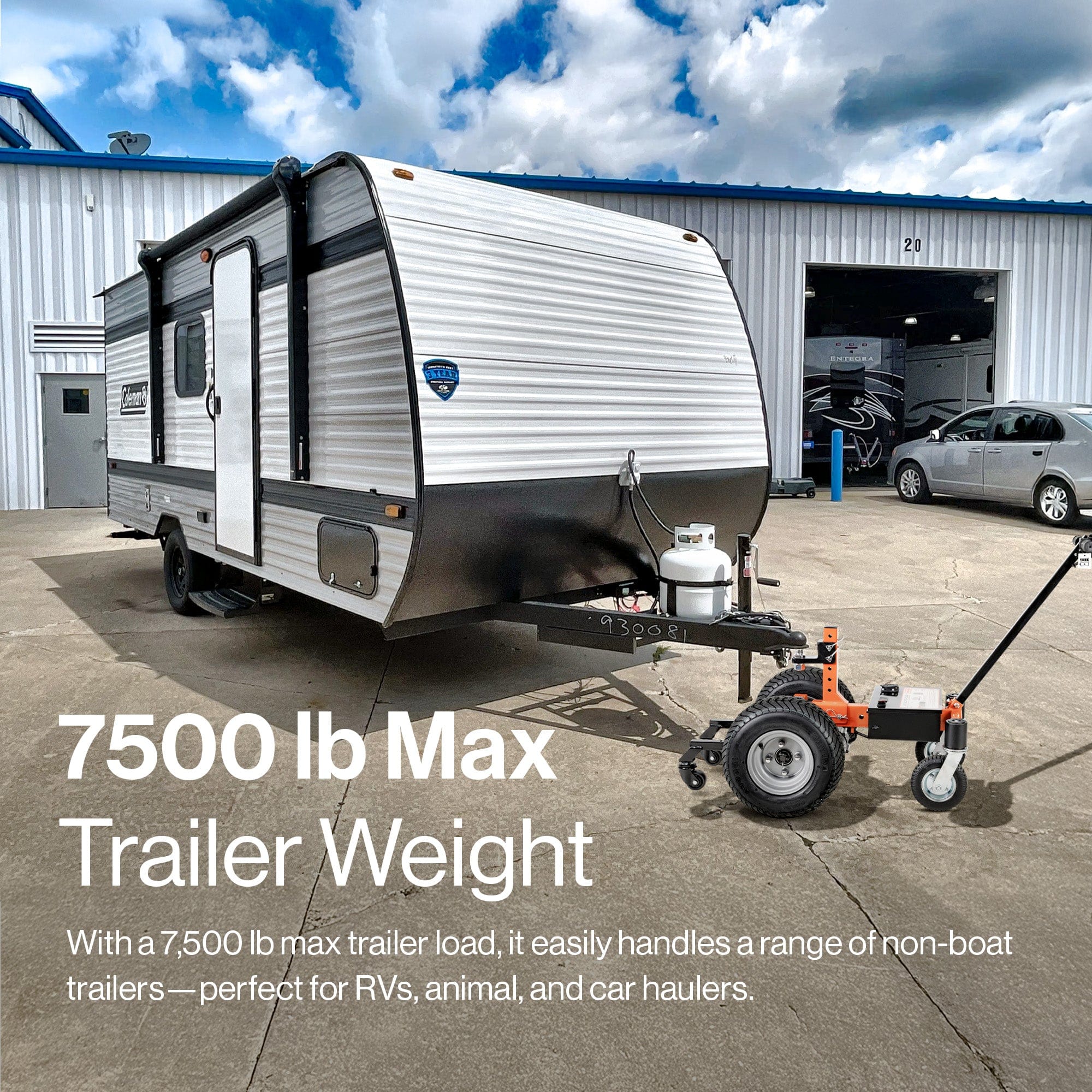
This principle extends to moving large sheets of plywood, metal stock, or even partially assembled products between workstations. This form of dolly moving not only speeds up the workflow but also significantly reduces the risk of workplace injuries associated with lifting and dragging heavy items. For even larger tasks, such as maneuvering small boats, campers, or utility trailers around a crowded lot or into a tight storage space, specialized equipment like electric Trailer Dollies offers an incredible boost in power and precision, taking the strain completely off your team.
Creative Applications in the Automotive Hobbyist World
For the dedicated car enthusiast, a garage is more than just a place to park—it's a sanctuary for projects. Automotive car dollies are already a staple for moving non-running vehicles, but their creative applications go much further. Imagine needing to work on the entire chassis of a project car. By placing the car body on a set of dollies, you can easily spin it 360 degrees to access every nook and cranny for welding, rust repair, or painting without leaving your garage.
This enhanced mobility is also a game-changer for organization. A car dolly set can be used to effortlessly shuffle project cars, engines on stands, and heavy tool chests around a small or crowded garage, maximizing every square foot of usable space. When it's time to show off your hard work, dollies allow you to position your vehicle perfectly in a showroom or at a car meet, ensuring it catches the light and the judges' eyes from the best possible angle.
Safety First: Essential Considerations When Using Car Dollies for Non-Standard Tasks
Harnessing the power of a car dolly for creative projects is brilliant, but safety must always be the top priority. Using them for tasks they weren't originally designed for requires extra caution. Keep these essential considerations in mind:
- Respect the Weight Limit: Every dolly set has a maximum weight capacity. Always check this rating and ensure the total weight of your object is well within the limit. Overloading can lead to catastrophic failure.
- Work on a Smooth, Level Surface: Automotive dollies are designed for flat, hard surfaces like concrete. Avoid using them on soft ground, gravel, cracked pavement, or significant inclines, as this can cause the load to tip or the dollies to get stuck.
- Ensure Load Stability: Center the object's weight evenly across the dollies. For tall or top-heavy items like shelving units or large set pieces, consider using straps to secure the object to the dollies to prevent it from shifting or tipping during movement.
- Move with Control: Push the load slowly and deliberately. It's always safer to push from a low point on the object rather than pulling it. For large or awkwardly shaped items, having a spotter helps navigate tight spaces and watch for potential hazards.
- Use the Locking Casters: Once your item is in its desired position, immediately engage the locking mechanism on the dolly casters. This crucial step prevents the object from rolling away unexpectedly, especially if the floor has a slight, unnoticeable slope.
Choosing the Right Dolly: Factors to Consider for Diverse Applications
Not all dollies are created equal. To unlock the full potential of these handy tools for your creative projects, you need to select the right one for the job. Whether you're planning a simple garage organization or a complex dolly moving project, consider these key factors before you buy.
- Weight Capacity: This is the most critical specification. Standard automotive car dollies typically support 1,000 to 1,500 pounds each, giving a set of four a combined capacity of 4,000 to 6,000 pounds—plenty for most cars and light trucks. For moving heavy workshop machinery or large furniture, always check the dolly's rating and ensure the total weight of your object is well within the combined limit of the dollies you use.
- Caster Quality: The wheels are where the rubber meets the road—or in this case, the concrete. Look for high-quality, non-marring casters made of polyurethane or hard composite that won't scuff your floors. Ball-bearing swivels are essential for smooth, 360-degree maneuverability, allowing you to pivot heavy objects in tight spaces with minimal effort. Locking casters are a valuable safety feature, preventing unwanted movement once your item is in place.
- Construction and Design: A sturdy, welded steel frame is non-negotiable for strength and longevity. Look for a powder-coated finish to resist rust and corrosion. The dolly's shape also matters. A V-groove design is suitable for cradling a tire, but a flat-top dolly might be more versatile for moving items like tool chests or generators. For highly specialized tasks, like maneuvering a boat or RV, you may need a purpose-built solution like electric Trailer Dollies that are designed specifically for that purpose.
Maximizing Your Investment: Tips for Maintaining and Storing Your Car Dollies
With a little care, your automotive car dollies can provide years of reliable service. A simple maintenance routine will ensure they are always ready for your next project and safe to use.
After each use, take a moment to wipe down the frames and casters to remove dirt, grease, and debris. This prevents buildup that can hinder movement and cause corrosion. Periodically inspect the caster wheels for flat spots or embedded debris, and check the frames for any signs of stress cracks or bending, especially if you regularly move heavy loads. Apply a light lubricant, like a silicone spray, to the caster swivel bearings to keep them turning freely. When it's time to put them away, store your dollies in a dry location. Stacking them neatly in a corner or using a wall-mounted rack not only saves space but also protects them from moisture and damage. For medical context, MedlinePlus summarizes common mobility aids such as canes, walkers, wheelchairs, and scooters.

Case Studies: Real-World Examples of Innovative Car Dolly Usage
Need some inspiration? Here are a few real-world examples of how people are using automotive car dollies to solve problems beyond the garage.
- The Workshop Wizard: A small engine repair shop was constantly struggling to move heavy lawn tractors and snowblowers around its limited floor space. By placing a car dolly under each piece of equipment, technicians can now glide them effortlessly from the storage area to the repair lift and back, dramatically improving workflow and reducing physical strain.
- The Home Renovator: During a kitchen remodel, a homeowner needed to install a 400-pound commercial-grade refrigerator into a tight alcove without damaging the new hardwood floors. By placing two dollies under the fridge, they were able to roll it precisely into position and remove the dollies one at a time, achieving a perfect fit with zero scratches.
- The Community Theater: A local theater group uses car dollies as the foundation for their modular stage sets. Large set pieces, like walls or furniture platforms, are built on wooden bases fitted with dollies. This allows a small crew to quickly and silently rearrange the entire stage between scenes, creating dynamic and professional-level productions on a budget.
Addressing Common Concerns: What to Know Before Using Dollies Off the Pavement
One of the most common questions we hear is, "Can I use my car dollies on grass or gravel?" The short answer is no. Automotive car dollies are specifically engineered for use on hard, smooth, and level surfaces like a concrete garage floor, a paved driveway, or a workshop. The small, hard caster wheels are designed to roll with minimal friction on these surfaces.
When you attempt to use them on soft or uneven ground like grass, dirt, or gravel, the casters will dig in and get stuck rather than roll. This creates a significant tipping hazard, which can lead to property damage or serious injury. Even cracked or broken asphalt can stop a caster dead in its tracks, causing the load to shift dangerously. Forcing a dolly over an unsuitable surface puts immense stress on the casters and frame, risking equipment failure. If you must cross a slightly uneven area, a temporary solution is to lay down thick plywood sheets to create a smooth pathway. However, for genuinely rough terrain, a car dolly is simply not the right tool for the job.
Frequently Asked Questions
As you begin to think about the many ways an automotive car dolly can be used, a few practical questions naturally arise. Understanding the capabilities and limitations of these tools is key to using them safely and effectively, whether for vehicle maintenance or creative projects around your home and workshop.
What is the weight capacity of typical car dollies?
This is one of the most critical factors to consider before undertaking any dolly moving project. The weight capacity of an automotive car dolly can vary significantly between models, but there are some common standards. Most standard-duty steel car dollies are individually rated to support between 1,250 to 1,500 pounds. When used as a set of four, this gives them a combined capacity of 5,000 to 6,000 pounds, which is more than enough to handle the majority of passenger cars, light trucks, and SUVs. For air travel, FAA PackSafe lists battery and handling rules for wheelchairs and mobility devices.
It's crucial to understand that the rating is almost always per dolly. If you plan on moving a 4,000-pound vehicle, each of the four dollies must be able to support at least 1,000 pounds. For those tackling heavier projects, heavy-duty car dolly models are available, with some rated for 2,500 pounds or more per dolly, allowing a set to move objects weighing up to 10,000 pounds.
Before using a car dolly for any purpose—whether it's moving a project car, a large workbench, a grand piano, or a heavy sculpture—always verify the weight of the object and check the manufacturer's specified weight limit for the dollies. Overloading a dolly is a significant safety risk that can lead to equipment failure, damage to your property, and serious injury.
Can car dollies be used on uneven surfaces?
In short, it is strongly recommended that you only use automotive car dollies on smooth, hard, and level surfaces. These tools are engineered with small, hard caster wheels designed to glide effortlessly across polished concrete, epoxy-coated garage floors, or smooth asphalt. This design is what allows a single person to move thousands of pounds with relative ease.
Attempting to use a car dolly on an uneven surface like cracked pavement, gravel, grass, or packed dirt introduces significant problems. The small wheels can easily get stuck in cracks, dig into soft ground, or catch on debris, bringing your dolly moving effort to an abrupt and dangerous halt. This can cause the load to become unstable and potentially tip over. The sudden stop can also transfer immense stress to the dolly's frame and casters, potentially causing them to bend or break.
For surfaces with very minor imperfections, such as shallow expansion joints in a concrete slab, you may be able to proceed with extreme caution and assistance. However, for moving heavy items like boats or utility trailers across slightly more varied terrain like a driveway or packed-dirt path, a standard car dolly is not the right tool. In these situations, a powered solution with larger, pneumatic tires, such as specialized Trailer Dollies, provides the necessary traction and stability to navigate less-than-perfect ground safely. Always choose the right tool for the terrain to ensure safety and prevent damage.
What is the weight capacity of typical car dollies?
This is one of the most critical factors to consider before undertaking any dolly moving project. The weight capacity of an automotive car dolly can vary significantly between models, but there are some common standards. Most standard-duty steel car dollies are individually rated to support between 1,250 to 1,500 pounds. When used as a set of four, this gives them a combined capacity of 5,000 to 6,000 pounds, which is more than enough to handle the majority of passenger cars, light trucks, and SUVs.
It's crucial to understand that the rating is almost always per dolly. If you plan on moving a 4,000-pound vehicle, each of the four dollies must be able to support at least 1,000 pounds. For those tackling heavier projects, heavy-duty car dolly models are available, with some rated for 2,500 pounds or more per dolly, allowing a set to move objects weighing up to 10,000 pounds.
Before using a car dolly for any purpose—whether it's moving a project car, a large workbench, a grand piano, or a heavy sculpture—always verify the weight of the object and check the manufacturer's specified weight limit for the dollies. Overloading a dolly is a significant safety risk that can lead to equipment failure, damage to your property, and serious injury.

Can car dollies be used on uneven surfaces?
In short, it is strongly recommended that you only use automotive car dollies on smooth, hard, and level surfaces. These tools are engineered with small, hard caster wheels designed to glide effortlessly across polished concrete, epoxy-coated garage floors, or smooth asphalt. This design is what allows a single person to move thousands of pounds with relative ease.
Attempting to use a car dolly on an uneven surface like cracked pavement, gravel, grass, or packed dirt introduces significant problems. The small wheels can easily get stuck in cracks, dig into soft ground, or catch on debris, bringing your dolly moving effort to an abrupt and dangerous halt. This can cause the load to become unstable and potentially tip over. The sudden stop can also transfer immense stress to the dolly's frame and casters, potentially causing them to bend or break.
For surfaces with very minor imperfections, such as shallow expansion joints in a concrete slab, you may be able to proceed with extreme caution and assistance. However, for moving heavy items like boats or utility trailers across slightly more varied terrain like a driveway or packed-dirt path, a standard car dolly is not the right tool. In these situations, a powered solution with larger, pneumatic tires, such as specialized Trailer Dollies, provides the necessary traction and stability to navigate less-than-perfect ground safely. Always choose the right tool for the terrain to ensure safety and prevent damage.
Related Products


Leave a comment
All comments are moderated before being published.
This site is protected by hCaptcha and the hCaptcha Privacy Policy and Terms of Service apply.