













Choosing the Right Folding Mobility Scooter for Grocery Shopping
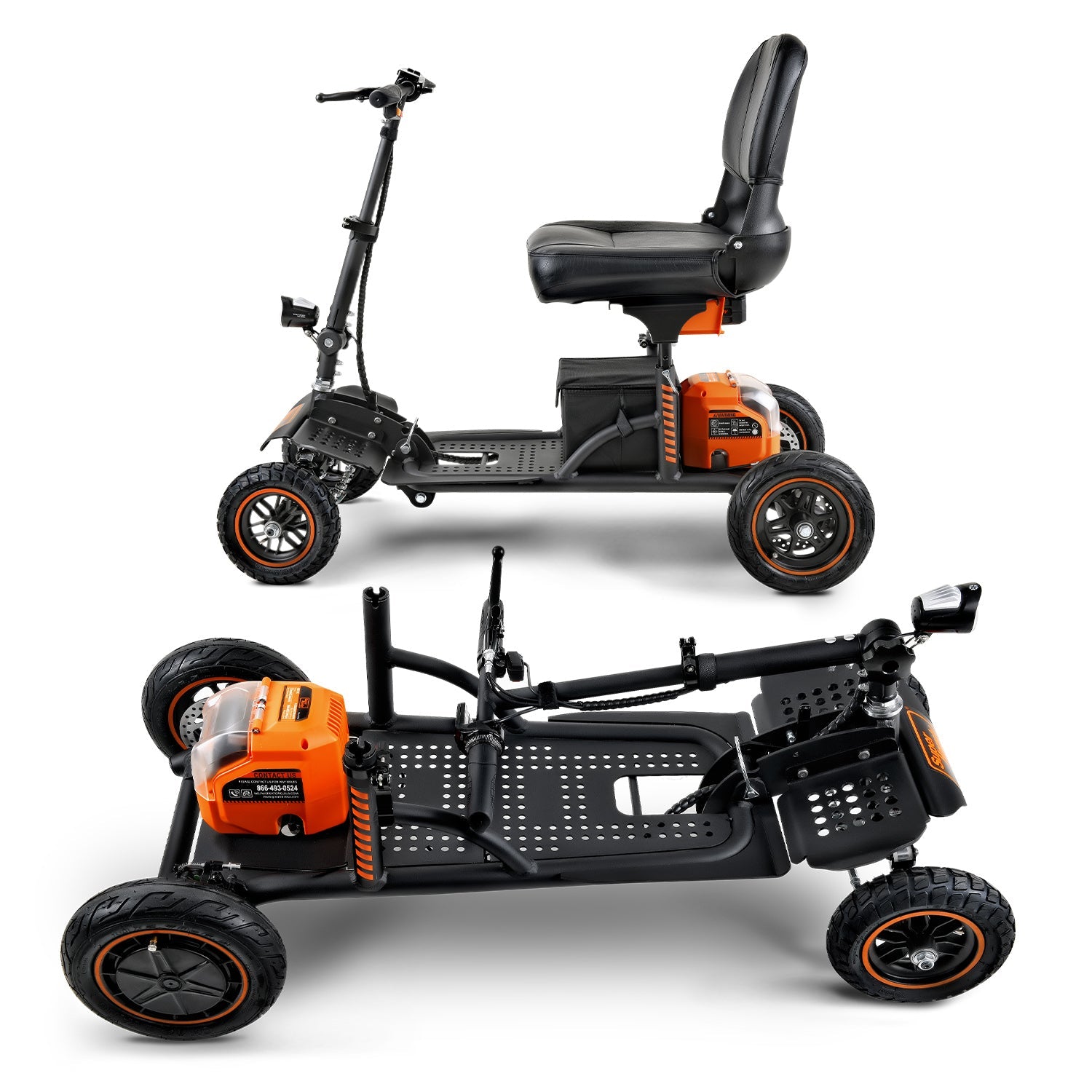
Selecting the right scooter is the first step toward reclaiming your grocery shopping independence. The primary advantage of folding mobility scooters is their incredible portability. The best folding mobility scooters for travel today weigh as little as 36 pounds, fold in under a second, and slide into a sedan trunk without breaking your back. (Source) This ease of transport means you can drive to any supermarket, unfold your scooter, and be ready to shop in moments.
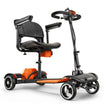
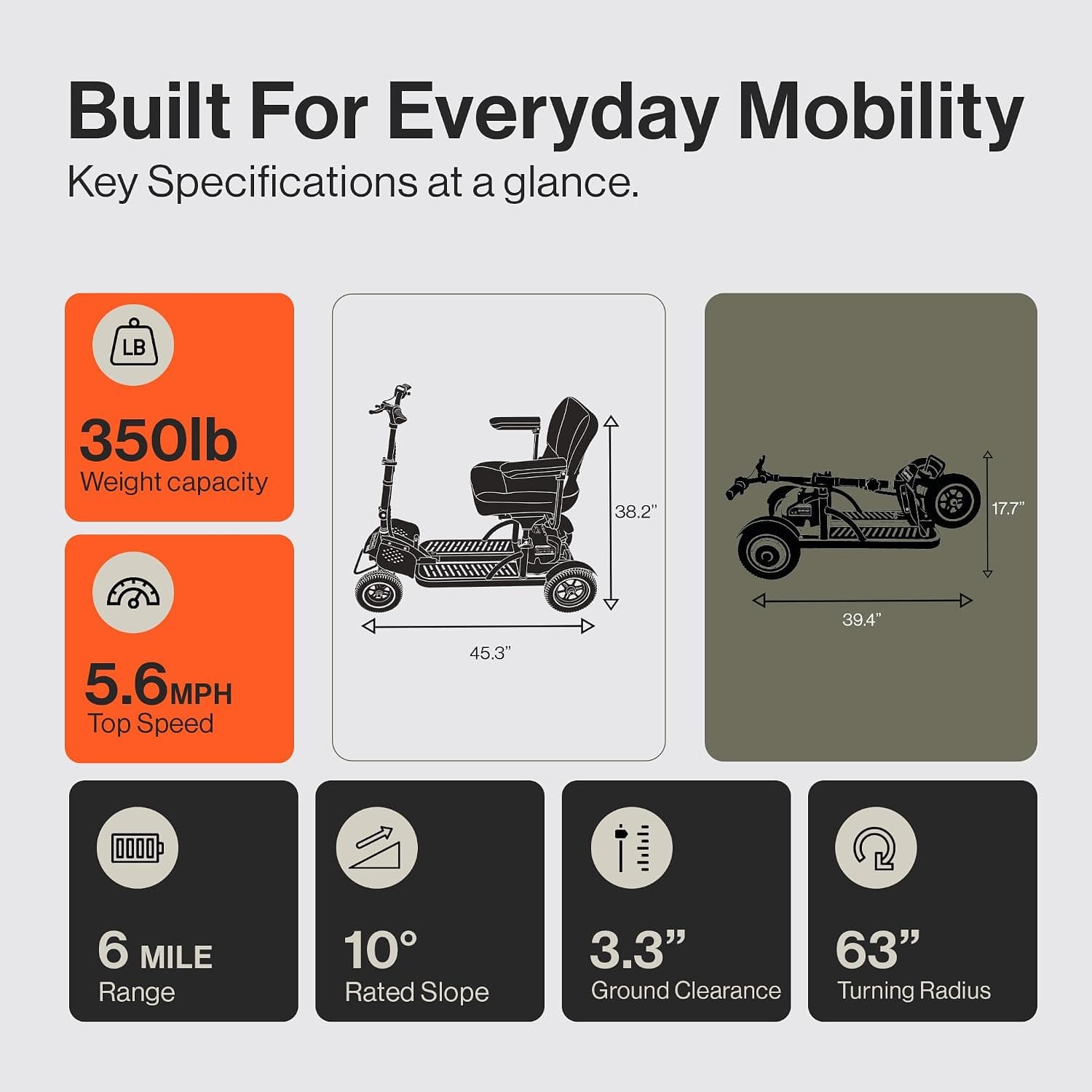
When shopping for groceries, stability is paramount. That’s why many users prefer 4 wheel mobility scooters. Models like the Passport Flex 4-Wheel Mobility Scooter provide an excellent balance of a stable base with the compact, foldable design needed for easy transport and storage.
Understanding Scooter Dimensions and Maneuverability in Tight Spaces
Grocery stores are notorious for narrow aisles, temporary displays, and tight corners. Before you buy, pay close attention to a scooter's specifications, particularly its turning radius and overall width. A smaller turning radius will allow you to navigate sharp turns around end caps and U-turns in aisles with ease. A slimmer profile helps you glide past other shoppers and carts without causing a traffic jam. While most stores have aisles that comply with accessibility standards, promotional bins and other shoppers can quickly reduce your available space.
Essential Features to Look for in a Grocery-Friendly Folding Scooter
Beyond size, several key features make a mobility scooter well-suited for the supermarket.
- Onboard Storage: A built-in basket is a must-have. According to one review, some models offer excellent versatility where "storage options include a detachable basket on the front and a rear crate, both of which can be removed when folding." (Source) This allows you to carry personal items and some groceries directly on your scooter.
- Battery Life: Ensure the scooter has enough range to handle your entire shopping trip, including getting to and from your car, without causing battery anxiety.
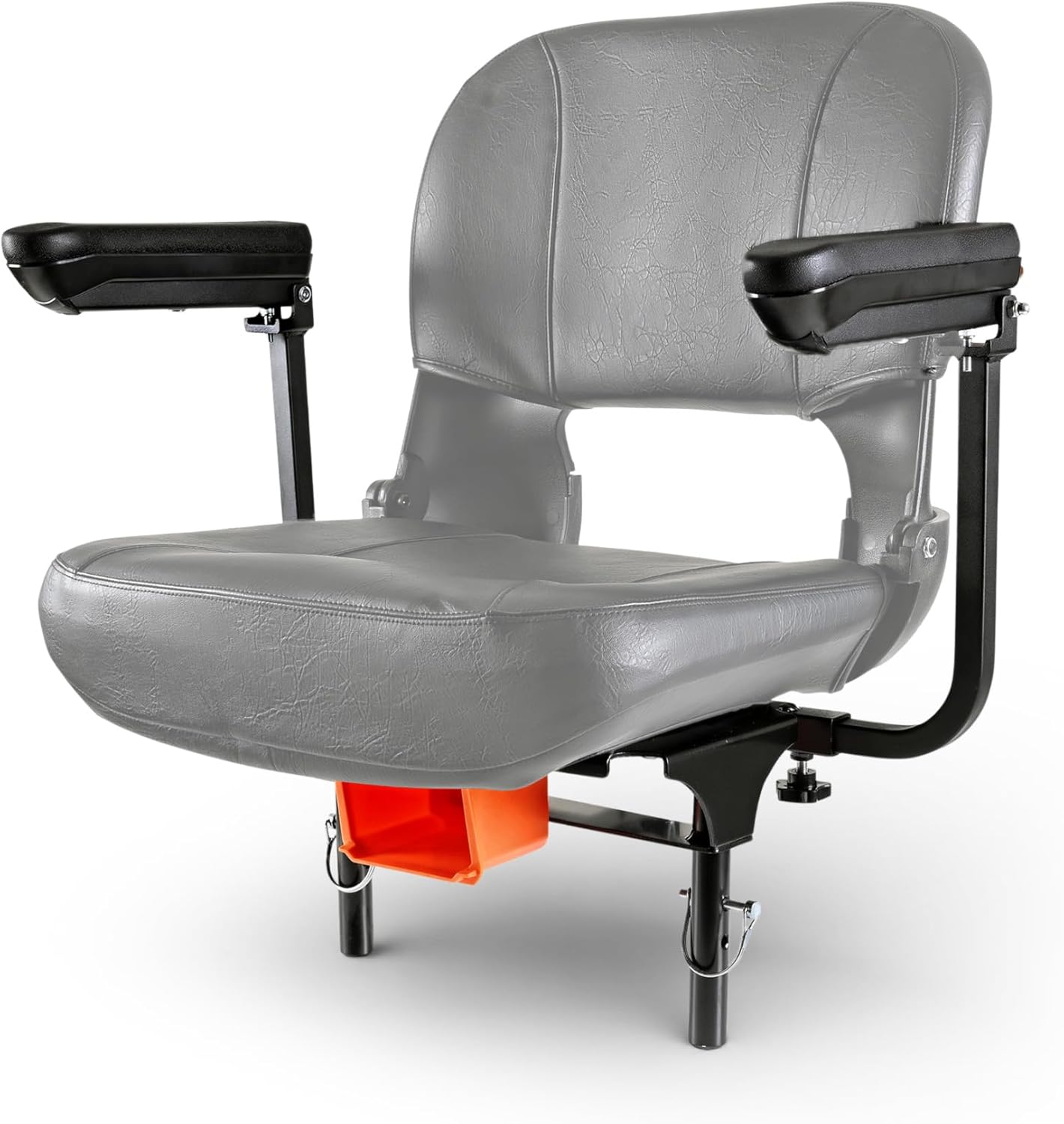
- Comfortable Seating: You might spend a fair amount of time in your scooter, especially if you encounter long checkout lines. A cushioned, supportive seat makes a significant difference.
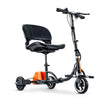
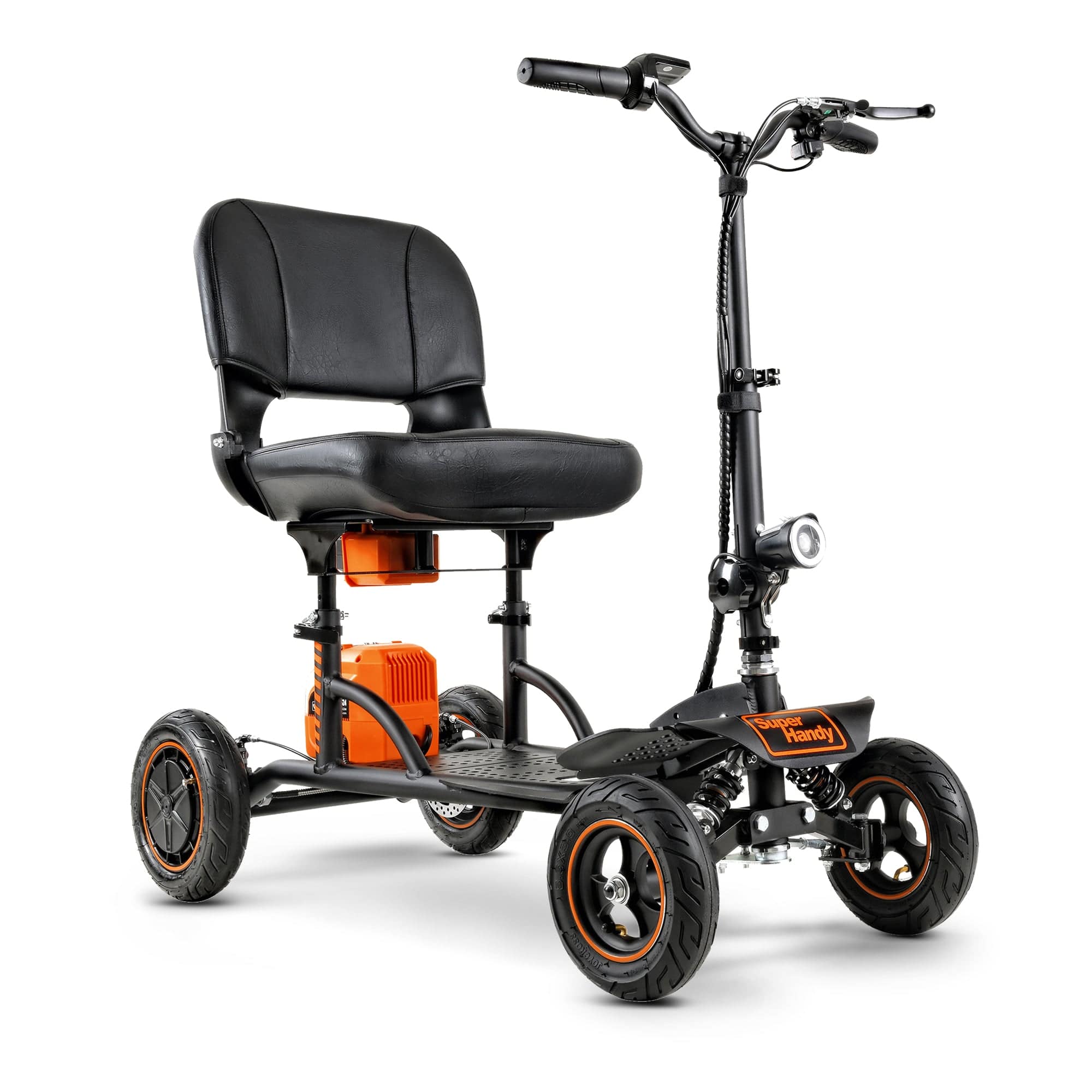
- Intuitive Controls: Simple, easy-to-use controls, like those on the SuperHandy GUT193 Mobility Scooter, let you focus on your shopping list, not on figuring out how to operate your ride.
Preparing Your Folding Mobility Scooter for a Trip to the Supermarket
A little preparation ensures a smooth and stress-free shopping trip. Before you head out, run through this quick pre-trip checklist:
- Fully Charge the Battery: Start with a 100% charge to eliminate any worries about running out of power mid-trip.
- Check Your Tires: Ensure they are properly inflated (if pneumatic) and free of debris.
- Test Lights and Horn: A quick test of your headlight and horn ensures you can see and be seen.
- Attach Storage: Securely attach your basket or any other bags you plan to use for your groceries.
By taking these simple steps, you set yourself up for a successful and efficient trip, allowing you to focus on finding the best deals instead of worrying about your equipment.
Navigating the Supermarket Entrance and Checkout Lanes with Ease
Your grocery trip begins the moment you arrive. Approach automatic doors slowly and centrally to ensure the sensors detect your movement and open fully. Once inside, navigate carefully around the cart-return areas, which are often congested. When it's time to check out, look for the wider, accessible lane, typically marked with a blue and white accessibility symbol. These lanes are designed to provide extra space for wheelchairs and scooters. Position your scooter parallel to the conveyor belt, leaving enough room to comfortably reach your items without having to twist or strain. A compact folding scooter with a tight turning radius makes maneuvering in these often-cramped spaces much simpler.
Strategically Planning Your Grocery Route to Maximize Efficiency
A little planning goes a long way. Before you leave home, organize your grocery list according to the store's layout—produce, dairy, meats, frozen foods, and finally, dry goods and household items. This strategic approach prevents you from backtracking, which saves time and conserves your scooter's battery.
Start your trip by gathering heavier, non-perishable items from the inner aisles first. Place these at the bottom of your basket. Work your way to the refrigerated and frozen sections last, finishing with fragile items like eggs and bread on top. This method not only makes bagging easier but also ensures your cold items stay cold and your delicate groceries don't get crushed.

Safely Maneuvering Through Crowded Aisles and Around Other Shoppers
Supermarket aisles can be bustling with activity. Always operate your scooter at a slow, controlled speed, especially when turning corners or navigating through crowded sections. Try to stay to one side of the aisle to allow others to pass. While your scooter has a horn, use it sparingly. A polite "excuse me" is often more effective and appreciated.
Be a defensive driver. Watch for suddenly stopped carts, distracted shoppers, and curious children. The stability of a 4 wheel mobility scooter provides an extra measure of confidence when you need to make small, precise movements to avoid obstacles. Always give others plenty of space and be patient; a calm approach is the safest approach.
Utilizing Your Scooter's Storage for Groceries: Bags, Baskets, and Beyond
Make the most of your scooter's carrying capacity. Most models, like the SuperHandy Mobility Scooter, come equipped with a front basket, which is perfect for smaller items or your personal belongings. For larger grocery hauls, bring sturdy, reusable bags. You can place them inside the basket to consolidate items.
Some users hang bags from the tiller, but do this with extreme caution. Ensure they don't impede your ability to steer, access the controls, or see ahead. Never hang heavy bags from the handlebars, as this can affect the scooter's balance and create a tipping hazard. A backpack worn by the user is another excellent way to increase carrying capacity without compromising safety. The key is to distribute weight evenly and never overload your scooter beyond its recommended limits.
Dealing with Obstacles: Ramps, Uneven Floors, and Unexpected Barriers
Even the most modern supermarket can present a few physical challenges. With a bit of foresight, you can handle them like a pro.
- Ramps and Inclines: Approach any ramp, whether at the entrance or between floor levels, head-on. Maintain a slow, steady speed going up to ensure you have enough power without lurching. When going down, keep your speed controlled to avoid picking up too much momentum. The stability of a 4 wheel mobility scooter is a major asset on inclines.
- Uneven Floors: Grocery stores often have a mix of surfaces, from smooth linoleum to textured entrance mats and occasional cracked tiles. Slow down when transitioning between different floor types. If you encounter a significant crack or seam, try to cross it at a perpendicular angle to prevent your wheels from getting caught.
- Unexpected Barriers: A freshly mopped floor, a dropped jar, or a stock pallet left in the middle of an aisle can bring your trip to a halt. Patience is your best tool. Look for a safe way around the obstacle. If the path is completely blocked, politely get the attention of a store employee for assistance.
Interacting with Store Staff and Other Customers While Using Your Scooter
Your mobility scooter is a tool for independence, and clear, friendly communication ensures a smooth experience for everyone. Always remember that you have the right to be there.
When navigating around other people, a simple "excuse me" is usually all that's needed. Make eye contact and offer a smile; it goes a long way in creating a positive interaction. Be predictable in your movements, avoiding sudden stops or sharp turns.
Don't hesitate to ask for help. Store staff are there to assist all customers. If an item is on a top shelf, or you need help navigating a particularly congested display, simply ask. Most employees are happy to help you retrieve items or clear a temporary path.
Power Management: Ensuring Your Scooter Lasts Through Your Shopping Trip
The last thing you want is to run out of battery in the middle of the frozen foods aisle. Proper power management begins before you even leave the house.
Always start with a fully charged battery. Make it a non-negotiable part of your pre-trip routine. Understand the maximum range of your specific model. A scooter like the lightweight SuperHandy Mobility Scooter offers a reliable travel distance on a full charge, so knowing that number helps you plan. To conserve energy during your trip, maintain a smooth, consistent speed rather than accelerating and braking frequently. Keep an eye on your scooter's battery gauge and, if you're running lower than expected, prioritize your remaining items and head to the checkout.
Post-Shopping: Transporting Your Groceries and Scooter Home
You’ve successfully gathered your groceries; now it’s time for a smooth departure. If you drove to the store, try to park near a cart return area. First, transfer your grocery bags from your scooter's basket and any attached hooks into your car.
Once your groceries are loaded, it’s time to pack up your scooter. This is where the convenience of folding mobility scooters truly shines. Find a safe, flat area next to your vehicle. Following the simple folding mechanism, you can collapse your scooter into a compact, manageable size in seconds. Lifting it into your trunk or backseat is far easier when it’s folded. Always remember to lift with your knees, not your back, to prevent injury. Once inside, ensure the scooter is secure and won't slide around while you drive.
Maintaining Your Folding Mobility Scooter for Optimal Grocery Shopping Performance
A reliable folding mobility scooter is your ticket to independence at the grocery store. To ensure it’s always ready for a trip down the aisles, a consistent maintenance routine is essential. Just like a car, your scooter requires regular care to perform safely and efficiently, preventing unexpected issues when you’re navigating between the produce and the dairy section. A few simple checks can mean the difference between a smooth, stress-free shopping trip and a frustrating breakdown.
Battery Health is Paramount
The battery is the heart of your scooter. To maximize its lifespan and ensure you never run out of power mid-shop, adopt a smart charging habit.
- Charge After Every Use: Get into the routine of plugging in your scooter after each outing, even if you only used it for a short trip. This keeps the battery topped off and ready for your next adventure.
- Avoid Deep Discharges: Letting your battery drain completely can damage it over time. Consistent charging prevents this and ensures you have the power needed for longer shopping excursions.
- Store Properly: If you won't be using your scooter for an extended period, consult your user manual for long-term storage instructions, which usually involve charging it to a specific level first.
Routine Checks for a Smoother Ride
Before heading out, perform a quick "pre-trip" inspection. This takes only a few minutes and can prevent common problems.
- Tires and Wheels: For scooters with pneumatic tires, check the air pressure regularly. For all models, including those with solid tires, inspect the tread for wear and tear. Look for any embedded debris like small stones or glass that could affect performance. Properly maintained tires ensure better traction on slick supermarket floors and a more comfortable ride.
- Cleaning and Visual Inspection: Wiping down your scooter with a damp cloth does more than keep it looking sharp. It’s the perfect opportunity to check for loose nuts or bolts, frayed wires, or any cracks in the frame. Pay special attention to the folding mechanism; keeping it clean and clear of debris ensures it will operate smoothly when you’re loading it into your vehicle.
- Brakes and Controls: Your brakes are a critical safety feature, especially in crowded aisles. Before you leave, test the braking system to ensure it engages firmly and smoothly. Check that the throttle or tiller controls are responsive and don't stick.
A well-cared-for scooter is a dependable companion. Whether you rely on a lightweight, ultra-portable model like the SuperHandy Mobility Scooter or a sturdy 4 wheel mobility scooter like the Passport Flex, these simple maintenance steps will keep it in peak condition for all your grocery shopping needs.
Frequently Asked Questions About Using a Folding Mobility Scooter at the Grocery Store
Are mobility scooters allowed in grocery stores?
Absolutely. In places like the United States, mobility scooters are considered essential medical equipment under the Americans with Disabilities Act (ADA). This means public accommodations, including grocery stores, must allow access for mobility scooters for disabled users. You should never be denied entry because you use a scooter for mobility.
Will my folding mobility scooter fit down the aisles?
Most modern folding mobility scooters are specifically designed with indoor maneuverability in mind. They often feature a slim profile and a tight turning radius to navigate standard store aisles. For example, a compact model like the SuperHandy Mobility Scooter is built for both stability and navigating tighter spaces. However, it's always wise to check your scooter's specifications and be mindful of temporary displays that can narrow a path.
How do I carry groceries while using my scooter?
You have several options! Many scooters come equipped with a front basket, which is perfect for smaller items. You can also use sturdy, reusable shopping bags and hang them carefully on the tiller (steering column), but be cautious not to overload the front or obstruct your view. Some users also utilize backpacks or bags that can be secured to the back of their seat.
Can I use the store's shopping cart along with my scooter?
This can be challenging. Pushing a shopping cart while operating a scooter requires significant coordination and can make steering difficult, especially in crowded areas. A better approach for a large shopping trip is to use your scooter's onboard storage for what you can and then ask a store employee for assistance. Many stores have staff who can help gather items or hold a cart for you at the checkout.
Troubleshooting Common Issues Encountered During Grocery Trips
Even with perfect preparation, you might run into a few snags. Here’s how to handle common issues with confidence.
Problem: My scooter's battery is draining quickly. If you notice your battery depleting faster than usual, first ensure you started with a full charge. Cold temperatures can negatively impact battery performance. To conserve power, maintain a slow, steady speed and avoid frequent, abrupt stops and starts. Plan your route through the store to be as efficient as possible, minimizing backtracking.
Problem: I'm stuck or can't navigate a tight corner. Stay calm and don't force it. The best first step is to slowly and carefully reverse out of the tight spot. Look for an alternate route. If a temporary display or a misplaced cart is blocking the way, politely ask a store employee if it can be moved. The enhanced maneuverability of modern 4 wheel mobility scooters, like the SuperHandy Passport Flex, can make getting out of these situations easier, but never hesitate to ask for a helping hand.
Problem: An item I need is on a high shelf. For your safety, never attempt to stand on your scooter or over-reach in a way that makes you unstable. This is a serious fall risk. Simply ask a fellow shopper or a store employee for help—most people are more than willing to grab an item for you.
Related Products

Leave a comment
All comments are moderated before being published.
This site is protected by hCaptcha and the hCaptcha Privacy Policy and Terms of Service apply.