













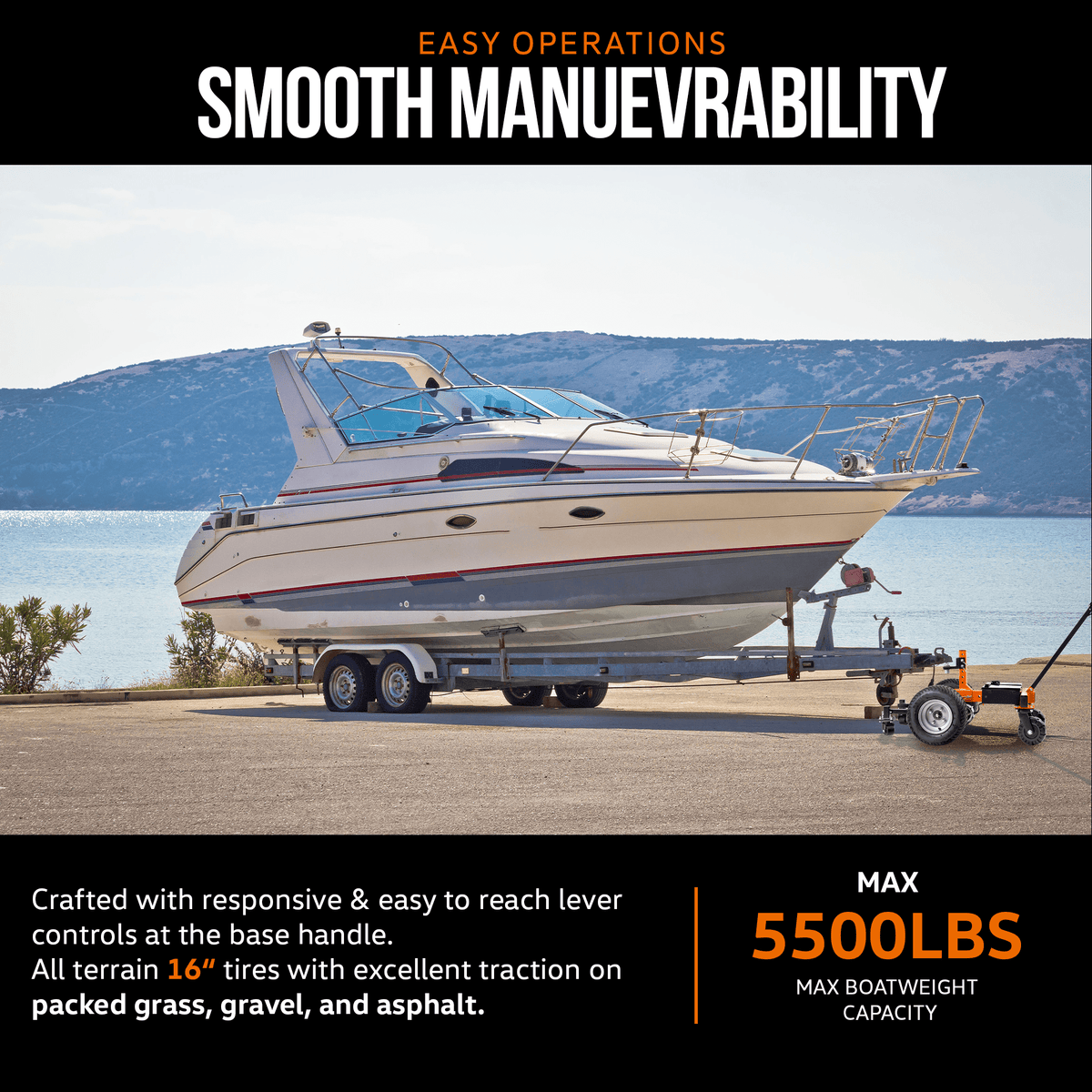
Understanding the Challenge: Maneuvering a 20ft Bass Boat on Gravel
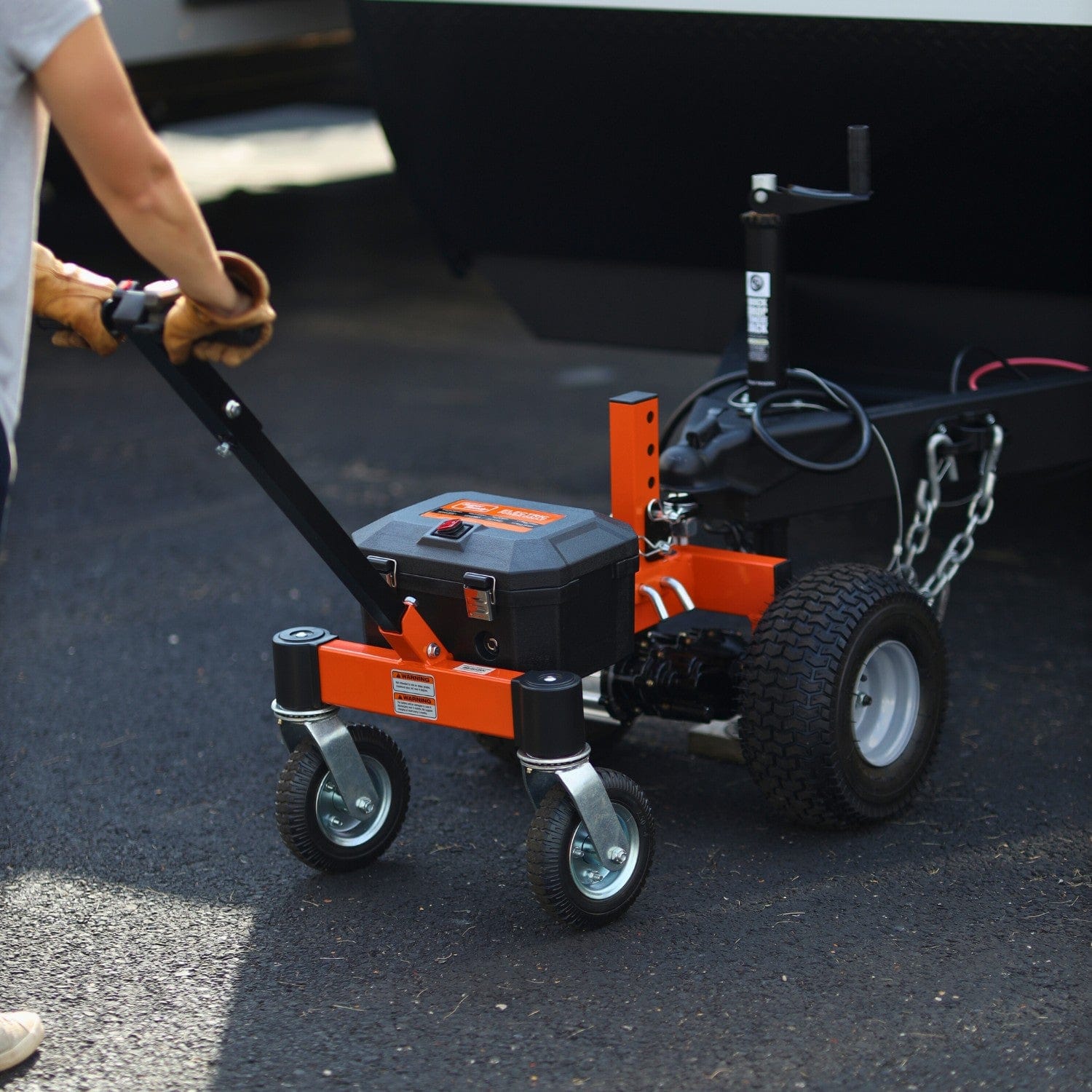
Moving a 20-foot bass boat in a tight space is tough enough, but a gravel driveway adds significant complexity. The loose stones can cause trailer wheels to sink, slip, and lose traction, making manual or vehicle-assisted repositioning risky and difficult. This is where an Electric Trailer Dolly transforms a frustrating task into a simple one.

Key Specifications for Electric Trailer Dollies
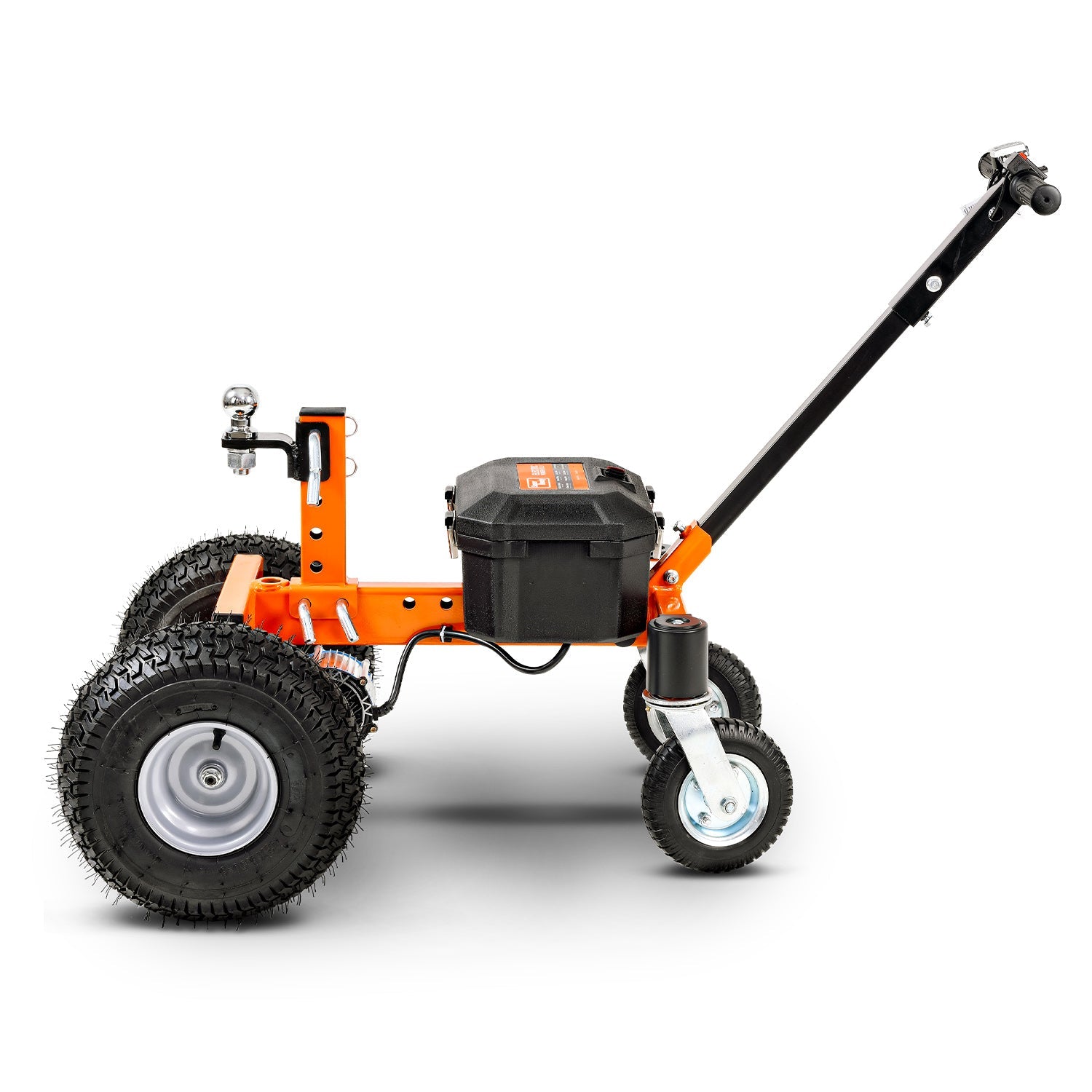
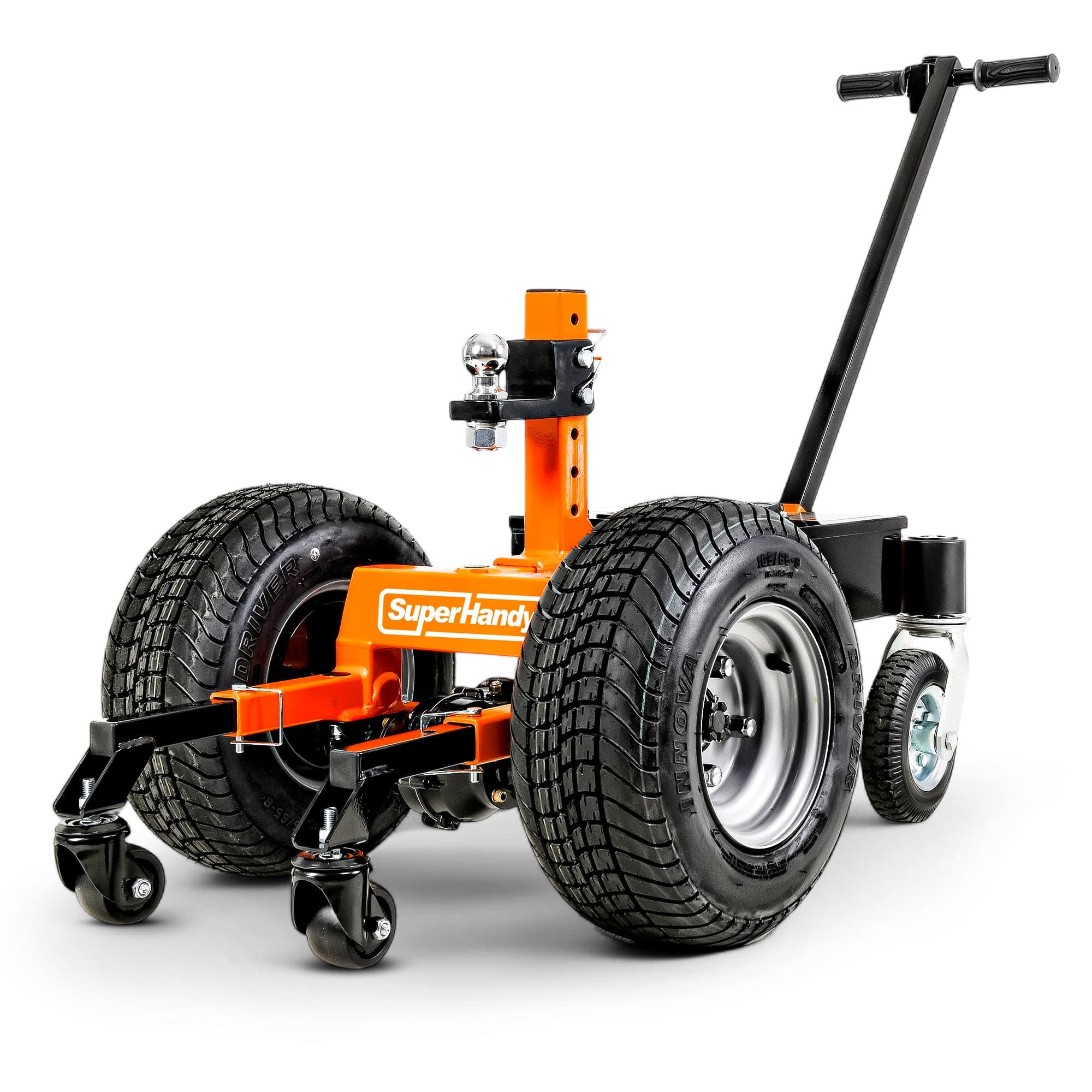
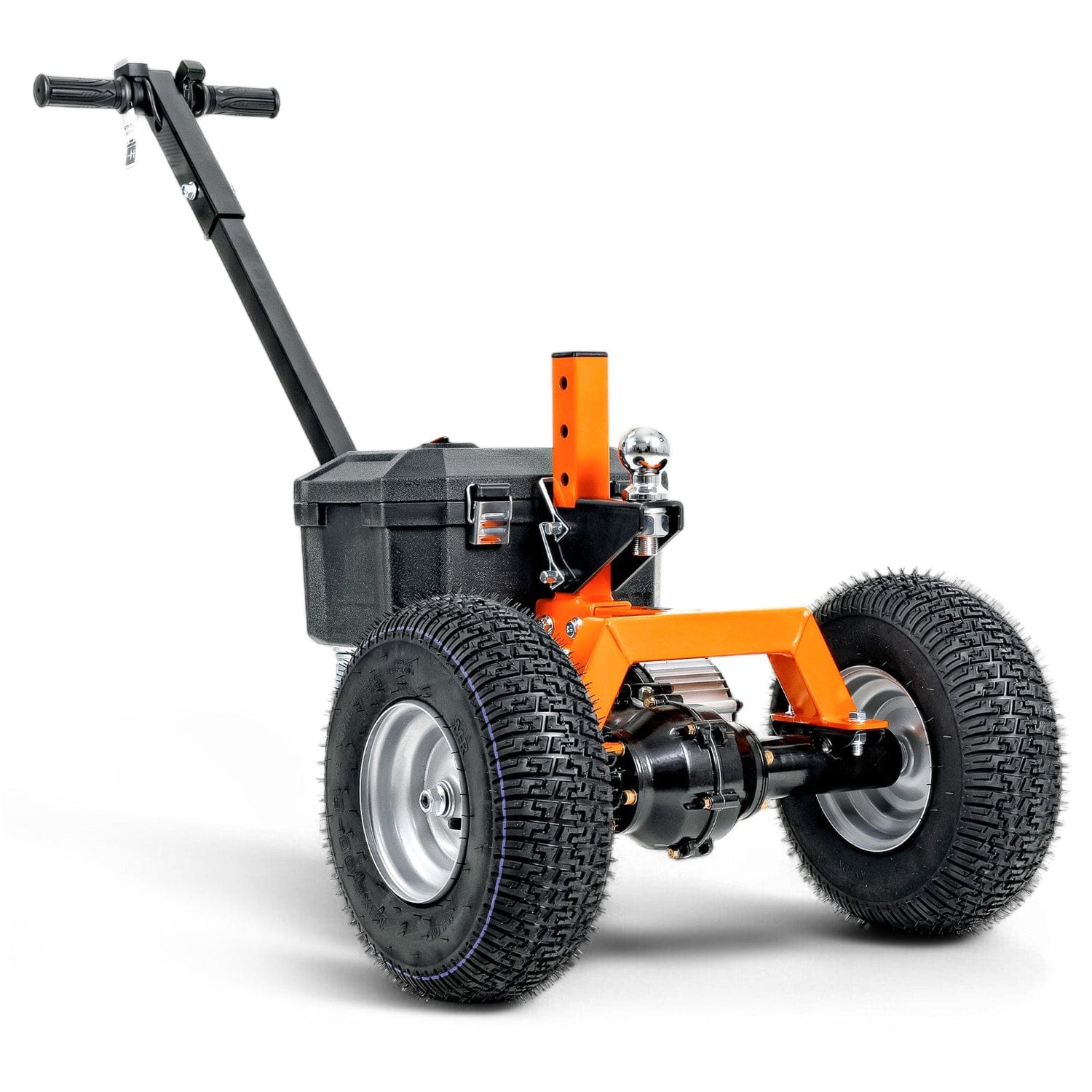
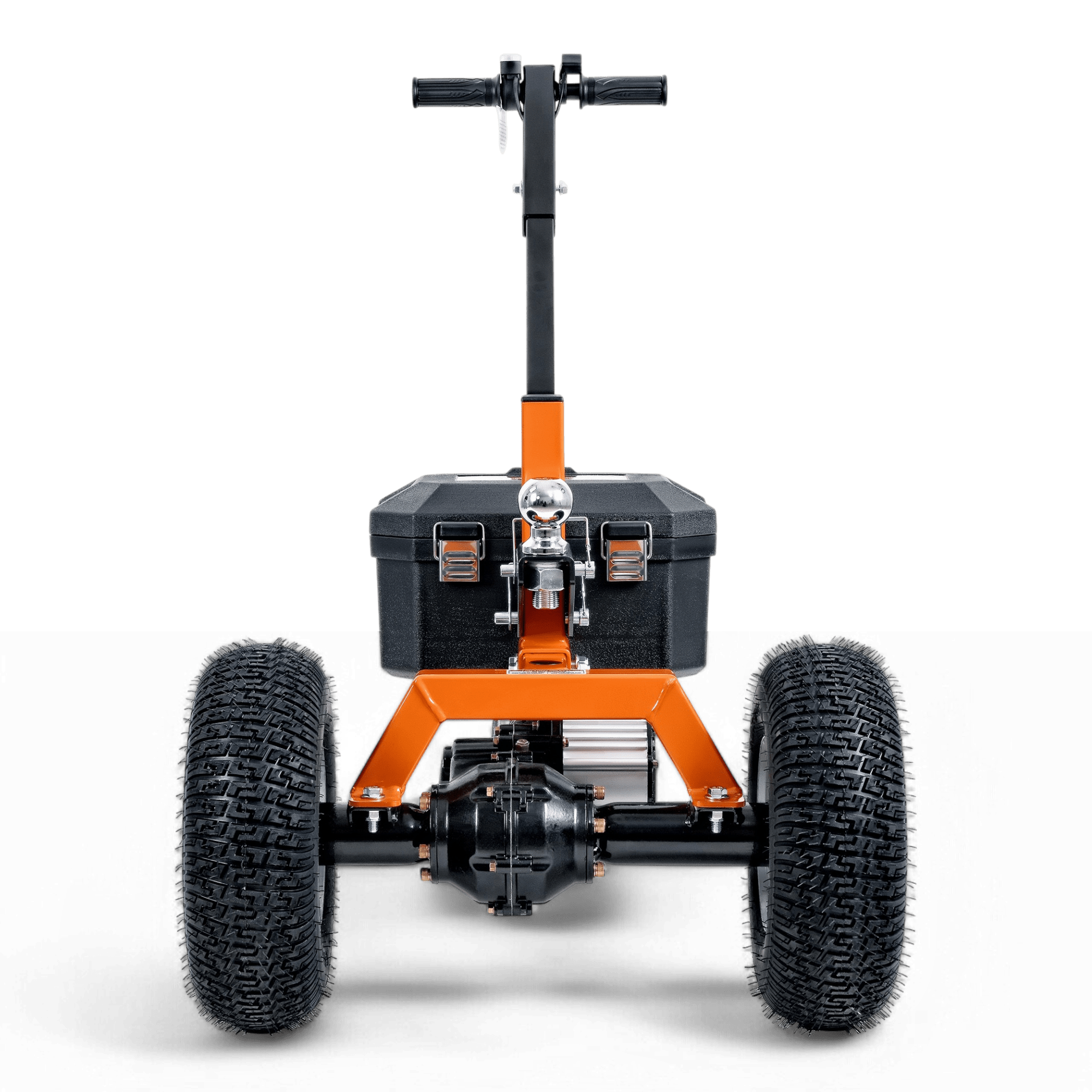
An electric trailer dolly is purpose-built for this kind of challenge. Experts agree that a motorized trailer dolly is a practical choice for moving a boat trailer with minimal effort. These powerful tools are specifically designed to make moving and maneuvering heavy loads significantly easier, providing the control needed for precise dolly moving on tricky surfaces. When selecting a unit, focus on a few key specifications.
Towing Capacity: Ensuring Your Dolly Can Handle the Bass Boat's Weight
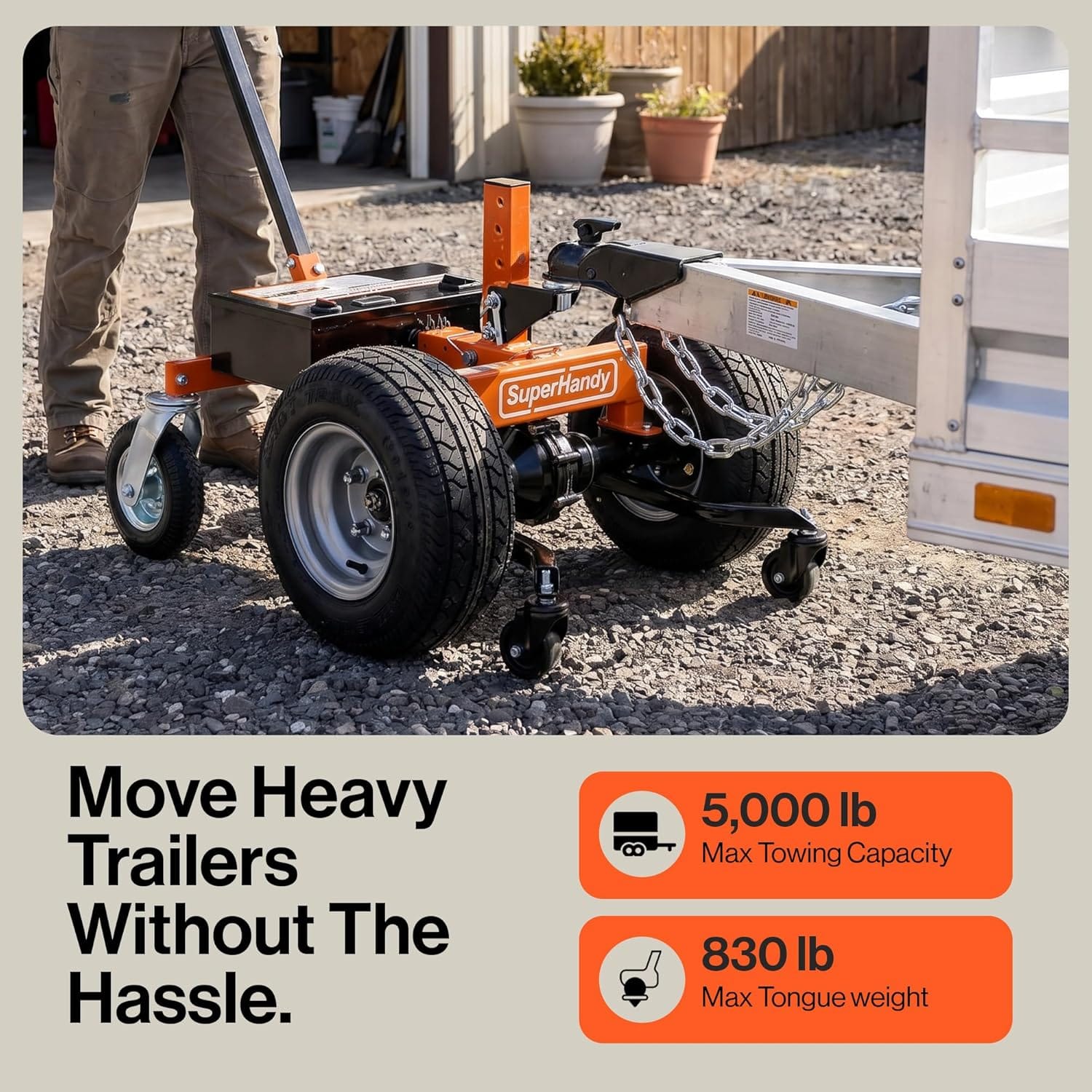
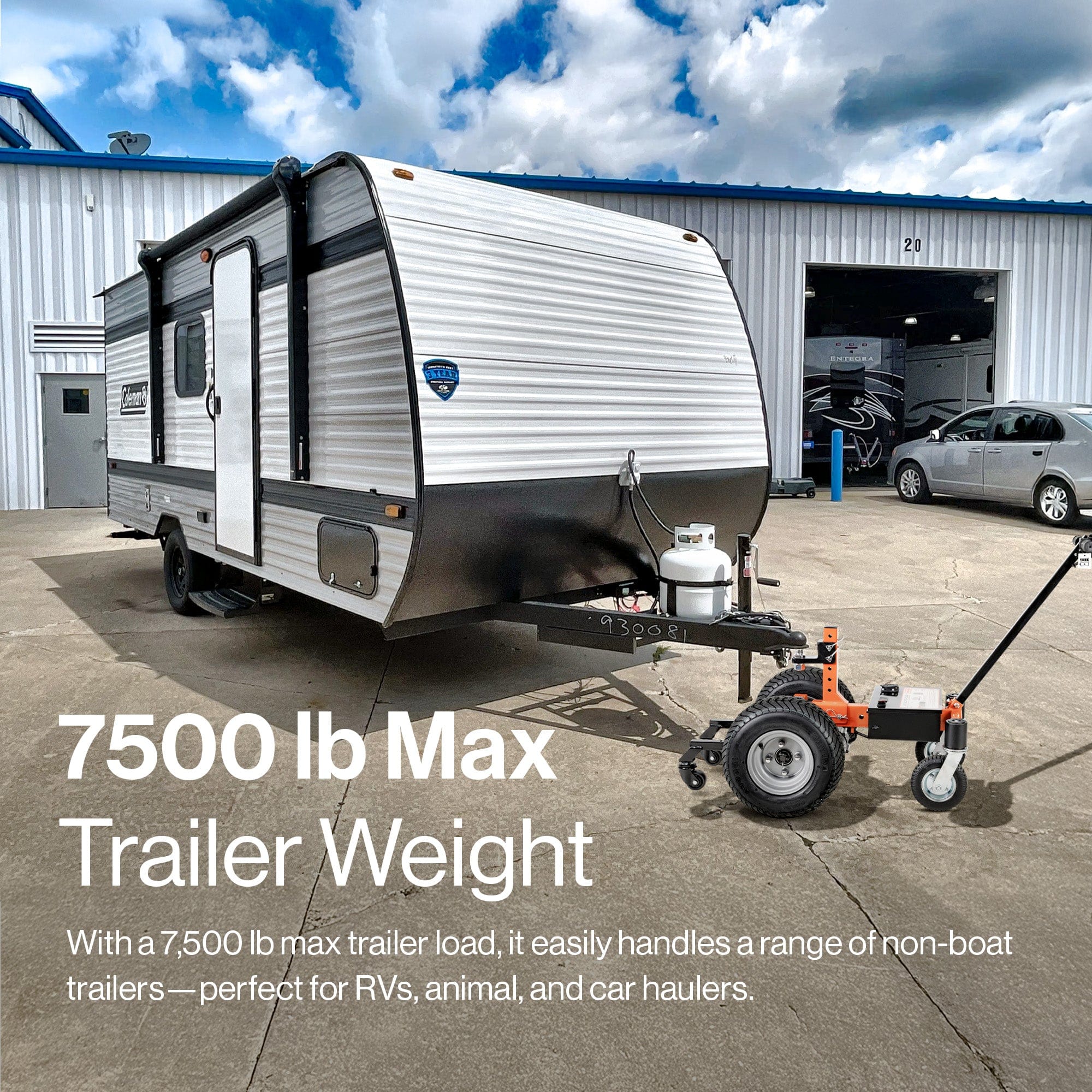
The first specification to check is towing capacity. You must know your boat's total weight, including the trailer, motor, fuel, and gear. This is the Gross Trailer Weight (GTW). Choose a trailer dolly with a maximum capacity that safely exceeds your GTW to ensure it can handle the load without strain. Also, confirm the dolly can support your trailer’s tongue weight.
Motor Power and Torque: Essential for Overcoming Gravel Resistance
A standard motor might work on pavement, but gravel demands more. Look for a dolly with a high-torque motor. Torque is the rotational force that gets the trailer moving from a standstill. On a loose surface like gravel, sufficient torque is crucial for gaining traction and initiating smooth movement without digging the wheels into the ground.
Wheel Type and Size: Traction and Stability on Uneven Surfaces
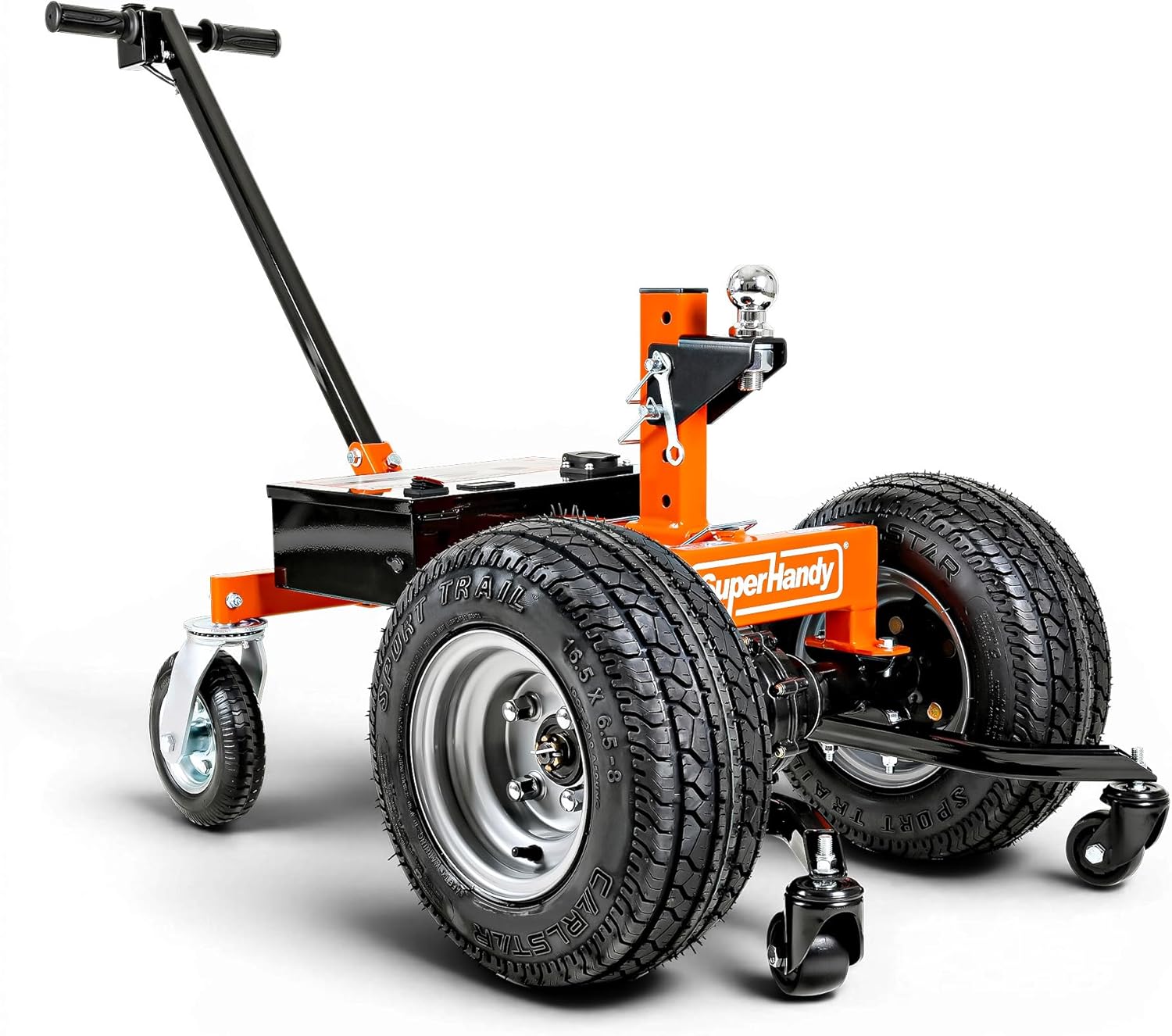
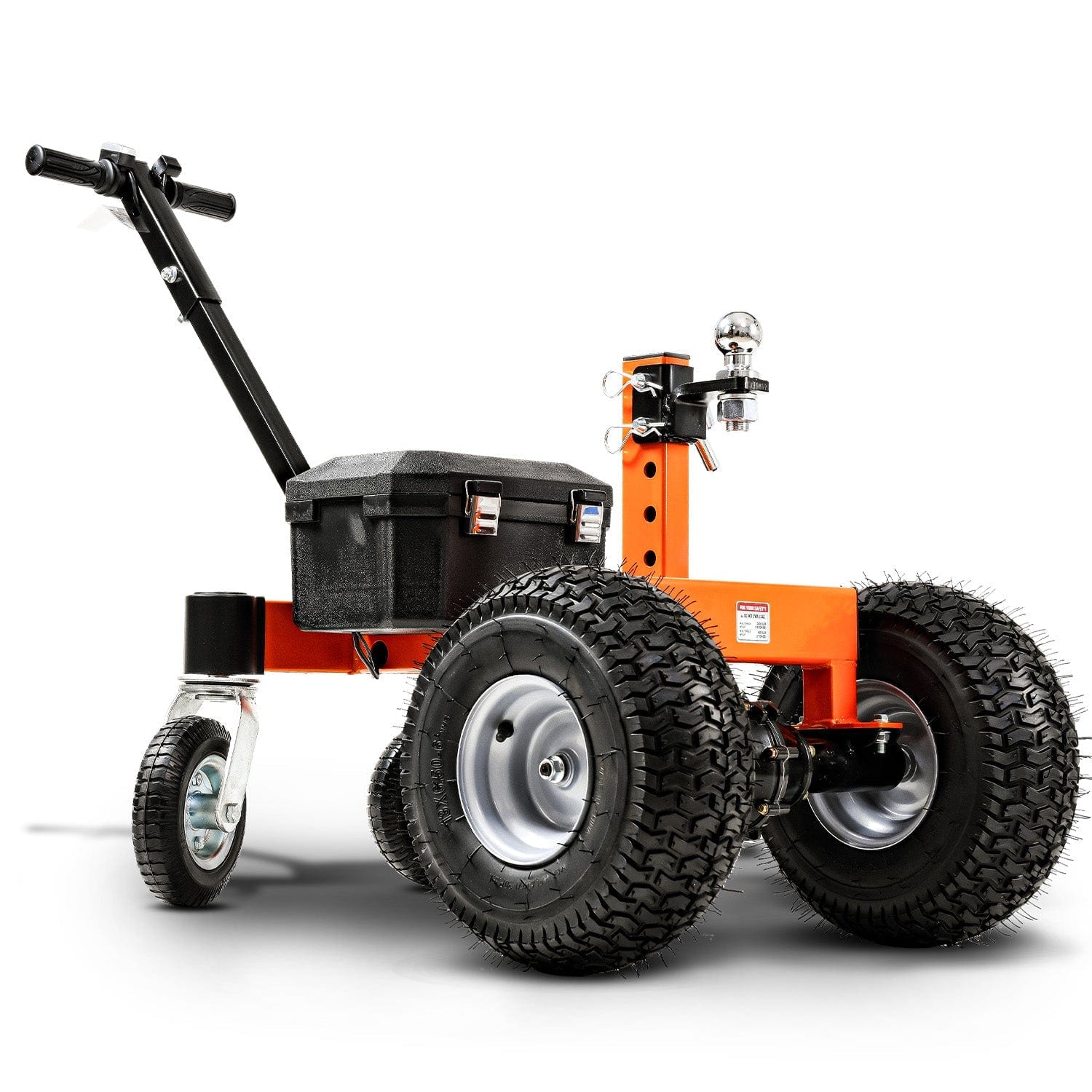
For a gravel driveway, wheel choice is non-negotiable. Look for large, pneumatic (air-filled) tires with an aggressive, all-terrain tread. These provide superior traction and help the dolly "float" over the loose stones rather than digging in, making the dolly moving process much smoother. Solid rubber wheels will struggle on uneven surfaces and are not recommended for this application. The wider the tire, the better the weight distribution and stability.
Battery Life and Charging: Powering Through Multiple Maneuvers
Your Electric Trailer Dolly needs enough power to complete the job without dying midway. Look for models with long-lasting sealed lead-acid or lithium-ion batteries that offer sufficient runtime for several maneuvers on a single charge. This ensures you can position your boat perfectly, even if it takes a few tries, without an inconvenient pause to recharge.
Drive Mechanism: Single vs. Dual Motor Systems for Better Control
While single-motor dollies work for lighter loads on flat pavement, a dual-motor system is highly recommended for a heavy boat on gravel. This setup provides better power distribution to both drive wheels, significantly improving traction and control while minimizing wheel spin on loose surfaces.
Braking System: Safety Features for Inclines and Stops
Safety is paramount. A reliable braking system, often electronic and automatic, is an essential feature. This engages the brakes the moment you release the throttle or a forward/reverse switch, preventing your valuable bass boat from rolling unexpectedly, especially if your driveway has even a slight incline.
Build Quality and Durability: Withstanding Outdoor Elements and Heavy Use
Your electric trailer dolly will live outdoors, so robust construction is non-negotiable. Look for a heavy-duty steel frame with a powder-coated finish to resist rust and corrosion from rain and humidity. This durability ensures your dolly can withstand the rigors of heavy use on abrasive surfaces like gravel and remain a reliable tool for years of service. Solid, sealed components for the motor and electronics also contribute to a longer lifespan against dust and moisture.
Ease of Use and Maneuverability: Features for Effortless Operation
The whole point of a dolly is to make life easier. Prioritize models with ergonomic handles and intuitive controls, such as a variable-speed thumb throttle and a simple forward/reverse switch. These features allow for precise, low-speed dolly moving, letting you navigate tight corners and perfectly position your bass boat without strain or assistance. An automatic braking function adds a layer of safety and convenience.
Comparing Top Electric Trailer Dolly Models for Bass Boats
When evaluating options, compare key specifications directly related to your needs. Ensure the towing capacity comfortably exceeds your boat and trailer's combined weight. For gravel, a powerful brushless motor and large, all-terrain pneumatic tires are essential for traction. A quality Electric Trailer Dolly is an investment that balances power, features, and durability.
Installation and Setup: Getting Your Dolly Ready for Action
Setup is typically straightforward. Most units require minimal assembly, like attaching the control handle. The crucial step is adjusting the ball mount height to match your trailer’s coupler for a level and secure connection before you begin moving. Once connected and powered on, you’re ready to maneuver your boat.
Maintenance Tips for Longevity
Your Electric Trailer Dolly is a powerful tool, and like any investment, it requires regular care to perform reliably for years. Proper maintenance ensures your dolly is always ready for the heavy lifting of dolly moving, especially on a demanding surface like gravel.
Start with the battery. To maximize its lifespan, always follow the manufacturer's charging instructions. Avoid letting the battery sit completely discharged for long periods, and store it in a temperature-controlled environment if possible. Next, regularly inspect the tires. Clear any embedded gravel or debris and check for signs of wear or damage that could compromise traction and lead to a flat.
Periodically check all nuts, bolts, and hardware to ensure they are tight, as vibrations from moving across gravel can loosen them over time. Lubricate moving parts like the drive chain or axle bearings according to your user manual to ensure smooth operation. Finally, keep your trailer dolly clean. Wipe down the frame and motor housing after use to remove mud and moisture, and store it in a dry, covered location like a garage or shed to protect it from the elements. A little preventative care goes a long way in keeping your dolly in peak condition.
Frequently Asked Questions
Can an electric trailer dolly really work on a gravel driveway?
Absolutely, but choosing the right features is key. A standard dolly will struggle, but one designed for rough terrain will succeed. Look for models with high-torque motors that can power through loose stone and large, all-terrain pneumatic tires. These tires provide superior traction and help the dolly "float" over the gravel rather than digging in. Avoid dollies with small, solid wheels, as they lack the grip and clearance needed for uneven surfaces.
How do I determine the right towing capacity for my bass boat?
Focus on the trailer's tongue weight, not the boat's total weight. Your dolly's capacity must safely exceed the maximum tongue weight of your loaded trailer. You can find this specification in your trailer's manual or measure it with a dedicated tongue weight scale. As a rule of thumb, always choose a dolly with a capacity rating well above your measured tongue weight for a safe margin.
Is an Electric Trailer Dolly better than a manual one for this task?
For a 20ft bass boat on gravel, an electric model is vastly superior. A manual dolly requires immense physical effort to overcome the rolling resistance of gravel, making the process difficult and unsafe. The electric motor provides smooth, consistent power for controlled dolly moving, allowing you to focus on steering precisely into tight spaces without straining.
Related Products

Leave a comment
All comments are moderated before being published.
This site is protected by hCaptcha and the hCaptcha Privacy Policy and Terms of Service apply.