









Why Pine Needles on Gravel Driveways Are a Problem
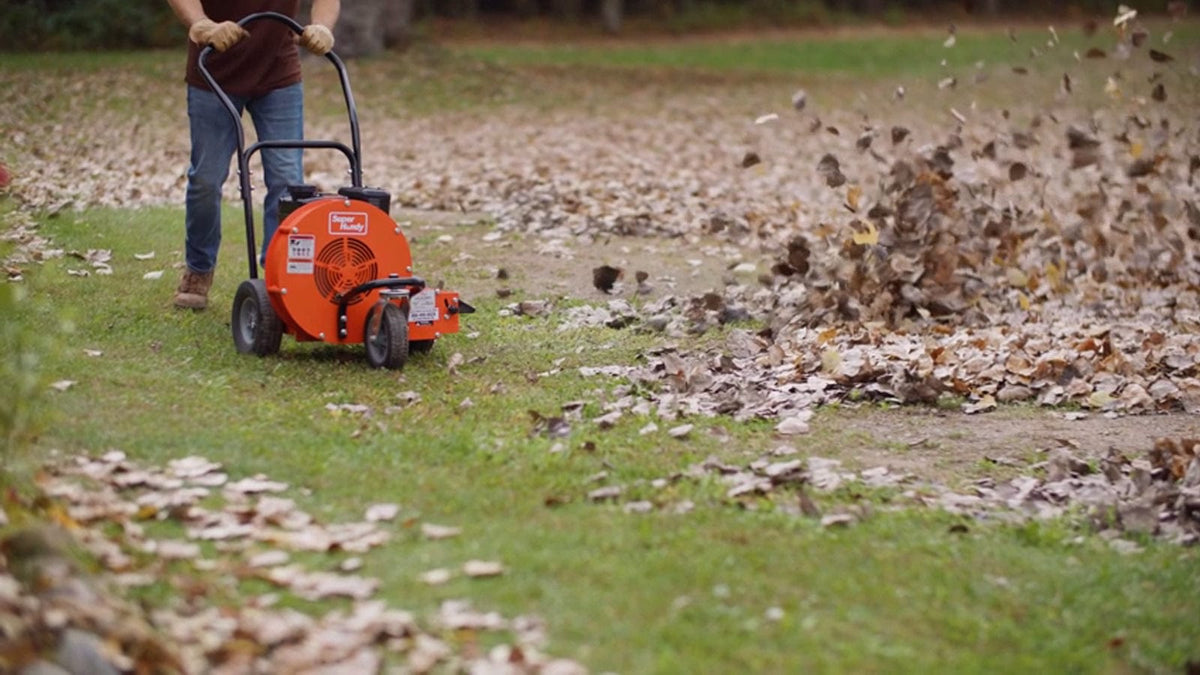
A blanket of pine needles might seem harmless, but on a gravel driveway, it's more than just an eyesore. As needles decompose, they create a dense, acidic mat that traps moisture, which can lead to weed growth and a slippery, mushy surface. This organic layer can also stain your gravel and make the entire area look unkempt. Over time, this buildup can even embed itself into the gravel, making removal significantly more difficult.
Choosing the Right Gas Leaf Blower for Gravel Driveways
When facing a tough job like clearing dense pine needles from an uneven gravel surface, a gas powered leaf blower is your best ally. Unlike many battery or corded models, gas blowers provide the consistent, high-velocity airflow needed to lift and move stubborn, matted needles without running out of power. This raw power is essential for dislodging needles that have worked their way between stones.
Key Features to Look for in a Gravel Driveway Leaf Blower
Not all gas blowers are created equal, especially for a delicate task like clearing gravel. The most critical feature is a variable speed throttle. This allows you to use low power to gently lift needles from the surface without sending your gravel flying. Also, look for a model with a flattened or tapered nozzle, which concentrates the airflow to "scrape" needles off the ground more effectively than a standard round nozzle.

Safety First: Preparing Your Work Area and Yourself
Operating a powerful leaf blower requires proper safety precautions. Before you start the engine, protect yourself with essential personal protective equipment (PPE):
- Eye Protection: Safety glasses or goggles are a must to shield your eyes from flying debris and dust.
- Hearing Protection: Gas engines are loud; use earplugs or over-ear muffs.
- Gloves: Improve your grip and protect your hands.
- Sturdy Footwear: Closed-toe shoes or boots will protect your feet.
Also, do a quick walkthrough of your driveway to remove any large branches, toys, or other obstacles that could get in the way or become projectiles.
Step-by-Step Guide: Clearing Pine Needles with Your Blower
Once you're geared up and your area is clear, it's time to start the engine.
- Start Smart: Begin at the end of the driveway closest to your garage or house and work your way toward the street.
- Control Your Power: Start with your gas powered leaf blower on a low-to-medium throttle. A full blast right away can scatter your gravel.
- Master the Angle: Hold the blower nozzle at a shallow angle, parallel to the driveway surface. The goal is to get the air under the pine needles to lift them off the rocks, not blast directly down into the gravel.
- Sweep and Gather: Use a steady, side-to-side sweeping motion to herd the needles into a long windrow or a single large pile.
Techniques for Tackling Stubborn Pine Needle Piles
Pine needles love to interlock, creating dense mats that can resist a steady airstream. When you encounter a stubborn patch, switch your technique. Instead of a wide sweep, use short, powerful bursts of air aimed at the edge of the pile. This helps lift and separate the matted needles, breaking them apart so they can be blown away easily.
Maximizing Efficiency: Blowing in the Right Direction
Work with nature, not against it. Before you start, check which way the wind is blowing and position yourself so it's at your back. This small step provides a free boost, carrying debris further with less effort from your leaf blower. Similarly, if your driveway is on an incline, always start at the top and blow downhill.
Dealing with Wet or Damp Pine Needles
Wet pine needles are heavy, sticky, and a true test for any blower. If possible, wait for a dry, sunny day to tackle the job. If you must clear them while damp, you'll need to increase the throttle to full power. Bring the nozzle closer to the ground to generate maximum lift, but be prepared for a bit more gravel displacement.
When to Use a Rake in Conjunction with Your Blower
While a powerful gas powered leaf blower is your primary weapon against pine needles, a sturdy rake is an essential ally. Think of it as a tool for pre-treatment. When pine needles are wet, compacted, or have been sitting long enough to become embedded in the gravel, your blower might struggle to lift them. Use a rake with flexible tines to gently loosen these stubborn mats and break up large, heavy piles. Once the needles are fluffed up and separated from the gravel, your leaf blower can take over and move the debris with ease, saving you time and fuel.
Maintaining Your Gas Leaf Blower for Optimal Performance
A well-maintained blower is a powerful blower. To ensure your machine has the force needed to clear heavy pine needles from gravel, perform regular check-ups. Before each season, inspect and clean the air filter, as a clogged filter restricts airflow and reduces power. Check the spark plug for wear and tear, and replace it if necessary. Most importantly, always use fresh, properly mixed fuel. Old gasoline can gum up the carburetor and make starting difficult. Consistent maintenance guarantees your gas leaf blower starts easily and runs at peak power every time you need it.

How Often Should You Clear Pine Needles?
The ideal frequency depends on your property and the season. During autumn and after major storms, pine trees shed heavily, and a weekly clearing may be necessary to prevent buildup. In other seasons, clearing every 2-4 weeks might be sufficient. The key is to not let the needles accumulate for too long. A thick layer becomes difficult to move, retains moisture, and can start to decompose, promoting weed growth within your gravel. Regular clearing keeps the job manageable and your driveway looking sharp.
Can a Leaf Blower Damage My Gravel Driveway?
It's a valid concern, but with the right technique, the risk is minimal. A powerful gas leaf blower can displace small, lightweight gravel if you aim the nozzle directly down at the surface from a close distance. To avoid creating bald spots, hold the blower at a low, shallow angle. Skim the air just above the surface, using the force to push the needles across the gravel, not dig into it. Start with a lower throttle to gauge the effect on your specific gravel, increasing power only as needed.
What's the Best Type of Leaf Blower for Gravel?
For clearing pine needles from gravel, a gas powered leaf blower is your most effective tool. While electric models have their place, they often lack the sheer force needed to lift matted needles without scattering your stones everywhere. We recommend a backpack-style gas leaf blower for its superior power (measured in CFM and MPH) and ergonomic design, which reduces fatigue during larger jobs. A quality handheld gas blower is also a strong choice for smaller driveways.
Properly maintaining your driveway is a key part of overall property management. Just as professionally designed access roads are often part of a comprehensive system involving several conservation practices, your choice of tool should fit into a larger maintenance plan. Clearing debris also allows you to better monitor your landscape for unwanted growth. Removing thick layers of pine needles makes it easier to spot invasive plants, which landscape professionals track; for example, a university extension might report when a species like Japanese knotweed (Reynoutria japonica) is blooming to aid in regional land management.
How to Store Your Gas Leaf Blower After Use
Proper storage is crucial for the longevity and reliability of your gas powered leaf blower. For long-term storage (over 30 days), it's best to either drain the fuel tank and carburetor completely or add a quality fuel stabilizer to a full tank and run the engine for a few minutes to circulate it. This prevents fuel from gumming up the carburetor.
Always clean the exterior of the blower, clearing any debris from the air intake vents. Store the unit in a dry, clean, and well-ventilated area, away from any potential ignition sources like a furnace or water heater. Using a wall hook or sturdy shelf can help save space and prevent accidental damage.
Troubleshooting Common Leaf Blower Issues on Gravel
Even the best leaf blower can run into issues. Here are a few common problems and their solutions when working on gravel:
- Blower Sends Gravel Flying: If you’re displacing more stones than needles, you’re likely using too much throttle or holding the nozzle too close to the surface. Ease off the power and increase the angle of the blower tube. Using a flared or "fishtail" nozzle can also help by widening the airstream.
- Blower Lacks Power: A sudden drop in performance often points to a clogged air filter or spark arrestor screen. Consult your owner's manual to safely locate, clean, or replace these components.
- Blower Won't Start: Run through the basic checklist: Is there fresh, properly mixed fuel in the tank? Is the ON/OFF switch in the "ON" position? Is the choke set correctly for a cold or warm start? A fouled spark plug is another common culprit.
Related Products




Leave a comment
All comments are moderated before being published.
This site is protected by hCaptcha and the hCaptcha Privacy Policy and Terms of Service apply.