










Why You Need a Trailer Dolly: Understanding the Benefits
A trailer dolly is more than just a convenience; it’s a smart investment in safety, efficiency, and property protection. The primary benefit is gaining precise control over your trailer's movement. Instead of the wide, awkward turning radius of a tow vehicle, a dolly allows you to pivot and position your trailer perfectly in a tight garage, a narrow side yard, or a packed storage facility.
This enhanced control directly translates to improved safety. Pushing a heavy trailer by hand can lead to runaway situations, especially on slight inclines, risking injury or collision. A trailer dolly provides a stable, controlled method for dolly moving, minimizing physical strain on your back and joints while keeping the trailer securely under your command. It saves you time, frustration, and the potential cost of repairing a dented bumper or a damaged garage wall.
Types of Trailer Dollies: Electric, Manual, and More
Trailer dollies generally fall into two main categories: manual and electric. The right one for you depends on your trailer's weight, the terrain you'll be covering, and your budget.
-
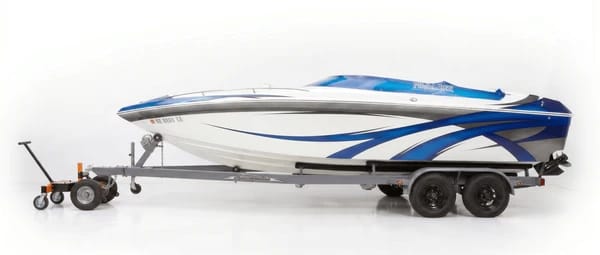
Manual Trailer Dollies: These are the simplest and most affordable option. They operate using pure leverage. You secure the trailer's tongue to the dolly's hitch ball and use a long handle to push, pull, and steer. They are suitable for lighter-weight trailers (like small utility or boat trailers) on flat, paved surfaces. Their simple design means there are no batteries to charge or motors to maintain, making them a reliable and straightforward choice.
-
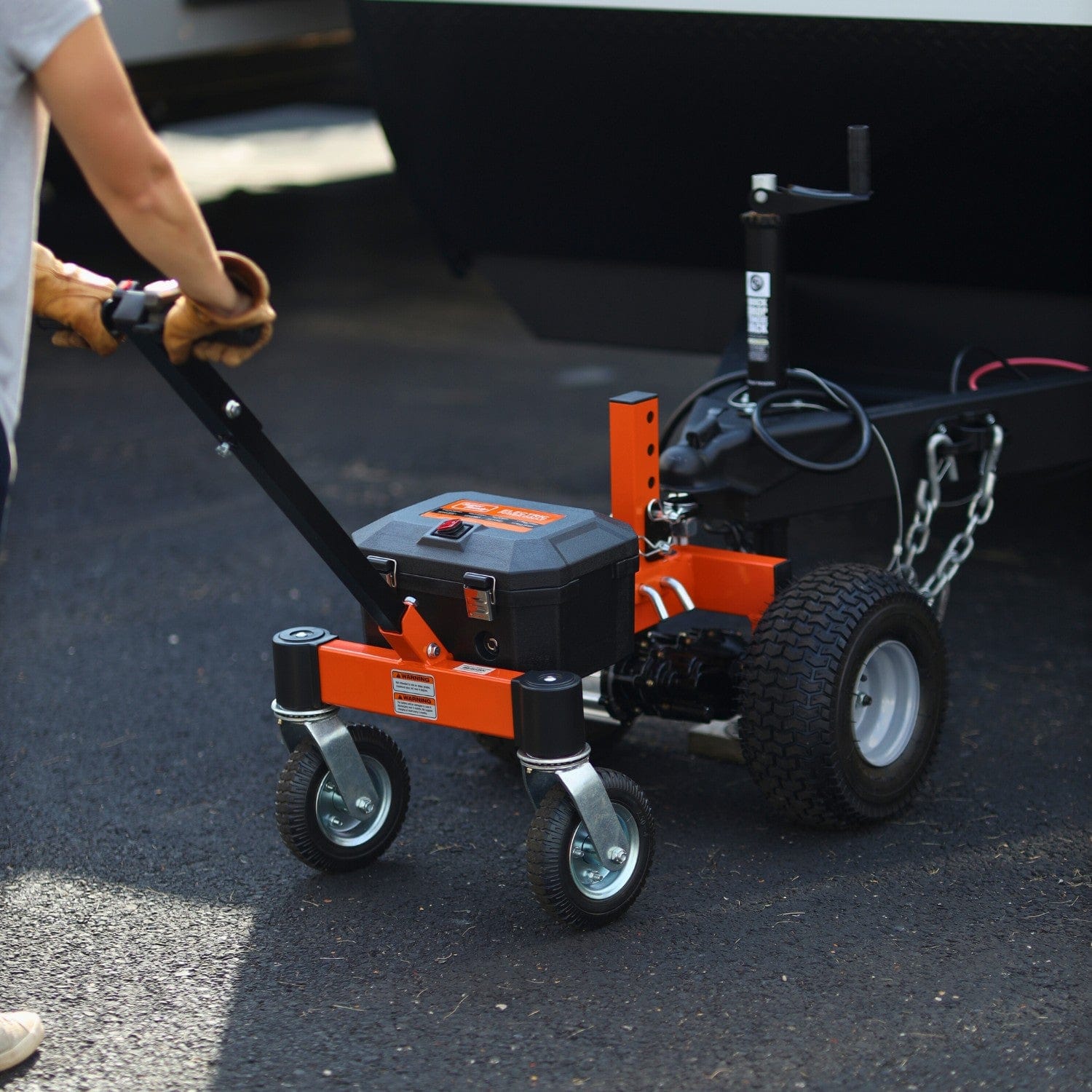
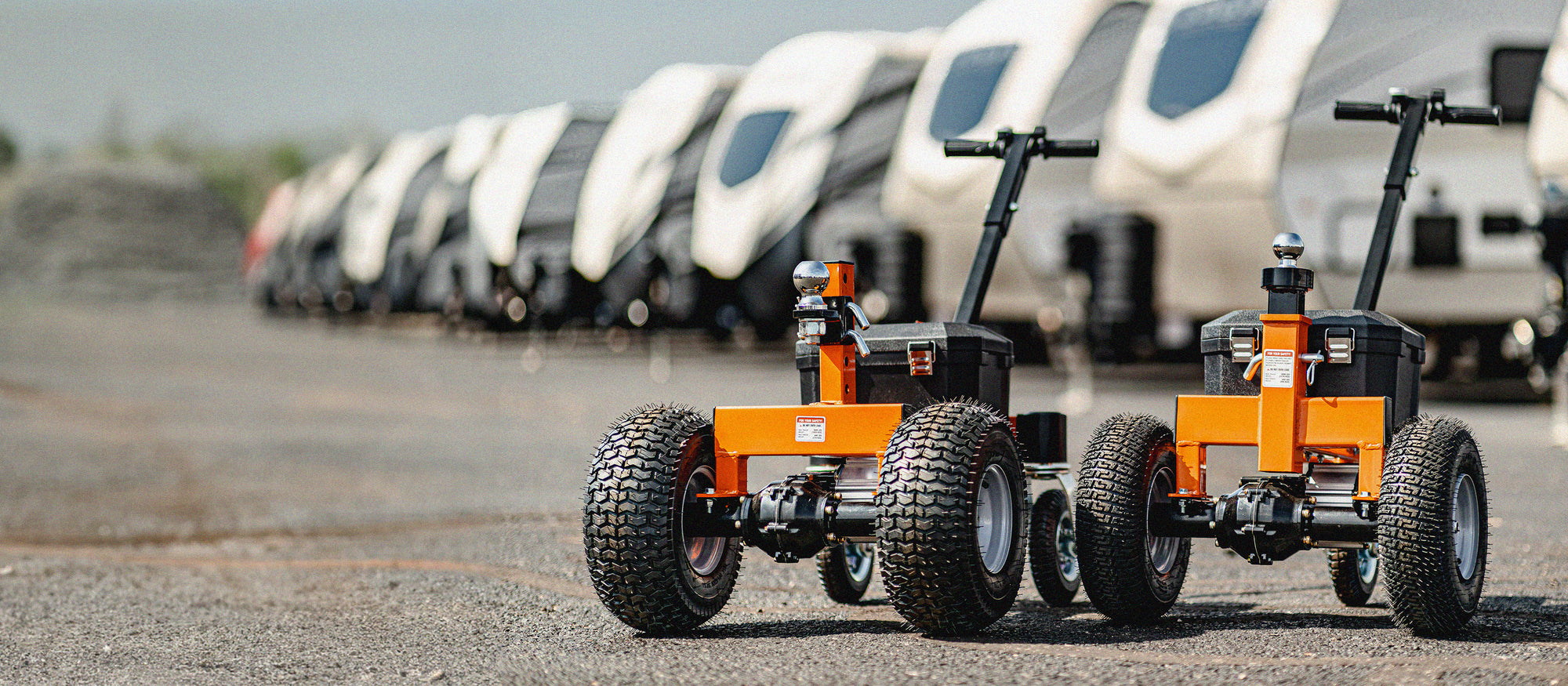
Electric Trailer Dollies: For heavier loads or for moving trailers over slight inclines, an Electric Trailer Dolly is a game-changer. These units are equipped with a battery-powered motor that does the hard work for you. You simply guide the dolly using handlebar controls. They offer superior power and reduce physical effort to nearly zero, making them ideal for moving large RVs, heavy boats, or toy haulers without breaking a sweat.
Key Features to Consider When Buying a Trailer Dolly
When comparing models, look beyond the basic type and consider the specific features that will make your life easier.
- Tires and Wheels: Pay close attention to the tires. Large, pneumatic (air-filled) tires provide better traction and a smoother ride over uneven ground, cracks, or gravel compared to solid rubber tires, which are best suited for perfectly smooth concrete floors.
- Hitch Ball: Ensure the dolly's hitch ball is the correct size for your trailer's coupler (e.g., 1-7/8", 2", or 2-5/16"). Many dollies come with an adjustable or interchangeable ball mount for greater versatility.
- Handle and Controls: For manual dollies, a long handle provides better leverage. For electric models, look for intuitive, easy-to-reach forward and reverse controls and variable speed options for enhanced maneuverability.
- Construction: A sturdy, powder-coated steel frame is essential for durability and resistance to rust and corrosion. Check the quality of the welds and the overall build to ensure it can withstand the heavy forces involved in dolly moving.
How Much Weight Can a Trailer Dolly Handle? Capacity Explained
Understanding weight capacity is the most critical factor in choosing a safe and effective trailer dolly. There are two key figures to know: Gross Trailer Weight (GTW) and Tongue Weight (TW). While GTW is the total weight of your fully loaded trailer, a trailer dolly is rated by the Tongue Weight it can support. Tongue weight is the downward force that the trailer tongue exerts on the hitch.
Typically, a trailer's tongue weight should be 10-15% of its GTW. A dolly must be rated to handle your trailer's maximum possible tongue weight, not its empty weight. Always choose a dolly with a capacity that comfortably exceeds your trailer’s listed tongue weight. Overloading a dolly can lead to catastrophic failure, causing damage to the dolly, your trailer, and potentially causing serious injury. For example, a powerful Electric Trailer Dolly with a high tongue weight capacity is designed specifically for safely maneuvering heavier loads.
Electric Trailer Dollies: Powering Your Trailer Maneuvers
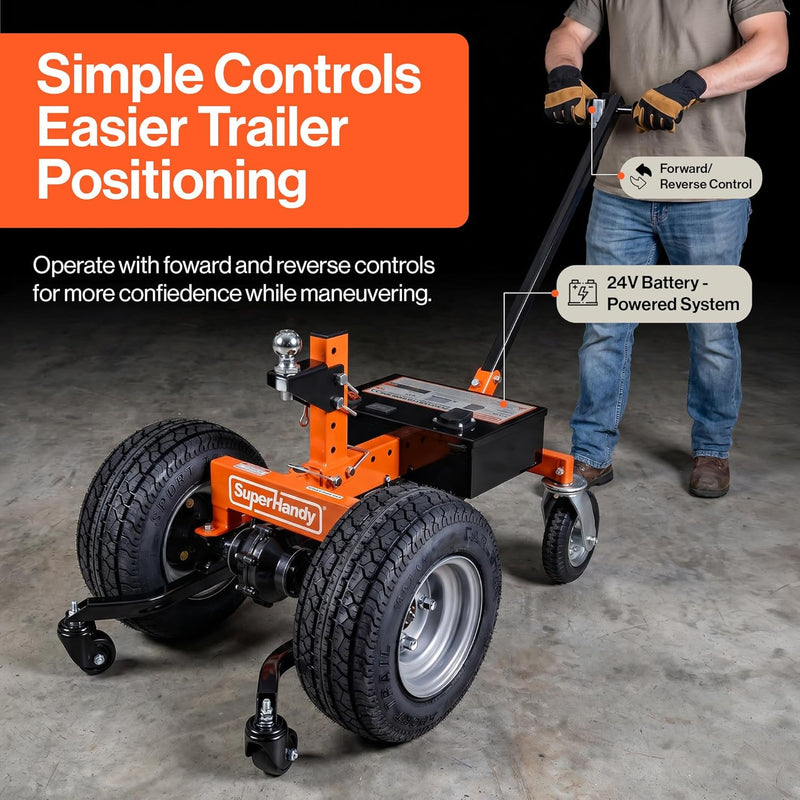
When you need to move a heavy trailer with precision and minimal physical effort, an electric trailer dolly is your best friend. These powerful devices use a motor to do the heavy lifting, allowing you to guide your trailer into tight garage spaces, around sharp corners, or into a specific parking spot without breaking a sweat. An Electric Trailer Dolly is equipped with intuitive forward and reverse controls, and often a variable speed thumb throttle, giving you complete command over the trailer's movement. This motorized assistance is a game-changer for anyone who regularly performs this kind of dolly moving, transforming a strenuous two-person job into a simple, one-person task.
Manual Trailer Dollies: Simplicity and Affordability
For those with lighter trailers or who only need to move them occasionally on flat, solid ground, a manual trailer dolly offers a straightforward and budget-friendly solution. These dollies operate on pure leverage and manpower. You simply attach the hitch to the dolly's ball mount and use the long handle to push, pull, and steer the trailer into position. While they lack the powered convenience of their electric counterparts, manual dollies are prized for their simplicity. With no motors or batteries, they are lightweight, require virtually no maintenance, and are significantly more affordable, making them an excellent choice for small utility trailers, jet skis, or small aluminum fishing boats.
Choosing the Right Trailer Dolly for Your Specific Trailer Type (Boat, RV, Cargo)
The best trailer dolly for you depends heavily on the type and weight of the trailer you own. Not all dollies are created equal, and matching the tool to the task is critical for safety and effectiveness.
-
Boat Trailers: Boat trailers, especially those for larger vessels, can be long and heavy with significant tongue weight. An electric dolly provides the controlled power needed to navigate them precisely into a storage bay or position them in a driveway. The fine-tuned control is invaluable for preventing accidental bumps and scrapes on your valuable watercraft.
-
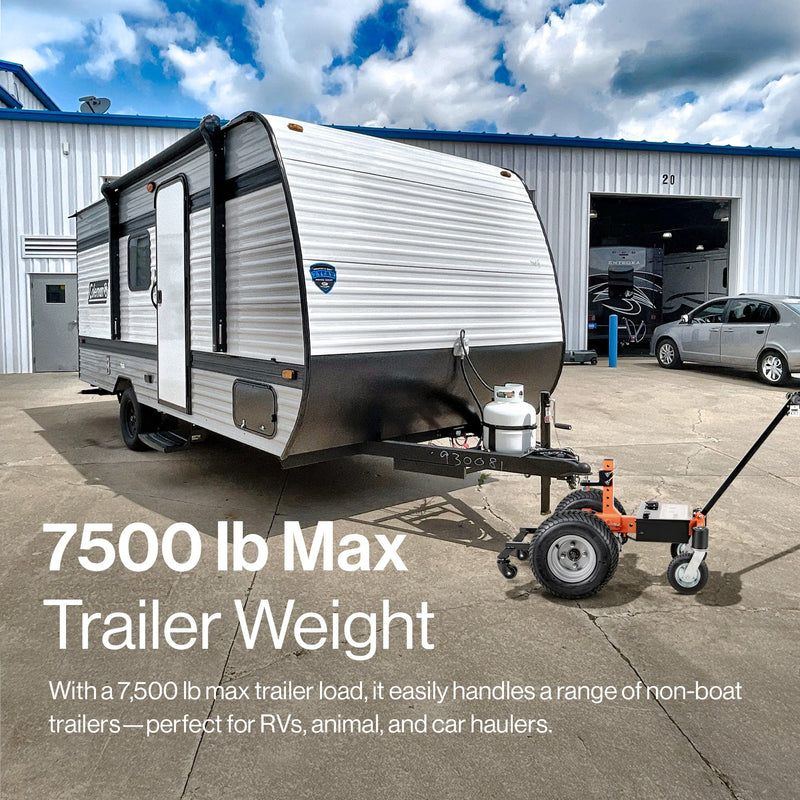
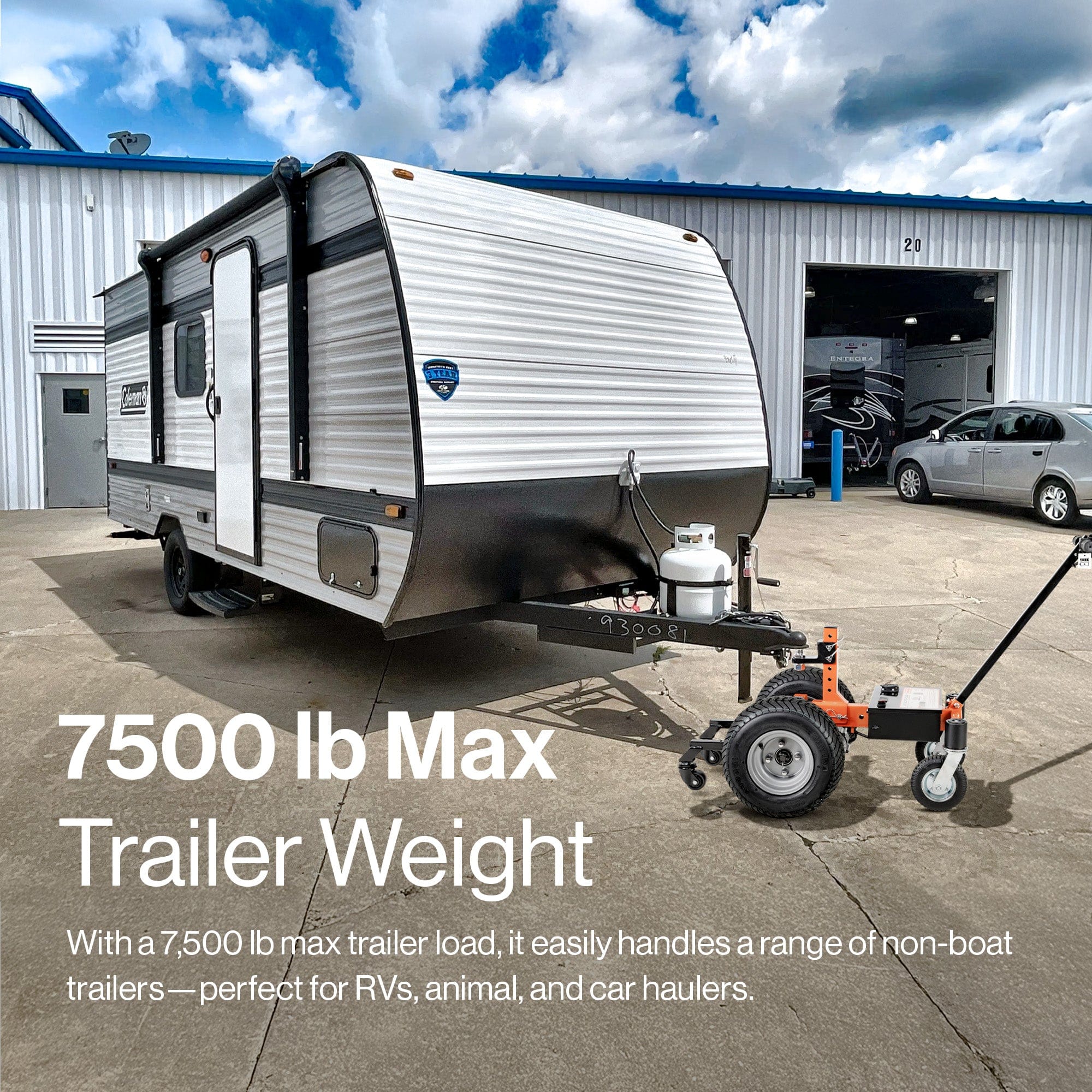
RV and Travel Trailers: These are typically the heaviest trailers a consumer will own. Maneuvering an RV requires a heavy-duty Electric Trailer Dolly with a high weight capacity and robust tires that can maintain traction under load. Always check that the dolly’s maximum tongue weight capacity exceeds your RV's tongue weight to ensure safe operation.
-
Cargo and Utility Trailers: The right dolly for these trailers depends on their size and typical load. A small, empty utility trailer can often be managed with a manual dolly. However, if you have a large, enclosed cargo trailer that is frequently loaded with equipment, an electric model will provide the necessary muscle to move it efficiently.
Understanding Trailer Dolly Power Sources: Battery vs. Corded
Electric trailer dollies are powered in one of two ways: by a rechargeable battery or by a direct electrical cord.
Battery-Powered (Cordless): Cordless dollies offer the ultimate freedom and portability. Powered by rechargeable batteries, you can use them anywhere on your property without being tethered to an outlet. Models like the SuperHandy Electric Trailer Dolly use powerful and efficient battery systems for reliable performance. Many modern dollies use lithium-ion batteries or Lead-acid batteries, the same technology found in many high-demand devices.
Corded: Corded electric dollies plug directly into a standard wall outlet. Their primary advantage is unlimited runtime—as long as they are plugged in, they are ready to go. This eliminates any concern about battery life during a long or difficult maneuver. However, their range is limited by the length of your extension cord, and you must be mindful of the cord to prevent tripping or running over it.
Trailer Dolly Wheels and Tires: Traction and Terrain Considerations
The effectiveness of any dolly moving operation hinges on its wheels and tires—the single point of contact between your heavy trailer and the ground. The type of terrain you’ll be navigating is the most critical factor in choosing the right wheels. Most trailer dollies come with either pneumatic (air-filled) or solid tires.
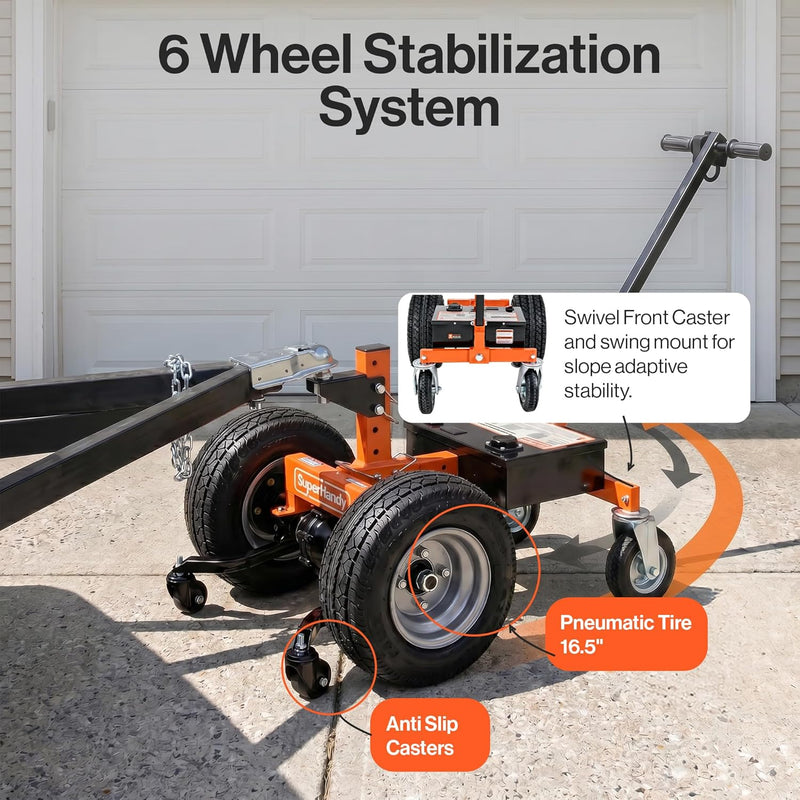
Pneumatic tires are excellent for traction on varied and uneven surfaces like grass, gravel, or packed dirt. Their ability to absorb shock and conform to the ground provides a smoother, more stable move. For maximum grip, especially on slight inclines or wet surfaces, look for deep, all-terrain treads. Solid rubber tires, on the other hand, are maintenance-free and puncture-proof, making them ideal for hard, flat surfaces like concrete or asphalt. While they are incredibly durable, they offer less cushioning and can struggle on soft or bumpy ground. Wheel diameter also matters; larger wheels roll over obstacles and cracks more easily than smaller ones.
Safety First: Essential Safety Features of Trailer Dollies
Maneuvering a trailer that weighs thousands of pounds requires a focus on safety. A quality Electric Trailer Dolly is designed with features to protect you, your trailer, and your property. One of the most important is an advanced braking system. Look for models with automatic brakes that engage the moment you release the throttle or handle. This feature is crucial for preventing a runaway trailer, especially when operating on even a slight grade.
Other essential safety components include overload protection, which prevents the motor from burning out if you attempt to move a load beyond its capacity. The hitch ball and coupler mechanism must also be robust. Ensure the dolly’s ball size matches your trailer’s coupler (e.g., 2” or 2-5/16”) and that the locking latch is secure. A wide wheelbase contributes to overall stability, reducing the risk of the dolly tipping under a heavy load.
Installation and Setup: Getting Your Trailer Dolly Ready to Use
Modern trailer dollies are designed for user-friendly assembly and setup. Typically, unboxing and assembly involve little more than attaching the handle and ensuring the wheels are secure. Before you begin, do a quick inventory to confirm all parts listed in the manual are present. For an Electric Trailer Dolly, the first step is always to fully charge the battery according to the manufacturer's instructions to ensure optimal power and lifespan.
Hitching your dolly to the trailer is a straightforward process:
- Position the Dolly: Use your trailer’s tongue jack to lower the coupler so it sits just above the dolly’s hitch ball. Roll the dolly into position underneath it.
- Transfer the Weight: Slowly raise the tongue jack. This will lower the trailer’s tongue onto the dolly’s ball, transferring the weight.
- Secure the Latch: Fasten the trailer’s coupler latch securely over the hitch ball. Insert any safety pins or clips that came with your trailer.
- Retract the Jack: Fully retract the trailer’s tongue jack so it is clear of the ground. Your Electric Trailer Dolly is now ready to move.
Maintenance Tips for Extending Your Trailer Dolly's Lifespan
Proper maintenance is key to ensuring your trailer dolly provides years of reliable service. A few simple, regular checks can prevent common issues and extend the unit's lifespan.
- Tire Care: If your dolly has pneumatic tires, check the air pressure regularly and keep them inflated to the recommended PSI found on the tire’s sidewall. For solid tires, periodically inspect them for significant wear or damage.
- Battery Health: For electric models, follow the manufacturer’s charging guidelines. Avoid letting the battery drain completely, and if you plan to store the dolly for an extended period, remove the battery and keep it in a cool, dry place.
- Keep it Clean: After use, wipe down the dolly to remove dirt, mud, and moisture. Debris can interfere with moving parts and lead to corrosion over time.
- Lubrication: Periodically apply grease or a suitable lubricant to moving components like wheel axles and the drive chain (if applicable) to ensure everything operates smoothly.
- Proper Storage: Store your trailer dolly in a dry, covered location like a garage or shed. Protecting it from rain, snow, and extreme sun will prevent rust and degradation of plastic and rubber components.
Top Trailer Dolly Brands and Models to Consider
When you start shopping for a trailer dolly, you'll find a market filled with options, from heavy-duty industrial movers to simple manual levers. The best brand for you will ultimately depend on your trailer's weight, the terrain you'll be navigating, and your budget. However, some brands consistently stand out for their innovation, reliability, and user-focused design.
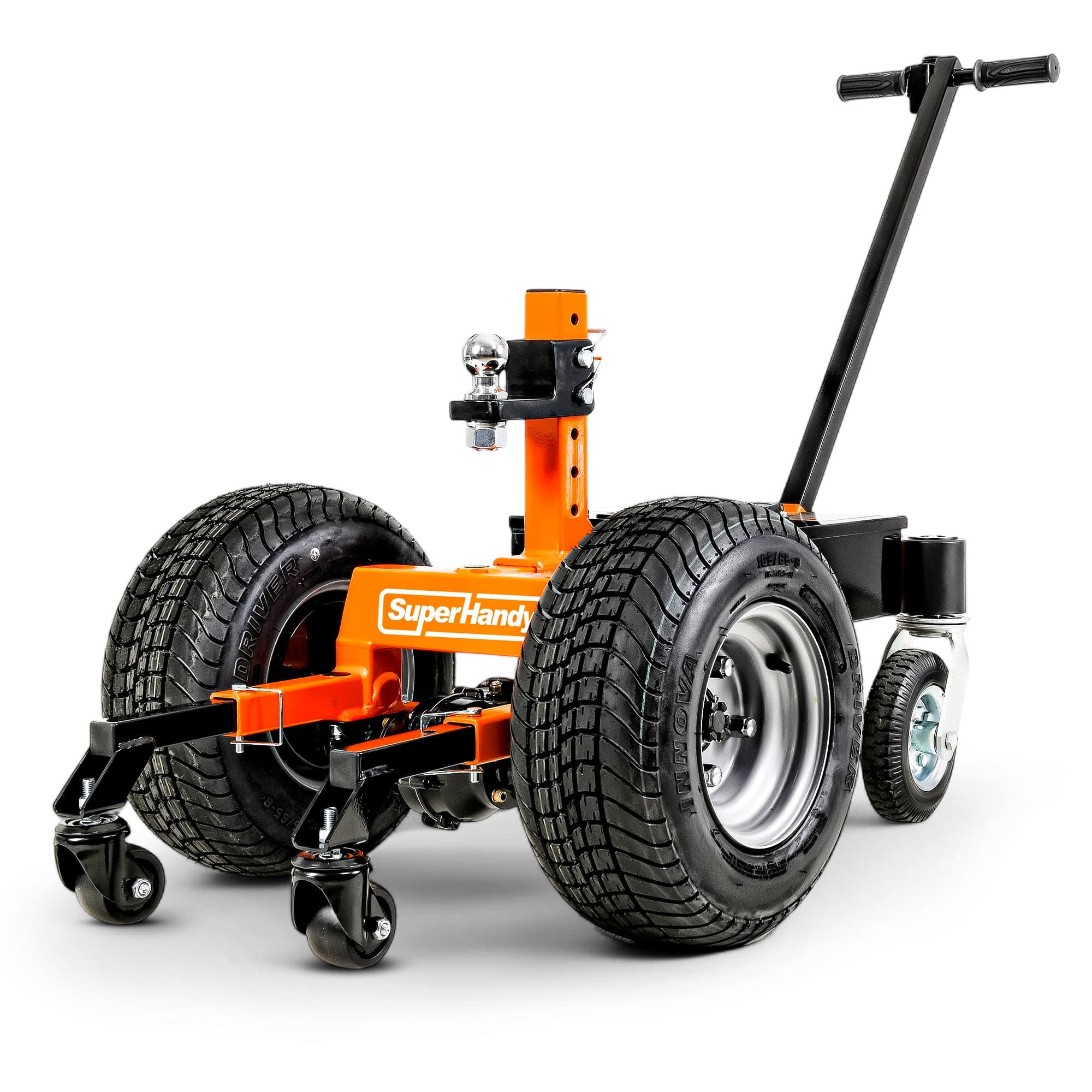
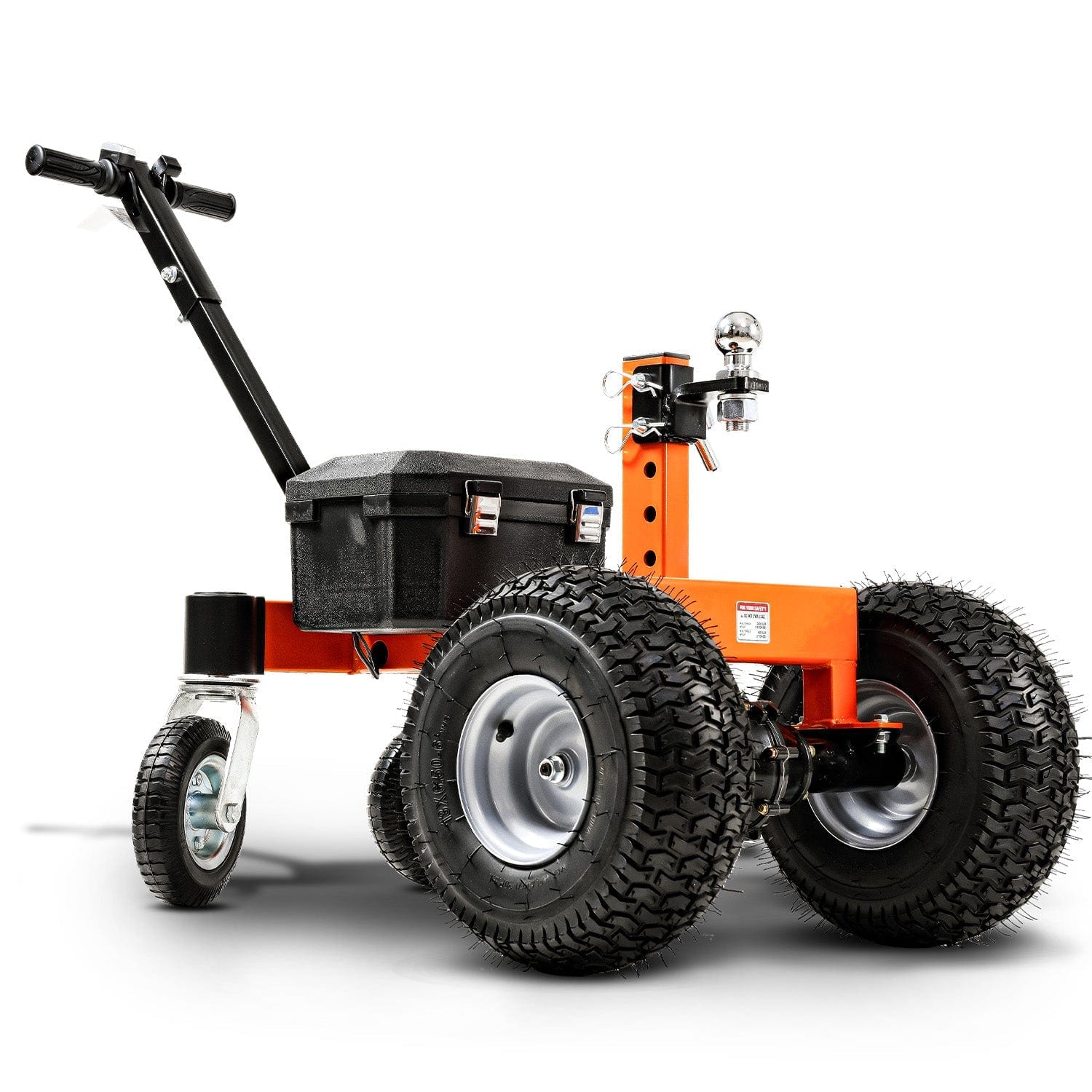
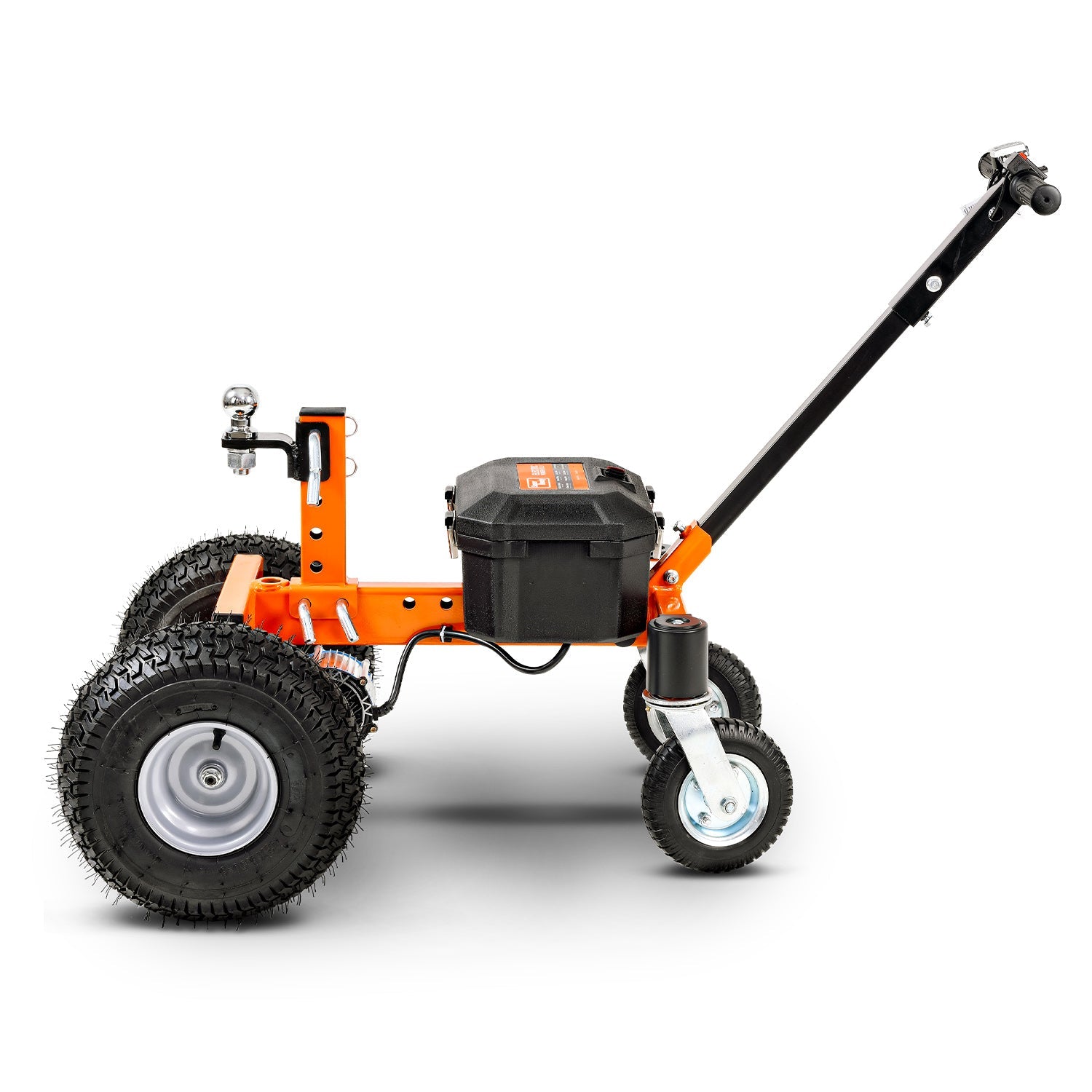
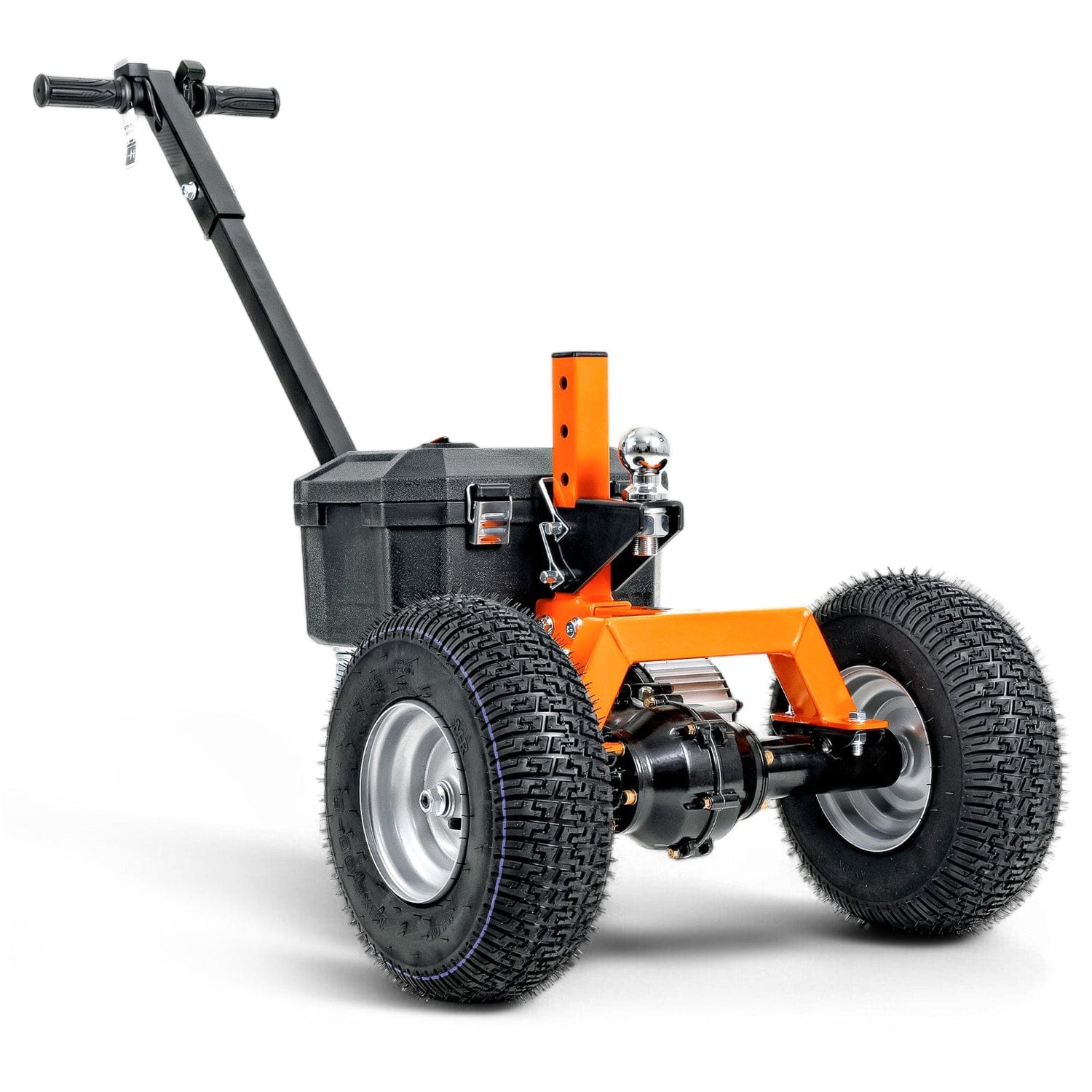
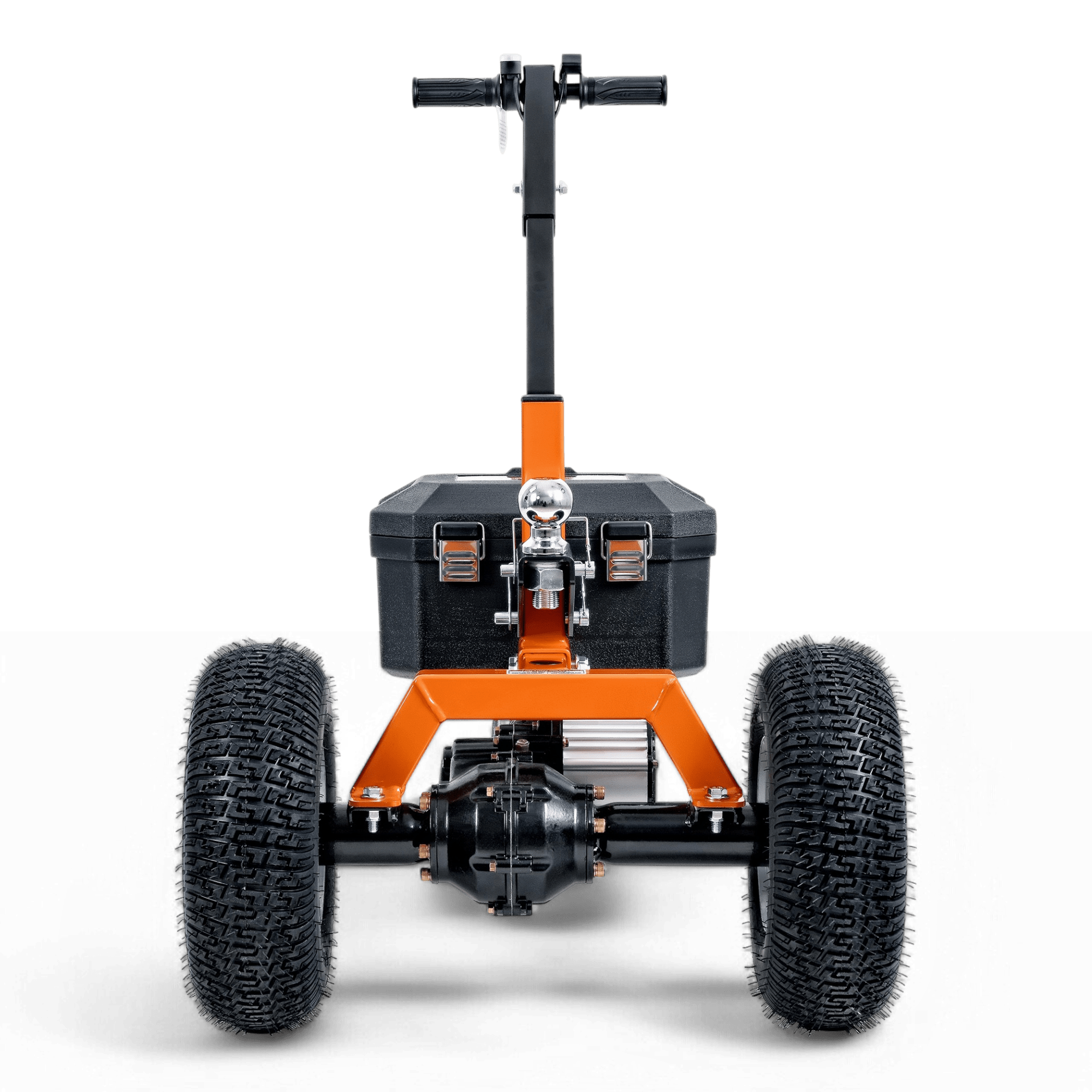
A leading name in this space is SuperHandy, known for engineering powerful and efficient solutions for everyday work. We focus on creating equipment that is not only robust but also intuitive to operate. For instance, our Electric Trailer Dolly is designed with a patented drive system that provides exceptional control and maneuverability. With heavy-gauge steel construction and all-terrain tires, it’s built to handle the demands of moving heavy boat trailers, RVs, and cargo haulers in tight spaces where a vehicle can't go.
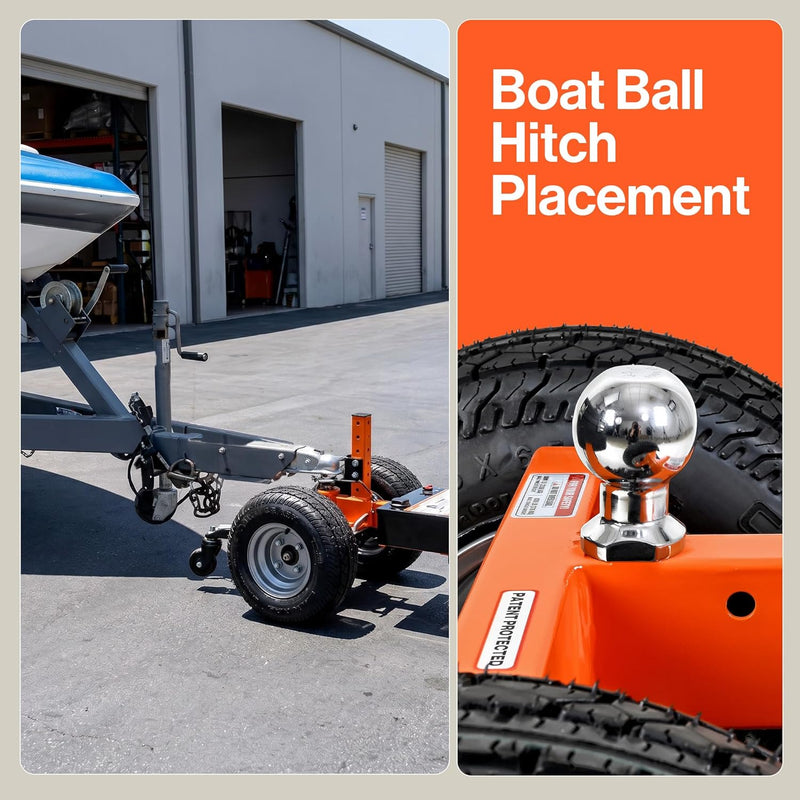
While some brands specialize in ultra-heavy-duty dollies capable of moving commercial-grade trailers weighing tens of thousands of pounds, others focus on budget-friendly manual dollies for small, lightweight utility trailers. When comparing your options, look beyond the brand name and focus on the specifications. Pay close attention to the motor wattage, battery life, tire composition, and, most importantly, the rated tongue weight and gross trailer weight capacity.
Frequently Asked Questions About Trailer Dollies
Navigating the world of trailer accessories can bring up a lot of questions. Here are answers to some of the most common inquiries about trailer dollies to help you make an informed decision.
What is the maximum weight a trailer dolly can move?
This varies significantly between models. Manual dollies typically handle a maximum tongue weight of 600 to 1,000 pounds and are best for small, lightweight trailers. Electric dollies, however, offer much greater power. A robust Electric Trailer Dolly can often manage a gross trailer weight of 3,600 pounds, with some heavy-duty models going well beyond 10,000 pounds. Always check both the tongue weight and gross trailer weight capacity of a dolly before purchasing.
Can I use a trailer dolly on an incline?
Yes, but with caution and only with a dolly designed for it. Many powered trailer dollies are rated for use on slight inclines, typically up to 5 degrees. Using a dolly on a slope steeper than its rating is a significant safety hazard. For any sloped terrain, look for models with features like an automatic brake system, which prevents the trailer from rolling when you release the controls.
How do I attach the dolly to my trailer?
The process is simple and secure. Most dollies use a standard hitch ball that connects directly to your trailer's coupler—the same way it connects to your tow vehicle. You simply position the dolly's ball under the trailer tongue, use the trailer's jack to lower the coupler onto the ball, and secure the latch. Many dollies feature adjustable ball heights to ensure a level connection with different types of trailers.
What’s the difference between tongue weight and trailer weight?
This is a critical distinction for safety and performance. Gross Trailer Weight (GTW) is the total weight of your trailer when it is fully loaded. Tongue Weight is the downward force that the trailer tongue exerts on the hitch, which is typically 10-15% of the GTW. A trailer dolly will have separate capacity ratings for both, and it is essential that you do not exceed either limit. Overloading a dolly can cause damage and lead to a dangerous loss of control.
Related Products

Leave a comment
All comments are moderated before being published.
This site is protected by hCaptcha and the hCaptcha Privacy Policy and Terms of Service apply.