









Understanding the True Cost: Beyond the Initial Purchase Price of a Home Patient Lift
When considering a home patient lift, it's easy to focus on the sticker price. However, to truly understand the financial commitment, you must look beyond the initial purchase. A patient lift is a piece of Durable Medical Equipment (DME), an investment in the safety, independence, and quality of life for your loved one, as well as the well-being of the caregiver. As noted by PM&R KnowledgeNow, the American Academy of Physical Medicine and Rehabilitation's clinical education resource, mobility-related DME includes a range of devices designed to support daily living, such as "wheelchairs, scooters, canes, walkers, crutches, commode chairs, hospital beds, and patient lifts." Viewing the lift through this lens helps frame it not as a simple purchase, but as a long-term care solution whose total cost unfolds over its entire lifespan.
Initial Investment: What to Expect When Buying a Patient Lift
The upfront cost of a new home patient lift is the most significant single expense you'll encounter. Prices can vary widely, typically ranging from around $500 for a basic manual model to over $5,000 for a heavy-duty, powered lift with advanced features. For most families, a high-quality electric floor lift will fall somewhere in the middle of this range. This initial investment buys you a powerful tool for safer transfers, but it's crucial to remember that this is just the starting point of your total cost of ownership.

Factors Influencing Upfront Costs: New vs. Used, Brand, and Features
Several key factors determine the initial price of a patient lift:
- New vs. Used: A used lift can offer significant savings, but it comes with risks. You may not have a warranty, the lift's history is unknown, and it may require immediate repairs or battery replacement. A new lift provides peace of mind with a manufacturer's warranty and the assurance of a pristine, reliable machine.
- Brand and Quality: Reputable brands often invest more in engineering, safety certifications, and durable materials, which can lead to a higher price but also a longer, more reliable service life.
-
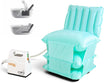
Features and Type: The lift's capabilities are a major price driver. A simple manual hydraulic lift will be the most affordable. An electric chair lift offers push-button convenience, reducing caregiver strain. More specialized models like a sit-to-stand lift or an electric standing lift designed for users with some weight-bearing ability will have a different price point. Features like a high weight capacity or the ability to perform a
floor to sittransfer for fall recovery also impact the cost.
Essential Accessories and Add-ons: Slings, Scales, and More
A patient lift is not a standalone device; it requires accessories to function safely and effectively. These items are rarely included in the base price and must be factored into your initial budget.
- Slings: The single most important accessory. A lift is useless without a compatible and appropriate sling. You will likely need more than one. A universal or U-sling is great for general transfers, but you may also need a dedicated toileting sling or a padded sling for extended use. Slings cost between $100 and $300 each and must be inspected regularly for wear and tear.
- Scales: For patients who need their weight monitored closely, an in-lift scale is a vital add-on. These scales attach between the boom and the sling bar, providing accurate readings without a difficult transfer to a traditional scale.
- Extra Batteries: For electric lifts, having a second battery charging while the first is in use ensures the lift is always ready, eliminating downtime.
Ongoing Expenses: Maintenance, Repairs, and Replacement Parts
A patient lift is a mechanical device that requires regular attention to ensure safe and reliable operation. While a quality lift is built for durability, ongoing expenses are a natural part of ownership.
- Routine Maintenance: This is your first line of defense against costly repairs. Regularly inspect the lift's frame for any signs of stress or cracking. Check that all nuts and bolts are tight, and ensure the caster wheels are clean and rotate freely. Lubricate moving parts according to the manufacturer's recommendations to prevent grinding and premature wear.
- Repairs: Even with diligent care, parts can fail over time. Common components that may need repair or replacement include the hand-held control pendant, the lifting actuator (the motor that powers the arm), and the caster wheels. The cost can range from under a hundred dollars for a new remote to several hundred for a replacement actuator.
- Replacement Parts: Sourcing parts for a reputable brand is typically straightforward. Keeping a list of your lift’s model and serial number will make it easier to order the correct components, ensuring your floor lift is out of commission for the shortest time possible.
The Lifespan of a Patient Lift: How Long Can You Expect It to Last?
One of the most common questions from caregivers is about the expected lifespan of a home patient lift. While this varies based on usage, build quality, and maintenance, there are established guidelines. Many insurance providers and health organizations consider Durable Medical Equipment (DME) to have a minimum useful life. For example, some state health programs expect DME like a patient lift to serve a user for at least five years.
However, with proper care, many high-quality lifts can last much longer—often 7 to 10 years or more. Factors that influence longevity include:
- Frequency of Use: A lift used multiple times daily will experience more wear than one used a few times a week.
- Adherence to Weight Limits: Consistently exceeding the lift's weight capacity can strain the frame and motor, drastically shortening its lifespan.
- Maintenance: A well-maintained lift will always outlast a neglected one.
Cost of Consumables: Battery Replacements and Sling Wear
Beyond the lift itself, you must budget for consumables—items that wear out with normal use and need periodic replacement.
- Battery Replacements: For electric models like a standing or chair lift, the rechargeable battery is a key consumable. On average, a lift battery will need replacement every 2 to 4 years, depending on charging habits and usage. The cost for a replacement battery pack typically falls between $100 and $300.
- Sling Wear and Tear: The patient sling is critical for safety and comfort. Slings are made of fabric and will degrade over time. Inspect them before every use for fraying stitches, tears, or worn fabric, especially around the loops that attach to the lift. A replacement sling can cost anywhere from $100 to $400, depending on its type, size, and material. It’s wise to have at least one backup sling on hand.
Potential Hidden Costs: Installation, Modifications, and Insurance
When calculating the total cost, it's easy to overlook expenses that aren't part of the initial purchase.
- Installation: Most portable floor lifts are designed for easy, tool-free assembly. However, if you are not physically able or comfortable assembling the unit, you may need to hire a handyman or a medical equipment technician, which could add a one-time cost.
-
Home Modifications: A significant hidden cost can be the need for minor home modifications. A floor lift needs a clear path. You might need to widen doorways, remove high thresholds, or rearrange furniture to allow the lift to move smoothly from room to room. These modifications are crucial for efficient
floor to sittransfers. - Insurance: Check with your homeowner's or renter's insurance provider to see if your policy covers the patient lift against damage or theft. In some cases, you may need to add a "rider" to your policy for specific coverage, which could slightly increase your premium.
Comparing Lift Types: Manual vs. Electric - Which is More Cost-Effective Long-Term?
When choosing a home patient lift, one of the first decisions is between a manual (hydraulic) and an electric model. While manual lifts have a lower initial purchase price, their long-term cost-effectiveness can be misleading.
-
Manual Lifts: These operate using a hydraulic pump that the caregiver must repeatedly press to raise the patient. The lower upfront cost and lack of electrical components mean no battery replacements and potentially simpler repairs. However, the physical effort required can lead to caregiver strain or injury, which carries its own significant costs in terms of health and well-being.
-
Electric Lifts: These use a battery-powered motor to do the heavy lifting with the push of a button. While the initial investment is higher, an electric floor lift dramatically reduces physical strain on the caregiver, preventing burnout and potential injuries. The smoother, more controlled motion also provides a more comfortable and secure experience for the patient. Long-term costs include eventual battery replacement, but this is often outweighed by the benefits of safety and ease of use, making electric lifts the more cost-effective choice for sustained, long-term care.
Evaluating Rental vs. Purchase: A Financial Breakdown for Different Needs
The decision to rent or buy a patient lift depends entirely on the duration of need.
-
Renting: This is the ideal solution for short-term situations, such as post-operative recovery lasting a few weeks or months. It offers a low initial cash outlay, and maintenance is typically handled by the rental company.
-
Purchasing: This is the most financially sound option for long-term or permanent care needs. While the upfront cost is significant, it becomes more economical over time.
To decide, calculate the break-even point. For example, if a lift costs $2,500 to purchase and the monthly rental fee is $300, the break-even point is just over eight months ($2,500 / $300 ≈ 8.3). If you anticipate needing the lift for longer than this period, purchasing is the clear winner. Owning the lift also means you can resell it later to recoup some of the cost.
Maximizing Your Investment: Tips for Extending Patient Lift Lifespan
A patient lift is a significant investment in quality of life. Proper care and maintenance are essential to protect that investment and ensure its safe operation for years to come.
- Follow the Manual: Always adhere to the manufacturer's guidelines for operation, charging, and weight capacity. Overloading the lift is a primary cause of premature wear and failure.
- Daily Visual Checks: Before each use, quickly inspect the sling for tears, check that casters roll freely, and ensure all bolts and connection points are secure.
- Battery Care: For electric models like an electric standing lift, follow the recommended charging cycle. Avoid letting the battery drain completely, and keep the charging unit clean and dry.
- Keep it Clean: Regularly wipe down the lift's frame with a soft, damp cloth to remove dust and debris that can interfere with moving parts.
- Schedule Professional Service: Have your lift professionally inspected and serviced annually to catch potential issues before they become serious safety hazards.
When Does Repair Become Replacement? A Cost-Benefit Analysis
Knowing when to repair a failing patient lift versus replacing it is a critical decision balancing cost and safety.
A good guideline is the 50% Rule: If the cost of a single repair exceeds 50% of the value of a new, comparable lift, replacement is generally the more sensible financial choice.
Consider the frequency of issues. If your lift is constantly breaking down, the cumulative costs of repairs, shipping parts, and downtime can quickly add up. An unreliable lift also adds significant stress for both the user and caregiver.
Most importantly, never compromise on safety. If the frame is bent, if welds are cracked, or if a critical component fails in a way that cannot be securely repaired, the lift must be replaced. Similarly, if your loved one's needs have evolved—perhaps now requiring a full floor to sit lift instead of a sit-to-stand model—investing in a new lift that meets their current requirements is a better use of funds than repairing an outdated one.
Financial Assistance and Funding Options for Home Patient Lifts
The purchase of a home patient lift is a significant investment in safety and quality of life, but the cost can be a major hurdle for many families. Fortunately, a variety of financial assistance programs and funding sources exist to help make this essential equipment more accessible. Navigating these options takes research and persistence, but the support can make a crucial difference.
Government Programs: Medicare and Medicaid
For eligible individuals, Medicare Part B may cover a portion of the cost of a patient lift under its Durable Medical Equipment (DME) benefit. The key requirement is that the lift must be prescribed by a doctor and deemed "medically necessary." This means you will need thorough documentation from your physician explaining why the lift is essential for your daily care. It's important to note that Medicare may have specific guidelines on the type of lift they will cover; for example, they might cover a manual lift, and an electric model would only be approved if the caregiver is physically unable to operate a manual one.
Medicaid coverage for patient lifts varies significantly from state to state. As a joint federal and state program, each state sets its own rules for eligibility and DME coverage. Contact your state's Medicaid office directly to learn about its specific policies and application process.
Private Health Insurance
If you have a private health insurance plan, review your policy or contact your provider to inquire about coverage for DME. Similar to Medicare, you will almost certainly need a prescription and a Letter of Medical Necessity from your doctor. We strongly recommend seeking pre-authorization from your insurance company before purchasing a lift. This process confirms what your plan will cover, helping you avoid unexpected out-of-pocket expenses.
Veterans Affairs (VA)
Veterans enrolled in the VA healthcare system may be eligible to receive a patient lift through their benefits. If a lift is determined to be necessary for a veteran's care, the VA may provide it at little or no cost. The first step is to speak with your VA primary care provider or specialist, who can refer you for an evaluation by the prosthetics and sensory aids service.
Non-Profit Organizations and Grants
Many non-profit organizations offer financial assistance for medical equipment. These can be an excellent resource, especially if you don't qualify for other programs. Consider reaching out to:
- Disease-Specific Foundations: Organizations like the ALS Association or the Muscular Dystrophy Association often have grant or equipment loan programs for individuals with those conditions.
- Area Agencies on Aging (AAA): Your local AAA can connect you with regional programs and resources available to seniors.
- Community and Service Groups: Local chapters of organizations like the Lions Club, Rotary Club, or Knights of Columbus may offer financial aid for community members in need.
Financing and Payment Plans
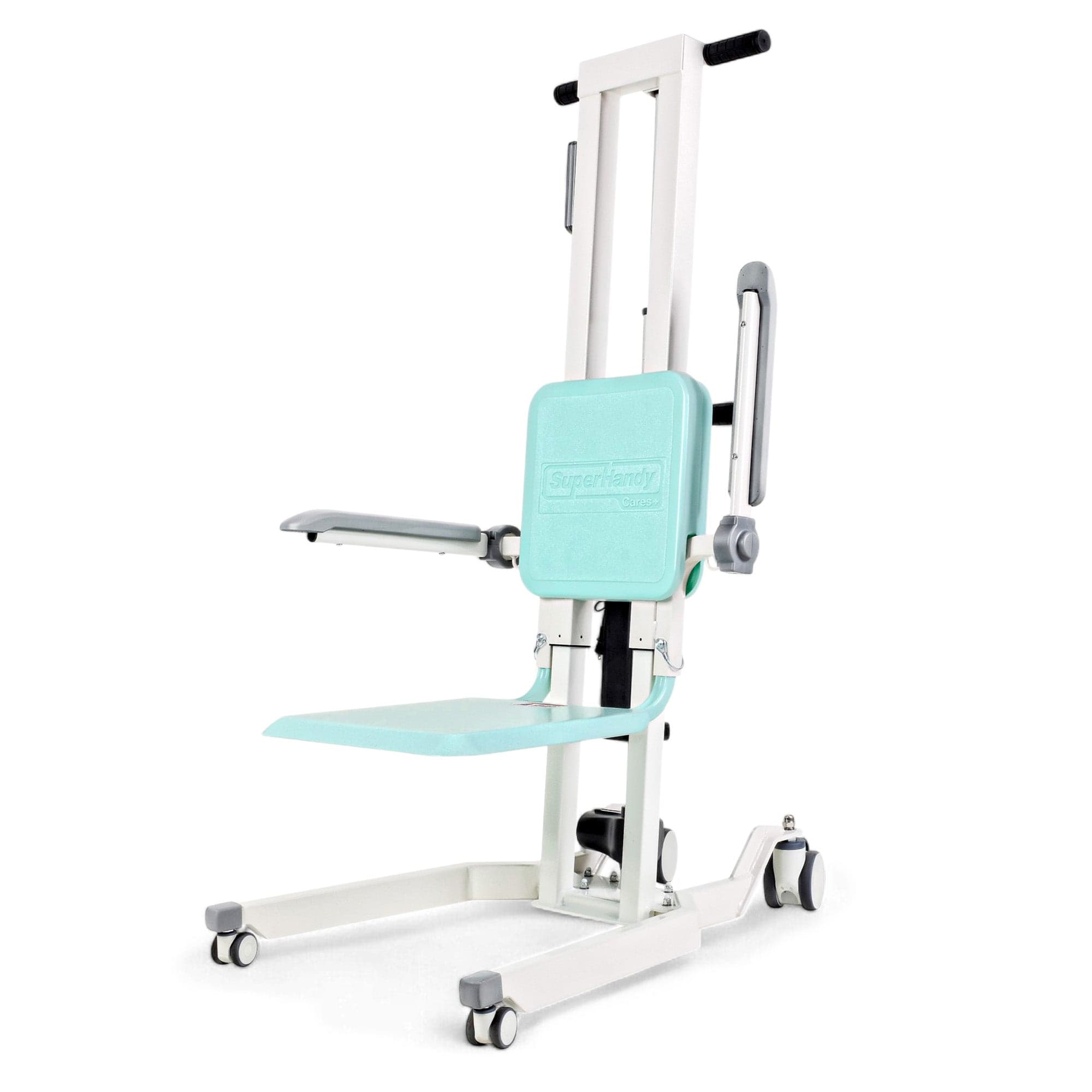
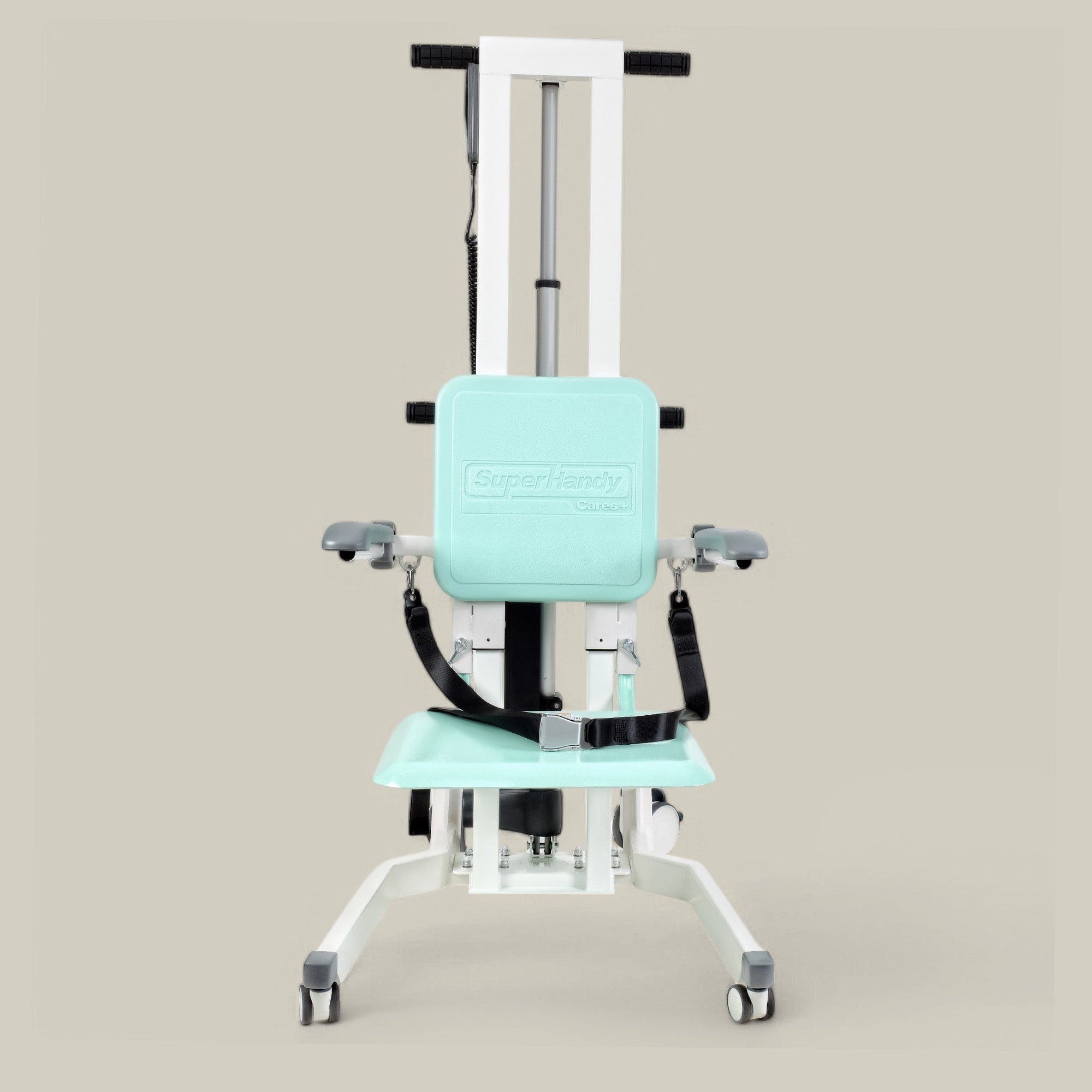
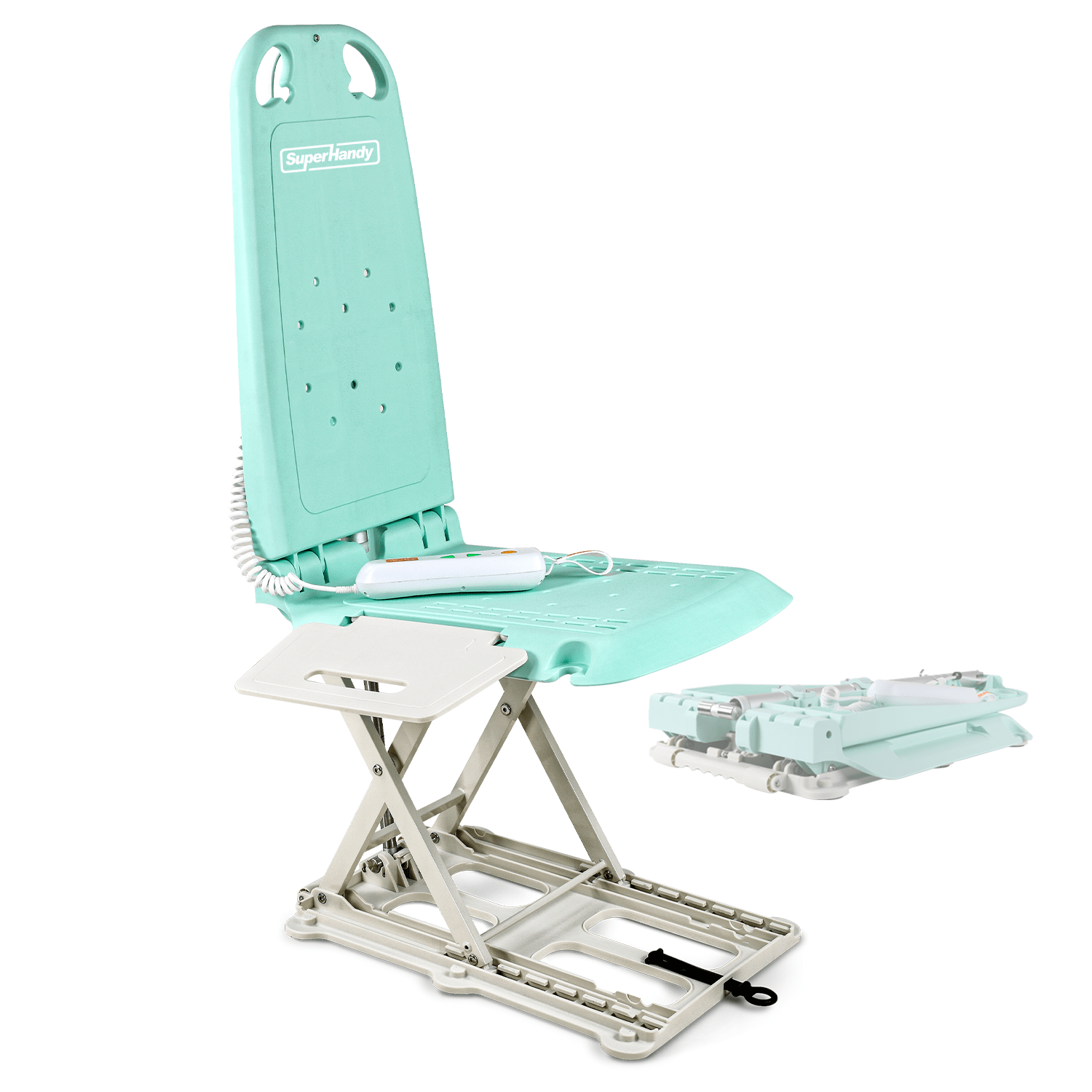
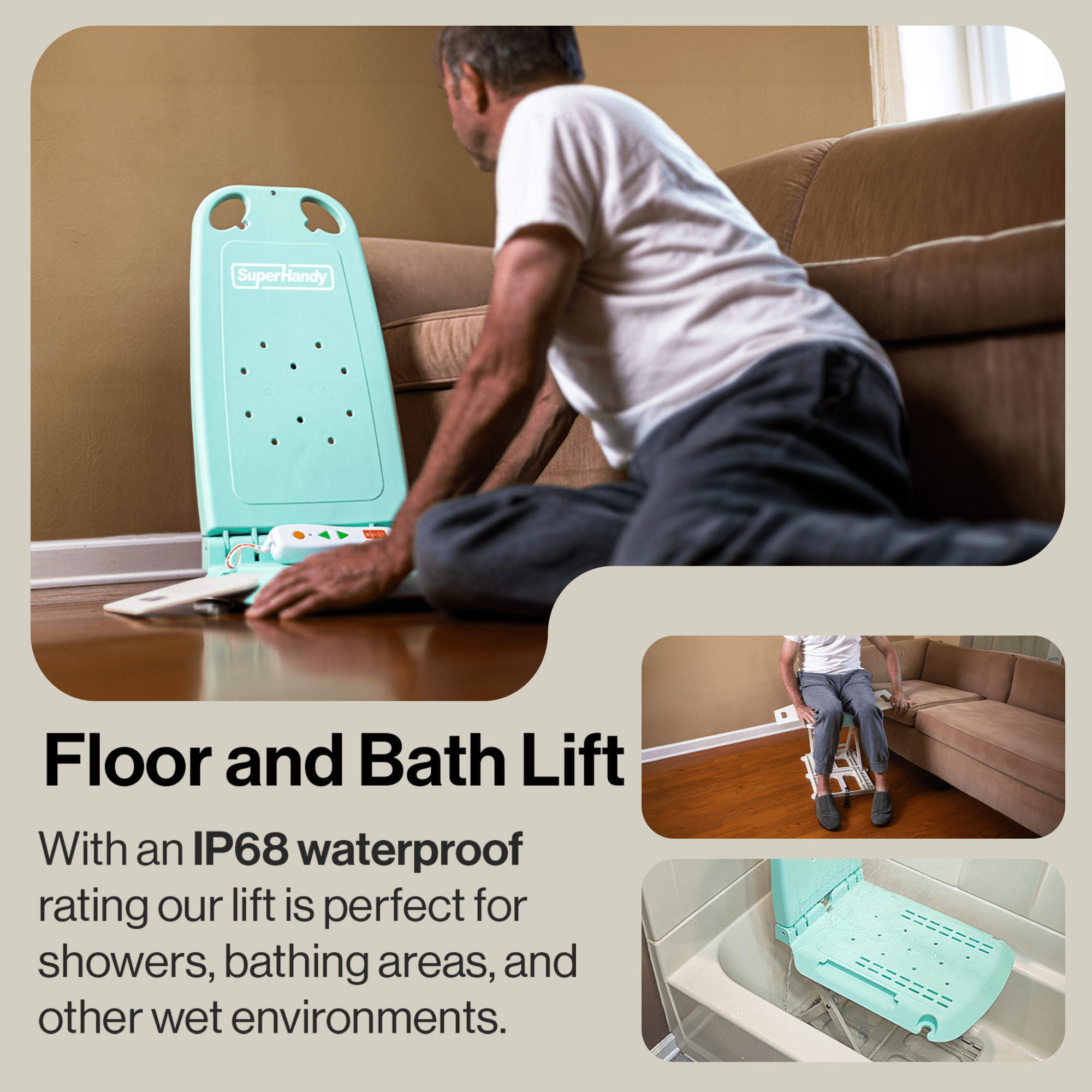
Some medical equipment suppliers understand the financial burden of these purchases and offer in-house financing or payment plans. This allows you to spread the cost of a high-quality SuperHandy Transfer Floor Lift over several months, making the initial investment more manageable. When choosing a lift, be sure to ask the supplier about available payment options. Whether you need a versatile floor to sit lift, a more active Electric Standing Lift, or a compact Electric Chair Lift, exploring all funding avenues can help you acquire the right equipment without compromising your financial stability.
Frequently Asked Questions About Patient Lift Lifetime Costs
How often do patient lift batteries need to be replaced?
The lifespan of a patient lift battery depends heavily on usage, battery type, and charging habits. On average, a well-maintained sealed lead-acid or lithium-ion battery can last between two and five years. To maximize its life, avoid deep discharging the battery and follow the manufacturer's charging instructions precisely. Regular, consistent charging is often better than waiting for the battery to be completely empty.
Are patient lift slings universal?
No, slings are not universally compatible. While some slings may fit multiple lift models, using a sling that is not specifically approved for your patient lift can be extremely dangerous. For safety and proper function, always use slings recommended by the lift manufacturer. Compatibility depends on the style of the sling (e.g., U-sling, full body) and the design of the cradle or spreader bar.
Is professional installation required for a home patient lift?
This depends on the type of lift. Most modern floor lift models are designed for straightforward, tool-free or minimal-tool assembly that a caregiver can typically handle themselves, saving you the cost of professional installation. However, ceiling track lifts are complex and always require professional installation to ensure structural safety.
Can my health insurance help pay for a patient lift?
Coverage for home patient lifts varies significantly between insurance providers and plans. Many insurers, including Medicare Part B, may cover a portion of the cost if the lift is deemed a medical necessity and prescribed by a doctor. You will need to provide thorough documentation. It is essential to contact your insurance provider directly to understand your specific coverage, deductibles, and reimbursement process before making a purchase.
Making an Informed Decision: Balancing Cost and Quality of Life
Choosing a home patient lift is a decision that extends far beyond the initial price tag. While it's important to understand the lifetime costs, it's crucial to weigh them against the immense, often immeasurable, value it brings to quality of life. For the person being transferred, a lift means restored dignity, greater mobility, and the ability to participate more fully in family life. For the caregiver, it means preventing debilitating back injuries, reducing physical and emotional stress, and gaining peace of mind.
The true value is found in the daily moments of safety and ease. A reliable patient lift can be the key factor that allows a loved one to remain comfortably at home rather than moving to a costly long-term care facility. When you consider that the cost of a single caregiver injury—in terms of medical bills and lost wages—can easily exceed the price of a lift, the investment becomes clear.
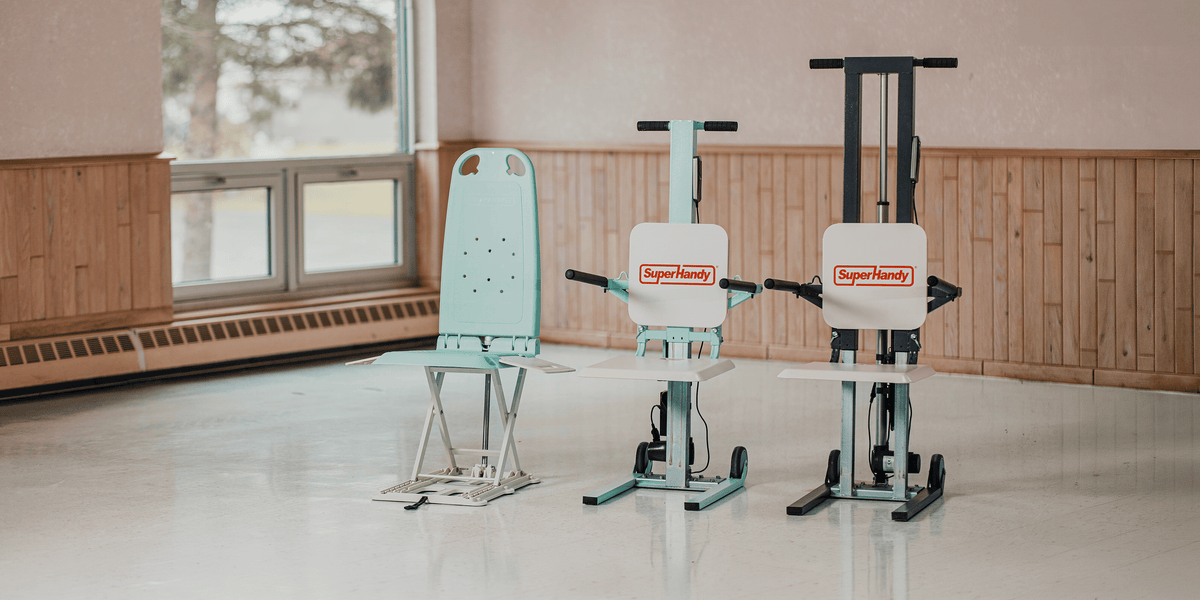
Different needs call for different solutions. A versatile transfer floor lift provides a comprehensive solution for moving a user from nearly any position, including from the floor. For individuals who can bear some weight, an electric standing lift can promote independence and muscle engagement. For more targeted transfers, like from a wheelchair to a toilet, a more compact electric chair lift offers a safe and efficient floor to sit transition.
Ultimately, a patient lift is not just an expense; it's an investment in safety, health, and the well-being of your entire family. By balancing the long-term financial commitment with the profound daily benefits, you can make an informed decision that enhances life for everyone involved.
Related Products





Leave a comment
All comments are moderated before being published.
This site is protected by hCaptcha and the hCaptcha Privacy Policy and Terms of Service apply.