











Understanding Your Mobility Needs: Beyond Basic Transportation
Choosing the right Mobility Scooter is about more than just getting from point A to point B; it’s about reclaiming your independence safely and confidently. Before you start looking at models, take a moment to assess your specific needs. Ask yourself:
- Where will I be riding? Will you primarily use it indoors on smooth floors, outdoors on paved sidewalks, or a mix of both? Do you need to navigate grass, gravel, or uneven paths at parks or in your community?
- What are my physical requirements? Do you experience challenges with balance, require extra support when sitting, or have limited hand strength? Honesty here is key to finding a scooter that truly supports you.
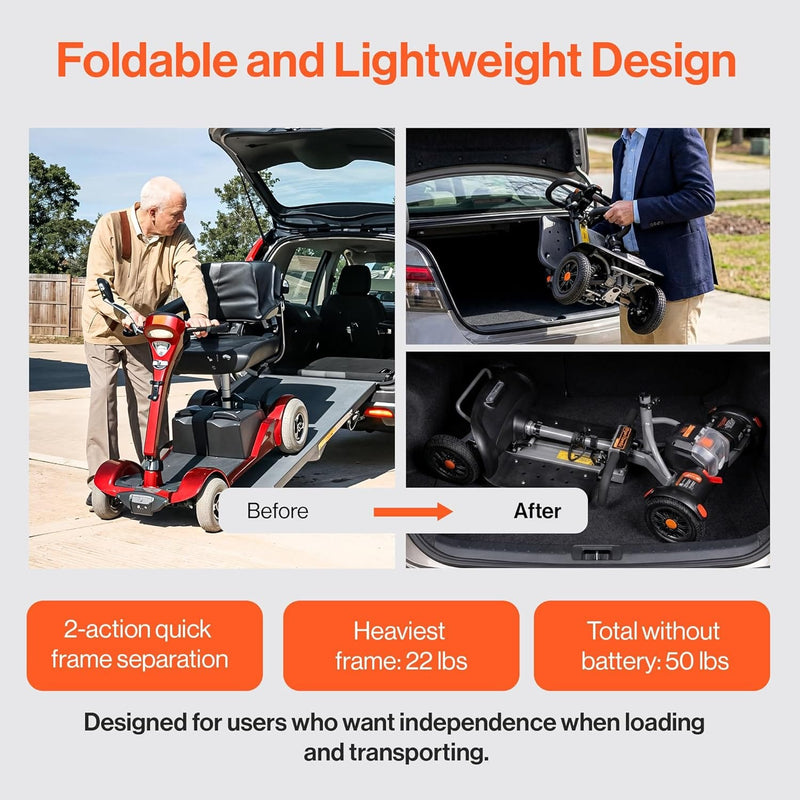
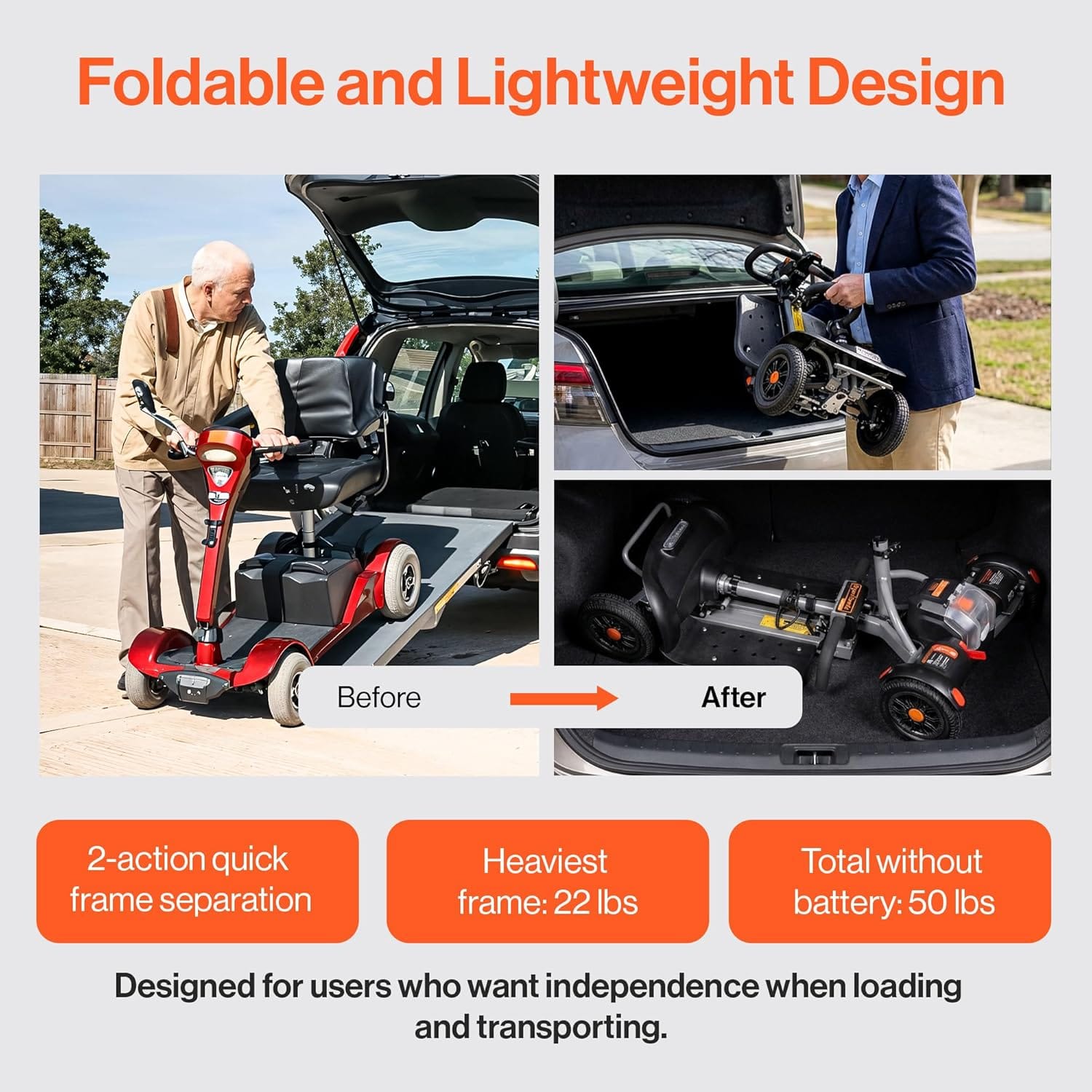
- How will I transport the scooter? Do you need a lightweight, foldable model that can fit in a car trunk, or will it primarily stay at home?
Answering these questions will help you move beyond basic features and focus on the enhanced stability and safety elements that will make the biggest difference in your daily life.
Key Stability Features: What to Look For in a Scooter Base
The foundation of a safe ride is a stable base. When you require enhanced stability, the design of the scooter's chassis is paramount. The most significant factor is the number of wheels. While 3-wheel scooters offer a tighter turning radius, 4-wheel models provide a much more stable platform, significantly reducing the risk of tipping, especially when turning or on uneven ground.
Look for these key features in a scooter’s base:
- Four-Wheel Design: This provides a wider, more rectangular wheelbase for maximum stability.
- Low Center of Gravity: Scooters that house their batteries and motor low to the ground are inherently more stable and feel more planted during operation.
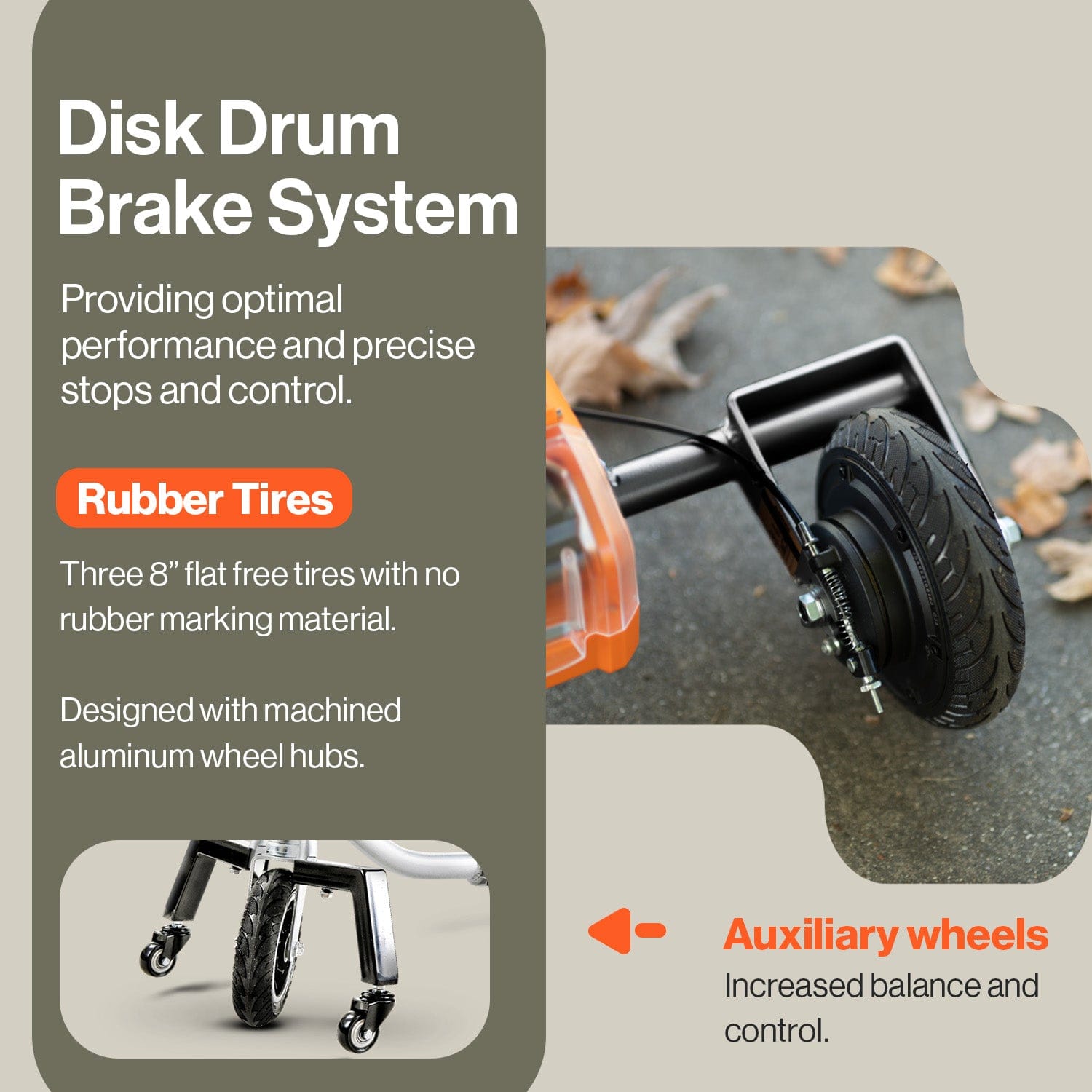
- Anti-Tip Wheels: These are small, essential wheels located at the back (and sometimes front) of the scooter. They prevent the scooter from tilting too far backward or forward when navigating inclines, curbs, or bumps. The Passport Prime Mobility Scooter, for instance, incorporates this crucial safety feature.

Advanced Braking Systems: Ensuring Reliable Stops on Any Terrain
A reliable braking system is non-negotiable for safety. Many modern electric mobility scooters feature an automatic electromagnetic braking system, which is the gold standard for users needing simple, dependable operation.
With an electromagnetic system, the scooter brakes automatically and smoothly the moment you release the throttle lever. This means you don't have to worry about squeezing a brake handle, which is ideal for individuals with arthritis or limited hand strength. The scooter will come to a complete stop and remain stationary, even on a slope, until you re-engage the throttle. This intuitive, fail-safe mechanism provides peace of mind, ensuring you are always in control and can stop quickly and securely when needed.
Tire Types and Tread: Grip and Durability for Confident Maneuvering
Your scooter's tires are its only point of contact with the ground, making them critical for both stability and ride quality. You will generally encounter two main types:
- Solid/Puncture-Proof Tires: These are made from solid rubber or filled with foam. Their biggest advantage is that they are maintenance-free and can never go flat, eliminating the worry of being stranded. They are excellent for use on firm surfaces like pavement, indoor flooring, and packed paths.
- Pneumatic (Air-Filled) Tires: Similar to bicycle tires, these provide a natural cushion that absorbs bumps, resulting in a smoother ride. However, they require you to check the air pressure and can be punctured.
For most users prioritizing safety and low maintenance, solid, puncture-proof tires like those on the Passport Mobility Scooter are the superior choice. Also, consider the tire size and tread. Larger diameter tires roll over obstacles and cracks more easily, while a deeper, more pronounced tread pattern provides better grip on wet surfaces or loose terrain, giving you more confidence in various conditions.
Suspension Systems Explained: Comfort and Control Over Bumps
Navigating the world often means encountering uneven sidewalks, bumpy paths, and thresholds. For a mobility scooter user, these small obstacles can feel like major hurdles, causing discomfort and compromising control. This is where a quality suspension system becomes essential. Suspension on an electric mobility scooter works by absorbing the shock from uneven terrain, preventing jarring vibrations from traveling through the frame to the rider.
A scooter with full suspension (both front and rear) provides the smoothest and most stable ride. It keeps the wheels in better contact with the ground, which improves traction and handling, especially when turning or traveling over loose surfaces. This not only enhances comfort, reducing strain on your back and joints, but also gives you greater confidence and control, making every journey safer and more enjoyable.
Seat and Steering Column Adjustability: Achieving an Ergonomic and Secure Riding Position
Your comfort and posture are directly linked to your ability to control your scooter safely. A one-size-fits-all approach doesn't work when stability is a priority. Look for a scooter with a highly adjustable seat and steering column (tiller).
- Seat Adjustments: A proper seat should be height-adjustable, allowing you to place your feet flat on the deck for maximum stability. Padded, swiveling seats, like the one found on the Passport Prime Mobility Scooter, make getting on and off the scooter significantly easier and safer. Adjustable armrests provide crucial side support and help you feel secure while in motion.
- Tiller Adjustments: An adjustable tiller allows you to bring the controls to a comfortable distance. This prevents you from needing to lean forward or stretch, both of which can unbalance the scooter and cause strain on your shoulders and back. An ergonomic setup ensures you have a relaxed grip and complete command over your steering.

Weight Capacity and Frame Strength: Supporting Your Needs Safely
One of the most critical safety specifications of any mobility scooter is its weight capacity. This number indicates the maximum load the scooter is engineered to handle safely, which includes not only the rider but also any personal items, shopping bags, or medical equipment you carry.
Exceeding the stated weight capacity is dangerous. It can compromise the scooter's stability, reduce braking effectiveness, and put excessive stress on the frame, motor, and tires, leading to premature wear or even structural failure. When choosing a scooter, always select a model with a weight capacity that is well above your own body weight. This provides a crucial safety buffer for any items you might transport. A strong, durable frame made from high-grade steel or aluminum is the backbone of a stable scooter, ensuring it can reliably support your needs day in and day out.
Lighting and Visibility Features: Being Seen and Navigating Safely
Your ability to see and be seen is paramount for safe operation, especially during early morning or evening trips, or in poorly lit indoor spaces. A comprehensive lighting and visibility package is a non-negotiable feature for anyone concerned with safety.
Look for scooters equipped with a full lighting system. A bright front headlight illuminates your path, helping you spot and avoid potential hazards. Rear taillights and brake lights, like those on the Passport Mobility Scooter, ensure you are visible to people and vehicles approaching from behind, clearly signaling when you are slowing down. For added safety in traffic, turn signals are invaluable for communicating your intentions. In addition to active lighting, passive features like reflectors on the sides, front, and rear of the scooter enhance your visibility from all angles.

Battery Life and Charging Options: Powering Your Independence
The battery is the heart of your electric mobility scooter, dictating how far and how long you can travel without needing to plug in. Range can vary significantly, from under 10 miles to over 30 miles on a single charge. Lithium-ion batteries are a popular modern choice, known for being lighter and charging faster than traditional Sealed Lead-Acid (SLA) batteries.
Consider your daily routines. Do you need a scooter for short trips to the store or all-day excursions? Also, look at charging convenience. Some scooters offer off-board charging, allowing you to bring just the battery indoors to charge, which is ideal if you store your scooter in a garage or shed. For those who travel, checking if the batteries are FAA-approved for air travel is a crucial step.
Maneuverability vs. Stability: Finding the Right Balance for Your Lifestyle
When choosing a Mobility Scooter, you'll often encounter a trade-off between maneuverability and stability.
- Four-wheel scooters provide the highest level of stability due to their wider base and even weight distribution. This makes them an excellent choice for users who prioritize safety, travel on varied outdoor terrain, or have balance concerns. The trade-off is a larger turning radius, which can make navigating tight indoor spaces like narrow hallways or small shop aisles more challenging.
- Three-wheel scooters offer superior maneuverability. Their smaller turning radius makes them nimble and easy to handle in confined areas. However, they are inherently less stable than four-wheel models, particularly when taking sharp turns at higher speeds.
The right choice depends entirely on your primary environment. If your life involves navigating crowded spaces and tight corners, you'll need to look for a four-wheel model with a competitively small turning radius. If your focus is on outdoor paths and open spaces where stability is paramount, a larger, more robust four-wheel scooter is ideal.

Understanding Different Scooter Classes: Which is Right for Enhanced Safety?
Mobility scooters are generally categorized into three main classes, each suiting different needs for stability and portability.
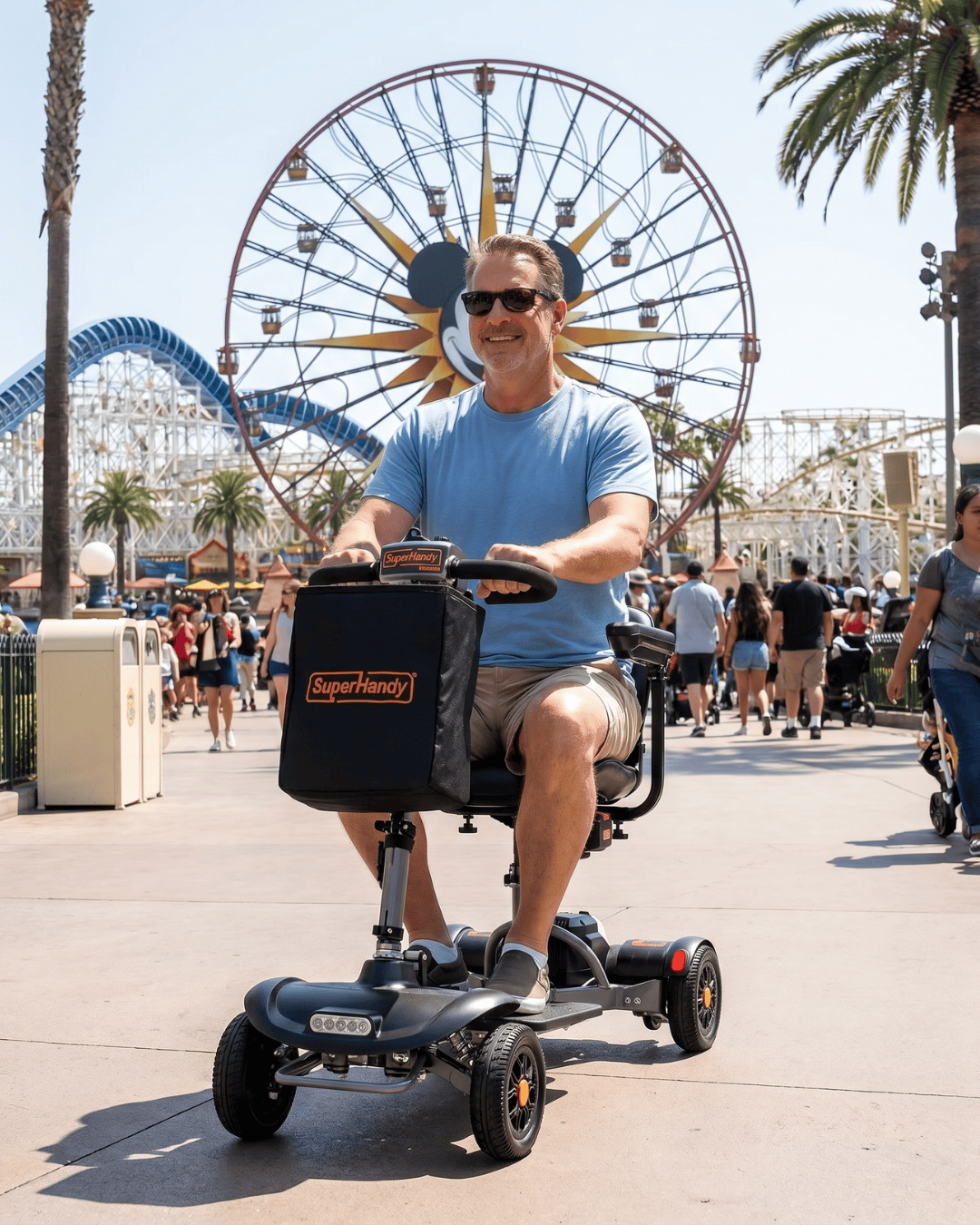
- Travel/Portable Scooters: These are the lightest and most compact models, designed to be easily disassembled or folded for transport in a car trunk or on an airplane. While incredibly convenient, they typically have a lower weight capacity and smaller wheels, making them best suited for smooth, flat surfaces like malls, cruise ships, and paved paths. Their stability is adequate for these environments but less so on rough ground.
- Mid-Size Scooters: This class offers a balance of features. They are more robust than travel scooters, with higher weight capacities, longer battery ranges, and often some suspension features. They provide good stability for everyday use, handling sidewalks, parks, and grocery stores with ease.
- Heavy-Duty & All-Terrain Scooters: For maximum stability and safety, this class is unmatched. These scooters feature the strongest frames, highest weight capacities, and most powerful motors. All-terrain mobility scooters differ from standard portable scooters in three big ways: they have higher ground clearance (typically 3.5-5 inches), full front-and-rear suspension, and larger pneumatic or knobby tires designed to absorb bumps and maintain traction on uneven ground. They are the best choice for users who live in rural areas, want to navigate grassy parks, or simply desire the most secure ride possible.
Essential Accessories for Enhanced Safety and Convenience
The right accessories not only add convenience but can significantly boost your safety and visibility. When outfitting your scooter, consider these essential additions:
- Safety Flag: A tall, brightly colored flag makes you more visible to cars, cyclists, and pedestrians, especially in busy areas.
- Rearview Mirrors: Just like in a car, mirrors are crucial for seeing what’s behind you without having to twist your body, which can compromise your balance.
- Upgraded Lighting: While most scooters come with a headlight, adding extra LED lights to the front and rear can dramatically improve your visibility in low-light conditions.
- Front Basket or Rear Saddlebag: Safely carrying personal items, groceries, or medical supplies prevents you from dangerously hanging bags on the tiller or holding them in your lap. The Passport Mobility Scooter is a great example of a model that can be equipped with these practical additions.
- Cane or Crutch Holder: A dedicated holder keeps your walking aid securely attached to the scooter and out of your way.
Where to Test Drive and Purchase: Ensuring a Proper Fit
Selecting an electric mobility scooter is a significant investment in your freedom and safety. Just as you wouldn't buy a pair of shoes without trying them on, you shouldn't purchase a scooter without ensuring it’s the right fit for your body and lifestyle. A proper fit goes beyond comfort—it’s a critical component of safe operation. A scooter that is too large can be difficult to maneuver, while one that is too small can feel unstable and cramped. Taking the time to test and evaluate a scooter is a crucial step.
Finding a Place for a Hands-On Trial
While the convenience of online shopping is undeniable, getting a real-world feel for a scooter can provide invaluable insight, especially when stability is your top priority. Here are a few places you can look for a test drive:
- Durable Medical Equipment (DME) Stores: These local showrooms are an excellent resource. They specialize in mobility aids and often have various models on the floor. The staff are typically knowledgeable and can help you compare different features, sizes, and brands in person.
- Specialized Mobility Retailers: Some businesses focus exclusively on mobility scooters and power chairs. They may have a wider selection and even indoor tracks or obstacle areas to simulate real-world conditions like ramps and tight corners.
- Community Health Fairs and Expos: Keep an eye out for local health and senior living expos. Vendors often bring their most popular models for attendees to see and try.
The Test Drive Checklist: What to Evaluate
When you have the opportunity to test a scooter, don't just take it for a simple spin. Be methodical in your evaluation to ensure it meets your stability and safety needs.
- Mounting and Dismounting: Can you get on and off the scooter easily and safely? Note the deck height and whether a swivel seat would make the process easier.
- Ergonomics and Adjustability: Once seated, check the fit. Is there enough legroom? Adjust the tiller (steering column) and armrests. Your arms should be relaxed, and you should be able to reach all controls without leaning or straining.
- Maneuverability: Drive the scooter forward and backward. Practice turning in both wide and tight circles. Pay attention to the turning radius and how stable the scooter feels during turns.
- Control and Braking: Test the throttle response. Is it smooth and easy to control? Engage the brakes to see how quickly and reliably the scooter stops.
- Ride Quality: If possible, drive over different surfaces, like a carpeted area, a smooth floor, or a small threshold. This will give you a feel for the tires and suspension system.
Purchasing Online vs. In-Store
After your test drive, you may find the perfect scooter in-store or decide to look online for more options or better pricing. Many users find that a combination of in-person testing and online research leads to the best outcome.
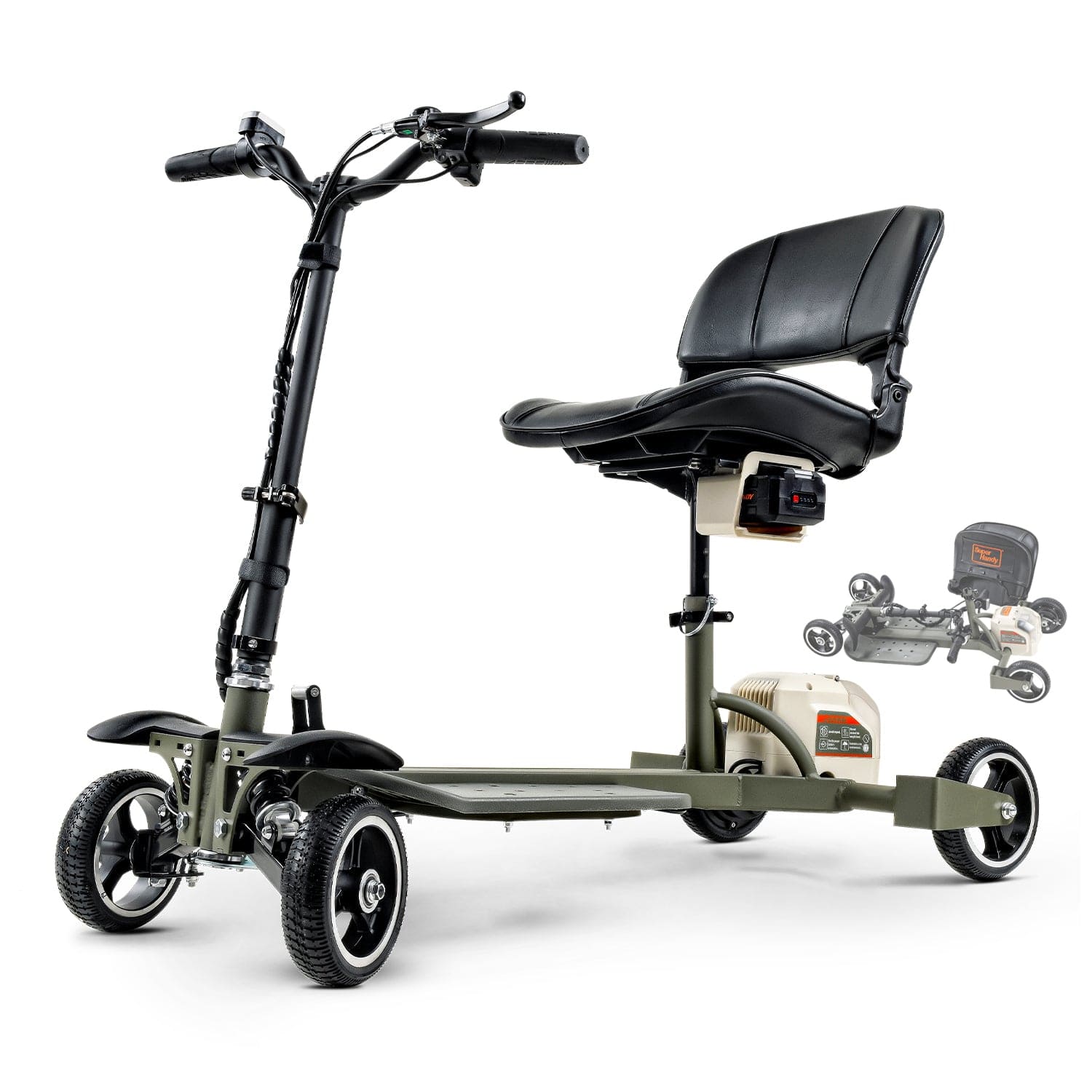
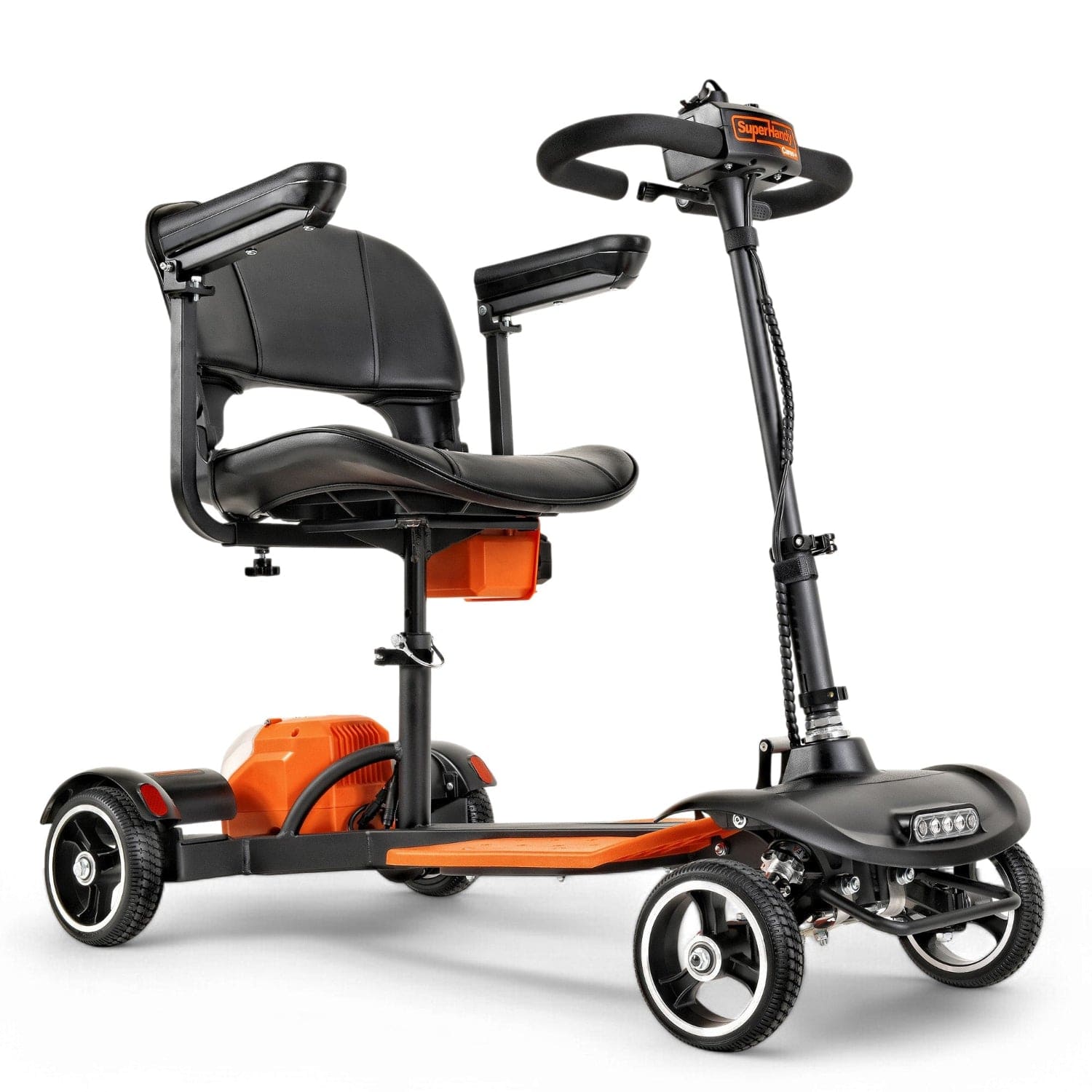
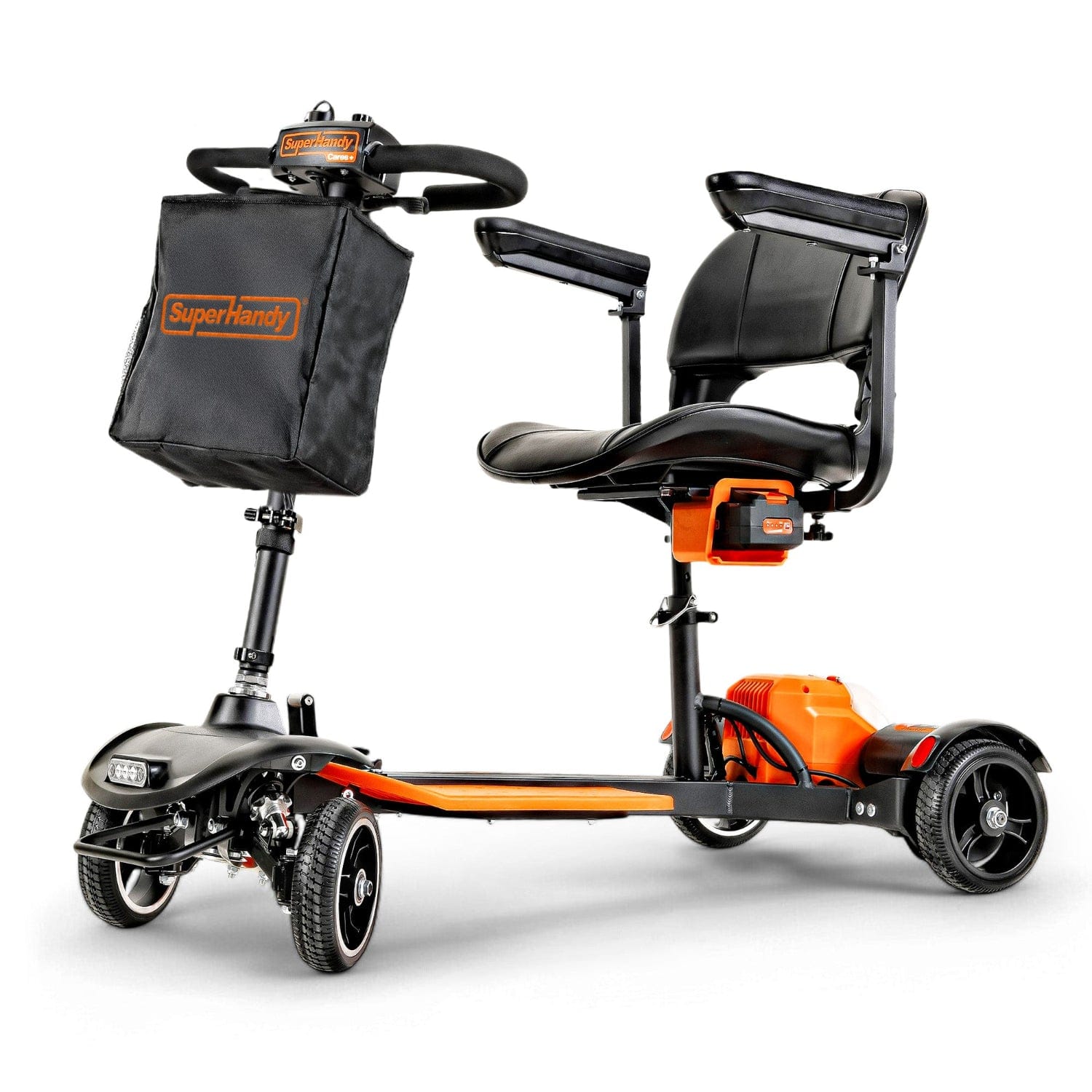
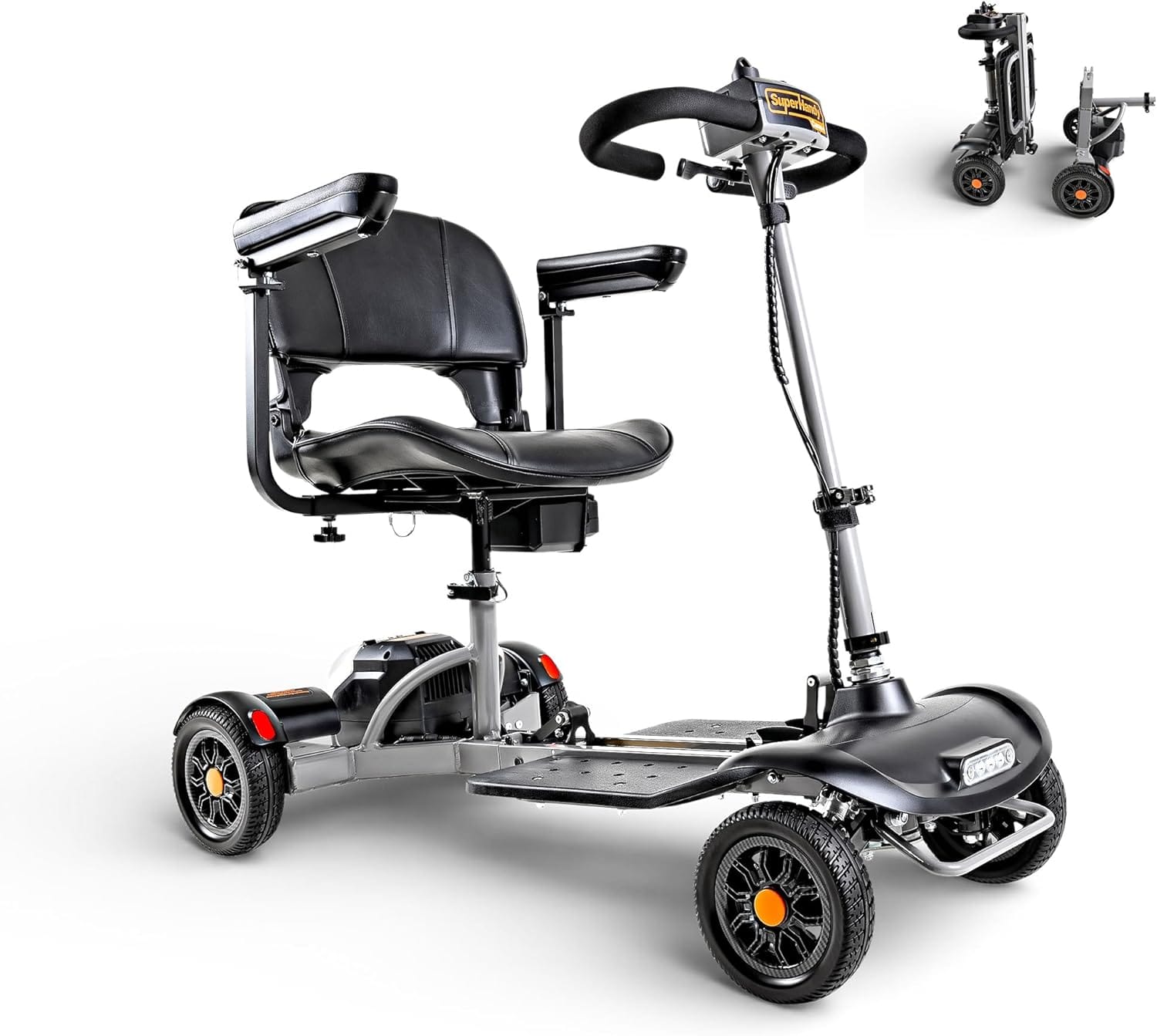
Buying online offers access to a vast selection, including innovative and compact models like the Passport Mobility Scooter or the feature-rich Passport Prime Mobility Scooter. When purchasing online, carefully review detailed product specifications, dimension charts, and customer reviews. Reputable online retailers provide extensive information to help you make a confident choice, along with clear warranty and return policies. Ultimately, whether you buy in-person or online, the goal is to find a Mobility Scooter that provides a secure, stable, and empowering ride.
Frequently Asked Questions About Mobility Scooters with Enhanced Stability
Are 4-wheel or 3-wheel mobility scooters more stable?
For users prioritizing stability, a 4-wheel electric mobility scooter is almost always the better choice. The four-point base provides a wider, more balanced footprint, significantly reducing the risk of tipping, especially when turning or navigating uneven surfaces like cracked sidewalks, lawns, or ramps. While 3-wheel scooters offer a tighter turning radius for indoor maneuverability, 4-wheel models deliver the confidence and security needed for a safer ride outdoors.
How does weight capacity relate to stability and safety?
A scooter's weight capacity is a crucial safety rating. Operating a scooter close to or beyond its weight limit puts excessive strain on the frame, motor, and braking system, which can compromise stability and lead to component failure. To ensure optimal safety and performance, always choose a scooter with a weight capacity that comfortably accommodates your body weight plus any personal items, groceries, or accessories you plan to carry.
Can I find a stable scooter that is also easy to travel with?
Absolutely. While many heavy-duty scooters are large, modern designs have successfully blended stability with portability. Lightweight, foldable scooters are now built with strong frames and smart engineering to provide a secure ride. Models like the Passport Mobility Scooter are designed for easy transport, and options like the Passport Prime Mobility Scooter offer an even more robust frame while remaining travel-friendly, proving you don't have to sacrifice stability for convenience.
Maintaining Your Scooter for Long-Term Safety and Performance
Just like a car, your mobility scooter requires regular maintenance to ensure it remains safe, reliable, and performs at its best. A proactive approach to care can prevent unexpected breakdowns and extend the life of your scooter. Follow this simple checklist to keep your ride in top condition.
Weekly Checks:
- Tires: If you have pneumatic (air-filled) tires, check the pressure and inflate them to the manufacturer's recommended PSI. For all tire types, inspect the tread for excessive or uneven wear and remove any embedded debris.
- Brakes: Test the braking system. The scooter should come to a smooth, firm stop without pulling to one side.
- Battery: Fully charge your battery after every use, if possible. Avoid letting the battery drain completely, as this can shorten its lifespan.
Monthly Checks:
- Cleaning: Wipe down the entire scooter, including the seat, tiller, and body panels. This not only keeps it looking good but also gives you a chance to spot any loose bolts, cracked plastic, or other potential issues.
- Connections: Ensure the battery terminals are clean, tight, and free of corrosion.
- Lights and Horn: Test all lights, turn signals, and the horn to ensure they are functioning correctly for maximum visibility and safety.
Annual Professional Service: At least once a year, it's wise to have your Mobility Scooter inspected by a qualified technician. They can perform a more in-depth service, including checking the motor brushes, wheel bearings, and electrical components, ensuring your scooter remains a safe and dependable partner for your independence.
Related Products

Leave a comment
All comments are moderated before being published.
This site is protected by hCaptcha and the hCaptcha Privacy Policy and Terms of Service apply.