










Choosing the Right Heavy-Duty Mobility Scooter for Your Outdoor Adventures
Your journey begins with selecting a mobility scooter that can handle more than just smooth pavement. While standard models are great for indoor use or sidewalks, parks and gardens present a unique set of challenges, from gravel paths to grassy slopes. A heavy-duty or all-terrain scooter is specifically designed for this kind of exploration.
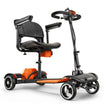
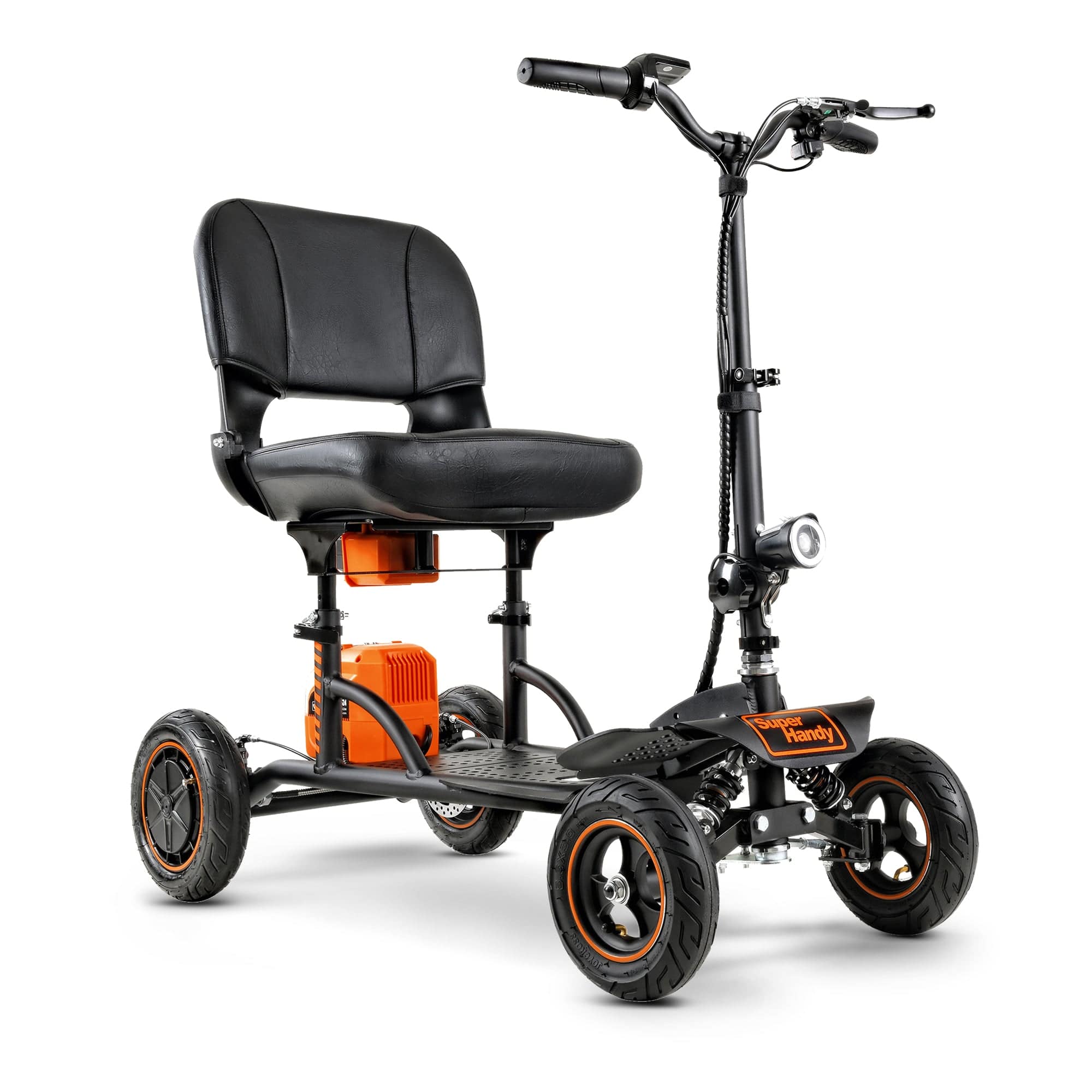
When choosing, stability is paramount. Many public spaces have regulations regarding the types of personal mobility devices allowed. For example, to ensure visitor safety, some venues like Longwood Gardens specify that "personal mobility devices that have less than three wheels or a device that cannot stand on its own in an upright position when unoccupied are not permitted](https://longwoodgardens.org/visit/accessibility)." This makes stable 3-wheel and, even better, 4-wheel scooters the ideal choice. A model like the Passport flex mobility scooter provides a sturdy 4-wheel base, giving you the confidence to navigate varied landscapes while complying with common park rules.
Key Features to Look for in an All-Terrain Mobility Scooter
Not all heavy-duty scooters are created equal. When you're planning to spend your days exploring the great outdoors, look for specific features that enhance performance, comfort, and reliability.
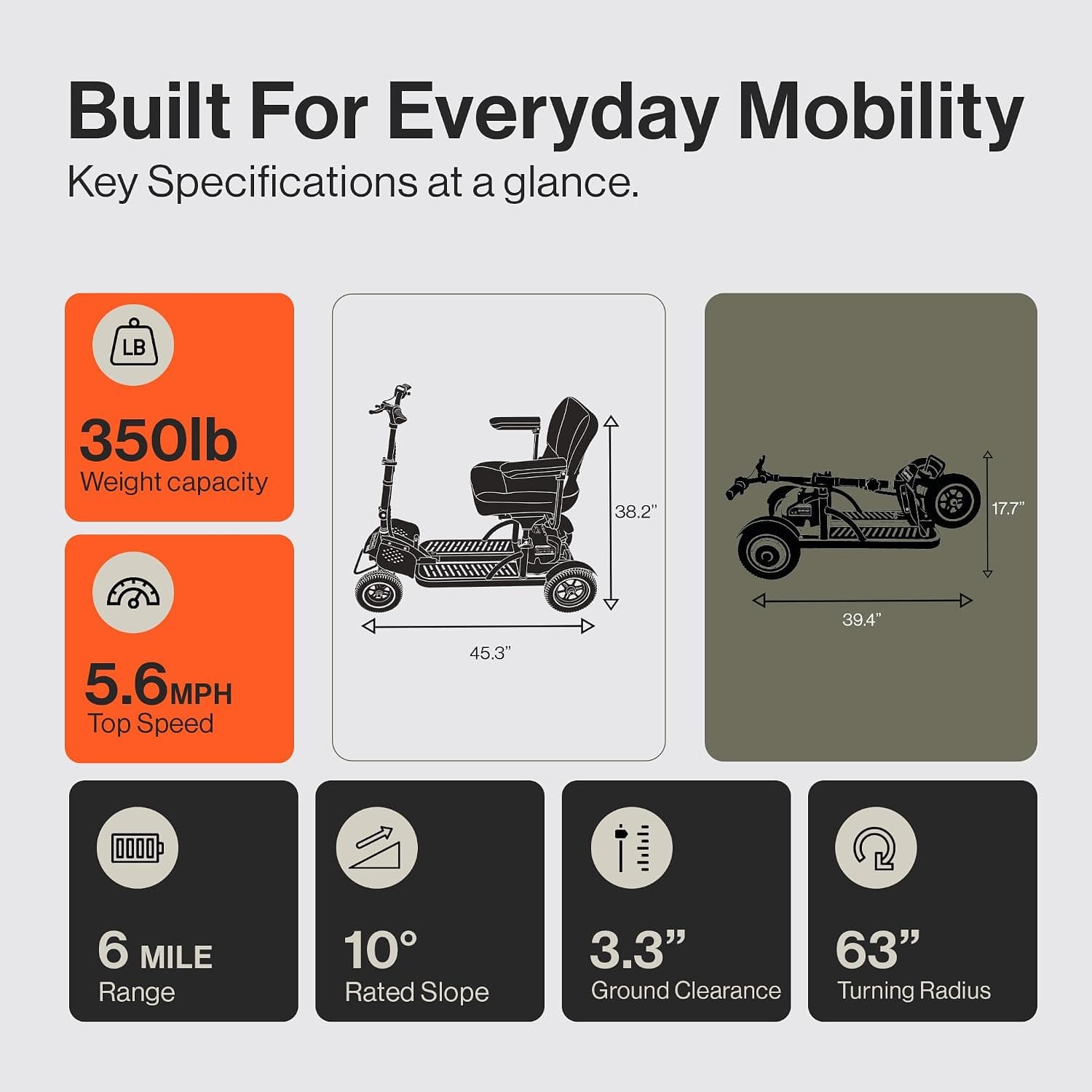
- Battery Range: A long-lasting battery is non-negotiable. Look for a scooter with a high-capacity battery that offers a range of 10+ miles on a single charge. This ensures you can explore a large park without worrying about running out of power.
- Tires and Suspension: The tires are where your scooter meets the trail. Large-diameter, non-marking, and puncture-proof tires provide superior traction and durability on grass, dirt, and gravel. A robust suspension system will absorb bumps and shocks, delivering a much smoother and more comfortable ride on uneven terrain.
- Ground Clearance: This is the space between the ground and the underside of your scooter. A higher ground clearance (typically 3-4 inches or more) is crucial for clearing small rocks, tree roots, and uneven patches without getting stuck.
- Power and Weight Capacity: A powerful motor is essential for climbing hills and navigating inclines often found in parks. Also, consider the scooter's weight capacity to ensure it can safely support you along with any items you bring, like a backpack or picnic basket.
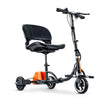
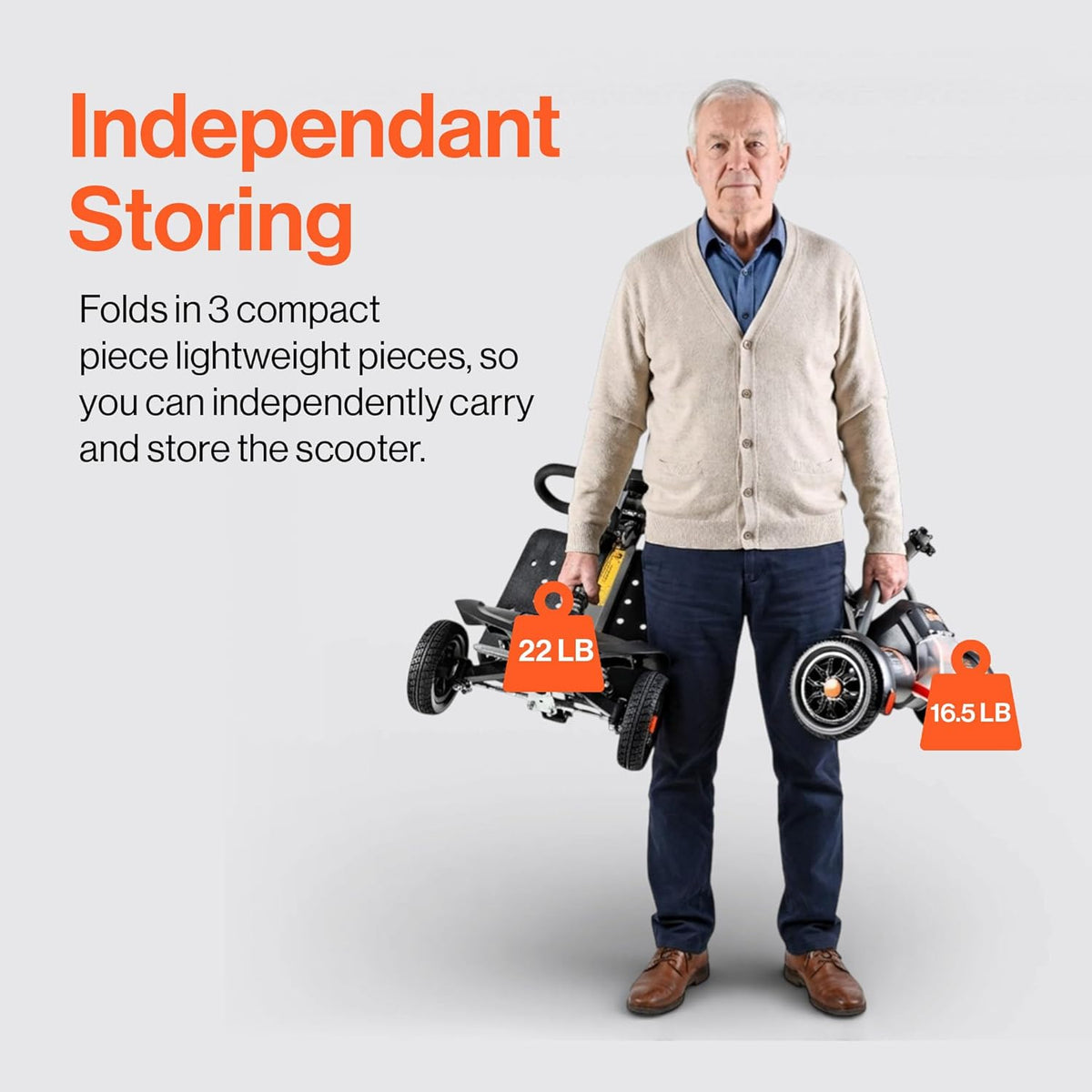
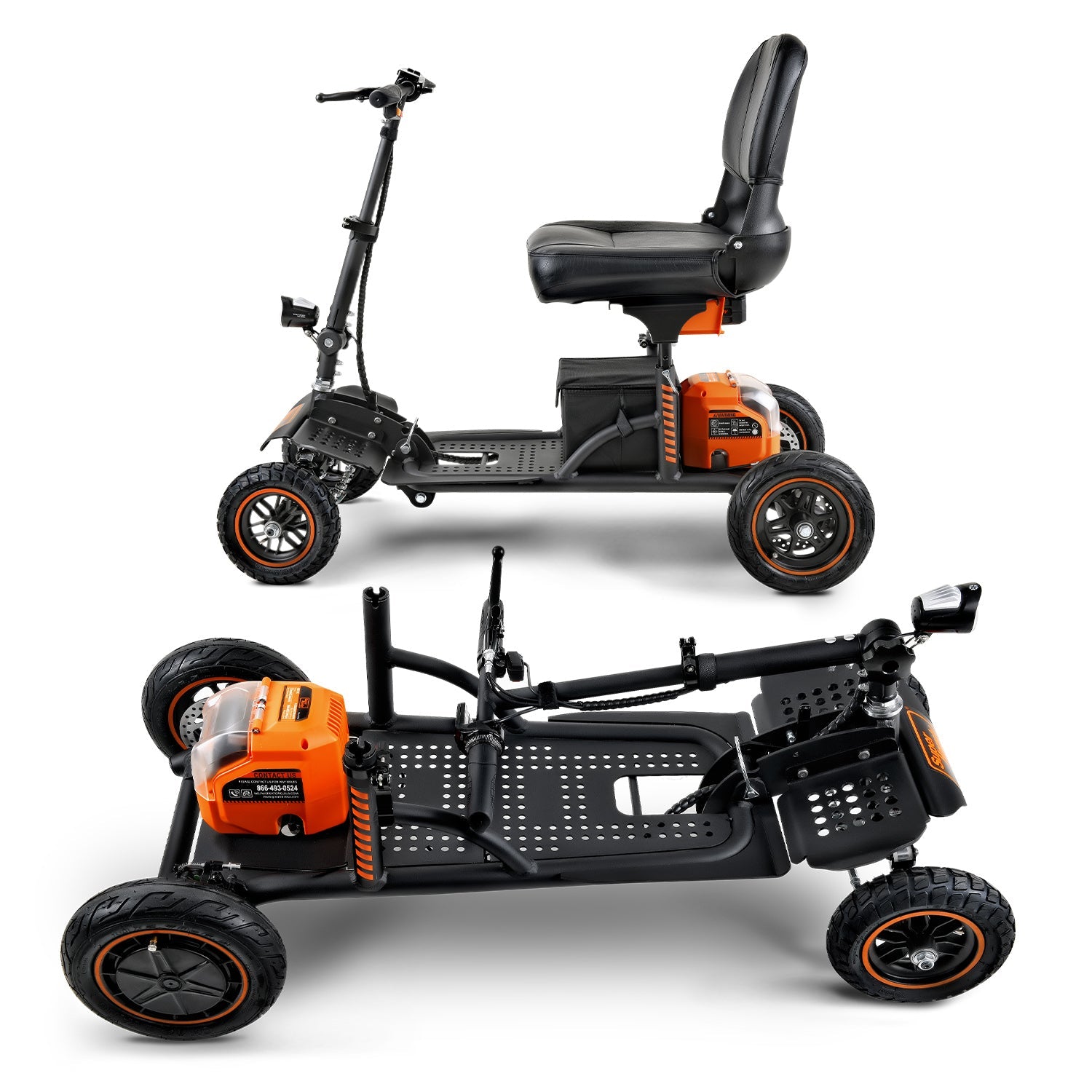
- Portability: Even a heavy-duty scooter should be easy to transport. Models that are lightweight or can be quickly folded or disassembled, like the Passport prime mobility scooter, make it simple to load your scooter into a car trunk and head to your destination.

Preparing Your Mobility Scooter for a Day at the Park
A little preparation goes a long way in ensuring a smooth and enjoyable outing. Before you head out, run through this simple pre-ride checklist:
- Charge the Battery Completely: This is the most critical step. Plug in your scooter the night before your trip to ensure you start the day with a 100% charge.
- Inspect the Tires: Check your tires for any visible wear or damage. If you have pneumatic (air-filled) tires, check the pressure and inflate them to the manufacturer's recommended PSI for optimal performance.
- Test All Controls: Do a quick function check. Make sure the throttle is responsive, the brakes engage properly, the horn works, and the headlights and taillights are operational for safety in shaded areas or as the sun sets.
- Secure Your Belongings: If you're using a basket or other storage accessory, ensure it's firmly attached and that your items are secure and won't shift or fall out on bumpy paths.
Navigating Park Entrances and Parking with Your Scooter
The first challenge of any park visit is simply getting in. Fortunately, most parks are equipped to welcome visitors using mobility devices.
Start by checking the park's official website for an accessibility guide or map. This will often provide crucial information on the best places to park and the locations of accessible entrances. Look for designated accessible parking spots, as they are typically wider and located on level ground, making it much safer and easier to unload your scooter.
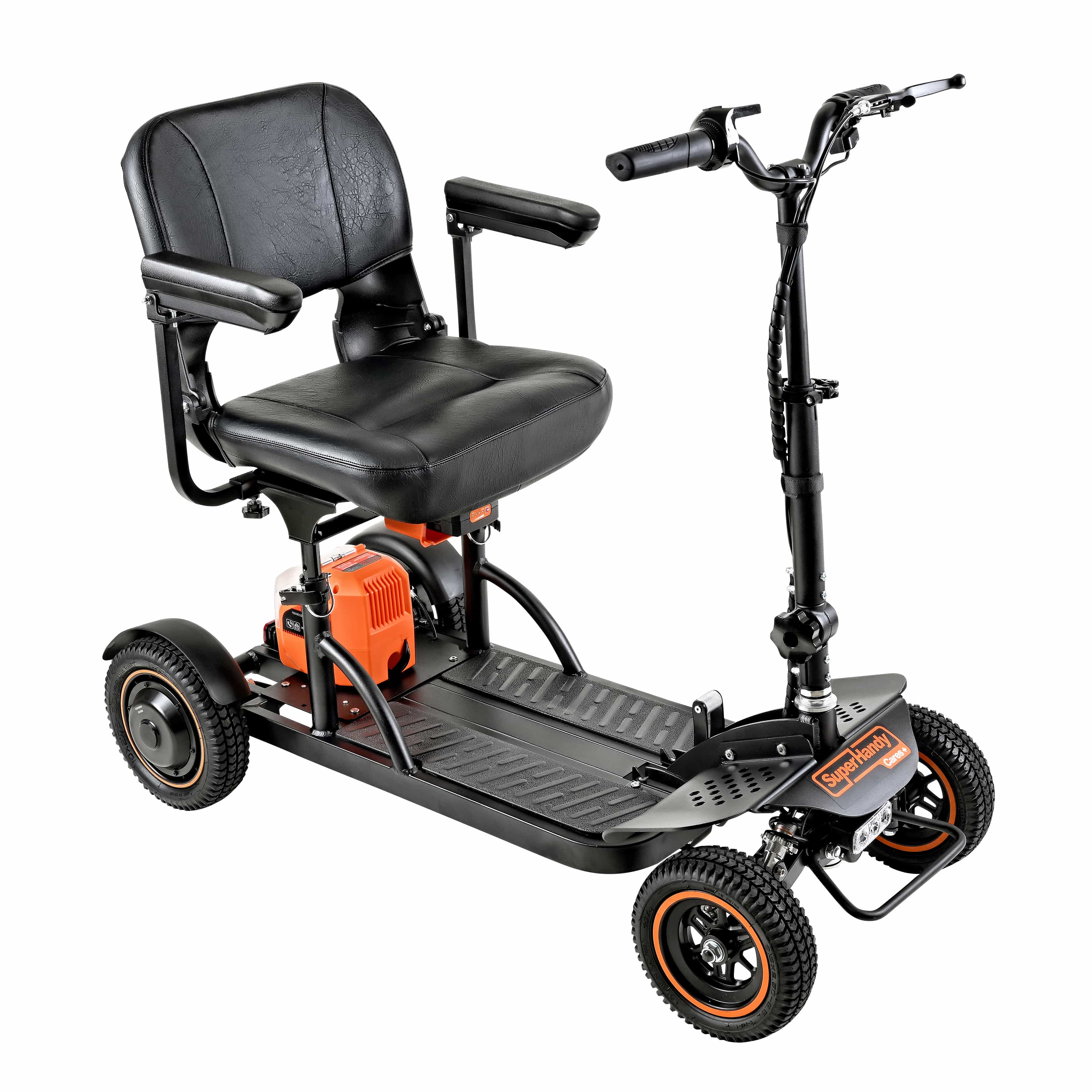
When you arrive, find a flat, stable surface to transfer your scooter from your vehicle. Avoid unloading on soft grass or a steep slope. As you approach the entrance, you may encounter gates or bollards. Many parks have a specific, wider access gate for wheelchairs and scooters. A scooter with a good turning radius, like the versatile Explorer mobility scooter, can make maneuvering through these tight spots much easier. If you're unsure where to go, don't hesitate to ask a park ranger or staff member for assistance. They can direct you to the most accessible routes and ticket counters.
Discovering Accessible Trails and Paths in Parks
Once you arrive, the real adventure begins. But where to go? Many parks and gardens have made significant strides in accessibility, but it's still wise to do a little research. Start by checking the park’s official website or stopping by the visitor center upon arrival. They often provide maps specifically highlighting accessible routes.
When evaluating a trail, look for these key characteristics:
- Surface: Paved asphalt or concrete paths are the gold standard for accessibility. Hard-packed dirt or fine gravel can also be manageable for a robust electric mobility scooter.
- Width: Ensure the trail is wide enough for your scooter to pass comfortably, especially if it’s a two-way path. A minimum width of 36 inches is a common accessibility standard.
- Slope: Look for information on the trail's grade. While a heavy-duty scooter can handle inclines, knowing what to expect helps you conserve battery and plan your energy.
Many botanical gardens, for example, prioritize creating an inclusive environment. As noted in the Accessibility | New York Botanical Garden guide, smooth, level pathways offer better accessibility for people who use mobility devices such as wheelchairs or scooters. These thoughtfully designed routes ensure that everyone can enjoy the beauty of the exhibits without struggling with the terrain.
Overcoming Natural Obstacles: Hills, Uneven Terrain, and Mud
A key advantage of a heavy-duty mobility scooter is its ability to handle more than just a smooth sidewalk. Nature is rarely flat, but with the right equipment, you can confidently navigate its challenges.
- Hills and Inclines: A powerful motor and a good climbing-angle rating are essential for tackling slopes without straining your scooter's battery. The robust design of a model like the Explorer mobility scooter is built for exactly these kinds of challenges, giving you the torque needed to ascend gradual hills.
- Uneven Terrain: Park trails can be littered with small roots, loose gravel, or grassy patches. A scooter with good ground clearance, large, air-filled (pneumatic) tires, and a quality suspension system will absorb the bumps, providing a much smoother and more stable ride. The four-wheel design of the Passport flex mobility scooter offers an excellent base of support on varied surfaces.
- Mud and Wet Ground: Use caution. While all-terrain tires provide better traction, deep mud can pose a risk to any electric mobility scooter. After a heavy rain, it's best to stick to paved paths or check trail conditions with park staff before heading out on unpaved routes.

Essential Accessories for a Comfortable and Safe Park Visit
The right accessories can transform a good day out into a great one, enhancing your comfort, safety, and convenience. Consider equipping your mobility scooter with a few of these essentials before your trip.
For Safety:
- High-Visibility Flag: Makes you more visible to cyclists, pedestrians, and park vehicles.
- Horn or Bell: A simple way to politely alert others of your presence on the trail.
- LED Lights: Crucial for visibility if you plan to be out in the early morning or late afternoon.
For Comfort & Convenience:
- Cup and Phone Holders: Keep your water and navigation tools within easy reach.
- Rear Basket or Saddlebags: Perfect for stowing a picnic lunch, a blanket, binoculars, or an extra jacket.
- Weather Protection: A collapsible canopy can provide welcome shade from the sun or a shield from an unexpected light shower.
Many modern scooters, such as the Passport prime mobility scooter, are designed with accessory integration in mind, making it easy to customize your ride for the perfect day of exploration.
Planning Your Route: Identifying Accessible Gardens and Attractions
A little pre-planning ensures you can maximize your time enjoying the park rather than figuring out where you can and can't go. Before you leave home, pull up the park's map on your computer or tablet.
Look for icons that indicate accessible features. Your goal is to chart a course that connects the sights you want to see with the facilities you might need. Identify the locations of:
- Accessible restrooms
- Designated accessible picnic areas
- Scenic viewpoints with paved access
- Visitor centers, cafes, or conservatories with ramped entrances
Don't hesitate to call the park's main office and ask specific questions. Inquire about the condition of paths leading to a particular rose garden or whether the bridge over the creek is scooter-friendly. For destinations that involve both outdoor paths and indoor exhibits, a versatile and easily maneuverable scooter like the Passport mobility scooter or the slightly larger Passport plus mobility scooter can be ideal. By creating a loose itinerary, you can explore with confidence and peace of mind.
Maximizing Your Experience: Photography, Picnics, and Relaxation
A trip to a park or garden is about more than just getting from point A to point B; it's about soaking in the atmosphere. Your heavy-duty mobility scooter is the perfect companion for making the most of these moments.
- Photography: Forget shaky hands. The stable base of your electric mobility scooter can act as a makeshift tripod, allowing you to capture crisp, clear photos of flowers, wildlife, and landscapes. Many users find that the seated position offers a unique and comfortable perspective for framing the perfect shot.
- Picnics: Don't be limited by what you can carry. A model like the Passport plus mobility scooter comes with ample basket storage, perfect for packing a delicious picnic. Find a scenic, accessible spot off the main path, park your scooter, and enjoy an alfresco meal surrounded by nature.
- Relaxation: The primary benefit of using a mobility scooter is energy conservation. Instead of tiring yourself out walking to a viewpoint, you can arrive feeling refreshed and ready to relax. Drive to a quiet bench by a lake or a shady spot under a large tree, turn off the motor, and simply enjoy the peace and quiet.
[IMAGE PLACEHOLDER] A person enjoying a picnic in a park, with their mobility scooter parked beside a blanket laden with food.
Understanding Park Regulations and Etiquette for Scooter Users
To ensure a smooth and pleasant visit for everyone, it’s crucial to be aware of the rules and best practices for using your electric mobility scooter in public parks.
Most parks welcome mobility aids, but specific regulations can vary. Before you go, check the park’s official website or call their visitor center to ask about:
- Speed Limits: Some parks may have posted speed limits on shared-use paths.
- Path Access: While many primary paths are accessible, some narrower or natural-surface trails may be off-limits to motorized vehicles.
- Designated Areas: Be aware of any areas restricted to foot traffic only, such as delicate garden beds or historical structures.
Beyond formal rules, practicing good scooter etiquette makes the experience better for all visitors:
- Yield to Pedestrians: Pedestrians always have the right-of-way. Slow down and give them plenty of space.
- Announce Your Presence: Use a friendly "excuse me" or a gentle bell/horn when you need to pass. Avoid startling others.
- Stay on the Path: Stick to designated trails to protect fragile ecosystems and landscaping.
- Control Your Speed: Travel at a walking pace in crowded areas to ensure you can stop quickly if needed.
Dealing with Weather Changes and Emergency Preparedness
An outdoor adventure means being prepared for Mother Nature’s unpredictability. A little planning can keep a sudden weather change or a minor issue from ruining your day.
Always check the weather forecast before heading out. If there's a chance of rain, pack a lightweight poncho for yourself and a waterproof cover for your scooter’s tiller and control panel to protect the electronics. On sunny days, a wide-brimmed hat, sunscreen, and plenty of water are essential. Remember that extreme cold can affect battery performance, so factor that into your range calculations on chilly days.
For emergencies, follow this simple checklist:
- Start with a Full Charge: Never leave home without fully charging your scooter’s battery.
- Bring Your Phone: Ensure your mobile phone is fully charged and consider carrying a portable power bank.
- Inform Someone: Let a friend or family member know your destination and expected return time.
- Pack a Small Toolkit: A basic kit with a wrench and screwdrivers can help with minor adjustments, like tightening a loose mirror.
Maintaining Your Mobility Scooter After an Outdoor Excursion
After a day of navigating park trails, your mobility scooter will need a little TLC to keep it running smoothly for your next adventure. Taking a few minutes for post-trip maintenance is one of the best ways to protect your investment.
Start with a thorough cleaning. Park terrain can leave behind dirt, mud, grass, and other debris.
- Wipe Down: Use a damp cloth to wipe down the scooter’s body, frame, and seat. Avoid spraying water directly onto electronic components.
- Check the Undercarriage: Carefully inspect the area around the motor and wheels for tangled grass, twigs, or caked-on mud.
- Clean the Tires: Use a soft brush to clean the tire treads. This is also a great time to inspect them for any embedded objects or signs of wear.
Once your scooter is clean, perform a quick inspection. Check that all nuts and bolts are secure, test your lights and horn, and check the tire pressure. A durable model like the Explorer mobility scooter is built for the outdoors, but regular checks ensure its longevity. Finally, plug in your scooter and let the battery fully recharge. This way, it will be ready to go whenever your next outdoor journey calls.

Frequently Asked Questions About Using Mobility Scooters in Parks and Gardens
Navigating parks and gardens on a mobility scooter opens up a world of exploration. To help you prepare, we've answered some of the most common questions about using your scooter in these beautiful outdoor spaces.
Are mobility scooters allowed in most parks and gardens?
Generally, yes. In many countries, public spaces like national and local parks are required by law to be accessible to individuals with disabilities, which includes the use of mobility devices. Most parks welcome electric mobility scooter users on their paved and accessible pathways. However, rules can vary, especially in privately owned gardens or protected conservation areas. Some may have restrictions on certain trails that are too narrow, steep, or ecologically sensitive. It's always a best practice to visit the park's official website or call their visitor center ahead of time to confirm their specific policies.
What type of mobility scooter is best for parks?
While a standard scooter can handle well-paved garden paths, a heavy-duty or all-terrain model is your best bet for a wider range of park experiences. Look for a scooter with high ground clearance, a powerful motor for climbing hills, and robust, air-filled or solid tires with good tread for handling varied surfaces. A long-lasting battery is also crucial.
For maximum stability and power on challenging trails, a model like the Explorer mobility scooter is an excellent choice. If you're visiting landscaped gardens with a mix of paved and gravel paths, the versatile Passport flex mobility scooter offers a great balance of comfort and capability.
How do I know if my scooter's battery will last for the whole visit?
Range anxiety is a valid concern, but it can be managed with a little planning. First, always start your trip with a fully charged battery. Check your scooter's specifications for its maximum travel range and compare that to the size of the park and the distance you plan to cover. You can often find trail distances on park maps.
Remember that the advertised range is usually based on ideal conditions. Your actual range will be lower when navigating hills, rough terrain, or carrying a heavier load. If you're planning a long day of exploration, consider a model with an extended battery life, like the Passport prime mobility scooter, or see if your scooter allows for a swappable backup battery.
Can I take my mobility scooter on unpaved or grassy areas?
This depends entirely on your scooter's design and the park's regulations. A heavy-duty mobility scooter with good suspension and all-terrain tires can often handle firm grass, packed dirt trails, and gravel paths. However, you should always be cautious. Avoid soft sand, deep mud, and extremely uneven ground, as these can cause your scooter to get stuck or even tip over. Sticking to designated trails is not only safer for you but also helps protect the park's delicate ecosystem from damage.
What should I do if my scooter breaks down in a park?
First, stay calm and ensure you are in a safe, visible location off to the side of the path. If you are with a companion, they can go for help. If you are alone, your cell phone is your most important tool. Before your trip, save the park's main office or ranger station phone number. You should also have the number of a friend, family member, or a roadside assistance service that covers mobility scooters. Regular pre-trip maintenance checks on your tires, battery, and brakes can significantly reduce the risk of a breakdown.
Are there any special rules or etiquette I should follow?
Yes, practicing good etiquette ensures a safe and pleasant experience for everyone.
- Speed: Maintain a safe speed, equivalent to a walking pace, especially in crowded areas or when approaching blind corners.
- Yielding: Pedestrians always have the right-of-way. Be prepared to slow down or stop for people, especially children and pets.
- Passing: When passing others on a trail, keep to the left and give a friendly verbal warning like, "Passing on your left," or use your scooter's horn if it has one.
- Stay on the Path: Stick to marked trails to protect plant life and prevent soil erosion.
- Respect Wildlife: Observe animals from a distance and never feed them.
Related Products



Leave a comment
All comments are moderated before being published.
This site is protected by hCaptcha and the hCaptcha Privacy Policy and Terms of Service apply.