








Why Invest in a Wood Chipper? Understanding the Benefits
If you have a yard with trees and shrubs, you know the struggle. After a storm or a weekend of pruning, you’re left with towering piles of branches, limbs, and leaves. Dealing with this debris can be a time-consuming and costly chore, involving endless chopping, bagging, or hauling. This is where a wood chipper becomes an indispensable tool, turning a mountain of a problem into a molehill of manageable material.
Investing in a quality Wood Chippers offers several powerful benefits:
- Rapid Yard Cleanup: A chipper dramatically speeds up the process of clearing fallen branches and pruning debris. It efficiently processes large volumes of material, saving you hours of manual labor.
- Waste Volume Reduction: Wood chippers can reduce the volume of your yard waste by a ratio of up to 15:1. This means fewer trips to the local dump, lower disposal fees, and a much tidier property.
- Creation of Valuable Mulch: The wood chips your machine produces are a fantastic resource. Use them as organic mulch in flower beds and around trees to suppress weeds, retain soil moisture, and regulate soil temperature. You can also add them to your compost bin as a valuable carbon-rich "brown" material.
Types of Wood Chippers: Which Category Fits Your Yard?
While the terms are often used interchangeably, it’s helpful to understand the slight differences between a "wood chipper" and a "chipper shredder."
- Wood Chipper: These machines are specifically designed to handle hard, woody material like tree branches and limbs. They typically use a rotating drum or disc with sharp steel blades to slice wood into small chips.
- Leaf Shredder: These are designed for softer, green material like leaves, plant stalks, and small twigs. They use blunt hammers or string-based flails to pulverize debris.
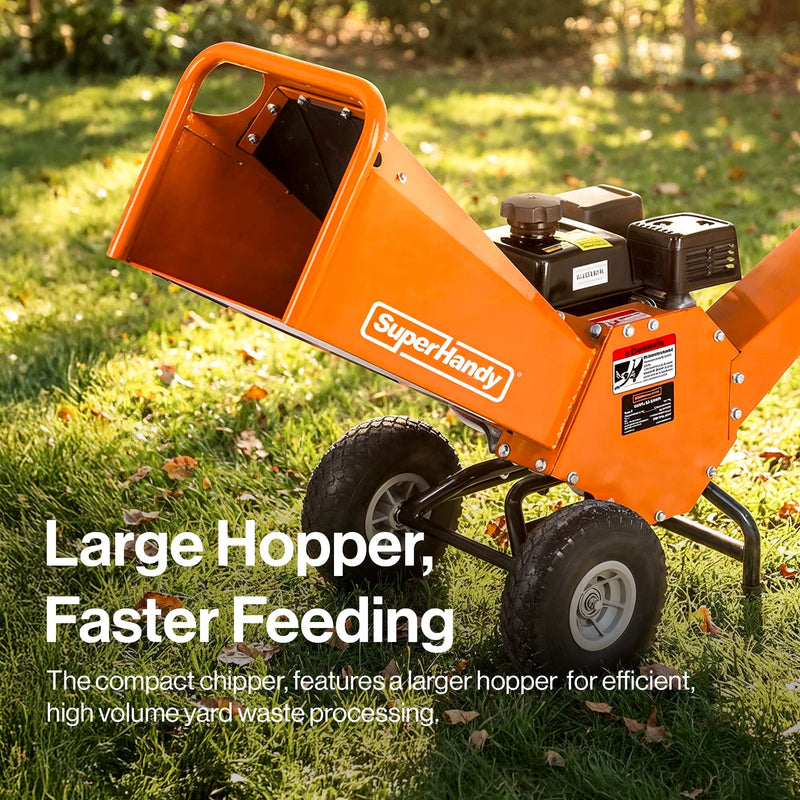
- Chipper Shredder: This is the most popular and versatile category for homeowners. A chipper shredder combines both functions into one machine. It will have a narrow side chute for feeding branches into the chipping blades and a larger top-mounted hopper for dropping in leaves and lighter yard waste to be shredded.
For most residential needs, a combination chipper shredder provides the best of both worlds, allowing you to process all types of yard debris with a single piece of equipment.
Understanding Wood Chipper Capacity: What Size Branches Can It Handle?
A chipper's "capacity" refers to the maximum diameter of a branch it can process. This is one of the most important specifications to consider, as it directly relates to the machine's power and intended use. Choosing the right capacity ensures you won’t overwork your machine or be left with branches it can't handle.
- Up to 2-Inch Capacity: Typically found on electric models, these chippers are suitable for small yards with light pruning needs, such as trimming small ornamental trees or shrubs.
- 2 to 3-Inch Capacity: This is the sweet spot for the average homeowner. Wood Chippers in this range are powerful enough to handle the majority of branches from common yard trees after pruning or storm damage.
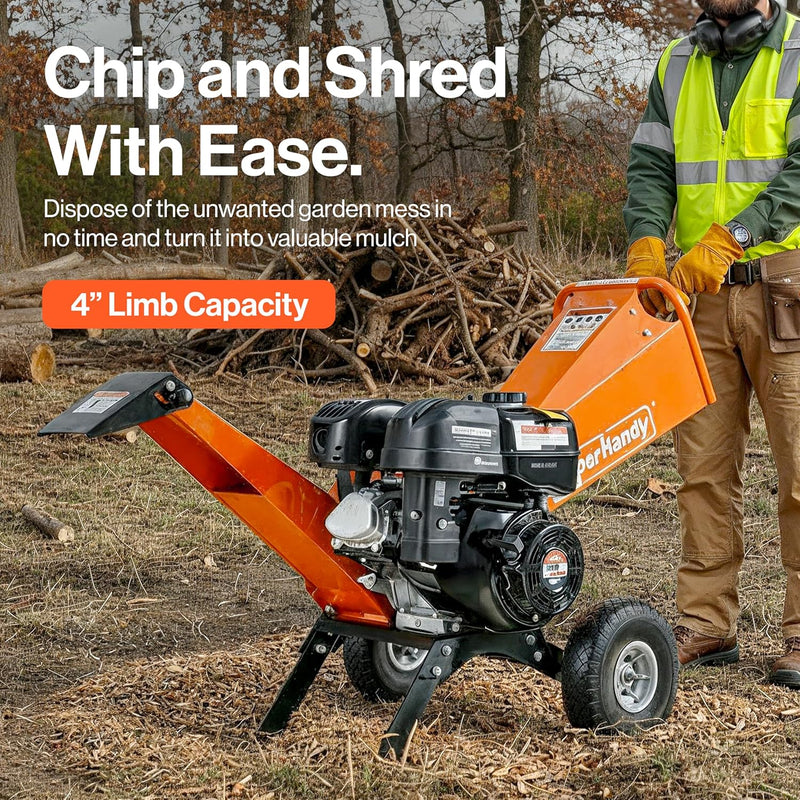
- 4-Inch Capacity and Above: These are heavy-duty, gas-powered machines built for large properties, clearing dense brush, or frequent, demanding work. A Wood Chippers with this capacity offers pro-grade performance for the toughest jobs.
Pro Tip: A chipper’s maximum capacity rating is usually for fresh, green wood. Dry, hardened wood is significantly tougher to chip. It’s always wise to choose a machine with a capacity slightly larger than the branches you expect to process regularly.
Powering Your Chipper: Electric vs. Gas Engines Explained
The choice between an electric or gas-powered engine will define your chipper's performance, portability, and maintenance routine.

Electric Wood Chippers
Electric chippers are an excellent choice for smaller suburban lots.
- Pros: They are significantly quieter than gas models, lighter, and easier to store. They start with the push of a button and require minimal maintenance, with no need for fuel, oil changes, or spark plugs.
- Cons: Their primary limitation is power; they generally top out at a 2.5-inch chipping capacity. They are also tethered by a power cord, limiting their range unless you have a battery-powered model.
Gas-Powered Wood Chippers
For larger properties or more demanding jobs, a gas engine is the way to go.
- Pros: Gas chippers offer superior power and performance, capable of tackling branches 3 inches in diameter and larger. They are completely portable, allowing you to take the machine directly to the debris pile anywhere on your property.
- Cons: They are louder, heavier, and produce emissions. They also require more maintenance, including regular checks of fuel, oil, and air filters. Keeping any power tool in good working order is a core principle of safe operation, as noted in the OSHA hand and power tool safety guidance.
Key Features to Look For in a Wood Chipper
Beyond the core specifications of power and capacity, several key features separate a good wood chipper from a great one. The design of the blades is paramount. Look for machines with multiple, hardened steel blades; more blades generally result in finer chips and smoother operation. Reversible blades are a fantastic feature, as they effectively double the lifespan of your cutting edge before needing to be sharpened or replaced. Another crucial element is the hopper design. A wide-mouth hopper makes it easier and safer to feed bulky materials like leafy branches. Many Wood Chippers offer a dual-hopper system: a large top hopper for high-volume leaves and twigs, and a side chute for thicker branches. Finally, consider the discharge chute. A chute that is adjustable, both in height and rotational direction, gives you complete control over where your finished wood chips land, whether it's directly onto a garden bed, into a wheelbarrow, or in a neat pile.
Safety First: Essential Safety Features and Best Practices
Operating a powerful machine like a wood chipper shredder demands respect and a commitment to safety. Modern chippers are built with several safety mechanisms. Look for models with a long feed chute that keeps your hands far from the blades, and a safety flap (or "curtain") at the hopper opening to prevent debris from kicking back. Some larger models may include an emergency stop bar or button for immediate shutdown. However, the most important safety feature is a well-informed operator. Always follow the manufacturer's instructions and adhere to basic safety protocols. This includes wearing the proper personal protective equipment (PPE), such as safety glasses or goggles, heavy-duty gloves, and hearing protection. Never wear loose clothing, jewelry, or long, untied hair that could get caught. Always operate the chipper on level, stable ground and never, under any circumstances, reach into the feed hopper or discharge chute while the machine is running.
Manual vs. Self-Feeding Chippers: Making the Choice
The way a chipper takes in material significantly impacts its efficiency and your effort. The two main types are manual-feed and self-feeding.
-
Manual-Feed (Gravity-Feed): On these models, you are responsible for pushing the branches and debris down into the chipping mechanism. The angle of the hopper and gravity assist, but the process requires active effort from the operator. These are common on smaller, more compact Wood Chippers, and are perfectly suitable for homeowners with occasional, light-duty yard cleanup.
-
Self-Feeding: These machines use the power of the spinning blades or a dedicated roller system to actively pull branches from your hands and feed them into the chipper. This is a much faster, more efficient, and less physically demanding method. While true hydraulic-powered feed rollers are typically found on commercial-grade units, many high-quality consumer gas chippers have aggressive blade designs that create a strong self-feeding action, making quick work of large piles of brush. For users with large properties or frequent cleanup needs, a self-feeding model is a significant time and energy saver.
Portability and Storage: Will It Fit Your Space and Needs?
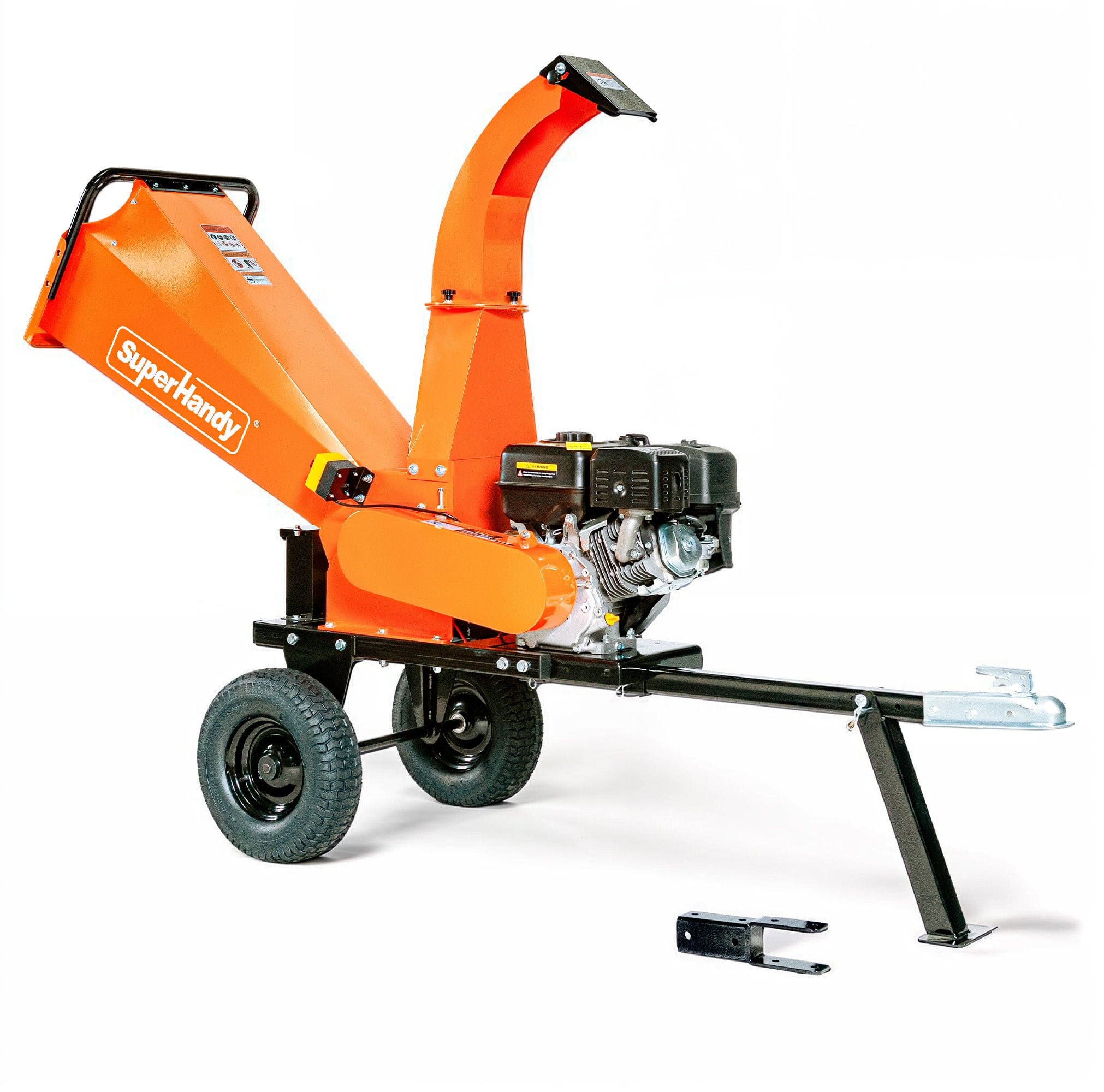
A wood chipper is a bulky piece of equipment, so considering how you’ll move and store it is essential. Portability is determined by weight, handles, and wheels. For moving around a typical yard, look for models with large, pneumatic (air-filled) tires, which handle uneven terrain, gravel, and grass much better than solid plastic wheels. Well-placed handles provide the leverage you need to maneuver the machine comfortably. For very large properties, some heavy-duty Wood Chippers come equipped with a tow bar, allowing you to pull them behind an ATV, UTV, or garden tractor. When it comes to storage, measure your available space in your garage or shed. Take note of the chipper's footprint (length x width x height). Some models are designed with foldable hoppers or removable chutes to create a more compact profile for easier storage. Protecting your investment from the elements will ensure it’s ready to go for years to come.
Maintenance and Durability: Ensuring Longevity for Your Investment
A wood chipper is a significant investment, and like any powerful piece of equipment, it requires regular maintenance to perform safely and effectively for years to come. Durability starts with the build quality—look for models with heavy-gauge steel construction—but longevity is secured through consistent care. The most critical maintenance task is tending to the blades. Dull blades mash wood instead of cutting it, straining the engine and producing poor-quality chips. Check them regularly for nicks and wear, and sharpen or replace them as needed. Many modern chippers feature reversible blades, doubling their lifespan before a replacement is necessary.
For gas-powered models, engine maintenance is paramount. This includes routine oil changes, cleaning or replacing the air filter, and checking the spark plug. For electric chippers, maintenance is simpler, but you should still keep the machine clean and dry to prevent corrosion. If your model uses a lithium-ion battery, you can extend its life by avoiding deep discharges and storing it in a cool, dry place. After every use, clear all wood debris from the hopper, chipping chamber, and discharge chute to prevent clogs, rust, and potential startups with jammed material.
Budgeting for a Wood Chipper: What to Expect Price-Wise
The cost of a wood chipper varies widely based on its power source, chipping capacity, and features. Understanding the general price tiers can help you set a realistic budget for a machine that meets your needs without overspending.
- Entry-Level Electric Chippers ($150 - $400): Ideal for small yards with light-duty needs, these machines typically handle branches up to 1.5 inches in diameter. They are quieter, lighter, and require less maintenance, making them a great starting point for occasional use.
- Mid-Range Gas-Powered Wood Chippers ($500 - $1,500): This is the sweet spot for most homeowners with larger properties. These chippers offer significantly more power, handling branches from 2 to 4 inches thick. They provide the performance needed to tackle storm cleanup and regular property maintenance efficiently.
- Heavy-Duty & Prosumer Chippers ($1,500+): For those with sprawling acreage, farms, or semi-professional needs, these high-end machines provide maximum power and durability. They can often chip branches 4 inches or larger and may include features like hydraulic feeding and tow-behind portability.

Top Wood Chipper Brands and Models to Consider
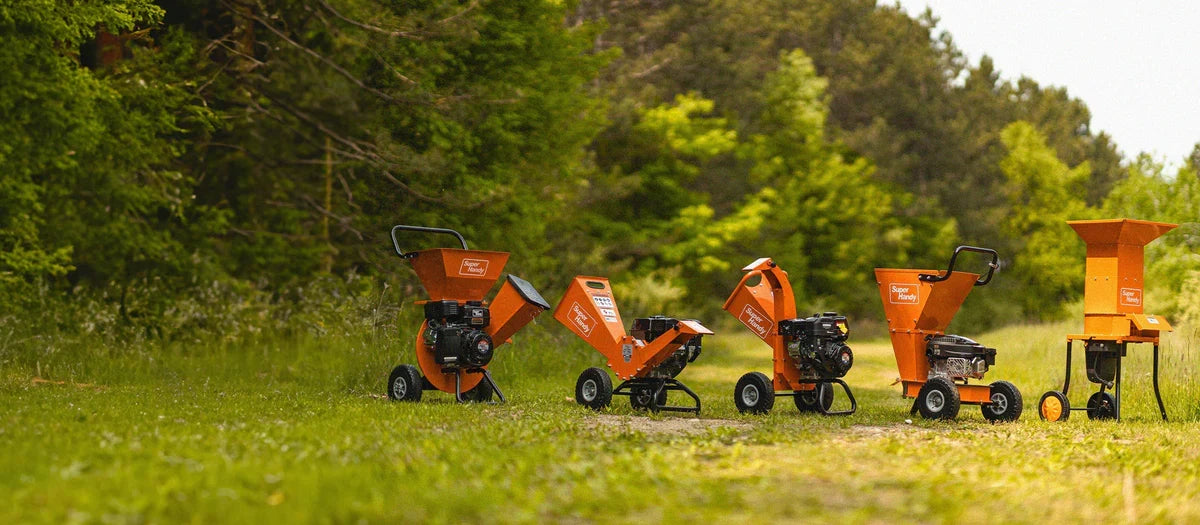
When shopping for a chipper shredder, you'll find several reputable brands. SuperHandy stands out by offering a robust lineup that balances powerful performance with user-friendly features and excellent value. Whether you're clearing a small backyard or managing a larger property, there's likely a model that fits.
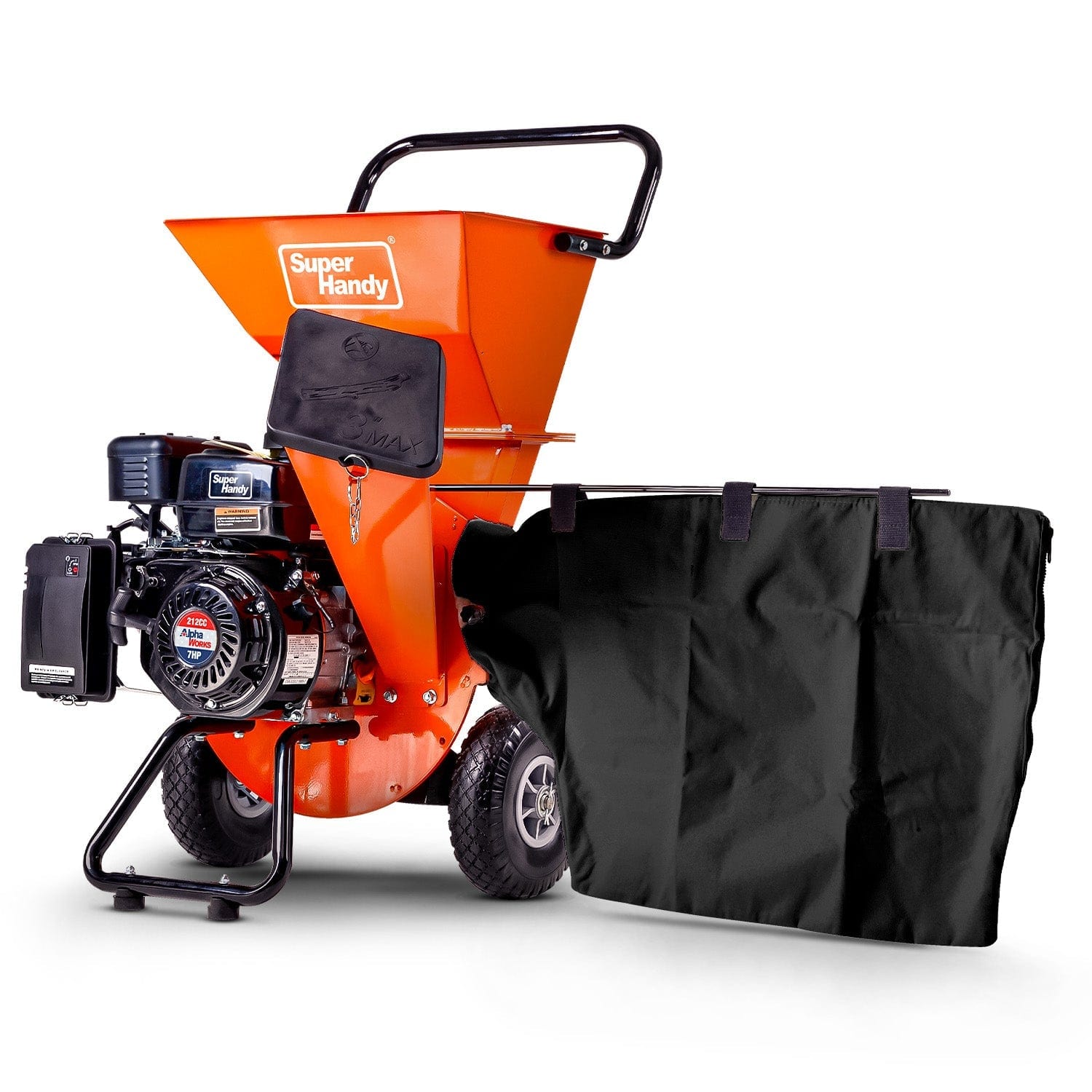
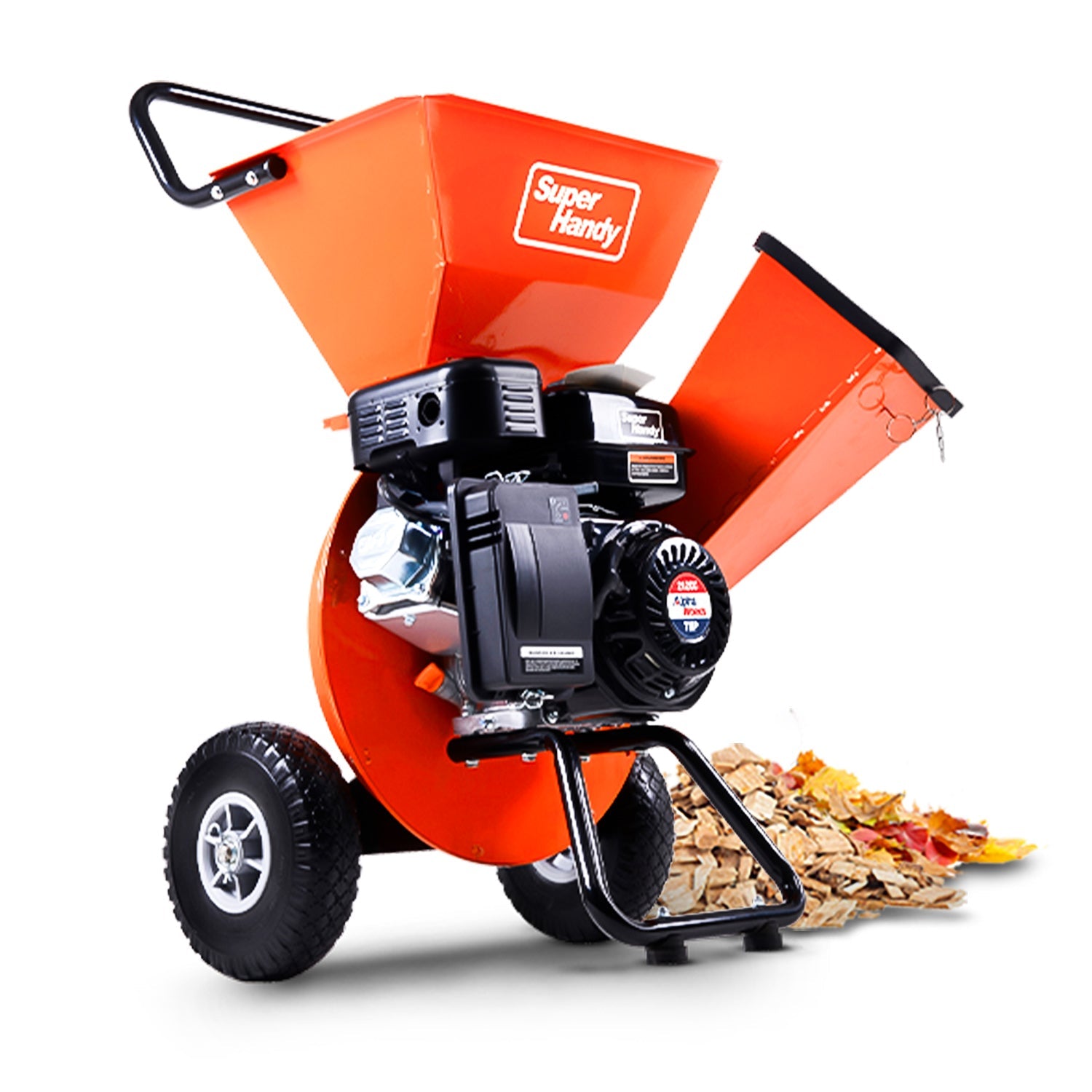
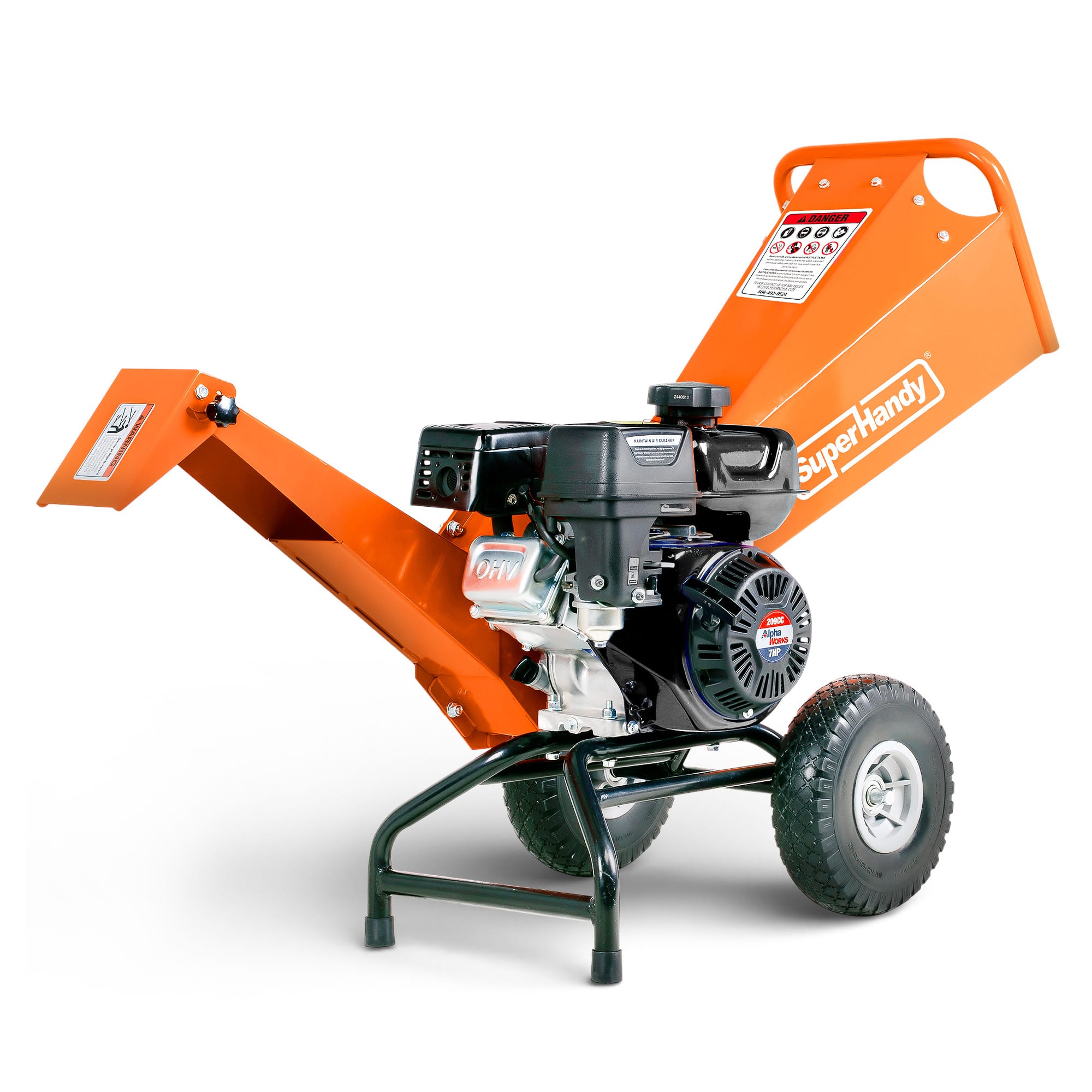
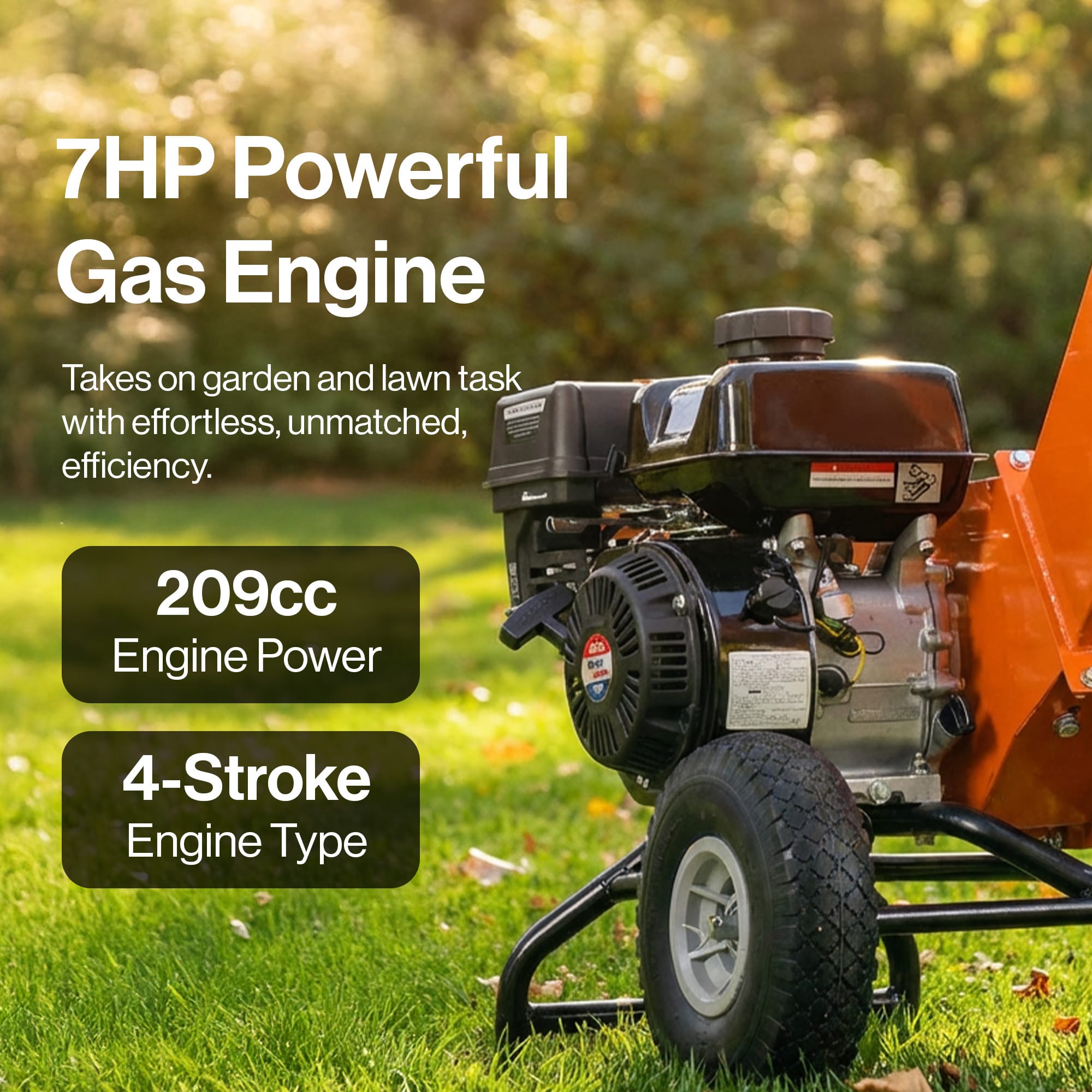
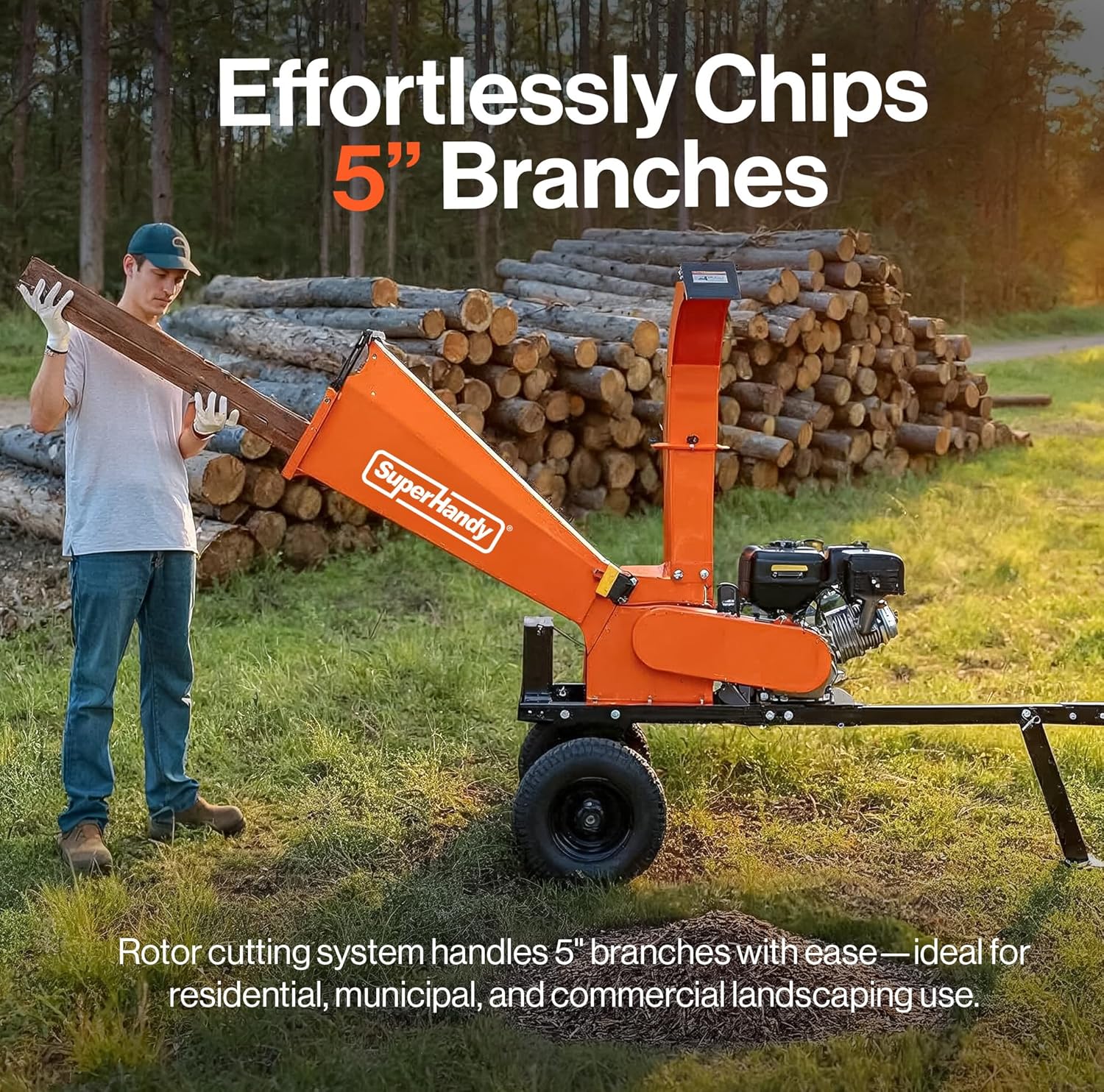
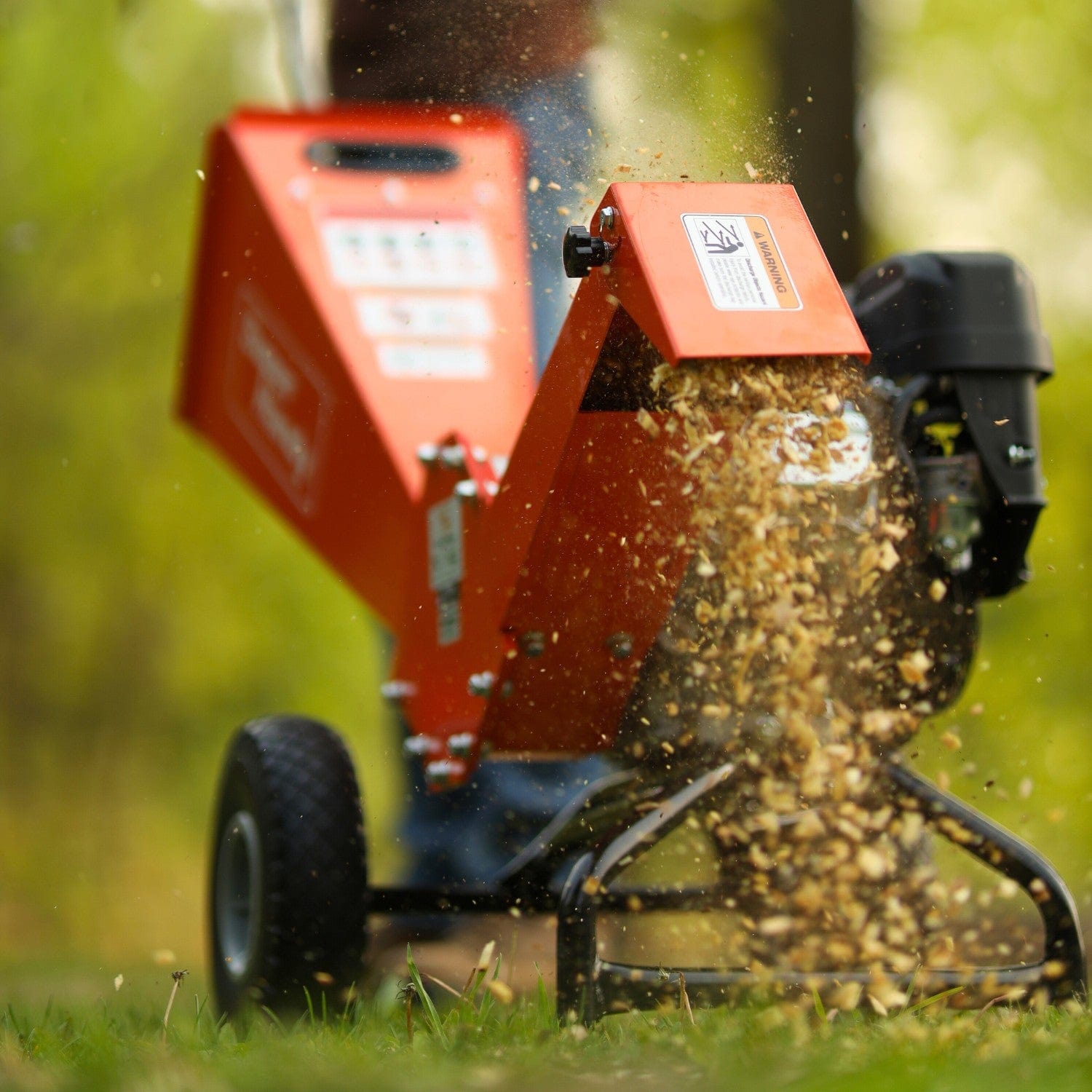
For homeowners looking for a compact yet capable machine, the SuperHandy 3-in-1 Wood Chipper Shredder Mulcher is a top contender. This Wood Chipper is powered by a reliable 7HP gas engine and can effortlessly turn branches up to 3 inches in diameter into valuable mulch. Its top hopper is suitable for shredding smaller twigs and leaves, making it a versatile tool for all-around yard cleanup.
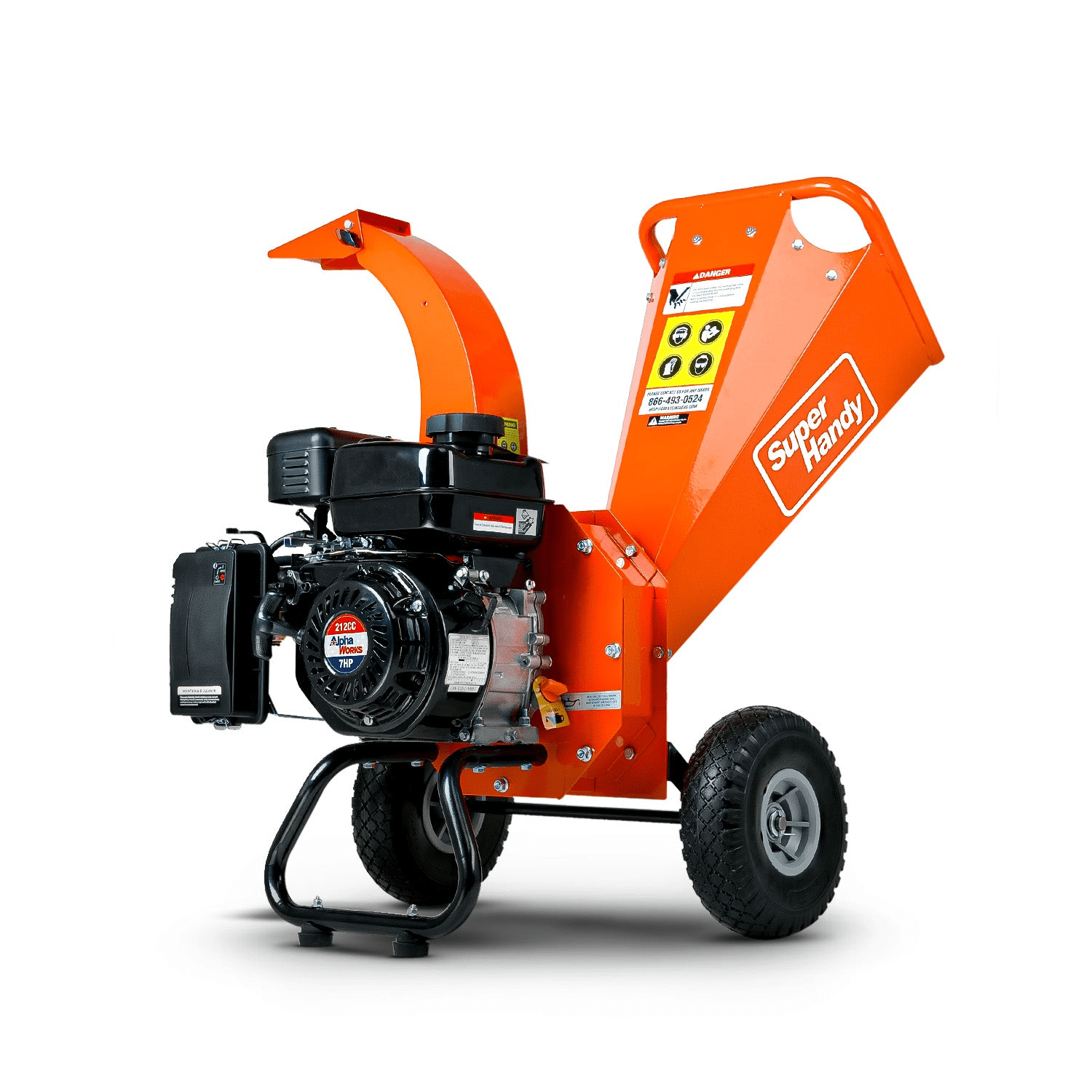
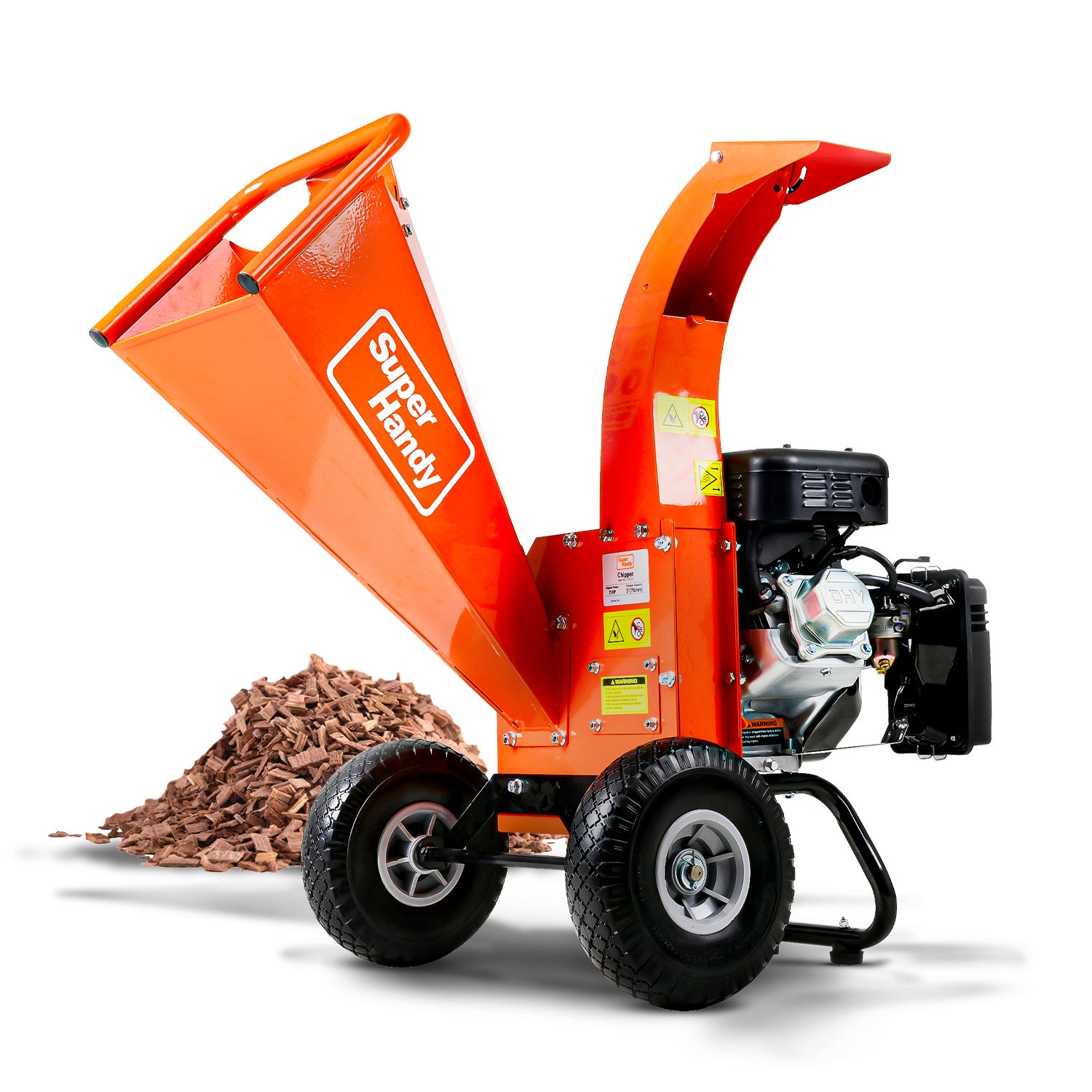
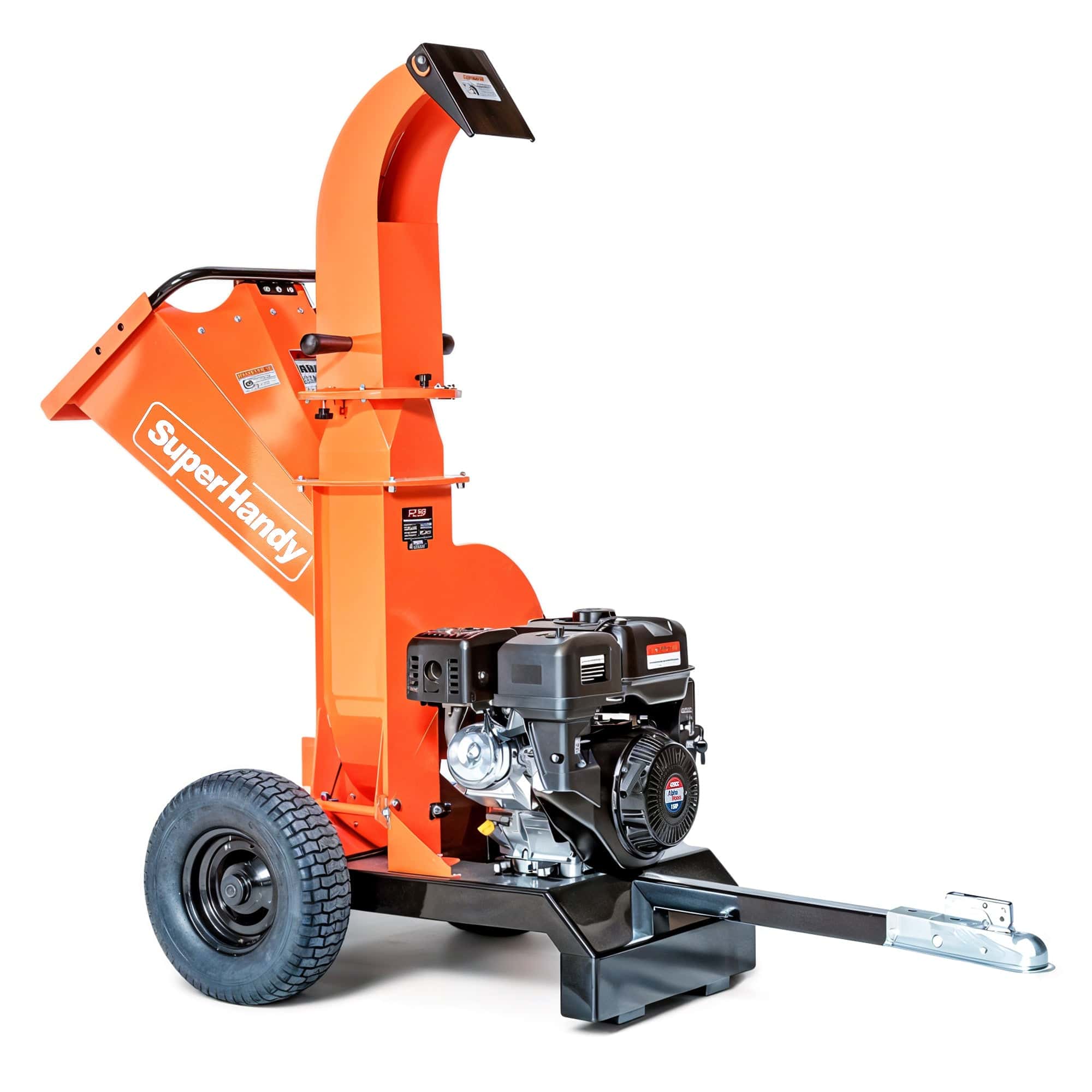
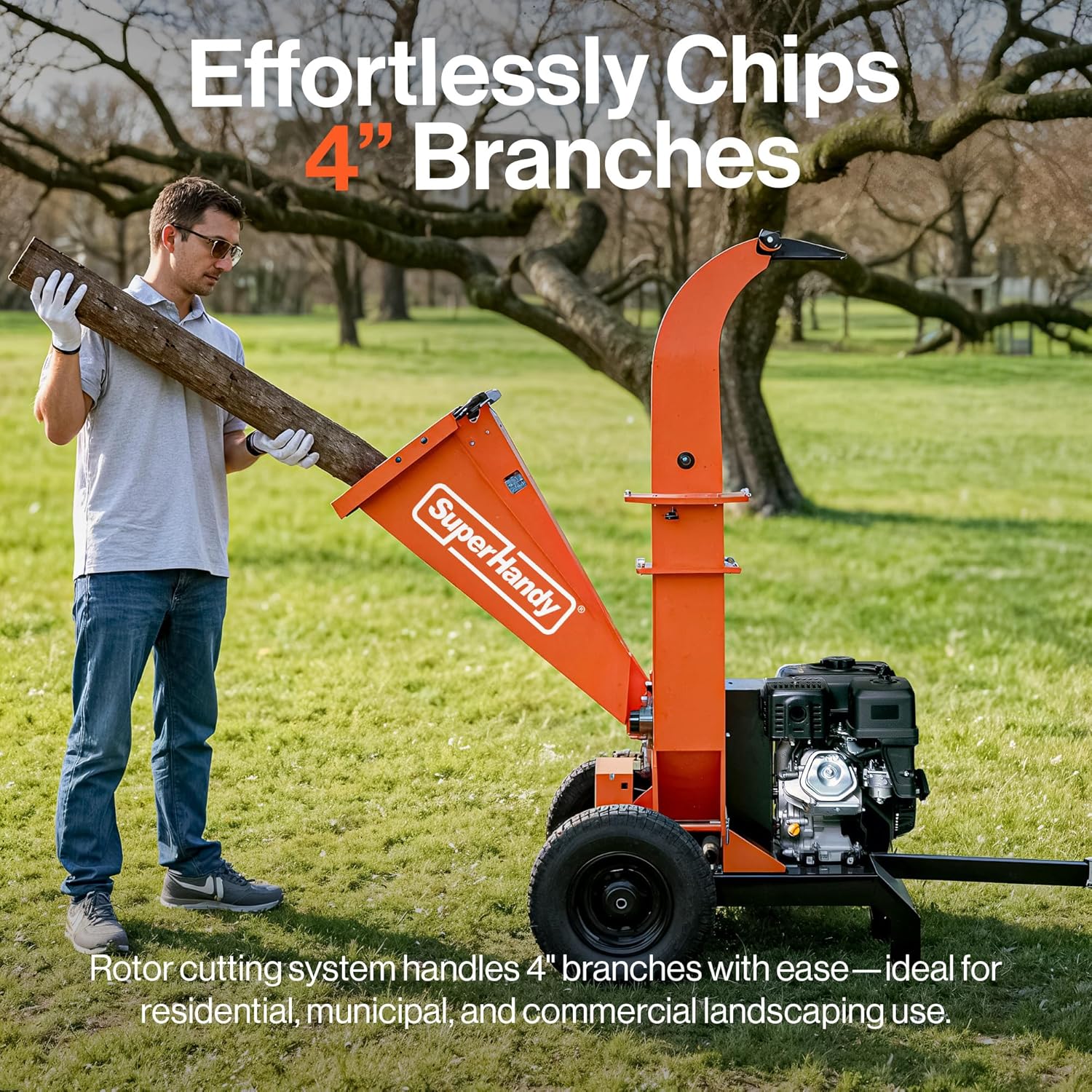
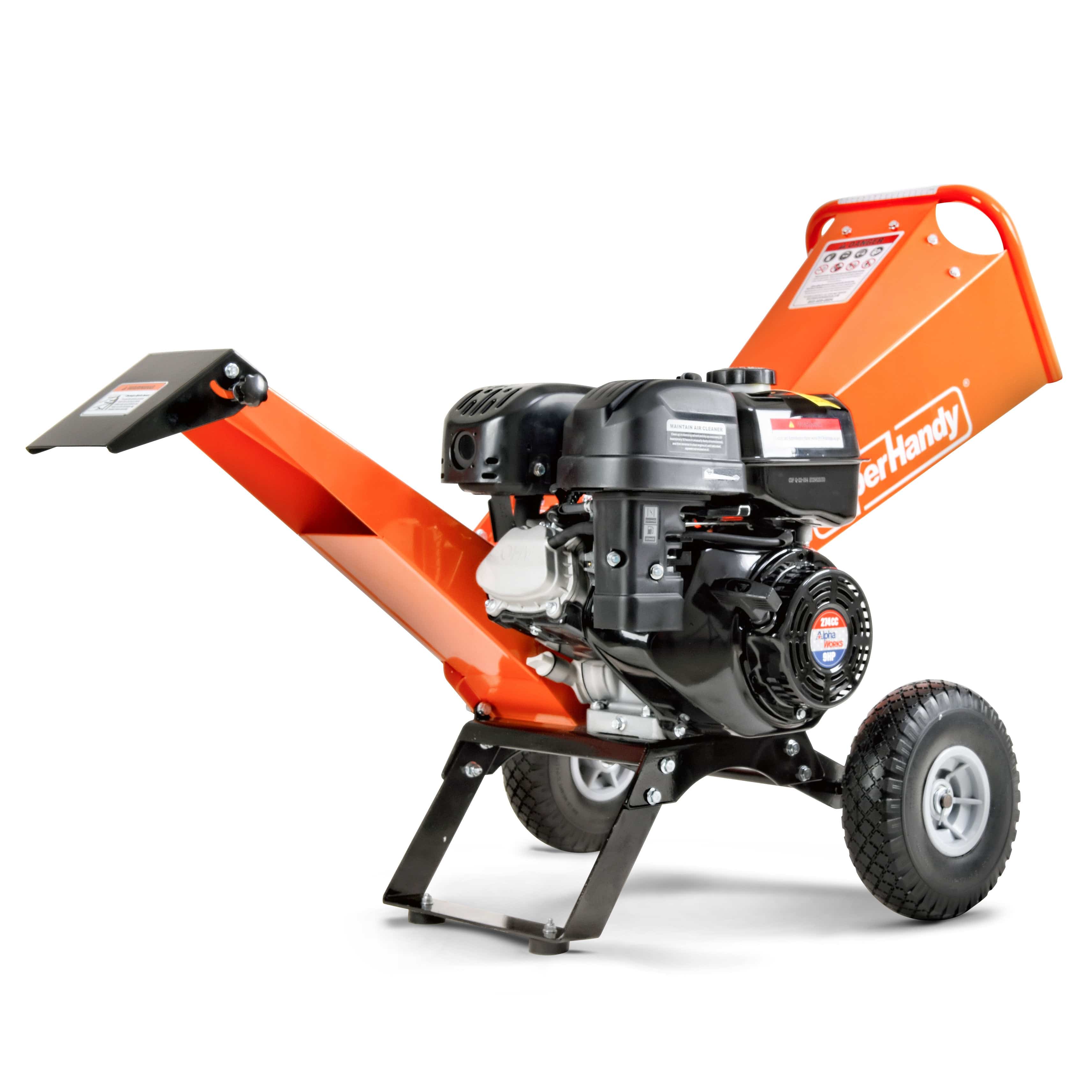
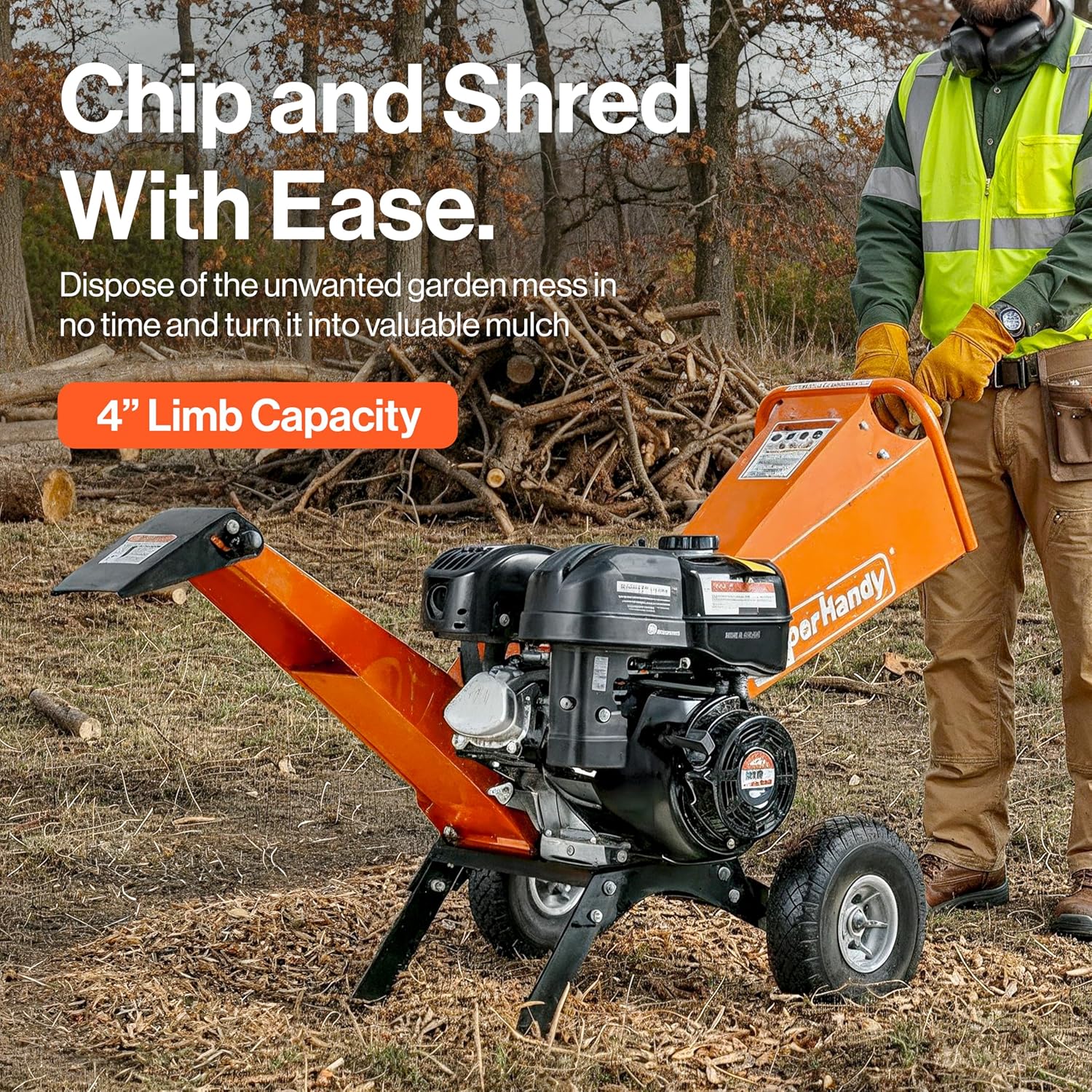
If your needs are more demanding, consider stepping up to a heavy-duty model like the SuperHandy 4-Inch 9HP Wood Chipper. This powerful Wood Chipper is built for serious work. Its larger engine and chipping capacity make quick work of substantial debris, while features like large pneumatic wheels and an adjustable discharge chute add convenience and efficiency for clearing large areas or tackling tough, woody material.
How to Use Your Wood Chipper Safely and Effectively
Operating a wood chipper requires your full attention and adherence to strict safety protocols. The power that makes these machines so effective also makes them potentially dangerous if misused. Before your first use, thoroughly read and understand the owner’s manual for your specific model. Always begin by inspecting the machine for loose bolts, damaged parts, or debris in the hopper. Ensure all safety guards are in place and functioning correctly.
Proper personal protective equipment (PPE) is non-negotiable. Always wear snug-fitting clothing, heavy-duty gloves, hearing protection, and ANSI-approved safety glasses or a face shield. According to the OSHA hand and power tool safety guidance, wearing appropriate PPE is a critical step in preventing injuries when using powerful equipment. Clear the work area of tripping hazards, pets, and bystanders before you start the engine.
When feeding the machine, insert branches straight in, butt-end first, and allow the chipper to pull the material in on its own. Never force material into the hopper or use your hands or feet to push it down; use a wooden push paddle if necessary. Feed a mix of green and dry wood to keep the blades lubricated and prevent the machine from jamming. Once you’re finished, allow the machine to run for a few minutes to clear the chamber completely before shutting it down according to the manufacturer’s instructions.
Troubleshooting Common Wood Chipper Problems
Even the most reliable wood chipper can encounter issues. Before you call for service, here are some common problems and how to troubleshoot them. Always consult your owner's manual and disconnect the power source (unplug electric models or disconnect the spark plug on gas models) before performing any maintenance.
- Engine Won't Start: For a gas-powered chipper, the culprit is often simple. Check for fresh fuel and adequate oil levels. Ensure the spark plug is clean and properly connected, and check the air filter for clogs. For electric models, verify the power cord is securely plugged into a working outlet and that the circuit breaker hasn't tripped.
- Machine is Clogged or Jammed: This is the most frequent issue, usually caused by feeding material too quickly, trying to chip overly wet or green wood, or using dull blades. Never use your hands to clear a jam. After turning off the machine and disconnecting the power, open the housing as directed by the manufacturer to safely access and remove the obstruction. Adhering to proper hand and power tool safety guidance is crucial to prevent serious injury when maintaining your equipment.
- Poor Chipping Performance: If your chipper is struggling to process branches it once handled easily, the blades are likely dull. Most chippers have reversible blades that can be flipped to a fresh edge, effectively doubling their life before needing to be sharpened or replaced. Also, ensure your engine is running smoothly and at full power.
- Excessive Vibration or Noise: Unusual rattling or heavy vibration is a sign to stop work immediately. Turn off the machine and inspect it. The cause could be a loose bolt, an imbalanced rotor due to a damaged blade, or a hard object lodged in the chipping mechanism.

Frequently Asked Questions About Wood Chippers
Have questions? You're not alone. Here are answers to some of the most common queries we receive about wood chippers and chipper shredders.
Can I put wet or green wood in a wood chipper? Yes, most modern wood chippers can handle green wood. However, it can be more fibrous and may increase the chance of clogging compared to dry, brittle wood. Green wood also produces wetter, heavier mulch that decomposes differently. For best results, it's often recommended to mix green and dry materials as you work.
What should I not put in a wood chipper? A wood chipper is designed for one thing: wood and yard debris. Never feed it rocks, soil, metal, construction lumber (which can contain nails), pressure-treated wood, plastic, or glass. Extremely fibrous materials like palm fronds can also wrap around the rotor and cause jams.
How often do the blades need to be sharpened or replaced? This depends on your usage and the type of wood you’re chipping. As a general rule, check your blades after every 10-25 hours of use. If you notice a drop in performance or see that the machine is producing stringy shreds instead of clean chips, it’s time to either flip your reversible blades or sharpen them.
What is the difference between a wood chipper and a chipper shredder? A standard wood chipper uses blades to process branches and woody material. A shredder uses blunt hammers or flails to pulverize softer, leafy material. A combination Wood Chippers, often called a chipper shredder, offers the best of both worlds, typically with a side chute for branches and a top hopper for leaves and twigs.
Making Your Final Decision: Matching a Chipper to Your Specific Needs
Choosing the right wood chipper comes down to honestly assessing your property and the work you need to do. By now, you should have a clear idea of what matters most, from power source to branch capacity. Let's summarize to help you make the final choice.
Recap your key decision points:
- Yard Size & Debris: Are you cleaning up a few fallen limbs after a storm, or are you clearing acres of wooded land?
- Power & Portability: Do you need the go-anywhere power of gas, or will a quieter, lighter electric model like a compact Wood Chippers suffice for your small yard?
- Branch Diameter: Don't buy a 2-inch capacity chipper if you regularly deal with 3-inch branches. Always choose a capacity that slightly exceeds your typical needs.
- Features: Consider how important self-feeding, tow-hitch compatibility, or a compact storage footprint are to you.
Ultimately, the best wood chipper is the one that fits your workload, your property, and your budget. For homeowners with large properties and a consistent need to manage branches up to 4 inches, a robust gas-powered Wood Chippers is a wise investment that will save you countless hours of labor. For those with smaller, suburban lots, a more compact and easy-to-store model will turn yard waste into valuable mulch without overwhelming your garage.
Related Products

Leave a comment
All comments are moderated before being published.
This site is protected by hCaptcha and the hCaptcha Privacy Policy and Terms of Service apply.