









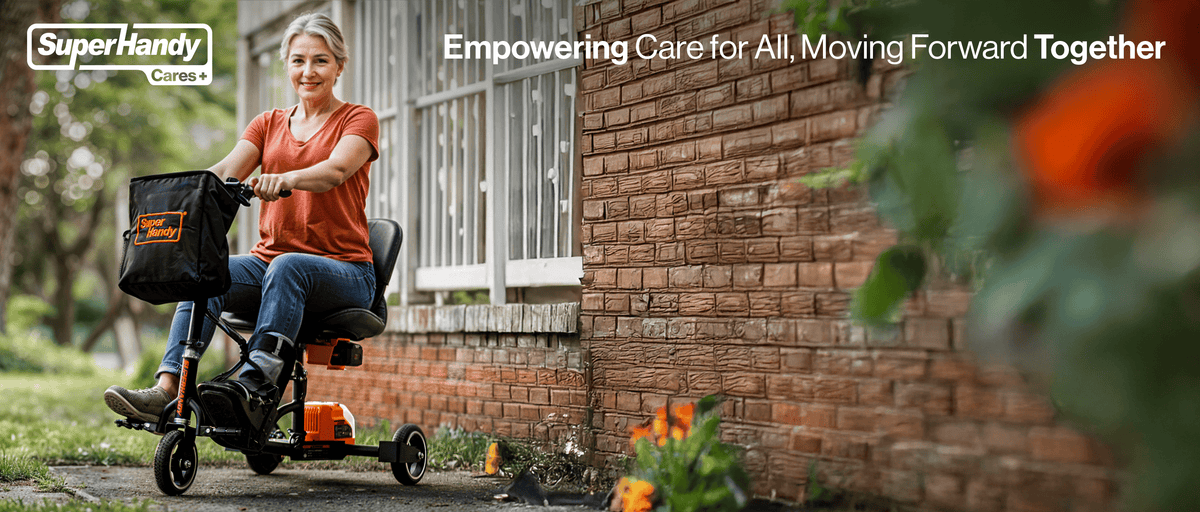
Understanding Your Mobility Needs: What to Consider Before You Buy
Before diving into models and features, the most crucial step is a personal assessment. A portable mobility scooter is an investment in your freedom, so it needs to align perfectly with your lifestyle and physical requirements. Ask yourself a few key questions: Where will you primarily use the scooter? Will it be for short trips around the neighborhood, navigating grocery store aisles, or accompanying you on vacations? Consider the surfaces you'll travel on—smooth indoor floors, paved sidewalks, or slightly uneven park paths. Your physical strength and stamina are also important factors; will you be able to lift parts of the scooter into a car, or do you need a model that folds automatically? Mobility aids are designed to restore independence, and choosing the right one starts with an honest evaluation of your daily routines and capabilities.
Types of Portable Mobility Scooters: Which Design Suits You Best?
Portable mobility scooters generally fall into two main categories based on how they are transported: folding and disassembling.
-
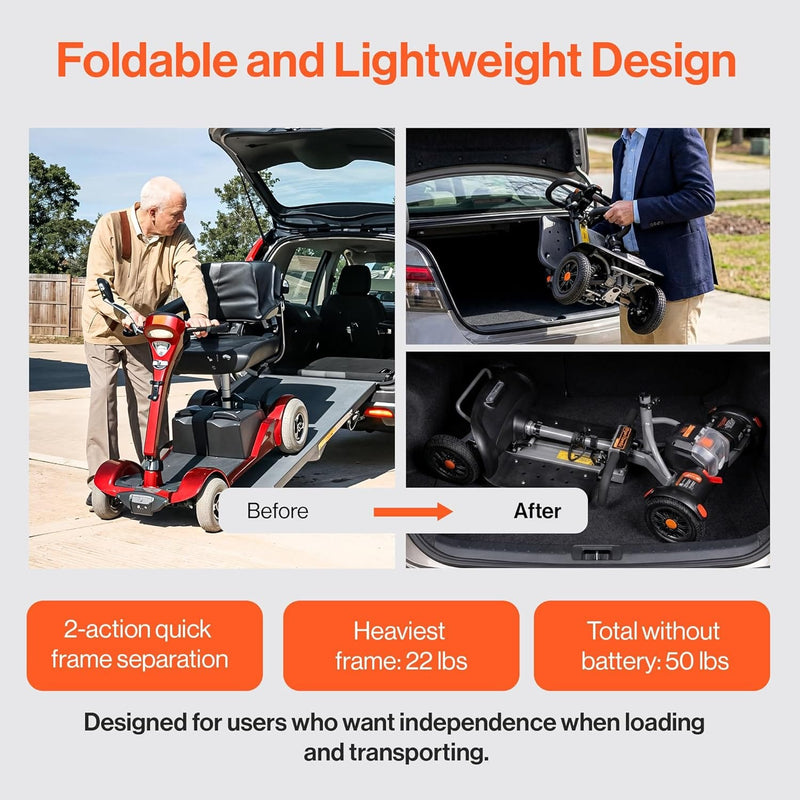
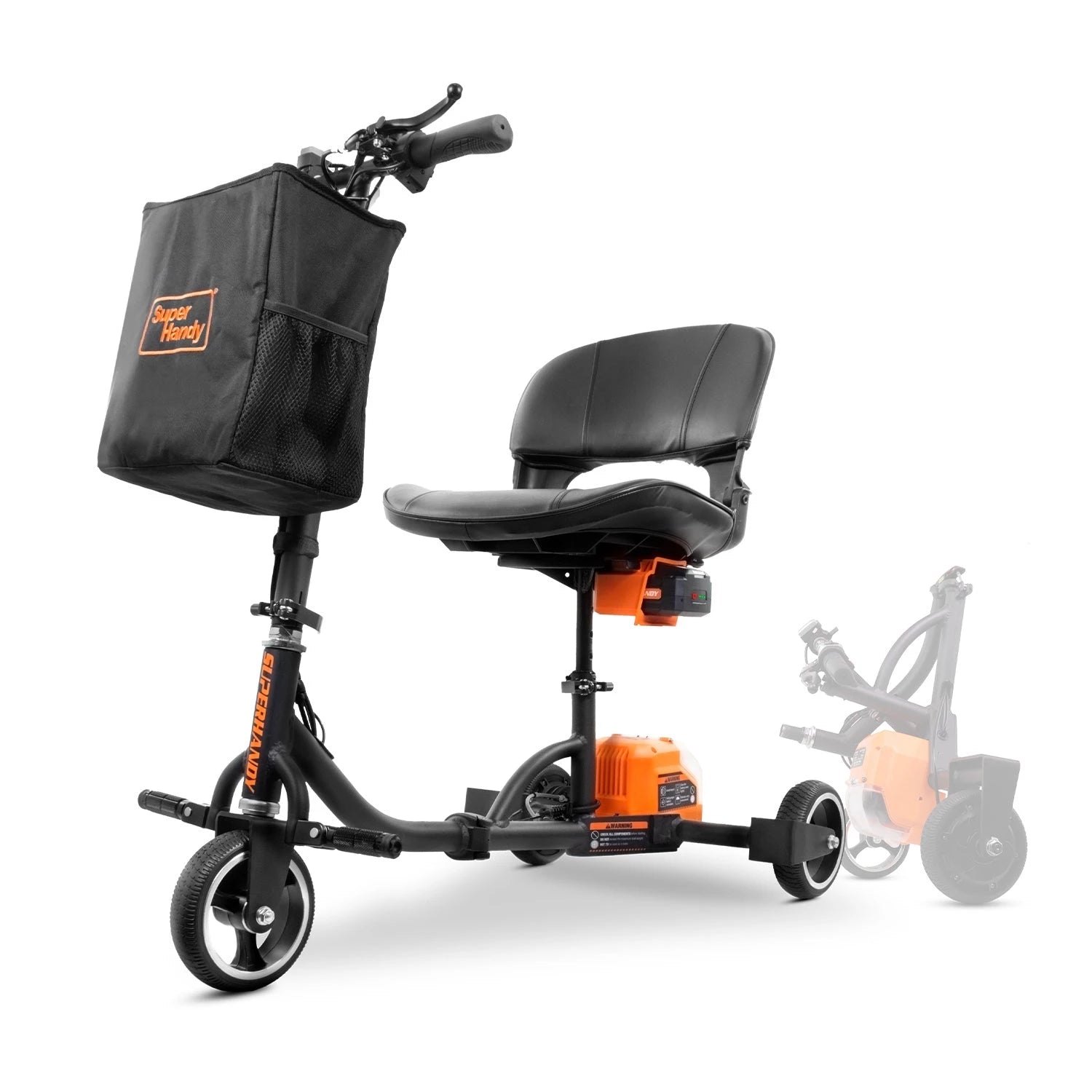
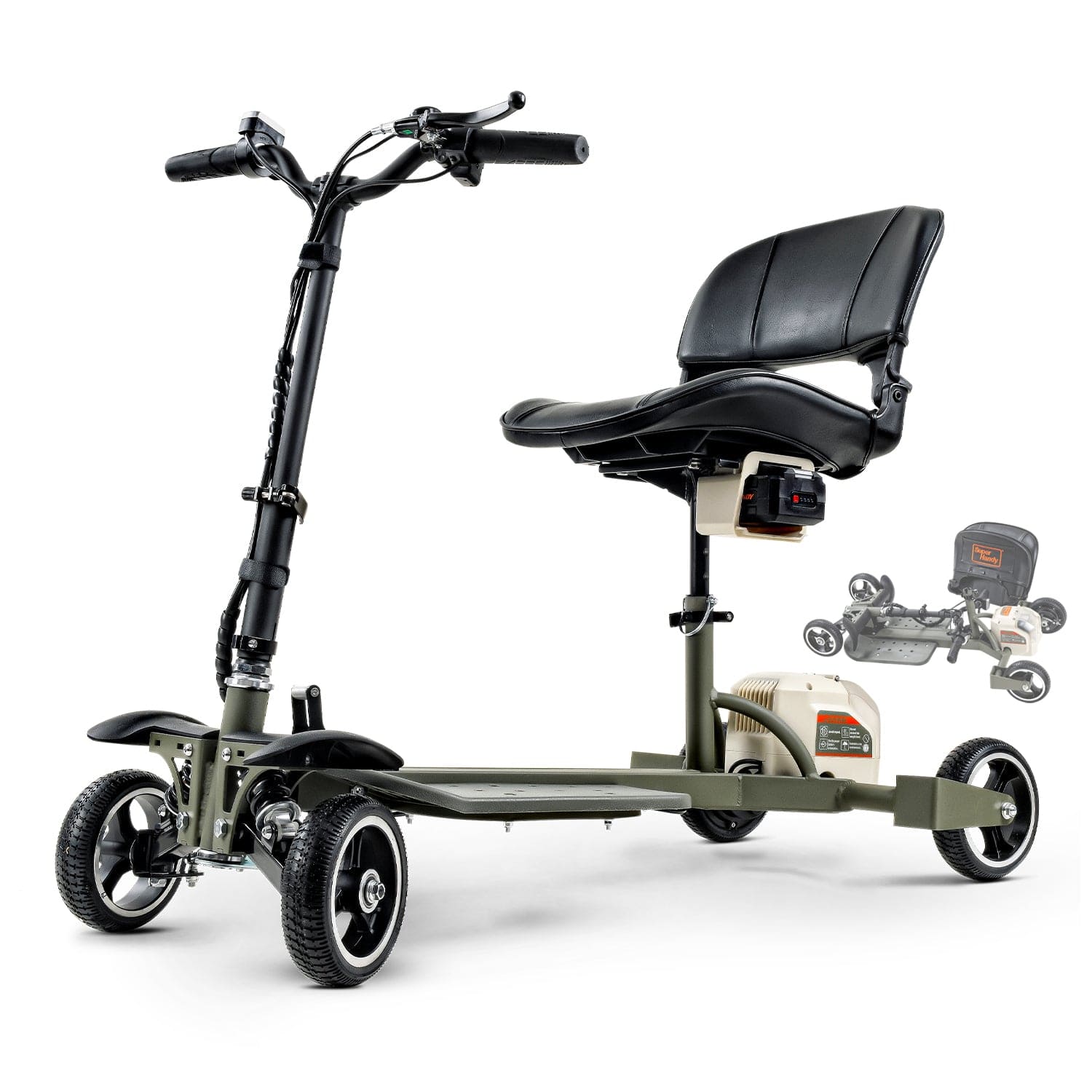
Folding Scooters: These models are designed for portable use. They collapse into a single, compact unit, often with the press of a button or the pull of a lever. This makes them ideal for frequent travelers or those who need to store their scooter in a small space. They are suitable for stowing in a car trunk, a closet, or taking on public transport.
-
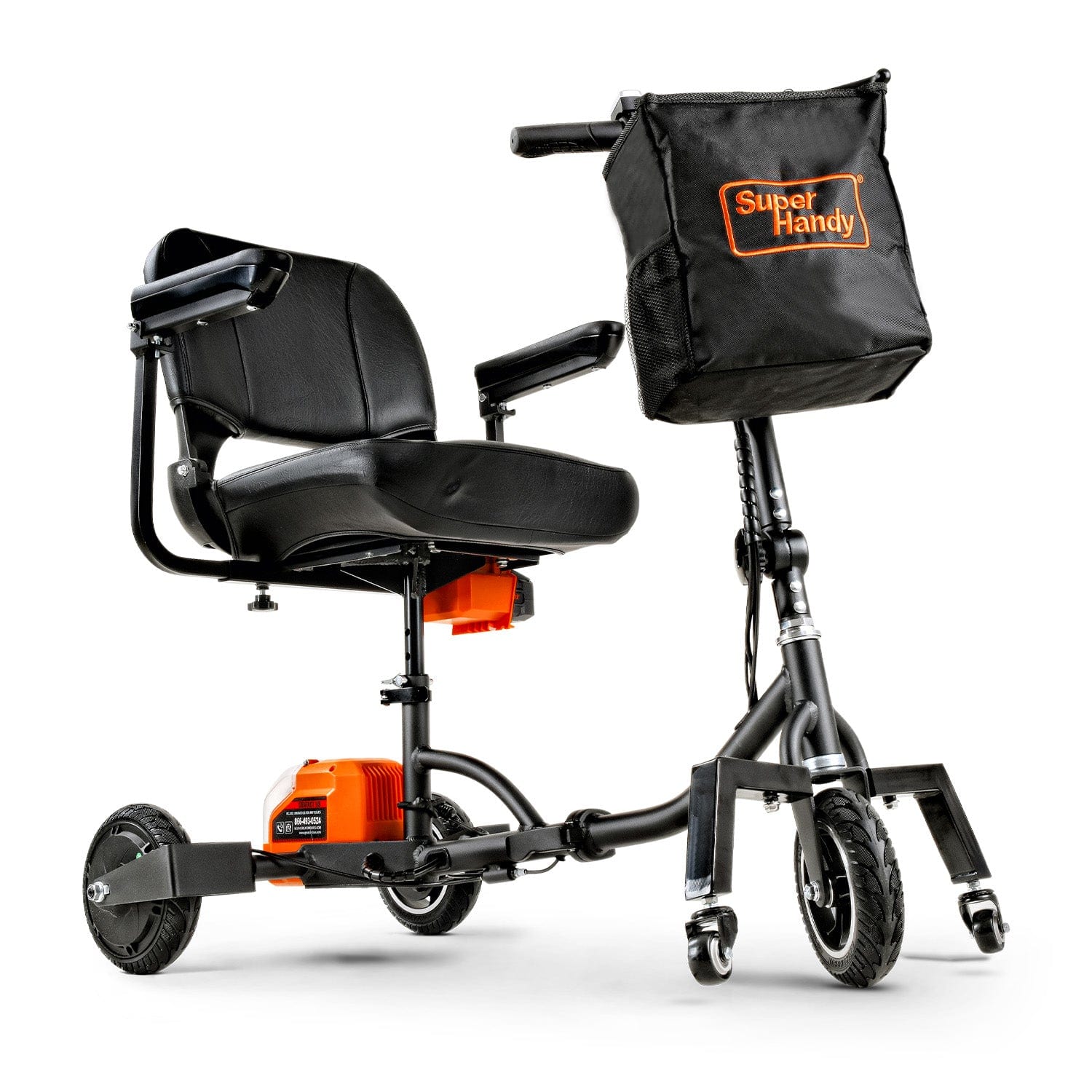
Disassembling (Take-Apart) Scooters: These scooters break down into several smaller, lighter components—typically the seat, battery pack, and front and rear sections of the frame. While disassembly takes a minute or two, the individual pieces are much lighter to lift than a whole folded scooter, which can be a significant benefit for users with limited upper body strength.
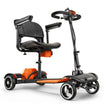
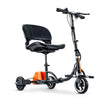
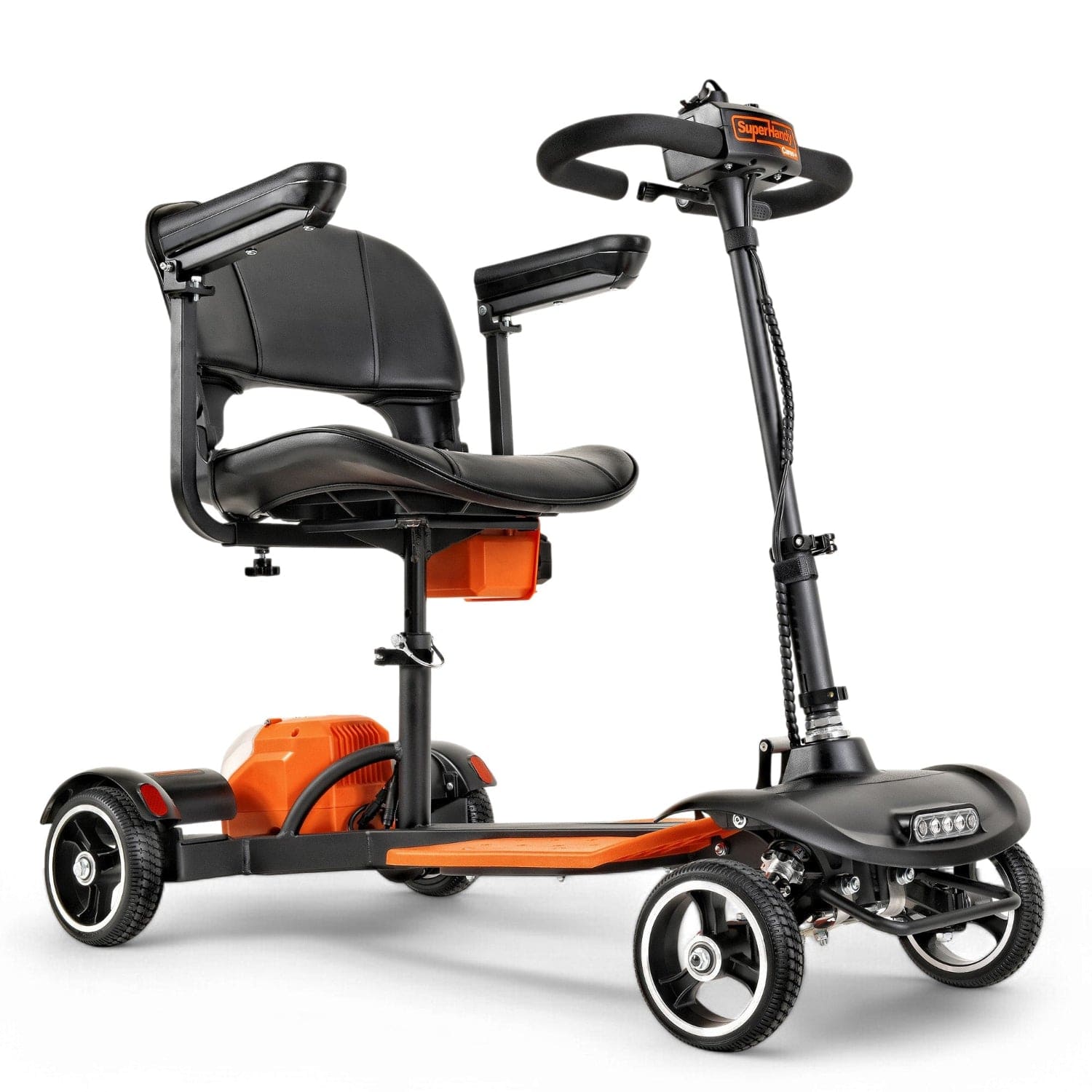
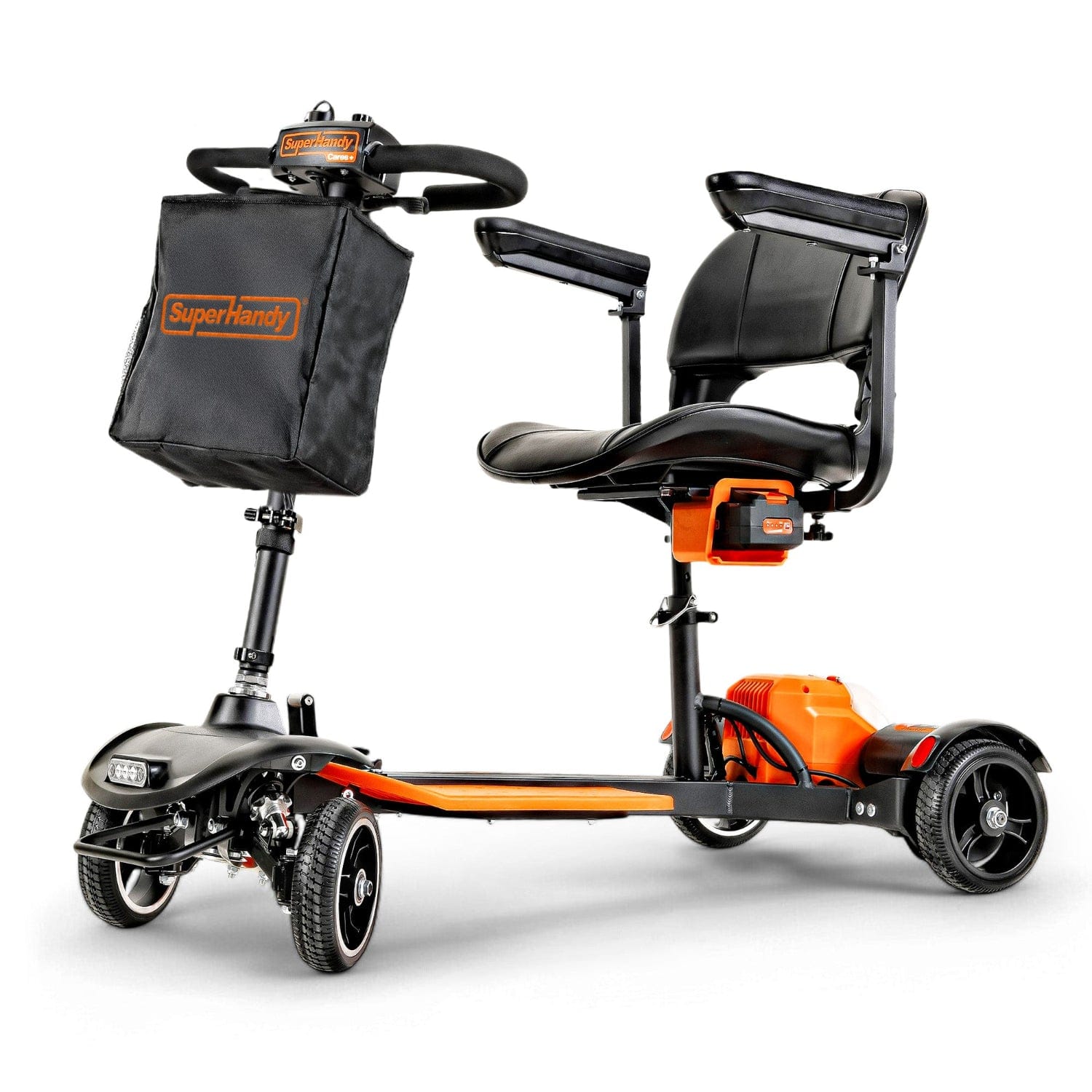
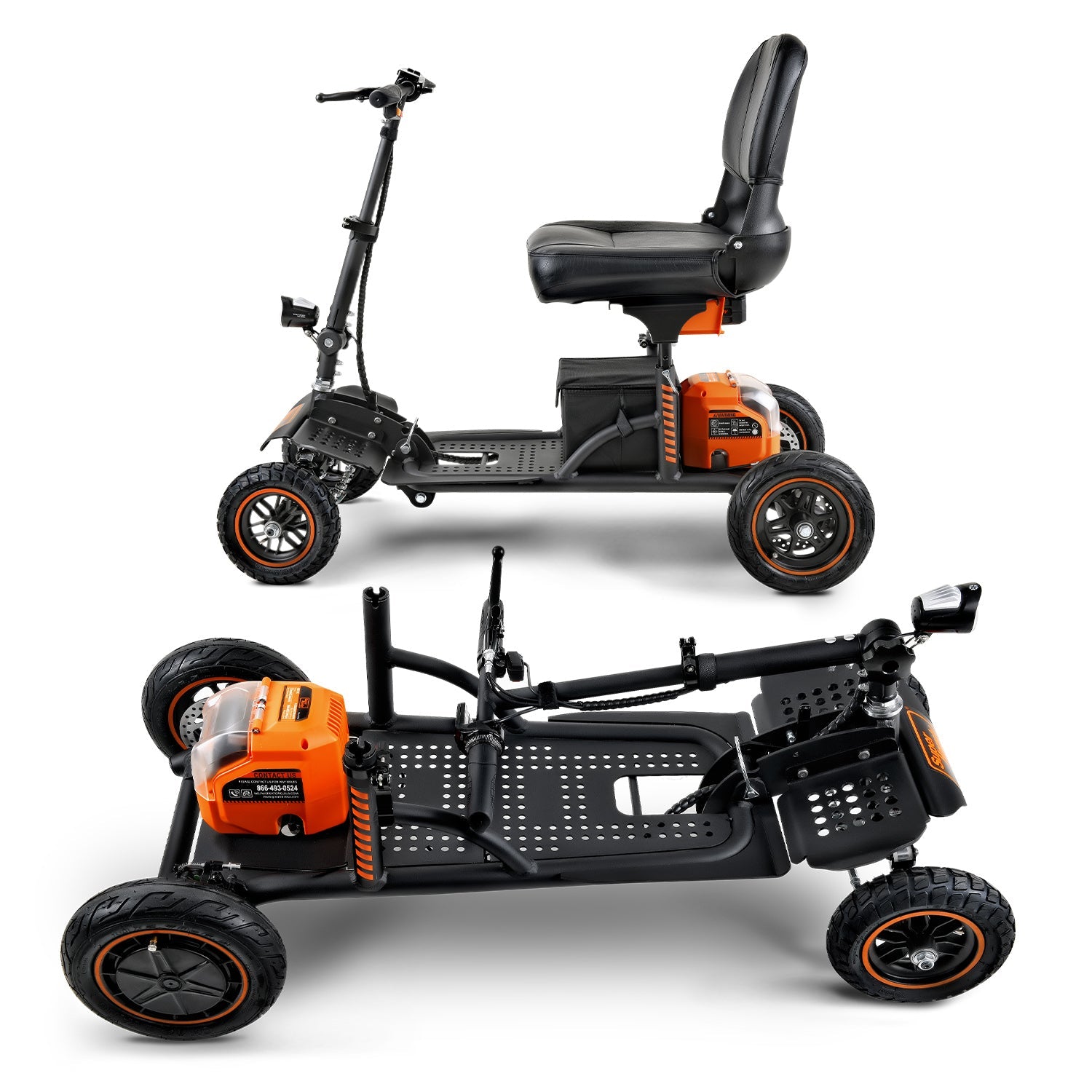
Within these categories, you’ll also choose between three-wheel and four-wheel designs. Three-wheel scooters offer more legroom and a tighter turning radius, making them exceptionally nimble for indoor use. Four-wheel models, like the SuperHandy Passport Flex, provide a wider base of support, which translates to superior stability on outdoor terrain and uneven surfaces.
Key Features to Look For: Navigating the Technical Specifications
Once you’ve determined the right type of scooter, it’s time to look at the features that impact your daily comfort and ease of use. The control panel, or tiller, should be easy to reach and operate. Look for intuitive controls for speed, a clear battery indicator, and a horn. Seating is another critical component. Is the seat padded and comfortable? Does it swivel to make getting on and off easier? An adjustable-height seat can help you find the most ergonomic and comfortable driving position for your body. Other features like built-in LED headlights for visibility and a USB charging port for your phone can add significant convenience to your journeys.
Weight Capacity and Stability: Ensuring Safety and Reliability
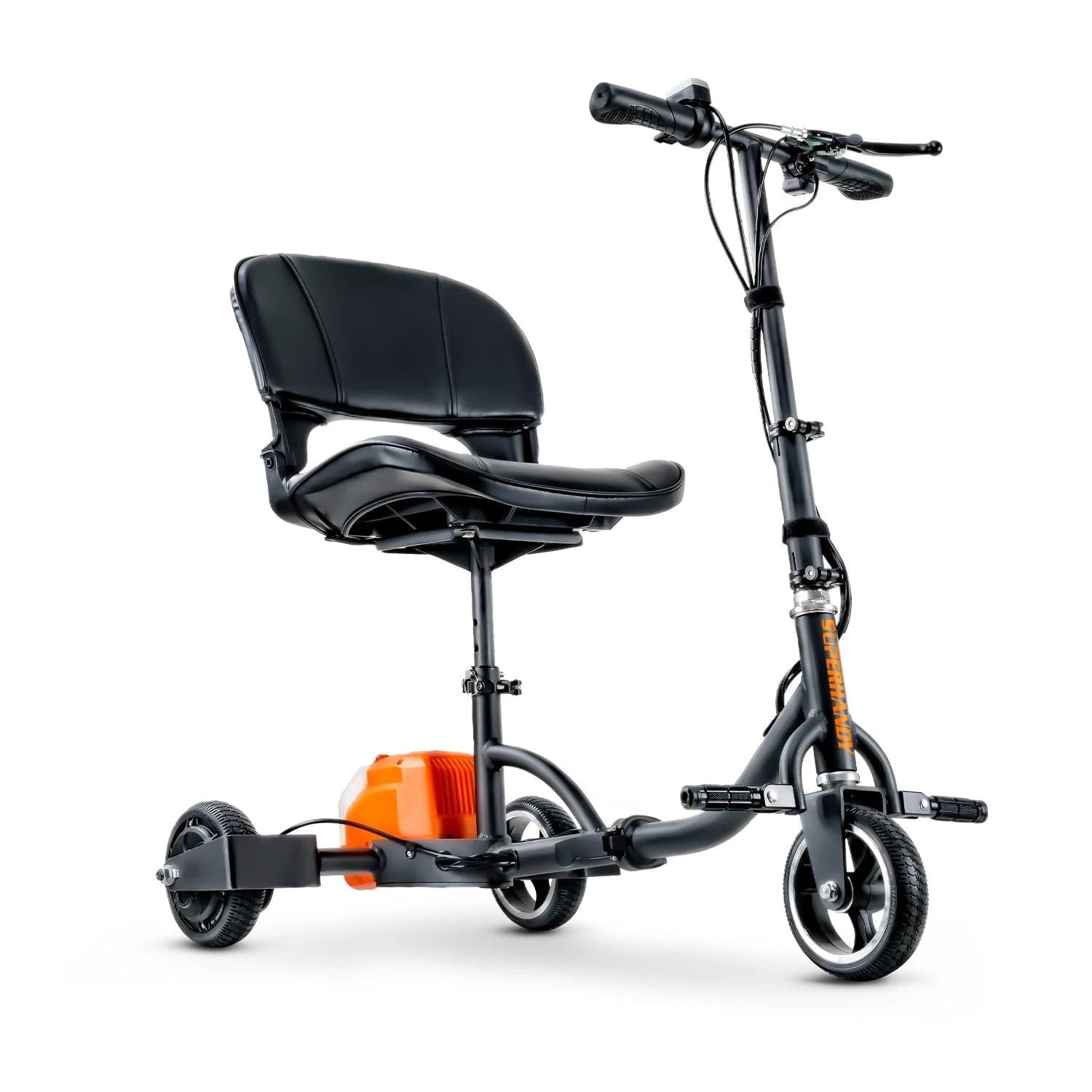
Safety is paramount, and two of the most important specifications to check are weight capacity and stability. Every scooter has a maximum weight limit set by the manufacturer. It is essential to choose a model with a capacity that comfortably exceeds your own weight, plus the weight of any items you plan to carry, such as shopping bags or a portable oxygen concentrator. Exceeding the weight limit can strain the motor, reduce battery life, and compromise the scooter's structural integrity and safety. Stability is determined by the scooter's design, including its wheelbase, ground clearance, and number of wheels. Four-wheel models inherently offer a more stable platform, and models designed with a low center of gravity, such as the SuperHandy Passport Prime, further enhance this feeling of security, giving you confidence as you navigate different environments.
Battery Life and Charging: How Mobility Scooters Support Daily Travel
A portable mobility scooter’s battery is its heart, directly influencing how far and how long you can travel on a single charge. When comparing models, you’ll see the range listed in miles or kilometers. This figure represents the maximum distance the scooter can go under ideal conditions. Keep in mind that your actual range may vary depending on factors like your weight, the terrain you're on, and your average speed. For most users, a range of 8-15 miles is more than enough for a full day of errands, visiting friends, or exploring a park.
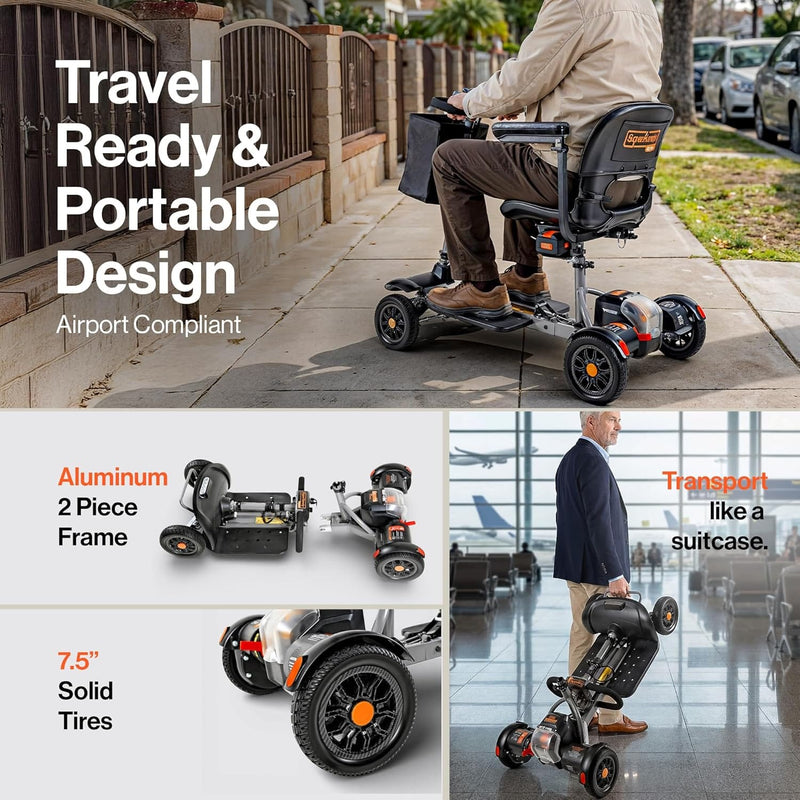
Most modern portable mobility scooters use lightweight and efficient lithium-ion batteries. A key consideration for travelers is air transport; you'll need to check with your airline before your flight, but many lithium-ion batteries are approved for travel. According to the FAA PackSafe wheelchair and mobility-device battery rules, batteries must often be removed from the device and carried on board. Also, look at the charging process. Some scooters offer convenient off-board charging, allowing you to bring just the battery pack inside to charge, rather than the entire scooter.
[IMAGE PLACEHOLDER]
Tire Types and Suspension: Comfort and Performance on Different Terrains
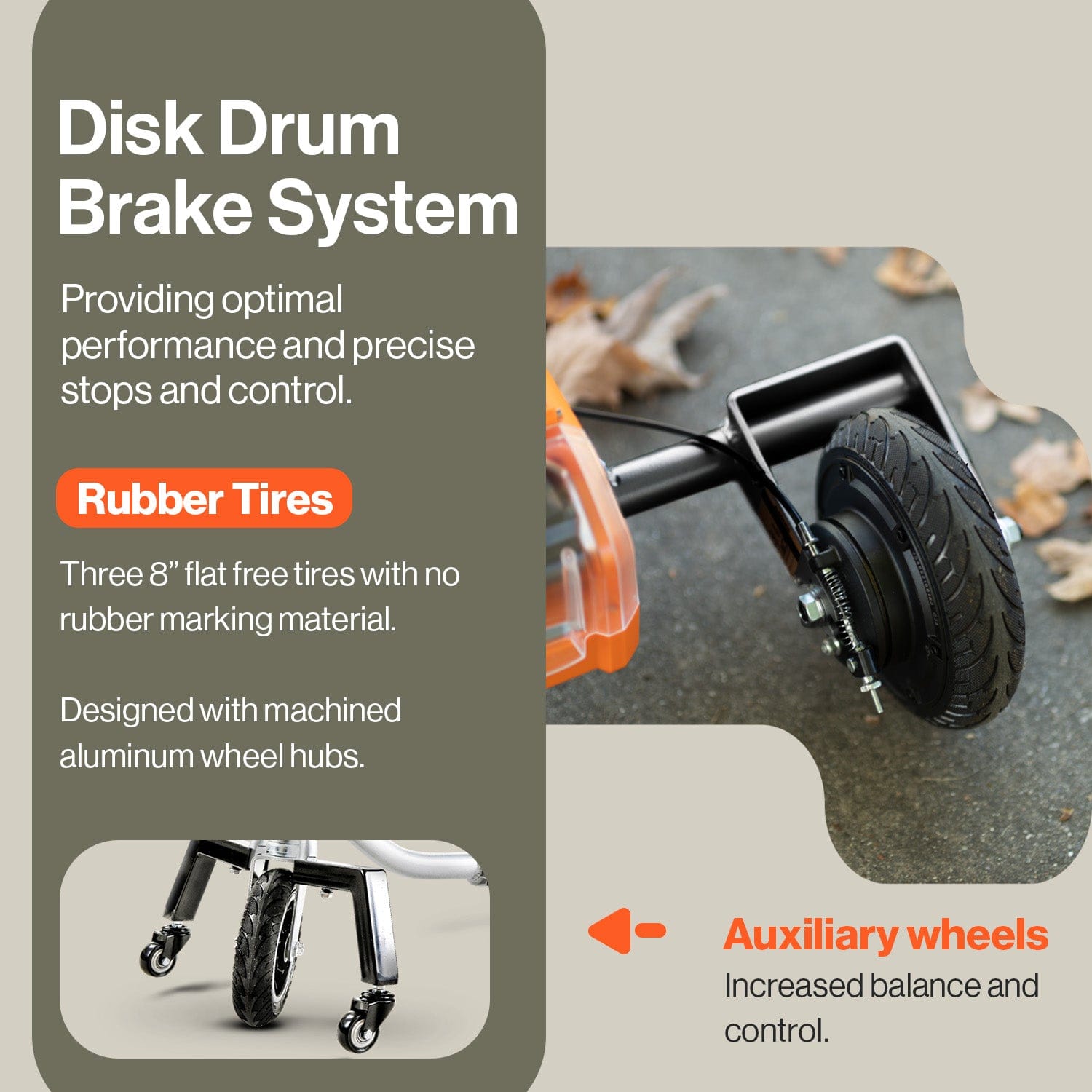
The tires on your mobility scooter are your connection to the ground, playing a huge role in ride quality and stability. Most portable models feature solid, puncture-proof tires made from rubber or foam. The primary advantage is that you’ll never have to worry about getting a flat tire, making them incredibly low-maintenance and reliable for daily use. While they can provide a firmer ride than air-filled tires, many modern designs incorporate features to enhance comfort.
To complement the tires, consider the scooter's suspension system. While not all portable scooters have suspension, models that do—like some advanced 4-wheel Mobility Scooters—offer a significantly smoother and more comfortable ride. A good suspension absorbs bumps and vibrations from uneven sidewalks, grassy areas, or cobblestones, reducing fatigue and making your journey much more enjoyable. If you plan to travel frequently over varied surfaces, prioritizing a model with suspension is a wise choice.
Maneuverability and Turning Radius: Navigating Tight Spaces with Ease
Your ability to navigate crowded shopping aisles, tight corners in your home, or busy waiting rooms depends on your scooter's maneuverability. The key specification to look for here is the turning radius—the smallest circular turn the scooter can make. A smaller turning radius means greater agility. Three-wheel scooters are often praised for their exceptionally tight turning circles, making them ideal for indoor use. However, many modern four-wheel scooters are engineered with impressive maneuverability that rivals their three-wheel counterparts while providing an extra dose of stability.
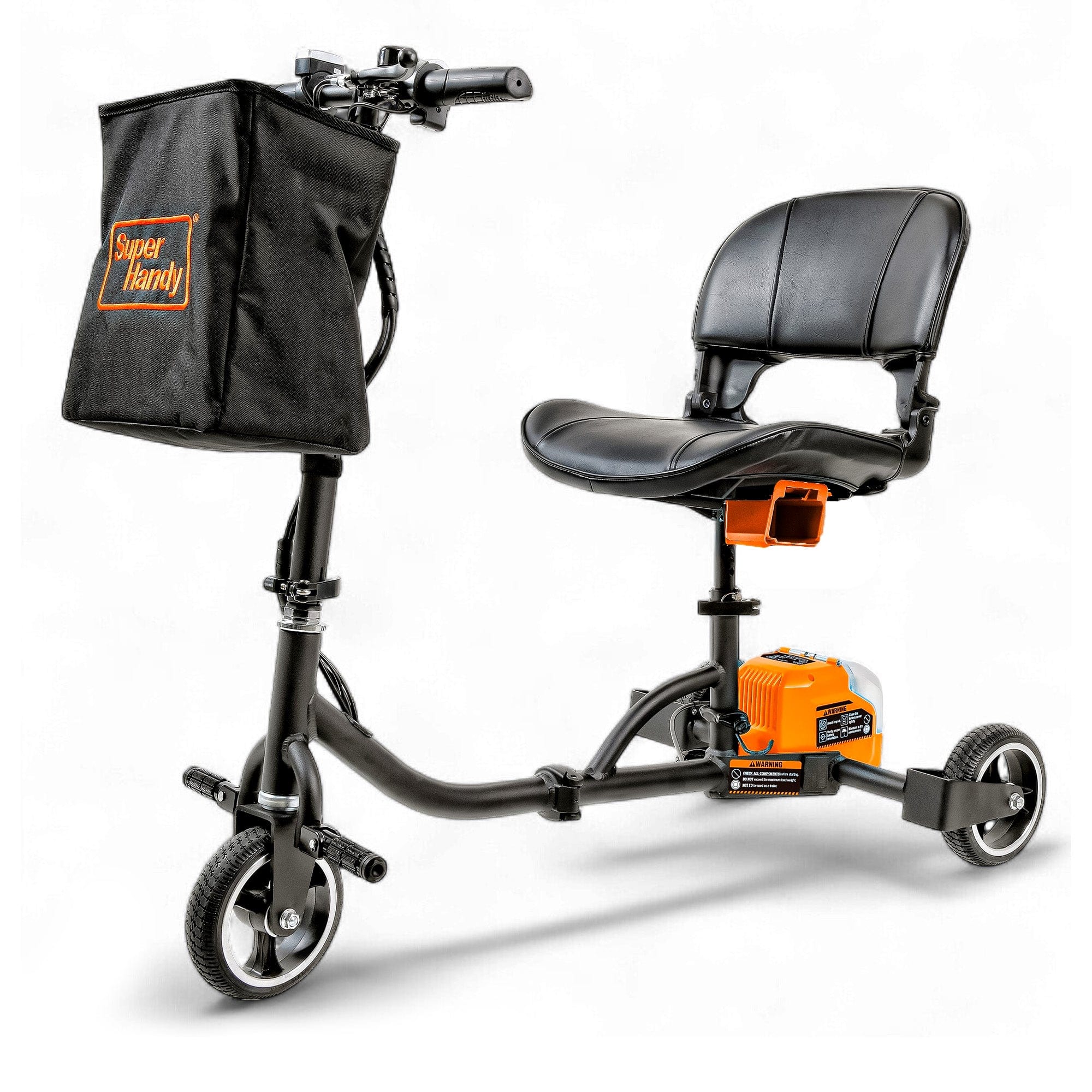
When evaluating a scooter, think about your primary environments. If you’ll be using it mainly indoors or in confined public spaces, a tight turning radius is essential. A nimble scooter like the SuperHandy Passport Prime is designed to handle these exact situations with ease. These agile Mobility Scooters ensure you can move freely and confidently without feeling restricted.

Disassembly and Portability: How Easy Is It to Transport?
The defining feature of a portable mobility scooter is, of course, its portability. How easily it can be folded or taken apart for transport is a critical factor in your purchasing decision. There are two main styles:
- Folding Scooters: These models collapse into a single, compact unit, often with the press of a button or the pull of a lever. They can be wheeled like a piece of luggage, making them extremely convenient for quick transitions into a car trunk or for storage.
- Disassembling Scooters: These scooters break down into several lighter, more manageable pieces—typically the seat, battery, and front and rear sections of the frame. While it takes a minute or two to do, the individual components are much lighter to lift than a single folded unit.
The best choice depends on your physical ability and how you plan to use the scooter. If you need portable use for frequent trips, a folding model might be perfect. If lifting strength is a concern and you need the lightest possible pieces to handle, a disassembling model is an excellent option. Exploring a variety of Mobility Scooters will help you see the differences firsthand and decide which mechanism best fits your lifestyle.
Weight of the Scooter: Lifting and Loading Considerations
The "portable" in portable mobility scooter hinges on one critical factor: its weight. Before you fall in love with a model’s features, you must be realistic about your ability—or the ability of a family member or caregiver—to lift it. Consider the total weight of the scooter and, if it’s a disassembly model, the weight of the heaviest piece. An ultra-lightweight scooter might weigh under 50 pounds total, making it manageable for many users to lift into a car trunk.
Heavier models may offer more robust features but can become a burden if lifting them is a daily struggle. For example, some folding models like the SuperHandy Passport Flex 4-Wheel Mobility Scooter are designed for easy, one-piece transport, while others break down into several lighter components. Always check the product specifications for both the "total operating weight" and the "weight of the heaviest part" to ensure it’s a practical fit for your lifestyle and physical capabilities.

Budgeting for Your Portable Scooter: Understanding Costs and Value
Portable mobility scooters can range in price from under $1,000 to several thousand dollars. This cost is influenced by factors like battery type (lithium vs. sealed lead-acid), frame material (lightweight aluminum vs. heavier steel), motor power, and advanced features like automatic folding mechanisms or enhanced suspension. While it's tempting to choose the cheapest option, it's wiser to focus on value. A slightly more expensive scooter that is more durable, comfortable, and reliable will provide better long-term value and a more positive user experience.
When planning your budget, it's also worth investigating potential financial assistance. In certain situations, if a doctor determines a scooter is medically necessary for you to perform mobility-related activities of daily living inside your home, it may be covered by insurance. According to the official government website, Medicare.gov wheelchair and scooter coverage criteria outlines the specific conditions under which Medicare Part B may help cover the cost of power-operated vehicles, also known as scooters. Always consult with your doctor and insurance provider to understand your specific coverage options before making a purchase.
Where to Buy: Online Retailers vs. Local Stores
Once you have an idea of what you need, you’ll have to decide where to buy your scooter. Both online retailers and local brick-and-mortar stores offer distinct advantages.
Online Retailers: Shopping online from specialized retailers gives you access to a vast selection of Mobility Scooters from various brands. Prices are often more competitive due to lower overhead, and you can easily compare specifications and read customer reviews from the comfort of your home. The main drawback is that you cannot test-drive the scooter before buying. However, most portable models require minimal to no assembly, making the setup process straightforward.
Local Stores: A local durable medical equipment (DME) store allows you to see and test-drive different scooters in person. You can get a feel for the controls, seating comfort, and maneuverability. Sales staff can provide hands-on demonstrations and answer your questions immediately. The trade-offs are typically a smaller selection and higher prices compared to online stores. The best choice depends on your personal preference and how confident you are in selecting a model based on specifications and reviews alone.
Essential Accessories to Enhance Your Scooter Experience
The right accessories can transform a good scooter into a great one, tailoring it perfectly to your daily routines. These add-ons enhance convenience, safety, and functionality, making your scooter a more effective tool for independence. Consider investing in a few key items to get the most out of your purchase.

Common and highly useful accessories include:
- Front Baskets and Under-Seat Bags: Essential for carrying personal belongings, shopping bags, or small groceries, keeping your hands free to steer.
- Cup Holder: A simple but invaluable accessory for holding a water bottle or coffee, ensuring you stay hydrated on the go.
- All-Weather Cover: Protects your scooter’s electronics and seat from rain, dust, and sun damage, especially if you store it in a carport or on a patio.
- Extra Battery Pack: A must-have for active users who want to extend their travel range without worrying about running out of power.
- Cane or Crutch Holder: A simple clip-on attachment that securely holds your walking aid.
Maintaining Your Portable Mobility Scooter for Longevity
Your portable mobility scooter is an investment in your freedom and independence. To ensure it serves you reliably for years to come, regular maintenance is key. Just like a car, a little proactive care goes a long way in preventing bigger issues down the road. By following a simple routine, you can keep your scooter in peak condition.
Here are the essential maintenance tasks to perform regularly:
- Battery Care: The battery is the heart of your scooter. To maximize its lifespan, charge it fully after each day of use, even if you only traveled a short distance. Avoid letting the battery drain completely, as this can cause permanent damage. Store your scooter and its battery in a cool, dry place.
- Tire Inspection: Check your tires weekly for signs of wear, tear, or damage. If you have pneumatic (air-filled) tires, ensure they are inflated to the pressure recommended in your user manual. Solid tires require less maintenance but should still be inspected for significant gouges or cracks.
- Keep It Clean and Dry: Regularly wipe down your scooter's frame, seat, and tiller with a soft, damp cloth. This prevents dirt and grime from building up in moving parts. If you get caught in the rain, dry your scooter thoroughly as soon as possible, paying special attention to the electronic controls and battery compartment.
- Check Brakes and Controls: Before each ride, do a quick check to ensure your brakes are responsive and all controls are functioning correctly.
Frequently Asked Questions About Portable Mobility Scooters
As you explore the world of Mobility Scooters, a few questions are bound to come up. Here are answers to some of the most common inquiries.
Can I take my portable mobility scooter on an airplane? Yes, you can travel by air with your scooter, but you must coordinate with your airline well in advance of your flight. Airlines have specific procedures for handling mobility devices, especially concerning the batteries. According to the FAA PackSafe wheelchair and mobility-device battery rules, regulations differ for spillable, non-spillable, and lithium-ion batteries. You will likely need to provide information about your scooter's battery type and size, so have your user manual handy when you call the airline.
Will insurance or Medicare cover my portable scooter? Coverage depends on your specific policy and medical needs. For Medicare to cover a scooter, it must be prescribed by a doctor and deemed "medically necessary" as Durable Medical Equipment (DME) for use primarily inside your home. Because portable scooters are designed for travel and outdoor use, they often do not meet Medicare's strict in-home criteria. Private insurance policies vary, so it's always best to contact your provider directly to understand your coverage.
Are 3-wheel or 4-wheel portable scooters better? Neither is universally "better"—it depends entirely on your priorities. A 3-wheel scooter offers a tighter turning radius, making it exceptionally maneuverable in tight indoor spaces like hallways and store aisles. A 4-wheel scooter, like the SuperHandy Passport Flex, provides a wider base of support, offering enhanced stability on uneven outdoor terrain like sidewalks, park paths, and grassy areas.
Making the Final Decision: Your Checklist for the Perfect Scooter
You've done the research and learned what makes a great portable mobility scooter. Now it's time to bring it all together and make a confident choice. Use this final checklist to review your top contenders and ensure you’ve found the perfect match for your lifestyle.
- Your Primary Use: Will it be mostly for indoor shopping, outdoor adventures, or a mix of both? This determines your need for maneuverability vs. stability.
- Portability & Transport: How will you transport the scooter? Confirm you can comfortably manage the disassembly process and lift the heaviest piece into your vehicle.
- Your Body & Comfort: Does the scooter’s weight capacity, seat dimensions, and tiller height provide a safe and comfortable fit for your body?
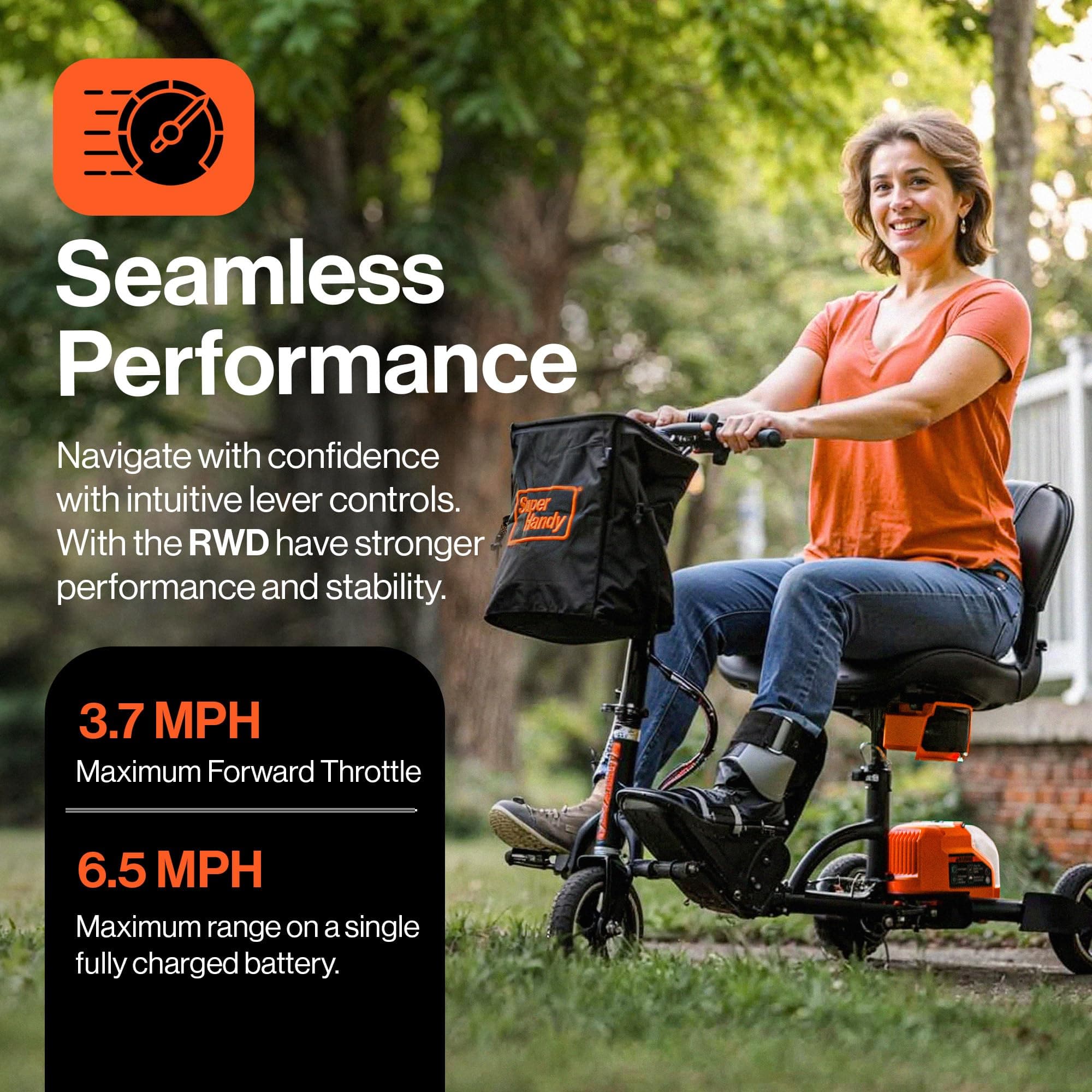
- Performance Specs: Does the battery range meet your daily travel needs? Is the top speed suitable for your intended pace and environment?
- Terrain Capability: Do the tires and suspension system match the surfaces you’ll be traveling on most often?
- Budget & Value: Does the scooter fit your budget while providing the features and reliability you need for long-term use?
By thoughtfully answering these questions, you can move forward with your purchase, knowing you've selected a model that will truly enhance your mobility. A versatile and reliable option like the Passport Prime Mobility Scooter often strikes the right balance for many users, but the best scooter is always the one that’s right for you.
Related Products


Leave a comment
All comments are moderated before being published.
This site is protected by hCaptcha and the hCaptcha Privacy Policy and Terms of Service apply.