










Why You Need a Trailer Dolly: Simplifying Your Towing Tasks
If you’ve ever tried to hitch a trailer or maneuver it into a tight spot, you know the frustration. Nudging your tow vehicle back and forth by inches, craning your neck to see, and hoping you don’t miscalculate and cause a dent—it’s a task that often requires a patient spotter and a lot of trial and error. This is where a trailer dolly becomes an indispensable tool.
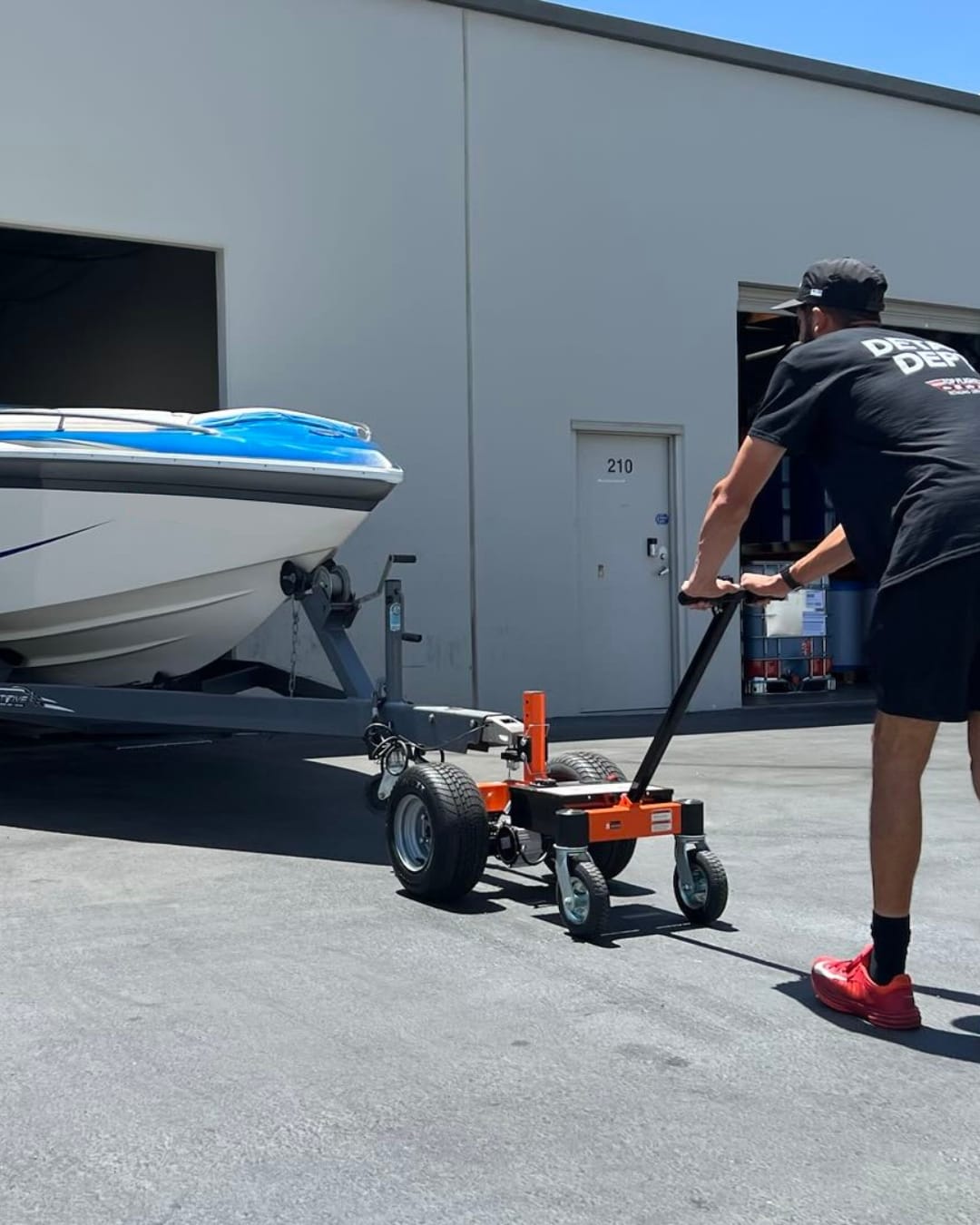
A trailer dolly is designed to do one thing exceptionally well: move your unhitched trailer with precision and minimal effort. Instead of relying on your large, unwieldy vehicle for small adjustments, you can use a compact dolly to push, pull, and pivot your trailer into the perfect position. This simplifies parking in a cramped garage, positioning a boat trailer by the water, or navigating a camper into a tight storage space. Using a dolly for moving heavy loads not only saves time and prevents damage to your vehicle and trailer but also significantly reduces the risk of physical strain and injury. It transforms a two-person job into a simple, one-person task.
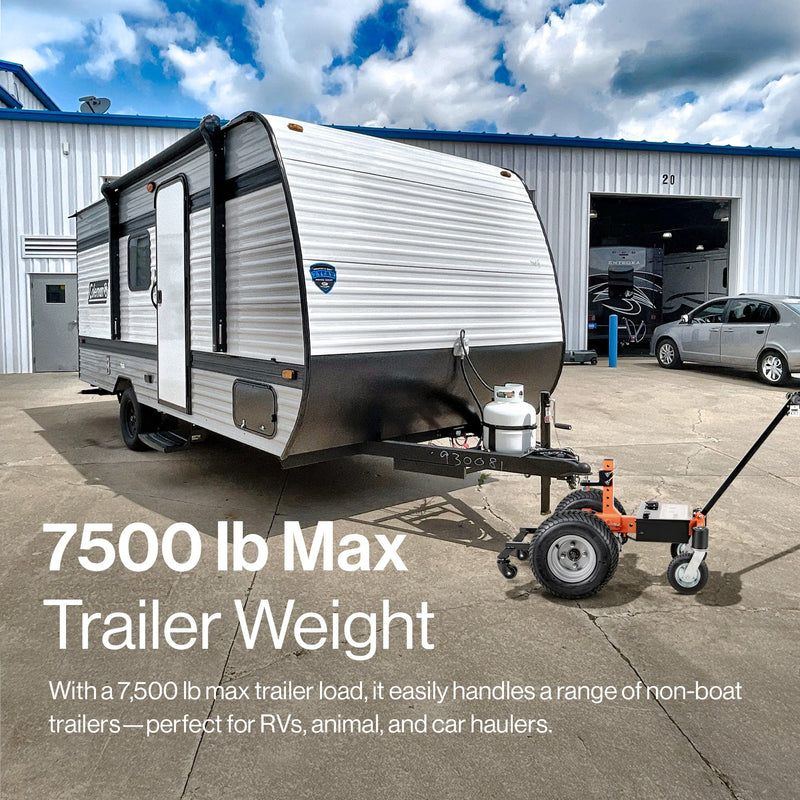
Understanding Trailer Dolly Types: Finding the Perfect Fit for Your Needs
Not all trailers are created equal, and neither are trailer dollies. Choosing the right one depends on your specific needs, including the weight of your trailer, the terrain you’ll be navigating, and your budget. The two primary categories are manual and powered dollies, each offering distinct advantages for different scenarios. Before you buy, consider how heavy your trailer is when fully loaded and how often you plan on moving it. Answering these questions will guide you toward the perfect fit for your towing tasks.
Manual Trailer Dollies: Budget-Friendly Solutions for Lighter Loads
A manual trailer dolly is the classic, human-powered solution for trailer maneuvering. These dollies operate on the simple principle of leverage, featuring a long handle that allows you to lift the trailer tongue and roll it on the dolly’s wheels. They are an excellent, budget-friendly choice for lighter loads like small utility trailers, jet skis, or small fishing boats.
The main benefits of a manual dolly are its simplicity and affordability. With no motor or batteries to worry about, they are virtually maintenance-free and easy to store. However, their effectiveness is directly tied to your physical ability and the ground conditions. They work best on flat, paved surfaces and can become challenging to use with heavier loads or on soft ground and inclines. For occasional use with a lightweight trailer, a manual dolly is a practical and economical tool.
Powered Trailer Dollies: Effortless Maneuvering for Heavier Trailers
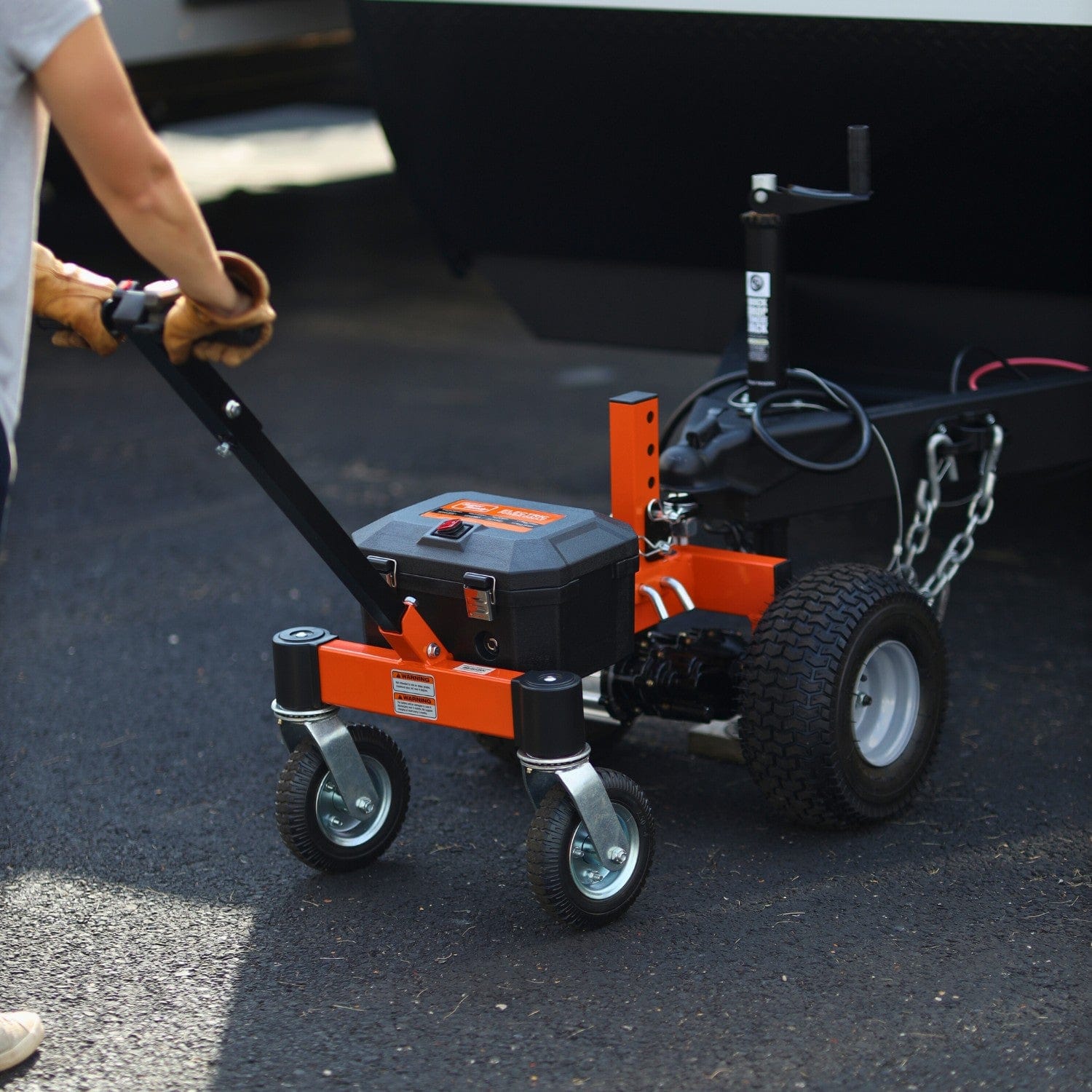
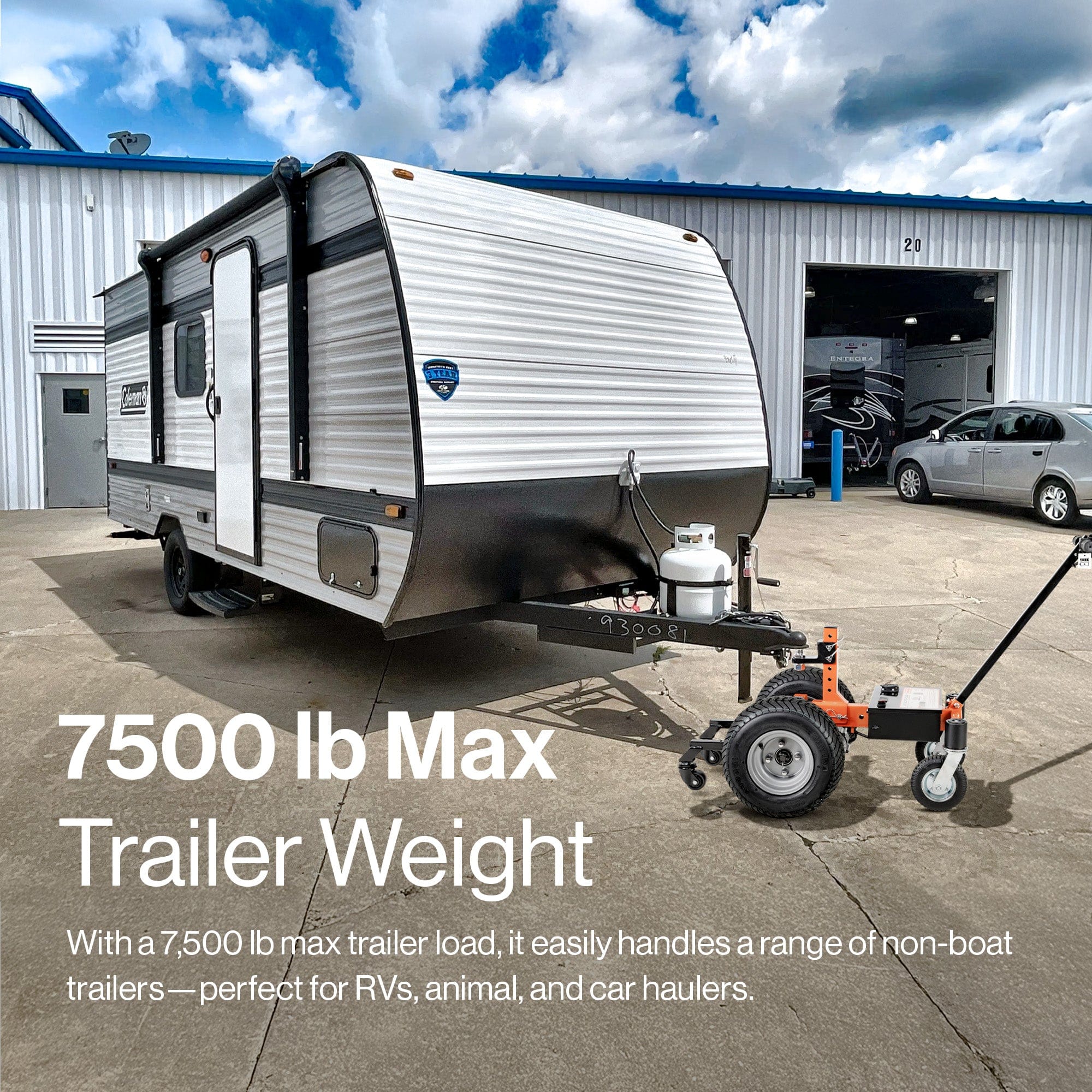
For anyone dealing with heavy trailers like RVs, large boats, toy haulers, or even an empty car dolly, a powered trailer dolly is a game-changer. These units are equipped with a powerful electric motor that does all the heavy work for you, allowing you to move thousands of pounds with just the push of a button or a twist of a handle. An electric trailer dolly eliminates the physical strain required by manual models, providing smooth, controlled power for effortless positioning.
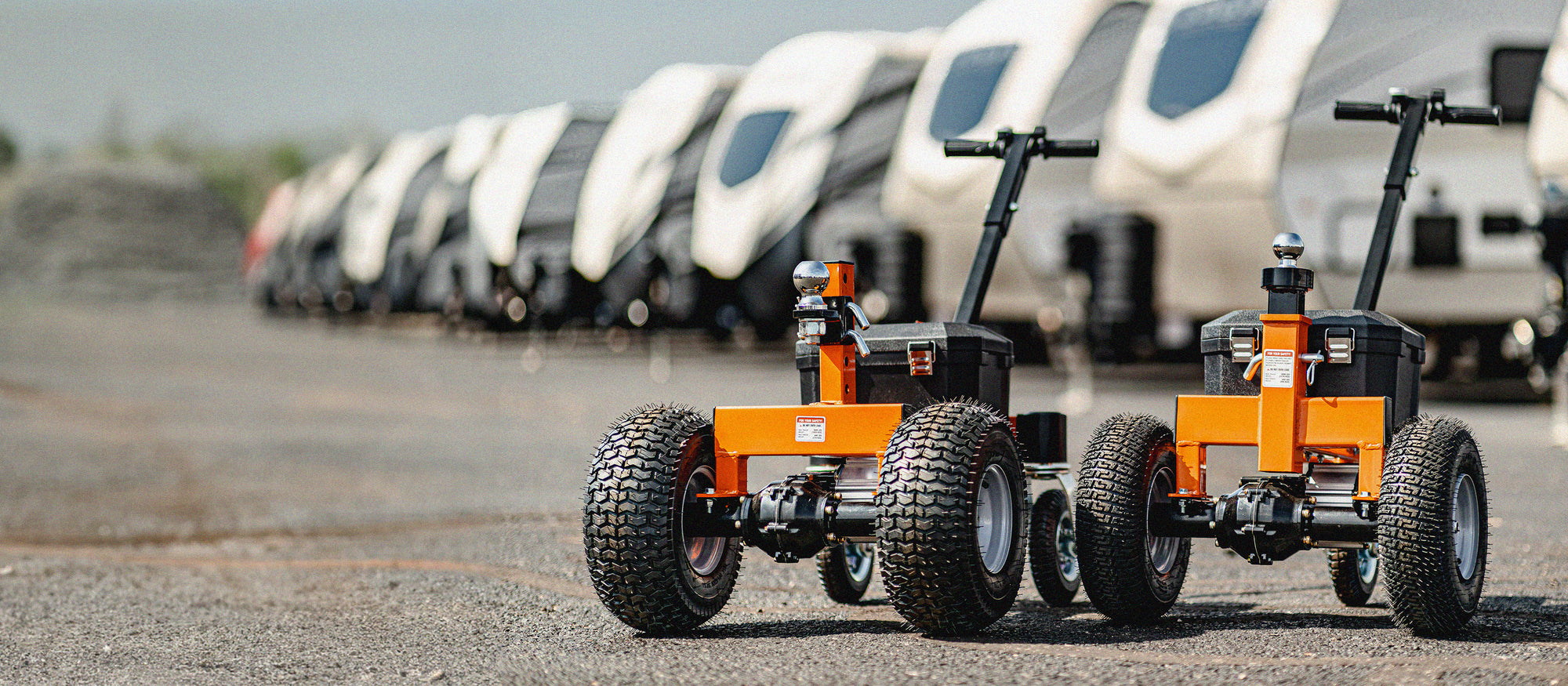
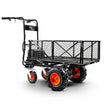
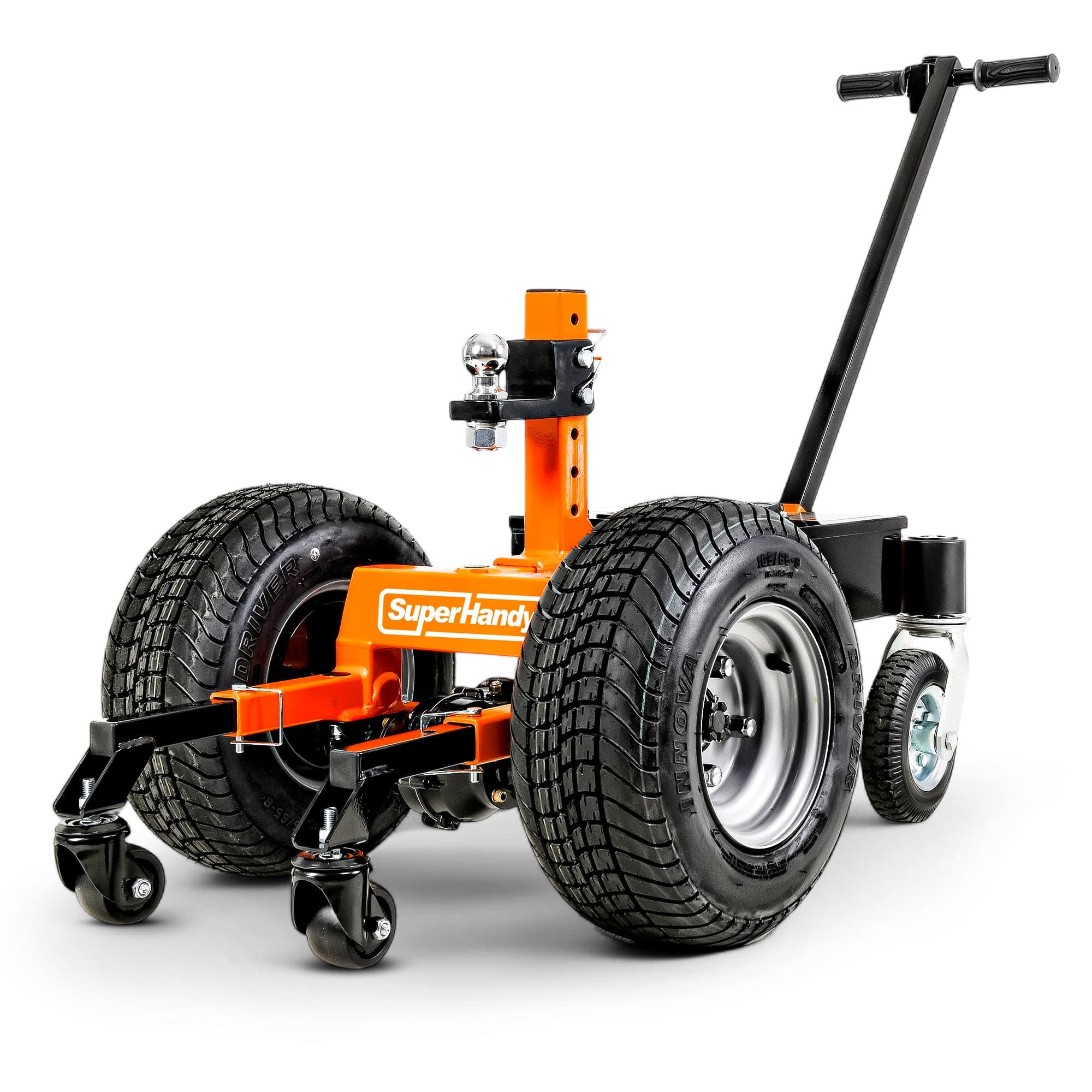
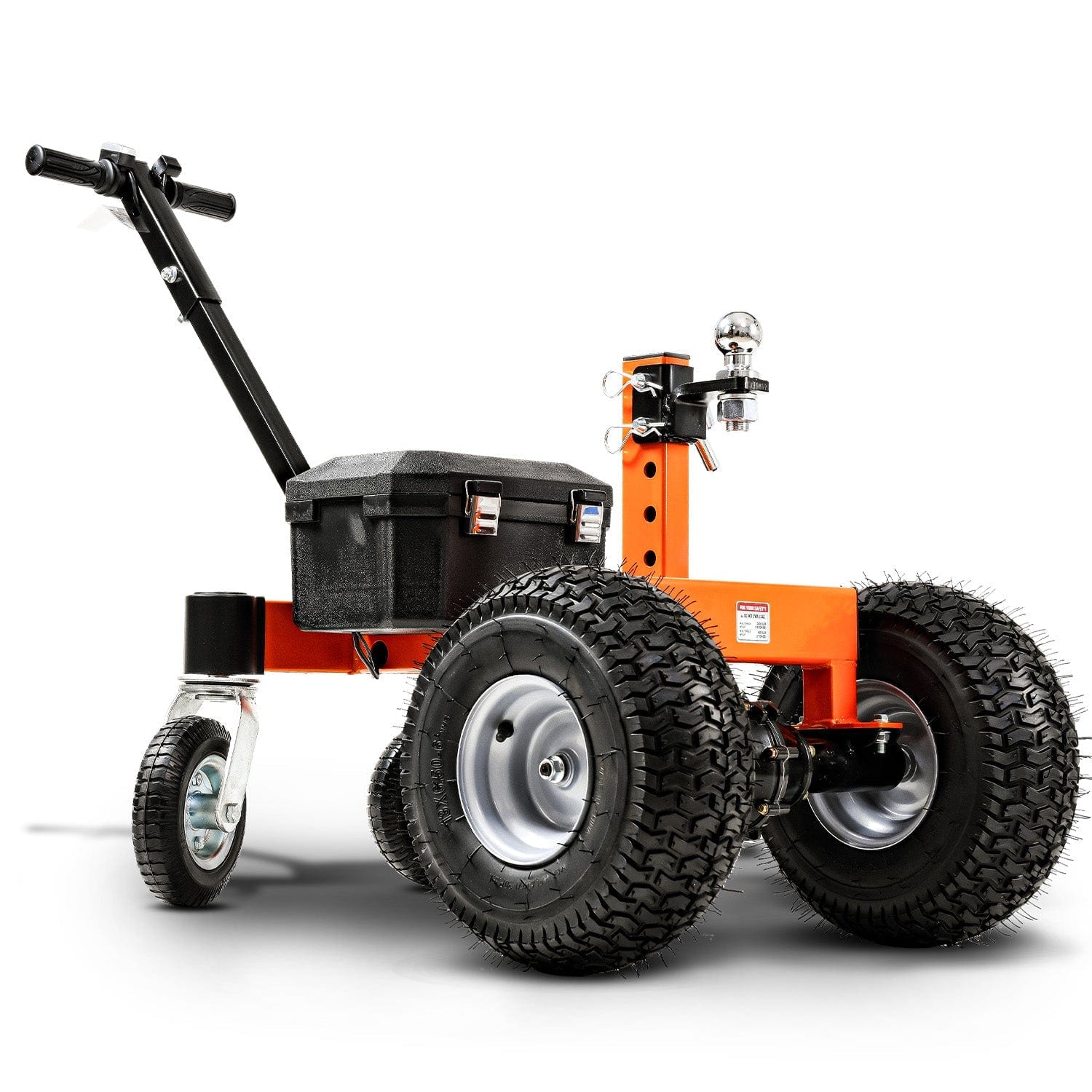
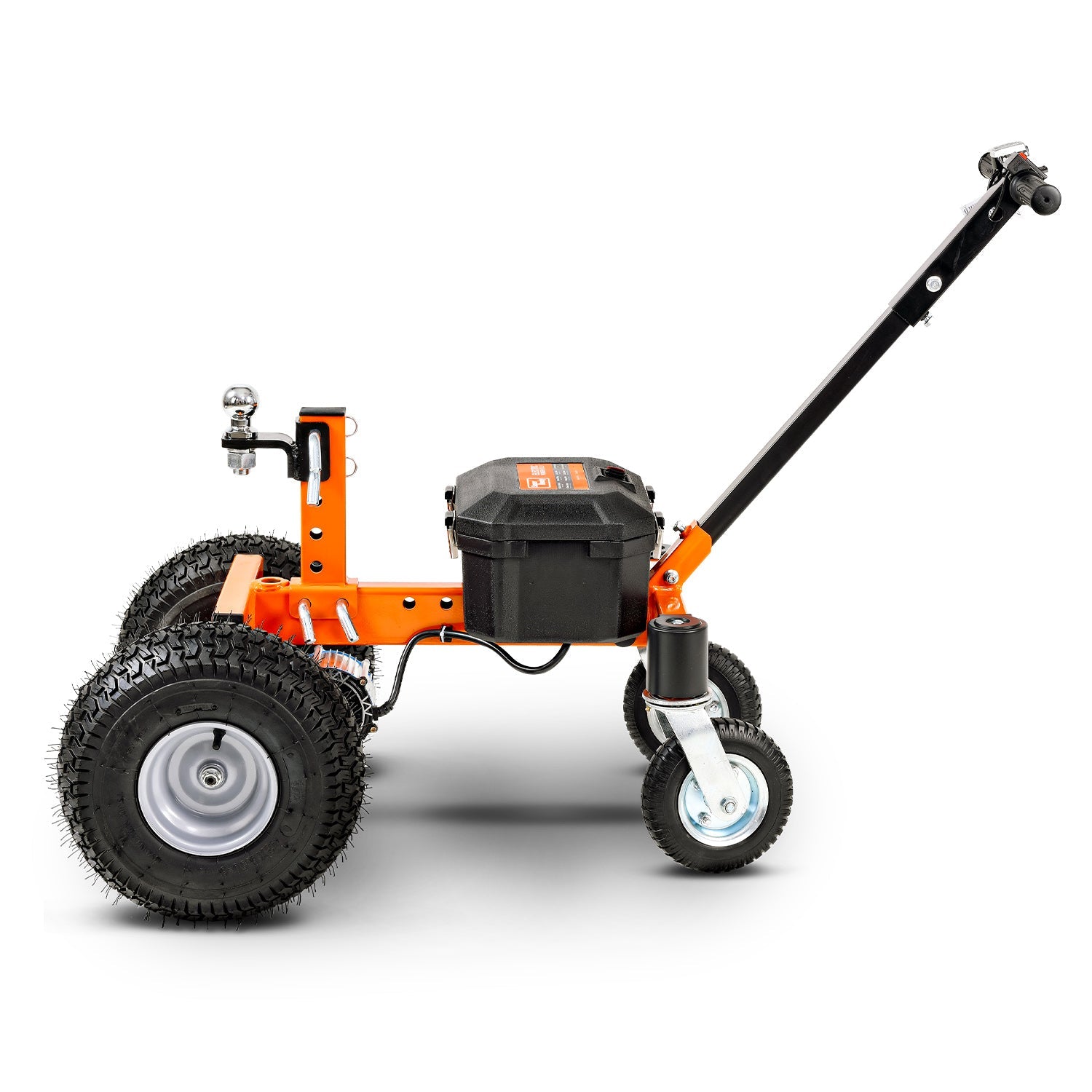
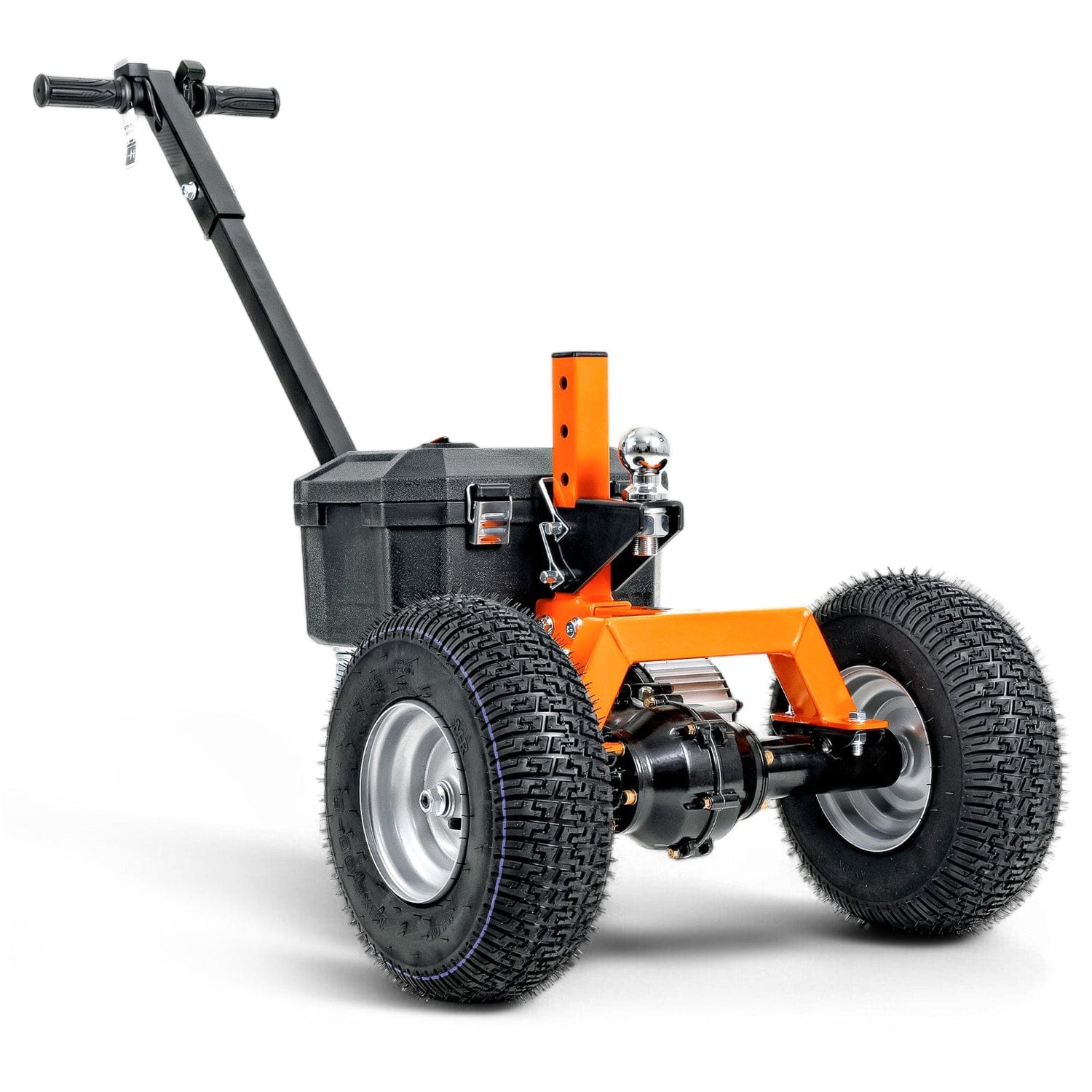
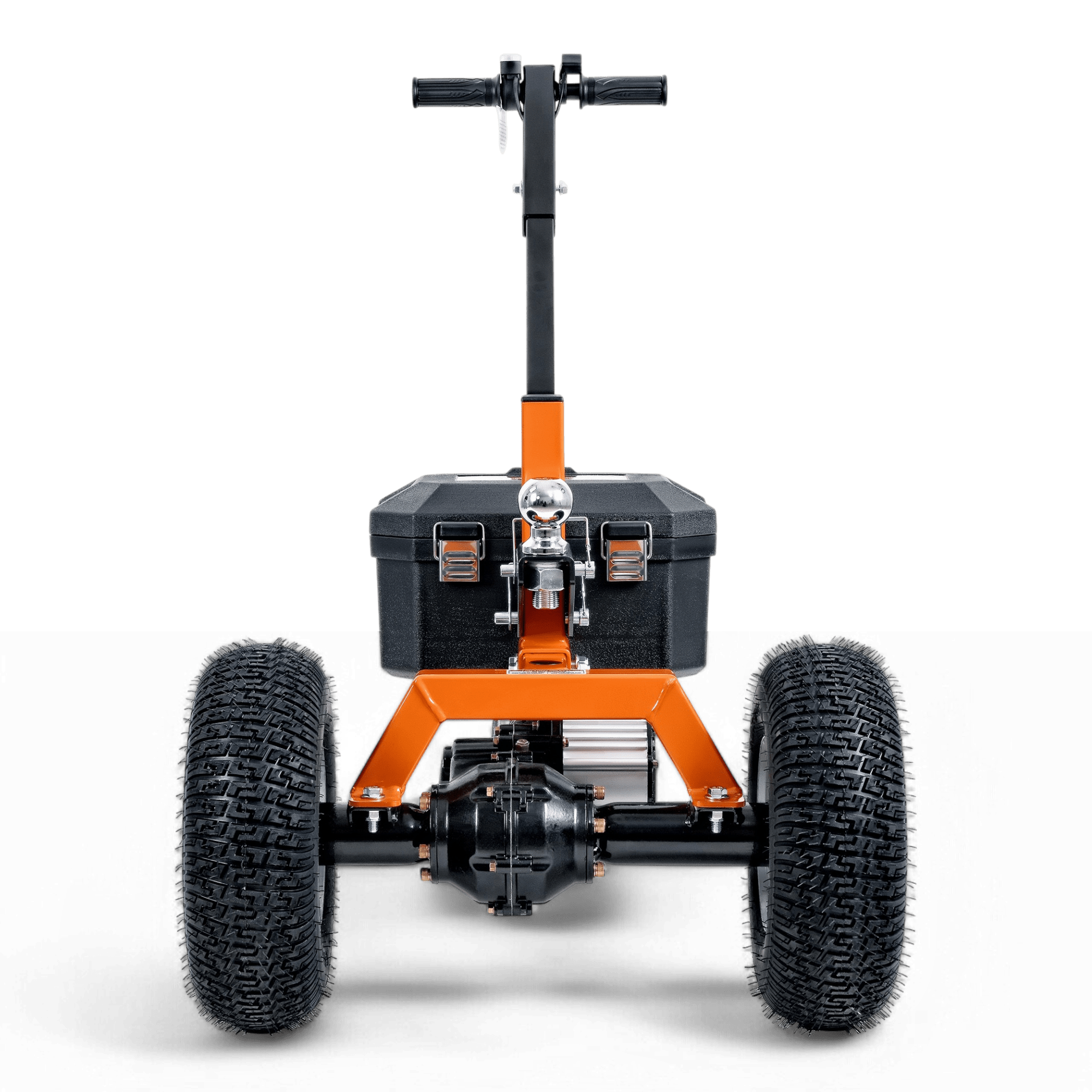
The primary advantage of a powered dolly is its sheer strength and control. A robust SuperHandy Electric Trailer Dolly can navigate slight inclines and uneven terrain that would be impossible with a manual version. This makes them ideal for maneuvering heavy campers into precise spots at a campsite or positioning a large cargo trailer in a packed driveway. With features like variable speed control and automatic braking, you gain useful precision without breaking a sweat. Exploring the full range of options, like those in the SuperHandy Electric Trailer Dolly collection, reveals models designed for various weight capacities and hitch types. The advanced drive system on a unit like the SuperHandy Electric Trailer Dolly ensures reliable traction and power, making it the ultimate moving companion for serious trailer owners.
Key Features to Look for When Buying a Trailer Dolly
Choosing the right trailer dolly isn't just about finding something that can move your trailer; it's about finding the perfect tool for your specific needs. A great dolly moving experience depends on a few critical factors that ensure safety, efficiency, and ease of use. From the weight of your trailer to the ground you'll be covering, every detail matters. Let's break down the most important features to consider so you can invest in a dolly that will serve you well for years to come.
Weight Capacity: Ensuring Your Dolly Can Handle the Load
The single most important feature to verify is the dolly's weight capacity. Exceeding this limit is not only dangerous but can also cause irreversible damage to the dolly, your trailer, or your vehicle. You need to be aware of two key metrics:
- Gross Trailer Weight (GTW): This is the total weight of your fully loaded trailer. While you won't be lifting the entire trailer, the dolly needs to be robust enough to manage the forces involved in moving this mass.
- Tongue Weight: This is the downward force that the trailer tongue exerts on the hitch ball. This is the primary weight the dolly will support. A general rule of thumb is that tongue weight should be 10-15% of the GTW.
Always choose a trailer dolly with a maximum tongue weight capacity that is comfortably above your trailer's actual tongue weight. This provides a crucial safety margin. When you com/collections/trailer-dollies) collection. Never guess—weigh your trailer's tongue if you're unsure.
Tire Type and Size: Navigating Different Terrains with Ease
The tires on your trailer dolly are its direct connection to the ground, and they dictate where and how easily you can move your trailer. The two main types are pneumatic (air-filled) and solid rubber.
- Pneumatic Tires: These are excellent for absorbing shock and navigating uneven surfaces like gravel, grass, or bumpy asphalt. Their larger size and deeper treads provide better traction on soft or loose terrain.
- Solid Tires: These are best for smooth, hard surfaces like concrete or pavement in a garage or warehouse. Their main advantage is that they are puncture-proof and require zero maintenance.
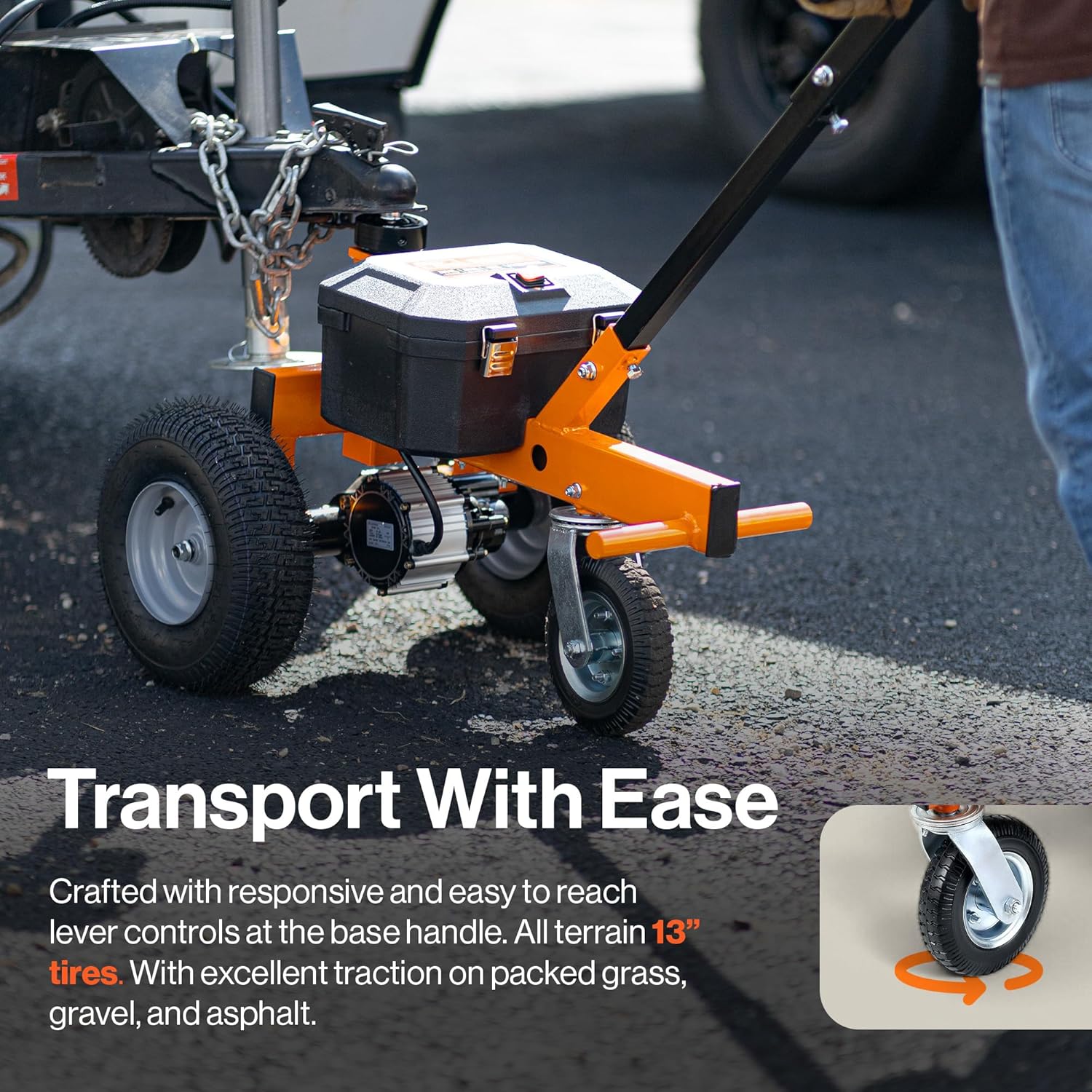
Consider the environment where you'll be doing most of your maneuvering. If you need to move a boat trailer across a grassy field or a camper over a gravel driveway, large, all-terrain pneumatic tires are a must. For example, the SuperHandy Electric Trailer Dolly features robust 13-inch all-terrain tires designed to handle these exact challenges, giving you confidence on varied surfaces.
Maneuverability and Control: How Easy Is It to Steer?
A trailer dolly’s purpose is to make a difficult job easy, and that comes down to control. Look for ergonomic handles that allow for a comfortable grip and good leverage. The dolly's turning radius is also important, especially if you're working in tight spaces like a crowded garage or a narrow side yard. You need to be able to pivot and position your trailer with precision.
This is where a powered dolly offers a significant advantage over manual models. Instead of relying on your own strength to push, pull, and steer, an electric trailer dolly does the heavy work for you. Features like forward and reverse switches, variable speed control, and an automatic brake allow for incredibly precise, low-effort movements. A SuperHandy Electric Trailer Dolly truly shines in this area, offering intuitive thumb-stick controls that make guiding a multi-ton trailer feel almost effortless. This level of control not only saves your back but also prevents accidental bumps and scrapes.
Power Source and Battery Life (for Powered Dollies)
When you opt for an electric trailer dolly, you're investing in convenience powered by a robust battery system. Most powered dollies use sealed lead-acid (SLA) or lithium-ion batteries. SLA batteries are a proven, cost-effective technology, offering reliable power, though they are heavier. Lithium-ion batteries, on the other hand, are lighter, offer a longer overall lifespan, and often charge faster, but typically come at a higher price point.
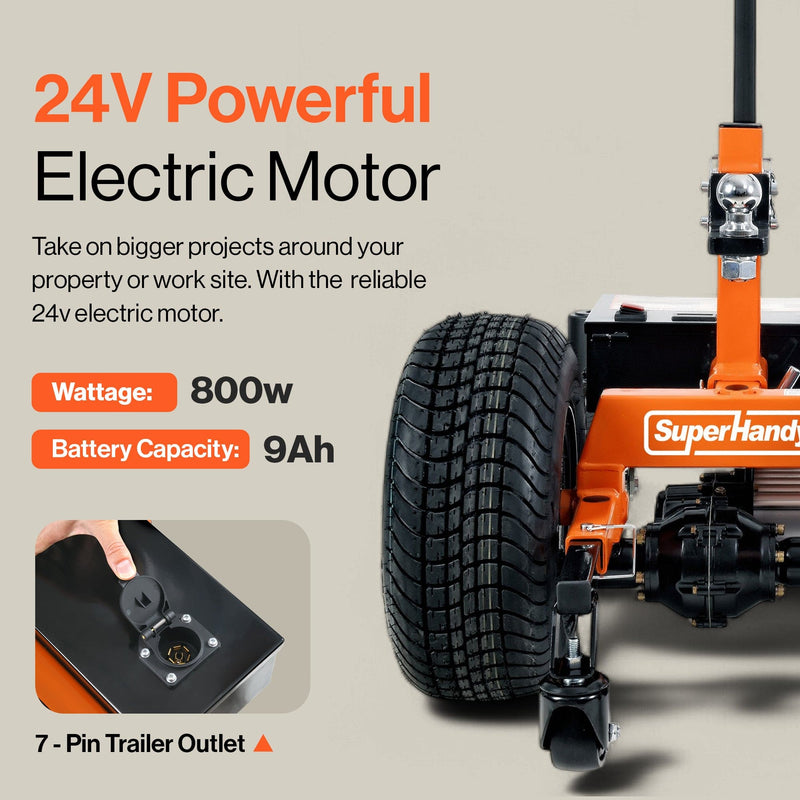
The battery's capacity, measured in Amp Hours (Ah), determines its run time. A higher Ah rating generally means you can operate the dolly for longer between charges. However, real-world battery life depends on several factors, including the trailer's weight, the steepness of any inclines, and the roughness of the terrain. For example, the SuperHandy Electric Trailer Dolly is equipped with a powerful and reliable battery system designed to provide ample power for maneuvering heavy loads in typical storage environments. Always check the manufacturer's specifications for estimated run time and charging requirements to ensure it meets your needs. For medical context,
Choosing the Right Trailer Dolly for Different Trailer Types (Boat, RV, Cargo)
Not all trailers are created equal, and the right dolly depends on what you're towing. By matching the dolly to your specific trailer, you ensure safe and efficient operation.
- Boat Trailers: Moving a boat trailer in a tight driveway or storage space is a common challenge. A powered dolly is often the best choice, providing the controlled force needed to maneuver the trailer without the strain of pushing it by hand. Pay close attention to the dolly’s tire traction, especially if you’ll be moving over pavement that might get wet.
- RV and Camper Trailers: RVs and travel trailers are heavy and have significant tongue weights. For these, a heavy-duty powered trailer dolly is non-negotiable. Look for models with high weight capacities and robust motors that can handle the load smoothly. The precision control of an electric dolly is invaluable for positioning your camper perfectly onto a storage pad or into a tight spot at a crowded RV park.
- Cargo and Utility Trailers: These trailers vary dramatically in size and weight. A small, empty utility trailer might be manageable with a manual dolly. However, for larger enclosed cargo trailers or flatbeds loaded with equipment, a powered dolly is essential for safety and ease. Our collection of SuperHandy Electric Trailer Dolly models offers options to match a wide range of capacities, ensuring you have the right power for the job.
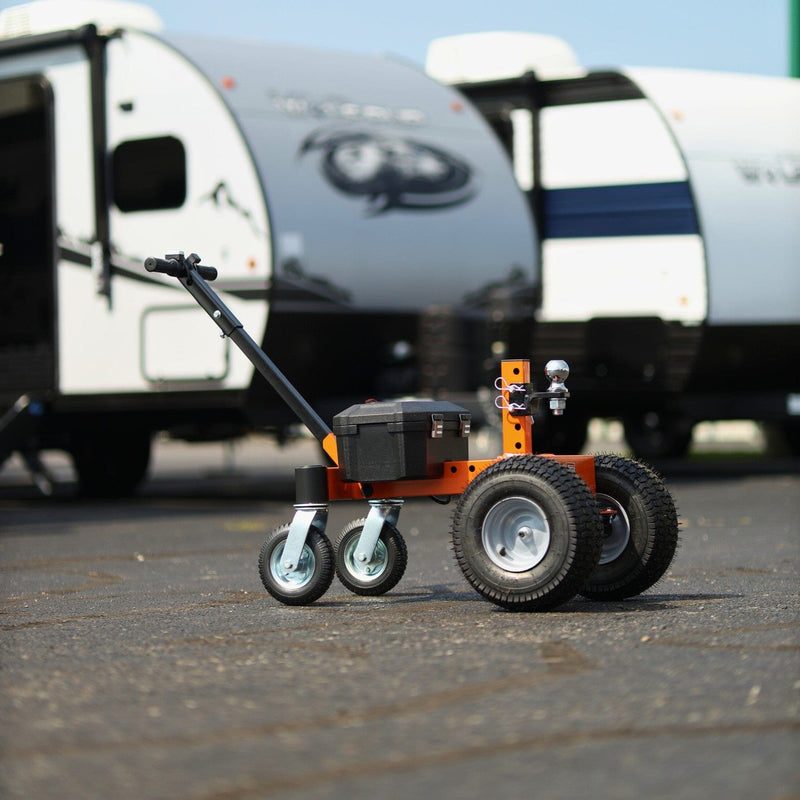
Step-by-Step Guide: How to Safely Use Your Trailer Dolly
Using a trailer dolly can make your life much easier, but safety should always be your top priority. Follow these steps for a smooth and secure experience.
- Prepare Your Area: Before you begin, inspect the ground. Ensure it is firm, relatively level, and free of obstacles. Never use a trailer dolly on a significant incline or decline. Chock the trailer's wheels securely to prevent any unexpected movement.
- Attach the Dolly: Align the dolly’s hitch ball under the trailer’s coupler. Lower the coupler onto the ball and lock it securely, ensuring the latch is fully engaged and the safety pin or clip is in place. Double-check that the hitch ball size on the dolly matches your trailer's coupler.
- Lift the Trailer: Use the dolly’s mechanism (the crank on a manual dolly or the power lift on an electric one) to raise the trailer tongue just enough for the trailer’s jack to clear the ground. Retract the trailer jack completely.
- Maneuver with Care: Operate the dolly’s controls to move the trailer. Always move slowly and deliberately. If possible, have a spotter guide you, especially when backing into tight spaces. Make wide, smooth turns to maintain stability.
- Position and Disconnect: Once the trailer is in its final position, securely chock the wheels again. Lower the trailer jack onto a solid block or surface to support the tongue weight. Once the trailer is supported by its own jack, you can safely unlock the coupler and move the dolly away.
Maintenance Tips to Keep Your Trailer Dolly in Top Condition
A little preventative maintenance goes a long way in extending the life of your trailer dolly and ensuring it’s ready to work when you are.
- Check the Tires: Regularly inspect the dolly’s tires for proper inflation and check for any signs of wear, cracks, or damage. Proper tire pressure is crucial for stability and maneuverability.
- Battery Care (Powered Models): Follow the manufacturer’s instructions for charging. Avoid storing the dolly with a completely drained battery for extended periods. Keep the battery terminals clean and free of corrosion.
- Lubricate Moving Parts: Apply grease or a suitable lubricant to the axle, wheel bearings, and the hitch ball mount mechanism periodically to ensure smooth and quiet operation.
- Inspect the Frame: Keep the dolly's frame clean and dry to prevent rust. After use, wipe away any dirt or moisture. Periodically check all welds and bolts to ensure they are secure and free from stress cracks.
- Store Properly: When not in use, store your dolly in a dry, protected area like a garage or shed. This will protect it from the elements and keep it in top condition for years to come. Proper care ensures your SuperHandy Electric Trailer Dolly remains a reliable partner for all your moving tasks.
Common Trailer Dolly Problems and How to Fix Them
Even the most reliable trailer dolly can encounter issues. Fortunately, most problems are easy to diagnose and fix with a little troubleshooting. Here are some common challenges and their solutions:
-
Loss of Traction: If your dolly's wheels are spinning without moving the trailer, you've lost traction. This often happens on wet grass, loose gravel, or slight inclines.
-
The Fix: First, check your dolly's tire pressure; underinflated tires can significantly reduce grip. Ensure the path is clear of loose debris. For powered dollies, a model with aggressive, all-terrain tires will perform better. If you still struggle, you may be asking the dolly to pull a load on a surface it wasn't designed for.
-
Battery Issues (Electric Dollies): Your electric dolly moves slowly, dies quickly, or won't turn on at all.
-
The Fix: Start with the basics. Is the battery fully charged? Are the charger and all connections secure? If the battery is old, it may have reached the end of its life and needs to be replaced. To maximize battery longevity, always follow the manufacturer's charging instructions and avoid storing the dolly with a completely depleted battery for long periods.
-
Struggling Motor or Slow Movement: You can hear the motor straining, or the dolly moves much slower than it should.
-
The Fix: This is a classic sign of an overloaded dolly. You are likely exceeding the maximum weight capacity. Immediately stop and verify your trailer's tongue weight against your dolly's specifications. Continuously operating an overloaded dolly can cause permanent damage to the motor and drivetrain. If your trailer is too heavy, you must upgrade to a more powerful dolly.
Frequently Asked Questions About Trailer Dollies
Have questions? We have answers. Here are some of the most frequently asked questions about choosing and using a trailer dolly.
What is a trailer dolly used for? A trailer dolly is a simple but powerful tool that connects to your trailer's tongue, allowing a single person to maneuver it with precision when it's detached from a tow vehicle. It's the perfect solution for parking trailers in tight garages, navigating narrow side yards, or positioning boats and RVs in storage spots without the hassle of backing up a large truck.
Can I use a trailer dolly on a hill or incline? This depends entirely on the dolly's design. Most manual dollies are only safe for use on flat, level surfaces. However, many powered models are engineered to handle slight grades. A quality SuperHandy Electric Trailer Dolly will specify its maximum incline rating and should include a crucial automatic braking feature that prevents the trailer from rolling when you stop on a slope. Always consult the user manual for safety guidelines.
How do I find the right weight capacity for my trailer? The most important number to know is your trailer's tongue weight, not the total trailer weight. Tongue weight is the downward force that the trailer tongue applies to the hitch ball. Your dolly's rated capacity must be higher than this number. You can find the tongue weight in your trailer's documentation or measure it using a dedicated tongue weight scale. As a rule of thumb, it's typically 10-15% of the total loaded trailer weight.
Are electric trailer dollies worth it? If you're moving anything heavier than a small utility trailer, the answer is a resounding yes. While manual dollies are great for lightweight tasks on pavement, they require significant physical effort. An electric trailer dolly eliminates the strain, turning a difficult two-person job into a simple one-person task. The power and control make moving heavy boat, RV, or cargo trailers effortless and significantly safer.
Making the Smart Investment: Selecting the Best Trailer Dolly for Your Budget
Choosing a trailer dolly isn't just about buying a tool; it's an investment in safety, convenience, and protecting your valuable trailer and tow vehicle. Finding the right balance between price and performance is key to making a smart purchase.
For those on a tight budget with very light trailers (like small jon boats or jet skis), a basic manual dolly might suffice. They are inexpensive and require no power source. However, their utility is limited to flat, hard surfaces and trailers with a tongue weight of less than 600 pounds.
For most trailer owners, the best value lies in a powered dolly. An electric model dramatically expands what you can move and where you can move it. When evaluating your options, don't just look at the initial cost. Consider the features that provide long-term value, such as variable speed control, robust all-terrain tires, and an automatic brake. A powerful unit like the SuperHandy Electric Trailer Dolly saves you from potential back strain and the frustration of wrestling a heavy trailer into place.
Ultimately, the "cost" of not having the right dolly can be far greater than the purchase price—think of a dented bumper, a strained back, or a trailer stuck in an awkward spot. Assess your trailer's tongue weight, the terrain of your storage area, and how much your time and physical well-being are worth. Investing in a capable dolly that meets your specific needs will pay for itself every time you park your trailer with ease. Ready to find your perfect match? Explore our complete collection of SuperHandy Electric Trailer Dollies and take the struggle out of moving your trailer.
Related Products

Leave a comment
All comments are moderated before being published.
This site is protected by hCaptcha and the hCaptcha Privacy Policy and Terms of Service apply.