









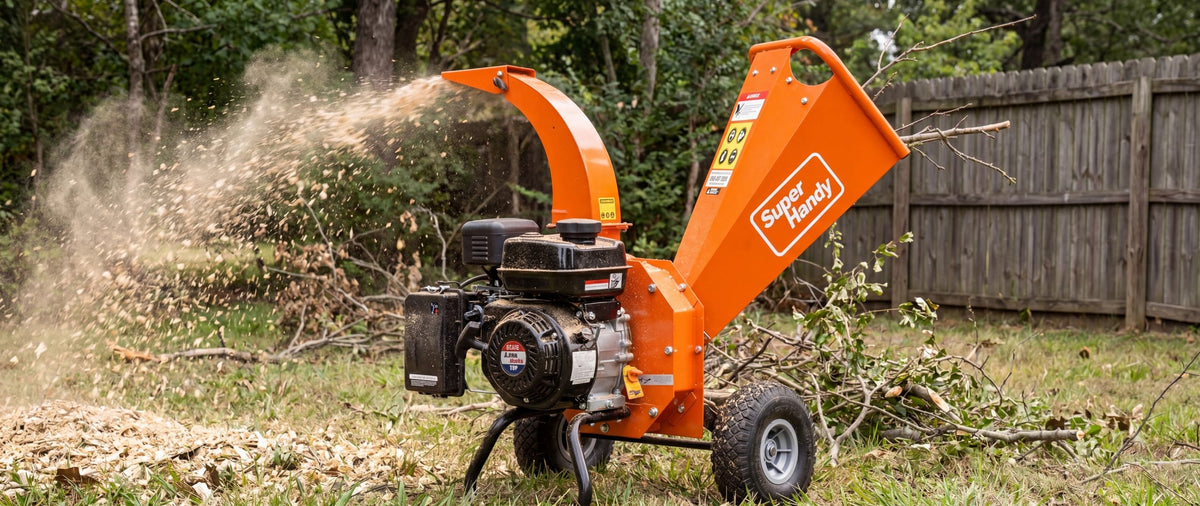
Why Invest in a Small Wood Chipper for Your Property?
Tired of piling up branches and yard debris after a storm or seasonal cleanup? A small wood chipper is a game-changing tool that transforms unmanageable brush piles into valuable wood chips for mulch, compost, or pathways. Instead of paying for hauling services or making endless trips to the dump, you can efficiently recycle organic waste right on your property, keeping your landscape tidy and enriching your garden soil in the process.
Feature 1: Engine Power and Type - Is More Horsepower Always Better?
The engine is the heart of any wood chipper. While it's tempting to think more horsepower (HP) is always superior, the key is matching the power to your needs. For most homeowners, a model with around 6 to 7 HP provides ample strength for common yard waste without the fuel consumption and cost of a larger commercial wood chipper. Power directly impacts how quickly and effectively the machine can break down material.
Understanding Different Engine Types: Gas vs. Electric
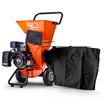
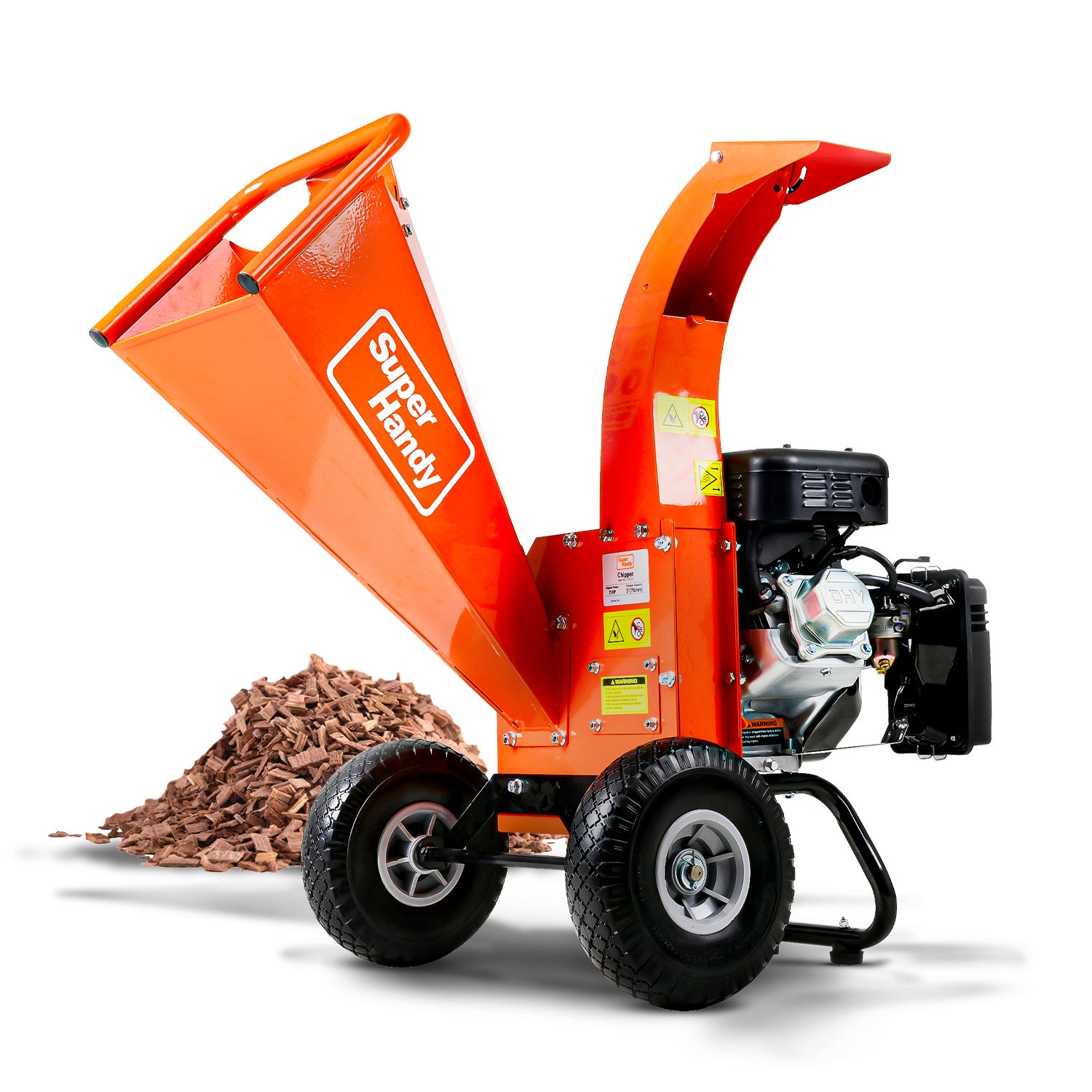
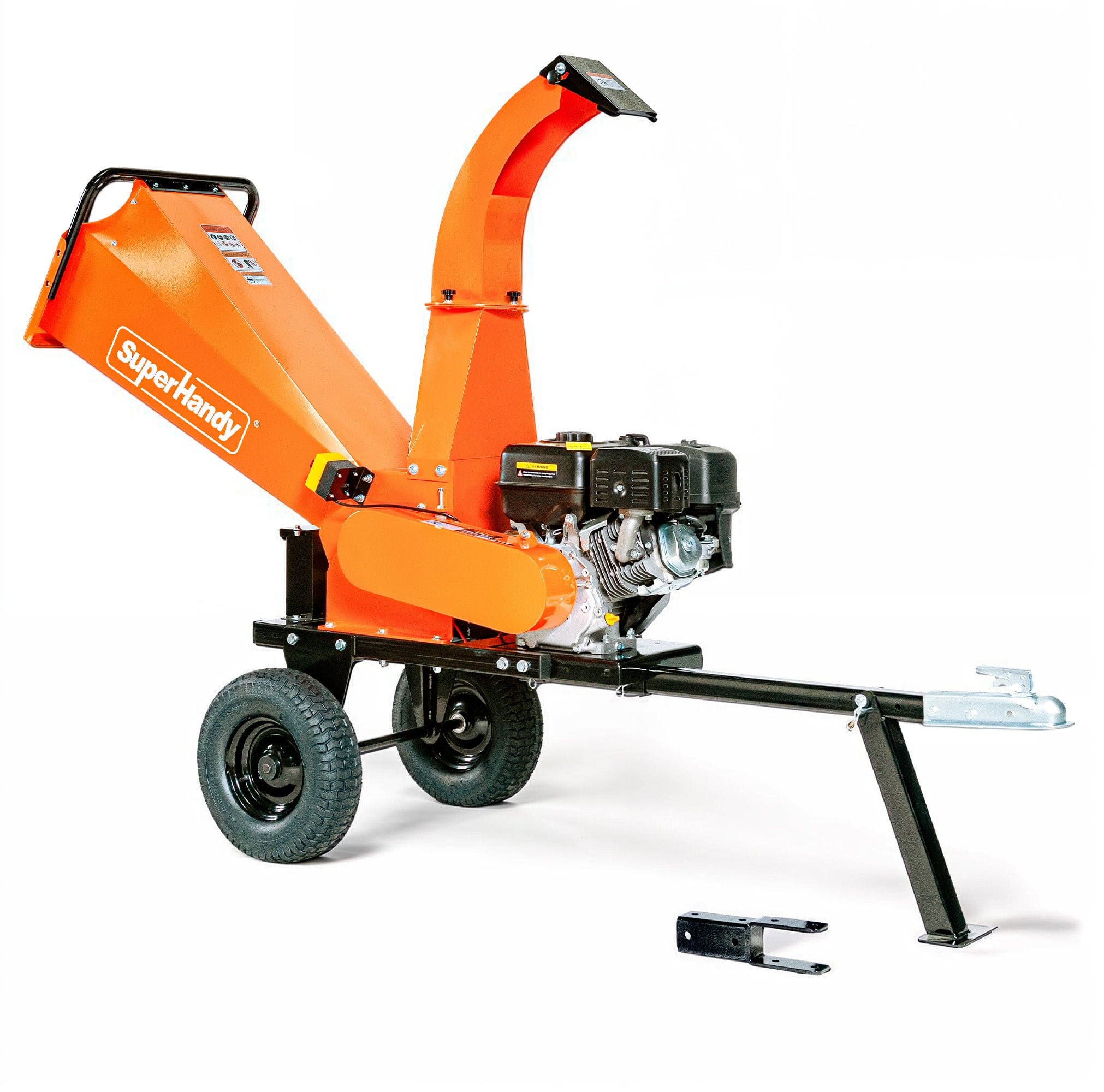
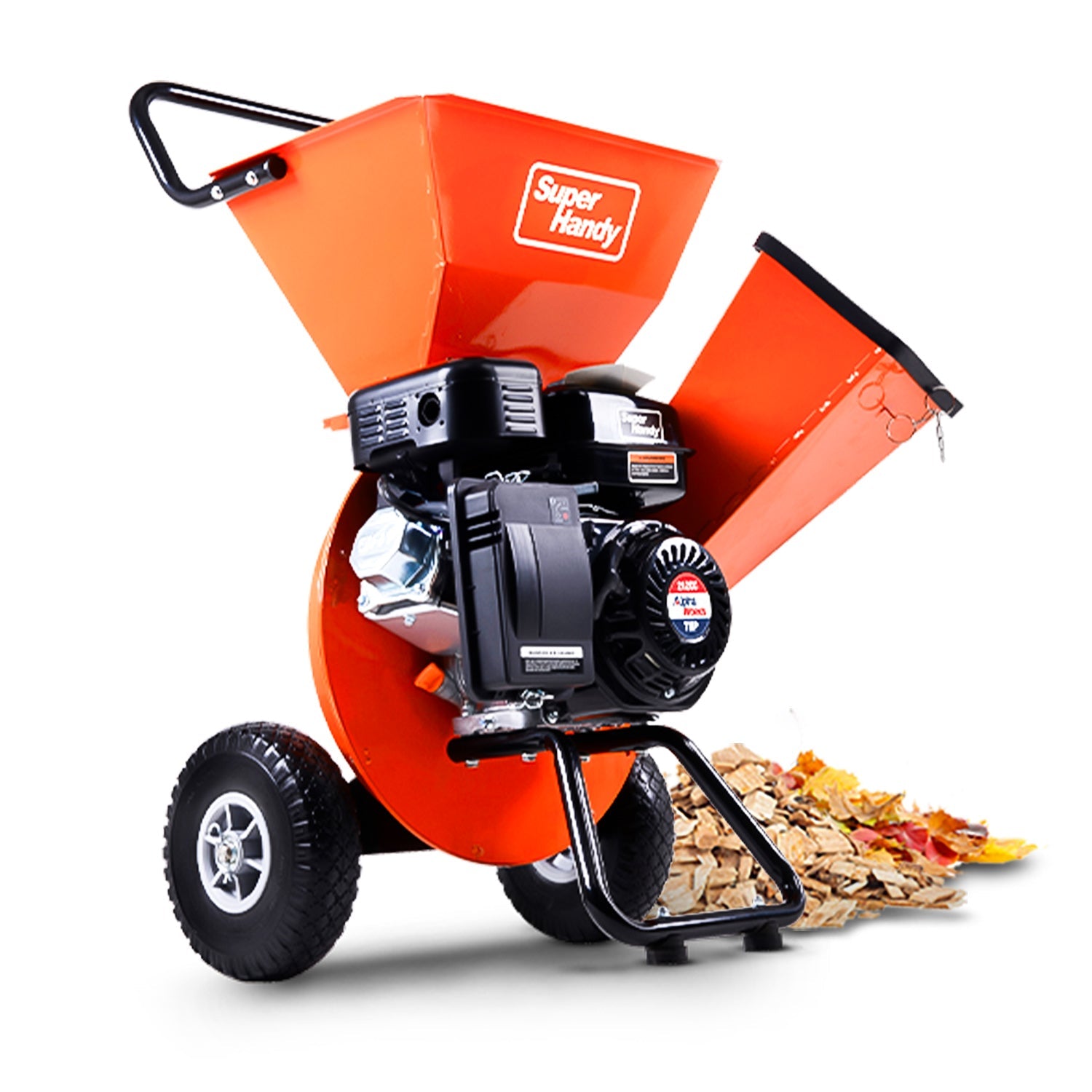
Your two main choices are gas and electric. Electric chippers are quieter, lighter, and require less maintenance, making them ideal for smaller suburban yards. Gas-powered models, like this versatile Mini Wood Chipper, offer superior power and complete portability, allowing you to tackle tougher jobs and larger properties without being tied to an electrical outlet.
Feature 2: Chipping Capacity - What Size Branches Can It Handle?

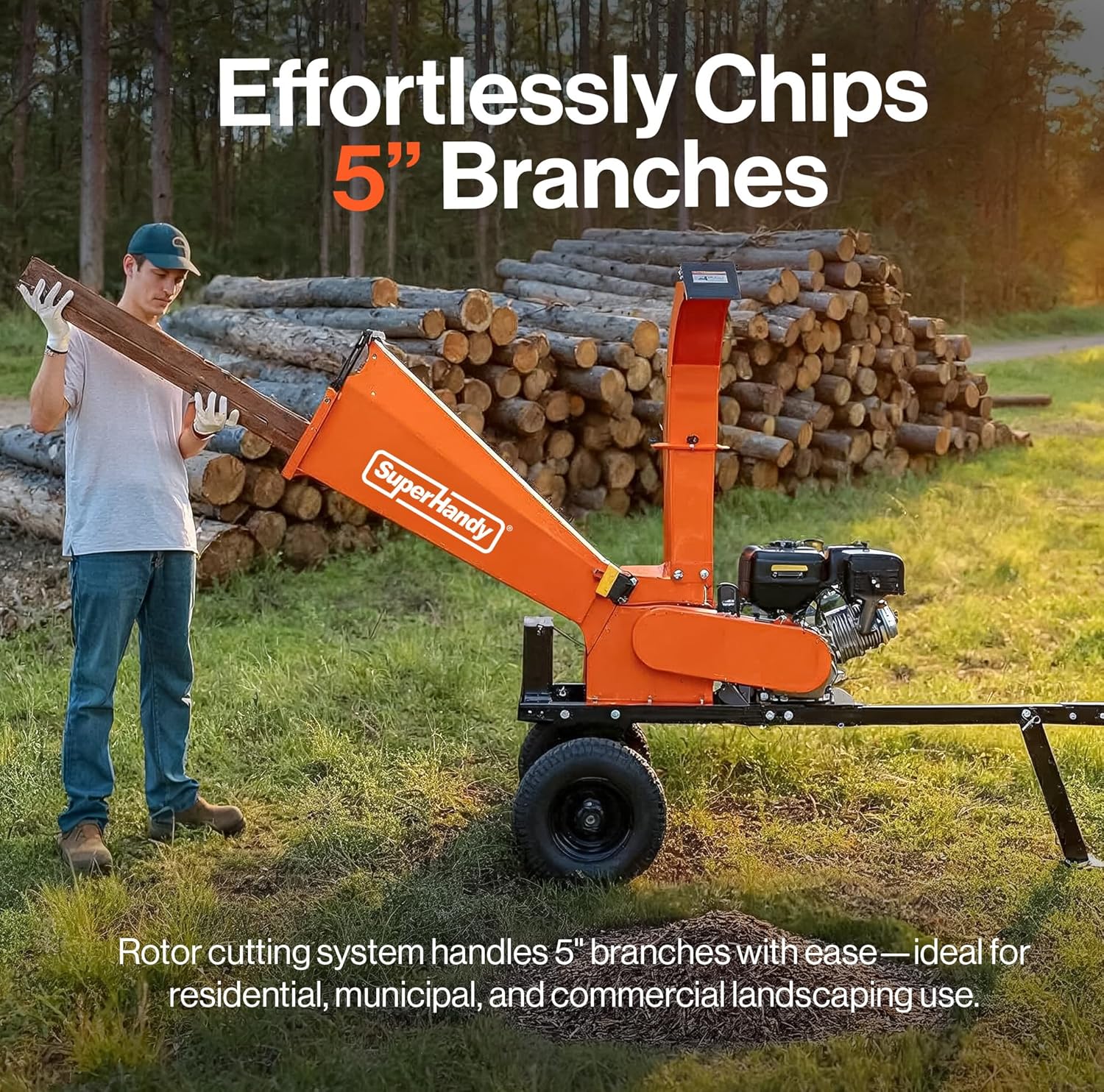
Chipping capacity refers to the maximum diameter of a branch the machine can process. This is one of the most critical specifications to consider. Before buying, assess the typical size of the branches you need to clear. A small wood chipper designed for homeowner use will typically handle branches up to 3 inches in diameter. This capacity is more than sufficient for cleaning up fallen limbs, pruning debris, and clearing overgrown shrubs. Choosing a chipper with the right capacity ensures it won’t get bogged down during use.
Matching Chipper Capacity to Your Yard Waste Needs
To find the right machine, take a walk around your property. Do you primarily have leafy debris and small twigs from pruning shrubs? Or are you dealing with thicker branches from mature trees? Most homeowners find a small wood chipper with a 3-inch capacity hits the sweet spot, handling the vast majority of yard waste without the expense and bulk of a commercial-grade unit. The goal is to match the machine to your most common tasks, ensuring you have enough power without over-investing in capacity you’ll rarely use.
Feature 3: Blade Quality and Type - Durability and Performance Matters
The cutting mechanism is the heart of any wood chipper. The quality, material, and design of the blades directly determine how efficiently it processes branches, the consistency of the resulting wood chips, and how long the machine can run before requiring maintenance. Poor-quality blades dull quickly, struggle with harder woods, and can lead to more frequent jams.
The Importance of Hardened Steel Blades
Always look for a chipper equipped with blades made from high-carbon, hardened steel. This material is heat-treated to significantly increase its durability and ability to hold a sharp edge. Blades made from hardened steel can withstand the repeated impact of cutting through tough branches and knots without chipping or breaking. This superior wear resistance means you'll spend less time sharpening or replacing blades and more time clearing your brush pile.
Feature 4: Portability and Ease of Use - Maneuvering Your Chipper
A powerful engine and sharp blades are essential, but they mean little if you can't get the chipper where it needs to go. Portability is a key feature, especially on larger or uneven properties. Look for models with large, sturdy wheels—pneumatic (air-filled) tires are excellent for navigating rough terrain. A well-balanced design and ergonomic handlebars make maneuvering much less of a chore. A compact Mini Wood Chipper also offers a significant advantage for storage and fitting through narrow garden gates.

Wheels, Weight, and Ergonomic Design Considerations
A small wood chipper is only useful if you can easily move it to where the work is. Since you’ll be maneuvering it across lawns, driveways, and potentially uneven ground, portability is key. Look for models equipped with large, sturdy wheels—pneumatic or never-flat tires are best for navigating varied terrain. Pay attention to the overall weight, especially with heavier gas models. Ergonomic, well-placed handles provide the leverage needed to push, pull, and position the machine without straining your back, making the entire process more efficient and less physically demanding.
Feature 5: Safety Features - Protecting Yourself and Your Investment
Operating a wood chipper involves powerful cutting mechanisms, making safety the most critical feature of all. A well-designed machine includes built-in protections to minimize risk to the operator. When comparing models, from a small unit to a commercial wood chipper, never overlook the safety mechanisms. These features are not optional—they are essential for preventing serious injury and ensuring peace of mind while you work.
Essential Safety Mechanisms to Look For
- Emergency Stop Button/Bar: A large, easily accessible control to shut down the engine instantly in an emergency.
- Self-Feeding Chute Design: A long, narrow hopper keeps your hands and arms safely away from the internal blades.
- Safety Flap: A rubber curtain at the chute’s entrance helps prevent chips from flying back at the operator.
- Stable Base: A wide, low-to-the-ground stance prevents the machine from tipping over during operation.
Additional Considerations: Maintenance and Noise Levels
Your wood chipper will require routine upkeep to perform its best. This includes checking engine oil, cleaning air filters, and, most importantly, sharpening or replacing the blades. Dull blades mash wood rather than cutting it, straining the engine and producing poor-quality chips. Also, be prepared for noise. Gas-powered chippers are extremely loud and require hearing protection. Even a compact Mini Wood Chipper generates significant decibels, so always wear appropriate personal protective equipment (PPE).
Frequently Asked Questions About Small Wood Chippers
What is the difference between a chipper and a shredder?
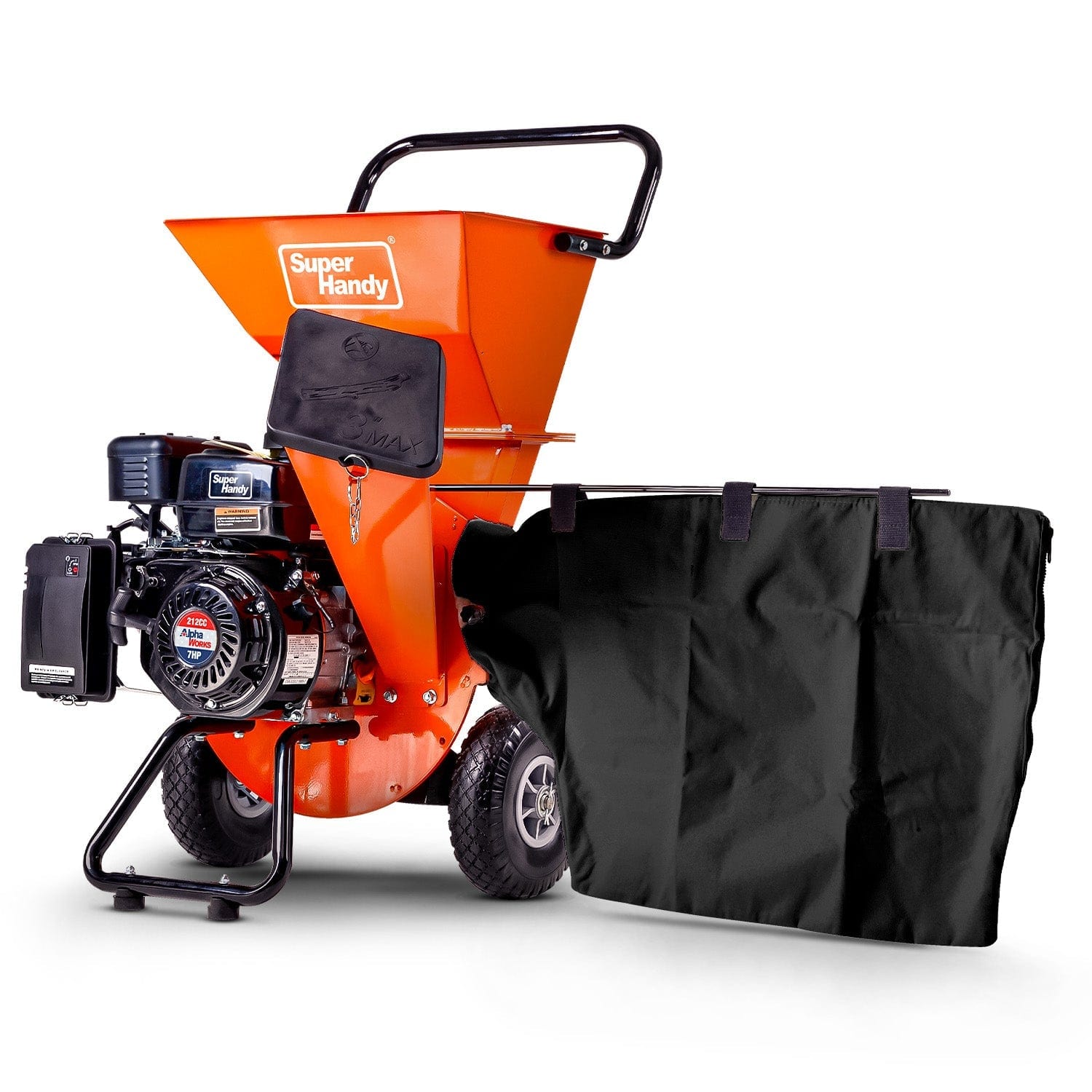
While the terms are often used interchangeably, chippers and shredders are designed for different types of yard waste. A wood chipper is built to handle hard, woody material. It uses sharp, heavy-duty blades rotating at high speed to slice branches and small limbs into consistent, small chips perfect for mulch or compost. A shredder, on the other hand, is better for soft, leafy, and stringy material like leaves, cornstalks, and small twigs. It typically uses blunt flails or hammers to pulverize and tear this waste into fine organic matter. Many modern machines for homeowners are combination chipper/shredders, offering a narrow chute for chipping branches and a wide hopper for shredding leaves, providing a versatile solution for all-around yard cleanup.
How much maintenance does a small wood chipper require?
Proper maintenance is crucial for the longevity and safe operation of your small wood chipper. Before each use, it's wise to perform a quick safety inspection: check the oil level, top off the fuel, and ensure all bolts and guards are secure. The most important ongoing task is blade maintenance. Dull blades labor the engine and create poor-quality, stringy mulch instead of clean chips. Depending on your usage, you'll need to sharpen or replace the blades periodically. For gas models, standard small engine care applies—regular oil changes, air filter cleaning, and spark plug replacement as recommended by the manufacturer. Keeping your Mini Wood Chipper clean and clear of debris, especially around the engine and discharge chute, will prevent overheating and clogs.
Related Products


Leave a comment
All comments are moderated before being published.
This site is protected by hCaptcha and the hCaptcha Privacy Policy and Terms of Service apply.