










Why an Electric Leaf Mulcher is a Game-Changer for Townhouse Living
Living in a townhouse offers the perfect blend of community and personal space, but it often comes with a compact yard that requires a smarter approach to maintenance. When autumn arrives, that charming little patio or garden can quickly become overwhelmed by a mountain of fallen leaves. Bagging them is a tedious, back-breaking chore that fills up your limited trash space. This is where an electric leaf mulcher completely changes the game.
Unlike bulky, gas-guzzling equipment designed for sprawling properties, an electric model is built for the realities of urban living. It's lightweight, easy to store in a small shed or garage, and incredibly efficient. Instead of wrestling with dozens of paper bags, you can use a powerful electric leaf mulcher to vacuum up leaves and shred them into a fraction of their original volume. This one tool simplifies your cleanup, eliminates piles of yard waste, and helps you reclaim your weekend.
Understanding the Noise Factor: Electric vs. Gas Mulchers in Close Quarters
One of the biggest concerns for townhouse residents is noise. The last thing you want is to disturb your neighbors with the roar of a gas-powered engine on a peaceful Saturday morning. Gas mulchers are notoriously loud, often exceeding 100 decibels, which is comparable to a motorcycle or a jackhammer. This level of noise is not just a nuisance; it can violate local noise ordinances and create tension in a tightly-knit community.
This is the single greatest advantage of an electric leaf mulcher. Powered by a quiet motor instead of a combustion engine, electric models operate at a significantly lower decibel level. The sound is more of a consistent, powerful hum—similar to a household vacuum cleaner—rather than an intrusive roar. This makes it possible to clear your yard without becoming the neighborhood's least favorite person. For life in close quarters, choosing electric isn't just a preference; it's a courteous and practical necessity.
Key Features to Look for in a Compact Electric Leaf Mulcher for Small Yards
When you're ready to invest in an electric leaf mulcher, not all models are created equal. For townhouse yards, you need a machine that balances power with a compact footprint. Here are the key features to prioritize:
- High Mulching Ratio: This is the most critical feature. The mulching or reduction ratio tells you how effectively the machine shreds leaves. A ratio of 16:1, for example, means it can reduce 16 bags of leaves into a single bag of mulch. A quality yard vacuum mulcher can turn 16 bags of dry leaves into one bag of fine mulch in under 30 minutes. Some top-tier models even boast an 18:1 ratio, which means you skip the garbage fees and the need to buy bagged mulch.
- Portability and Storage: Look for a lightweight design with sturdy wheels. Since storage space is at a premium, a model with a compact, upright design that can be easily tucked into a corner of your garage or a small shed is ideal.
- Sufficient Power: For an electric model, power is measured in amps. A motor between 12 and 15 amps provides enough force to shred not just dry leaves but also twigs, pine needles, and damp yard debris without clogging.
-
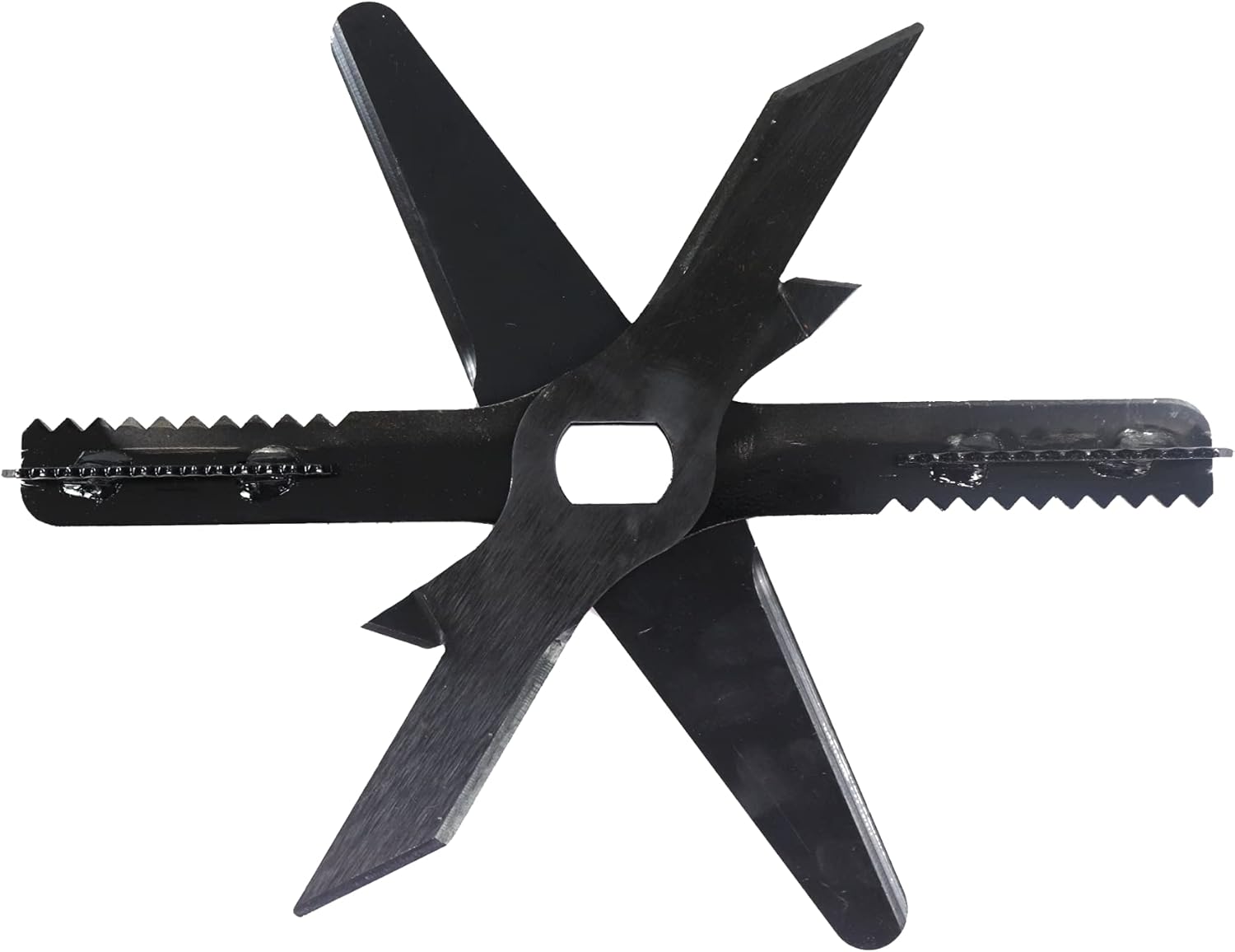
Durable Shredding System: The best electric mulchers use a metal impeller, not a plastic one. A strong metal blade can handle tougher materials and will last much longer, giving you better value for your investment.
How an Electric Leaf Mulcher Transforms Your Yard Waste into Garden Gold
The pile of shredded material left by your electric mulcher isn't waste—it's a valuable resource for your garden. This finely chopped organic matter, known as leaf mulch, is what gardeners affectionately call "black gold." Instead of bagging leaves and buying expensive mulch from a store, you can create your own for free.
Applying this nutrient-rich mulch to your garden beds, around shrubs, and at the base of trees offers incredible benefits:
- Enriches Soil: As the leaf mulch decomposes, it releases vital nutrients into the soil, creating a healthier environment for your plants to thrive.
- Suppresses Weeds: A thick layer of mulch blocks sunlight from reaching weed seeds, significantly reducing the amount of time you have to spend pulling them.
- Retains Moisture: Mulch acts like a sponge, helping the soil retain moisture. This means you'll need to water your plants less often, saving water and money.
- Regulates Soil Temperature: It insulates the soil, keeping it cooler in the summer and warmer in the winter, which protects plant roots from extreme temperature swings.
By using an electric leaf mulcher, you create a sustainable, closed-loop system in your own backyard. You’re not just cleaning up; you’re actively improving your garden's health and reducing your environmental footprint.
Step-by-Step Guide: Setting Up and Using Your Electric Leaf Mulcher Safely
An electric leaf mulcher is designed for simplicity, but following the right steps ensures both safety and optimal performance. Here’s how to get started.
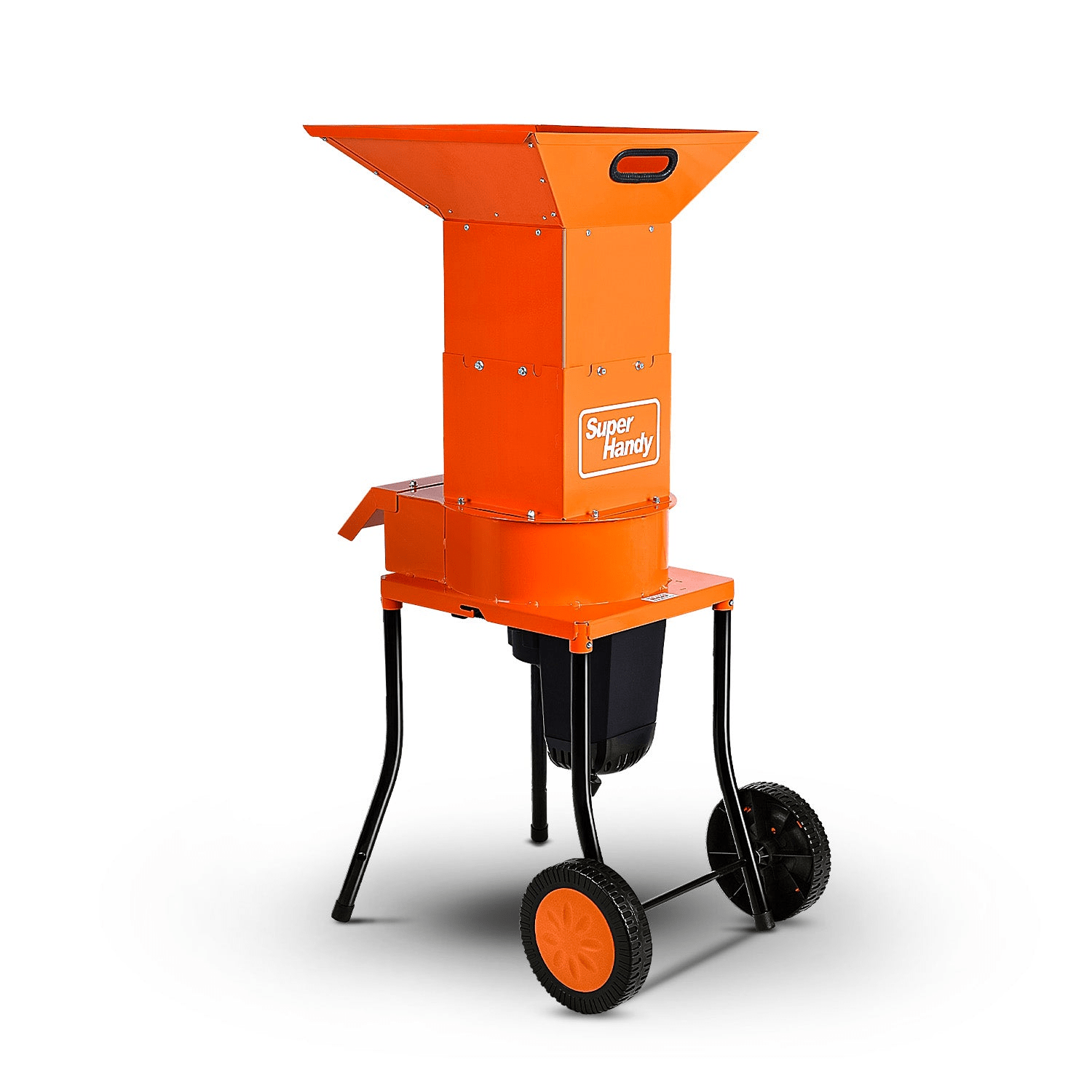
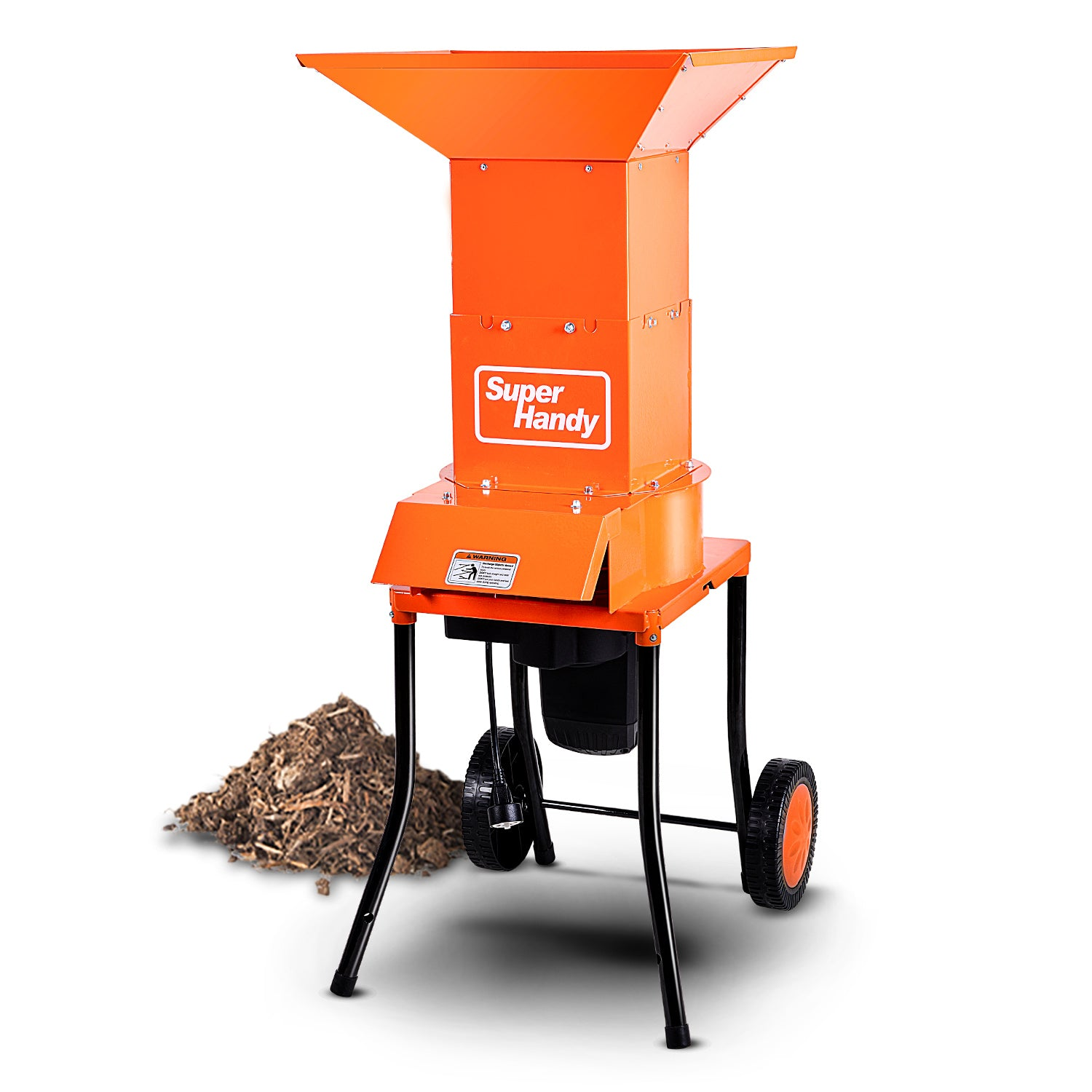
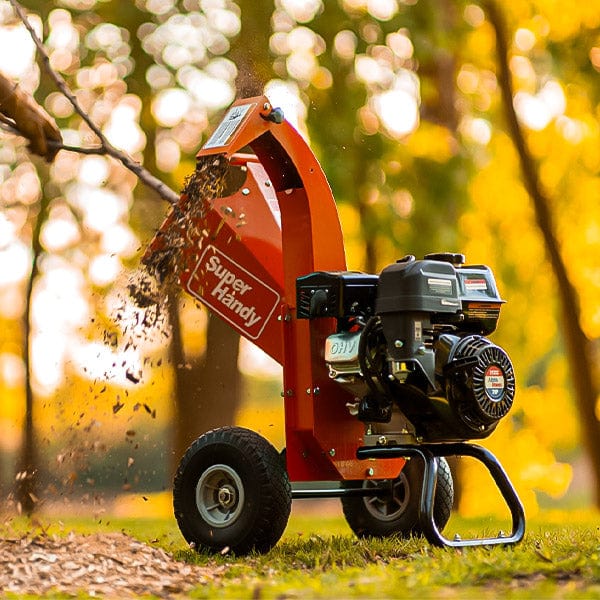
1. Assembly and Placement: First, carefully unbox and assemble your unit according to the manufacturer's instructions. Most models require minimal setup, often just attaching the legs and the collection bag support. Once you've assembled your SuperHandy Electric Leaf Mulcher, find a flat, stable spot in your yard or on your patio. A level surface prevents the machine from tipping over during operation.
2. Power Up and Gear Up: Connect your mulcher to a suitable outdoor-rated extension cord. Ensure the cord is the proper gauge to handle the motor's amperage, which prevents overheating. Before you turn anything on, put on your safety gear. This includes:
- Safety glasses or goggles to protect your eyes from flying debris.
- Sturdy gloves to protect your hands when handling leaves and the machine.
- Closed-toe shoes to protect your feet.
3. The Mulching Process: Turn the machine on. Begin by feeding a small handful of leaves into the hopper to see how it operates. Feed the leaves in gradually—don't stuff the hopper. Overloading can clog the cutting mechanism and strain the motor. Listen to the motor; if it starts to sound bogged down, pause for a moment to let it catch up.
4. Bag Management: Keep an eye on the collection bag. For the best airflow and mulching performance, empty the bag when it is about two-thirds full. A bag that is too full can cause debris to back up into the mulching chamber.
Maximizing Mulching Efficiency: Tips for Different Leaf Types and Yard Sizes
Not all leaves are created equal. To get the most out of your yard vacuum mulcher, adjust your technique based on what you’re cleaning up.
-
Dry Leaves Are Best: Your mulcher will perform best with dry, brittle leaves. They shred easily and are less likely to clog the cutting lines and discharge chute. If you’ve had a recent rain, rake your leaves into a pile and let them dry for a day or two before mulching.
-
Tackling Tough Leaves: Thicker, waxier leaves like those from oak, magnolia, or sycamore trees can be more challenging. The key is to mix them with lighter, drier leaves like maple or birch. This combination helps pull the tougher leaves through the system. You may also find that a second pass through the mulcher breaks them down even further.
-
Handling Pine Needles: Pine needles can be mulched, but they tend to wrap around the cutting mechanism if fed in large, dense clumps. Feed them in small batches, ideally mixed with other leaves, to prevent clogs.
-
Small Yard Strategy: For a typical townhouse yard, rake all your leaves into one or two central piles. Place your mulcher next to the pile and work your way through it. This minimizes the need to move the machine and extension cord, streamlining your cleanup.
Beyond Mulching: Creative Uses for Your Leaf Debris
One of the biggest benefits of an electric leaf mulcher is turning a mountain of yard waste into a small, manageable pile of "garden gold." Don't just send it to the curb—put it to work!
-
Enrich Your Garden Beds: Spread a 2-3 inch layer of your freshly shredded leaves over your flower beds and around the base of shrubs and trees. This organic mulch helps retain soil moisture, suppresses weed growth, and regulates soil temperature. As it decomposes, it will slowly release valuable nutrients back into the soil.
-
Supercharge Your Compost: A healthy compost pile requires a balance of "green" materials (like grass clippings and kitchen scraps) and "brown" materials. Shredded leaves are the perfect carbon-rich "brown" ingredient. Their small size means they will break down much faster than whole leaves, accelerating your composting process.
-
Winter Protection for Plants: Use your leaf mulch to provide a cozy, insulating blanket for the roots of tender perennials, roses, and other sensitive plants. A thick layer applied after the first hard frost can protect them from harsh winter freeze-thaw cycles.
Maintenance Essentials: Keeping Your Electric Mulcher in Top Condition
Proper maintenance is simple and takes just a few minutes, but it will significantly extend the life of your electric mulcher and keep it running safely.
Always unplug the machine before performing any cleaning or maintenance.
-
After Every Use: Use a stiff brush to clear any leftover debris from the hopper, the area around the cutting lines, and the air vents. Clogged vents can cause the motor to overheat. Wipe down the exterior of the unit with a dry cloth.
-
Check the Cutting Lines: Most electric leaf mulchers use durable trimmer-style lines to shred leaves. Before each use, visually inspect the lines for wear. If they are frayed or have become too short, replace them according to your owner’s manual. Using the correct replacement line is crucial for balanced and effective operation.
-
Long-Term Storage: When you're done with leaf season, give the mulcher a thorough cleaning. Ensure it is completely dry, and store it in a sheltered location like a garage or shed to protect it from the elements. Covering the unit will also keep it free from dust and pests.
Related Products


Leave a comment
All comments are moderated before being published.
This site is protected by hCaptcha and the hCaptcha Privacy Policy and Terms of Service apply.