














Essential Pre-Operation Safety Checks for Your Log Splitter
Safety should always be your top priority. Before you even start the engine, a quick but thorough inspection can prevent accidents and identify potential problems. Make these checks a non-negotiable part of your routine every time you prepare to split wood.
- Survey Your Workspace: Ensure your log splitter is on stable, level ground to prevent it from tipping over during operation. Clear the area of any tripping hazards, debris, children, and pets.
- Inspect the Machine: Walk around your wood splitter and look for any signs of wear or damage. Check for loose bolts, cracked welds, or frayed hoses. Pay close attention to the hydraulic lines for any leaks, which can be a sign of a failing component.
- Verify Safety Features: Confirm that all safety guards, levers, and controls are in place and functioning correctly. The control handle should move smoothly and return to the neutral position when released. Following basic equipment inspection protocols, as outlined in OSHA hand and power tool safety guidance, is a fundamental practice for preventing workplace injuries, even in a home setting.
- Wear Personal Protective Equipment (PPE): Never operate a log splitter without wearing safety glasses, heavy-duty gloves, and sturdy, closed-toe footwear.

Why Regular Hydraulic Fluid Maintenance is Crucial
The hydraulic system is the heart of your log splitter. The fluid within it does more than just lubricate; it is the medium through which immense force is transferred to split stubborn logs. When this fluid is neglected, the entire system suffers. Old, dirty, or low fluid can lead to overheating, which breaks down the fluid's viscosity and reduces its ability to protect vital components like the pump and cylinder seals. Contaminants like dirt, water, and tiny metal shavings accumulate over time, acting like sandpaper inside the system and causing premature wear. This results in a loss of splitting power, sluggish ram speed, and eventually, catastrophic failure of expensive parts.
How to Inspect and Top Up Hydraulic Fluid Levels
Checking your hydraulic fluid is a simple task that takes only a few minutes. We recommend checking the fluid level before each use, especially during long work sessions.
- Prepare the Machine: Ensure your log splitter is on a level surface with the engine turned off and completely cool. For safety and an accurate reading, the splitting wedge must be fully retracted into its starting position.
- Locate and Clean the Fill Port: Find the hydraulic reservoir's fill cap, which often has a built-in dipstick. Before opening it, wipe the cap and the area around it thoroughly with a clean rag to prevent any dirt or debris from falling into the tank.
- Check the Level: Unscrew the cap, pull out the dipstick, and wipe it clean. Re-insert the dipstick fully, then pull it out again to read the level. It should be between the "Add" and "Full" marks.
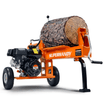
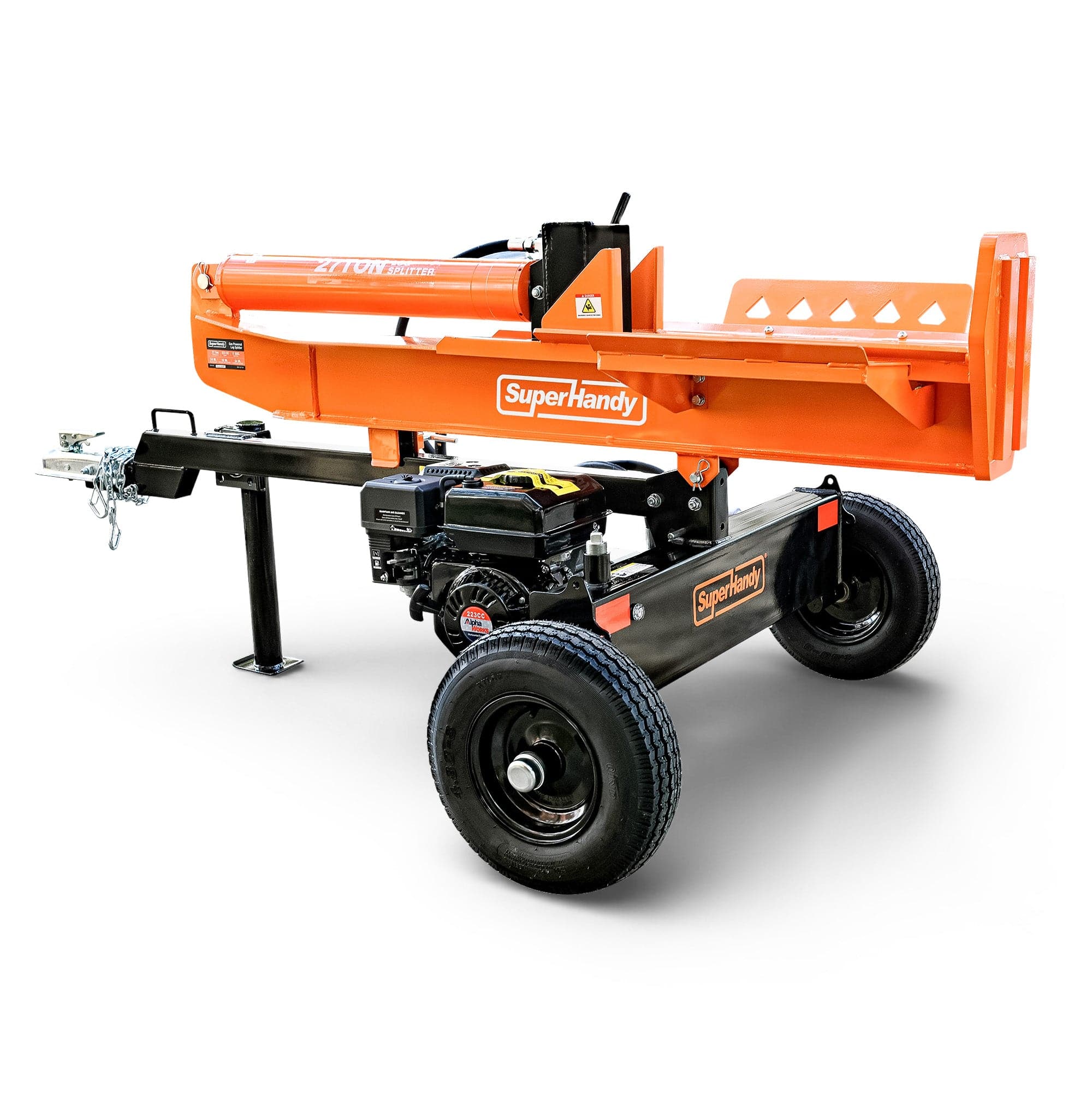
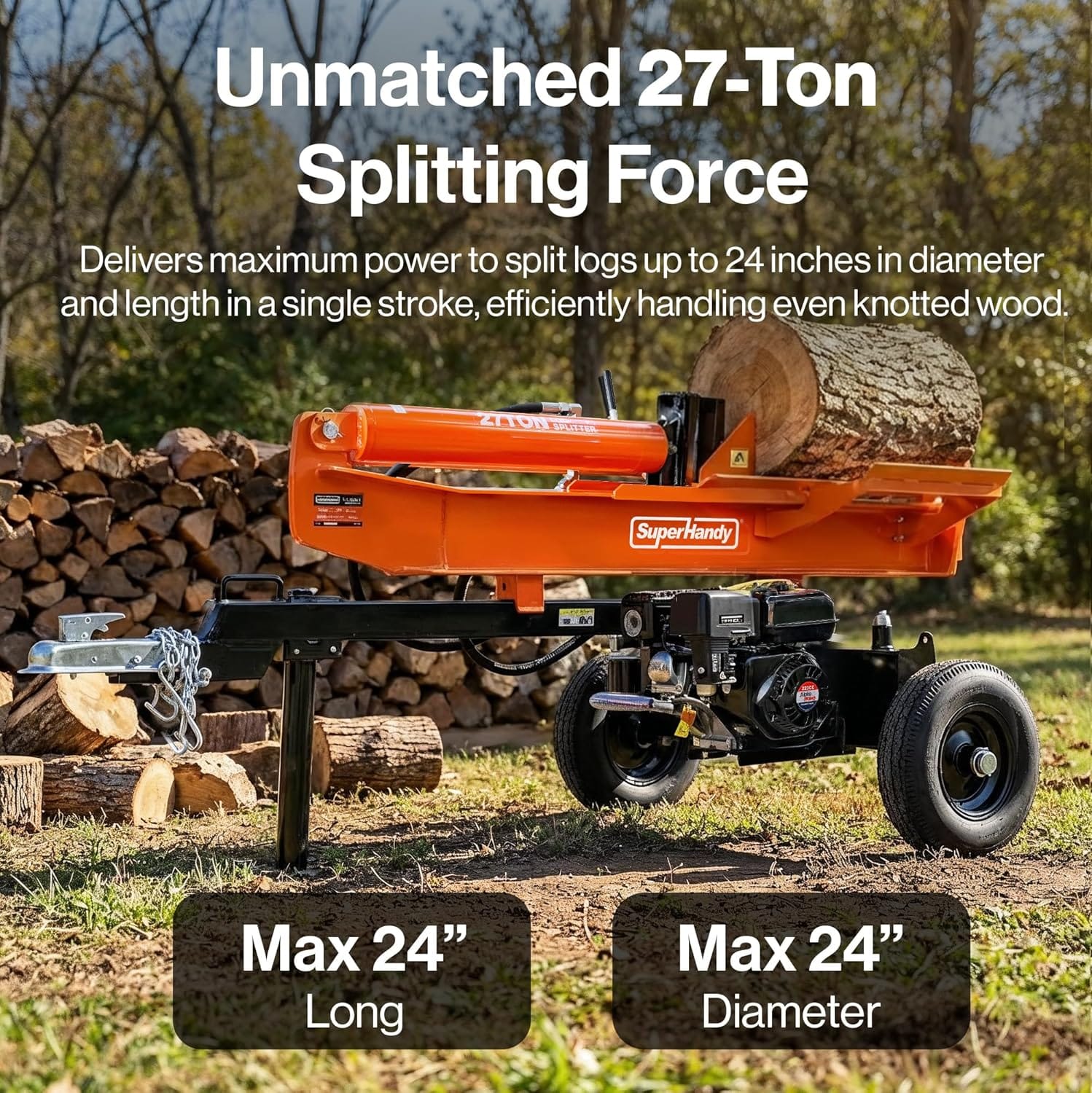
- Top Up if Necessary: If the level is low, use a clean funnel to slowly add the manufacturer-recommended hydraulic fluid. Add a small amount at a time, re-checking the level frequently to avoid overfilling, which can cause pressure issues and leaks. This process is standard for most models, including powerful machines like the SuperHandy 27 Ton Gas Log Splitter - 223CC 24" Max Log Length.
Choosing the Right Hydraulic Fluid for Your Model
Using the correct hydraulic fluid is non-negotiable. Using the wrong type can cause poor performance, damage your machine, and may even void your warranty. The single most important rule is to always consult your owner's manual. It will specify the exact type and viscosity (e.g., AW-32, AW-46) of fluid required for your specific log splitter. The viscosity grade is particularly important as it relates to the fluid's thickness and how it performs in different temperatures. A lower number indicates a thinner fluid better suited for cold weather, while a higher number is for warmer climates. Just as understanding your machine's fluid needs is vital for maintenance, understanding its capabilities is crucial before purchase; a comprehensive log splitter buying guide can help you match a machine's features and requirements to your specific needs. Never mix different types of hydraulic fluid, and always use a high-quality product from a reputable brand to ensure the longevity of your wood splitter.
Understanding Your Log Splitter's Engine: Maintenance Essentials
The engine is the heart of your gas-powered wood splitter, converting fuel into the raw power needed to drive the hydraulic system. Just like the engine in your car, it requires regular attention to run efficiently and reliably for years to come. Neglecting engine maintenance is the fastest way to experience frustrating breakdowns, reduced splitting power, and costly repairs. Understanding the specific needs of your engine, a critical factor detailed in any good, is the first step toward effective upkeep. Key tasks include regular oil changes, air filter service, and spark plug inspections. For a powerful and dependable engine, models like the SuperHandy 27 Ton Gas Log Splitter - 223CC 24" Max Log Length benefit immensely from this routine care, ensuring they start easily and deliver maximum force with every cycle.
Step-by-Step Guide to Changing Engine Oil
Clean oil is vital for lubricating, cooling, and cleaning your log splitter's engine. Old, dirty oil loses its effectiveness, leading to increased friction, overheating, and premature wear. We recommend changing the oil after the first 5 hours of use for a new engine, and then every 50 hours or at least once per season thereafter.
A person safely draining oil from a log splitter engine into a drain pan.
Before beginning any service, always consult your owner's manual for the specific oil type and capacity. To ensure your safety while working, it's essential to follow established guidelines for ``, such as working in a well-ventilated area and disconnecting the power source.
- Warm the Oil: Run the engine for a few minutes. Warm oil drains faster and carries away more contaminants.
- Safety First: Park the log splitter on a level surface. Turn off the engine and wait for it to cool down enough to handle safely. Disconnect the spark plug wire to prevent any accidental starts.
- Prepare for Draining: Place an oil drain pan beneath the engine's oil drain plug.
- Drain the Oil: Remove the oil fill cap/dipstick to allow air to enter, which helps the oil flow smoothly. Then, use a wrench to loosen and remove the drain plug.
- Refill: Once the oil has completely drained, clean and reinstall the drain plug, being careful not to overtighten it. Using a funnel, slowly pour the correct amount and type of new engine oil into the fill port.
- Check the Level: Wait a minute for the oil to settle, then insert the dipstick, remove it, and check the level. Add more oil if necessary to reach the "Full" mark, but do not overfill.
- Proper Disposal: Transfer the used oil to a sealable container and take it to an auto parts store or local recycling center for proper disposal.
Air Filter Care: Ensuring Optimal Engine Performance
Your log splitter’s air filter prevents dust, dirt, and wood debris from being sucked into the engine, where they can cause significant damage to internal components. A clogged air filter restricts airflow, forcing the engine to run "rich" (too much fuel, not enough air). This results in decreased power, higher fuel consumption, black smoke from the exhaust, and difficulty starting.
Check your air filter before each use, especially in dusty conditions. Most log splitters use either a paper or foam filter.
- Paper Filters: These should be tapped gently on a hard surface to dislodge loose dirt. If it's heavily soiled or oily, it must be replaced. Do not attempt to wash a paper filter.
- Foam Filters: These can often be washed in warm, soapy water, rinsed thoroughly, and allowed to dry completely. Once dry, lightly saturate the filter with clean engine oil and squeeze out any excess before reinstalling it.
Spark Plug Inspection and Replacement: A Simple but Vital Task
The spark plug provides the critical spark that ignites the fuel-air mixture in the engine's cylinder. A worn or fouled spark plug can cause a host of problems, including failure to start, rough idling, and misfiring under load. Inspecting it is a quick and easy task that can save you a lot of headaches.
A close-up of a new spark plug next to an old, carbon-fouled one.
- Remove the Plug: Disconnect the spark plug wire. Using a spark plug socket and wrench, turn the plug counter-clockwise to remove it.
- Inspect It: Look at the firing end. A healthy plug will have a light tan or grayish-brown deposit. If it's covered in black, sooty carbon, it indicates a rich fuel mixture or clogged air filter. If it's oily, it could signal a more serious internal engine issue. Check the porcelain insulator for cracks.
- Check the Gap: Use a feeler gauge to check the distance between the two electrodes at the tip. Compare this measurement to the specification in your owner's manual and adjust if necessary.
- Clean or Replace: If the plug is only lightly fouled, you can clean it with a wire brush. However, spark plugs are inexpensive, and replacing it annually is excellent preventative maintenance for your wood splitter.
Blade and Wedge Maintenance: Keeping Your Splitter Sharp and Effective
The splitting wedge is the business end of your wood splitter. A sharp, well-maintained wedge splits logs cleanly and efficiently, putting less strain on the engine and hydraulic system. A dull or damaged wedge, on the other hand, will crush the wood fibers rather than severing them, requiring more force and potentially leading to incomplete splits and bound logs. Before each use, inspect the wedge for nicks, burrs, or a rounded edge. To sharpen it, first ensure the log splitter is turned off and the spark plug is disconnected (for gas models) or the unit is unplugged (for electric models). According to OSHA hand and power tool safety guidance, proper tool maintenance is a critical part of preventing accidents, so always wear heavy-duty gloves and eye protection. Use a flat-mill file or a grinder to carefully restore the factory edge, following the original angle. Remove any burrs and aim for a sharp, but not razor-sharp, edge. If the wedge is severely cracked or bent, it should be replaced.

Greasing Pivot Points and Moving Parts for Smooth Operation
Proper lubrication is essential for reducing friction, preventing rust, and ensuring all components of your log splitter move as they should. Over time, the grease on pivot points can wear away or become contaminated with dirt and wood debris, leading to premature wear and tear. Key areas that typically require greasing include the main beam where the wedge slides, wheel hubs, and any pivot points on the control handle assembly. Consult your owner’s manual to identify all specific grease points (zerks) on your machine. Using a grease gun loaded with a quality multi-purpose lithium grease, wipe the zerk clean and apply fresh grease until you see it begin to emerge from the joint. This indicates the old grease and any contaminants have been pushed out. This simple task, performed every 10-20 hours of operation, will significantly extend the life of your splitter’s moving parts.
Checking and Tightening Bolts and Fasteners: Preventing Wear and Tear
The intense vibration from a running engine combined with the force exerted during splitting can cause nuts, bolts, and other fasteners to loosen over time. A loose bolt can lead to excessive vibration, misalignment of parts, and even catastrophic failure during operation. Before the first use of the season and periodically thereafter, take a few minutes to go over the entire machine with a wrench and socket set. Pay close attention to high-stress areas like the engine mounts, wheel lugs, tow-hitch assembly, hydraulic cylinder mounts, and the bolts securing the wedge and log cradles. Even on a robustly built machine like the SuperHandy 27 Ton Gas Log Splitter - 223CC 24" Max Log Length, a quick check to ensure all fasteners are torqued to spec is a vital part of preventative maintenance.
Storing Your Log Splitter Properly for Seasonal or Extended Downtime
How you store your log splitter during the offseason is just as important as the maintenance you perform during splitting season. Proper storage protects it from the elements and ensures it’s ready to go when you need it next.
First, clean the machine thoroughly to remove all dirt, grease, and wood debris. For gas-powered splitters, either drain the fuel tank and carburetor completely or add a quality fuel stabilizer to a full tank of fresh fuel and run the engine for a few minutes to circulate it. This prevents the fuel from gumming up and causing starting issues later. For electric models, ensure they are stored in a dry location to protect the motor and electrical connections from moisture.
Understanding these long-term care requirements for different power sources is a key consideration when you first purchase a machine, a topic often covered in a good Log splitter buying guide . Finally, retract the hydraulic cylinder fully to protect the ram from rust and pitting. Store your log splitter in a dry, protected location like a garage or shed. If it must be stored outdoors, use a heavy-duty, waterproof cover to shield it from sun, rain, and snow.
Troubleshooting Common Log Splitter Issues: What to Look For
Even a well-maintained wood splitter can run into occasional issues. Before you panic, run through this list of common problems and their likely causes. Always ensure the engine is off and cool before attempting any troubleshooting.
- Engine Won't Start: This is the most frequent complaint. Start with the basics: Is there fresh fuel in the tank? Is the fuel shut-off valve open? Is the choke in the correct position for a cold or warm start? If these are all correct, check the spark plug for fouling or damage and inspect the air filter to ensure it's not clogged with debris.
- Splitter Lacks Power or Moves Slowly: If the splitting wedge moves sluggishly or struggles with logs it would normally handle, the problem is likely hydraulic. The first step is to check the hydraulic fluid level and top it up if low. Air in the hydraulic lines can also cause poor performance; you may need to bleed the system according to your owner's manual. A clogged hydraulic filter is another common culprit that restricts fluid flow.
- Wedge is Stuck or Won't Retract: A wedge that won't return to its starting position can be caused by a few things. It could be a simple mechanical obstruction, so check the beam for any stuck wood chips or debris. More often, it’s an issue with the control valve handle not fully engaging the "retract" position or a problem within the valve itself. Low hydraulic fluid can also prevent the cylinder from retracting properly.
- Leaking Hydraulic Fluid: A small leak can quickly become a big mess and a serious performance issue. Carefully inspect all hydraulic hoses, fittings, and the seals around the cylinder and pump. Tighten any loose fittings, but be careful not to overtighten them. A cracked or worn hose will need to be replaced immediately.

Frequently Asked Questions About Log Splitter Maintenance
Here are answers to some of the questions we hear most often about keeping your log splitter in top condition.
How often should I change the hydraulic fluid? As a general rule, it’s wise to change the hydraulic fluid and filter every 50 to 100 hours of operation or at least once a year. However, this can vary significantly between models. Your owner's manual is the definitive source for your machine's specific service intervals.
What kind of oil does my log splitter's engine need? For gas-powered models, the engine oil type depends on the manufacturer and the climate you operate in. Most use a standard multi-grade oil like 10W-30 for general use, but you might need a different weight for very hot or cold weather. Always consult your engine's manual to ensure you use the correct type and viscosity.
Can I use a different type of hydraulic fluid than what's recommended? It is strongly advised to use the exact type of hydraulic fluid recommended by the manufacturer. Using a different type, like automatic transmission fluid (ATF) when AW46 hydraulic oil is specified, can lead to premature wear on the pump, damage seals, and cause poor performance in different temperatures.
How do I find the right log splitter for my needs? Choosing the right machine from the start can make maintenance easier. Factors like tonnage, cycle time, and orientation (horizontal/vertical) are key considerations. If you're new to these machines, a comprehensive Log splitter buying guide can be an invaluable resource to help you understand the features and match them to the type of wood you'll be splitting.
When to Seek Professional Help for Your Log Splitter
DIY maintenance can save you time and money, but some jobs are best left to the professionals. Knowing when to put the tools down and make a call is crucial for your safety and the health of your equipment.
You should seek professional service for:
- Complex Engine Problems: If you've gone through the basic troubleshooting steps (fuel, air, spark) and the engine still won't run or runs poorly, it may have a more serious issue like a gummed-up carburetor or internal damage that requires a small engine mechanic.
- Major Hydraulic System Failures: Diagnosing and replacing a faulty hydraulic pump, control valve, or cylinder is a complex and potentially dangerous task. These systems operate under extreme pressure, and improper repair can lead to catastrophic failure or injury.
- Structural Damage: If the beam of your log splitter is bent, or if you find cracks in the frame or other critical welds, stop using the machine immediately. A compromised frame is a major safety hazard and must be inspected and repaired by a qualified professional.
- When You're Uncomfortable: If a repair task seems beyond your skill level or you don't have the appropriate tools, it's always safer to hire a pro. According to OSHA hand and power tool safety guidance, proper maintenance performed by competent individuals is key to preventing accidents. For a powerful machine like the SuperHandy 27 Ton Gas Log Splitter - 223CC 24" Max Log Length, investing in professional service for major repairs ensures it remains a safe and reliable tool for years to come.
Related Products


Leave a comment
All comments are moderated before being published.
This site is protected by hCaptcha and the hCaptcha Privacy Policy and Terms of Service apply.