









Understanding the Leaf Mulcher: More Than Just Yard Waste Disposal
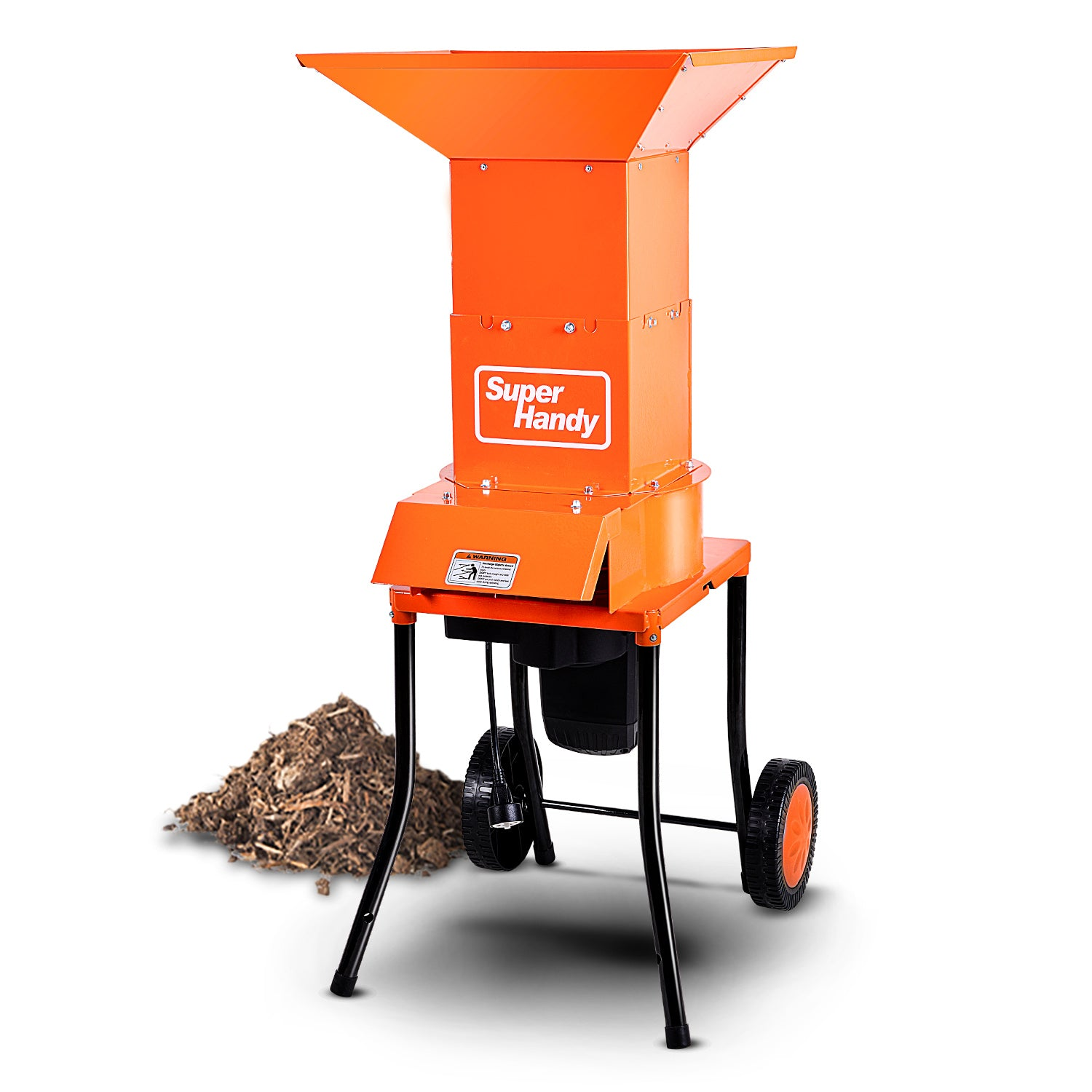
At its core, a leaf mulcher is a powerful yard tool designed to shred leaves and other soft organic debris into fine, manageable pieces. Unlike a lawn mower that might crudely chop up leaves or a wood chipper built for thick branches, a dedicated leaf mulcher is specifically engineered for high-volume leaf processing. It uses blades inside a hopper to rapidly pulverize yard waste, dramatically reducing its volume. Thinking of a leaf mulcher as just a disposal tool is missing the point; it’s a resource creation machine.
How Leaf Mulchers Transform Garden Waste into a Valuable Resource
The magic of a leaf mulcher lies in its simple yet effective mechanical transformation. When you feed leaves, twigs, and grass clippings into the device, they are instantly shredded into a fraction of their original size. A powerful machine like the SuperHandy Electric Leaf Mulcher can reduce the volume of 10 bags of leaves down to just one. This process dramatically increases the total surface area of the organic material. Instead of a pile of large, matted leaves that block air and moisture, you get a mound of light, fluffy material that is primed for decomposition. This shredded material, or leaf mold, becomes the foundational ingredient for several gardening benefits, starting with supercharged compost.

Benefit 1: Accelerate Composting with Finely Mulched Leaves
For any home composter, the waiting game is the hardest part. A traditional compost pile can take six months to a year or more to produce usable, finished compost. A primary reason for this slow pace is the composition of the materials. Whole leaves tend to compact and form dense, water-repellent mats. This matting effect starves the beneficial microbes, fungi, and earthworms of the oxygen and moisture they need to work efficiently. By running your leaves through a leaf mulcher first, you completely eliminate this problem. The finely shredded pieces mix easily with other "green" materials (like kitchen scraps), creating a homogenous pile with plenty of air pockets for aerobic decomposition to thrive.
Achieving Nutrient-Rich Compost Faster for Healthier Plants
With decomposition supercharged, you can expect to harvest rich, dark, earthy-smelling compost in a fraction of the time—often in just a few months. This "black gold" is a gardener's best friend. The finely mulched leaves act as a perfect "brown" or carbon-rich component in your compost bin, balancing out nitrogen-rich materials and preventing the pile from becoming a slimy, smelly mess. The resulting compost is teeming with microbial life and packed with essential nutrients. When you add this finished compost to your garden beds and potting mixes, you are directly improving soil structure, increasing water retention, and providing a slow-release source of nutrition for your plants, leading to stronger root systems and more vigorous growth.
Benefit 2: Create Superior Mulch for Weed Suppression and Moisture Retention
One of the most immediate payoffs of using a leaf mulcher is the creation of a high-quality, free mulch for your garden beds. While whole leaves can be used as a mulch, they often create problems. They tend to mat down into a dense, wet layer that can smother delicate plants, block water from reaching the soil, and even become a slimy mess. A leaf mulcher completely transforms them. By shredding leaves into small, uniform pieces, you create a light, fluffy mulch that allows air and water to penetrate while still providing excellent coverage. For coverage planning, Medicare.gov outlines when wheelchairs and scooters may qualify as durable medical equipment.
This finely shredded material is a master of multitasking. First, it acts as a natural weed barrier. A healthy layer of leaf mulch blocks sunlight from reaching the soil surface, preventing pesky weed seeds from germinating. This means less time spent on your hands and knees pulling weeds. Second, it's an incredible tool for moisture retention. The mulch layer acts like a blanket, reducing evaporation from the sun and wind, which keeps your soil consistently moist for longer. Your plants will be happier and more resilient, and you'll spend less time and money on watering.

The Difference Finely Mulched Leaves Make for Soil Health
The benefits of finely mulched leaves go far beyond the surface. As this organic material breaks down, it works to fundamentally improve the health and structure of your soil. Unlike whole leaves, which can take a year or more to decompose, the small particles created by a leaf mulcher break down rapidly. This decomposition process releases a steady supply of essential nutrients back into the soil, feeding your plants naturally.
This rich, organic matter is also a feast for beneficial soil organisms. Earthworms, fungi, and microbes are the unsung heroes of a healthy garden, and they thrive on decomposing leaf mulch. As they work, they aerate the soil, improve its structure (tilth), and increase its ability to hold both water and nutrients. Over time, applying leaf mulch will transform compacted clay or sandy soil into the dark, crumbly, and fertile loam that every gardener dreams of.
Applying Leaf Mulch Effectively to Garden Beds
Once your leaf mulcher has worked its magic, applying your new "gardener's gold" is simple. The key is to apply it correctly to maximize benefits and avoid common pitfalls.
For perennial beds, vegetable gardens, and around trees and shrubs, aim for a layer that is two to four inches deep. This is thick enough to suppress weeds and retain moisture but not so thick that it will suffocate the soil. Rake the mulch evenly over the surface of the soil. Most importantly, be sure to pull the mulch back a few inches from the base of your plants, shrubs, and tree trunks. Piling mulch directly against stems and bark can trap too much moisture, leading to rot, disease, and potential pest infestations.
Benefit 3: Reduce Yard Waste Volume, Saving Time and Effort
If you've ever spent an autumn weekend raking and bagging endless piles of leaves, you understand what a monumental task it can be. This is where a leaf mulcher becomes a true game-changer, dramatically reducing the volume of your yard waste. A quality machine can shred leaves to a fraction of their original size, often at a reduction ratio of 10:1 or even higher. Imagine turning ten large bags of bulky leaves into just one bag of dense, manageable mulch.
This incredible volume reduction saves you time, money, and physical effort. Instead of wrestling with dozens of flimsy paper or plastic bags, you'll have a much smaller, more manageable amount of material to handle. For those who have to pay for yard waste disposal, the savings can be significant. A powerful unit like the SuperHandy Electric Leaf Mulcher can process up to 55 gallons of leaves per minute, turning a dreaded weekend-long chore into a quick and satisfying task. You'll free up your time and save your back from the repetitive strain of bagging, all while creating a valuable resource for your garden.
Comparing Mulcher Capacity to Traditional Leaf Bagging Methods
If you’ve ever spent an autumn afternoon wrestling with flimsy yard waste bags, you know the struggle. Raking leaves into massive piles is only half the battle; stuffing them into bags is a bulky, dusty, and often frustrating task. It’s not uncommon to fill 10, 15, or even more bags from a single moderately-sized yard, turning your curb into a temporary fortress of paper or plastic.
This is where a leaf mulcher fundamentally changes the game. These machines are engineered for one primary purpose: dramatic volume reduction. A quality leaf mulcher can shred leaves down to a fraction of their original size, often at a ratio of 10:1 or even higher. Imagine that mountain of 10 leaf bags transformed into a single, manageable bag of finely shredded material. The SuperHandy Electric Leaf Mulcher - 120V Corded, 11" Heavy Duty Blades, Steel Housing Body is a perfect example, capable of processing up to 12 bags of leaves down into one. This efficiency doesn't just save you from buying and filling endless bags; it saves you time, storage space, and the physical strain of hauling heavy loads to the curb.

The Environmental Impact of Reducing Landfill Waste
The benefits of reducing yard waste extend far beyond your property line. When trucked to a landfill, leaves and other organic matter are typically buried under layers of trash. Deprived of oxygen, they decompose anaerobically, a process that releases methane—a greenhouse gas over 25 times more potent than carbon dioxide at trapping heat in the atmosphere.
By choosing to mulch your leaves instead of bagging them for disposal, you are actively interrupting this harmful cycle. You keep a significant volume of organic material out of the landfill, preventing methane emissions and conserving precious landfill space. Instead of treating leaves as "waste," you begin to see them as a resource, closing the loop in your own backyard and making a tangible, positive contribution to environmental health.
Benefit 4: Enhance Lawn Health by Mulching Leaves Directly
One of the simplest and most effective ways to use a leaf mulcher is to improve the very lawn the leaves came from. While a thick, unshredded blanket of leaves can smother your grass and promote disease, a thin layer of finely mulched leaves does the exact opposite.
When you spread this confetti-like mulch over your turf, it quickly settles between the blades of grass. Microbes and earthworms go to work, breaking the material down and incorporating it into the soil. This process releases a wealth of essential nutrients, like nitrogen, phosphorus, and potassium, directly to the roots of your grass. In essence, you are applying a free, all-natural, slow-release fertilizer. This enriches the soil, improves its structure and water-holding capacity, and results in a denser, greener, and more resilient lawn come springtime—all without the cost or chemical inputs of commercial fertilizers.
Using a Mulching Mower vs. a Dedicated Leaf Mulcher
Many homeowners already have a mulching lawnmower and wonder if a separate leaf mulcher is necessary. While a mulching mower can certainly chop up a light dusting of dry leaves, it has its limitations. Mowers are designed primarily to cut grass, and they can struggle with heavy, wet, or deep leaf cover. The resulting pieces are often too large, potentially clumping together and smothering the lawn rather than nourishing it.
A dedicated leaf mulcher or a combination leaf vacuum mulcher is a specialist tool built for this specific task. Its design is optimized for shredding, not cutting, using high-speed lines or blades to pulverize leaves into a consistently fine texture that’s ideal for composting or direct application. Understanding What's the Difference Between a Wood Chipper and a Leaf Mulcher? highlights the importance of using the right tool for the right material, and the same principle applies here. A dedicated mulcher gives you far greater control over the final product and can handle a much higher volume of leaves collected from all over your property—including patios, walkways, and garden beds—not just the lawn.
The Benefits of Returning Nutrients to Your Lawn
Instead of raking, bagging, and hauling leaves to the curb, imagine turning them into a free, all-natural fertilizer for your turf. When you use a leaf mulcher to shred leaves directly onto your lawn, you are essentially "grasscycling" with a nutrient-rich twist. Whole leaves can form a thick, wet mat that suffocates grass, blocks sunlight, and invites disease. However, finely shredded leaf particles created by a leaf mulcher are small enough to settle down between the blades of grass.
These tiny leaf fragments decompose quickly, releasing a powerhouse of nutrients right where your lawn needs them most. Leaves are packed with essential minerals that trees draw from deep in the soil, including carbon, nitrogen, potassium, and phosphorus. As the mulched leaves break down, they feed the soil microbes, which in turn make these nutrients available to the roots of your grass. This process improves soil structure, increases water retention, and fosters a healthier, more resilient lawn that's better equipped to withstand drought and disease, all while reducing your reliance on chemical fertilizers.

Benefit 5: Versatile Applications Beyond Leaf Mulching
A common misconception is that a leaf mulcher is only useful for a few weeks in the fall. In reality, this powerful machine is a year-round gardening ally. Its capabilities extend far beyond just autumn leaves. You can use it to process a wide variety of soft organic materials from your garden, including pine needles, grass clippings, straw, and the spent stalks from vegetable and flower gardens. This turns a constant stream of yard waste into a manageable and valuable resource for your compost pile or mulch beds.
This versatility makes a stationary unit like the SuperHandy Electric Leaf Mulcher an invaluable tool for dedicated gardeners. By shredding these different materials, you can create custom mulch blends or accelerate their decomposition in your compost bin. For example, finely shredded plant stalks and grass clippings can be mixed into homemade potting soil to improve its texture and nutrient content. A leaf vacuum mulcher can also be used to clean up this type of light debris from patios and walkways, shredding it as it collects.
It's crucial, however, to understand the machine's capabilities and limitations for both effectiveness and safety. A leaf mulcher is designed for soft, pliable materials, not woody branches or thick sticks. Attempting to process hard materials can damage the machine and create a safety hazard. This is the primary distinction when people ask What's the Difference Between a Wood Chipper and a Leaf Mulcher?. A wood chipper uses heavy-duty blades or drums to pulverize hardwood, while a leaf mulcher typically uses a lighter-duty string or blade system for high-volume, low-density waste.
Regardless of the material you're processing, always prioritize safety. Before starting, ensure you are familiar with the manufacturer's instructions and are wearing appropriate personal protective equipment (PPE), such as safety glasses and gloves. According to the Occupational Safety and Health Administration's hand and power tool safety guidance, it's essential to keep machine guards in place and never put your hands into the feeding chute or discharge area while the unit is running. Following these simple rules ensures you can take full advantage of your leaf mulcher's versatility safely and efficiently for years to come.
Related Products


Leave a comment
All comments are moderated before being published.
This site is protected by hCaptcha and the hCaptcha Privacy Policy and Terms of Service apply.