














Understanding Lightweight Mobility Scooters: What Makes Them Different?
When you hear "lightweight mobility scooter," the first thing that comes to mind is portability. Unlike their heavier, heavy-duty counterparts, these scooters are specifically engineered for travel and convenience. They achieve this through innovative designs, such as simple disassembly into a few manageable pieces, one-step folding mechanisms, and the use of lighter frame materials like aluminum. These scooters are part of a larger category of assistive devices known as mobility aids, all designed to enhance independence for individuals who find walking long distances challenging. A lightweight electric mobility scooter is the perfect companion for trips to the mall, family vacations, or simply navigating your community with greater ease.

Key Features to Prioritize When Choosing a Lightweight Scooter
Navigating the market for a lightweight mobility scooter can feel overwhelming, but focusing on a few key features will simplify your decision. The most critical aspects to consider are directly related to your personal needs and lifestyle. Pay close attention to the scooter's weight capacity, overall dimensions, battery range, and portability. These core features will determine how well the scooter fits your body, your vehicle, your daily routines, and your travel aspirations.
Weight Capacity and Scooter Dimensions: Finding the Right Fit for You
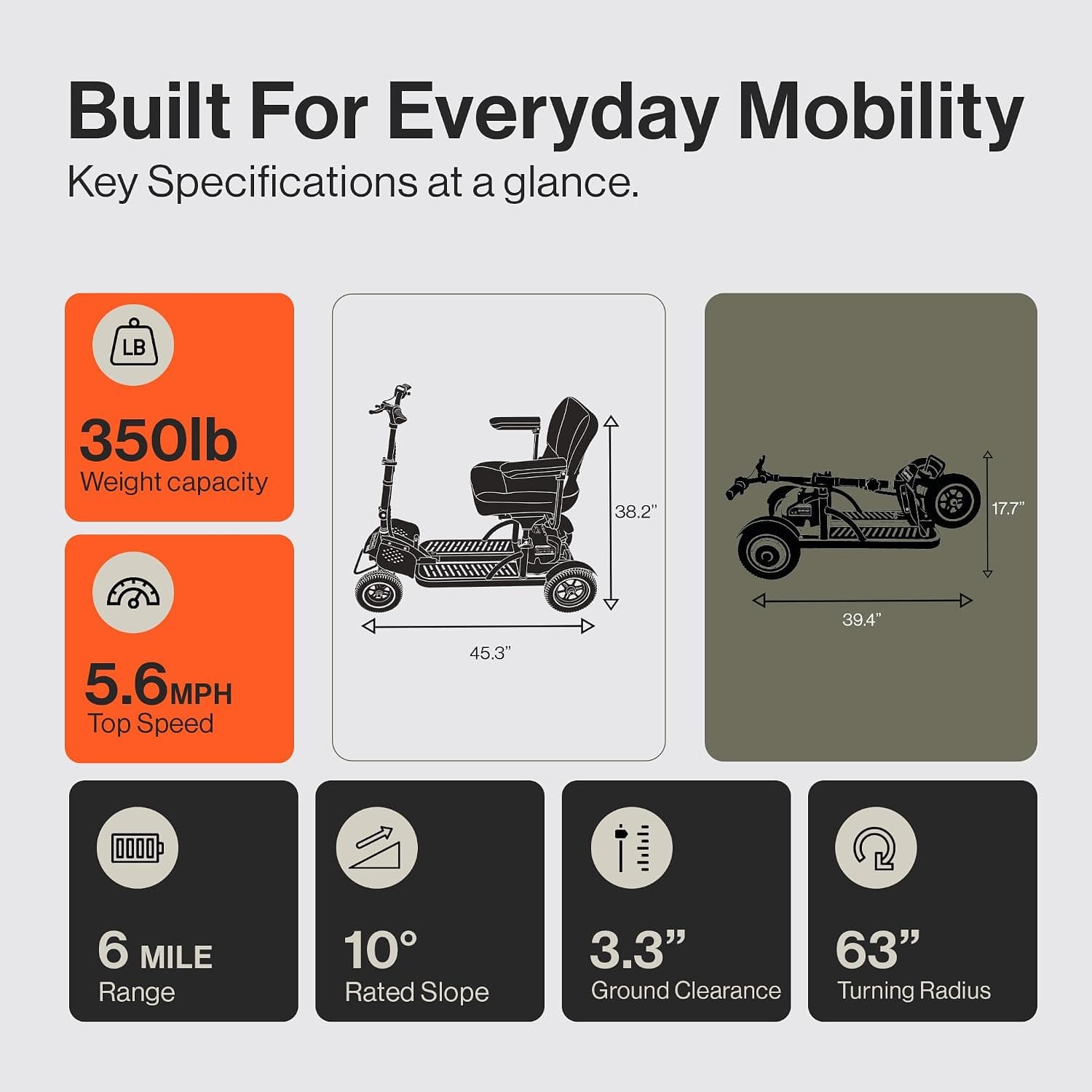
Before falling in love with a scooter's design, your first check should always be its weight capacity. This specification, provided by the manufacturer, is a crucial safety limit that should never be exceeded. Always choose a scooter with a capacity that comfortably accommodates your body weight plus anything you might carry, like a bag or groceries. Equally important are the scooter's dimensions. Measure the trunk of your car and the doorways in your home to ensure the scooter will fit where you need it to go. A compact, lightweight model is only useful if it can be easily stored and moved through your environment.
Battery Life and Charging: Powering Your Adventures
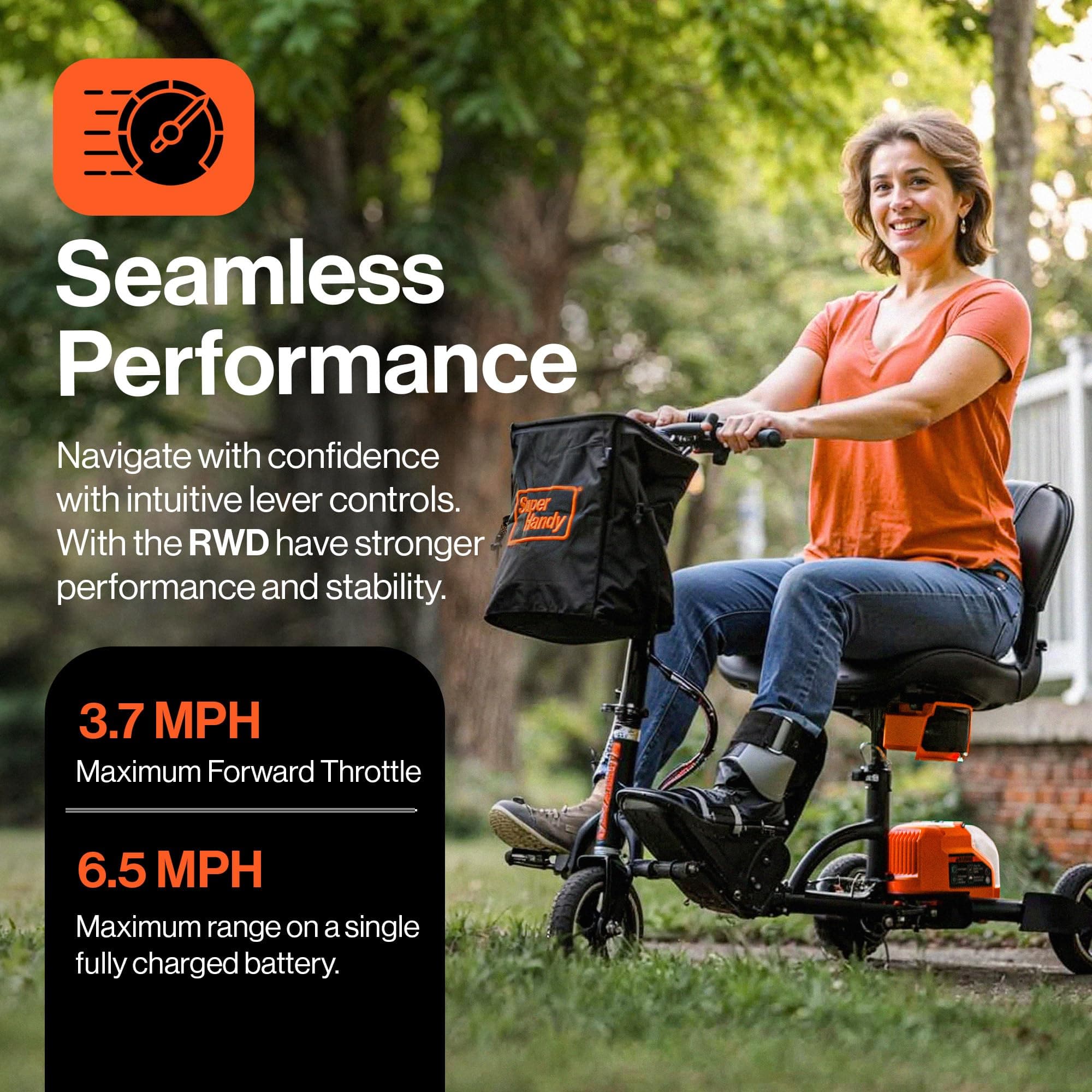
The battery is the heart of your electric mobility scooter, dictating how far you can go on a single charge. Manufacturers typically state this as a maximum travel range, such as "up to 12 miles." Remember that this figure is an estimate; your actual range will vary based on factors like your weight, the terrain you're on, and your average speed. Consider your daily activities to determine the range you truly need. Also, look at the charging process. Is the battery pack removable for convenient indoor charging? How long does a full charge take? A scooter with a reliable battery ensures your adventures are powered from start to finish.
Tire Types and Suspension: Navigating Different Terrains Smoothly
The tires on your lightweight mobility scooter are your connection to the ground, and they play a huge role in the quality of your ride. You’ll generally encounter two main types:
- Solid/Foam-Filled Tires: These are the most common on lightweight models. They are puncture-proof and require zero maintenance, making them a hassle-free choice for use on smooth indoor surfaces like shopping malls or in-home hallways.
- Pneumatic (Air-Filled) Tires: These tires provide natural cushioning, offering a smoother, more comfortable ride over slightly uneven terrain like sidewalks, park paths, or cracked pavement. They do require occasional air pressure checks.
For an even smoother experience, especially if you plan to use your scooter outdoors, look for a model with a suspension system. Even a simple suspension can absorb bumps and vibrations, significantly improving your comfort on longer journeys.
Disassembly and Portability: How Easy is it to Transport?
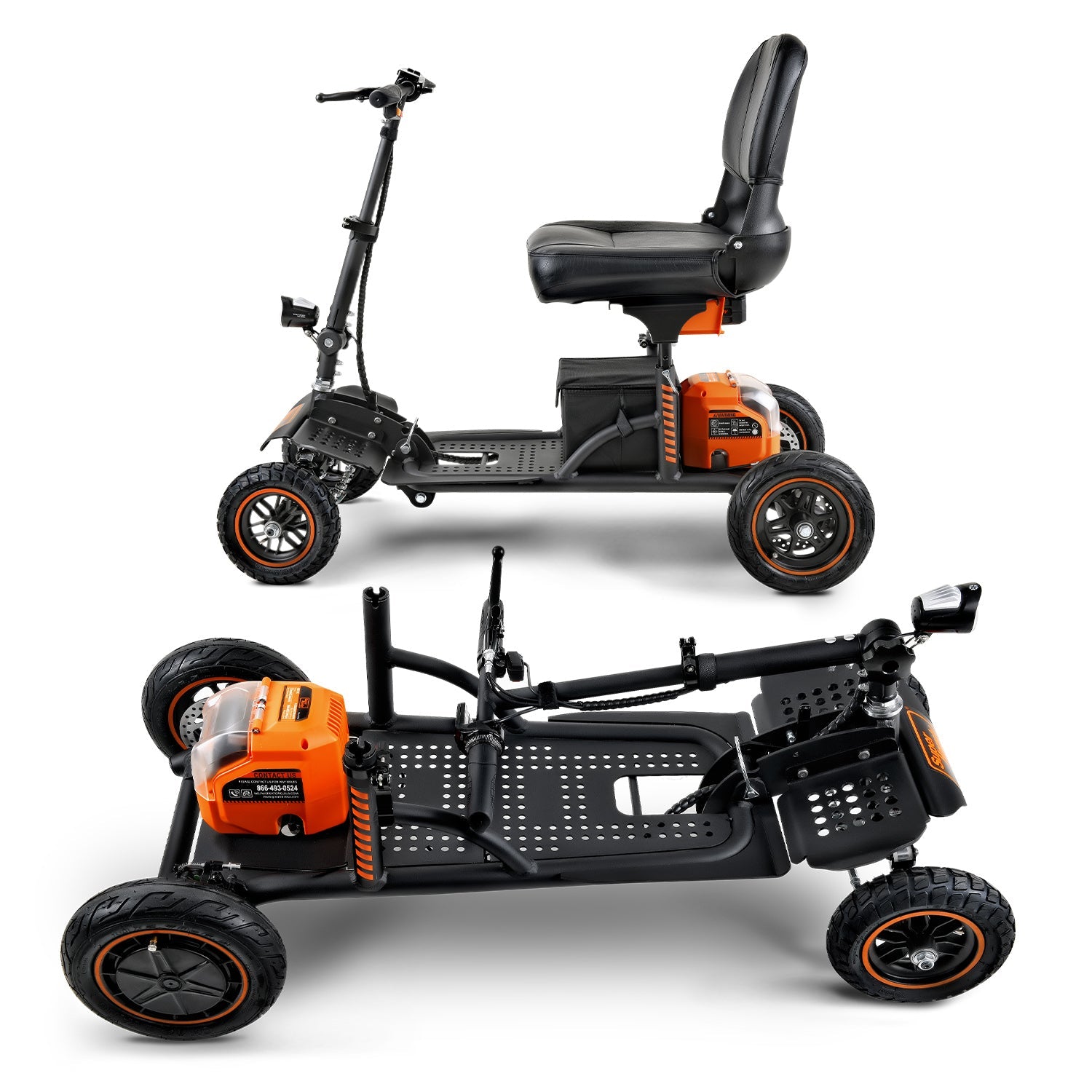
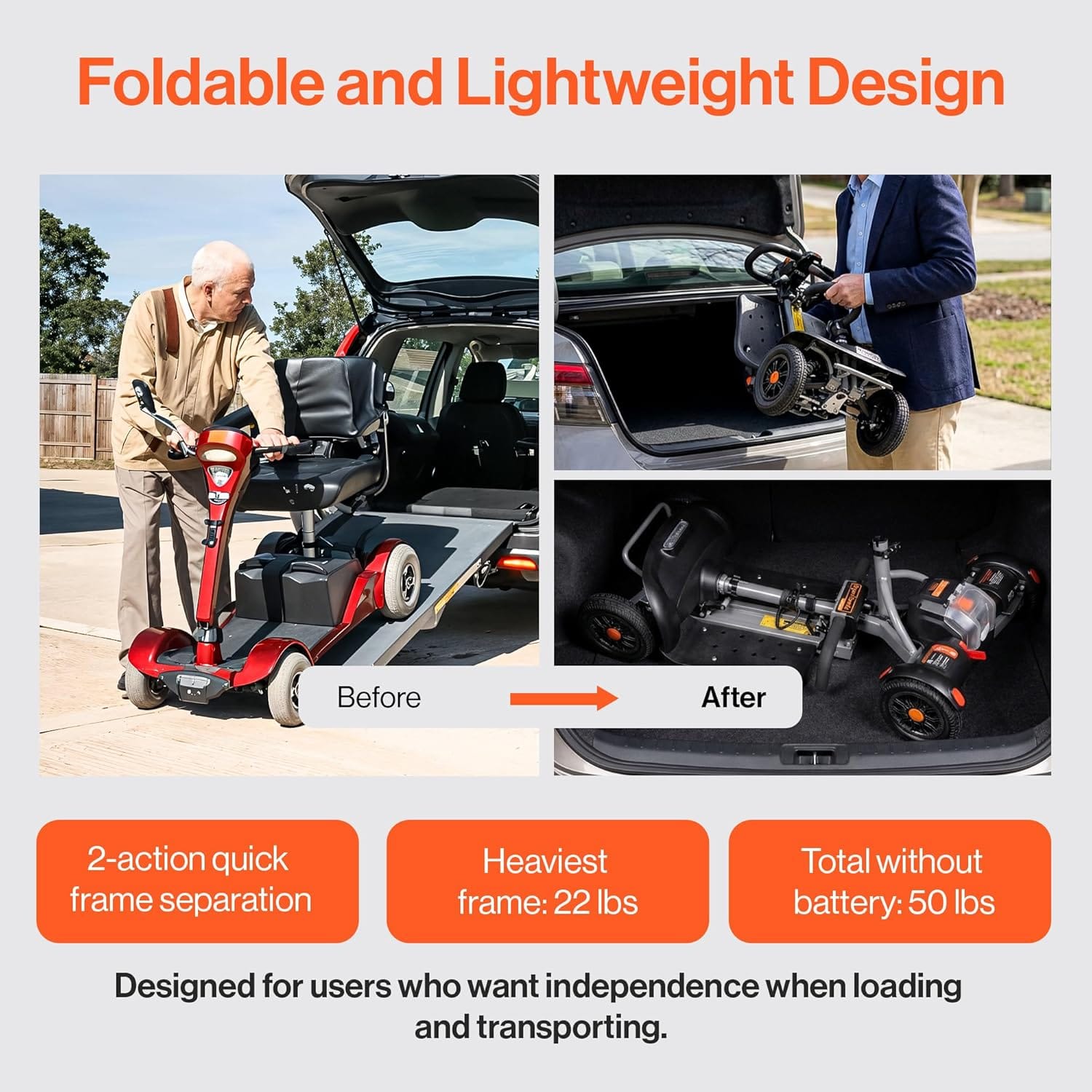
One of the primary benefits of a lightweight electric mobility scooter is its portability. Consider how you plan to transport it. Most models fall into two categories: folding or disassembling.
- Folding Scooters: These collapse into a single, compact unit, much like a piece of luggage. They are incredibly convenient and fast to pack up, but you will need to be able to lift the scooter's total weight into a vehicle.
- Disassembling Scooters: These break down into 4-5 smaller, lighter pieces (e.g., seat, battery pack, front section, rear section). While it takes a minute longer, the individual components are much easier to lift and manage. Always check the "weight of the heaviest piece" in the specifications to ensure it’s a weight you can handle comfortably.
Maneuverability and Turning Radius: Getting Around Tight Spaces
Your scooter’s maneuverability is determined by its turning radius—the smallest circle it can turn in. A smaller or "tighter" turning radius is crucial for navigating indoor environments. Think about maneuvering through grocery store aisles, crowded cafes, or narrow hallways in your home. A scooter with a tight turning radius will handle these tight spaces with ease, preventing frustrating multi-point turns. This capability is essential for taking full advantage of public spaces, many of which must adhere to specific accessibility standards outlined in the ADA.gov mobility-device guidance. Generally, 3-wheel scooters offer a tighter turning radius than their 4-wheel counterparts.
Comfort and Ergonomics: Ensuring a Pleasant Riding Experience
If a scooter isn’t comfortable, you won’t want to use it. Ergonomics are key to ensuring you can enjoy your independence for hours on end without aches and pains. Look for adjustable features that allow you to customize the fit. A padded, height-adjustable seat is a must, and a swivel function makes getting on and off the scooter much safer and easier. An adjustable tiller (the steering column) allows you to position the controls at a comfortable distance, preventing strain on your arms, shoulders, and back. Finally, check for flip-up armrests for side transfers and adequate deck space for your feet.
Safety Features You Shouldn't Overlook
When selecting a lightweight electric mobility scooter, safety should be paramount. Look for models equipped with anti-tip wheels, which provide crucial stability when navigating inclines or uneven surfaces. A reliable braking system, typically electromagnetic, is essential for smooth, automatic stopping when you release the controls. Good visibility is also key, so prioritize scooters with bright LED headlights and rear safety lights. Finally, a horn or audible alert helps you safely signal your presence to pedestrians and others around you.
Comparing Different Types of Lightweight Scooters (3-Wheel vs. 4-Wheel)
The choice between a 3-wheel and a 4-wheel lightweight mobility scooter largely depends on where you’ll be using it most.
-
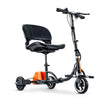
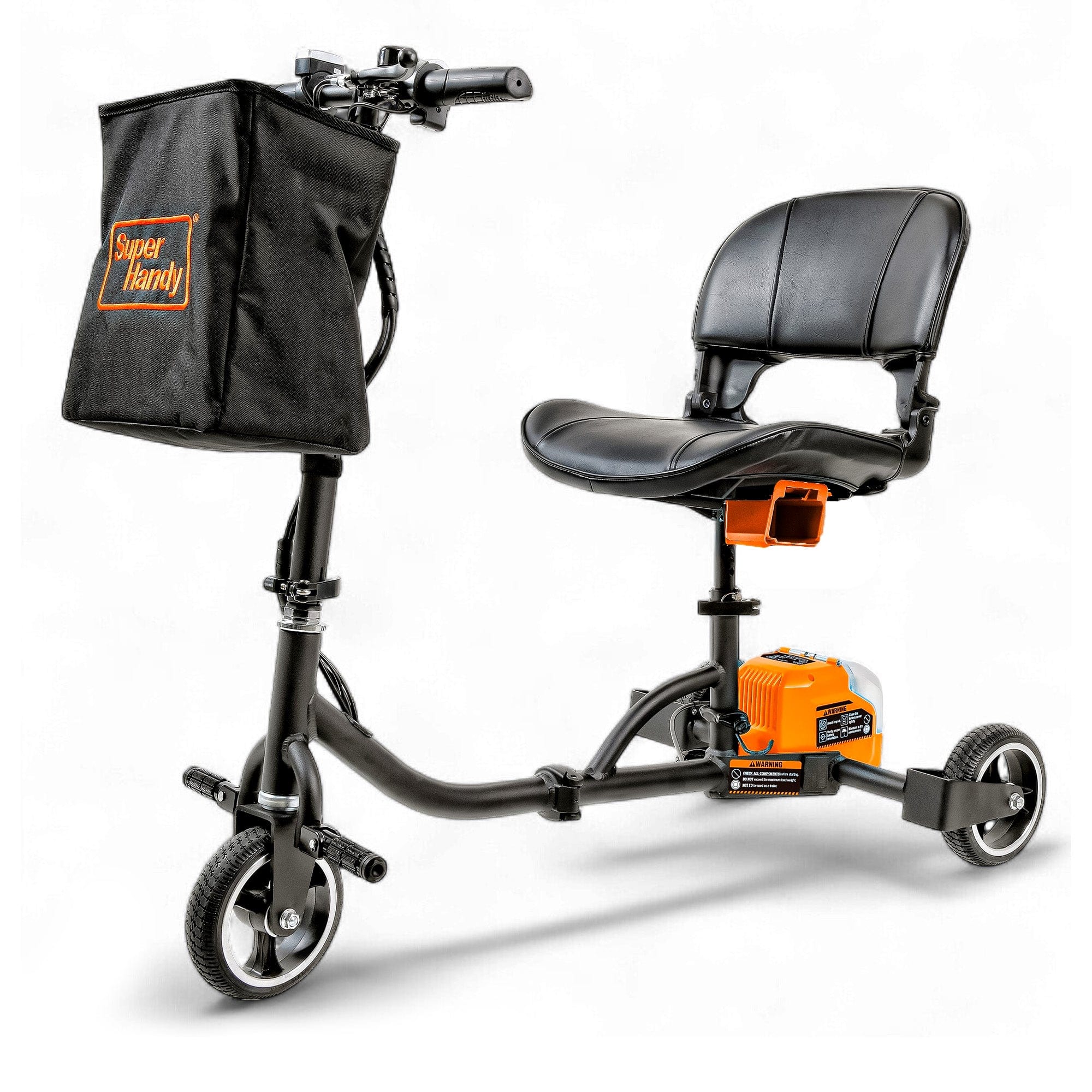
3-Wheel Scooters: These models are champions of maneuverability. Their single front wheel allows for a much tighter turning radius, making them ideal for indoor use, navigating narrow hallways, and shopping in crowded stores. They also tend to offer more legroom. However, they are inherently less stable than their 4-wheel counterparts, especially on rough terrain.
-
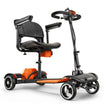
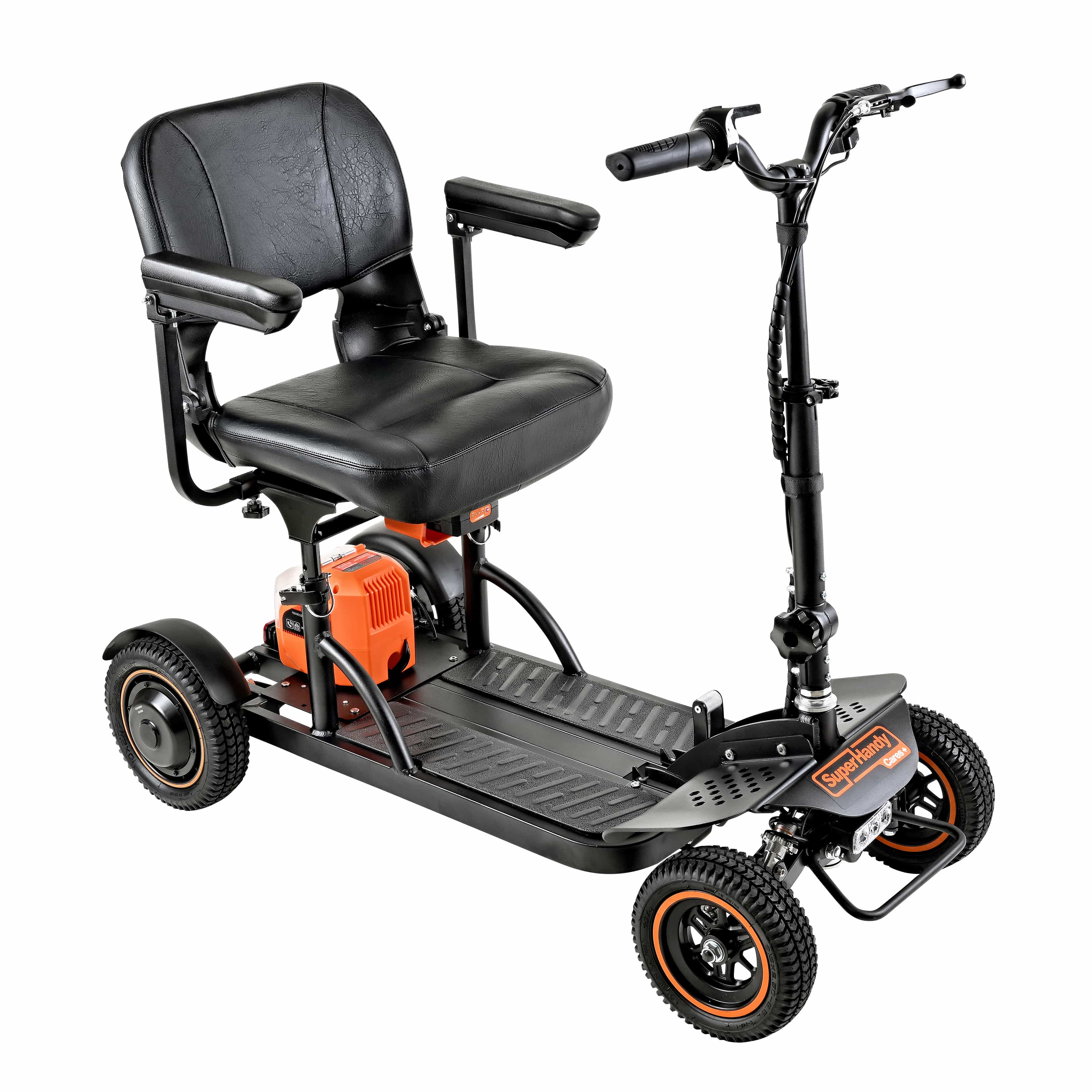
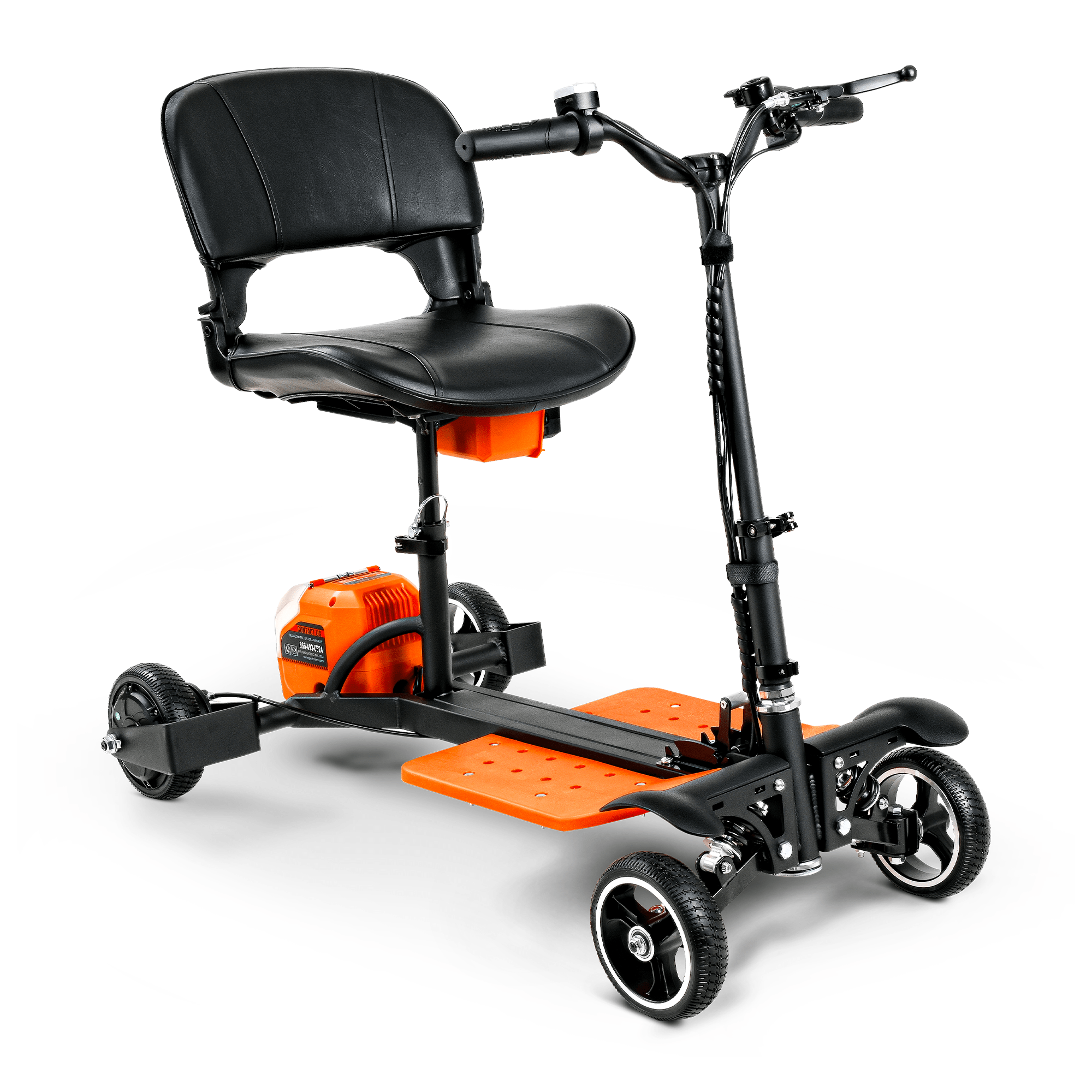
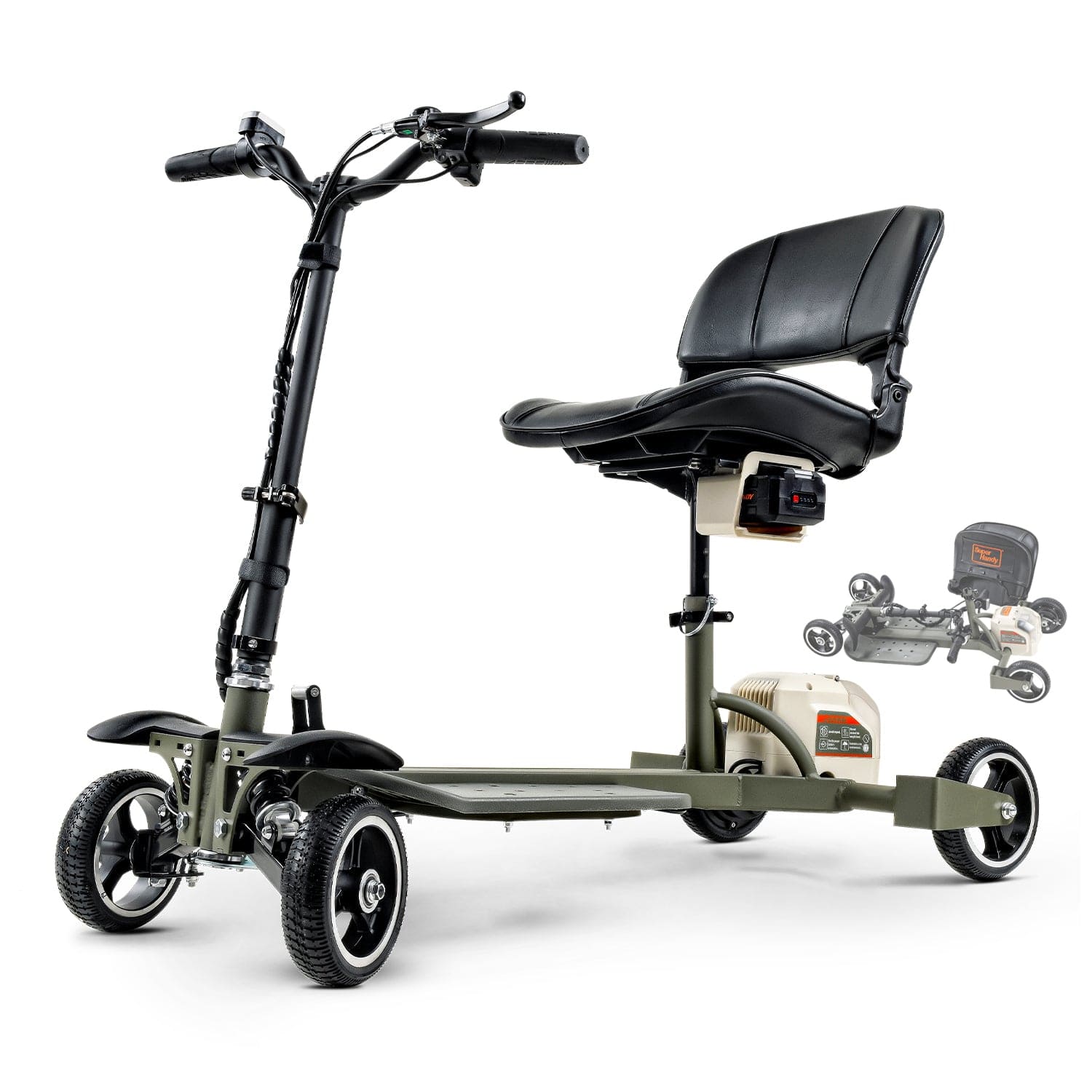
4-Wheel Scooters: Offering maximum stability with a wider base, these scooters are built for the outdoors. They handle uneven ground, small bumps, and gentle slopes with greater confidence. This stability comes at the cost of a larger turning radius, which can make them cumbersome in tight indoor spaces.

Top Lightweight Mobility Scooter Brands and Models to Consider
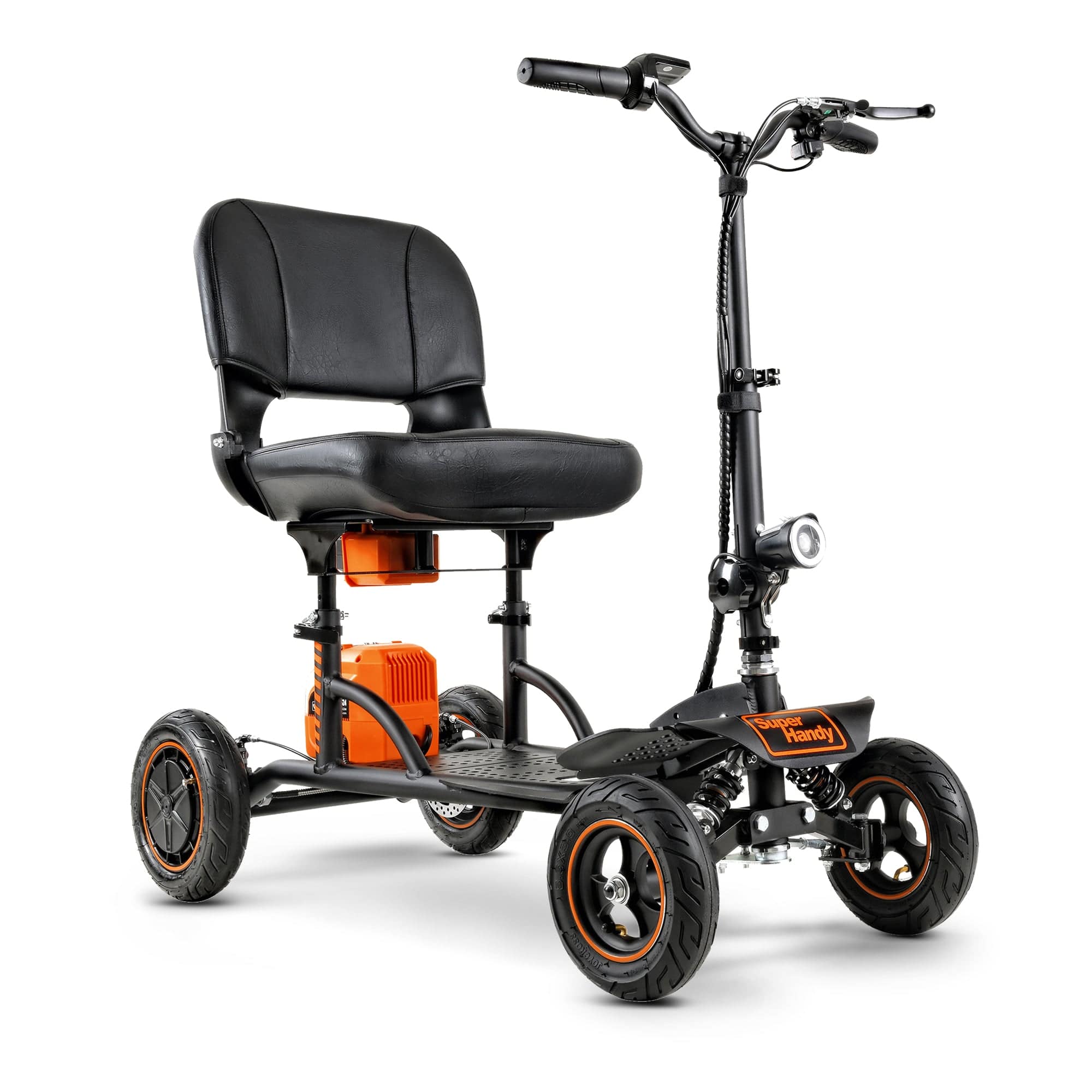
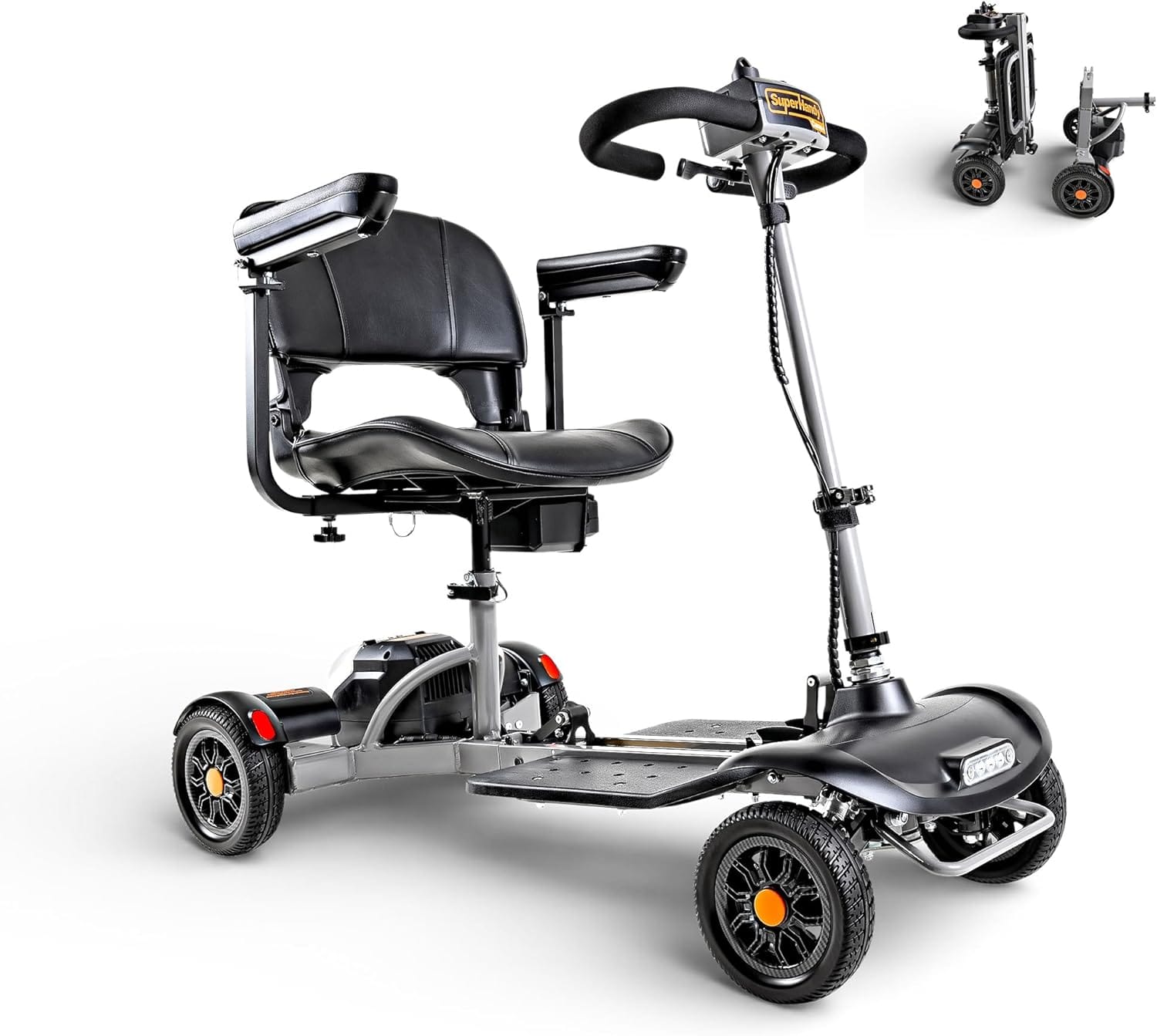
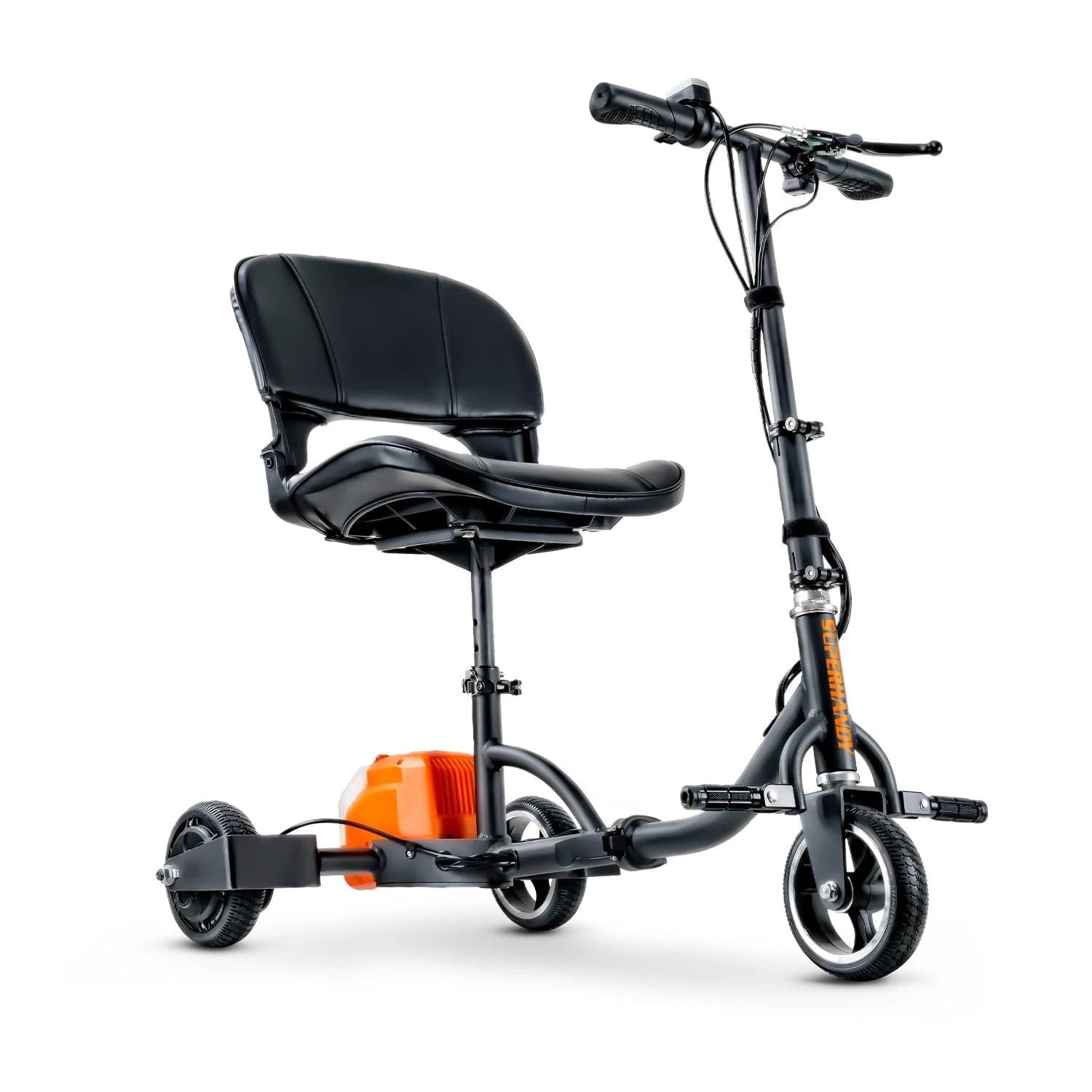
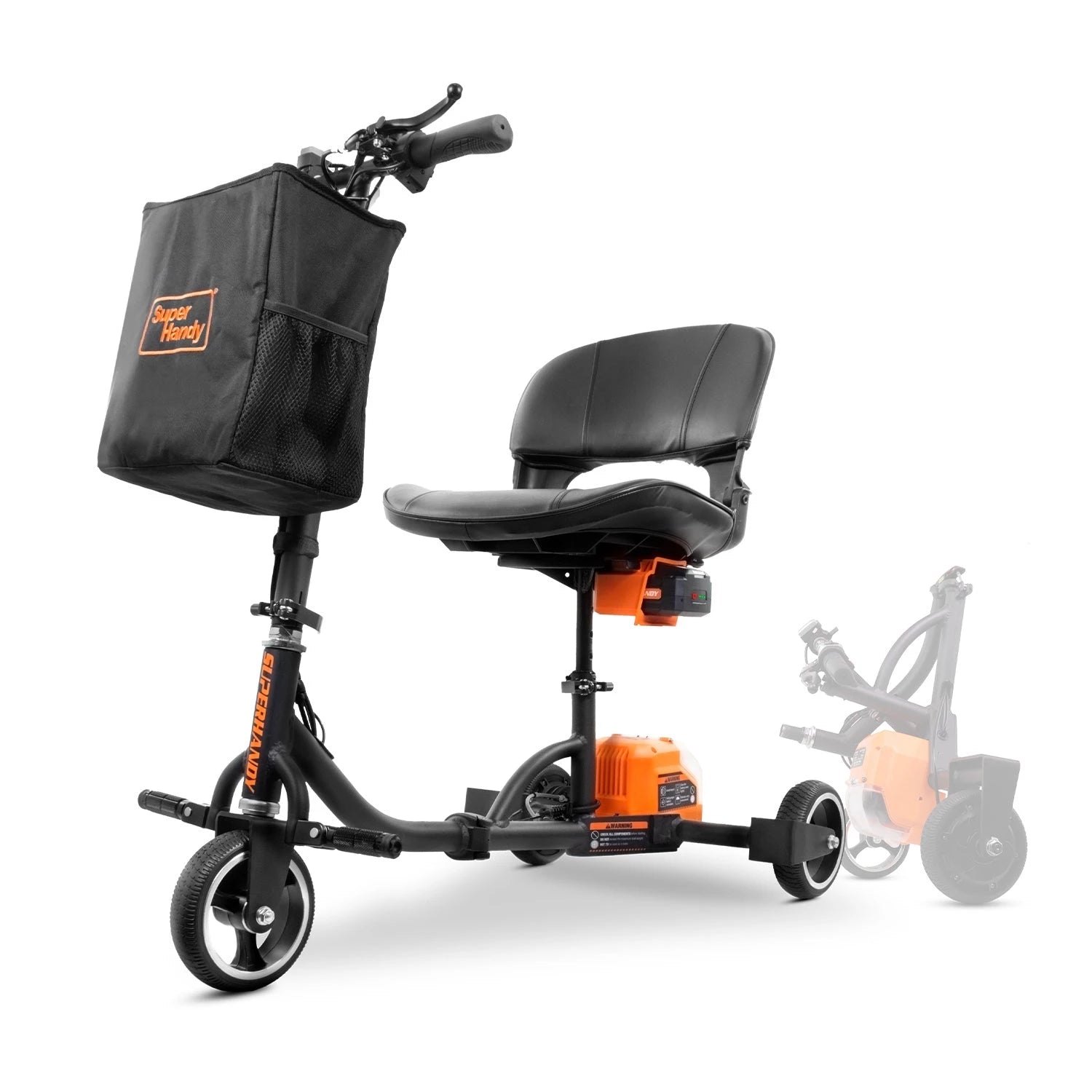
The market for lightweight mobility scooters is filled with excellent brands known for quality and innovation. Companies like Pride Mobility and Drive Medical have long been trusted names in the industry. For those seeking modern, ultra-portable designs, brands like SuperHandy are making a significant impact. The SuperHandy Lightweight Foldable Mobility Scooter, for example, is a popular choice that combines a durable frame with an easy-to-transport, collapsible design, making it suitable for travel and daily errands.
Budgeting for Your Lightweight Mobility Scooter: What to Expect
The price of a new lightweight mobility scooter can range from around $600 to over $2,500. This variation depends on factors like brand reputation, weight capacity, battery type (lithium-ion batteries are often pricier but lighter), and advanced features. In some cases, financial assistance may be available. If your doctor determines a scooter is medically necessary to perform daily activities at home, you may be able to get help with the cost. You can learn more about the criteria from the official Medicare.gov coverage for wheelchairs and scooters guidelines. When budgeting, also consider potential costs for accessories like baskets or covers.
Maintaining Your Lightweight Scooter for Longevity
Your lightweight mobility scooter is an investment in your freedom and independence. To ensure it runs smoothly for years to come, a little regular maintenance goes a long way. Consistent care not only extends the life of your electric mobility scooter but also guarantees it’s safe and reliable every time you head out the door.

Follow this simple maintenance routine:
- Battery Care: The heart of your scooter is its battery. Keep it charged according to the manufacturer’s instructions, typically after each use. Avoid letting the battery drain completely, as this can shorten its lifespan.
- Tire Inspection: Before you ride, give the tires a quick check. Look for signs of wear and tear, and if they are pneumatic (air-filled), ensure they are inflated to the correct pressure.
- Keep it Clean: Wipe down your scooter regularly with a damp cloth to remove dust, dirt, and moisture. This prevents buildup in moving parts and keeps it looking new.
- Check for Loose Parts: Periodically check that all nuts, bolts, and screws are secure. Vibrations from regular use can sometimes cause them to loosen over time.
Frequently Asked Questions About Lightweight Mobility Scooters
Can I take my lightweight mobility scooter on an airplane? Yes, most airlines accommodate mobility devices. However, you must contact your airline well in advance of your flight to understand their specific procedures. The FAA PackSafe wheelchair and mobility-device battery rules provide detailed guidelines, especially concerning lithium-ion batteries, which may need to be removed and carried into the cabin.
Will insurance cover the cost of my scooter? Coverage depends on your insurance plan and medical needs. In some cases, Medicare or private insurance may cover a portion of the cost if the scooter is prescribed by a doctor and deemed medically necessary for mobility inside the home. It's essential to check directly with your provider.
How often should I charge the battery? For optimal performance and battery health, it's best practice to charge your scooter's battery after every day of use, regardless of the distance traveled. This ensures you always have a full charge ready for your next adventure.
Making Your Final Decision: Your Checklist for Purchase
You’re almost ready to choose the perfect lightweight mobility scooter! Before you make your final decision, run through this checklist to ensure the model you’ve selected ticks all the right boxes for your lifestyle.
- Portability: Can I easily lift, fold, or disassemble it myself?
- Capacity & Fit: Does the scooter’s weight capacity and seat dimensions comfortably support me?
- Battery Range: Is the maximum travel distance on a single charge sufficient for my typical daily outings?
- Terrain Capability: Are the tires and suspension suitable for the surfaces I’ll be navigating most often (e.g., indoors, sidewalks, parks)?
- Maneuverability: Will the turning radius allow me to move easily through my home, stores, and other tight spaces?
- Budget: Does the price fit my budget, including any essential accessories like a basket or cover?
Related Products



Leave a comment
All comments are moderated before being published.
This site is protected by hCaptcha and the hCaptcha Privacy Policy and Terms of Service apply.