

















Choosing the Right Car Dolly for Your Vehicle and Towing Needs
Selecting the correct car dolly isn't a one-size-fits-all decision. The most critical factor is compatibility between the dolly, the vehicle you plan to tow, and your tow vehicle. Start by checking the weight specifications. Every car dolly has a maximum gross vehicle weight rating (GVWR) it can handle. You must ensure that the curb weight of the vehicle being towed does not exceed this limit. Additionally, check the dolly’s maximum width capacity to confirm your vehicle's tires will fit properly on the platform.
Equally important is your tow vehicle's capacity. Consult your tow vehicle's owner's manual to find its maximum towing capacity and ensure it can safely pull the combined weight of the car dolly and the vehicle you are loading onto it. Finally, consider the drivetrain of the car being towed. Car dollies are ideal for front-wheel-drive (FWD) vehicles, as you can simply load the front wheels onto the dolly and leave the rear wheels on the ground. For rear-wheel-drive (RWD) or all-wheel-drive (AWD) vehicles, you may need to disconnect the driveshaft to prevent transmission damage—a step that requires mechanical knowledge or professional assistance.
Understanding the Different Types of Car Dollies: Tow Dolly vs. Trailer Dolly
When discussing dolly moving, it's important to distinguish between different types of equipment. The primary tool for towing a car behind another vehicle is a tow dolly. This is a two-wheel trailer with ramps, designed to lift the front two wheels of a car off the ground. The car is then secured with straps, and the dolly is hitched to a tow vehicle for transport. Most tow dollies feature a swivel pan that allows the dolly's wheels to pivot, helping with turns and maneuverability.

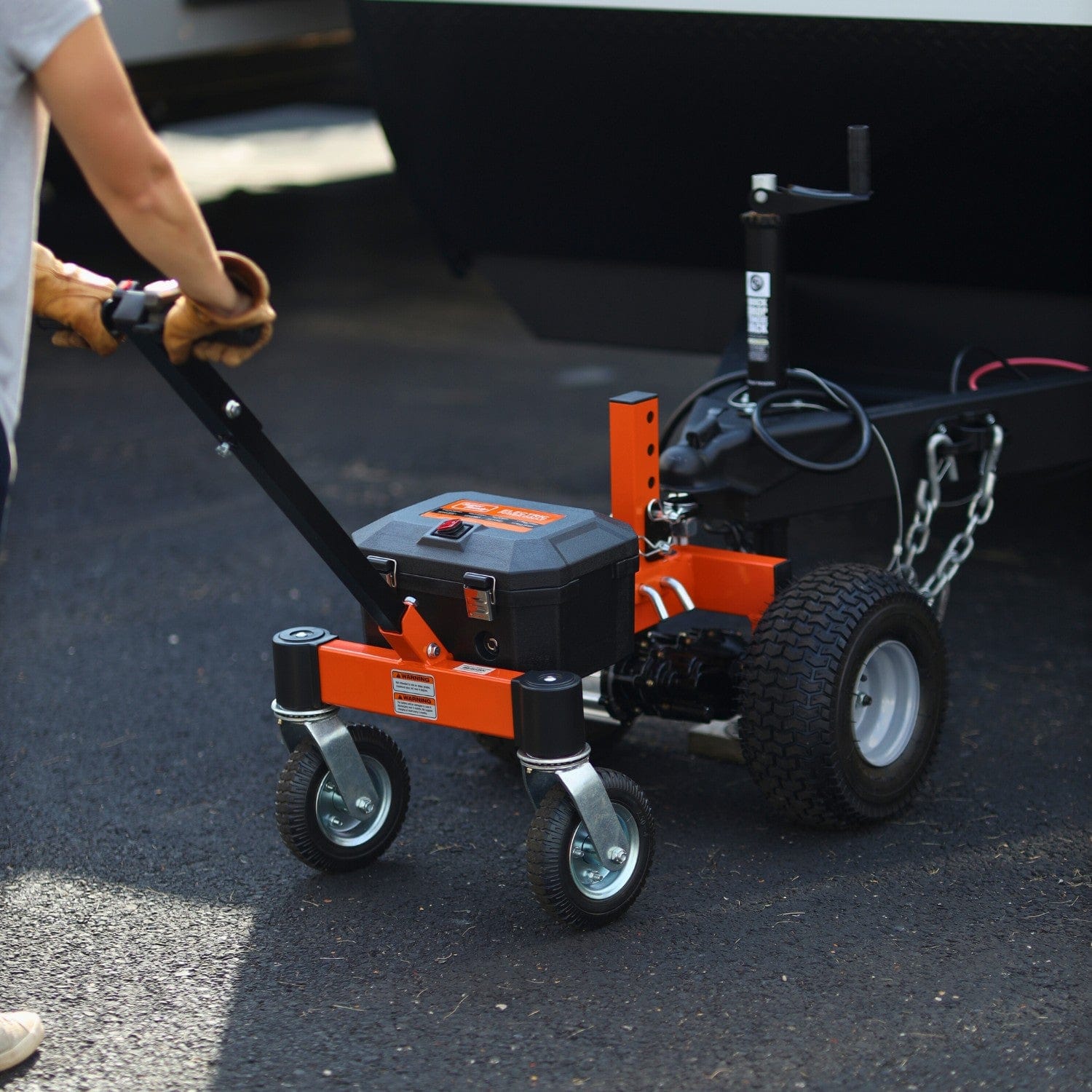
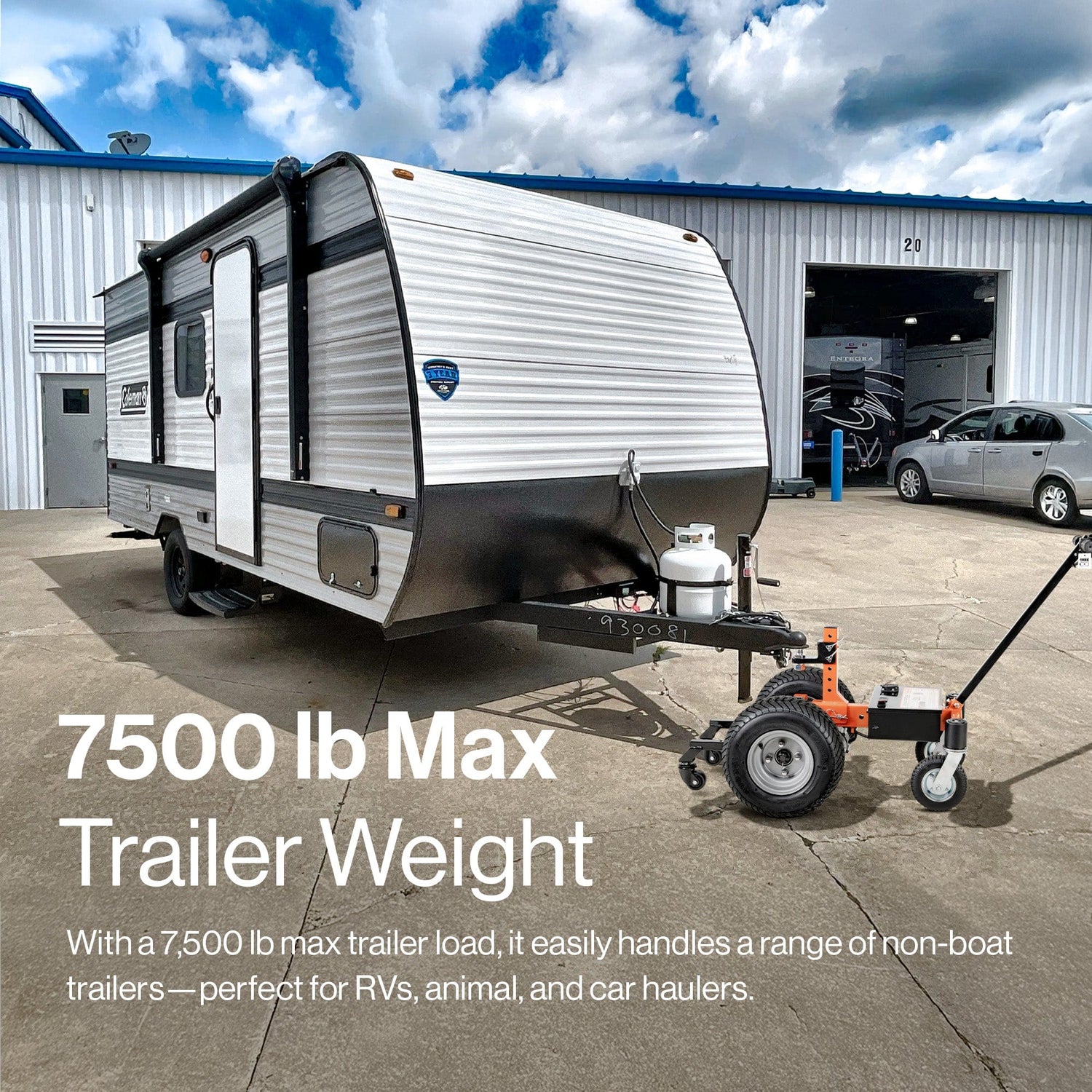
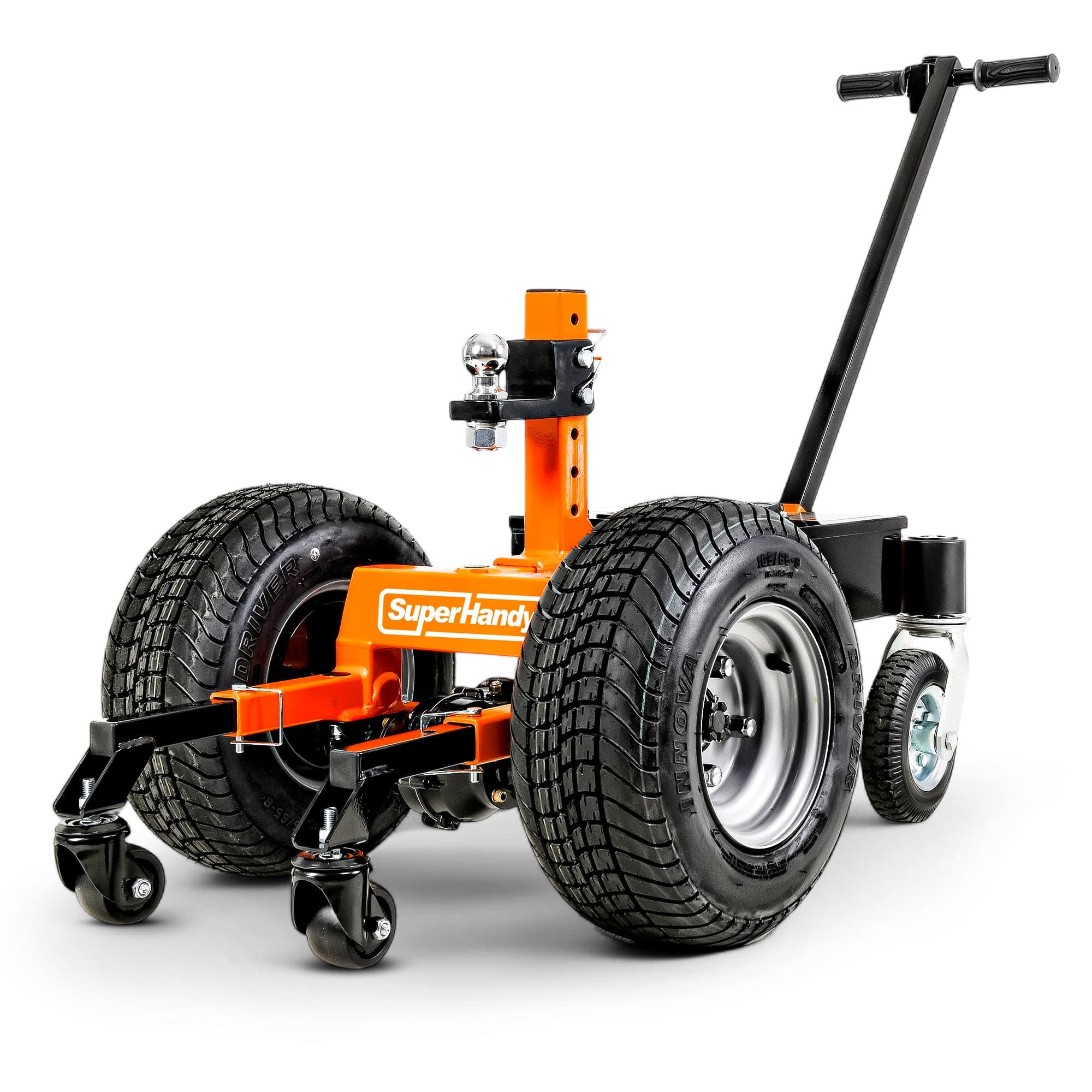
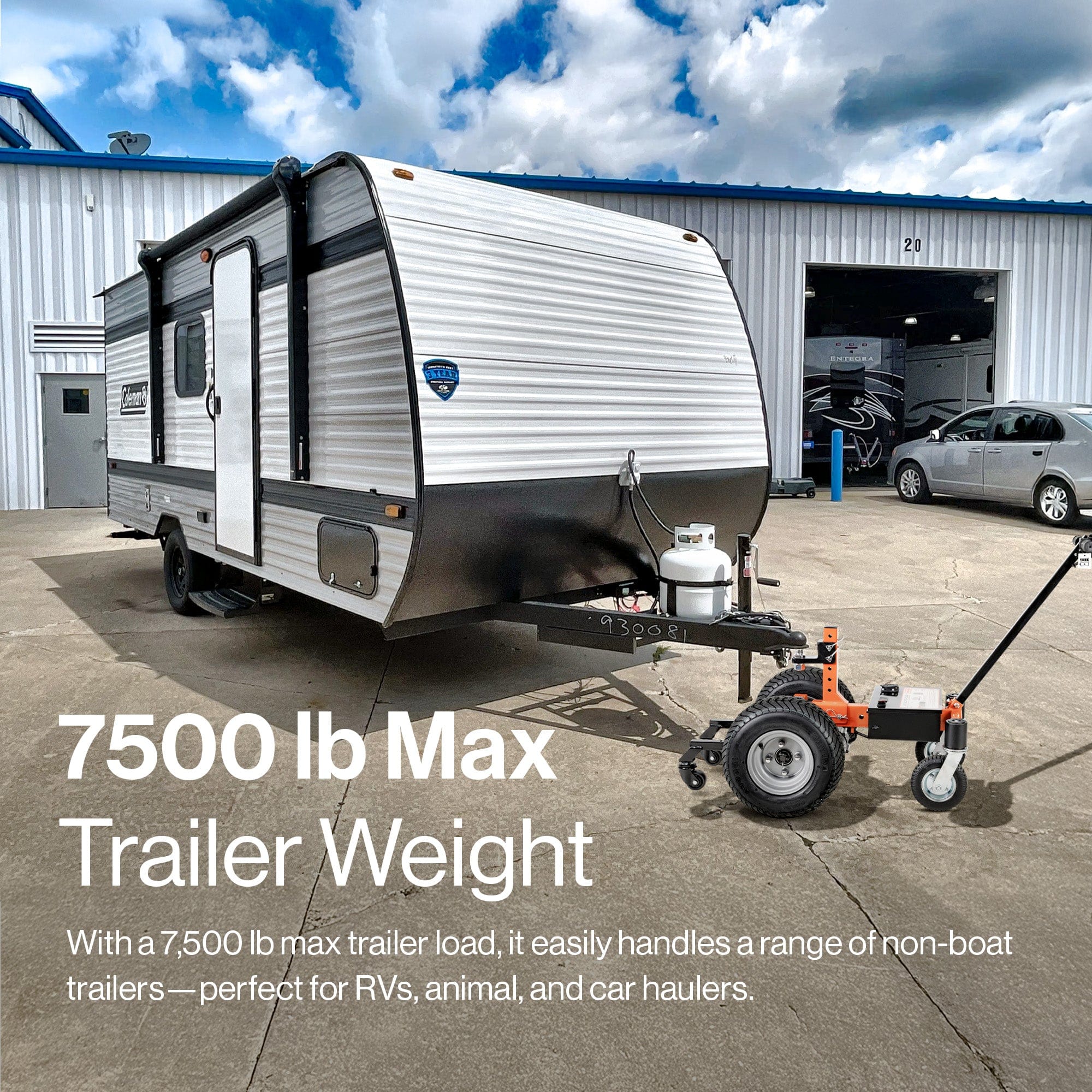
This is different from a trailer dolly or power dolly. A trailer dolly is a motorized, walk-behind device designed to move unattached trailers, boats, or campers around a driveway, storage lot, or tight space. For example, a powerful unit like the SuperHandy Electric Trailer Dolly Pro is suitable for precise positioning of heavy loads but is not used for on-road vehicle towing. Understanding this distinction ensures you are renting or buying the correct equipment for your specific job.
Essential Safety Checks Before You Begin Loading Your Vehicle
Before you even think about connecting the car dolly, a thorough safety inspection is non-negotiable. A few minutes of checking can prevent a major headache—or a serious accident—down the road.
- Tow Vehicle: Inspect your truck or SUV's tires for proper inflation and adequate tread. Check that all lights, including brake lights and turn signals, are functioning. Ensure the hitch is securely attached and free of rust or damage.
- Car Dolly: Give the dolly a complete once-over. Check its tire pressure and look for signs of wear or damage. Test the dolly’s lights by connecting its wiring harness to your tow vehicle. Inspect all tie-down straps for fraying or tears and confirm that the ratchets function smoothly. Check that the safety chains are present and in good condition.
- Vehicle to be Towed: Make sure the tires on the vehicle you are loading are properly inflated. If a tire is low, it can make loading difficult and potentially cause the straps to loosen during transit.
Gathering the Necessary Tools and Equipment for Secure Loading
Having the right tools on hand will make the loading process smoother and safer. While a good car dolly rental or purchase will include the main components, it's wise to have a small support kit ready. First and foremost, a sturdy pair of work gloves will protect your hands from pinch points and grime while handling straps and chains. You will also need a set of wheel chocks to secure the wheels of the tow vehicle and the car dolly itself, preventing any unwanted movement during loading. A tire pressure gauge is essential for the safety checks mentioned above, and a flashlight is invaluable if you're working in the evening or in a poorly lit area. Finally, while the dolly will have its own tie-down straps, having a rag to wipe down any mud or debris from the tires can help the straps get a better grip.
Step-by-Step Guide: Positioning the Car Dolly Correctly Behind Your Tow Vehicle
The foundation of a safe dolly moving experience is proper setup. Begin by parking your tow vehicle and the empty car dolly on a flat, level surface with ample space to work. This prevents any unexpected rolling. Attach the car dolly's coupler to your tow vehicle's hitch ball, ensuring it is securely seated. Latch the coupler and insert the safety pin or lock. Next, cross the safety chains underneath the coupler and attach them to the tow vehicle's frame or hitch, leaving just enough slack for turns. Connect the dolly's wiring harness to the tow vehicle's socket to ensure the dolly's brake lights and turn signals are operational. For precise, low-effort positioning of your dolly before attaching it, a powered dolly like the SuperHandy Electric Trailer Dolly Pro can be an invaluable tool. Once connected, disengage the dolly's parking brake (if equipped) and lower the loading ramps, placing them in position for the vehicle you intend to load.
How to Safely Drive Your Vehicle onto the Car Dolly: The Critical Loading Process
Loading the vehicle is the most critical phase and should never be rushed. It is highly recommended to have a spotter to guide you. Their job is to stand a safe distance away and provide clear signals, ensuring you are centered and approaching correctly. Align the vehicle to be towed directly with the car dolly ramps. Drive forward slowly and steadily in a straight line. Avoid sudden acceleration or braking. Your spotter should confirm that your tires are centered on the ramps as you proceed. Continue driving up the ramps until the front tires of your vehicle gently make contact with the wheel stops at the front of the dolly's tire platform.
Once the vehicle is in position, put it in "Park" (for an automatic transmission) or in first gear (for a manual). Engage the parking brake firmly. Do not turn the vehicle off until you have confirmed it is secure and will not roll back.
Securing Your Vehicle to the Dolly: Mastering the Tie-Down Techniques
With your vehicle resting against the dolly's wheel stops, it’s time to secure it. Most modern car dollies use wheel nets or tire straps. Drape the strap over the top of each front tire, ensuring it is centered and flat against the tread. The strap should not be twisted. Route the loose end of the strap through the dolly's ratchet mechanism as instructed by the manufacturer. Tighten the ratchet until the strap is taut, applying firm pressure to the tire. A properly tightened strap will have no slack and will visibly compress the tire slightly. Double-check that the straps are not rubbing against any part of the vehicle's body, suspension, or brake lines. After tightening both sides, re-check that the vehicle's steering wheel is locked and pointing straight ahead.
Understanding Tow Dolly Weight Limits and Load Balancing for Stability
Every car dolly has a maximum weight capacity that must be respected for safe towing. Before you even attempt to load, you must know two key numbers: the curb weight of the vehicle you are towing and the maximum load capacity of your car dolly. You can find the dolly's capacity on its manufacturer's plate or sticker. The towed vehicle’s weight must be less than this limit. Furthermore, you must also consider the tongue weight—the downward force the dolly exerts on the tow vehicle's hitch. Proper load balancing is crucial for stability. Since a tow dolly only carries the front axle of a vehicle, you need to ensure the tongue weight does not exceed your tow vehicle's rating, which is found in its owner's manual. Overloading the dolly or improperly balancing the load can lead to dangerous swaying, loss of control, and potential failure of the dolly or hitch.
Pre-Towing Checklist: Final Inspection Before Hitting the Road
You’ve done the heavy lifting, but don’t pull out onto the road just yet. A final, thorough inspection is the most important step in any dolly moving operation. Go through this checklist every time you tow.
- Straps and Chains: Double-check that all tire straps are centered on the wheels and ratcheted down as tightly as possible. Confirm that the safety chains are securely fastened from the dolly’s frame to the towed vehicle’s frame, with just enough slack for turns.
- Hitch Connection: Walk to the front of the dolly and physically tug upward on the coupler to ensure it is locked securely onto the tow vehicle’s hitch ball. The locking pin or clip must be in place.
- Tire Pressure: Check the tire pressure on the tow vehicle, the car dolly, and the rear tires of the vehicle being towed. Improperly inflated tires are a leading cause of blowouts and instability.
- Towed Vehicle State: Confirm the towed vehicle is in Park (for automatics) or a low gear (for manuals), but ensure its parking brake is completely disengaged. The rear wheels must be able to spin freely to avoid catastrophic damage to the tires and drivetrain.
- Lights Sync: Have a partner stand behind the loaded dolly while you test the tow vehicle’s lights. Verify that the dolly’s brake lights, turn signals, and running lights all work in perfect sync with your vehicle.
- Ramps and Pins: Ensure the loading ramps are properly returned to their storage position and secured with their locking pins or latches.
Common Mistakes to Avoid When Loading and Securing a Vehicle on a Dolly
Even a small mistake during loading can lead to big problems on the highway. Being aware of common errors is the first step toward avoiding them. Following established consumer product safety guidelines is critical for preventing equipment damage and personal injury when using any large mechanical product.
One of the most frequent and damaging mistakes is towing a vehicle with its parking brake engaged. This will shred the rear tires and can cause severe brake and axle damage. Another common error is improper strap placement; straps must go over the tires, not suspension components. Also, never neglect to re-check your straps. After driving for 10-15 miles, pull over in a safe location and re-tighten the tie-downs. They will almost always have settled and loosened slightly. Finally, be absolutely certain you are not towing a vehicle that is incompatible with a two-wheel dolly, such as a rear-wheel-drive or all-wheel-drive car, without first disconnecting the driveshaft. Failing to do so can destroy the vehicle's transmission.

Tips for Driving Safely with a Loaded Car Dolly
Driving with a loaded car dolly fundamentally changes your vehicle's handling, braking, and dimensions. Adjust your driving style accordingly to ensure a safe trip.
- Increase Your Following Distance: The added weight significantly increases your stopping distance. Leave at least double the space you normally would between you and the vehicle in front of you.
- Make Wide Turns: A car dolly will cut corners tighter than your tow vehicle. You must make much wider turns than usual to prevent the dolly’s wheels from hitting curbs, signs, or other vehicles.
- Reduce Your Speed: Obey posted speed limits for vehicles with trailers, which are often lower than for passenger cars. Drive slower on curves, in windy conditions, and on uneven roads.
- Drive Proactively: Avoid sudden braking, sharp turns, or quick lane changes. Smooth and steady inputs are key to maintaining stability. Be extra cautious on steep downhill grades, using a lower gear to let the engine assist with braking and prevent the dolly from pushing your vehicle.
Maintaining Your Car Dolly for Longevity and Reliable Performance
A car dolly is a serious piece of equipment that requires regular maintenance to remain safe and reliable. Neglect can lead to component failure at the worst possible time. Before and after each use, inspect the tire straps for any signs of fraying, cuts, or sun damage. A compromised strap should be replaced immediately.
On a seasonal or mileage basis, check the dolly’s tires for proper inflation and inspect the tread for uneven wear, which could indicate an alignment issue. It is also crucial to inspect and grease the wheel bearings according to the manufacturer’s schedule to prevent overheating and failure on the road. Periodically test all lights and inspect the wiring for any cracks or damage. This level of preventative care applies to all heavy-duty equipment, whether it's a highway tow dolly or a motorized yard tool like the SuperHandy Electric Trailer Dolly Pro - 24V 9Ah Battery, 7500 Lb Towing Capacity. When not in use, store your dolly in a covered area to protect it from rust and UV degradation.
What to Do If Your Vehicle Shifts or Straps Loosen During Transit
Even with the most careful preparation, things can sometimes shift during a long haul. If you notice your vehicle has moved on the car dolly or see a strap flapping in the wind, your immediate and calm response is critical. The first priority is to get off the road safely. Signal your intention, gradually reduce your speed, and find a large, flat, and stable area to pull over, such as a rest stop or an empty parking lot. Avoid stopping on a soft shoulder or a steep grade.

Once you are safely parked and clear of traffic, perform a thorough inspection. Do not unhitch the dolly from your tow vehicle. Carefully examine all tie-down straps for tension and placement. Check the safety chains and the winch. If a strap has come loose, re-secure it according to the proper technique, ensuring it is as tight as possible. If the vehicle itself has shifted significantly, you may need to unload and reload it to ensure proper centering and weight distribution. Adhering to strict safety protocols when using consumer products is essential for preventing accidents and injuries, a principle emphasized by the Consumer Product Safety Commission in its educational resources. Taking the time to correct the issue on the spot is far better than risking a catastrophic failure on the highway.
Frequently Asked Questions About Loading and Securing a Car Dolly
Navigating the world of dolly moving can bring up a lot of questions. Here are answers to some of the most common queries we encounter.
Do I need to disconnect the driveshaft of the vehicle I'm towing? This is one of the most important questions, and the answer depends on your vehicle's drivetrain. For front-wheel-drive (FWD) vehicles, you typically do not need to disconnect the driveshaft because the front wheels are lifted onto the dolly and the rear wheels spin freely. However, for most rear-wheel-drive (RWD) and all-wheel-drive (AWD) vehicles, you absolutely must disconnect the driveshaft. Towing these vehicles with their drive wheels on the ground can cause severe, costly damage to the transmission. Always consult your vehicle’s owner's manual for specific instructions on recreational towing.
What's the difference between a car dolly and a trailer dolly? Though their names are similar, these tools serve very different purposes. A car dolly, also known as a tow dolly, is a two-wheeled trailer used to lift the front axle of a vehicle so it can be towed behind another vehicle. In contrast, a trailer dolly is a motorized or manual device designed to move unhitched trailers around in tight spaces like a garage, driveway, or storage lot. A powerful unit like the SuperHandy Electric Trailer Dolly Pro makes it easy to precisely position heavy trailers without needing a tow vehicle.
Can any car be used to tow another vehicle on a car dolly? No, not every vehicle is equipped for the job. The tow vehicle must have a towing capacity that exceeds the combined weight of the car dolly and the vehicle being towed. You must also account for the tongue weight of the loaded dolly. Exceeding your vehicle's tow rating is extremely dangerous and can lead to brake failure, transmission damage, and loss of control. Always check your tow vehicle's owner's manual to confirm its maximum towing capacity before you begin.
FAQ: Can I tow a vehicle with a flat tire on a dolly?
No, you should never attempt to load and tow a vehicle with a flat tire on a car dolly. The tire straps and nets are specifically designed to wrap around a fully inflated tire, using its shape and pressure to create a secure connection. A flat or deflated tire will not hold the strap properly, and it can easily slip out from under the strap during transit, especially when going over bumps or around turns. This creates a severe risk of the vehicle coming loose from the dolly, endangering you and other drivers on the road.
The only safe solution is to address the flat tire before loading the vehicle. Replace the flat with the vehicle’s spare tire. Once the spare is securely in place and properly inflated, you can then proceed with safely loading the vehicle onto the dolly. If a spare isn't available, you will need to have the tire repaired or replaced before you can safely transport the vehicle.
Related Products



Leave a comment
All comments are moderated before being published.
This site is protected by hCaptcha and the hCaptcha Privacy Policy and Terms of Service apply.