








Why Hobby Farms Need an Efficient Waste Management Strategy
Running a hobby farm is a rewarding venture, but it generates a surprising amount of organic waste. Fallen branches after a storm, seasonal pruning from an orchard, and cleared brush can quickly accumulate into large, unmanageable piles. These piles are not only unsightly but can also become fire hazards or attract unwanted pests. Simply hauling this material away is costly, time-consuming, and misses a valuable opportunity. An efficient waste management strategy isn't just about tidiness; it's about transforming a problem into a resource and creating a more sustainable, self-sufficient homestead.
Understanding the Benefits of Composting Garden Waste
At the heart of sustainable farm management is the practice of composting. Instead of discarding your garden and yard trimmings, you can transform them into "black gold"—a rich, natural soil amendment. Adding compost to your garden beds and fields offers numerous benefits. It enriches the soil with essential nutrients, reducing the need for synthetic fertilizers. It also improves soil structure, helping it retain moisture during dry spells and drain properly during heavy rains. By composting, you close the loop on your farm's ecosystem, recycling organic matter back into the land to fuel future growth.

How a Wood Chipper Revolutionizes Compost Creation
While composting is beneficial, dealing with woody materials like branches and thick stalks is a common challenge. Thrown whole into a compost pile, they can take years to break down. This is where a wood chipper for wood becomes an indispensable tool. By shredding branches and brush into small chips, you dramatically increase the surface area available to decomposing microbes, accelerating the entire process from years to months.
These wood chips serve as a vital "brown" or carbon-rich material in your compost. When mixed with "green" materials like grass clippings, the chips provide essential structure. According to Texas A&M AgriLife Extension, wood chips act as a bulking agent that provides needed air spaces to prevent the pile from becoming compacted and developing anaerobic conditions. This aeration is critical for odorless, efficient decomposition. As noted by NC State Extension Publications, proper airflow helps maintain the high temperatures necessary to break down materials and eliminate weed seeds and pathogens.
Choosing the Right Wood Chipper for Your Hobby Farm Needs
Selecting the right chipper for wood is key to managing your farm's waste effectively. For most hobby farms, a few key features are paramount:
- Chipping Capacity: Consider the typical size of the branches you'll be processing. A model with a 3-inch diameter capacity is a versatile sweet spot, handling most pruning and storm cleanup tasks without being excessively large.
- Power and Portability: A gas-powered engine provides the freedom to work anywhere on your property without being tethered to an outlet. Look for a unit with a compact design and durable wheels for easy transport and storage.
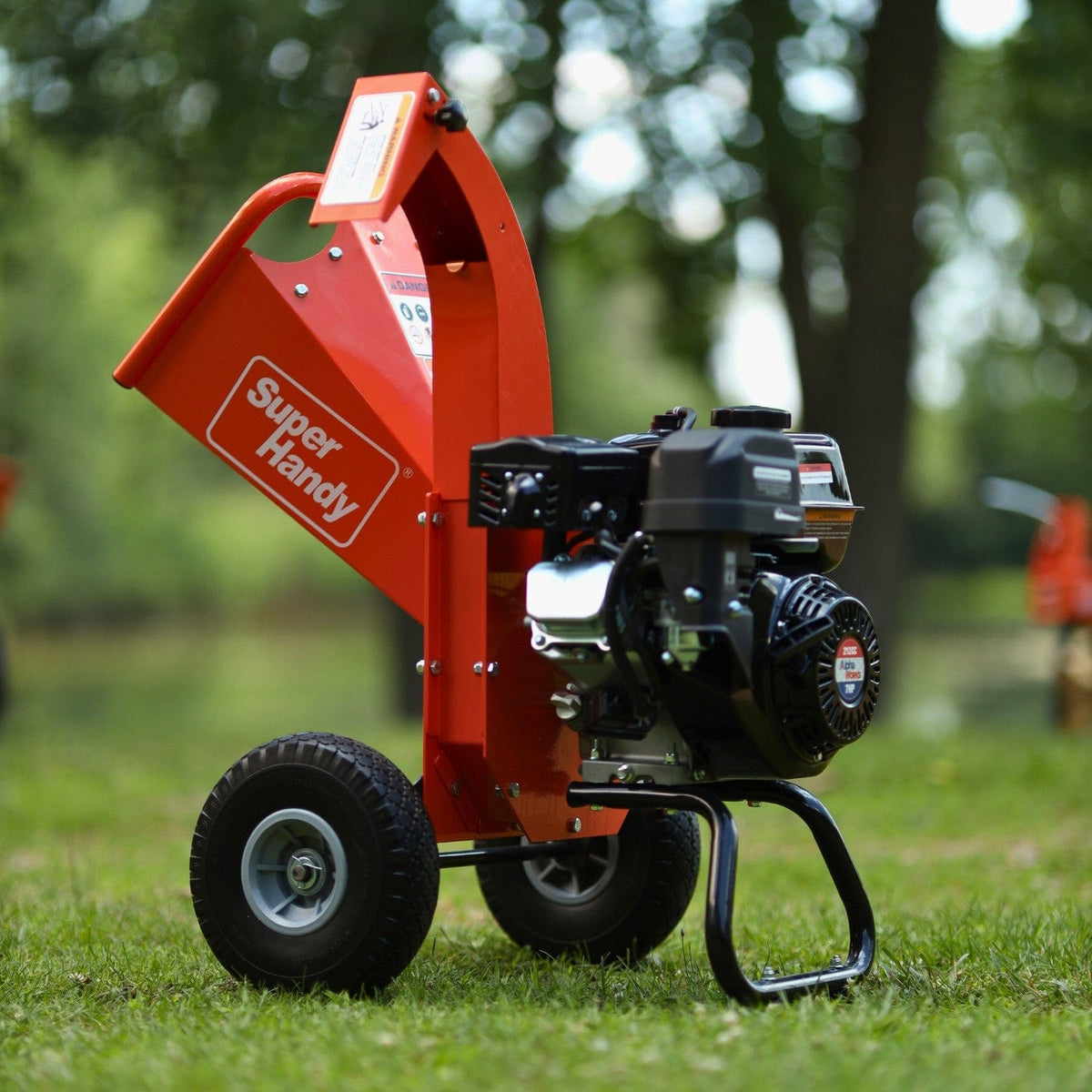
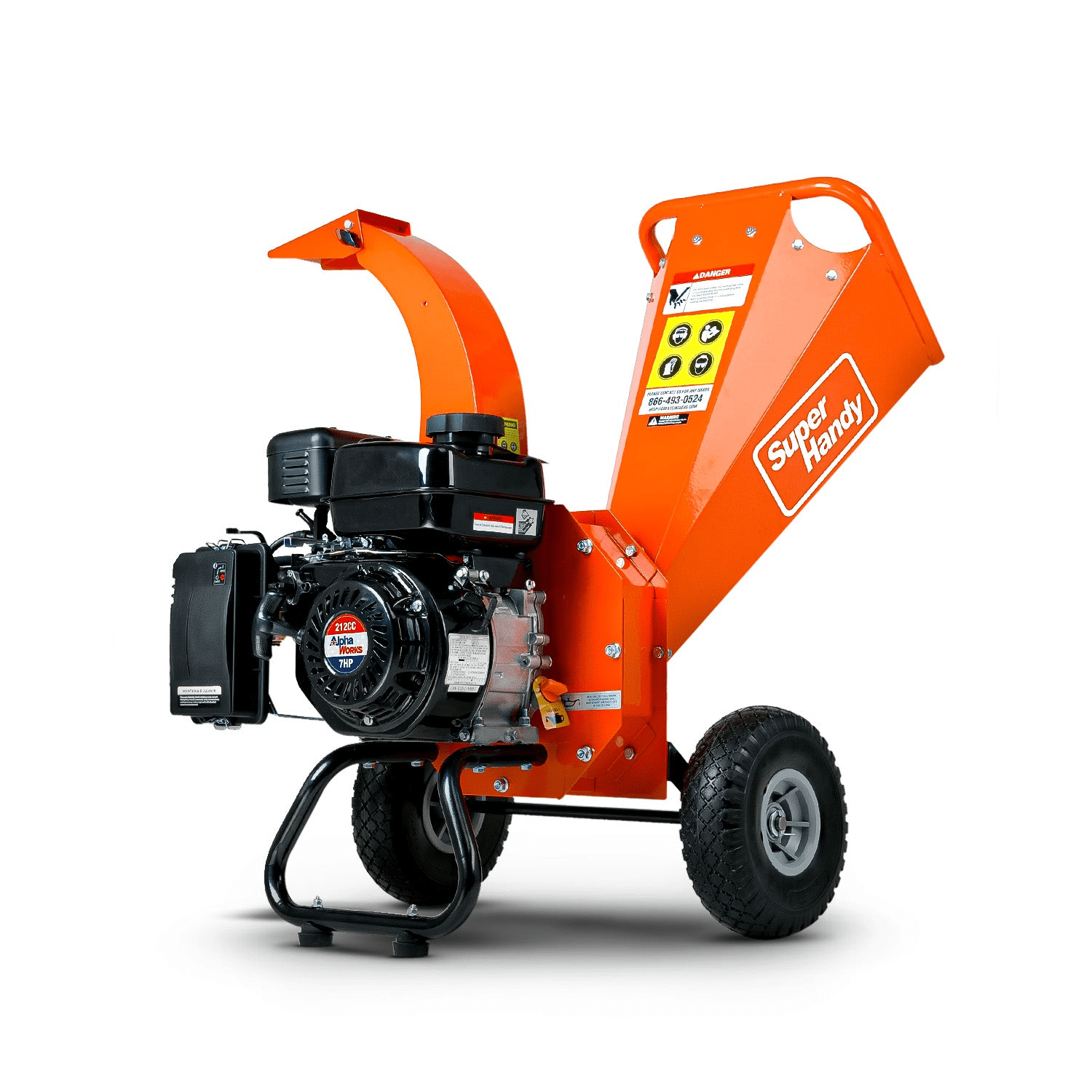
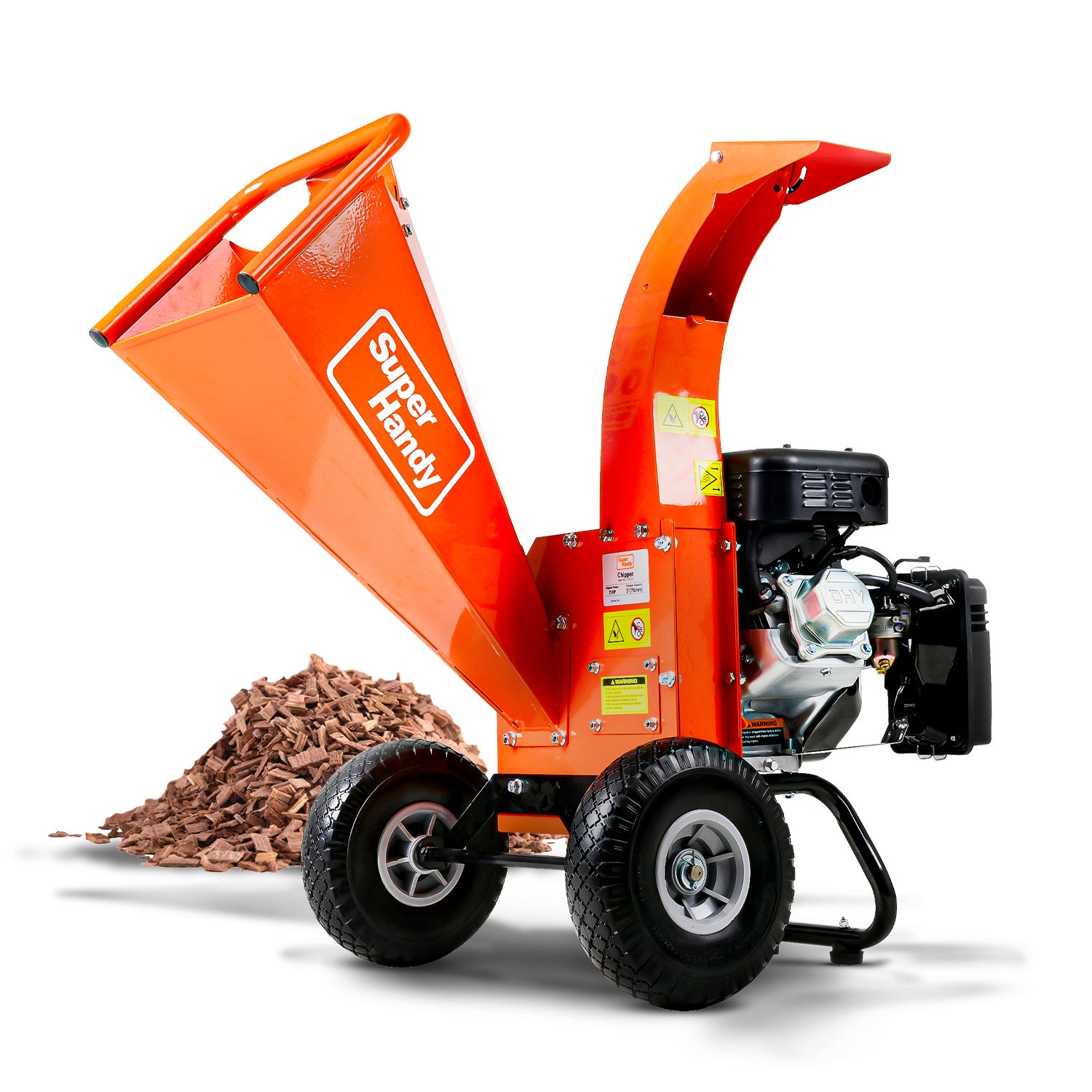
- Efficiency and Ease of Use: Your time is valuable. A reliable, high-efficiency machine ensures you can process large piles of brush quickly. For many hobby farm applications, a model like the SuperHandy Wood Chipper Mini - 7HP 212CC, 3" Max Branch Capacity offers a practical balance of power, easy operation, and robust performance.
Safety First: Essential Precautions When Operating a Wood Chipper
A wood chipper is a powerful and efficient machine, and operating one requires your full attention. Before you even start the engine, prioritize safety to prevent accidents. Always consult your machine’s user manual for specific guidelines.
- Wear Personal Protective Equipment (PPE): Always wear snug-fitting clothing, heavy-duty gloves, non-slip boots, and most importantly, safety glasses or goggles to protect your eyes from flying debris. Hearing protection is also essential, as chippers can be very loud.
- Clear the Area: Ensure your workspace is on level, stable ground and clear of tripping hazards. Keep children, pets, and bystanders at a safe distance.
- Inspect the Machine: Before each use, check that all guards and safety features are in place and functioning correctly.
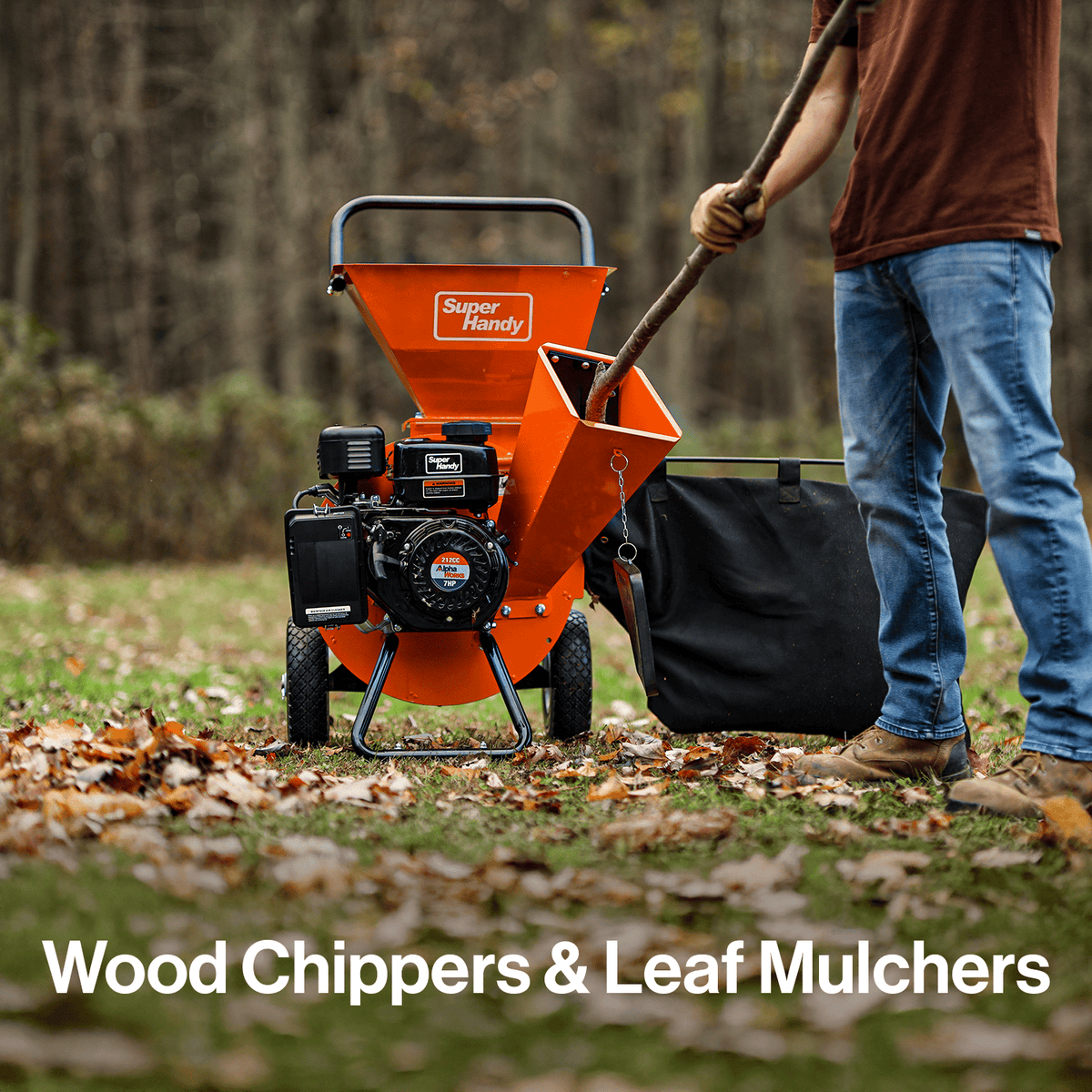
- Feed with Care: Stand to the side of the infeed hopper, not directly in front of it. Use a long branch or push stick to guide shorter materials into the chipper. Never, under any circumstances, reach your hands or feet into the hopper or discharge chute while the machine is running.
Step-by-Step: Chipping Your Garden Waste for Optimal Composting
Turning a mountain of branches into a manageable pile of wood chips is a satisfying task. Following a simple process ensures efficiency and consistency.
- Prepare Your Materials: Sort your garden waste. Cut long branches into more manageable lengths and create separate piles of woody "browns" and leafy "greens." This helps you feed the chipper more smoothly.
- Position Your Chipper: Place your wood chipper in an open area where the chips can be discharged directly onto a tarp or into a wheelbarrow.
- Start and Feed: Start the engine and allow it to reach full operating speed. Begin feeding material into the hopper, starting with a smaller branch. A portable and efficient model like the SuperHandy Wood Chipper Mini - 7HP 212CC, 3" Max Branch Capacity is designed for easy operation, handling branches up to 3 inches in diameter. Feed materials steadily without overloading the machine.

What Can and Cannot Be Chipped for Your Compost Pile
Not all waste is suitable for your chipper or your compost. Knowing what to chip and what to avoid protects your equipment and ensures you create high-quality, non-toxic compost.
What to Chip:
- Tree limbs and branches (within your chipper's diameter limit)
- Twigs and small sticks
- Hedge clippings and shrub trimmings
- Dried leaves and corn stalks
What to Avoid:
- Treated or Painted Wood: These contain chemicals that will contaminate your compost.
- Rocks, Metal, and Plastic: These items will severely damage the chipper’s blades and internal components.
- Soggy, Muddy Debris: Excessive dirt and mud can dull blades and clog the machine.
- Tough, Stringy Vines: Ivy and certain vines can wrap around the chipper's rotor instead of being cut.
Building the Perfect Compost Pile with Chipped Materials
Freshly chipped wood is an excellent "brown" or carbon-rich material for your compost pile. To create a balanced, fast-decomposing pile, you need to mix it with "green," nitrogen-rich materials. A good rule of thumb is to aim for a ratio of two to three parts brown material to one part green material.
Create your pile by layering: start with a 4-6 inch layer of wood chips, followed by a 2-3 inch layer of greens (like grass clippings, kitchen scraps, or manure). Repeat these layers until your pile is about 3-4 feet high. Lightly water each layer to ensure the pile is moist but not waterlogged. This layering technique provides the perfect balance of carbon, nitrogen, air, and water for microorganisms to get to work.
The Role of Chipped Wood in Accelerating Compost Decomposition
Wood chips are the secret ingredient to supercharging your compost pile. In composting, materials are categorized as either "greens" (nitrogen-rich, like grass clippings and kitchen scraps) or "browns" (carbon-rich). Woody debris is a fantastic source of carbon, but whole branches can take years to break down.
A wood chipper solves this by dramatically increasing the surface area of the material. Instead of a single large branch, you have thousands of small chips. This gives the beneficial microbes, bacteria, and fungi in your compost pile much more area to work on, significantly speeding up the decomposition process. Furthermore, the irregular shape of wood chips helps create air pockets throughout the pile, ensuring proper aeration. This flow of oxygen is crucial for preventing a slimy, smelly, anaerobic compost pile and promoting a hot, fast, and efficient one.
Troubleshooting Common Composting Issues with Chipped Waste
Even with the best materials, a compost pile can sometimes need a little adjustment. Using wood chips makes troubleshooting simple.
- Pile is Too Wet or Smelly: This is a common sign of too much nitrogen ("greens") and not enough air. The solution is to mix in more dry, carbon-rich wood chips. They will absorb excess moisture and create air channels to eliminate bad odors.
- Pile is Too Dry: If your pile isn't breaking down and seems dry, it likely needs more moisture and nitrogen. Add some "green" materials like fresh grass clippings or vegetable scraps, and lightly water the pile as you turn it.
- Decomposition is Slow: A slow pile often has an imbalanced carbon-to-nitrogen ratio. If you've added a lot of wood chips, you may need to incorporate more nitrogen sources to fuel the microorganisms. Turning the pile more frequently also helps re-energize the process.

Beyond Compost: Other Uses for Your Wood Chipper on the Farm
Your wood chipper is more than just a composting tool; it’s a versatile machine for farm-wide improvements.
- Natural Mulch: Use fresh wood chips as mulch around trees, in garden beds, and on pathways. Mulch helps suppress weeds, retain vital soil moisture, and regulate soil temperature.
- Animal Bedding: Coarse wood chips can serve as excellent, absorbent bedding for chicken coops or other animal enclosures. It helps control odor and can be composted directly after use.
- Create Garden Paths: A thick layer of wood chips creates beautiful, natural-looking, and mud-free pathways throughout your garden or hobby farm.
Maintaining Your Wood Chipper for Long-Term Reliability
A reliable chipper for wood is an investment that pays for itself, but it requires basic maintenance to ensure safe, efficient operation for years to come. Consistent performance starts with regular care. Before each use, perform a quick visual inspection. Check the oil level and ensure all safety guards are in place.
The most critical maintenance task is keeping the blades sharp. Dull blades crush wood instead of cutting it, which strains the engine and produces poor-quality chips. Regularly inspect, clean, and sharpen or replace the blades according to your user manual. After use, clean debris from the machine, especially around the engine and air intakes, to prevent overheating. By following a simple maintenance routine, your SuperHandy Wood Chipper Mini - 7HP 212CC, 3" Max Branch Capacity will remain a dependable workhorse on your farm.
Frequently Asked Questions
What size wood chipper is best for a typical hobby farm?
For most hobby farm applications, a wood chipper that can handle branches up to 3 inches in diameter is a versatile and effective choice. This capacity is sufficient for processing tree prunings, overgrown shrubs, and thick stalks from the garden. Look for a model that balances power with portability. A compact, gas-powered unit, such as a SuperHandy Wood Chipper Mini with a 7HP engine, offers the muscle needed for farm-scale cleanup without being too cumbersome to move around your property.

Can I chip green, freshly cut branches for my compost?
Absolutely. In fact, most wood chippers perform exceptionally well with green wood. The moisture in freshly cut branches helps lubricate the blades, leading to a smoother chipping process and less wear. From a composting perspective, these green chips are an excellent source of nitrogen (a "green" material), which is essential for balancing the carbon-rich "brown" materials in your pile and encouraging rapid decomposition. While you can chip dry wood, very hard, seasoned wood can be tougher on the machine's blades.
Is a gas or electric wood chipper better for farm use?
For the demands of a hobby farm, a gas-powered wood chipper is generally the more practical choice. Gas models deliver superior power to handle thicker, tougher branches and are not limited by the length of an extension cord. This portability is crucial when you need to work in distant corners of your property, far from an electrical outlet. Electric chippers are lighter and quieter, making them suitable for smaller suburban yards, but they often lack the raw power and freedom of movement required for efficient farm maintenance.
How do I know if my wood chips are the right size for composting?
The ideal size for compost is a fine to medium chip, as smaller particles have more surface area for microbes to work on, which accelerates the decomposition process. A quality chipper for wood should produce a consistent mulch that is perfect for this purpose. You don't need to measure them precisely, but a good rule of thumb is that the resulting material should resemble coarse mulch. If your chipper is producing long, stringy pieces or large chunks, it may indicate that the blades need to be sharpened or replaced for optimal performance.
Related Products


Leave a comment
All comments are moderated before being published.
This site is protected by hCaptcha and the hCaptcha Privacy Policy and Terms of Service apply.