









Understanding Your Post-Storm Wood Chipping Needs
The first step is to take stock of the situation in your yard. Don't rush out to buy the first machine you see. A proper assessment will ensure you get a chipper that matches the job at hand.
After all, storm season can wreak havoc on our landscape trees, causing damage such as broken and torn limbs. The resulting cleanup can be significant. Even partial tree removal generates substantial volumes of organic material—branches, trunk sections, and more—that must be dealt with. Ask yourself these key questions:
- What is the volume of debris? Are you dealing with a few scattered branches from a single tree, or does your yard look like a forest floor? A large volume of debris means you'll want a chipper with a high reduction ratio and a powerful engine to get through the work efficiently.
- What is the diameter of the limbs? Walk around and measure the thickest part of the branches you need to process. This single measurement is the most critical factor in determining the "chipping capacity" you'll need.
- What type of wood is it? Are the branches green and freshly fallen, or are they older, dry, and brittle? Most chippers handle green wood well, but some struggle with very hard, dry wood.
Key Features to Look for in a Storm-Damage Wood Chipper
Beyond raw power, certain design features make a WOOD CHIPPER or garden shredder particularly well-suited for the chaotic nature of storm debris.
- Hopper/Chute Design: Storm-damaged branches are rarely straight. Look for a chipper with a large, wide-mouthed feeding hopper. This makes it easier and safer to feed bulky, irregular, and leafy branches without excessive pre-trimming.
- Reduction Ratio: This indicates how effectively the machine reduces the volume of the material you feed it. A ratio of 15:1, for example, means the chipper will turn 15 bags of branches into just one bag of chips. For large cleanup jobs, a higher ratio is a huge space-saver.
- Portability: Unless you plan to bring every branch to one spot, you'll need to move your chipper. Look for models with large, sturdy wheels for easy maneuvering over uneven, debris-strewn ground. For very large properties, a model with a tow bar for use with an ATV or lawn tractor can be a lifesaver.

Electric vs. Gas-Powered Chippers: Which is Right for Storm Debris?
The power source is a fundamental choice that dictates the machine's capability.
-
Electric Chippers: These models are lighter, quieter, and require less maintenance. They are great for routine yard maintenance, shredding leaves, and chipping small twigs and branches (typically up to 1.5 inches in diameter). However, their reliance on a power cord and lower power output make them unsuitable for the heavy-duty demands of most post-storm cleanup.
-
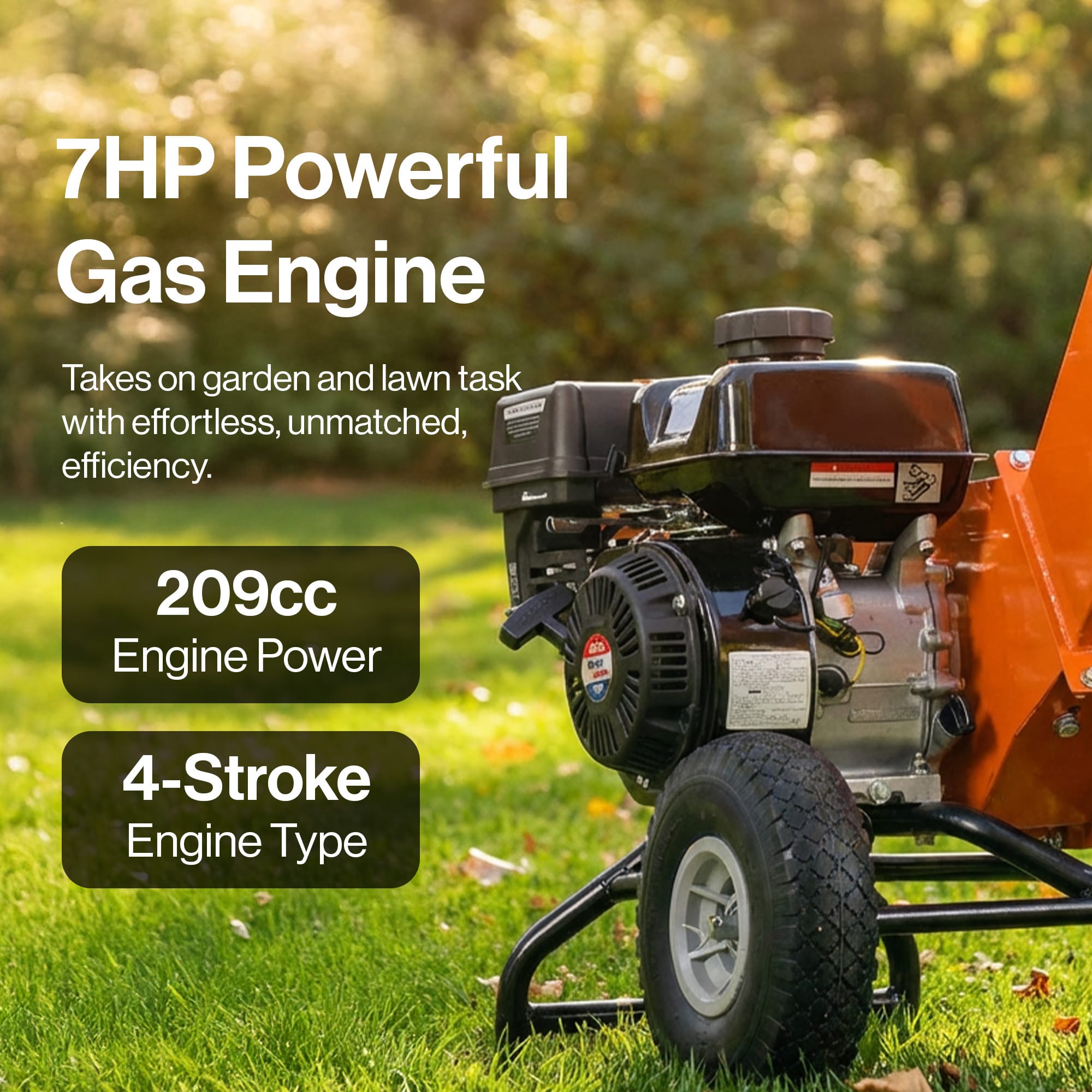
Gas-Powered Chippers: For serious storm debris, a gas-powered model is the clear winner. They offer complete portability and the raw horsepower needed to chew through thick, heavy branches. A robust 7HP engine, like that found on the SuperHandy GUO019, provides the muscle required for significant residential cleanup. While they are louder and require engine maintenance, their power and freedom are non-negotiable for tackling a yard full of storm-tossed limbs.
Chipping Capacity: How Big of Branches Can You Handle?
Chipping capacity refers to the maximum diameter of a branch the machine can safely process. This is directly tied to engine power and is arguably the most important specification to consider for storm cleanup.
- Up to 2-inch Capacity: These are typically light-duty electric or small gas models. They can handle the aftermath of a light wind storm but will quickly be overwhelmed by limbs from a mature tree.
- 2 to 3-inch Capacity: This is the sweet spot for most homeowners. A powerful 3-inch chipper can process the vast majority of branches that fall from small and medium-sized trees, making it a versatile and effective tool for significant storm cleanup.
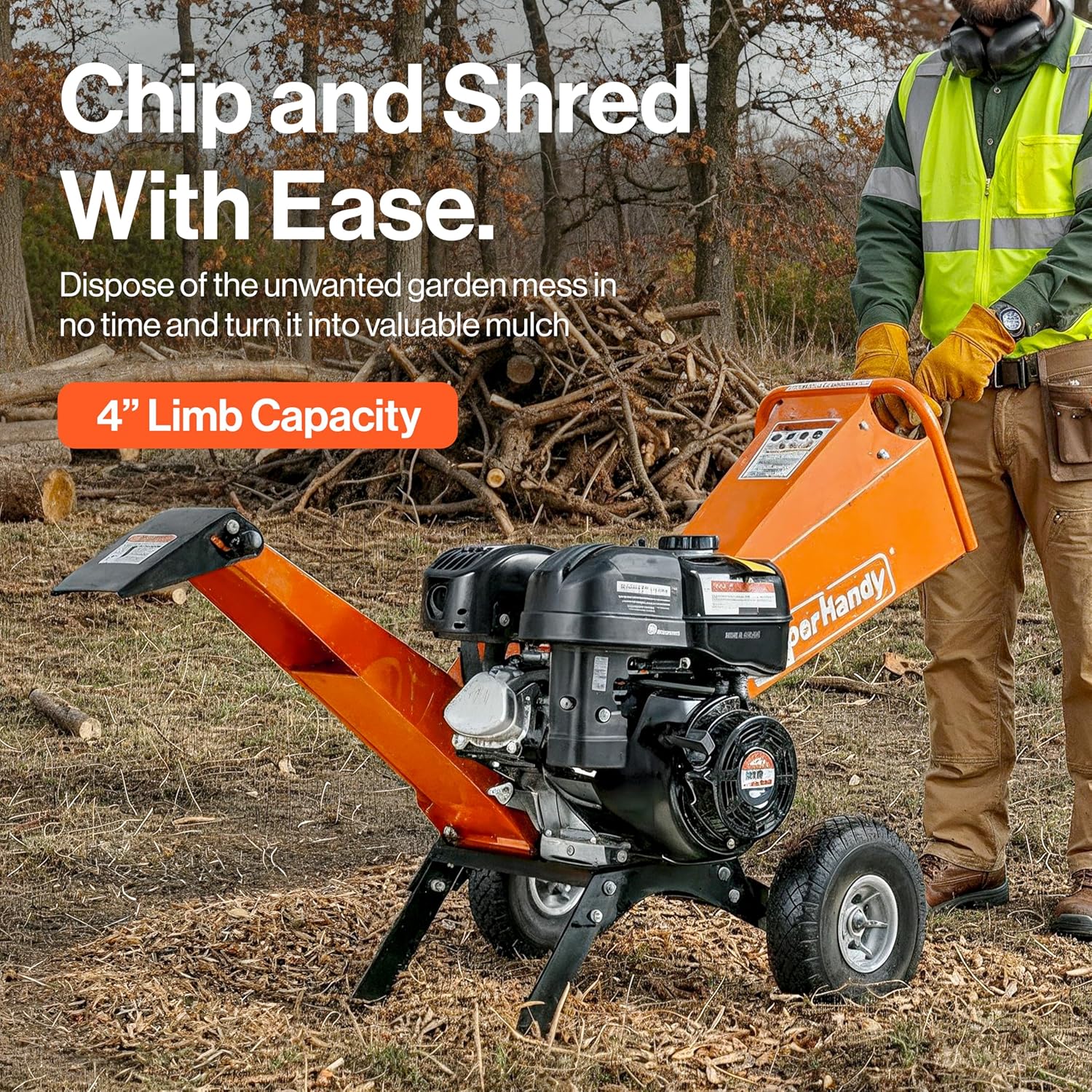
- 4-inch Capacity and Above: When you're dealing with major damage, including large, broken limbs from mature hardwoods, you need a heavy-duty machine. A 4-inch capacity model offers commercial-grade power for the toughest residential jobs.
Pro Tip: Always choose a chipper with a capacity slightly larger than the biggest branches you have. This ensures you won't constantly be pushing the machine to its absolute limit, which extends its life and makes your work go much faster.
Understanding Different Chipping Mechanisms: Blade vs. Hammer Mill
The heart of any wood chipper is its reduction system. How it breaks down branches determines the type of output you get and the kind of debris it handles best. The two primary types you'll encounter are blade chippers and hammer mills.
-
Blade Chippers (or Disc/Drum Chippers): This is the most common mechanism in residential chippers. It uses one or more hardened steel blades mounted on a heavy, spinning flywheel (a disc or drum). As branches are fed in, the blades slice them into small, relatively uniform chips.
- Pros: Produces clean, consistent chips that are perfect for use as decorative mulch or in pathways. They are highly efficient at processing clean, woody material.
- Cons: The blades can be dulled or damaged by dirt, rocks, or excessive green, leafy material. They are best for branches, not for shredding piles of wet leaves or soil-caked roots.
-
Hammer Mill Chippers (or Flail Shredders): Instead of sharp blades, these machines use dozens of free-swinging blunt "hammers" (flails) that rotate at extremely high speed. They don't slice the wood; they pulverize and shred it through brute force until it's small enough to pass through a screen.
- Pros: Far more forgiving than blade systems. They can process a messy mix of wood, leaves, vines, and even some soil without significant damage to the mechanism.
- Cons: The output is a rougher, more fibrous, and less uniform material that resembles compost starter more than neat wood chips. They can be less efficient than a blade chipper when processing only clean wood.
For post-storm cleanup, where you're primarily dealing with broken limbs and branches, a quality blade wood chipper is often the most effective choice.
Safety First: Essential Safety Features and Practices for Chipper Operation
A wood chipper is a powerful machine that demands respect. Operating it safely should always be your top priority. Modern chippers are built with safety in mind, but proper procedure is non-negotiable.
Key Safety Features to Look For:
- Long Input Chute/Hopper: A long, narrow chute prevents you from accidentally getting your hands or arms anywhere near the cutting mechanism.
- Emergency Shut-Off Switch: A large, clearly marked, and easily accessible kill switch is crucial for stopping the engine instantly in an emergency.
- Self-Feeding Action: A well-designed chipper will pull branches in on its own, minimizing the need for you to push material and risk injury.
- Stable Base: A wide, stable wheelbase prevents the machine from tipping on uneven ground, which is common after a storm.
Essential Safety Practices:
- Wear Personal Protective Equipment (PPE): Always wear ANSI-rated safety glasses or goggles, heavy-duty work gloves, hearing protection (especially with gas models), and sturdy, closed-toe boots. Avoid loose-fitting clothing, drawstrings, or jewelry that could get snagged.
- Read the Manual: Familiarize yourself with your specific model’s controls and safety recommendations before you start the engine.
- Feed Material Correctly: Feed branches butt-end first. Let the machine do the work; never force material into the hopper. Keep your hands and feet out of the hopper and discharge chute at all times.
- Work on Level Ground: Ensure the chipper is on a stable, flat surface before starting it.
- Never Leave it Unattended: Always turn the machine off completely if you need to walk away.
Investing in a unit like the SuperHandy 3-in-1 Wood Chipper, which incorporates robust safety features, is a smart first step.
Portability and Storage: Moving and Storing Your Chipper After the Job
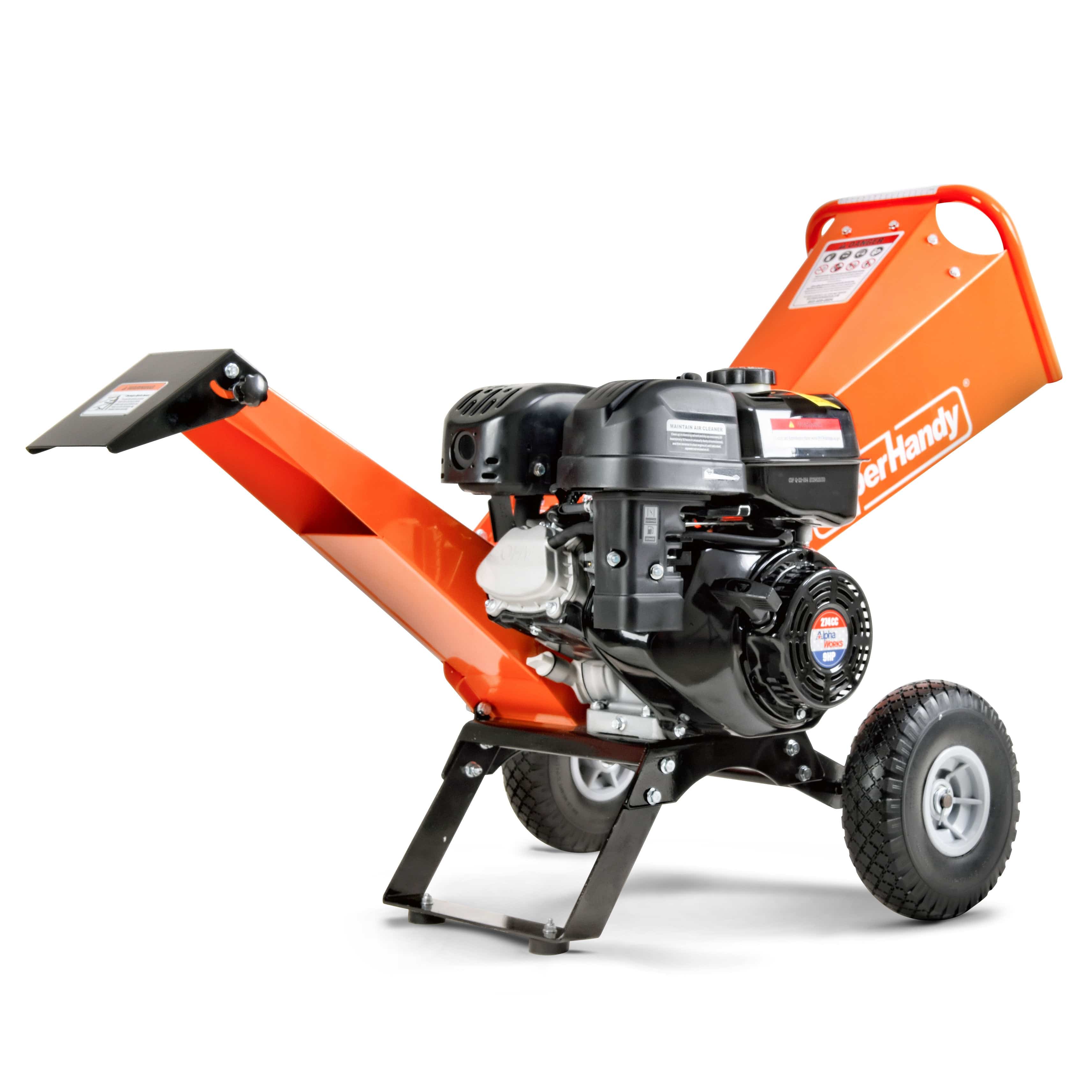
After a storm, debris isn't neatly piled in one spot. You'll likely need to move your chipper around the yard. Portability is a key factor. Look for models with large, rugged pneumatic tires that can easily handle bumpy, soft, or uneven terrain. A well-balanced design with a sturdy handle makes it much easier to tilt and roll the machine into position. While a heavier machine is often more powerful, a compact model like the SuperHandy Mini Wood Chipper can provide an excellent balance of power and maneuverability for typical residential yards.
Once the cleanup is done, you’ll need a place to store your garden shredder. These aren't small tools, so measure your shed or garage space beforehand. To protect your investment, always store the chipper in a dry, covered location to prevent the engine and steel components from rusting. For gas-powered models, follow the manufacturer's instructions for long-term storage, which usually involves either draining the fuel tank or adding a fuel stabilizer to prevent carburetor problems.
Maintenance Essentials for Your Wood Chipper
Proper maintenance ensures your wood chipper operates safely, efficiently, and lasts for many years. A poorly maintained machine will struggle to chip wood, put excess strain on the engine, and can become a safety hazard.
- Blade Care: The cutting blades are the most important component. Keep them sharp. Dull blades smash wood instead of slicing it, creating fine dust instead of chips and bogging down the engine. Check the blades for nicks and dullness before each use. Most chipper blades are reversible, so you can simply flip them around for a fresh, sharp edge, effectively doubling their life before they need to be professionally sharpened or replaced.
- Engine Maintenance (Gas Models): Treat the chipper’s engine like you would a lawnmower. Check the oil level before each use and change it according to the schedule in your owner's manual. Regularly inspect and clean or replace the air filter, especially when working in dusty conditions.
- Keep it Clean: After you’re finished, clear all wood debris from the hopper, chipping chamber, and discharge chute. Caked-on debris can hold moisture, promote rust, and cause blockages the next time you use it.
- Check Bolts and Fasteners: The vibration of a running chipper can loosen nuts and bolts over time. Periodically give the machine a once-over and tighten any loose hardware.
Following the maintenance schedule for a powerful machine like the SuperHandy 7HP Wood Chipper will keep it running at peak performance when you need it most.
Budgeting for a Wood Chipper: Costs and Value Considerations
Investing in a wood chipper involves more than just the initial price tag; it's about evaluating long-term value. The cost of a new chipper can range from a few hundred dollars for a light-duty electric garden shredder to several thousand for a commercial-grade gas-powered machine. For post-storm cleanup, you'll likely be looking at models in the mid-to-high range to handle substantial debris.
Consider these factors when setting your budget:
- Upfront Cost vs. Long-Term Savings: While the initial purchase is a significant expense, compare it to the cost of hiring a professional tree service after every storm or renting a machine multiple times. Owning a chipper can pay for itself over just a few seasons, especially if you have a large, wooded property.
- Creating a Valuable Resource: The wood chips you produce are not waste. They are high-quality, organic mulch that can cost a pretty penny at garden centers. By chipping your own branches, you are creating a free, valuable resource for your landscaping and garden beds.
- Ongoing Maintenance: Factor in minor ongoing costs for fuel (for gas models), blade sharpening or replacement, and routine engine maintenance like oil changes. These costs are minimal compared to the value the machine provides.
Ultimately, buying a wood chipper is an investment in your property's independence and resilience. You gain the ability to handle storm cleanup on your own schedule, without waiting for or paying for professional help, all while creating a useful byproduct for your garden.
Top Wood Chipper Brands and Models for Storm Cleanup
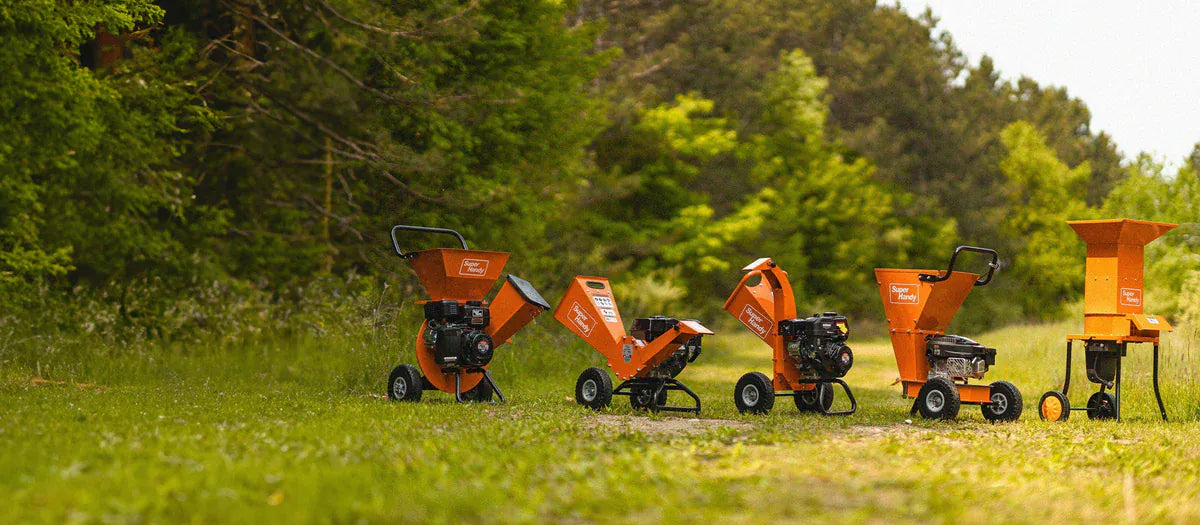
When the debris is piled high, you need a machine you can count on. SuperHandy offers a range of powerful and reliable gas-powered wood chippers designed to tackle the tough jobs that storms leave behind. Here are a few top models to consider for your cleanup needs:
-
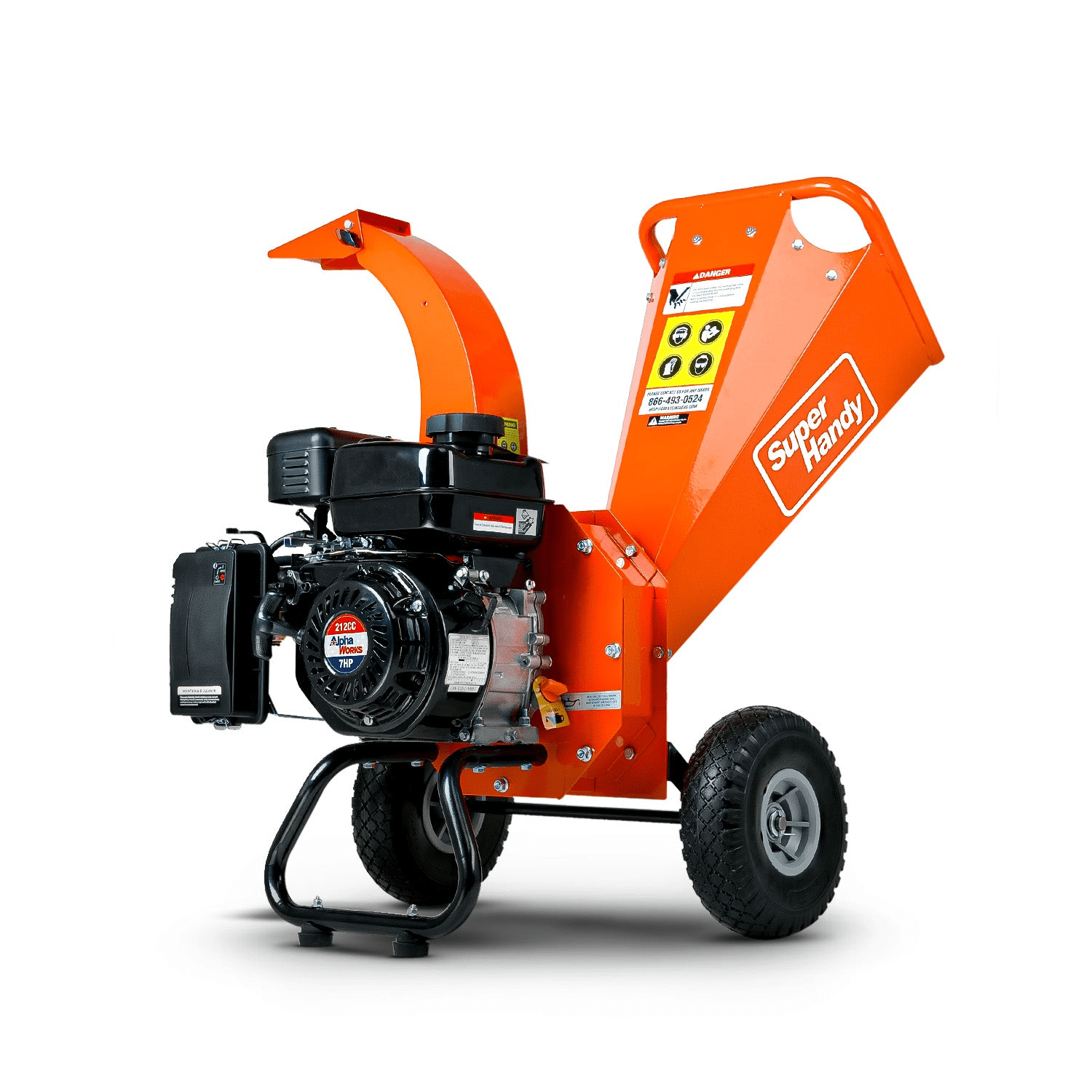
For Versatile Homeowner Use: The SuperHandy 7HP 3-in-1 Wood Chipper is a fantastic all-around choice for most homeowners. Its powerful engine can effortlessly turn branches up to 3 inches in diameter into valuable mulch. The compact design makes it easy to maneuver around the yard and simple to store when the job is done. It's the perfect partner for cleaning up the scattered limbs and branches left by a moderate storm.
-
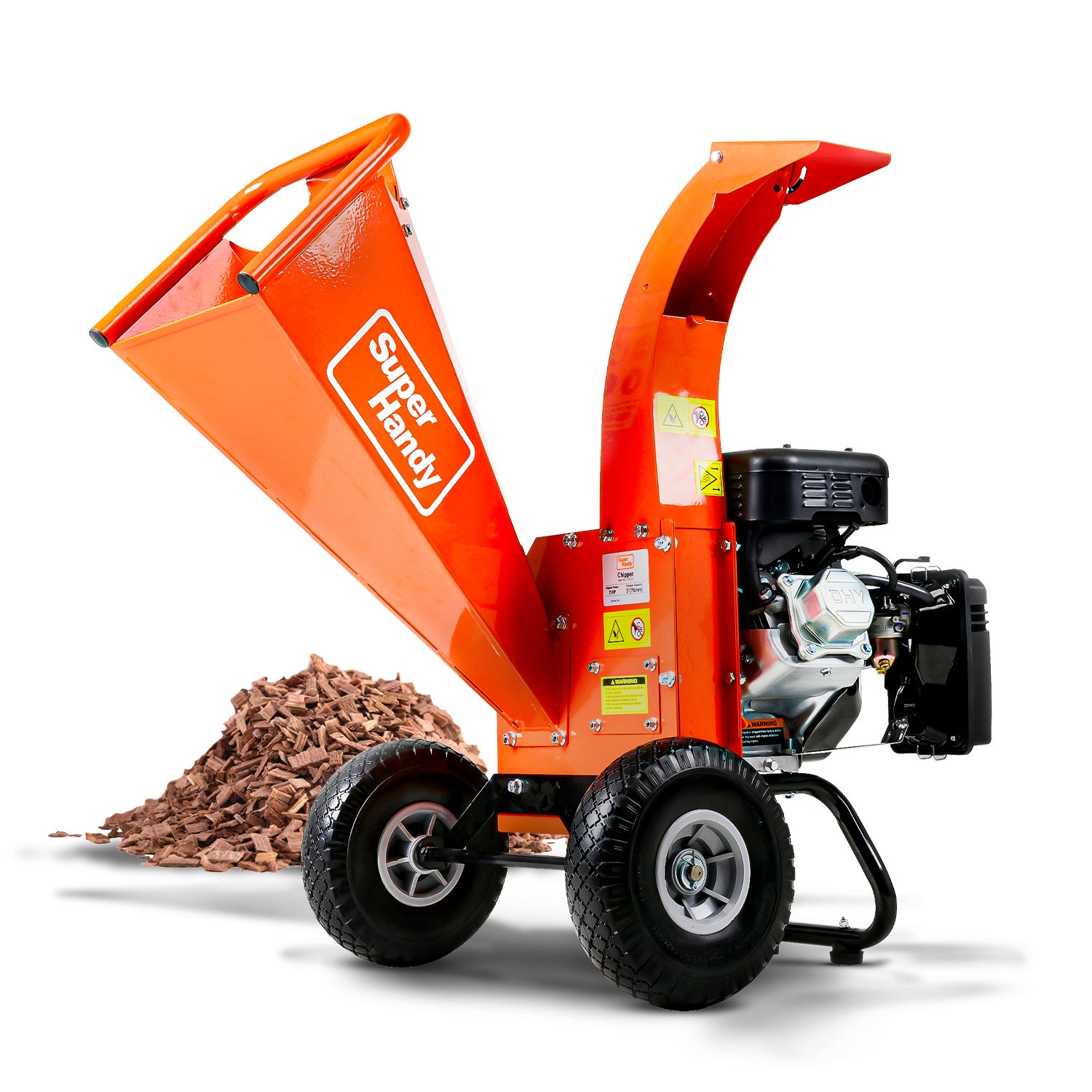
For Enhanced Power and Efficiency: If you're dealing with slightly larger debris or want a machine with a belt-driven design for enhanced engine longevity, consider the SuperHandy Pro 7HP Wood Chipper. It also handles branches up to 3 inches but offers a robust build designed for sustained, heavy use. This model is a great step up for property owners who face storm cleanup regularly and need a machine that’s always ready for a challenge.
-
For Heavy-Duty and Large-Scale Cleanup: When a storm has left behind truly substantial damage, you need maximum power. The SuperHandy Mega 15HP Wood Chipper is a commercial-grade beast capable of shredding branches up to 4 inches thick. This is the ideal solution for large properties, extensive storm damage, or for anyone who wants the peace of mind that comes with having the most powerful tool for the job.
Alternative Solutions: When Renting or Hiring a Service Makes Sense
While owning a wood chipper offers incredible convenience and long-term value, it isn't the right choice for everyone. Consider these alternatives if your situation warrants it:
- Renting a Wood Chipper: If you rarely deal with significant tree debris and are facing a one-time massive cleanup, renting can be a cost-effective solution. You can access a powerful, commercial-grade machine for a day or a weekend without the long-term commitment of ownership, maintenance, or storage. However, be aware that rental units can be in high demand after a widespread storm, so you may need to act fast.
- Hiring a Professional Tree Service: For truly overwhelming jobs—like multiple fallen trees, massive limbs tangled in power lines, or debris that is simply too large for a consumer-grade chipper—hiring a professional service is the safest and most efficient option. They have the industrial equipment, training, and insurance to handle hazardous situations. This is the most expensive route, but for safety and large-scale removal, it's often a necessary one.
What to Do With the Chipped Material: Mulch and Compost Uses
One of the greatest benefits of processing storm debris with a wood chipper is the mountain of fresh, organic material you create. Don't let it go to waste! These wood chips are a valuable resource for your yard and garden.
As a Natural Mulch: Spreading a 2-4 inch layer of wood chips around trees, shrubs, and in perennial beds is one of the best things you can do for your landscape. This mulch layer:
- Suppresses weeds, reducing your garden chores.
- Retains soil moisture, meaning you'll need to water less often.
- Regulates soil temperature, protecting roots from extreme heat and cold.
- Breaks down slowly, enriching the soil with organic matter over time.
Pro Tip: It's often best to let fresh, "green" wood chips age in a pile for a few months before using them as a top-dressing mulch. This allows them to begin breaking down and prevents them from temporarily drawing nitrogen from the soil surface as they decompose.
As a Compost Booster: Wood chips are a fantastic "brown" or carbon-rich ingredient for your compost pile. A healthy compost pile requires a balance of carbon materials (like wood chips, dry leaves, and cardboard) and nitrogen-rich "green" materials (like grass clippings, kitchen scraps, and garden trimmings). Adding wood chips helps aerate the pile, prevents it from becoming a soggy mess, and provides the essential carbon that microorganisms need to break everything down into nutrient-rich compost.
Related Products

Leave a comment
All comments are moderated before being published.
This site is protected by hCaptcha and the hCaptcha Privacy Policy and Terms of Service apply.