















Understanding the Unique Challenges of Aging in the Home Environment
For many seniors, the desire to age in place—to remain in the comfort and familiarity of one's own home—is a deeply held goal. However, this desire often confronts the physical realities of aging. Gradual changes in mobility, balance, and strength can transform a once-safe home into a landscape of potential hazards. Everyday tasks that were once simple, from navigating stairs to reaching high shelves, can become difficult and risky. This creates a challenging balance between maintaining independence and ensuring personal safety, a dilemma that is most pronounced in one of the home's most essential rooms: the bathroom.
Why Traditional Bathrooms Pose Significant Risks for Seniors
The bathroom is statistically one of the most dangerous areas in any home, especially for older adults. The combination of hard, slippery surfaces and water creates a high-risk environment for falls. For seniors, the act of stepping over a high tub wall or lowering themselves down into the bath requires significant strength, flexibility, and balance—faculties that may be diminished. According to the Consumer Product Safety Commission's safety education resources, preventing slips and falls is a key component of home safety. A simple slip can lead to severe injuries, loss of confidence, and a potential end to independent living.
The Transformative Impact of Bath Lifts on Daily Living
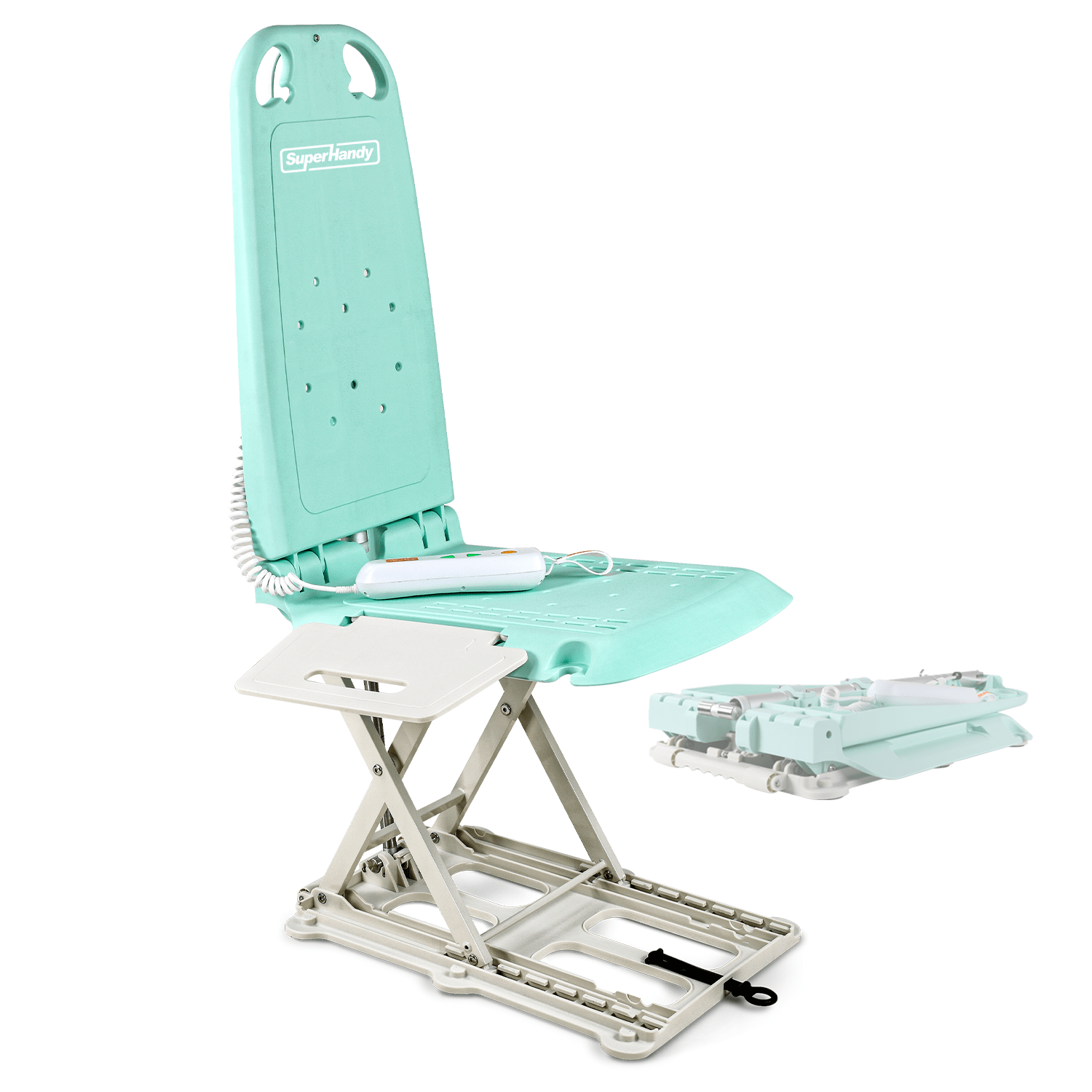
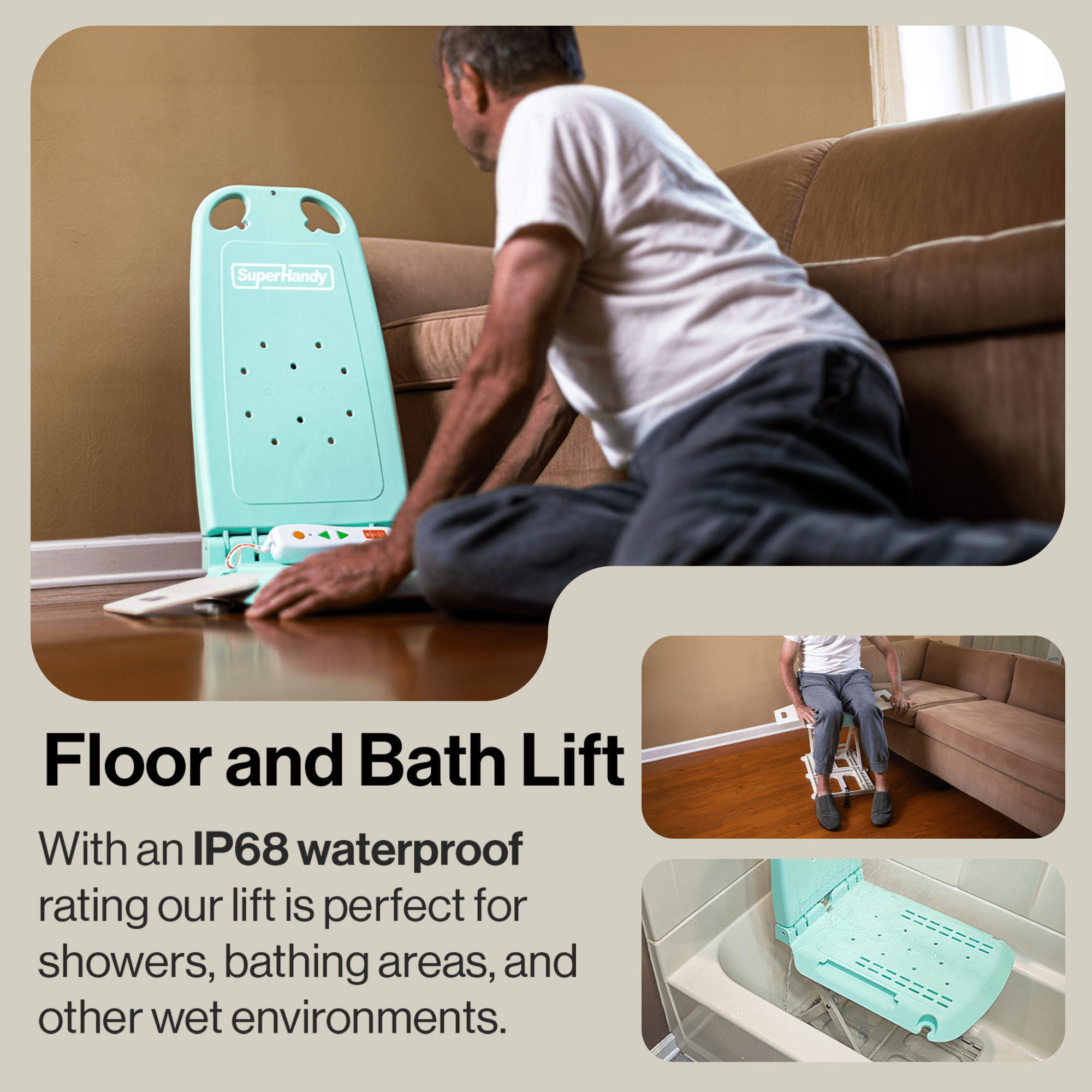
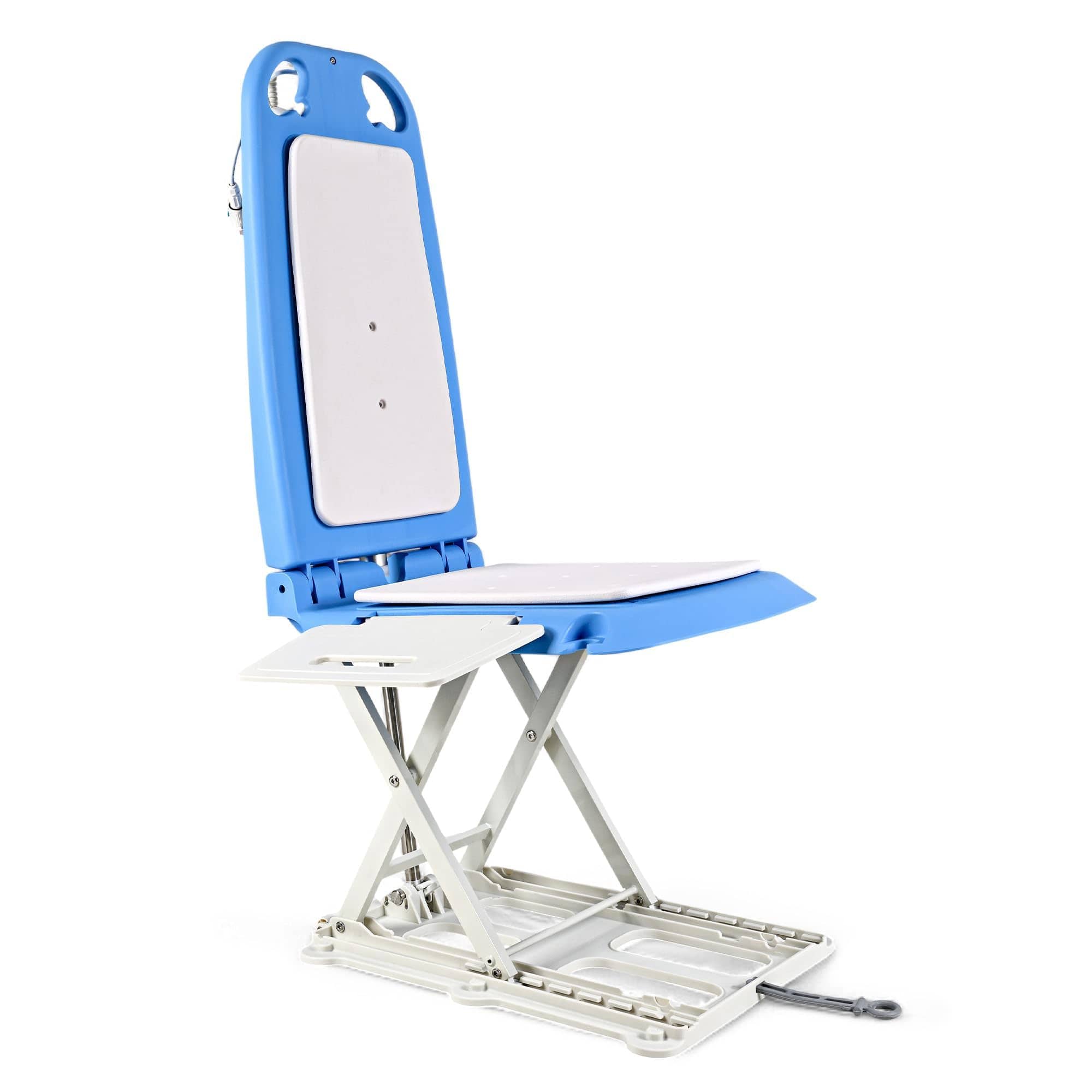
This is where a bath lift becomes a transformative solution. A bath lift is a powered seat designed to safely and gently lower a person into the bathtub and lift them back out again with the simple push of a button. It eliminates the need to step over a high ledge and the precarious process of lowering and raising one's body. By mechanizing the most difficult parts of bathing, a bath lift turns a potentially dangerous and stressful activity into a safe, relaxing, and accessible experience, allowing individuals to continue their personal hygiene routines without fear.
How Bath Lifts Enhance Independence and Reduce Caregiver Burden
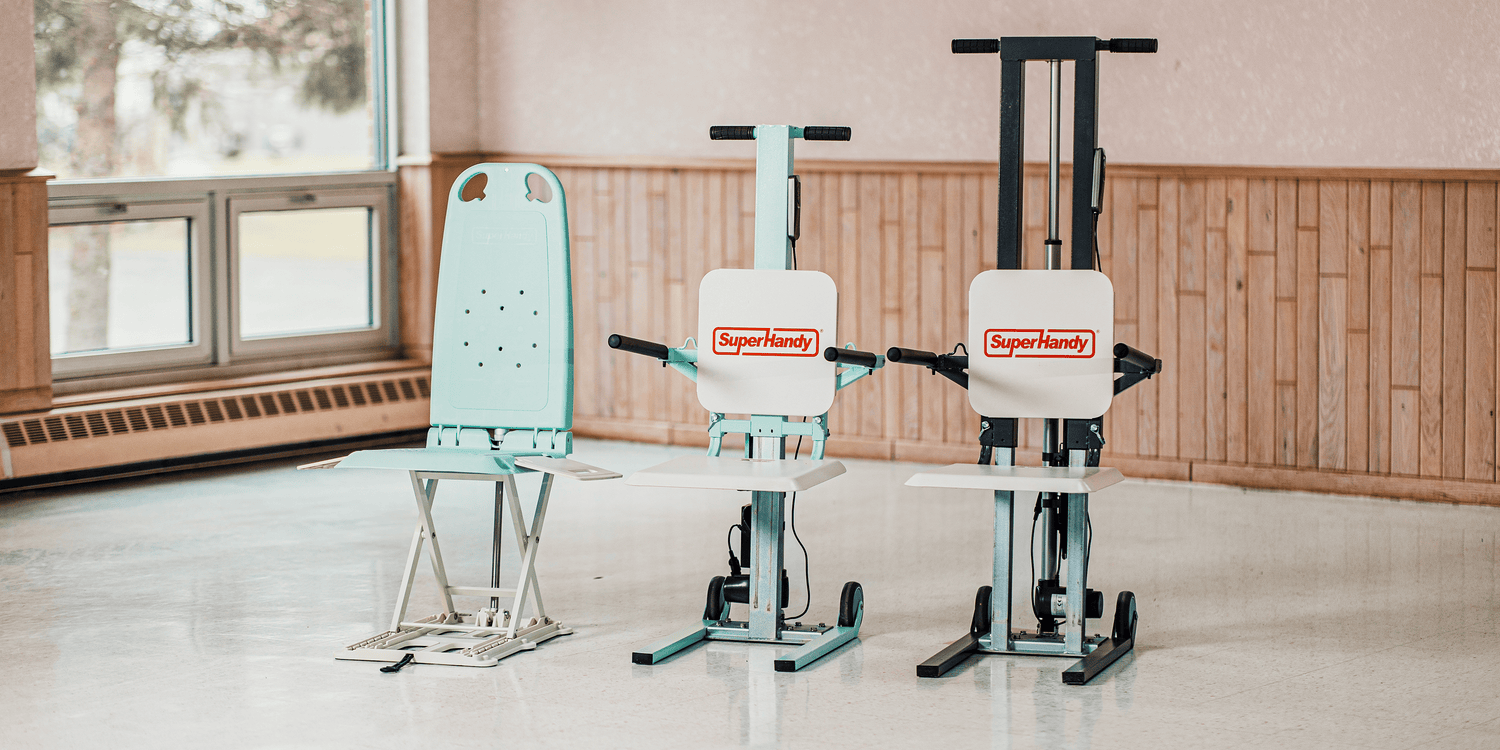
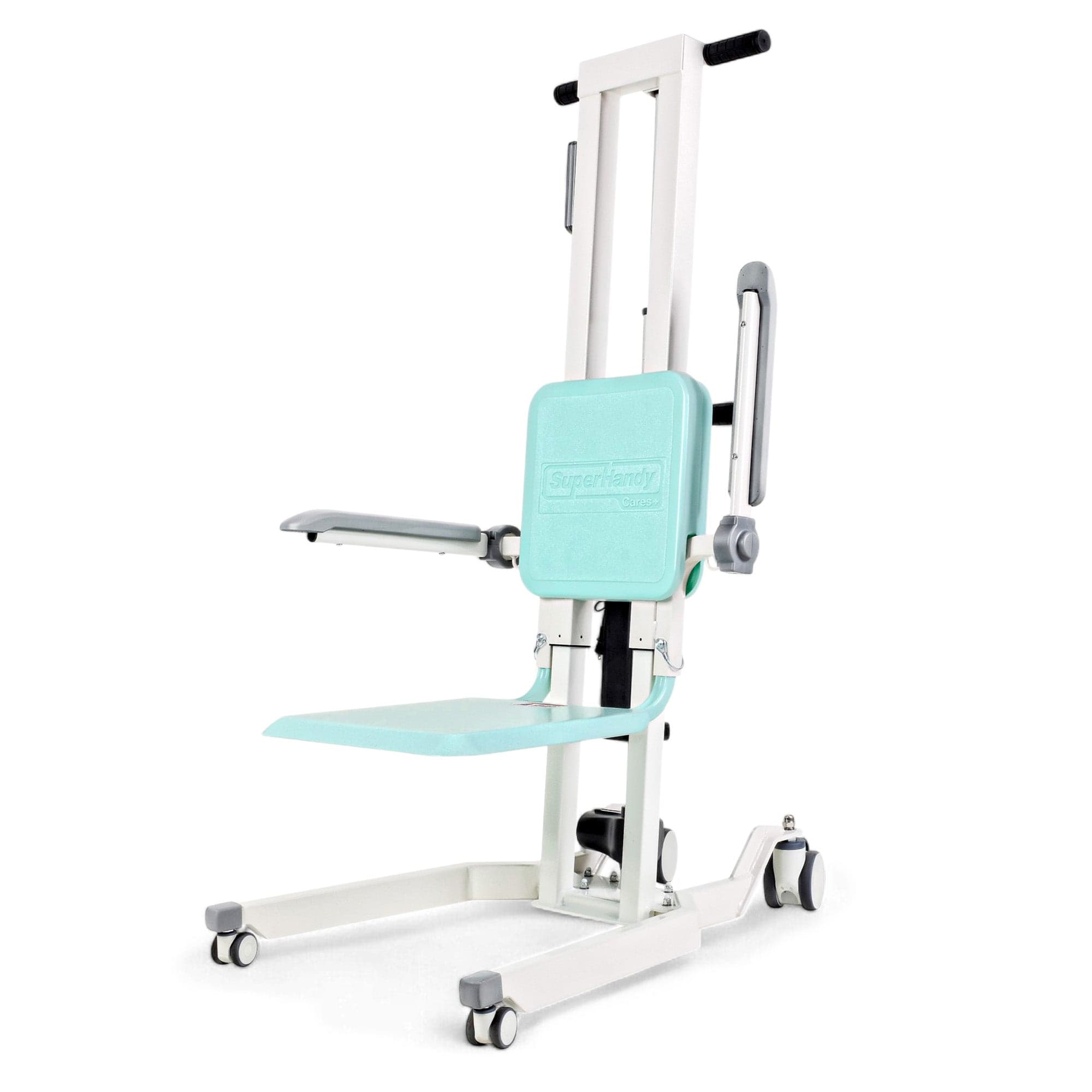
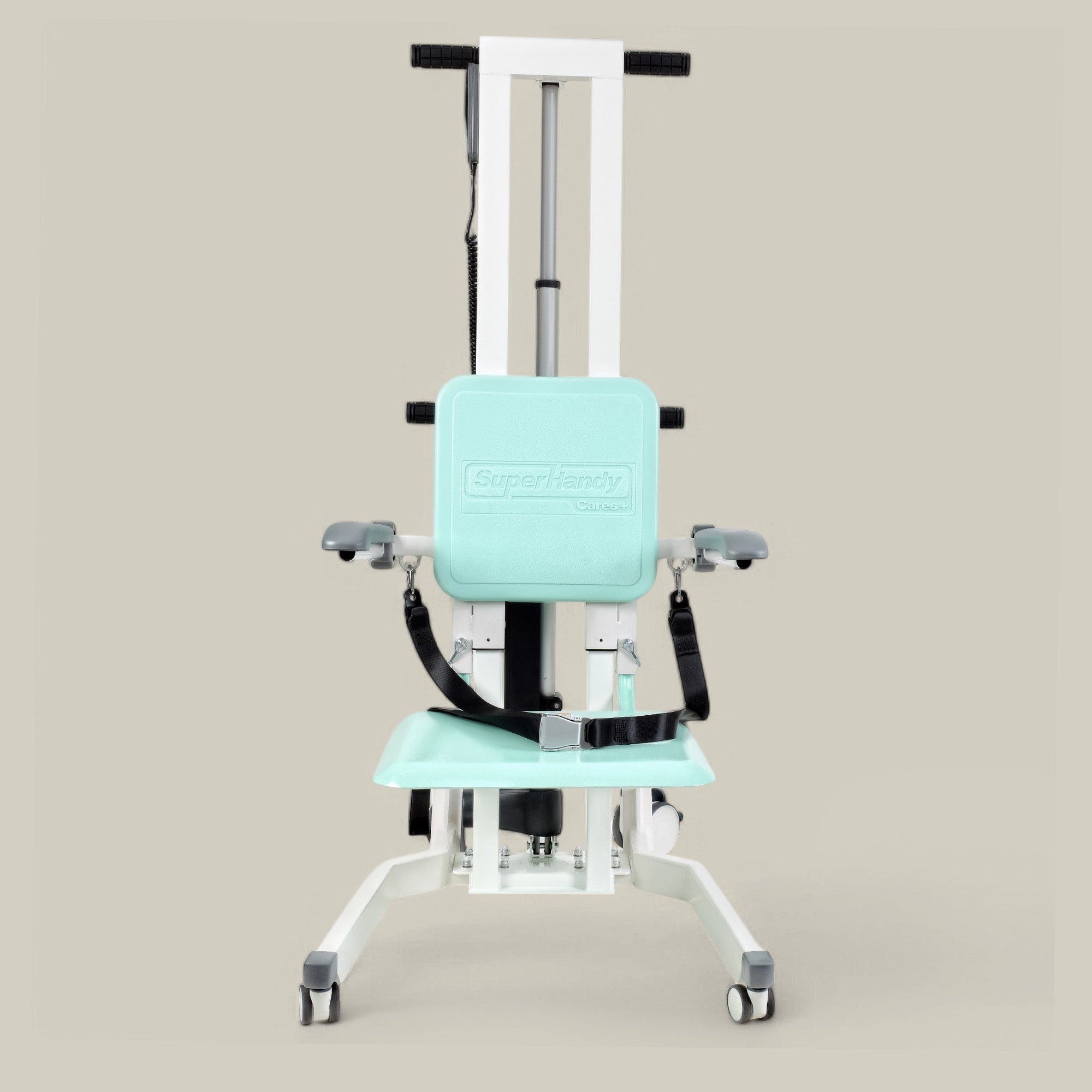
The benefits of a bath lift extend to both the user and their family. For seniors, it restores a profound sense of independence and privacy in one of life's most personal routines. It empowers them to manage their own care, boosting confidence and preserving dignity. For caregivers, a bath lift significantly reduces the physical strain and risk of injury associated with helping a loved one in and out of the tub. This not only makes the task safer for both parties but also eases the emotional stress on caregivers. In situations where a fall does occur, having tools like Floor Lift Assistance can be equally crucial for safely helping a person up without causing further harm or strain.
Exploring Different Types of Bath Lifts: Finding the Right Fit for Your Needs
Once you've decided a bath lift is the right solution, the next step is choosing a model. Most bath lifts fall into two main categories: reclining and fixed-back. Reclining bath lifts offer the ability to lean back once lowered into the water, providing a more immersive and relaxing bathing experience. Fixed-back models provide stable, upright support, focusing purely on the function of safely lowering and raising the user. For individuals who may need assistance in other areas of the home, especially after a fall, it's also worth considering versatile mobility aids like Floor Lift Assistance, which can be a crucial part of a comprehensive home safety plan.
Key Features to Consider When Choosing a Bath Lift: A Practical Guide
To select the best bath lift, pay close attention to several key features that directly impact safety and usability.
- Weight Capacity: Ensure the lift can safely support the user's weight with a comfortable margin.
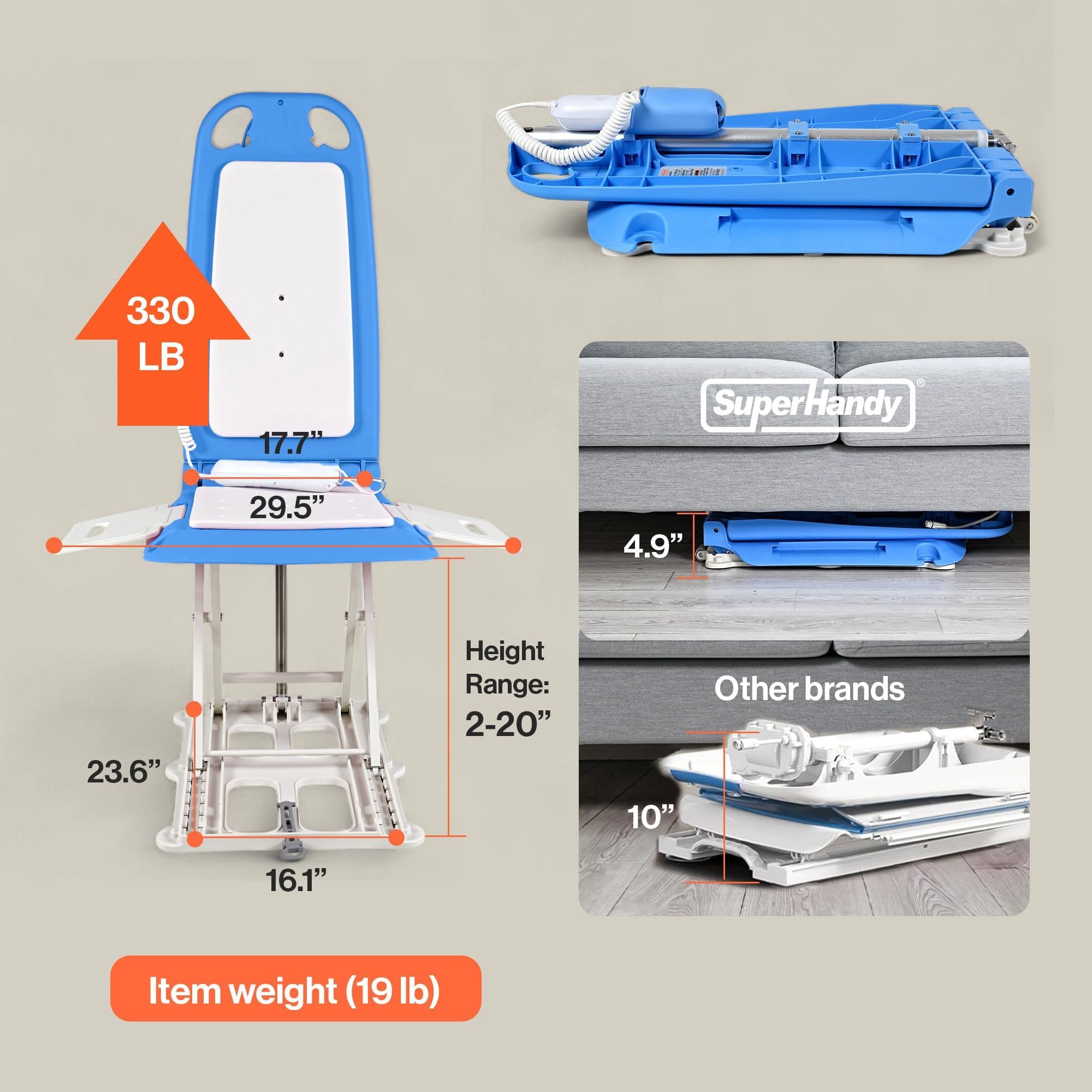
- Seat and Flaps: Look for a comfortable, non-slip seat. Side flaps are essential as they create a stable bridge over the tub wall, making transfers on and off the seat much safer.
- Hand Controls: The remote should be waterproof, buoyant, and have large, easy-to-press buttons. A built-in safety feature that prevents the lift from lowering if there isn't enough battery power to rise is critical.
- Portability: If the bathtub is used by other family members, consider a lightweight, foldable model that is easy to install and remove.
Installation and Maintenance: Ensuring Long-Term Safety and Reliability
Modern bath lifts are designed for user-friendly installation, typically requiring no tools. They secure to the bottom of the tub with high-grade suction cups. For maximum stability, it's vital to ensure the tub surface is clean and non-porous before pressing the lift into place. Maintenance is equally straightforward, involving regular cleaning with non-abrasive cleaners. For battery-powered models, proper care is key for longevity. Following best practices for extending the lifetime of lithium-ion batteries, such as avoiding full discharges and storing the device in a cool, dry place, will ensure your bath lift is always ready when you need it.
The Psychological Benefits: Restoring Confidence and Reducing Fear of Falling
The impact of a bath lift extends far beyond physical safety. For many seniors, the fear of slipping in the tub can lead to anxiety, avoidance of bathing, and a gradual decline in personal hygiene and self-esteem. By providing a secure and controlled way to get in and out of the bath, a lift eliminates this primary source of fear. This restoration of safety directly translates into renewed confidence. The ability to bathe independently, without needing to ask for help, is a profound affirmation of personal dignity and autonomy, turning a moment of potential anxiety back into a private, relaxing, and enjoyable ritual.
Beyond Safety: How Bath Lifts Contribute to Overall Well-being and Dignity
While the primary function of a bath lift is to prevent falls, its benefits extend far beyond physical safety. For many seniors, the inability to bathe independently represents a significant loss of privacy and dignity. Relying on a caregiver or family member for such a personal task can be emotionally taxing. A bath lift restores this autonomy, allowing individuals to once again enjoy the simple, therapeutic pleasure of a warm bath on their own terms. This renewed independence can profoundly boost self-esteem, reduce feelings of dependence, and contribute to better overall mental and emotional health.
Integrating Bath Lifts into a Comprehensive Aging-in-Place Strategy
A bath lift is a powerful tool, but it's most effective as part of a holistic home safety plan. Creating a truly safe environment means looking at the entire home and addressing various potential hazards. This strategy often includes installing grab bars in hallways and bathrooms, using non-slip mats, and ensuring adequate lighting. For complete peace of mind, many families also consider solutions for falls that might happen outside the tub. A portable Floor Lift Assistance device, for example, complements a bath lift by providing a safe way to help a loved one up from the floor anywhere in the home, reducing injury risk for both the individual and their caregiver.

Real-Life Stories: How Bath Lifts Have Changed Lives
Consider John and Mary, a couple in their late 70s. After a minor slip, John became fearful of using the bathtub, resorting to difficult and less-thorough sponge baths. This not only affected his hygiene but also his spirits, as he missed his relaxing evening soak. His wife, Mary, worried constantly. After installing a simple, battery-operated bath lift, everything changed. John can now confidently lower himself into and rise out of the water with the push of a button. He has his cherished routine back, and Mary has priceless peace of mind.
Addressing Common Concerns and Misconceptions About Bath Lifts
Many people hesitate to purchase a bath lift due to a few common worries. One is the fear of battery failure. Reputable bath lifts have a crucial safety feature: they will not lower a user into the tub unless there is enough power for a full return trip up. To get the most out of the power source, it's helpful to follow best practices for extending the lifetime of lithium-ion batteries, such as avoiding full discharges. Another concern is complexity. However, modern lifts are designed for ease of use, featuring large, waterproof, and intuitive remote controls. Finally, with many compact and portable models available, there is a bath lift solution for nearly any bathroom size or configuration.
Frequently Asked Questions About Bath Lifts for Aging in Place
We understand that investing in a new piece of home safety equipment comes with questions. Here are answers to some of the most common inquiries we receive about bath lifts.
What is a bath lift and how does it work?
A bath lift is a powered seat designed to help individuals with limited mobility get into and out of a bathtub safely and comfortably. The device sits inside your existing tub and consists of a sturdy seat and backrest. At the push of a button on a waterproof remote, the seat gently lowers you from the height of the tub’s edge down to the bottom, allowing you to recline and bathe.

When you are finished, the lift smoothly raises you back to the top, level with the tub edge, so you can transfer out securely. This mechanism eliminates the dangerous combination of stepping over a high tub wall and trying to stand up from a low, wet surface. Most bath lifts are powered by a rechargeable battery pack, ensuring there are no hazardous electrical cords near the water.
Are bath lifts difficult to install and operate?
Not at all. Manufacturers design modern bath lifts with user-friendliness as a top priority. Most models require no tools or permanent modifications to your bathroom. They typically feature a base with four large suction cups that anchor the lift securely to the smooth surface of your tub floor, providing a stable foundation. Installation is usually a simple process of placing the unit in the tub and pressing it down to engage the suction.
Operation is just as straightforward. The lift is controlled by a lightweight, waterproof hand controller that often floats in the water so it’s never out of reach. These remotes feature large, intuitive buttons—usually just "up" and "down"—making them easy to use, even for those with arthritis or limited hand strength. As a built-in safety measure, many lifts will not begin to lower unless there is sufficient battery power for a full cycle to lift you back out. While a bath lift addresses safety in the tub, a comprehensive home safety plan might also include a Floor Lift Assistance device to help in case of a fall elsewhere in the home. For air travel, FAA PackSafe lists battery and handling rules for wheelchairs and mobility devices.
Related Products







Leave a comment
All comments are moderated before being published.
This site is protected by hCaptcha and the hCaptcha Privacy Policy and Terms of Service apply.