
















The Evolution of Vehicle Maneuvering: From Basic Dollies to Advanced Systems
The concept of dolly moving has been around for decades, born from a simple need: to move heavy, unwieldy objects with minimal effort. Early automotive car dollies were rudimentary—little more than a steel frame with four caster wheels. While functional for rolling a vehicle chassis across a smooth workshop floor, they required immense physical force, offered little directional control, and were limited by their basic design. The evolution from these simple tools to the sophisticated systems we see today has been a story of incremental innovation, driven by the demand for greater efficiency, safety, and power. The first major leap was the introduction of motorized assistance, transforming a passive platform into a powered workhorse and setting the stage for the advanced technology that now defines the industry.
Understanding the Core Mechanics: How Modern Dollies Work
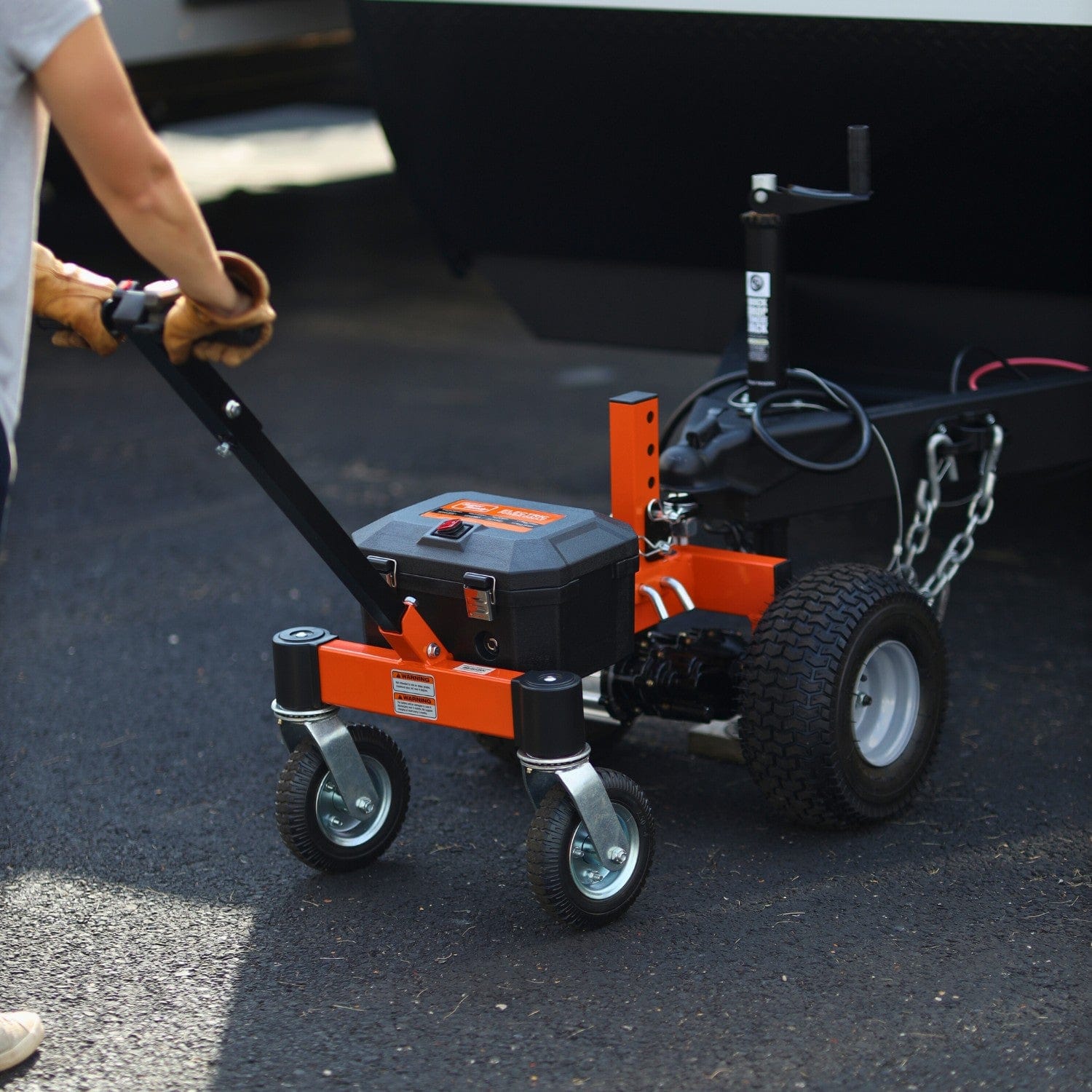
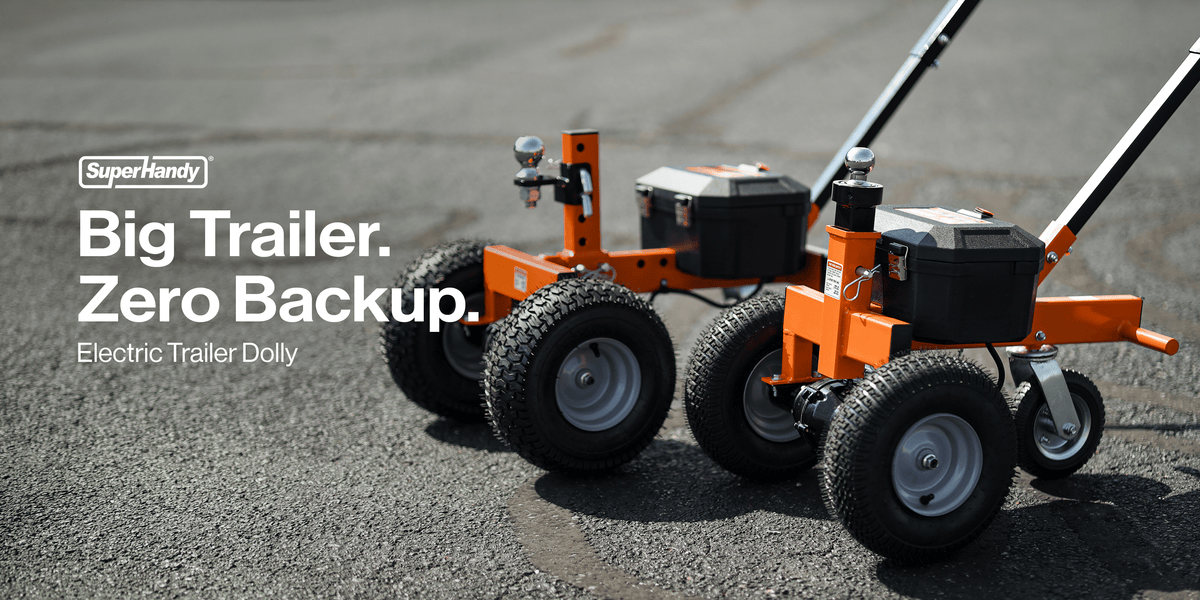
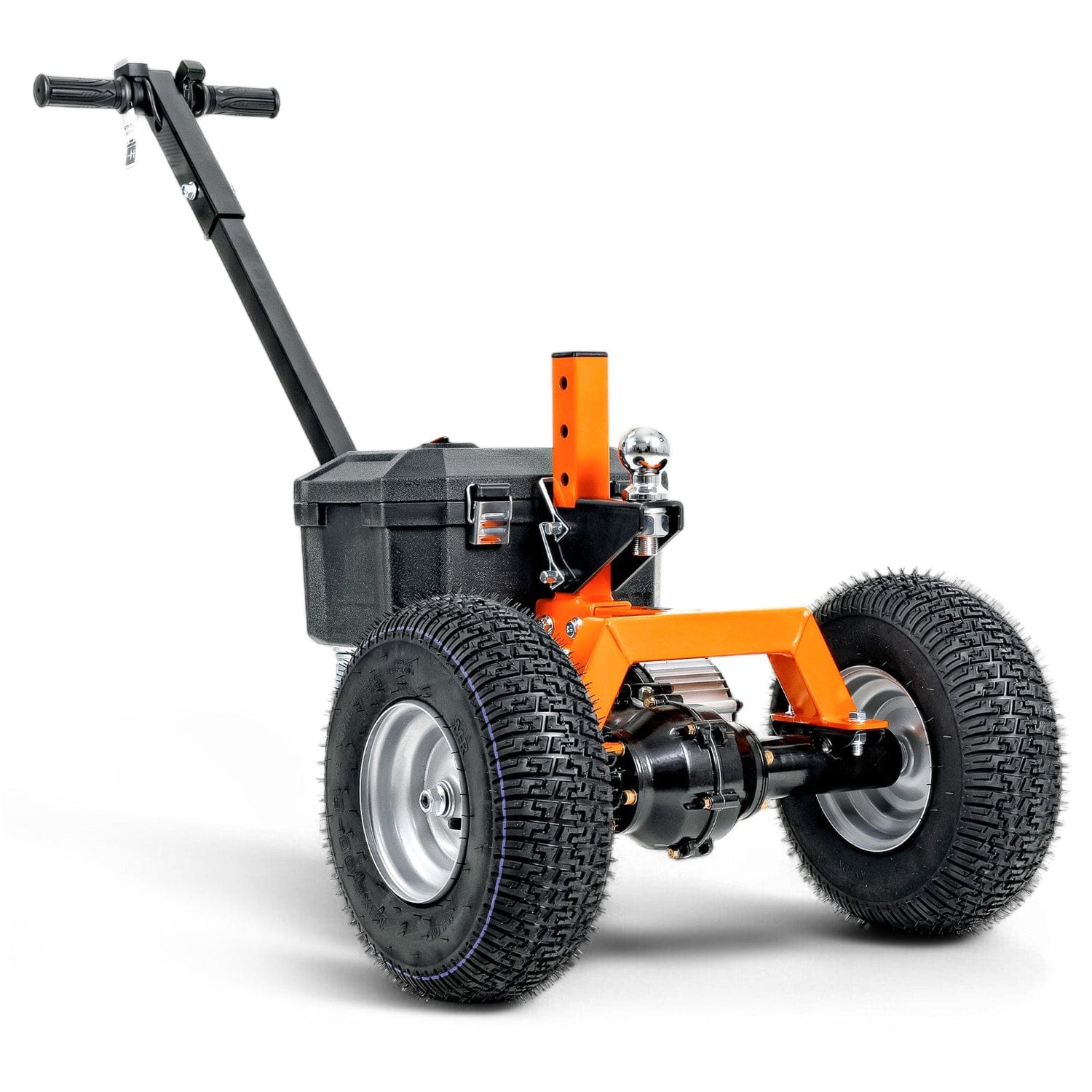
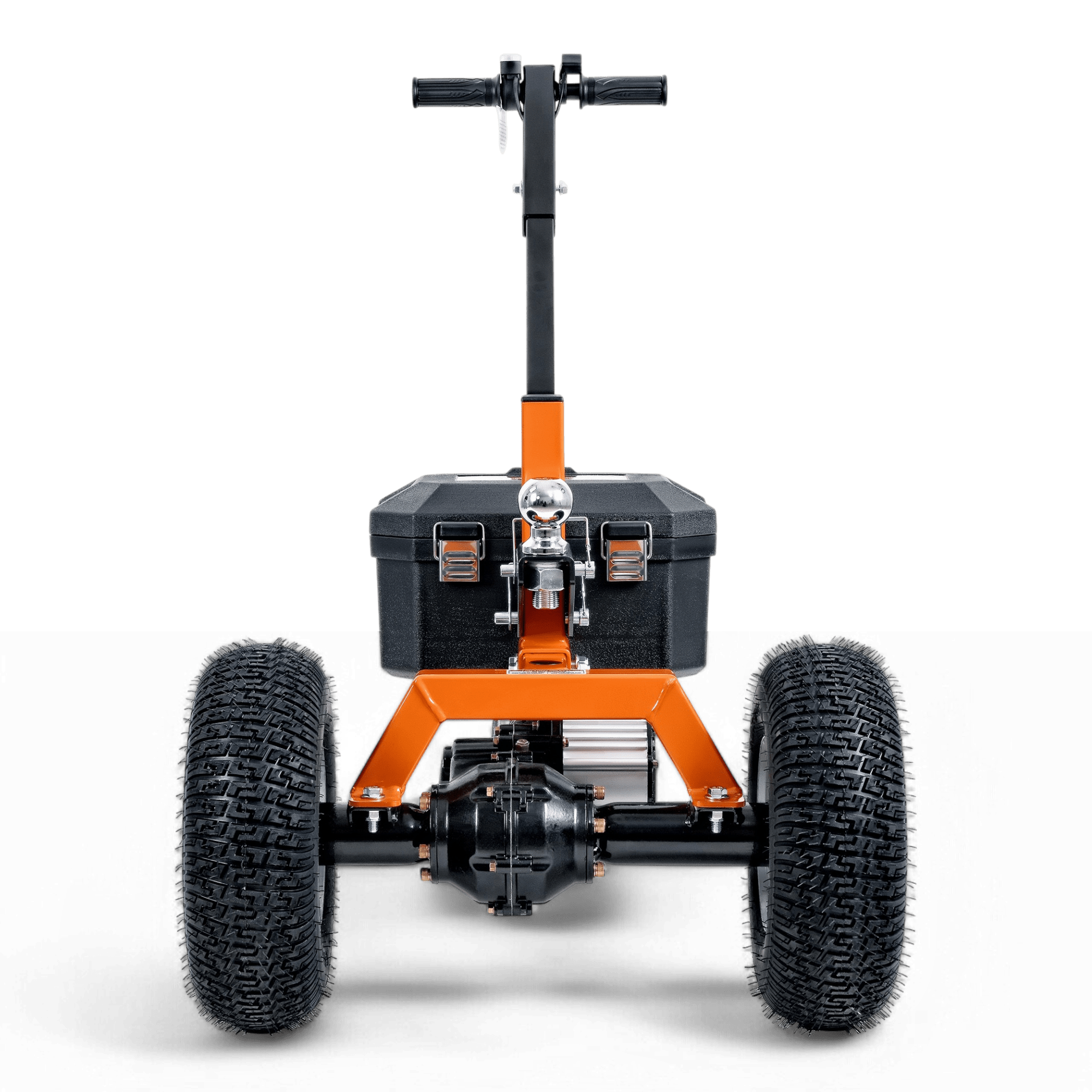
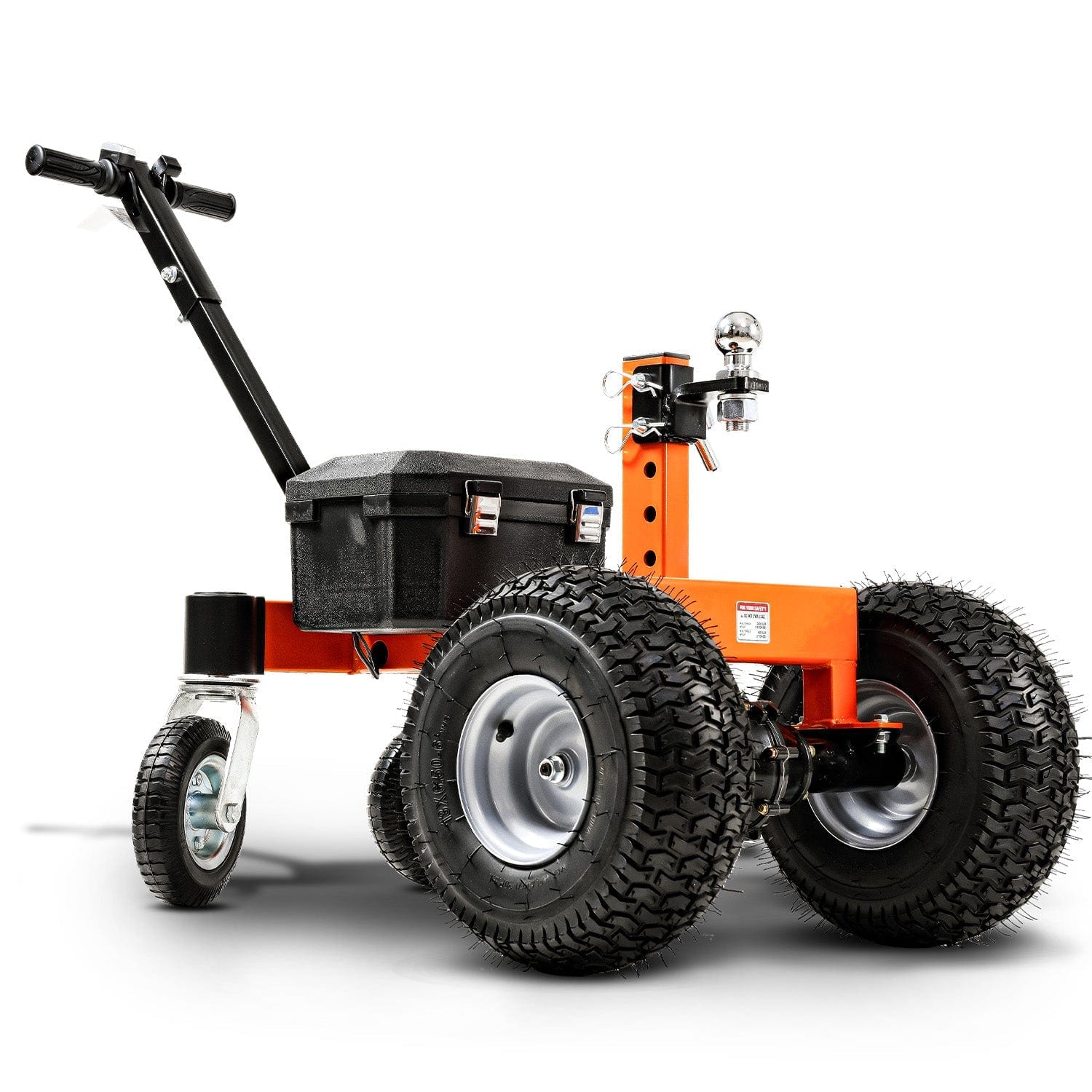
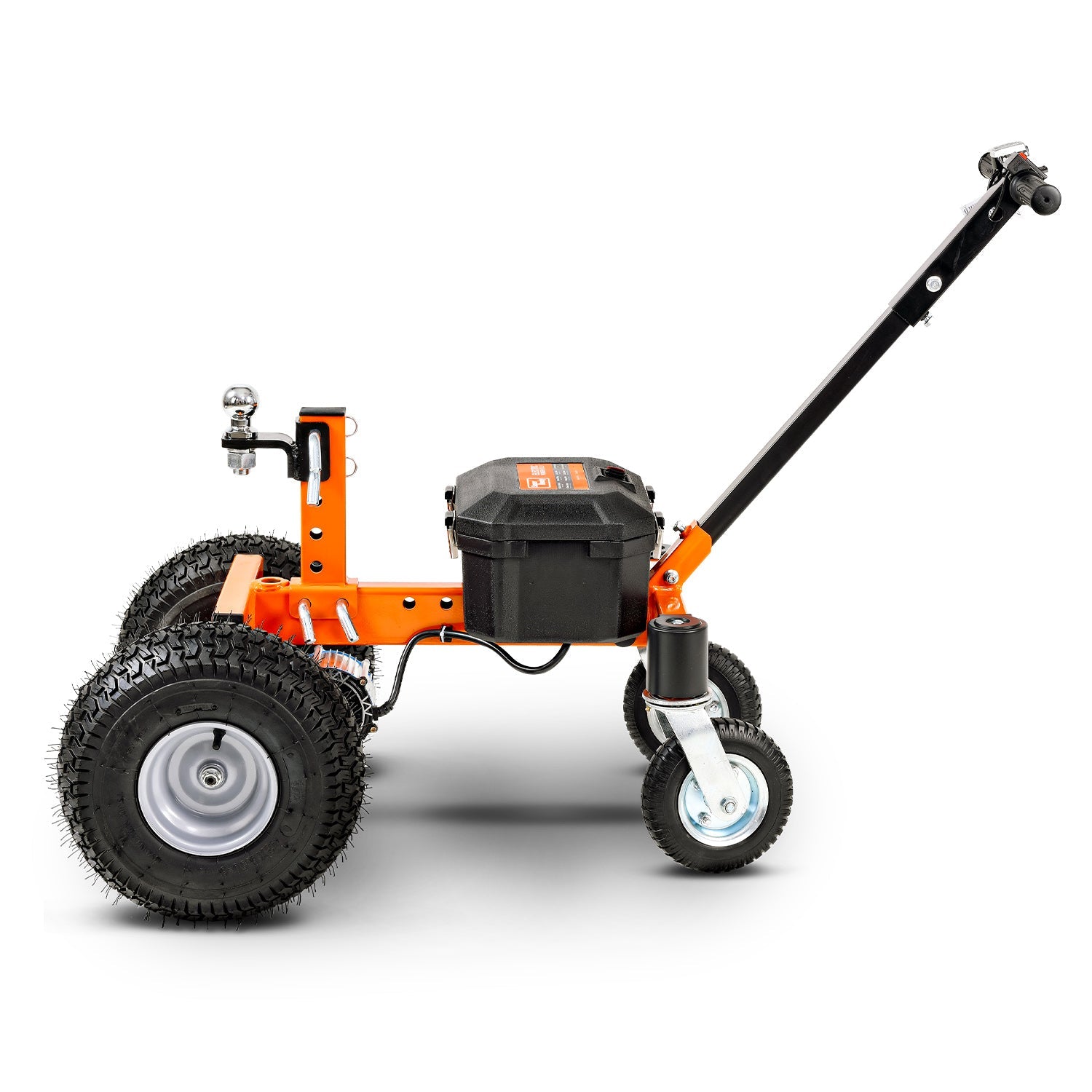
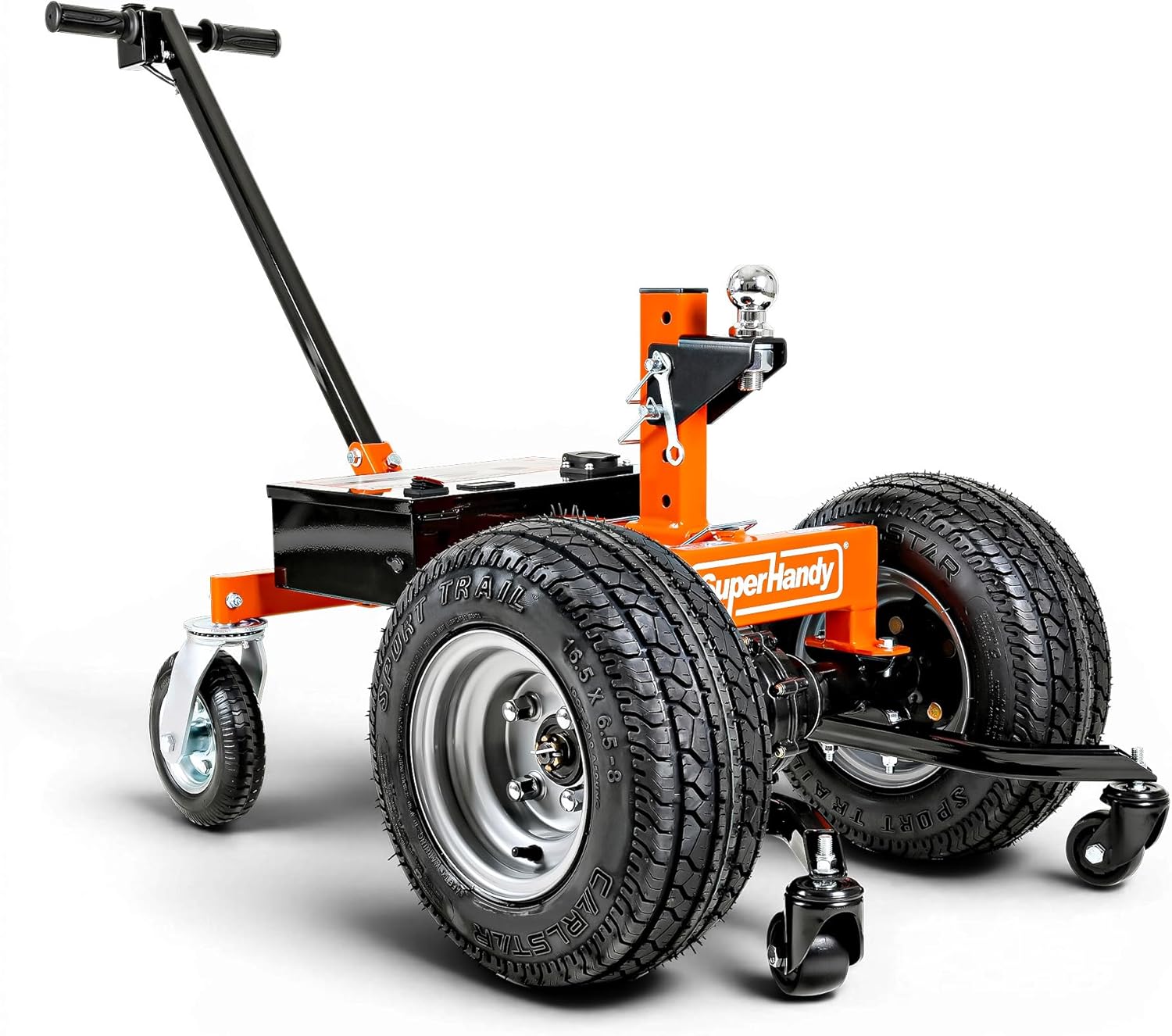
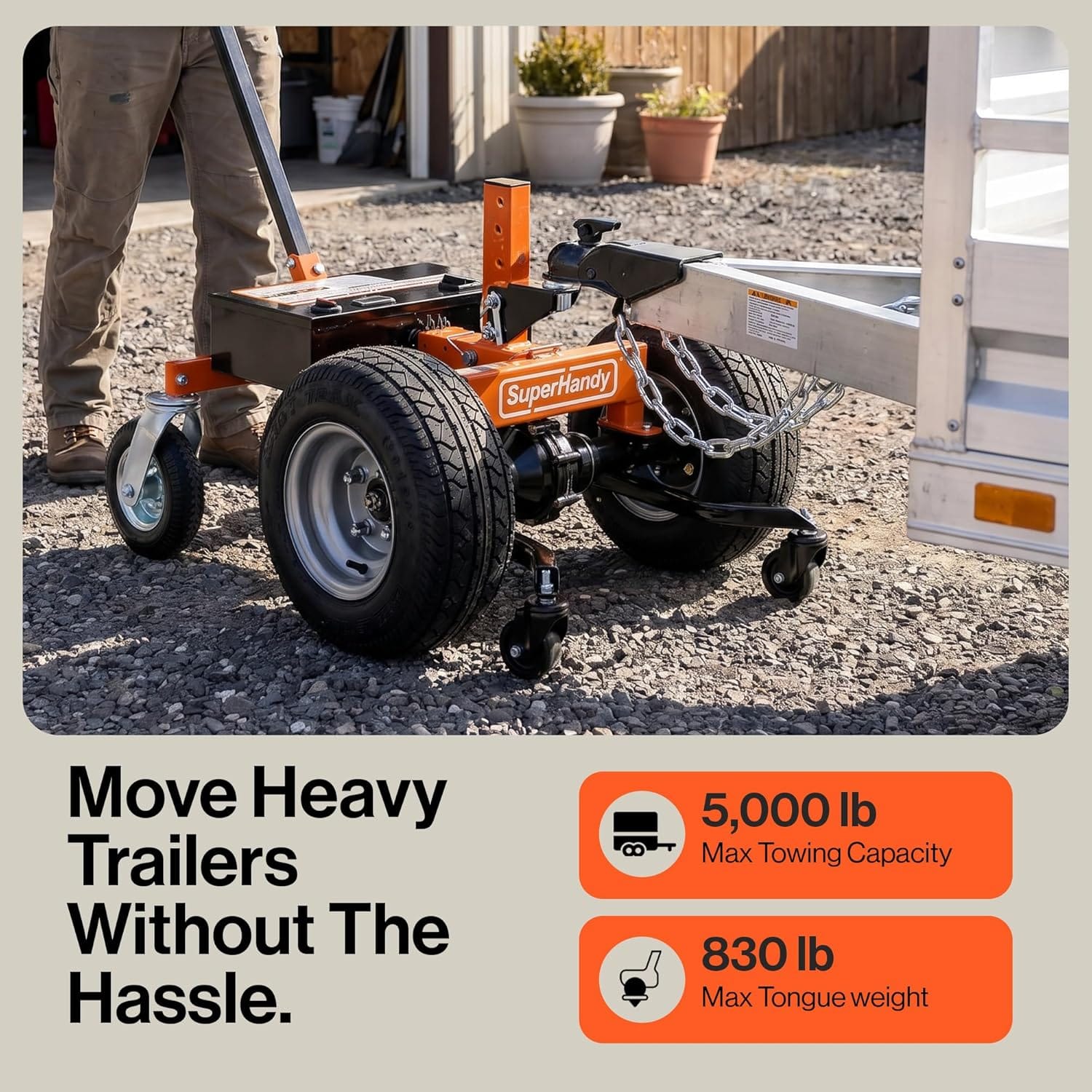
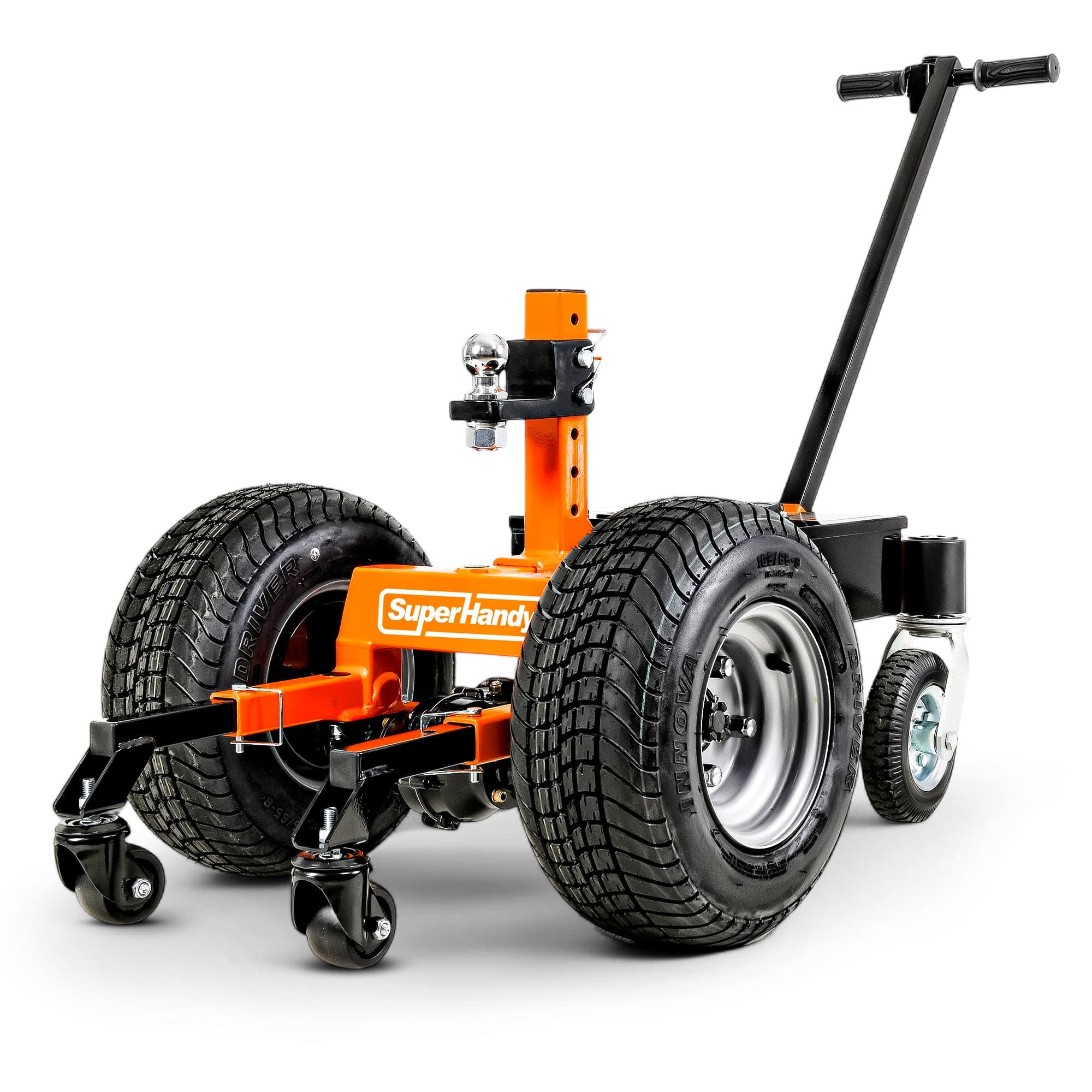
At its heart, a modern dolly is a fusion of power, traction, and control. Unlike their manual predecessors, today's advanced dollies are engineered for performance. The core system begins with a powerful electric motor, typically fueled by a rechargeable, high-capacity battery pack. This motor drives one or more robust, often all-terrain, wheels, providing the torque needed to move thousands of pounds. The user interacts with the machine through an ergonomic control handle, which houses switches for forward and reverse motion, as well as variable speed controls that allow for precise adjustments while navigating tight spaces. A key component is the patented adjustable ball attachment, which securely connects the dolly to a trailer or vehicle, ensuring a stable and reliable connection. A great example of these mechanics in action is the modern electric Trailer Dolly, which combines a heavy-duty steel frame with a powerful motor and intuitive controls to make maneuvering heavy loads a one-person job.

Key Innovations Driving the Future of Dolly Technology
The future of vehicle maneuvering is being shaped by several key technological advancements. The most significant shift is the widespread adoption of electrification. Quiet, zero-emission electric motors are replacing noisy, high-maintenance gas engines, making dollies suitable for both indoor and outdoor use. Another critical innovation lies in material science. Manufacturers are utilizing high-tensile steel and lightweight aluminum alloys to build dollies that are stronger and more durable than ever, yet remain portable and easy to handle. Finally, a revolution in control systems is underway. Simple on/off switches are giving way to sophisticated variable-speed throttles and even remote-control capabilities, giving operators unparalleled precision and a safer working distance from the load.
Smart Dollies: The Role of AI and Machine Learning in Precision Maneuvering
The next frontier for the car dolly is intelligence. The integration of Artificial Intelligence (AI) and Machine Learning (ML) is poised to transform them from simple tools into "smart" assistants. Imagine an automotive car dolly equipped with a suite of sensors—LIDAR, cameras, and gyroscopes. This smart dolly could map its environment, detect obstacles in real-time, and automatically brake or reroute to prevent collisions. In a manufacturing or logistics setting, ML algorithms could enable a dolly to learn and repeat complex paths with sub-centimeter accuracy, optimizing workflows for dolly moving tasks. AI could also manage power distribution, analyzing the load's weight and incline to deliver exactly the right amount of torque, maximizing battery efficiency and ensuring smooth, stable operation. This leap towards autonomy promises a future of unprecedented precision, safety, and efficiency in vehicle handling.
Enhanced Safety Features: Preventing Accidents with Next-Gen Dolly Systems
As the power and capability of dolly moving systems increase, so does the importance of advanced safety features. Early car dolly models relied heavily on the operator's skill and manual safety measures like wheel chocks. Today, innovation is centered on proactive accident prevention. Next-generation automotive car dollies are equipped with sophisticated safety mechanisms, including automatic braking systems that engage the moment the operator releases the controls, preventing runaway situations on inclines. Overload sensors provide audible or visual alerts if the vehicle's weight exceeds the dolly's capacity, protecting both the equipment and the asset being moved.
Furthermore, a critical feature becoming standard on powered dollies is the emergency stop button. This allows for immediate power cutoff in any situation, providing a crucial failsafe. These advanced controls are a significant leap forward, aligning with the core principles of equipment safety outlined in OSHA hand and power tool safety guidance, which prioritizes operator protection and accident prevention through robust design. By integrating these intelligent features, modern dollies minimize human error and create a much safer operating environment in garages, showrooms, and workshops.
The Impact of Automation: Autonomous Vehicle Movement and Dolly Integration
The next frontier for vehicle maneuvering is automation, and dolly technology is at the heart of this revolution. Imagine a car manufacturing plant or a large-scale vehicle storage facility where cars move from one station to the next without a human driver. This is being made possible through autonomous dolly systems. These "smart" dollies function like advanced Automated Guided Vehicles (AGVs), using a combination of LiDAR, cameras, and advanced sensors to navigate complex environments, detect obstacles, and precisely position vehicles.

This integration of automation with a car dolly platform offers transformative benefits. It dramatically increases efficiency by enabling 24/7 operation, reduces the risk of collision damage common in manual-handling environments, and frees up human workers for more complex, value-added tasks. While fully autonomous systems are currently focused on industrial applications, the underlying technology will inevitably trickle down, influencing the design and capabilities of dollies used in smaller commercial and even consumer settings.
Material Handling Advancements: Lighter, Stronger, and More Durable Dolly Designs
The raw power of a dolly is useless if the machine itself is too cumbersome or fragile for practical use. Recent advancements in material science have completely reshaped dolly construction. Gone are the days when strength was synonymous with massive, heavy steel frames that were difficult to maneuver into position and prone to rust. Today’s leading designs prioritize a balance of strength, weight, and durability.
Modern automotive car dollies are increasingly built from high-strength, lightweight aluminum alloys and advanced steel composites. This allows for a dolly that is significantly easier for a single person to handle and transport, yet capable of moving thousands of pounds without flexing or fatigue. This focus on superior materials extends to longevity. Powder-coated finishes and corrosion-resistant components ensure that these dollies can withstand the harsh conditions of a workshop or outdoor lot, delivering reliable performance for years. This evolution means operators get the muscle they need without the unnecessary bulk.
Connectivity and Control: Remote Operation and Real-Time Monitoring of Dollies
One of the most significant quality-of-life improvements in modern dolly technology is the shift towards advanced connectivity and remote control. Manually pushing and pulling a heavy dolly into the perfect position under a vehicle is physically demanding and offers a limited line of sight. Electric dollies have solved this by giving operators precise control from a comfortable distance. A modern Trailer Dolly, for example, allows the user to walk around the vehicle or trailer, ensuring perfect alignment and clearance from all angles using intuitive handle-mounted controls.
This connectivity is evolving further with the integration of wireless technology and smartphone applications. The future of dolly moving includes the ability to not only operate the device remotely but also to monitor its status in real time. Operators will be able to check battery levels, review usage data, receive maintenance alerts, and even diagnose performance issues directly from a phone or tablet. This level of connectivity enhances control, simplifies maintenance, and ensures the dolly is always ready for the task at hand.
Industry Applications: How Advanced Dollies are Transforming Logistics and Manufacturing
The impact of advanced dolly technology is most profound in industrial settings where efficiency, precision, and safety are paramount. In logistics and warehousing, modern dollies are revolutionizing how goods and vehicles are managed. Instead of relying on large, fuel-consuming tow vehicles to reposition trailers in crowded yards, operators can use compact, powerful electric dollies to navigate tight spaces with ease. This optimizes yard space, speeds up loading and unloading cycles, and reduces the carbon footprint of daily operations. The precision of this dolly moving technique minimizes the risk of accidental damage to trailers, cargo, and facility infrastructure.
In the manufacturing sector, particularly within automotive production, advanced dollies are becoming indispensable. Assembly lines are no longer static, rigid pathways. With fleets of smart, automated, or remote-controlled automotive car dollies, manufacturers can create dynamic and flexible production floors. These systems can transport vehicle chassis or heavy sub-assemblies from one station to the next without the need for fixed conveyors or overhead cranes. This not only streamlines the assembly process but also allows for rapid reconfiguration of the factory layout to accommodate new models or production demands, providing a level of agility previously unattainable.
Case Study: A Real-World Example of Dolly Technology Revolutionizing Operations
Consider a large-scale RV and boat dealership, "Prestige Marine & Motorhomes," that was struggling with lot management. Their team spent hours each day using pickup trucks to move heavy trailers and fifth wheels around the sales lot and into the service bay. The process was slow, required at least two staff members for spotting and driving, and frequently resulted in minor cosmetic damage to units due to the poor visibility and maneuverability of the large tow vehicles.
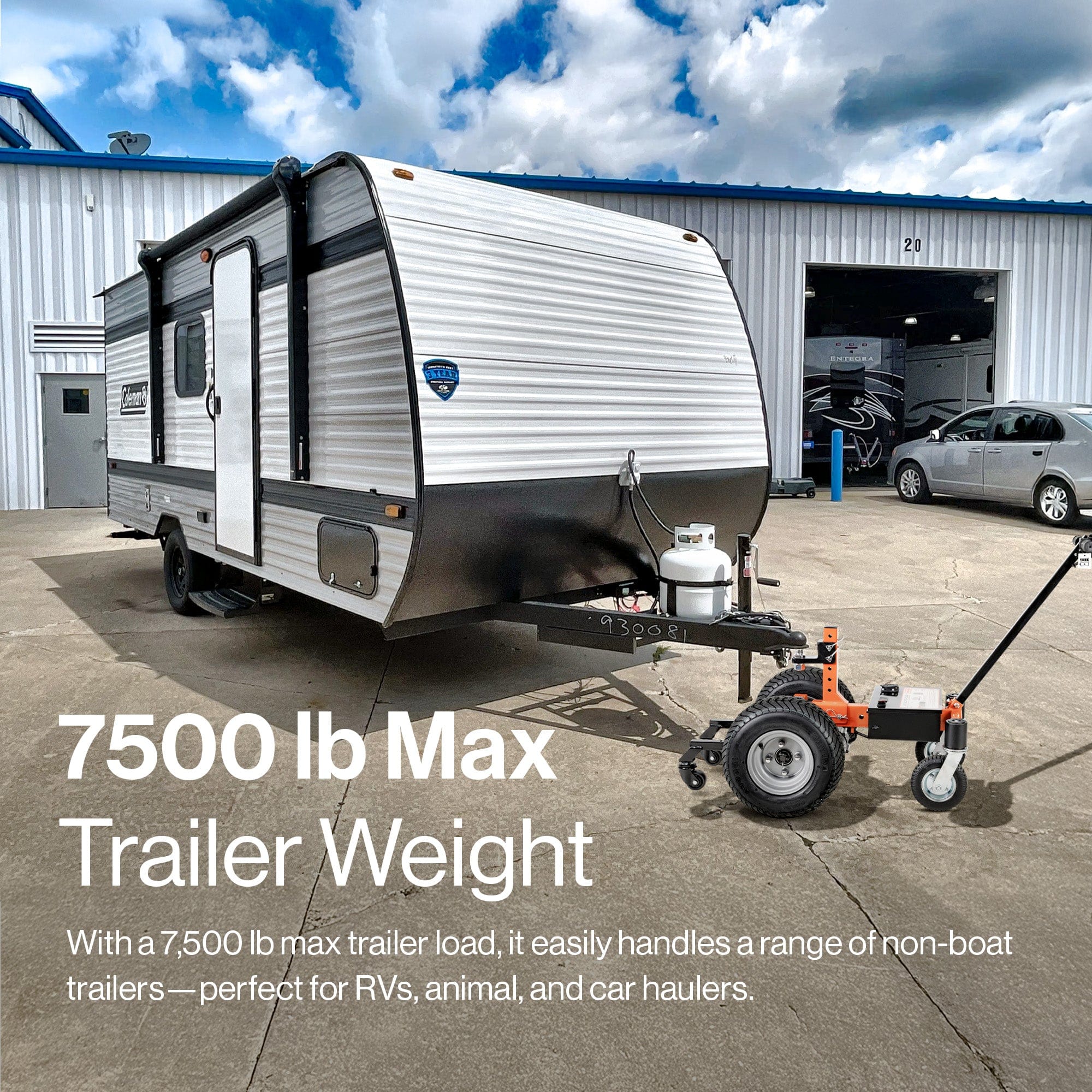
Seeking a more efficient solution, the dealership invested in a high-torque electric Trailer Dolly. The impact was immediate. A single employee could now safely and precisely maneuver even the heaviest trailers on the lot. The remote-control functionality allowed the operator to walk around the trailer, ensuring clear sightlines to avoid obstacles. Prestige Marine & Motorhomes reported a 60% reduction in time spent on lot organization, allowing their staff to focus on sales and customer service. Furthermore, incidents of lot damage dropped to zero in the first six months of use, protecting their valuable inventory and boosting profitability.
Addressing the Challenges: Overcoming Obstacles in Dolly Technology Adoption
Despite the clear benefits, adopting advanced dolly technology is not without its challenges. The primary hurdle for many businesses is the initial capital investment, as smart and automated systems can have a significant upfront cost compared to traditional manual equipment. Another key challenge is integration. For a car dolly system to deliver maximum value in a smart factory, it must seamlessly integrate with existing Manufacturing Execution Systems (MES) or Warehouse Management Systems (WMS), which can be a complex technical undertaking.
Furthermore, the transition requires a commitment to workforce training. Employees must learn to operate new interfaces, understand remote-control systems, and adhere to updated safety protocols for battery-powered equipment. Providing comprehensive training is not just about efficiency; it's a critical safety requirement for preventing accidents when introducing new powered equipment, a principle emphasized by resources like OSHA's hand and power tool safety guidance. Overcoming these challenges requires careful planning, a phased implementation strategy, and a clear understanding of the long-term return on investment.
The Economic Benefits: ROI and Cost Savings with Advanced Dolly Solutions
The long-term economic advantages of upgrading to advanced dolly systems are compelling and extend far beyond simple convenience. The most immediate return on investment (ROI) comes from significant labor savings. Tasks that once required two or three employees—a driver and spotters—can often be accomplished by a single operator, freeing up valuable human resources for other critical duties. This increased operational efficiency directly translates to higher throughput, whether it’s moving more trailers per hour in a logistics yard or accelerating production cycles on a factory floor.
Moreover, the precision offered by modern dollies drastically reduces costs associated with accidental damage. The enhanced control minimizes collisions with infrastructure, other vehicles, or products, saving thousands in potential repair and inventory loss. Compact and powerful solutions like an electric Trailer Dolly can also significantly cut down on the operational costs associated with larger tow vehicles, including fuel, insurance, and maintenance. By reducing workplace injuries through safer, less strenuous operation, businesses can also benefit from lower insurance premiums and less downtime, making advanced dolly technology a financially sound investment for any forward-thinking operation.
Future Trends to Watch: What's Next for Vehicle Maneuvering Dollies?
The world of vehicle maneuvering is on the cusp of another technological leap. As we look ahead, the evolution of the humble car dolly is set to accelerate, driven by connectivity, sustainability, and hyper-automation. One of the most exciting trends is the rise of the "Internet of Things (IoT)" in dolly technology. Imagine a fleet of automotive car dollies that communicate not only with a central control system but also with each other. This interconnectivity will enable coordinated, swarm-like movements in large-scale operations like manufacturing plants and shipping ports, optimizing workflow and eliminating bottlenecks.
Furthermore, sustainability is becoming a core design principle. Future dollies will feature more efficient, longer-lasting batteries and even integrated solar charging capabilities for outdoor use. We can also expect to see advancements in materials, with next-generation composites offering the strength of steel at a fraction of the weight, making the dollies themselves easier to handle and more energy-efficient. Finally, modularity will be key. Future designs will allow users to swap components to handle different vehicle types—from small cars to large trailers—with a single base unit, maximizing versatility and return on investment.
Frequently Asked Questions about Advanced Dolly Technology
Q: Are electric dollies difficult to maintain? A: Not at all. Modern electric dollies are designed for reliability and minimal upkeep. The primary maintenance tasks involve routine checks of the tires, ensuring the chassis is clean and free of debris, and practicing proper battery care. Unlike internal combustion engines, they have fewer moving parts, which means less can go wrong.
Q: What is the typical lifespan of an electric dolly's battery? A: Battery longevity depends heavily on usage patterns, charging habits, and storage conditions. Most high-quality lithium-ion batteries are rated for several hundred charge cycles. To maximize their service life, it's crucial to avoid extreme temperatures and deep discharges. Following expert tips for extending the lifetime of lithium-ion batteries can significantly prolong their operational effectiveness and save on replacement costs.
Q: Can one person safely operate a heavy-duty automotive car dolly? A: Yes, this is one of the biggest advantages of modern dolly technology. Electric and hydraulic systems provide the power, while intuitive controls and safety features like automatic braking and variable speed give a single operator the ability to confidently and safely manage heavy loads that would have previously required a team of people.

Choosing the Right Dolly Solution for Your Business Needs
Selecting the right dolly moving system is crucial for maximizing efficiency and ensuring safety. Before you invest, a careful assessment of your specific requirements will guide you to the perfect solution.
-
Analyze Your Load Capacity: The first step is to determine the maximum weight you need to move. Whether it's a small boat, a classic car, or a heavy industrial trailer, your dolly must have a rated capacity that comfortably exceeds your heaviest load. Always factor in a safety margin.
-
Evaluate Your Environment: Where will the dolly be used? Smooth concrete floors in a workshop require different tires than uneven asphalt or gravel lots. Consider the amount of space you have for maneuvering. For tight quarters, a compact dolly with a tight turning radius is essential.
-
Consider the Power Source: The choice between manual, hydraulic, and electric power depends on your workload and budget. Manual dollies are great for light, infrequent tasks. For frequent use or heavier loads, an electric model offers unparalleled convenience and power. An electric Trailer Dolly, for example, can make moving heavy trailers an effortless, one-person job.
-
Prioritize Features and Safety: Look for features that enhance usability and safety. Variable speed control, emergency stop buttons, automatic braking, and robust all-terrain tires are not just conveniences—they are critical components for protecting your assets and your personnel. By carefully matching the dolly's capabilities to your operational needs, you can ensure a smart investment that pays dividends in productivity and safety for years to come.
Related Products

Leave a comment
All comments are moderated before being published.
This site is protected by hCaptcha and the hCaptcha Privacy Policy and Terms of Service apply.