
















The Shifting Landscape: Why Personal Mobility is Undergoing a Revolution
Our streets are changing. For decades, the personal car has dominated how we move, but a quiet revolution is underway. A perfect storm of factors—including growing urban density, a collective push towards sustainability, and a desire for more convenient, cost-effective transport—is reshaping the very idea of personal mobility. People are seeking smarter, smaller, and more flexible ways to navigate their daily lives, from the first mile to the last. This shift isn't just about young commuters in the city; it's also about enhancing independence for individuals with varying mobility needs. The category of mobility aids, once primarily associated with canes and walkers, has expanded to include a sophisticated array of personal transport devices designed for freedom and accessibility.
Beyond the Kick Scooter: Exploring the Evolution of Electric Scooters
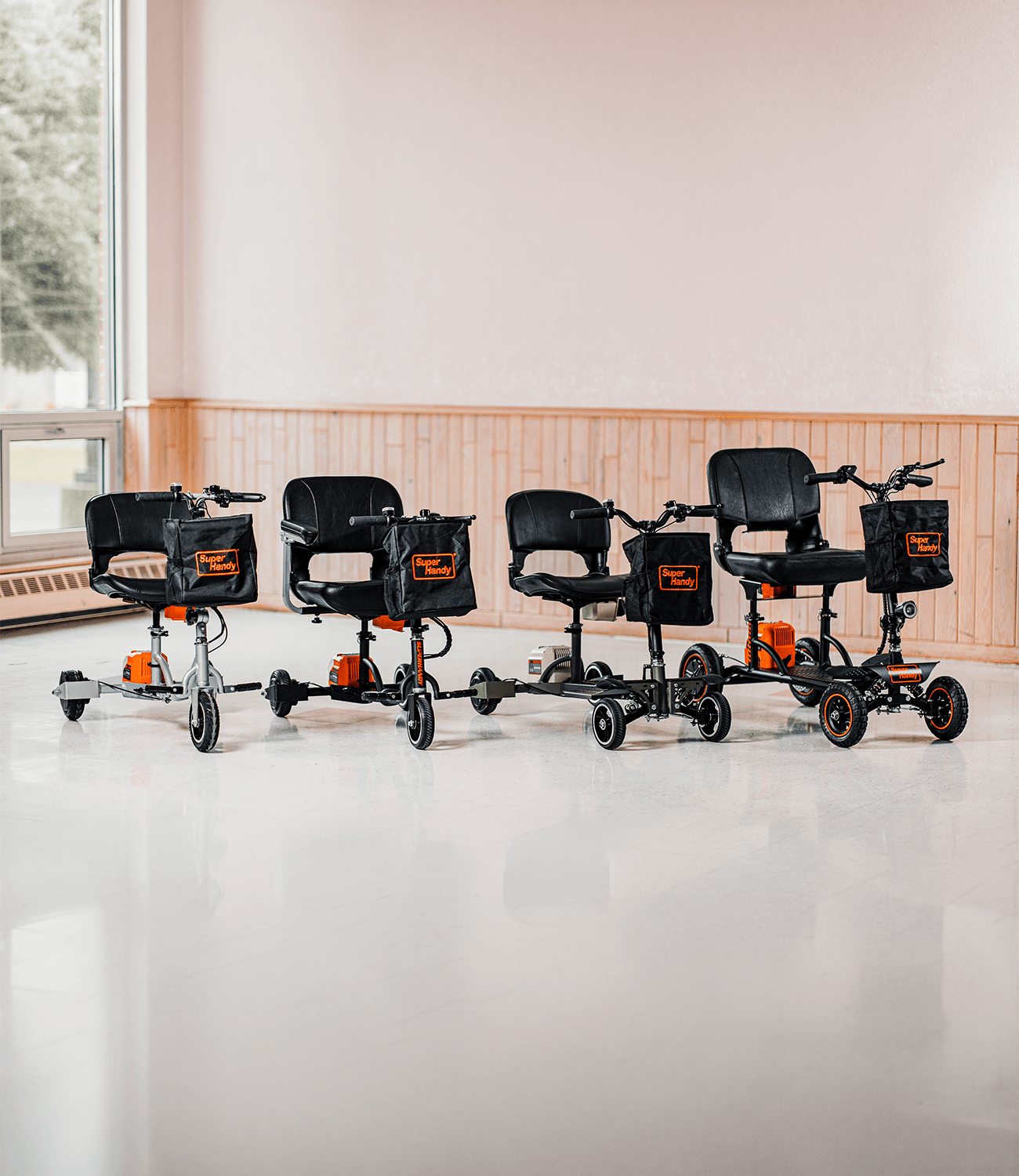
The humble kick scooter has grown up. What began as a simple children's toy has evolved into a powerful and practical mode of transport. The catalyst for this transformation was the integration of compact, efficient electric motors and advanced battery technology. Early electric scooters were often bulky with limited range, but today’s models are marvels of engineering. Lithium-ion batteries provide longer-lasting power, while brushless hub motors deliver quiet, reliable performance. This technological leap has paved the way for a diverse market, from lightweight commuter scooters to robust, all-terrain models. In the world of personal mobility, mobility scooters have become a example of this evolution, offering comfortable, stable, and easy-to-operate solutions. A modern Mobility Scooter is no longer just a functional device; it's a sleek, powerful vehicle designed for an active lifestyle.

Smart Features: How Connectivity is Enhancing the Scooter Experience
Today's mobilized scooters are more than just a motor and wheels; they are becoming intelligent, connected devices. The integration of smart technology is fundamentally enhancing the user experience, adding layers of convenience, security, and personalization. Many new scooters feature Bluetooth connectivity, allowing them to pair with a smartphone app. These companion apps can act as a digital dashboard, providing real-time data on battery life, speed, and distance traveled. They also enable powerful features like remote locking and unlocking for anti-theft protection, GPS tracking to locate your scooter, and customizable performance settings to tailor the ride to your preference. Onboard LED displays provide at-a-glance information, turning your scooter into a smart-hub for your journey.
Safety First: Innovations in Scooter Design and Rider Protection
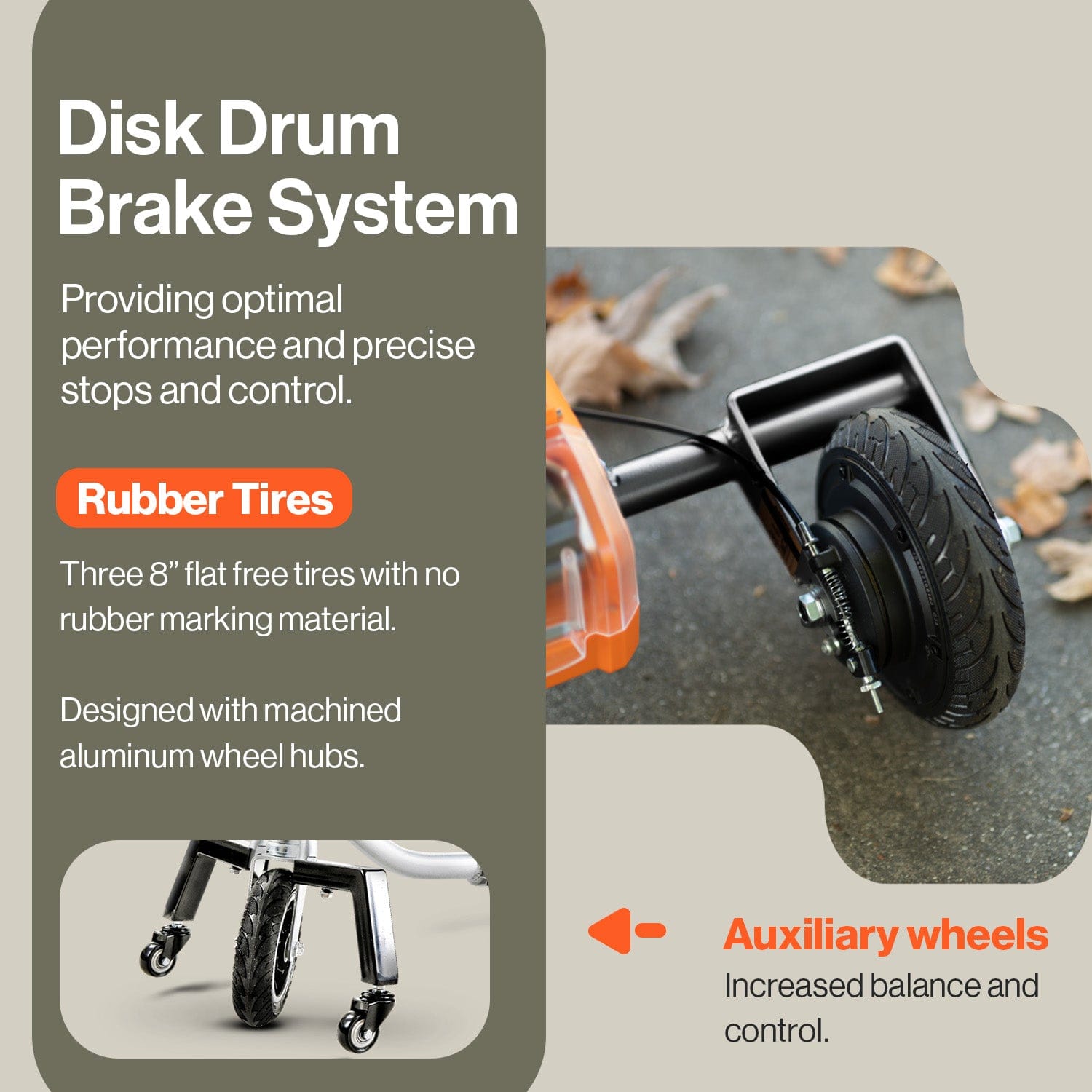
As scooters become faster and more prevalent, rider safety has become the top priority for manufacturers. The latest innovations go far beyond a simple handbrake. Advanced braking systems, including responsive disc brakes and regenerative electronic brakes that help recharge the battery, provide superior stopping power. Enhanced visibility is another key focus, with powerful integrated LED headlights, rear brake lights, and even turn signals becoming standard features. Stability has also improved dramatically through better suspension systems, wider, puncture-resistant tires, and lower centers of gravity. Beyond the hardware, safety also involves how these devices integrate into public life. Innovations must align with guidelines for public accommodations, ensuring that users of wheelchairs and other power-driven mobility devices can navigate spaces safely and effectively.
The Rise of Micro-Mobility Hubs: Integrating Scooters into Urban Infrastructure
As cities become denser, the chaotic sight of scooters left on sidewalks has become a common growing pain. The solution is emerging in the form of micro-mobility hubs. These are designated, physical locations designed to organize personal transport. Think of them as futuristic pit stops: dedicated parking racks, integrated charging stations, and sometimes even maintenance tools. By strategically placing these hubs near public transit stations, residential buildings, and commercial centers, cities are transforming mobilized scooters from a nuisance into a seamless part of the urban transportation network. This organized approach not only cleans up public spaces but also makes scooters more reliable and accessible for everyone.
Beyond Scooters: Emerging Trends in Personal Electric Vehicles
While the stand-up electric scooter has captured the public imagination, it’s just one piece of a much larger puzzle. The future of personal transport is diverse, with a growing family of specialized electric vehicles designed for different needs and lifestyles. We're seeing the rise of self-balancing one-wheels, foldable e-bikes that can be taken on a train, and compact electric skateboards.
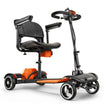
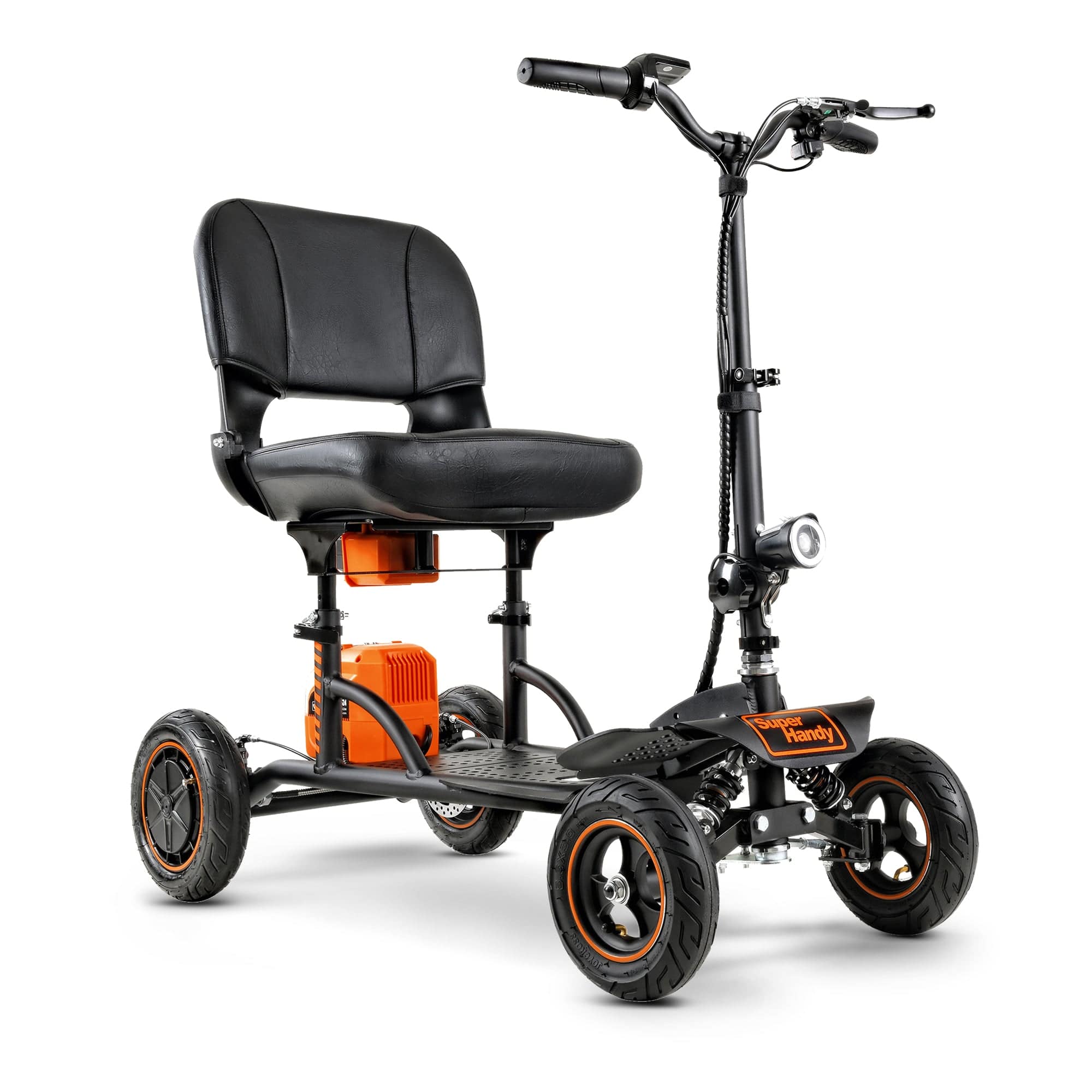
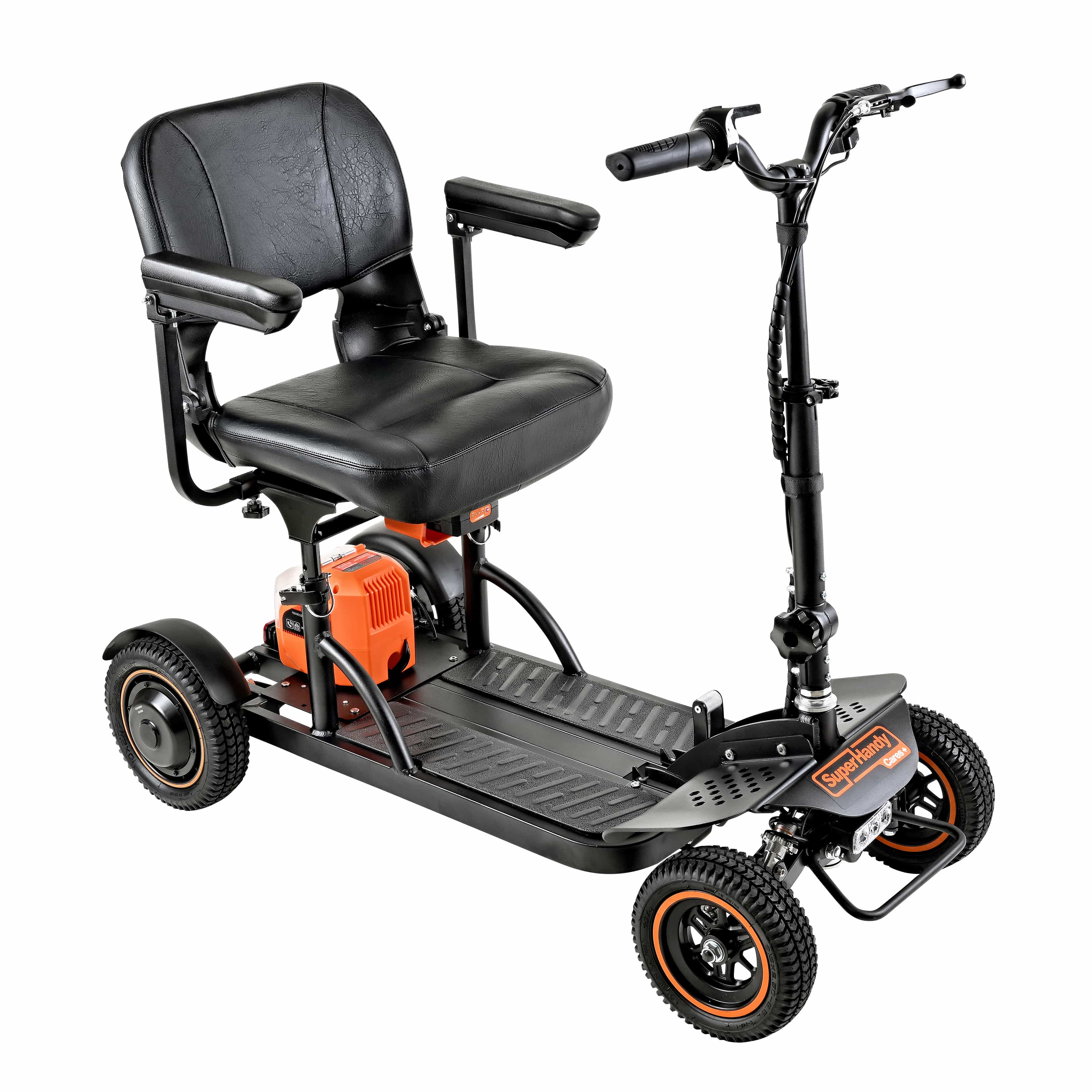
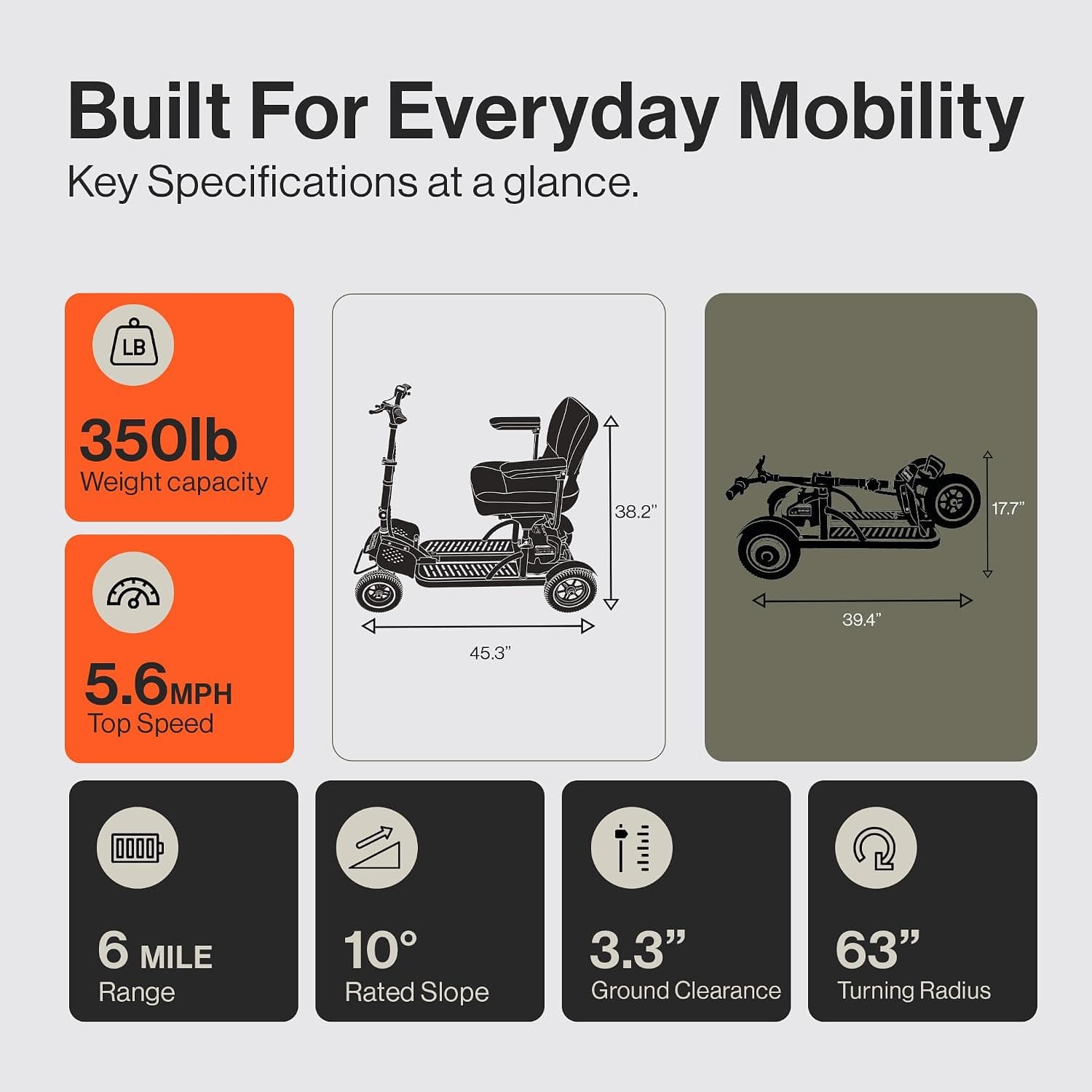
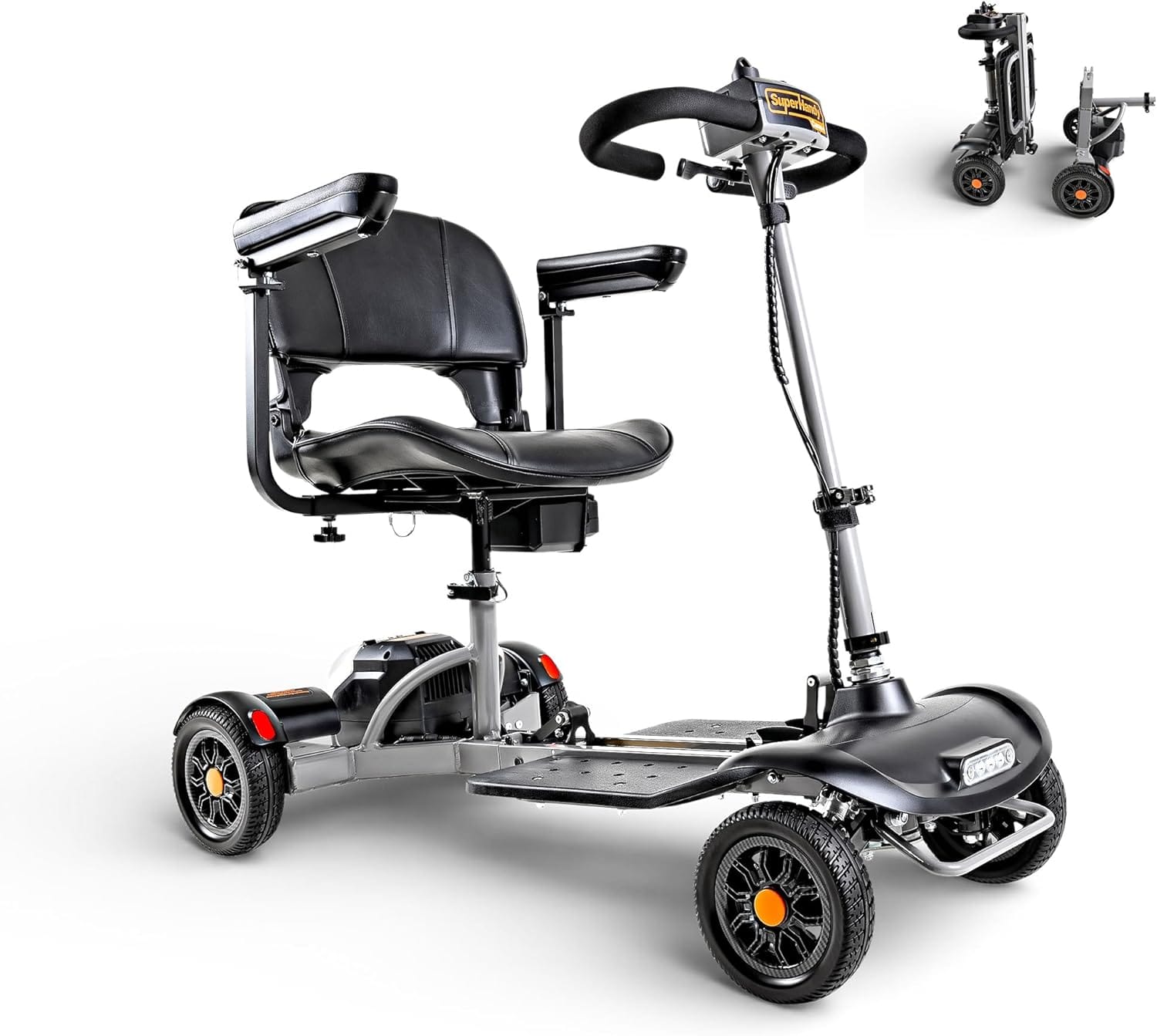
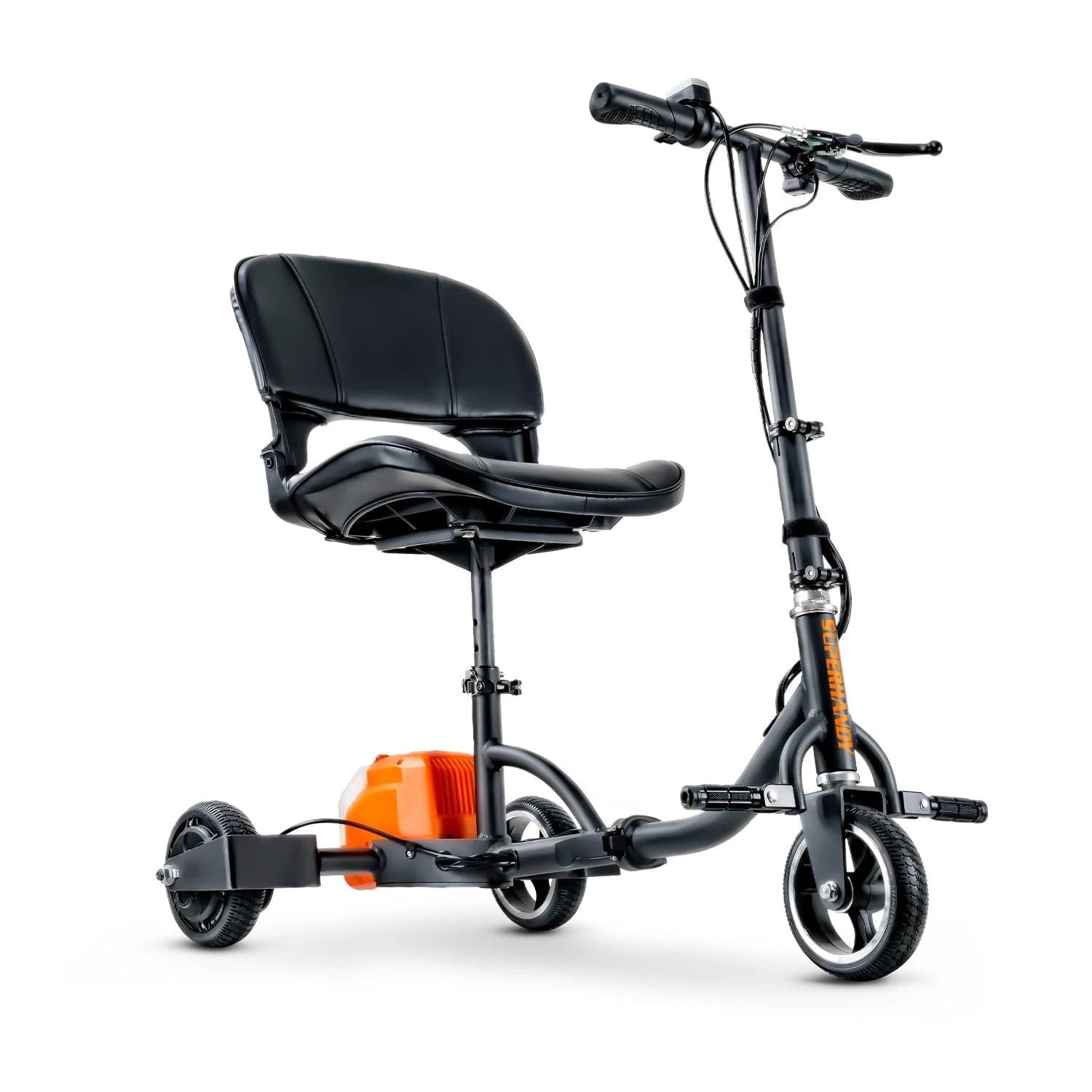
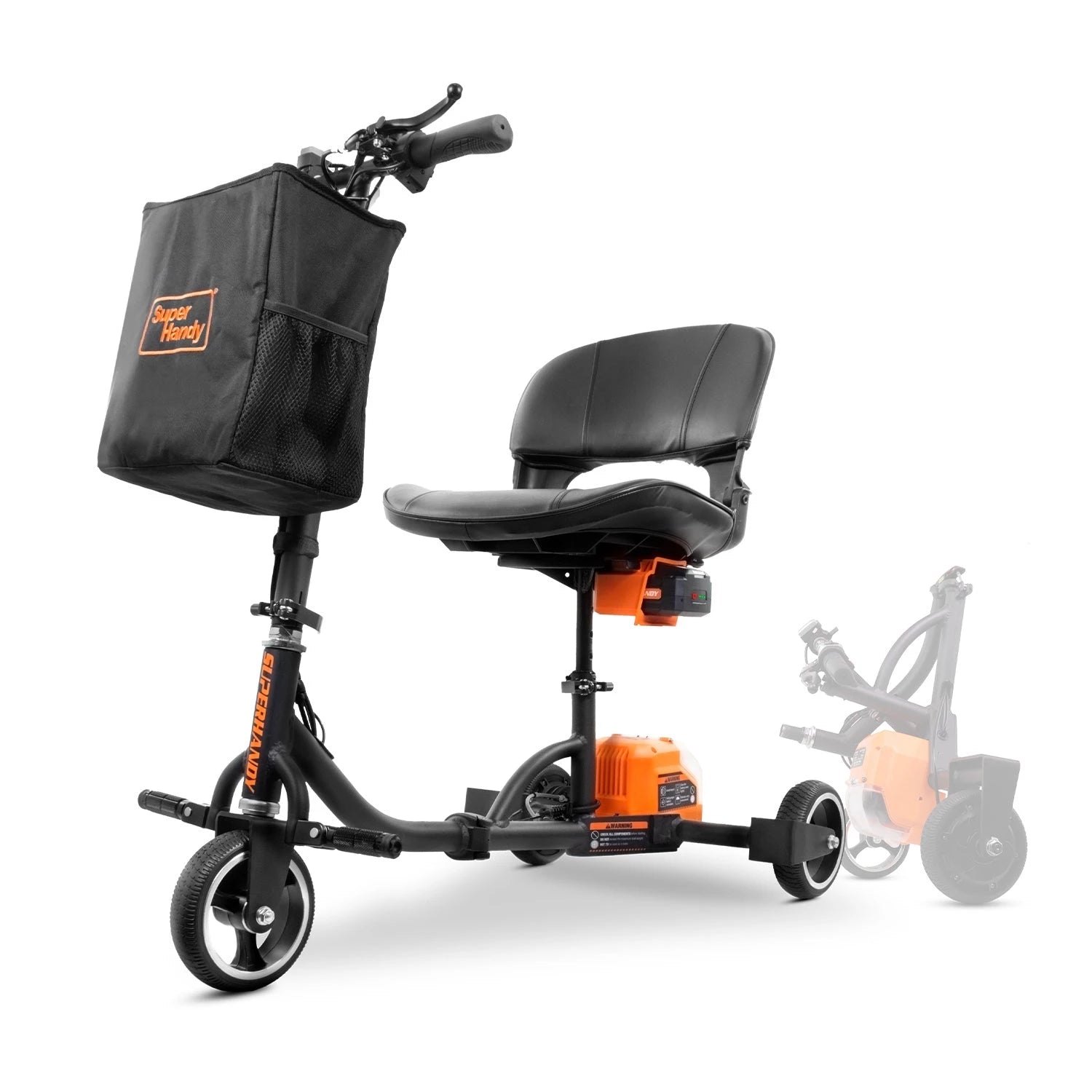
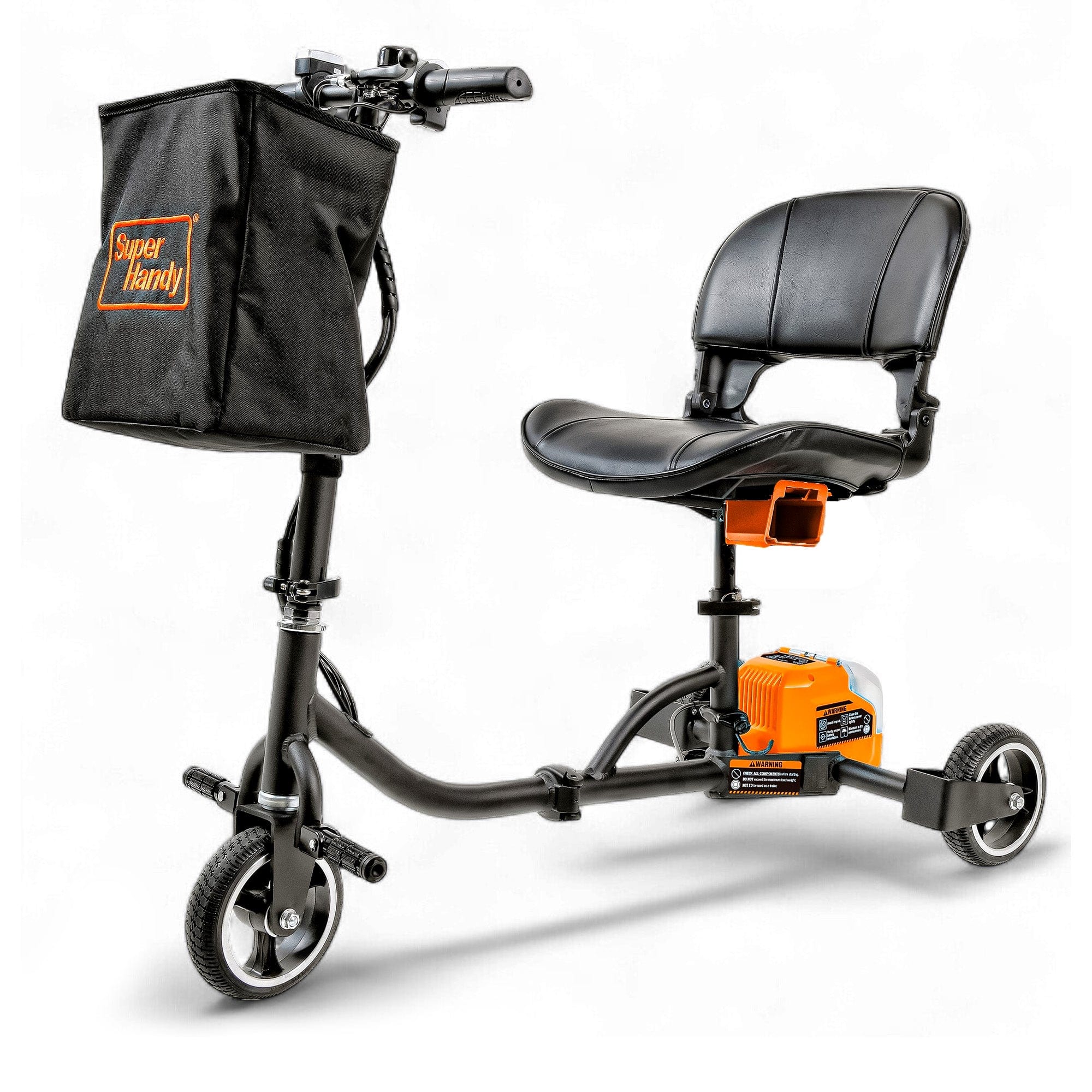
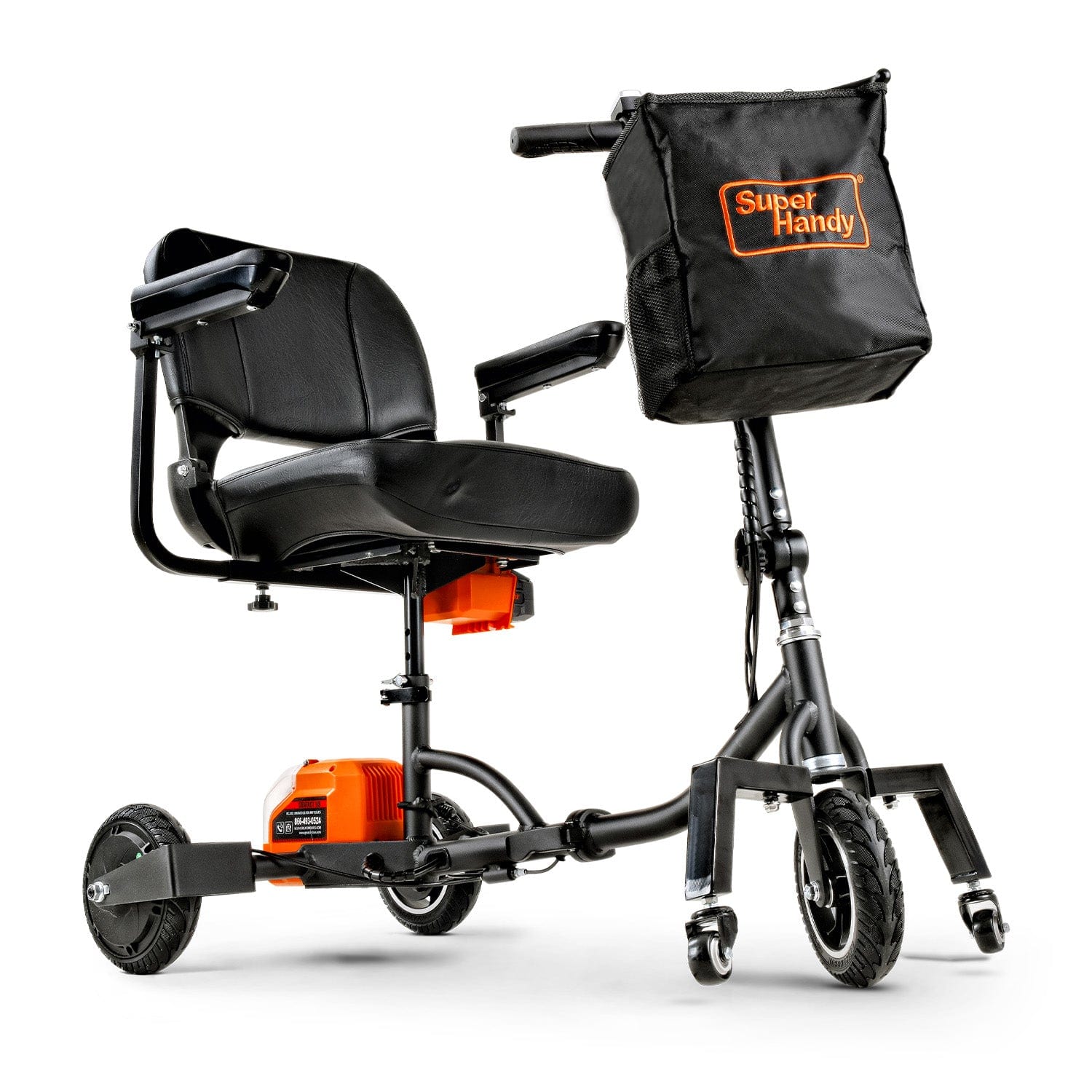
This trend extends to vehicles designed for accessibility and personal independence. A lightweight, foldable Mobility Scooter offers a powerful and convenient solution for navigating everything from grocery store aisles to sprawling parks, providing a level of freedom that shared, one-size-fits-all devices simply can't match. The key takeaway is personalization; the future isn't about one perfect vehicle, but about having the right vehicle for your specific journey.
The Environmental Impact: How Electric Scooters Contribute to Sustainable Cities
One of the most compelling arguments for embracing mobilized scooters and other personal electric vehicles is their potential to create greener, healthier cities. Their primary environmental benefit comes from replacing short car trips. Every time someone hops on a scooter for a two-mile errand instead of starting their car, it means a reduction in carbon emissions, less traffic congestion, and quieter streets. This is especially true for solving the "last-mile problem"—the gap between a public transit stop and a person's final destination. By providing an efficient and fun way to cover that last stretch, scooters encourage greater use of buses and trains, further reducing a city's overall carbon footprint.
Regulatory Challenges and Opportunities for Personal Transport
The rapid adoption of personal electric transport has often outpaced legislation, leading to a patchwork of rules that vary dramatically from one city to another. Municipalities are grappling with key questions: Where can scooters be ridden? What are the appropriate speed limits? Should helmets be mandatory? These regulatory hurdles can be complex, but they also present a critical opportunity. By working with mobility providers and community members, cities can create clear, consistent frameworks that enhance safety for both riders and pedestrians. Importantly, these regulations must also account for the diverse range of devices in use. Rules intended for recreational kick scooters may not be suitable for other personal mobility devices, and policies must align with federal standards, such as the ADA's mobility-device guidance, to ensure equitable access for all.
The User Experience: Comfort, Convenience, and Accessibility
The modern personal transport revolution isn't just about getting from point A to point B; it's about how you feel during the journey. Manufacturers are now prioritizing rider comfort with features like advanced suspension systems that absorb bumps, ergonomically designed seating for better posture and support, and adjustable handlebars to fit riders of all sizes. This focus ensures that a Mobility Scooter is not just a tool, but a comfortable extension of your personal freedom.
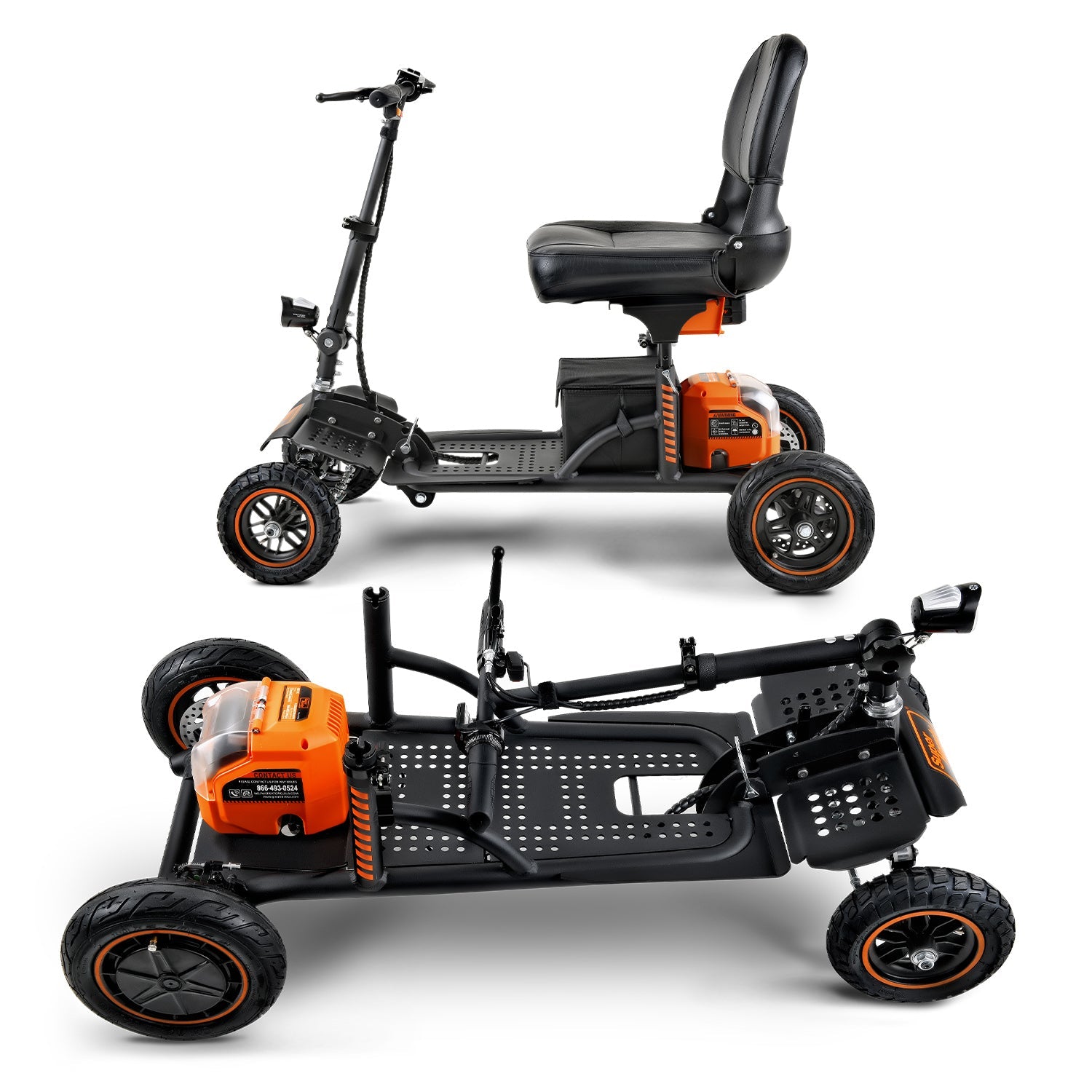
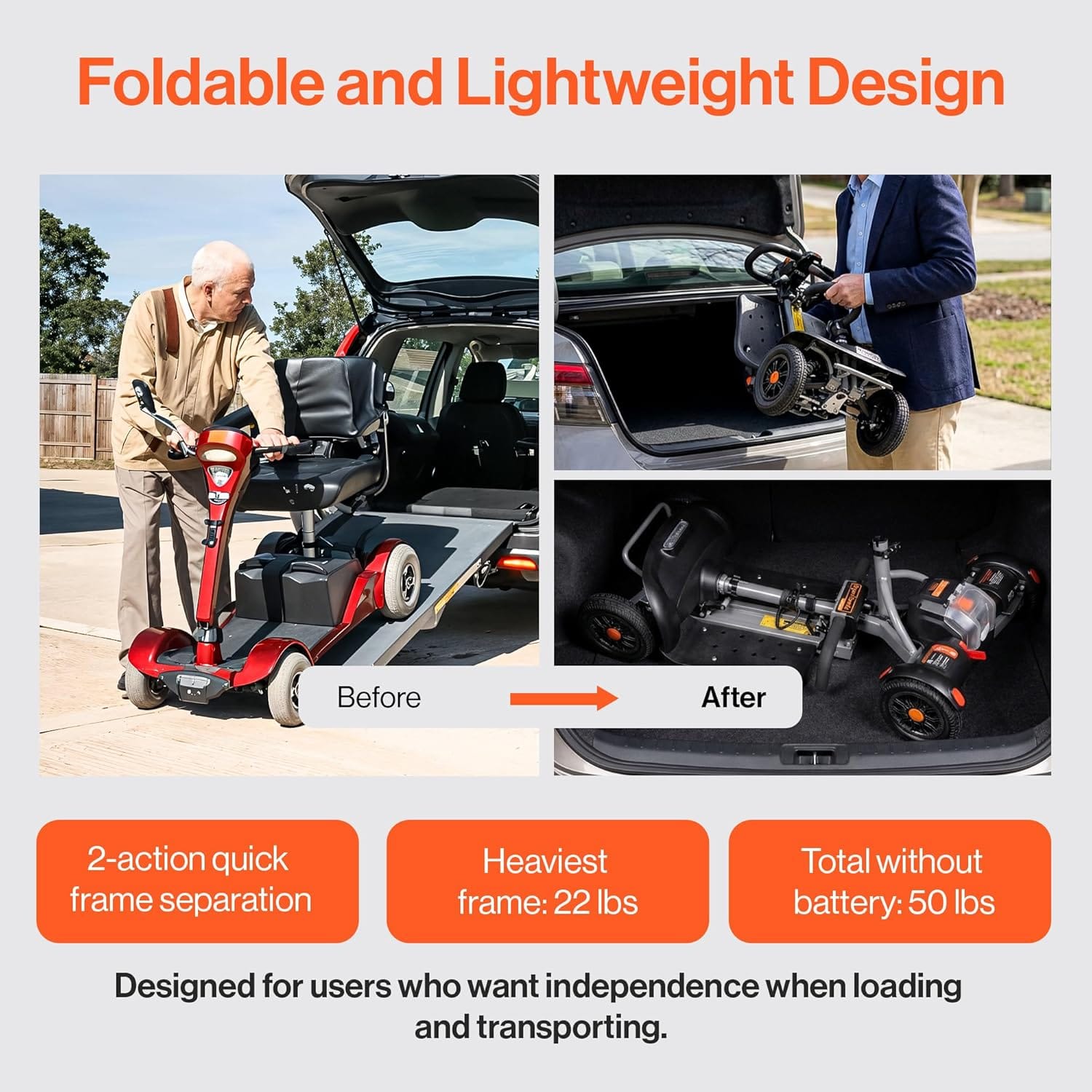
Convenience is another cornerstone of today's mobilized scooters. Gone are the days of bulky, cumbersome machines. Many new models are designed to be lightweight and foldable, allowing them to be easily stored in a car trunk, a closet, or under a desk. Paired with long-lasting, quick-charging batteries, these scooters are always ready for your next adventure, whether it's a quick trip to the store or a leisurely ride through the park.

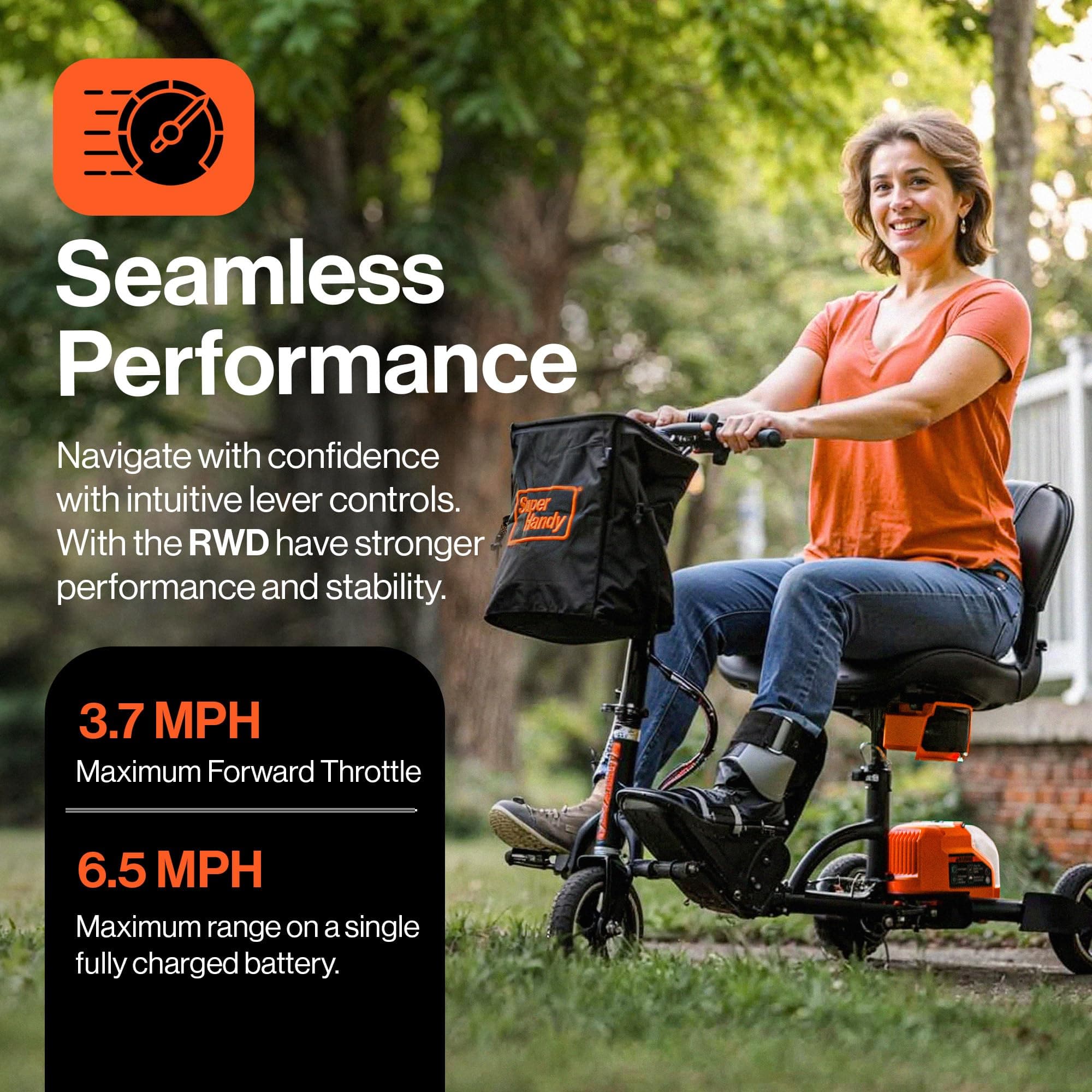
Perhaps the most significant impact is on accessibility. For individuals with mobility challenges, these devices are life-changing. A reliable mobility scooter offers a renewed sense of independence and the ability to engage with the community more freely. Regulations and guidelines, such as the ADA.gov mobility-device guidance, help ensure that people who use these power-driven mobility devices have access to public spaces, reinforcing their role as essential mobility aids. The evolution of mobility mobility scooters is breaking down barriers and empowering users to live more active, connected lives.
The Economic Implications: Cost-Effectiveness and Market Growth
Beyond the personal benefits, mobilized scooters present a compelling economic advantage. The total cost of ownership is significantly lower than that of an automobile. Charging an electric scooter costs mere pennies compared to filling a gas tank, and maintenance is typically minimal, often limited to tire care and occasional brake adjustments. For many, this cost-effectiveness makes personal mobility an affordable reality rather than a luxury, reducing reliance on expensive public transport or personal vehicles for short-distance travel.
This combination of convenience, accessibility, and affordability is fueling explosive market growth. The global mobility scooter market is expanding rapidly, driven by several factors: an aging population seeking to maintain an active lifestyle, a growing urban population looking for efficient last-mile transport solutions, and a cultural shift towards sustainable and personal mobility. As technology improves and prices become even more competitive, the demand for these versatile vehicles is projected to continue its upward trajectory.
Future-Proofing Your Commute: What to Expect in the Next 5-10 Years
The future of personal transport is electric, intelligent, and highly personalized. In the next five to ten years, expect to see major leaps in battery technology, leading to significantly longer ranges and dramatically reduced charging times. The development of lighter, more powerful batteries will enable scooter designs that are both more robust and more portable than ever before.

Smart features will become standard. Imagine a scooter with integrated AI that can suggest the safest or most scenic routes, self-balancing technology for enhanced stability, and advanced obstacle-avoidance sensors. Connectivity with your smartphone and other smart devices will allow for remote diagnostics, anti-theft tracking, and customized performance settings. Modularity will also be key, allowing users to easily swap components like seats, storage baskets, and even battery packs to tailor their scooter for a specific task or trip.
Frequently Asked Questions
What are the key technological advancements driving the future of mobilized scooters? The primary drivers are advancements in battery technology, which are delivering longer ranges and faster charging in lighter packages. Additionally, the integration of smart features like GPS tracking, app connectivity, and AI-powered safety assists, along with the use of stronger, lightweight materials like carbon fiber and aluminum alloys, are pushing the industry forward.
How are electric scooters addressing safety concerns for riders and pedestrians? Modern scooters are being designed with safety as a priority. Key features include superior braking systems (like disc and regenerative brakes), powerful front and rear LED lights for high visibility, and more stable frame designs. On the software side, future innovations include smart speed limiters that adapt to local regulations and collision-avoidance sensors to protect both the rider and those around them.
What role will regulations play in shaping the future of personal mobility? Regulations will play a critical role in ensuring the safe and orderly integration of personal mobility devices into our communities. Clear rules regarding speed limits, where scooters can be ridden (bike lanes, streets, or sidewalks), and necessary safety equipment (like lights and reflectors) will provide clarity for users and ensure public safety. Thoughtful regulation will foster innovation and encourage wider adoption by creating a predictable and secure environment for everyone.
What are the key technological advancements driving the future of mobilized scooters?
The rapid evolution of mobilized scooters is fueled by a convergence of powerful technologies. At the core of this transformation is battery innovation. The shift from heavy lead-acid batteries to lighter, more energy-dense lithium-ion packs has dramatically increased range and reduced charging times. This allows riders to travel farther on a single charge and makes the scooters themselves more portable and manageable. Future advancements, such as solid-state batteries, promise even greater leaps in performance, safety, and lifespan.
Alongside battery improvements, motor technology has become significantly more efficient. Modern electric scooters predominantly use brushless DC hub motors, which are integrated directly into the wheel. These motors are not only powerful and quiet but also require minimal maintenance, enhancing the reliability and user-friendliness of the device. This efficiency translates to better acceleration and hill-climbing capabilities without sacrificing battery life.
Perhaps the most exciting frontier is the integration of smart, connected features. Many contemporary models now come equipped with IoT (Internet of Things) capabilities, allowing them to connect to a smartphone app. This connectivity unlocks a host of functions, from GPS tracking and anti-theft alarms to remote diagnostics and performance customization. Riders can monitor battery health, track their routes, and even adjust speed modes, creating a personalized and secure experience that was unimaginable just a few years ago. This level of sophistication is transforming the modern Mobility Scooter from a simple transport tool into a smart personal vehicle.
How are electric scooters addressing safety concerns for riders and pedestrians?
As scooter adoption grows, manufacturers are placing an unprecedented focus on safety. One of the most critical areas of improvement is in braking systems. Gone are the days of simple foot brakes. Today’s mobilized scooters often feature dual-braking systems, combining mechanical brakes (like disc or drum brakes) with electronic or regenerative braking. High-end models are even beginning to incorporate anti-lock braking systems (ABS), which prevent wheels from locking up during sudden stops and significantly reduce skidding risk on wet or uneven surfaces.
Visibility is another key safety pillar being addressed through advanced lighting. Modern designs incorporate powerful, integrated LED headlights and taillights that make the rider visible to cars and pedestrians from a distance. Many now also include deck lighting, ambient lights, and, most importantly, turn signals. These features communicate the rider’s intentions clearly, reducing ambiguity and the potential for collisions in busy urban environments.
Beyond electronics, fundamental design changes are enhancing stability and control. The trend toward larger, pneumatic (air-filled) tires provides better traction and shock absorption compared to older, solid-tire models. This, combined with sophisticated suspension systems on the front and rear wheels, creates a smoother and more stable ride, allowing riders to navigate potholes and rough pavement with greater confidence. These improvements are crucial for the entire category of mobility mobility scooters, ensuring they can handle diverse real-world conditions safely.
What role will regulations play in shaping the future of personal mobility?
Regulations are a critical and evolving piece of the personal mobility puzzle. Currently, the rules governing electric scooters vary dramatically from city to city and state to state, creating a confusing patchwork of laws regarding speed limits, helmet requirements, and where scooters are permitted to operate—on sidewalks, in bike lanes, or on the street. This inconsistency presents a challenge for riders and manufacturers alike.
In the coming years, we can expect a move toward greater standardization. Cities are increasingly recognizing mobilized scooters as a legitimate and valuable form of transportation and are working to integrate them more formally into urban infrastructure. This includes the development of dedicated micro-mobility lanes, designated parking zones, and clear legal frameworks that balance rider convenience with pedestrian and public safety.
A crucial aspect of this regulatory evolution will be the official classification of these devices. Government bodies are working to establish clear definitions that distinguish between recreational scooters, personal transport vehicles, and medical mobility aids. For example, federal guidance clarifies access rights for other power-driven mobility devices in public accommodations, which helps set a precedent for how different types of scooters are treated under the law. Clear, consistent regulations will ultimately foster a safer and more predictable environment, encouraging wider adoption and seamless integration into our transportation ecosystem.
Related Products


Leave a comment
All comments are moderated before being published.
This site is protected by hCaptcha and the hCaptcha Privacy Policy and Terms of Service apply.