



















The Evolution of Personal Electric Scooters: From Novelty to Necessity
Not long ago, electric scooters were seen as little more than recreational gadgets or futuristic novelties. Today, they have firmly established themselves as a vital part of our transportation landscape. This evolution from toy to tool has been rapid, driven by urban congestion, a growing desire for eco-friendly travel, and significant technological leaps. For many city dwellers, a mobilized scooter is the key to conquering the "last mile" of their commute—the tricky distance between a transit stop and their final destination. For others, these devices have become essential mobility aids, providing independence and the freedom to navigate their communities with ease. The modern Mobility Scooters of today are a testament to this shift, blending practicality with performance.
Key Technological Advancements Driving Scooter Innovation
The journey from a simple kick scooter with a motor to a sophisticated personal electric vehicle is paved with innovation. The mobilized scooters we see today are packed with technology that was unimaginable a decade ago. These advancements aren't just about making scooters faster; they're about making them smarter, safer, more reliable, and better integrated into our daily lives. The core areas driving this revolution include connectivity, battery science, advanced materials, and safety systems, all working in concert to redefine what a personal mobility scooter can do.
Smart Features: How Connectivity is Revolutionizing Scooter Use
One of the most exciting frontiers in scooter technology is the integration of smart, connected features. Modern mobility scooters are no longer isolated devices; they are part of a connected ecosystem, usually managed through a smartphone app. This connectivity unlocks a host of powerful capabilities that enhance both security and user experience.

Imagine being able to locate your scooter instantly with GPS tracking, a feature that provides peace of mind and a powerful anti-theft deterrent. Many smart scooters now come with integrated alarms that can be remotely activated. Beyond security, connectivity allows for a new level of personalization. Riders can use an app to check battery status, view ride history, run remote diagnostics to check for maintenance issues, and even customize performance settings like acceleration response and top speed limits. This digital link between rider and scooter transforms the vehicle into a personal, intelligent transport companion.
Battery Breakthroughs: Extending Range and Reducing Charge Times
The heart of any electric mobility scooter is its battery, and this is where some of the most significant progress has been made. Early models were often held back by heavy, inefficient lead-acid batteries that offered limited range and required lengthy charge times. The widespread adoption of lithium-ion battery technology has completely changed the game. These batteries offer far greater energy density, meaning they can store more power in a smaller, lighter package. This translates directly to longer travel ranges and more portable, manageable scooters.
Furthermore, advancements in Battery Management Systems (BMS) have made lithium-ion packs safer and more durable than ever. A sophisticated BMS constantly monitors cell temperature, voltage, and current to optimize performance, prevent overheating, and extend the battery's overall lifespan. Looking ahead, the industry is pushing toward even faster charging solutions and exploring next-generation technologies like solid-state batteries, which promise to deliver unprecedented range and safety, making "range anxiety" a thing of the past for scooter users.
Materials Science: Lighter, Stronger, and More Sustainable Scooters
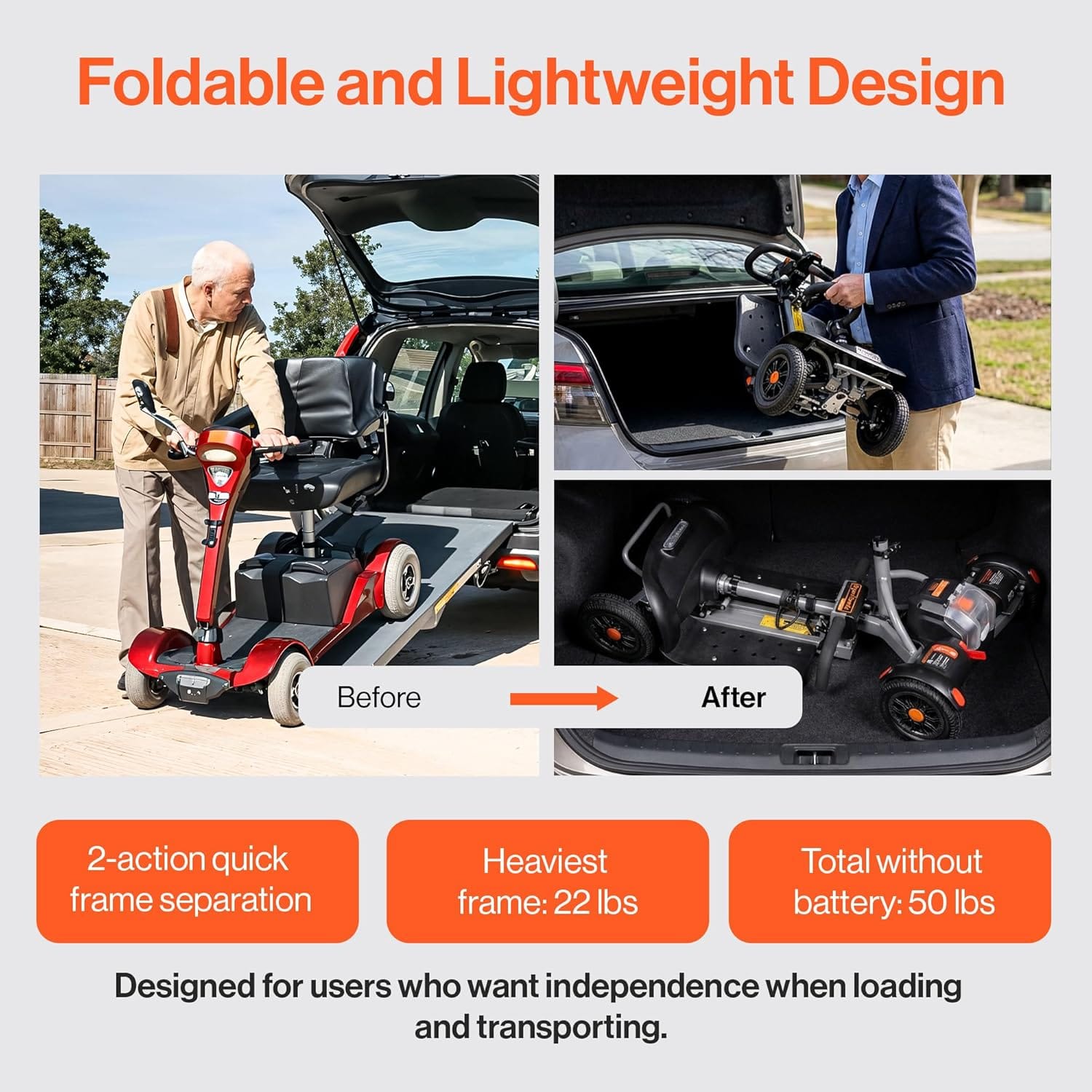
The very foundation of the modern mobility scooter is being rebuilt from the ground up. The heavy steel frames of the past are giving way to advanced materials that offer a superior blend of strength and low weight. Aerospace-grade aluminum alloys and carbon fiber composites are at the forefront of this revolution. These materials drastically reduce the overall weight of a scooter, making it easier for users to lift, transport, and store. This innovation isn't just about convenience; a lighter frame can also improve battery efficiency and extend range.
Beyond strength and weight, sustainability is becoming a critical factor in materials selection. Manufacturers are increasingly exploring the use of recycled metals, reclaimed plastics for body panels, and even bio-composites derived from natural fibers like flax and hemp. This shift not only reduces the environmental footprint of production but also resonates with a growing consumer demand for eco-friendly products. The future mobilized scooter won't just be easier to handle—it will be built with the planet in mind.
Safety Enhancements: Innovations for Rider Protection
As mobilized scooters become more advanced, rider safety remains the paramount concern. The next generation of safety features moves beyond basic horns and reflectors, incorporating active systems that help prevent accidents before they happen. Modern Mobility Scooters are being equipped with sophisticated anti-lock braking systems (ABS) to prevent skidding during emergency stops and advanced traction control to maintain grip on wet or uneven surfaces. Enhanced visibility is also key, with ultra-bright, adaptive LED headlights that adjust to ambient light and integrated 360-degree lighting with turn signals to ensure the rider is seen from all angles.
Furthermore, onboard gyroscopic sensors and stability control systems are making their way into scooter design. These systems can automatically correct for imbalances when navigating sharp turns, steep inclines, or bumpy terrain. These advancements are not just about technology; they're about confidence, ensuring riders can safely navigate the ramps, doorways, and varied environments they encounter in public. According to ADA.gov mobility-device guidance, access to public accommodations is a right, and these safety innovations empower users to exercise that right with greater security and peace of mind.
The Role of AI and Machine Learning in Scooter Performance and Safety
Artificial intelligence (AI) is transforming the mobility scooter from a simple transport device into a smart companion. By integrating AI and machine learning algorithms, scooters can now learn a user's habits to optimize performance and enhance safety. For example, an AI-powered battery management system can analyze your typical routes and riding style to provide hyper-accurate range predictions and suggest more efficient paths to conserve energy.
The most significant impact of AI will be in proactive safety. Future scooters will feature sensor suites—similar to those in modern cars—that use machine learning to detect obstacles, pedestrians, and potential hazards in real-time. This could trigger audible or haptic alerts for the rider or even automatically reduce speed to prevent a collision. AI will also enable predictive maintenance, where the scooter monitors the health of its own components and alerts the user when a part, like a brake pad or tire, needs service long before it fails.
Integration with Urban Infrastructure: Smart Cities and Scooter Networks
The future of personal mobility isn't just about the vehicle; it's about how it connects to the world around it. Mobilized scooters are poised to become integral components of smart city ecosystems. Through Vehicle-to-Everything (V2X) communication technology, scooters will be able to "talk" to traffic lights, public transit systems, and other vehicles. This connectivity could allow a scooter to request a longer signal at a crosswalk or receive an alert about an approaching emergency vehicle.
This integration will create a more seamless and efficient urban travel experience. Imagine dedicated mobility lanes where traffic flow is managed by a central network that communicates directly with your scooter to prevent congestion. In this vision, the personal mobility scooter is no longer an isolated device but a key node in a cohesive, intelligent transportation grid, making cities more accessible and easier to navigate for everyone.
The Rise of Shared Mobility: How Scooters Fit into the Ecosystem
The explosion of shared e-scooter services from companies like Lime and Bird has fundamentally changed the conversation around urban transport. Suddenly, city streets are filled with lightweight, app-activated scooters, offering a convenient solution for "last-mile" travel—the short journey from a public transit stop to a final destination. While these shared services cater to spontaneous, short-distance trips, they have played a crucial role in normalizing micro-mobility. This widespread adoption has indirectly benefited the world of personal Mobility Scooters, as the public becomes more accustomed to seeing and interacting with small electric vehicles. However, their purpose remains distinct: while a shared scooter is about convenience, a personal mobility scooter is about consistent, reliable freedom and independence.
Regulatory Landscape: Navigating the Rules for Future Scooter Use
The rapid rise of shared scooters often outpaced local legislation, leading to a patchwork of rules regarding speed, parking, and sidewalk use. Cities are still grappling with how to integrate these services safely and effectively. In contrast, personal mobility scooters often fall under a different and more established regulatory category. Unlike shared e-scooters, which are often regulated like bicycles or mopeds, personal mobilized scooters used by individuals with mobility needs are frequently subject to different rules, such as those outlined by the Americans with Disabilities Act for access to public spaces. The future challenge for lawmakers will be to create a clear, cohesive framework that distinguishes between recreational, commuter, and accessibility devices, ensuring safety and access for all users.

Environmental Impact: Assessing the Sustainability of Electric Scooters
One of the most compelling arguments for the mobilized scooter is its potential to offer a greener alternative to gas-powered vehicles. For short trips and daily errands, an electric mobility scooter produces zero tailpipe emissions, contributing to cleaner air in urban and suburban environments. However, a complete assessment of their environmental impact must consider the entire lifecycle. This includes the carbon footprint of manufacturing, the sourcing of materials for batteries like lithium and cobalt, the electricity used for charging, and the scooter’s end-of-life disposal. The future of sustainable mobility hinges on innovations in these areas, including more ethical battery sourcing, recycling programs, and the use of renewable energy for charging.
Addressing Rider Concerns: Durability, Maintenance, and Longevity
For anyone relying on a mobility scooter for daily independence, durability isn't a luxury—it's a necessity. Potential riders often express valid concerns: Will the frame hold up to daily use? Is the battery reliable? What happens if something breaks? Forward-thinking manufacturers are addressing these concerns head-on by investing in higher-quality materials and engineering. This includes designing scooters with robust steel frames, implementing puncture-proof tires, and using long-lasting, efficient brushless motors. The focus is shifting from disposable convenience to long-term value, emphasizing designs that are not only durable but also easier to maintain and repair. As technology advances, riders can expect their mobility mobility scooters to become more resilient and dependable, offering peace of mind and a solid return on investment.
The Future Rider Experience: Personalization and Enhanced Comfort
The evolution of mobilized scooters is moving beyond simple transportation to create a truly rider-centric experience. The future isn't just about getting from point A to B; it's about how you feel during the journey. Personalization will be at the forefront, with mobile apps becoming the command center for your scooter. Imagine adjusting your ride profile with a single tap—switching from a battery-saving "eco" mode for long-distance cruising to a zippier "sport" mode for more responsive acceleration. These apps will also allow for customized settings like regenerative braking strength and even the color and pattern of integrated LED accent lights. For air travel, FAA PackSafe lists battery and handling rules for wheelchairs and mobility devices.
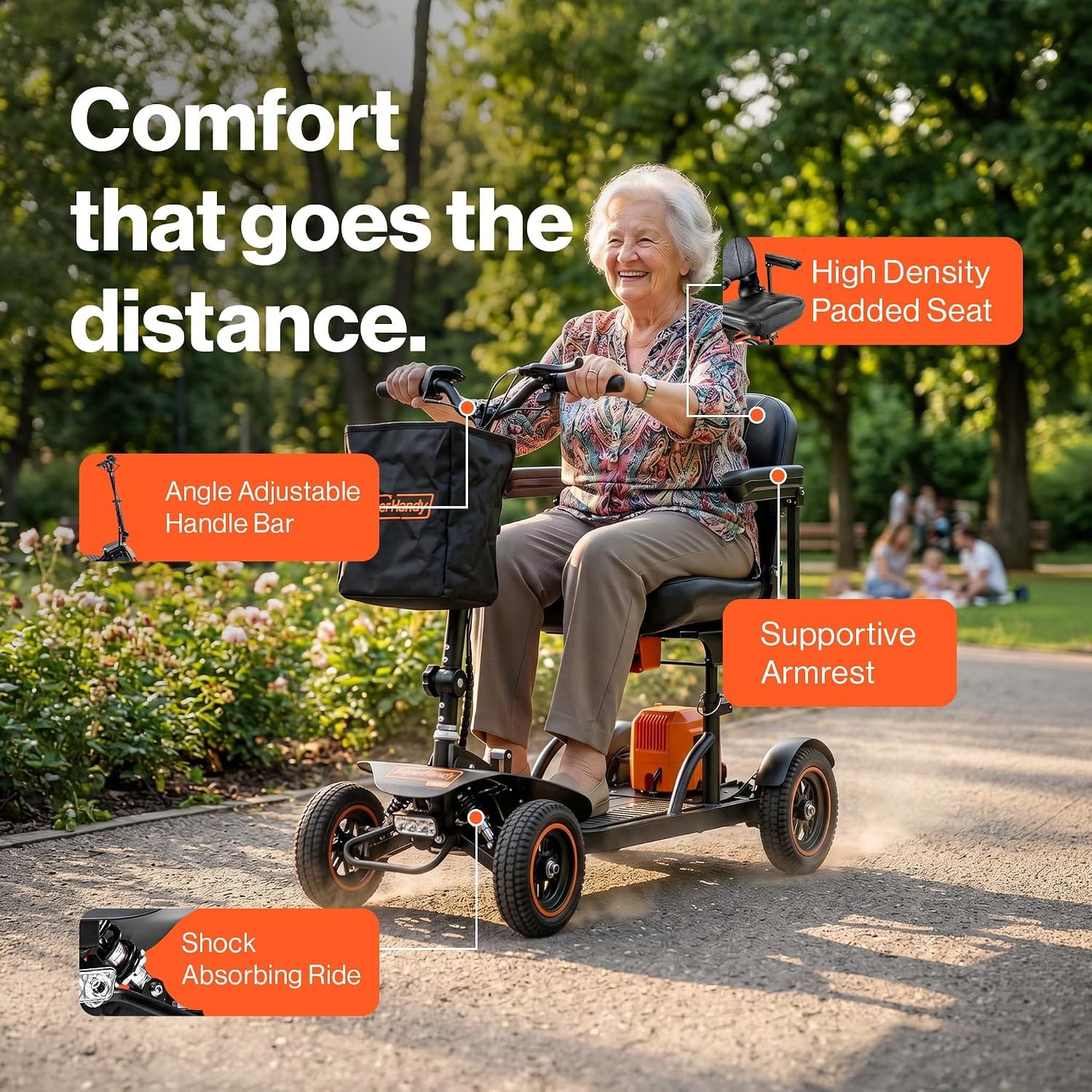
Comfort is also receiving a major upgrade. Future mobility scooters will feature advanced, adaptive suspension systems that automatically adjust to the terrain, smoothing out bumps from cracked pavement or uneven park trails for a remarkably fluid ride. Ergonomics will be hyper-personalized, with memory-function seats and handlebars that adjust to your saved preferences. We'll also see the integration of creature comforts once reserved for cars, such as heated seats and handgrips for cold-weather usability and even small, integrated fans for staying cool. While these features represent the future, the foundation of a comfortable and reliable ride is already available in today's high-quality Mobility Scooters.

Frequently Asked Questions About the Future of Scooter Mobility
As technology continues to accelerate, many people have questions about what's next for personal mobility. Here are answers to some common questions about the evolving world of mobilized scooters.
What are the most significant recent innovations in scooter technology?
The last few years have seen a convergence of several key technologies that are transforming the mobility scooter industry. The most significant innovations fall into four main categories:
-
Battery Breakthroughs: The shift toward higher-density lithium-ion batteries has been a game-changer. This has led to mobilized scooters that are not only lighter but also boast significantly longer ranges, drastically reducing "range anxiety" for riders. Paired with faster charging technology, users can spend more time on the move and less time tethered to an outlet.
-
Smart Connectivity: Modern mobility mobility scooters are becoming integral parts of the Internet of Things (IoT). Through Bluetooth and cellular connections, riders can use smartphone apps to track their scooter's location, receive maintenance alerts, run remote diagnostics, and activate anti-theft alarms. This connectivity enhances both security and the overall user experience.
-
Advanced Materials: Manufacturers are increasingly using materials like carbon fiber, aluminum alloys, and reinforced polymers. This allows for the construction of frames that are incredibly lightweight for easy transport and lifting, yet stronger and more durable than their predecessors. This innovation makes scooters more portable and resilient for daily use.
-
Enhanced Safety Systems: Rider safety is a top priority. Recent innovations include the integration of bright, energy-efficient LED lighting for 360-degree visibility, including headlights, tail lights, and built-in turn signals. Some high-end models are also beginning to incorporate proximity sensors and automatic braking systems to help prevent collisions.

What are the most significant recent innovations in scooter technology?
The last few years have seen a convergence of several key technologies that are transforming the mobility scooter industry. The most significant innovations fall into four main categories:
-
Battery Breakthroughs: The shift toward higher-density lithium-ion batteries has been a game-changer. This has led to mobilized scooters that are not only lighter but also boast significantly longer ranges, drastically reducing "range anxiety" for riders. Paired with faster charging technology, users can spend more time on the move and less time tethered to an outlet.
-
Smart Connectivity: Modern mobility mobility scooters are becoming integral parts of the Internet of Things (IoT). Through Bluetooth and cellular connections, riders can use smartphone apps to track their scooter's location, receive maintenance alerts, run remote diagnostics, and activate anti-theft alarms. This connectivity enhances both security and the overall user experience.
-
Advanced Materials: Manufacturers are increasingly using materials like carbon fiber, aluminum alloys, and reinforced polymers. This allows for the construction of frames that are incredibly lightweight for easy transport and lifting, yet stronger and more durable than their predecessors. This innovation makes scooters more portable and resilient for daily use.
-
Enhanced Safety Systems: Rider safety is a top priority. Recent innovations include the integration of bright, energy-efficient LED lighting for 360-degree visibility, including headlights, tail lights, and built-in turn signals. Some high-end models are also beginning to incorporate proximity sensors and automatic braking systems to help prevent collisions.
Related Products

Leave a comment
All comments are moderated before being published.
This site is protected by hCaptcha and the hCaptcha Privacy Policy and Terms of Service apply.