








Understanding the Scale of Green Waste: Why Traditional Disposal Methods Fall Short
Every year, homeowners, landscapers, and municipalities deal with massive quantities of yard trimmings, including branches, leaves, and brush. Traditionally, this green waste is either hauled to a landfill or burned. Both methods present serious environmental drawbacks. When organic matter is sent to a landfill, it gets buried under other trash, depriving it of oxygen. This leads to anaerobic decomposition, a process that releases methane—a potent greenhouse gas far more harmful than carbon dioxide. Curbside pickup programs can also be inefficient, involving fossil-fuel-burning trucks making frequent trips to collect bulky, space-consuming branches.
How Wood Chippers Transform Yard Debris into Valuable Resources
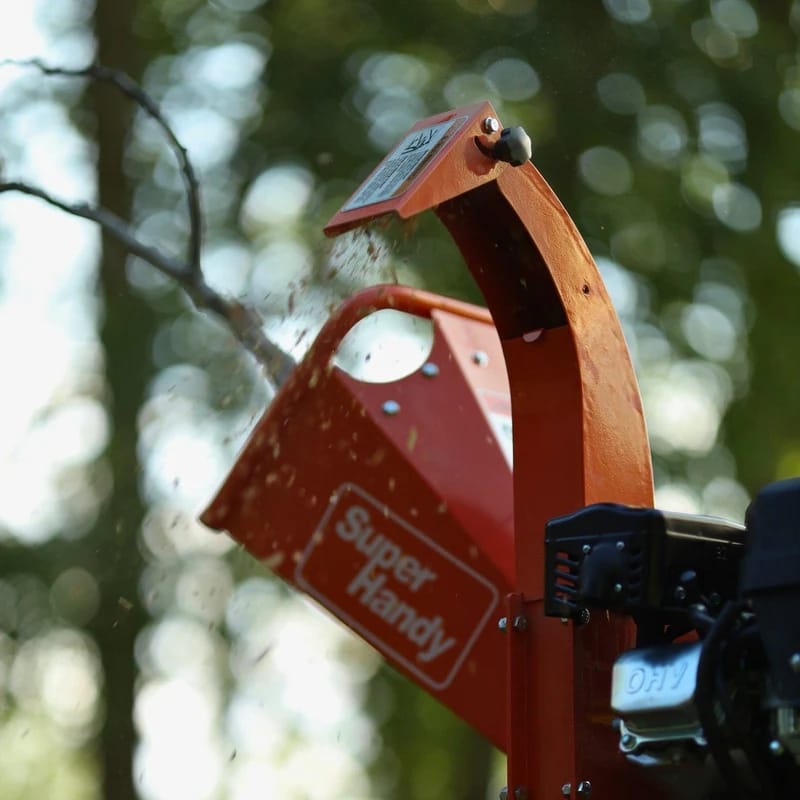
This is where a Wood Chipper changes the game. Instead of treating branches and brush as "waste," a chipper for wood reframes them as a raw material. By feeding yard debris into the machine, powerful blades rapidly break it down from bulky, unmanageable piles into a uniform and compact resource: wood chips. This simple mechanical transformation is the first step in unlocking a host of environmental benefits. The process is not just about reduction; it's about conversion. You are actively converting a disposal headache into a valuable asset for your property.
Reducing Landfill Burden: The Direct Environmental Impact of Wood Chipping
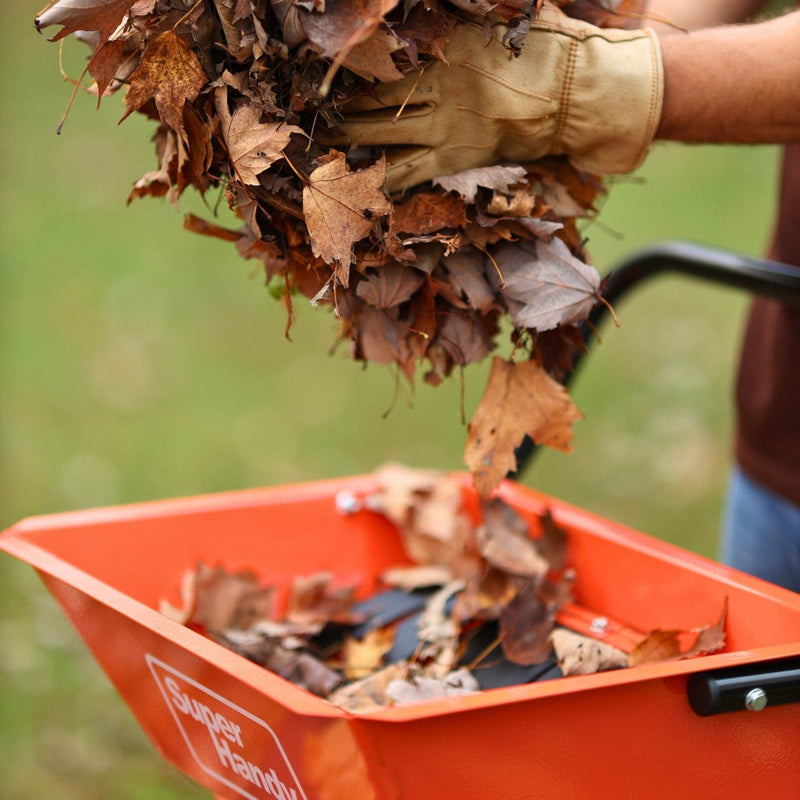
The most immediate environmental benefit of using a wood chipper is the diversion of organic material from landfills. Every branch you chip is a branch that won't contribute to methane emissions. By processing green waste on-site, you drastically reduce its volume by as much as 20:1, eliminating the need for large-scale transportation and disposal. A heavy-duty Wood Chipper can handle substantial debris, making it a practical tool for significantly shrinking your property's environmental footprint. This single action directly supports cleaner air and conserves precious landfill space.
The Power of Composting: Turning Wood Chips into Nutrient-Rich Soil
For any gardener or homesteader, compost is black gold. A healthy compost pile requires a balanced mix of "green" nitrogen-rich materials (like grass clippings and kitchen scraps) and "brown" carbon-rich materials. Wood chips are one of the best "brown" materials you can use. They provide the essential carbon that microorganisms need for energy, balance the moisture content of the pile, and create air pockets that promote healthy aerobic decomposition. Adding chips from a Wood Chipper to your compost bin prevents the pile from becoming a slimy, smelly mess and accelerates the creation of nutrient-rich humus that will improve your soil's structure, fertility, and water-holding capacity.
Mulching Magic: How Wood Chips Enhance Soil Health and Water Retention
Once your green waste has been processed by a Wood Chipper, you’re left with one of the most valuable resources for any garden or landscape: wood chips. Spreading a layer of these chips as mulch offers a cascade of benefits that go far beyond simple aesthetics. This organic blanket acts as a protective shield for your soil, drastically reducing water evaporation. This means you'll need to water your plants less frequently, conserving a precious resource and lowering your water bill.
Furthermore, mulch is a master of temperature regulation. It insulates the soil, keeping it cooler during hot summer days and protecting roots from frost in the winter. As an added bonus, a thick layer of wood chips effectively suppresses weed growth by blocking the sunlight they need to germinate, saving you hours of back-breaking labor. Over time, these chips slowly decompose, releasing vital organic matter and nutrients back into the earth, building a healthier, more resilient soil structure for years to come.
Reclaiming Space: Minimizing the Volume of Green Waste for Easier Management
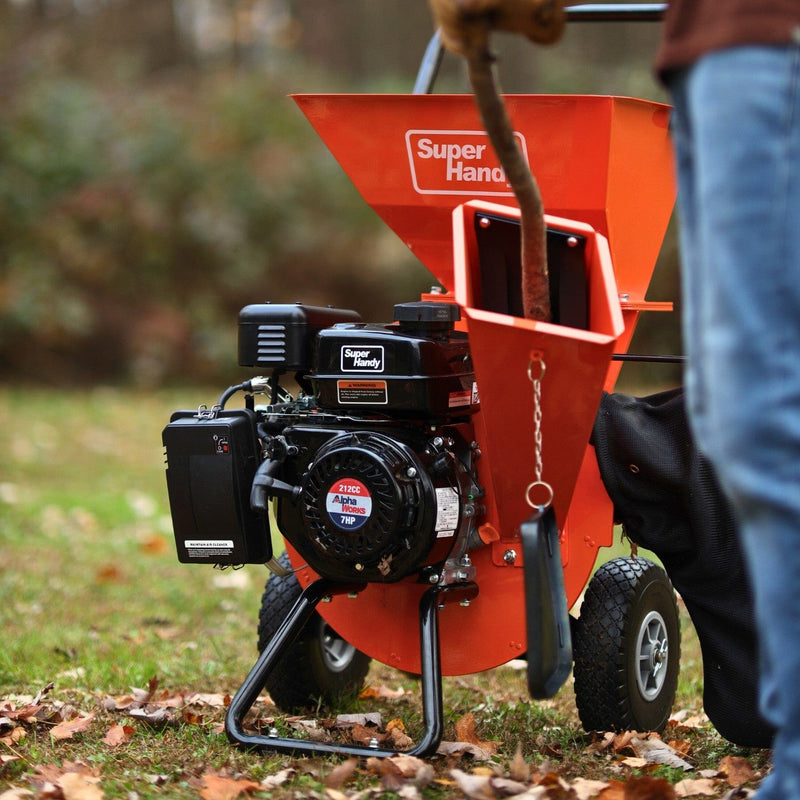
One of the most immediate and satisfying benefits of using a chipper for wood is the incredible volume reduction. A sprawling, unmanageable pile of branches, twigs, and leaves can be transformed into a neat, compact mound of chips. Depending on the type and dryness of the material, a wood chipper can reduce the volume of your green waste by a ratio of up to 20:1. Imagine twenty bags of yard debris condensed into a single bag of chips.
This dramatic reduction has significant practical advantages. It instantly reclaims valuable space in your yard or on your property. Instead of a massive brush pile that can be an eyesore and a fire hazard, you have a small, manageable pile of usable material. This also simplifies transportation. Whether you're moving the chips to a compost bin, spreading them on garden beds, or hauling them to a community garden, you'll be dealing with a fraction of the original bulk, saving time, fuel, and effort.
Energy from Waste: Exploring the Potential of Biomass and Wood Gasification
Beyond the garden, wood chips hold exciting potential as a renewable energy source. As a form of biomass, dried wood chips can be used as a carbon-neutral fuel for heating. Specialized furnaces and boilers are designed to burn wood chips efficiently, providing a sustainable way to heat homes, greenhouses, or workshops, especially for those with access to a large supply of wood.
A more advanced application is wood gasification. This process involves heating wood chips in a low-oxygen environment to produce a combustible gas mixture known as syngas. This syngas can then be used to power internal combustion engines to generate electricity or as a clean-burning fuel for heating and cooking. While gasification technology is more complex, it represents a forward-thinking approach to turning waste into energy, further closing the loop on sustainable green waste management and reducing reliance on fossil fuels.
Choosing the Right Wood Chipper: Factors for Efficient and Eco-Friendly Operation
Selecting the right Wood Chipper is crucial for maximizing its environmental and practical benefits. Your choice will depend on the scale and type of your green waste. Consider the power source: electric models are quieter and produce zero emissions, making them ideal for smaller, residential yards, while gas-powered units offer greater power and portability for tackling larger properties and thicker branches.
Pay close attention to the chipping capacity, which indicates the maximum diameter of the branches the machine can handle. For heavy-duty clearing of fallen trees and thick limbs, a robust machine like a Wood Chipper with a 4-inch capacity is essential. Also, look at the reduction ratio, as a higher ratio means finer chips, which are ideal for composting and quick decomposition. Finally, consider features like portability, wheel size, and the direction of the discharge chute to ensure the machine is easy to use and fits the specific layout of your property.
Best Practices for Safe and Effective Wood Chipper Usage
A wood chipper is a powerful tool that demands respect and proper handling. To ensure both safety and efficiency, always start by thoroughly reading your machine's user manual. Before each use, perform a quick inspection: check for loose bolts, damaged parts, and ensure all safety guards are securely in place. When operating the chipper, it is critical to wear the right personal protective equipment (PPE). According to the OSHA hand and power tool safety guidance, proper PPE is a first line of defense against workplace hazards, and for chipping, this includes safety glasses or goggles, heavy-duty gloves, and hearing protection.

Effective operation is just as important as safety. Feed branches and debris into the hopper steadily, allowing the machine to pull them in without forcing or overstuffing the inlet. Never use your hands to push material into the hopper; always use a long branch or a designated push paddle. For the best results, chip a mix of green and dry wood, as overly wet material can clog the machine, while exclusively dry, hard wood can wear down blades faster. Finally, always operate your chipper on level, stable ground to prevent it from tipping, and keep a clear zone of at least 15 feet around the machine to ensure bystanders remain at a safe distance.
The Economic Advantages of On-Site Green Waste Processing
Beyond the environmental benefits, processing green waste on-site with a Wood Chipper offers significant economic advantages. The most immediate saving comes from eliminating disposal costs. Many municipalities charge for yard waste pickup, and landscaping companies pay substantial tipping fees at landfills or composting facilities. By chipping waste where it's generated, you cut these recurring expenses from your budget entirely.
Furthermore, you are essentially creating a valuable commodity for free. Instead of paying for bags of mulch or compost at a garden center, you can produce your own high-quality, organic material. This not only saves you money but also gives you complete control over the quality of the resources you use on your property. For homeowners, this means a healthier garden at a lower cost. For businesses like landscaping or tree care services, it reduces material expenses and can even open up a new revenue stream by selling excess wood chips to clients.
Case Studies: Real-World Successes in Green Waste Management with Wood Chippers
The practical benefits of using a chipper for wood are best illustrated through real-world scenarios:
-
The Suburban Homestead: The Miller family, living on a one-acre wooded lot, used to spend hours bagging leaves and branches, paying for dozens of yard waste bags and special pickups each season. After investing in a compact Wood Chipper, they now process all their storm debris and seasonal prunings in a single afternoon. The resulting wood chips are used to mulch their extensive vegetable garden and flower beds, suppressing weeds and retaining moisture, saving them an estimated $400 annually on mulch and disposal fees.
-
GreenScapes Landscaping Co.: This small landscaping business was losing a significant portion of its profits to landfill tipping fees for the green waste collected from client properties. By adding a commercial-grade chipper to their equipment fleet, they turned a major expense into a profit center. They now offer clients a "mulch-in-place" service at a premium, or they haul the chips back to their facility to sell to other homeowners and gardeners, boosting their bottom line and enhancing their sustainable business credentials.
Addressing Common Concerns: Debunking Myths About Wood Chipping
Several misconceptions can deter people from adopting wood chippers. Let's address some of the most common myths.
-
Myth: Wood chippers are too dangerous for the average person.
-
Reality: While any power tool requires caution, modern chippers are designed with extensive safety features, including hopper guards, emergency stops, and narrow inlets that prevent accidental contact with the blades. By following the safety best practices outlined in the user manual, a responsible operator can use a chipper safely and effectively.
-
Myth: Fresh wood chips "rob" nitrogen from the soil.
-
Reality: This is a partial truth that is often misunderstood. When used as a top-layer mulch, the nitrogen-use from decomposition only occurs at the thin boundary where the chips meet the soil. This has a negligible effect on the root systems of established plants. The benefits of moisture retention, weed suppression, and temperature moderation far outweigh this minimal nitrogen draw. Avoid mixing large quantities of fresh chips into the soil, but feel confident using them on top.
-
Myth: It's just easier to haul waste away.
-
Reality: Consider the full process: gathering, bagging or loading, transporting, and unloading waste. This multi-step process is often more labor-intensive and time-consuming than it seems. A powerful chipper for wood can turn a massive brush pile into a small, manageable mound of useful chips in a fraction of the time, streamlining the entire cleanup process.
The Future of Green Waste Management: Innovations and Sustainability
The world of green waste management is rapidly evolving, moving away from the linear "take-make-dispose" model and toward a circular economy where every byproduct has value. The humble wood chipper is at the forefront of this shift, with exciting innovations making it an even more powerful tool for sustainability. We are seeing a significant move towards electrification, with battery-powered chippers offering a quieter, zero-emission alternative to traditional gas engines. These models are not only better for local air quality but also make yard work more pleasant for you and your neighbors. To maximize the eco-friendly advantage of these machines, proper battery maintenance is key, and following simple tips for extending the lifetime of lithium-ion batteries can ensure your equipment runs efficiently for years. Beyond power sources, we can expect to see "smart" chippers that use sensors to optimize engine speed and blade engagement, reducing energy consumption and maximizing output for every branch they process.
Frequently Asked Questions about Wood Chippers and Environmental Benefits
Navigating the world of green waste can bring up many questions. Here are answers to some of the most common queries about using a chipper for wood and its environmental impact.
Isn't it better to just let branches decompose naturally in a pile?
While natural decomposition is a valid process, it can be incredibly slow, take up significant space, and attract pests or plant diseases. A wood chipper dramatically accelerates this process. By increasing the surface area of the wood, it allows beneficial microbes to break down the material much faster, turning a bulky pile of branches into a manageable and useful resource for compost or mulch in a fraction of the time.
Do wood chippers use a lot of fuel or energy?
Any powerful machine consumes energy, but it’s crucial to look at the bigger picture. The fuel or electricity used to chip a large volume of branches on-site is significantly less than the energy required to haul that same bulky, unprocessed waste to a landfill—a process that involves heavy-duty trucks, long-distance travel, and landfill machinery. The environmental trade-off is overwhelmingly positive, especially when the resulting chips are used to sequester carbon back into your soil.
Can I put anything from my yard into a wood chipper?
No, it’s important to only process clean, woody materials. A Wood Chipper is designed for branches, limbs, and brush. You should never attempt to chip lumber that has been painted, stained, or pressure-treated, as the chemicals can contaminate your soil and release harmful toxins. Likewise, avoid feeding it materials like rocks, metal, plastic, or soil, which can damage the machine and ruin the organic quality of your chips.
Will using fresh wood chips as mulch make my soil too acidic?
This is a common myth. While very fresh wood chips can be slightly acidic, their effect on the overall pH of your soil is minimal and temporary, especially when applied as a top layer of mulch. As the wood decomposes, it neutralizes. The immense benefits of mulching—including moisture retention, temperature regulation, and weed suppression—far outweigh any minor, short-term change in soil acidity for most garden plants.
Empowering Sustainable Practices: Your Next Steps with Wood Chipper Technology
Adopting a wood chipper is more than just buying a new piece of yard equipment; it's a commitment to a more sustainable and self-sufficient lifestyle. By transforming your green waste from a problem into a resource, you actively reduce your contribution to landfills, decrease your carbon footprint, and build healthier, more resilient soil right in your own backyard. You are closing the loop on organic waste and becoming a direct participant in a healthier ecosystem.
If you're ready to make this powerful change, the first step is to assess your needs. Consider the volume of green waste your property generates and the typical diameter of the branches you need to process. From compact electric models for smaller suburban lots to powerful gas-powered units for larger acreages, there is a Wood Chipper designed to match your specific requirements. Taking control of your green waste is one of the most impactful steps you can take for your property and the planet, and a heavy-duty Wood Chipper can be your greatest ally in that effort.
Related Products


Leave a comment
All comments are moderated before being published.
This site is protected by hCaptcha and the hCaptcha Privacy Policy and Terms of Service apply.