




















Understanding the Evolution of Dolly Moving Systems
The journey of the car dolly mirrors the broader story of industrial innovation. It began with purely manual designs—basic steel frames that required immense physical effort to position and maneuver. While functional, these early dollies were labor-intensive, slow, and posed significant risks of operator strain and vehicle damage. The first major leap forward came with the introduction of motorized systems. This shift from purely manual labor to motorized assistance brought new considerations, aligning with broader industrial trends focused on OSHA hand and power tool safety guidance to mitigate workplace hazards. These early powered dollies reduced the physical burden but still demanded considerable operator skill for precise control.
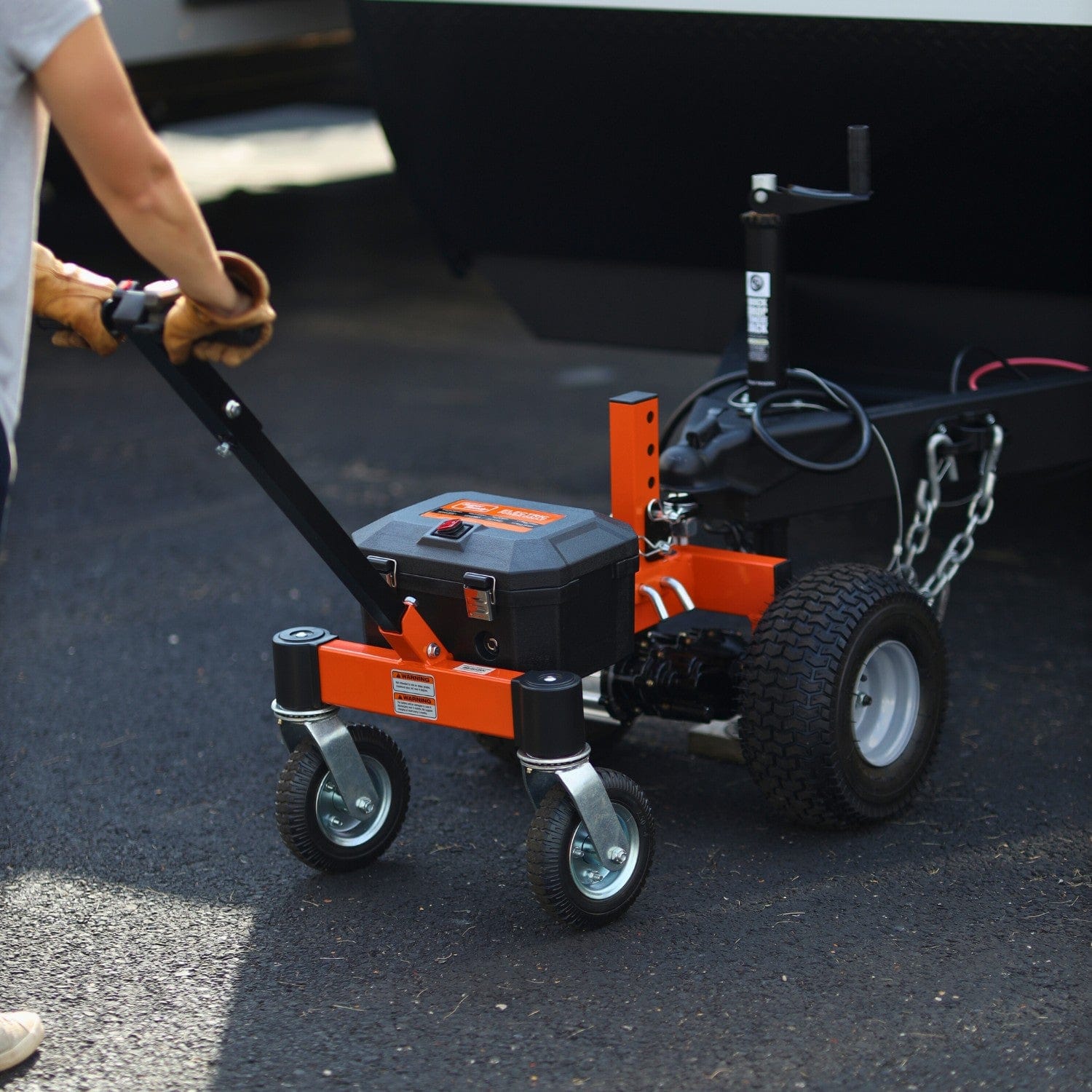
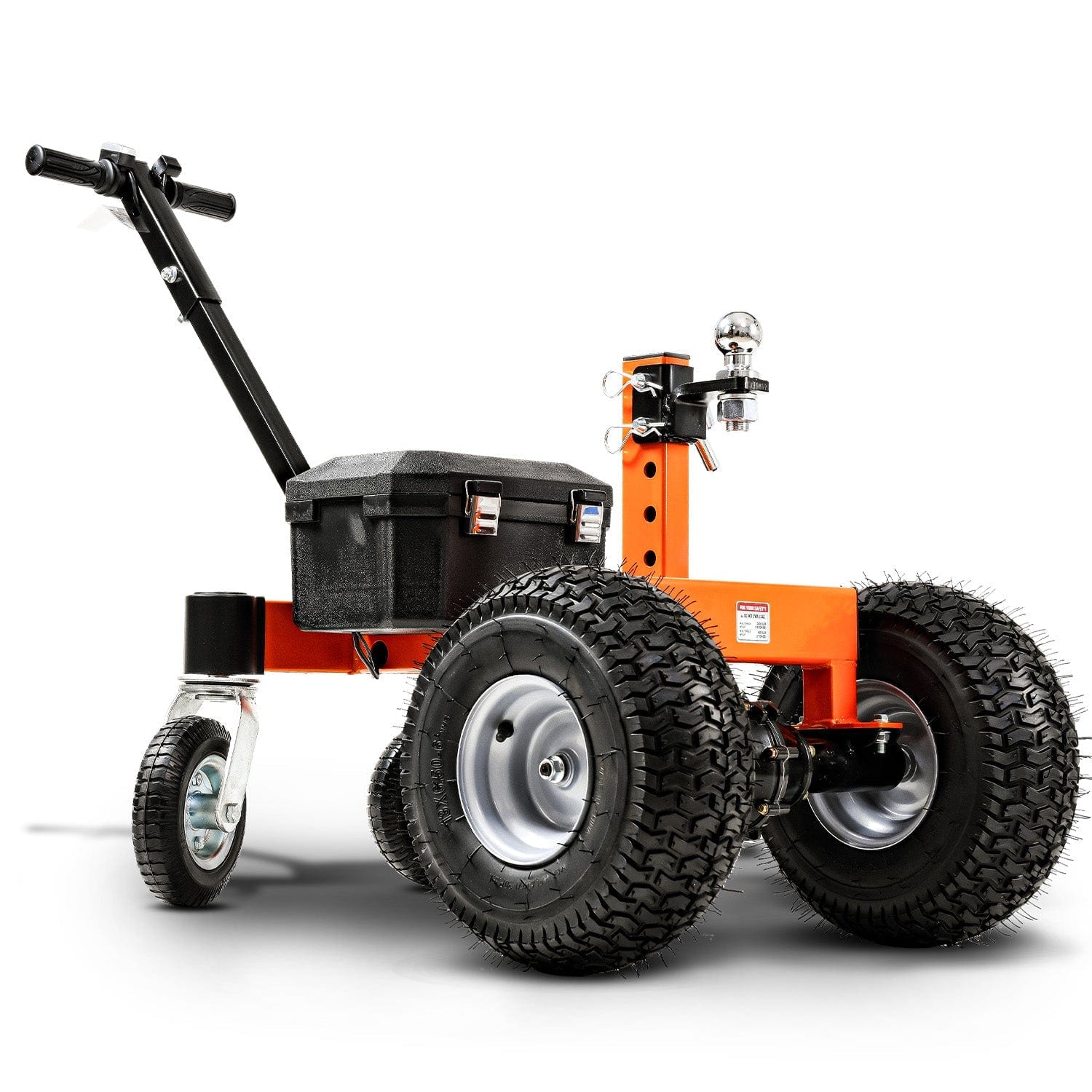
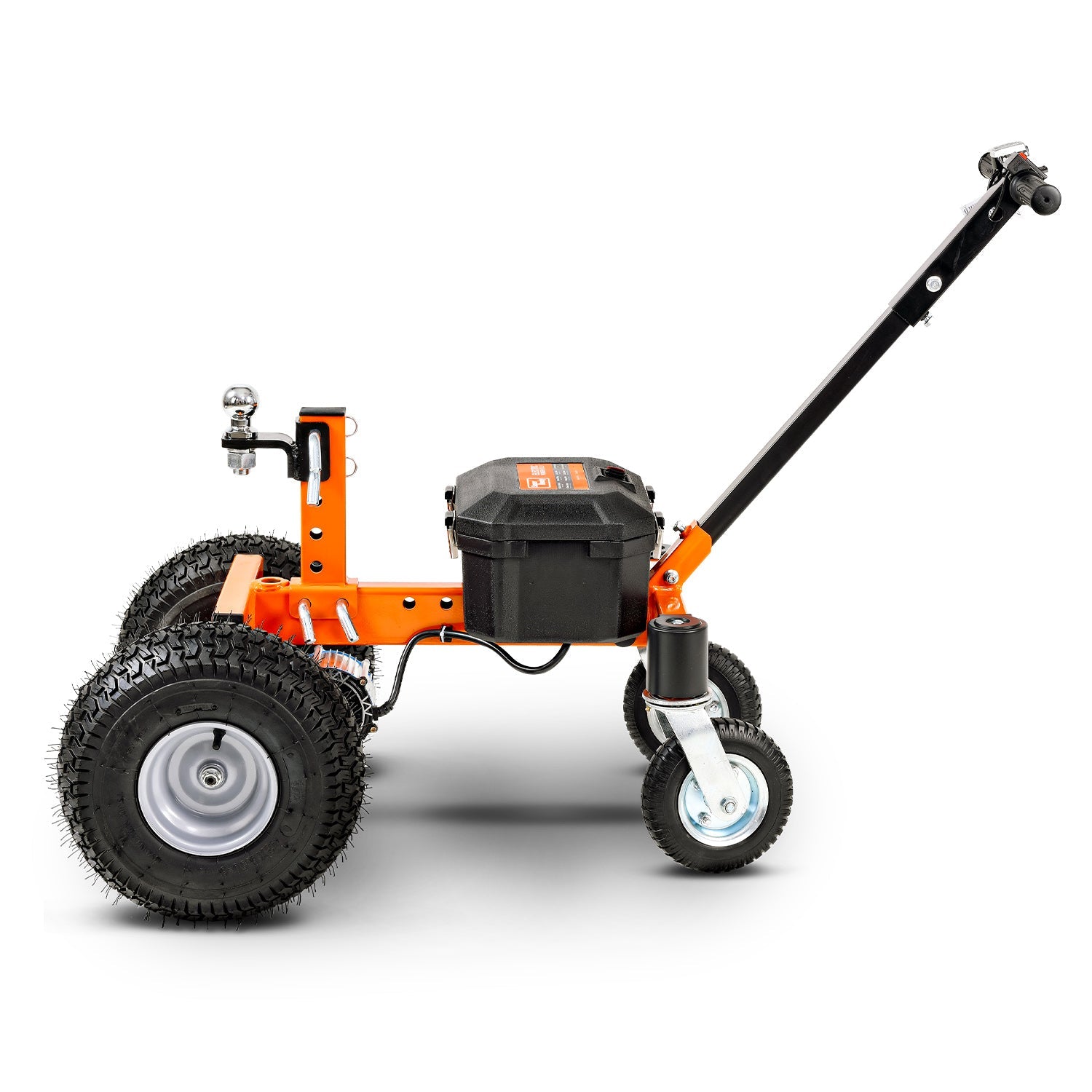
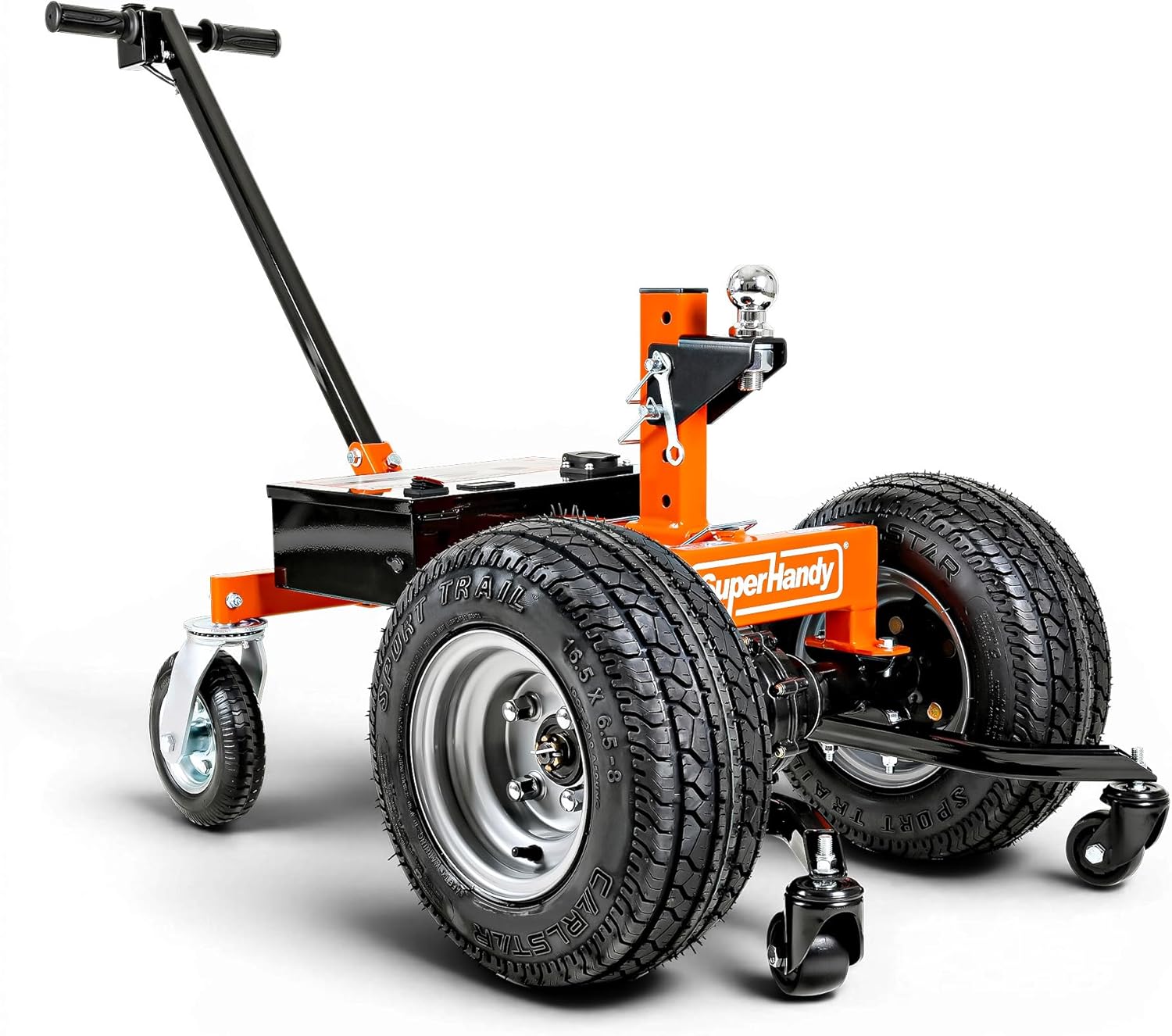
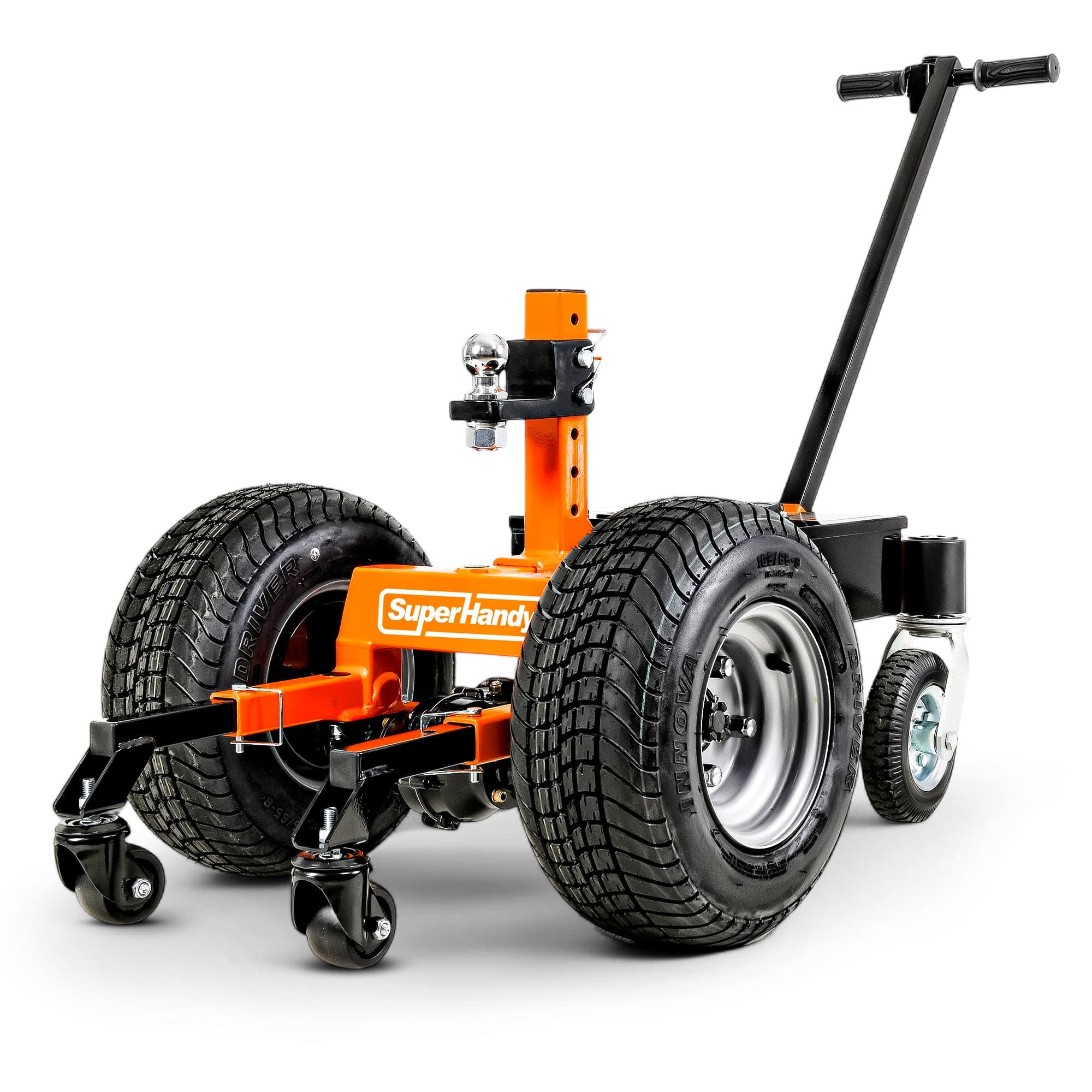
Today, we are in the era of intelligent, electric-powered systems. Modern Trailer Dollies feature advanced battery technology, intuitive controls, and robust drivetrains that provide exceptional power and maneuverability. With features like variable speed control and tight turning radii, a single operator can now move vehicles weighing several tons with fingertip precision, transforming a once-grueling task into a streamlined process.

How Advanced Dolly Technology Optimizes Fleet Management
For any business managing a fleet of vehicles, optimization is a constant pursuit. Advanced dolly technology offers a direct path to significant improvements across several key areas. Firstly, it dramatically enhances operational efficiency. Tasks that once required multiple staff members, such as reorganizing a showroom or moving a vehicle to a service bay, can now be accomplished by one person in a fraction of the time. This acceleration of internal logistics means faster vehicle turnaround, higher productivity, and a direct reduction in labor costs.
Secondly, these systems enable superior space optimization. Urban dealerships and high-volume storage lots are constantly battling for every square foot of space. The precision and tight maneuverability of modern dollies allow vehicles to be parked closer together, maximizing storage density without increasing the risk of bumps and scrapes. This ability to make better use of existing real estate can delay or eliminate the need for costly expansions. Finally, advanced dollies protect your most valuable assets—the vehicles themselves. The smooth, controlled motion minimizes the jolts and impacts common with manual moving, significantly reducing the risk of cosmetic damage and preserving the value of your fleet.
The Role of Automation and AI in Modern Dolly Operations
The next frontier in dolly moving is the integration of automation and artificial intelligence (AI), pushing efficiency and safety to unprecedented levels. The most advanced systems are now being equipped with a suite of sensors, including lidar and cameras, to provide 360-degree awareness. This enables semi-autonomous features like collision avoidance, where the dolly can automatically slow or stop if an obstacle is detected, protecting both the vehicle and surrounding personnel.
Looking further ahead, fully autonomous dollies are set to revolutionize large-scale operations. Imagine a vehicle manufacturing facility where AI-powered dollies autonomously transport newly assembled cars from the production line to the quality control station and then to the shipping yard. AI algorithms can optimize routes in real-time, coordinate the movement of dozens of dollies simultaneously to avoid traffic jams, and gather operational data to predict maintenance needs. This "smart" approach to dolly moving promises a future of near-zero downtime, minimal human error, and a seamlessly orchestrated flow of vehicles through any logistical environment.
Smart Dolly Systems: Enhancing Efficiency and Reducing Downtime
The leap from traditional dollies to smart systems marks a significant turning point in vehicle logistics. Smart dolly systems are integrated with IoT (Internet of Things) sensors and software, transforming a simple piece of equipment into a data-generating asset. These systems provide real-time information on location, usage status, and battery levels. For fleet managers, this means unprecedented visibility into their operations. Instead of reacting to breakdowns, they can use predictive maintenance alerts to service a car dolly before it fails, drastically reducing costly downtime. Furthermore, performance data helps optimize routes within a lot or facility, ensuring that every movement is as efficient as possible and that staff can locate and deploy equipment instantly.

Addressing Key Challenges in Vehicle Logistics with Innovative Dollies
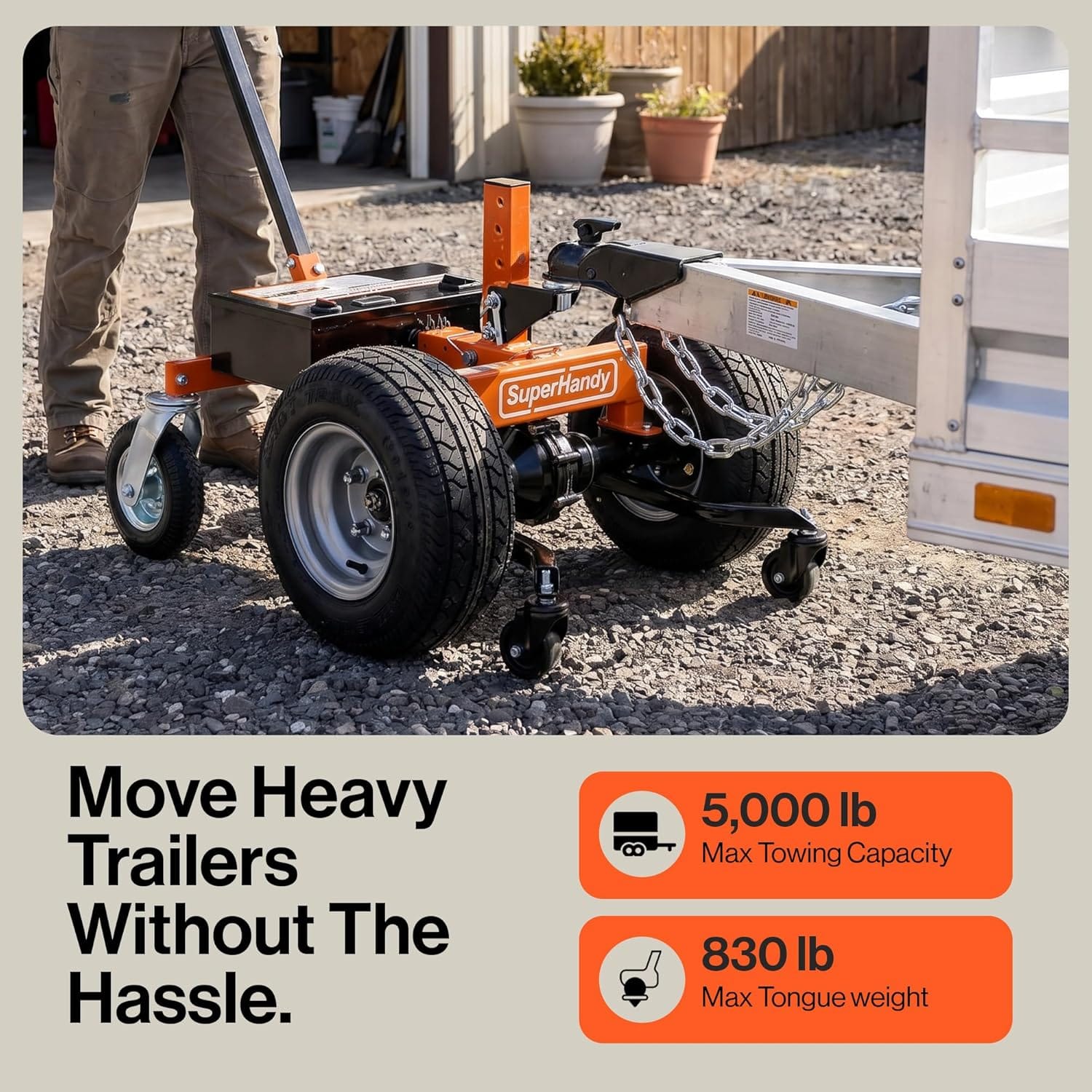
Modern vehicle logistics faces persistent challenges, including labor shortages, the risk of vehicle damage, and the need to operate in confined spaces. Innovative dolly moving technology directly addresses these issues. For instance, the physical strain of manually maneuvering heavy vehicles is a major barrier to entry and a source of workplace injuries. Electric-powered Trailer Dollies eliminate this strain, allowing a single operator to move thousands of pounds with precision and minimal effort. Their compact design and tight turning radius are suitable for navigating crowded service bays, auction lots, or manufacturing floors where space is at a premium. This enhanced maneuverability also minimizes the risk of accidental bumps and scrapes, protecting valuable vehicle inventory.
The Impact of Electrification on Dolly Moving Equipment
Electrification is arguably the most transformative trend in automotive car dollies and moving equipment. Shifting from manual or gas-powered models to electric-powered systems offers a multitude of benefits. Electric dollies produce zero onsite emissions, making them ideal for indoor use in showrooms, workshops, and storage facilities without compromising air quality. They also operate with near-silent motors, reducing noise pollution in the workplace. The power source for these advanced machines is typically a high-capacity lithium-ion battery pack. To maximize the operational life of this crucial component, it's important to follow best practices, such as avoiding extreme temperatures and not leaving the battery fully discharged for long periods, which aligns with general tips for extending the lifetime of lithium-ion batteries. This transition not only boosts sustainability but also lowers operating costs by eliminating fuel expenses and reducing maintenance needs.
Safety Innovations in Next-Generation Dolly Technology
As dolly moving systems become more powerful, safety becomes an even greater priority. Next-generation dollies are being engineered with advanced safety features designed to protect both the operator and the vehicle. Automatic braking systems are a critical innovation, preventing uncontrolled movement on inclines or ramps. Many models now include overload sensors that alert the user if the vehicle's weight exceeds the dolly's rated capacity, preventing equipment failure and potential accidents. Ergonomics have also seen significant improvement, with adjustable handles and intuitive controls that reduce operator fatigue and the risk of repetitive strain injuries. Features like integrated LED lighting for better visibility in low-light conditions and prominent emergency stop buttons provide additional layers of security, ensuring that operations can be halted instantly if a hazard arises.
Cost-Benefit Analysis: Investing in Upgraded Dolly Moving Solutions
When evaluating the future of your vehicle logistics, upgrading your dolly moving equipment is a strategic investment, not just an expense. The initial outlay for advanced automotive car dollies may seem significant, but a thorough cost-benefit analysis reveals substantial long-term returns. On the cost side, you have the purchase price of the new equipment and the time allocated for staff training. However, the benefits quickly begin to outweigh these initial costs.
Financially, the advantages are multifaceted. Advanced dollies, especially electric and automated models, drastically increase operational efficiency, allowing a single operator to move vehicles that once required two or three people. This reduction in labor costs per move translates directly to your bottom line. Furthermore, enhanced maneuverability and safety features minimize the risk of accidental damage to vehicles, slashing repair expenses and potentially lowering insurance premiums. By reducing the physical strain on employees, these ergonomic tools also decrease the likelihood of workplace injuries and costly compensation claims, creating a safer and more productive environment.
Real-World Success Stories: Companies Leveraging Advanced Dolly Tech
Across the automotive industry, businesses are transforming their operations by adopting modern dolly moving technology. Consider a large-scale auto auction house that previously relied on manual methods to position thousands of cars for sale. By integrating powerful electric Trailer Dollies, they empowered a single employee to safely and quickly maneuver vehicles, cutting lot preparation time by over 40% and increasing their capacity for weekly sales.

In another case, a high-volume dealership service center faced constant bottlenecks due to limited space. They implemented a set of compact, heavy-duty car dollies that allowed technicians to effortlessly glide vehicles sideways into tight bays without starting the engine. This simple change maximized their floor space, improved workshop safety by reducing emissions, and increased the number of vehicles they could service daily. These examples highlight how the right dolly moving solution isn't just a tool but a catalyst for significant operational improvement and growth.
Preparing Your Operations for the Future of Dolly Moving
Adopting next-generation dolly technology requires more than just a purchase order; it demands a thoughtful integration strategy. To prepare your business, start by conducting a thorough assessment of your current vehicle handling processes. Identify key pain points—are you struggling with safety, speed, or space constraints? This analysis will help you pinpoint the features that matter most for your operation.
Next, develop a clear implementation plan. This should include reconfiguring workflows to maximize the new equipment's potential and, most importantly, prioritizing comprehensive staff training. New powered systems introduce different operational and safety considerations. Ensuring your team is proficient is essential for realizing efficiency gains and preventing accidents, a principle reinforced by OSHA hand and power tool safety guidance. Consider launching a pilot program with a few units to work out any kinks and gather operator feedback before committing to a facility-wide overhaul. This phased approach ensures a smoother, more successful transition into the future of vehicle logistics.
What are the primary benefits of using advanced dolly moving technology?
Investing in advanced dolly moving technology offers a range of compelling benefits that directly address the core challenges of modern vehicle logistics. The primary advantages include:
- Enhanced Efficiency and Productivity: Modern dollies, particularly electric models, enable faster and easier movement of vehicles with fewer personnel. This accelerates workflows in workshops, showrooms, and storage lots, allowing you to handle higher volumes.
- Improved Safety: By reducing the need for physical pushing and pulling, advanced dollies minimize the risk of musculoskeletal injuries for your staff. Features like automatic braking and precise controls also significantly lower the chance of accidental damage to vehicles.
- Superior Space Optimization: The ability to move vehicles with precision in any direction, even sideways, allows you to utilize tight spaces more effectively. This is invaluable in crowded service centers or storage facilities where every square foot counts.
- Reduced Long-Term Operational Costs: While there is an initial investment, the long-term savings from reduced labor hours, fewer workplace injuries, and less vehicle damage lead to a strong return on investment.
- Greater Versatility: Today’s automotive car dollies are designed to handle a wide variety of vehicle weights and sizes, from compact cars to light-duty trucks, providing a single, flexible solution for diverse operational needs.
How does automation impact the efficiency of dolly operations?
Automation transforms dolly operations from a labor-intensive task into a streamlined, efficient process. Traditional manual dollies rely entirely on human strength, leading to operator fatigue, inconsistent speeds, and the need for multiple personnel to move heavy vehicles or trailers. This physical demand not only slows down operations but also increases the risk of strain-related injuries and errors.
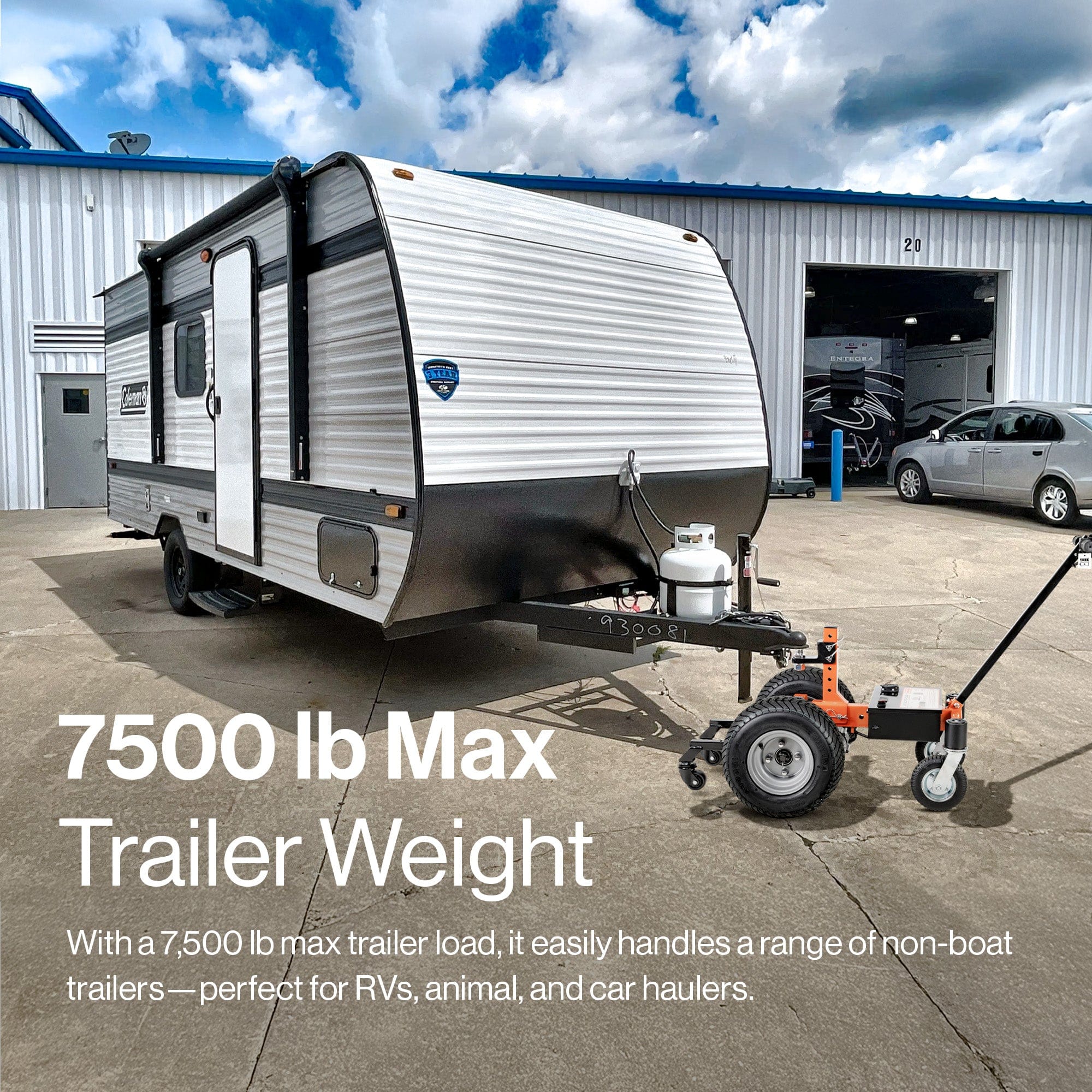
Automated and electric-powered dollies fundamentally change this dynamic. By introducing motorized power, these systems allow a single operator to move thousands of pounds with precision and minimal physical effort. This immediately boosts productivity by freeing up other team members for different tasks. Electric Trailer Dollies, for example, provide consistent torque and controlled acceleration, enabling faster and smoother repositioning of assets in a yard, workshop, or showroom. The result is a significant reduction in the time it takes to stage vehicles, clear service bays, or organize inventory, directly translating to higher throughput and lower operational labor costs.
What are the safety features to look for in new dolly systems?
When upgrading to modern automotive car dollies, safety features should be a top priority to protect both personnel and valuable assets. Outdated equipment often lacks the intelligent controls that prevent common accidents. Look for systems that incorporate advanced braking mechanisms, such as automatic electronic brakes that engage the moment the operator releases the throttle. This is crucial for preventing runaway loads, especially when operating on slight inclines.
Variable speed control is another essential feature. It gives the operator the ability to maneuver at a crawl for precise positioning in tight spaces or to move more quickly across open lots, ensuring they always have full command over the load. Furthermore, robust construction and overload protection sensors prevent the dolly from being used beyond its rated capacity, a common cause of equipment failure and accidents. Adhering to general hand and power tool safety guidance from OSHA, which includes proper training and regular equipment maintenance, complements these built-in features to create a holistically safe work environment. Ergonomically designed handles and intuitive controls also reduce operator fatigue, which is a key factor in maintaining focus and preventing mistakes during long shifts.
How can businesses measure the ROI of investing in new dolly technology?
Measuring the return on investment (ROI) for new dolly technology involves looking beyond the initial purchase price and quantifying gains in efficiency, safety, and productivity. A clear way to begin is by calculating direct labor savings. If a task that previously required two or three employees can now be performed by one, you can multiply the saved man-hours by your hourly labor cost to find a tangible saving.
Next, evaluate the impact on throughput. Track the number of vehicles or trailers moved per day or per shift before and after implementing the new technology. An increase in this metric means your operation can handle more volume, leading to greater revenue potential. For example, if a service center can move cars in and out of bays 20% faster, that allows for more service appointments each day.
Finally, consider the reduction in indirect costs. Modern dollies with advanced safety features and precise controls minimize the risk of accidental damage to vehicles, property, and most importantly, personnel. Tally the costs associated with workplace accidents, including worker compensation claims, equipment repairs, and vehicle damage. A decrease in these incidents represents a significant long-term financial benefit. By combining these savings and revenue gains and comparing them to the initial investment, a business can paint a clear picture of the powerful ROI that advanced dolly moving systems deliver.
Related Products

Leave a comment
All comments are moderated before being published.
This site is protected by hCaptcha and the hCaptcha Privacy Policy and Terms of Service apply.