













Why a Trailer Dolly is Essential for Safe Trailer Handling
Trying to muscle a heavy boat trailer, RV, or utility trailer into a tight spot is a recipe for frustration and potential disaster. It’s physically demanding and lacks precision. This is where a trailer dolly transforms the task from a struggle into a simple, controlled process. By providing a third wheel and a secure leverage point, a dolly allows a single person to guide a trailer with pinpoint accuracy, eliminating the back-and-forth guesswork of using a tow vehicle. It’s an indispensable tool for safely navigating tight corners, crowded garages, and sloped driveways with minimal effort.
Understanding the Risks of Manual Trailer Maneuvering
Attempting to move a trailer by hand, even for a short distance, is fraught with risk. The immense tongue weight can easily lead to severe back strain, hernias, or other musculoskeletal injuries. Without a proper grip and mechanical advantage, you risk losing control, which can result in a runaway trailer causing catastrophic damage to your vehicle, property, or—worst of all—injuring yourself or others. A sudden slip or uneven patch of ground can turn a simple repositioning task into a dangerous and costly accident. A dolly mitigates these risks by bearing the load and giving you complete command over the trailer’s movement.

Choosing the Right Trailer Dolly for Your Specific Needs
Selecting the correct dolly is crucial for both safety and performance. Rushing this decision can lead to equipment failure or an inability to move your load. Before you browse different models, consider these key factors:
- Weight Capacity: Your dolly must be rated for your trailer’s tongue weight, not its total weight. Always choose a dolly with a capacity that comfortably exceeds your trailer's tongue weight for a safe margin.
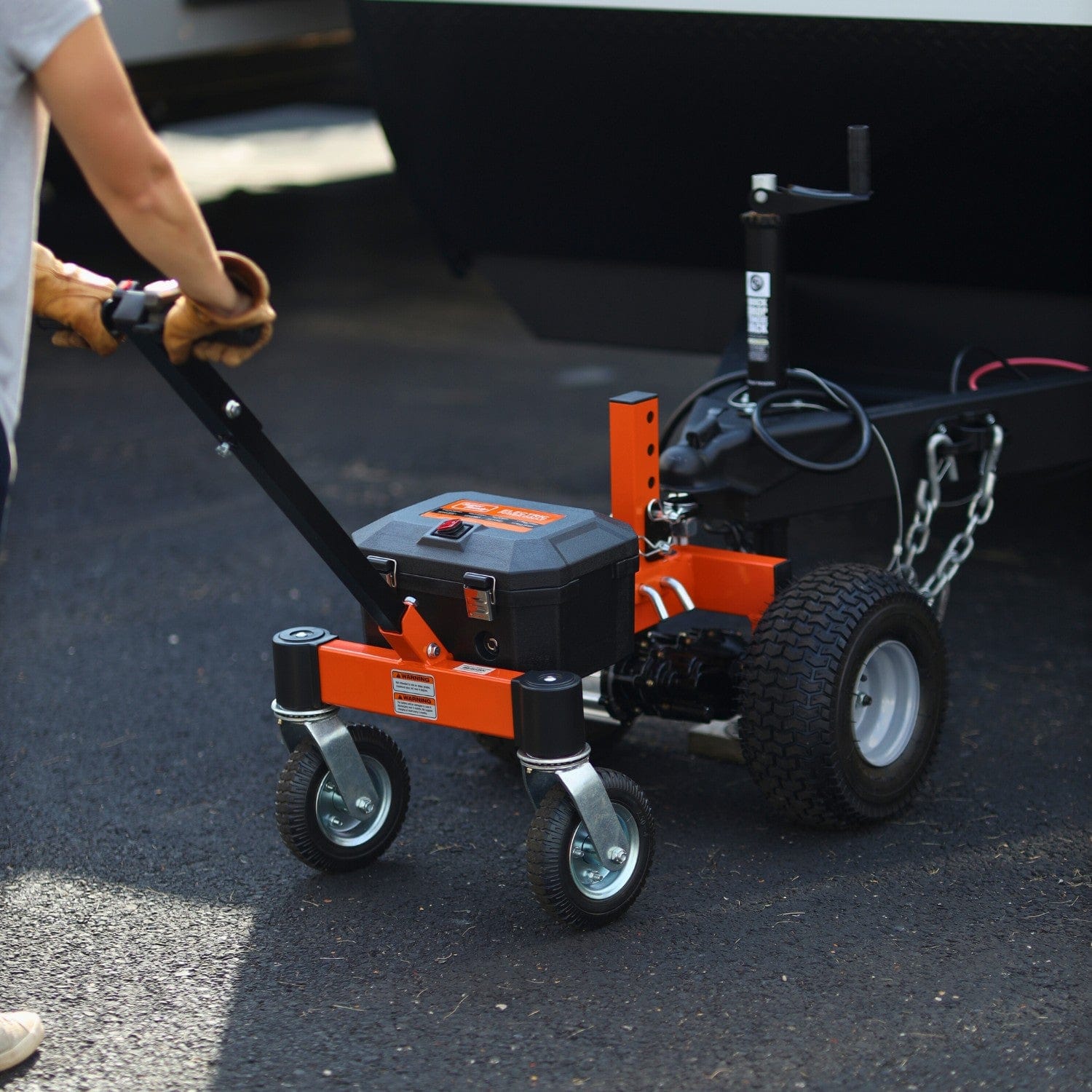
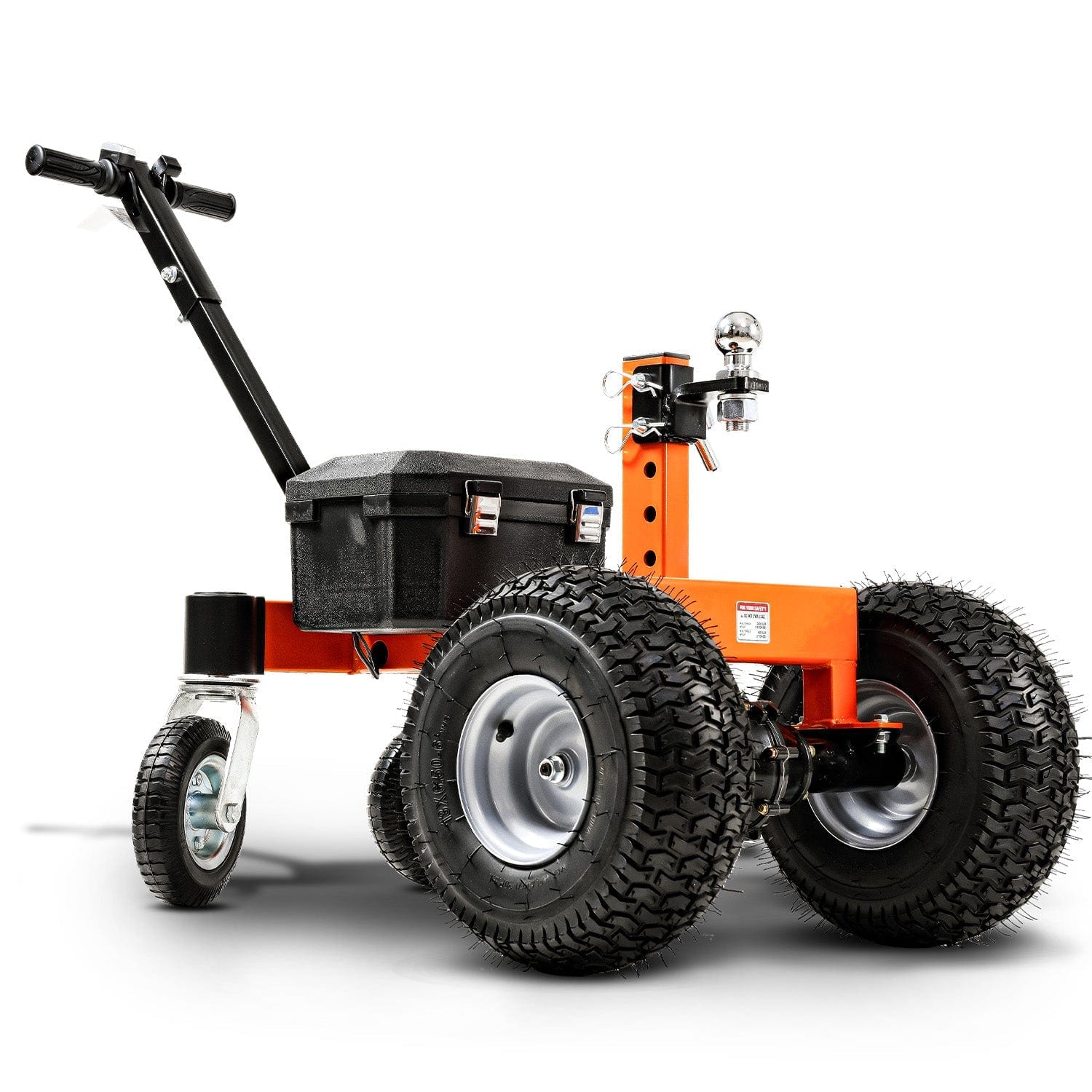
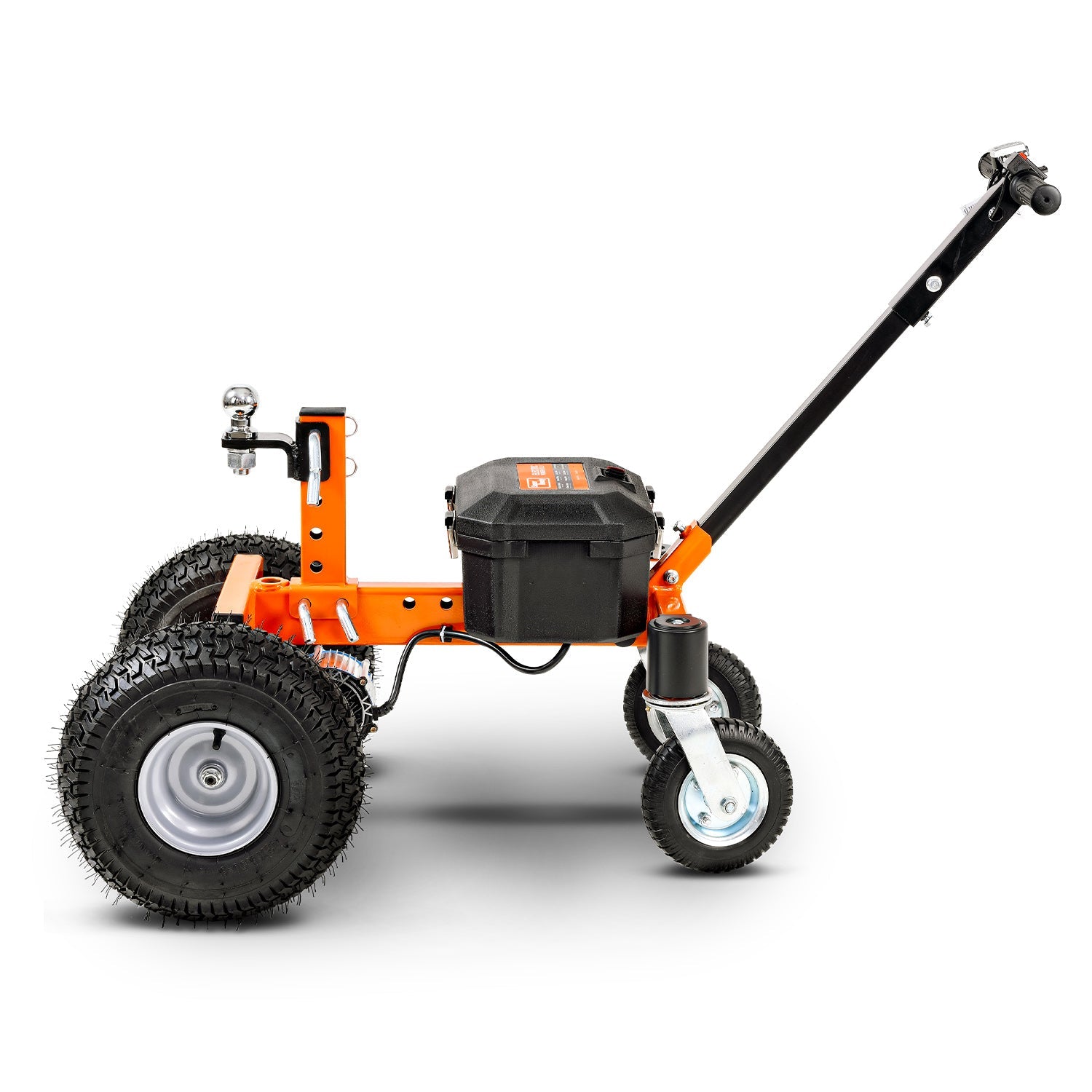
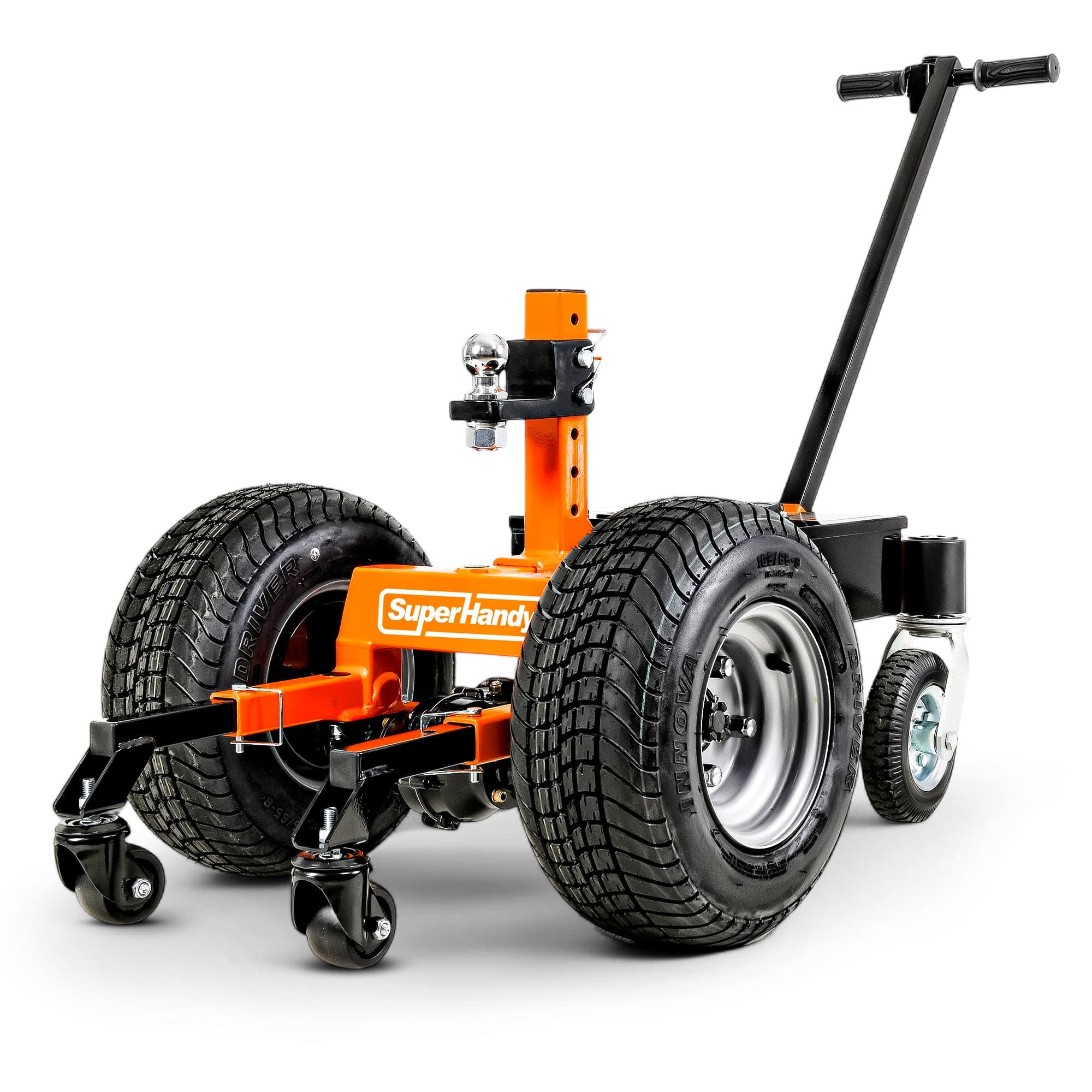
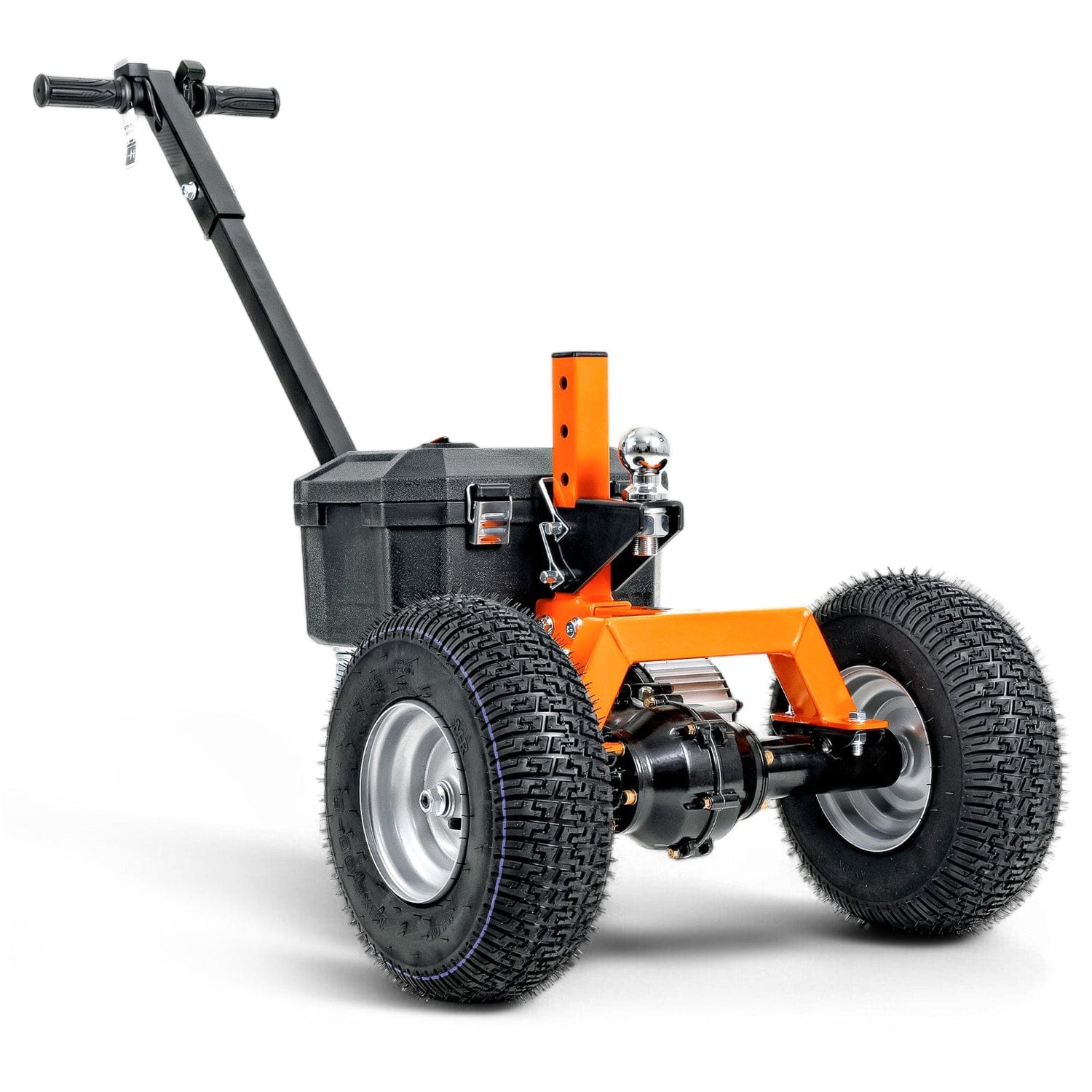
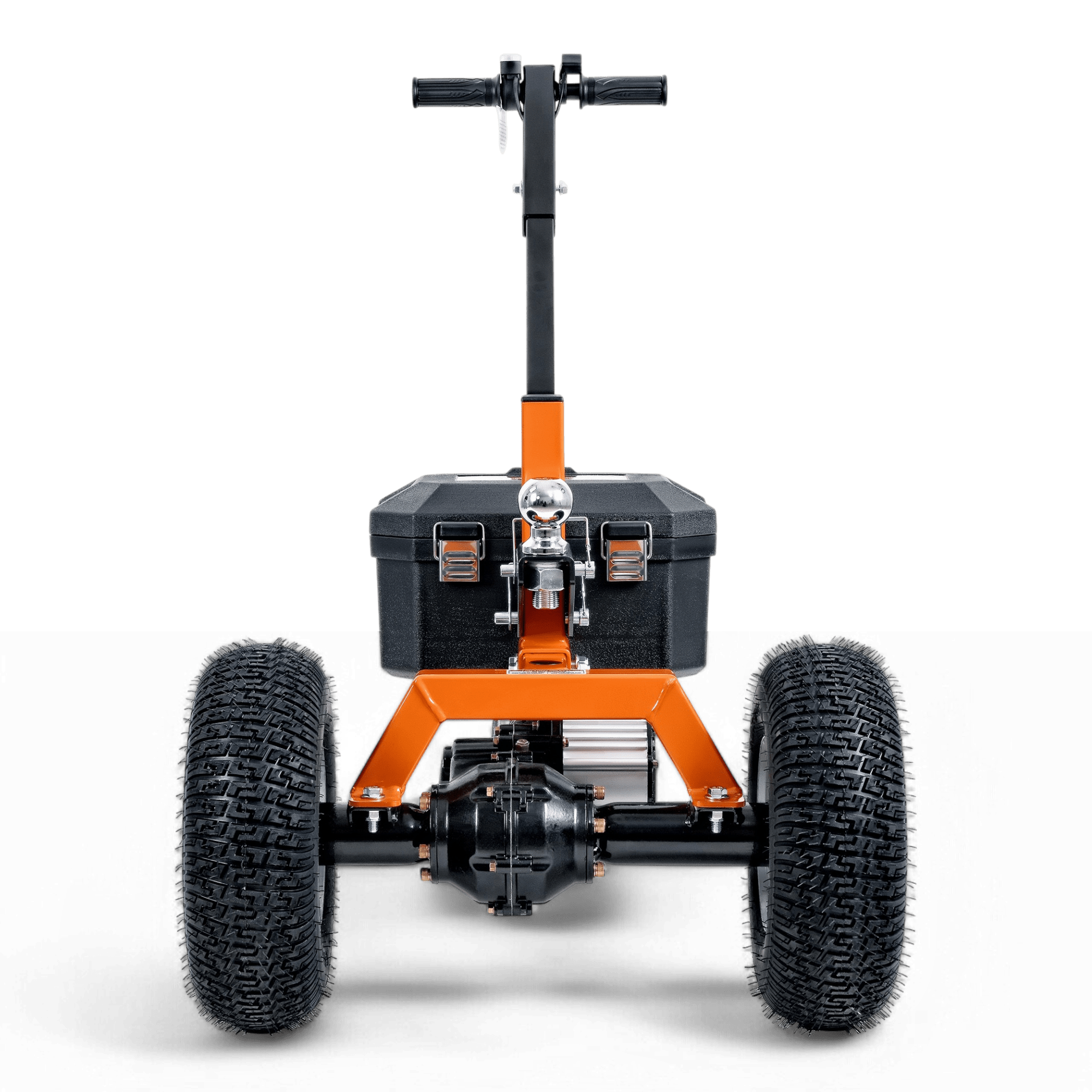
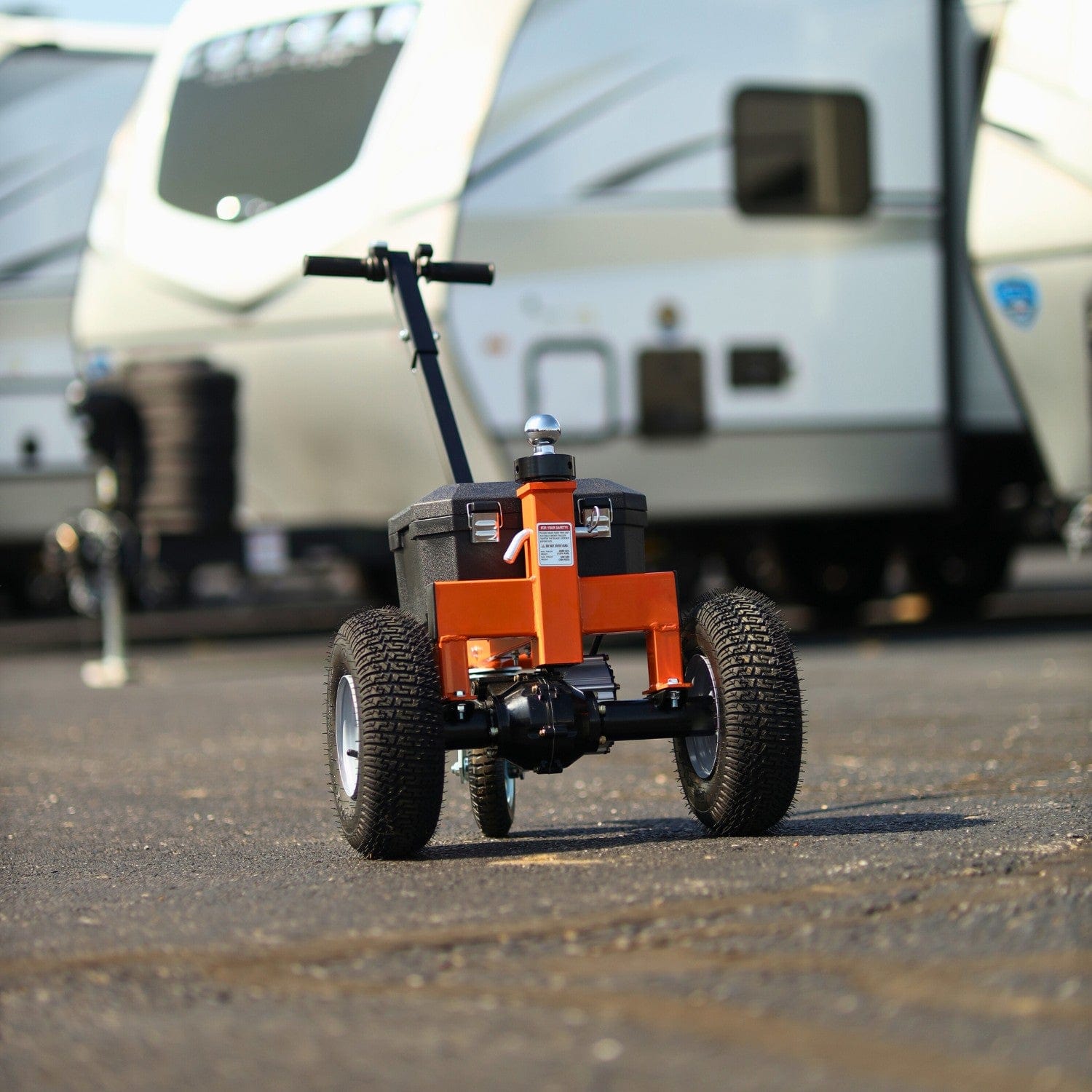
- Manual vs. Electric: Manual dollies are perfect for lighter loads on flat surfaces. For heavier trailers, sloped terrain, or simply to eliminate physical effort, upgrading to an electric trailer dolly is a game-changer. Models like the SuperHandy Electric Dolly provide motorized power to move significant weight with just the push of a button.
- Tires and Terrain: Consider where you’ll be moving your trailer. Large, pneumatic tires are best for navigating grass, gravel, and uneven ground. Solid rubber tires are durable and ideal for smooth, solid surfaces like concrete or asphalt.
Taking a moment to assess your needs ensures you get the right tool for the job. You can explore a full range of trailer dollies to find the perfect match for your equipment.
Key Features and Specifications to Consider
Not all trailer dollies are created equal. Choosing the right one is the first step toward safe and efficient maneuvering. When browsing the wide range of trailer dollies available, keep these critical factors in mind:
- Weight Capacity (Towing & Tongue): This is the most important specification. A dolly has two ratings: maximum trailer weight (the total weight it can move) and maximum tongue weight (the downward force the trailer tongue exerts on the hitch ball). Exceeding either can lead to equipment failure and accidents.
- Manual vs. Electric: Manual dollies are great for lighter trailers on flat surfaces. For heavier loads or slight inclines, an electric trailer dolly is a game-changer. Models like the powerful SuperHandy Electric Trailer Dolly provide motorized assistance, drastically reducing physical strain.
- Hitch Ball Size: Ensure the dolly's hitch ball matches your trailer's coupler size. Common sizes are 1-7/8", 2", and 2-5/16". An improper fit can cause the trailer to detach unexpectedly.
- Tire Type: Pneumatic (air-filled) tires offer better shock absorption on uneven terrain, while solid rubber tires are puncture-proof and ideal for smooth concrete or asphalt surfaces.
Pre-Operation Checklist: Preparing for Safe Trailer Dolly Use
Before you move an inch, a thorough pre-operation check is non-negotiable. This simple routine minimizes risk and ensures your equipment is ready for the task.
Follow this safety checklist every time:
- Inspect the Dolly: Give your dolly a quick once-over. Check the tire pressure on pneumatic tires. Examine the frame for any cracks or damage. Ensure the hitch ball is securely fastened. If you're using an electric model, confirm the battery is fully charged.
- Assess the Terrain: Scan the entire path you intend to travel. Look for potholes, loose gravel, steep slopes, or soft ground. Trailer dollies, including robust models like the SuperHandy 7500 lb Trailer Dolly, perform best on firm, level ground.
- Secure the Trailer: Before unhitching from your vehicle, always place wheel chocks securely behind the trailer's wheels to prevent it from rolling.
- Clear Your Path: Remove any tools, toys, debris, or other obstacles from your intended route. Ensure pets and people are a safe distance away from the entire maneuvering area.
Step-by-Step Guide to Safely Attaching Your Trailer to the Dolly
Connecting your trailer to a dolly is straightforward, but precision is key to safety. Rushing this step can lead to accidents. Follow this process every time for a secure connection.
- Prepare the Area: Ensure both the trailer and dolly are on level ground. Chock the trailer's wheels to prevent any unexpected rolling.
- Align the Dolly: Position the trailer dolly so its tow ball is directly beneath the trailer's coupler. Many dollies, like the SuperHandy Trailer Dolly , feature adjustable ball heights. Set it to the correct height before sliding it under.
- Lower the Trailer: Use the trailer's tongue jack to slowly lower the coupler onto the dolly's tow ball. Watch carefully to ensure a centered connection.
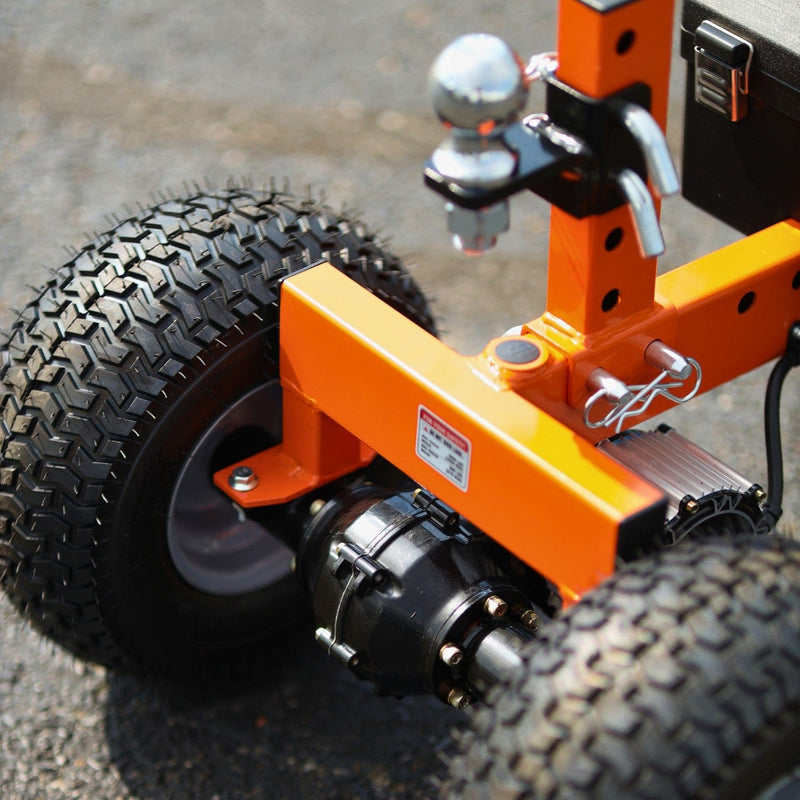
- Secure the Coupler: Once the coupler is fully seated on the ball, latch it securely. Insert the safety pin or lock to ensure the latch cannot accidentally open. Give the connection a firm upward tug to confirm it is locked solid.
- Retract the Jack: Fully retract the trailer's tongue jack so it is clear of the ground. Your trailer is now attached and supported by the dolly, ready for maneuvering. For different weight classes, a variety of trailer dollies are available.
Mastering Maneuvering: Techniques for Precise Trailer Positioning
Moving a trailer by hand is all about leverage and control. Unlike towing with a vehicle, a dolly offers incredible precision for tight spaces, but it requires a different approach.
The first rule is to move slowly and deliberately. Your dolly is the pivot point, so small inputs on the handle create significant movement at the trailer's rear. To turn, think in reverse: push the dolly’s handle to the right to make the back of the trailer swing left, and vice versa. It’s a gentle push-and-pull motion that guides the trailer exactly where you need it.
For heavier loads or for those seeking effortless control, a motorized or electric trailer dolly is a game-changer. SuperHandy trailer dolly can provide forward and reverse drive, eliminating the physical strain and allowing for exceptionally smooth, controlled positioning with a simple thumb control. Whether you're using a manual dolly or an electric one, always have a spotter to help guide you and watch for blind spots, especially when backing into a garage or around a corner.
Effective Braking and Turning Strategies
Moving a multi-ton trailer, even with a dolly, requires finesse. The key to successful maneuvering is thinking ahead and making slow, deliberate movements.
Turning: Your trailer dolly acts as a pivot point. To avoid jackknifing or putting excessive stress on the trailer tongue, always opt for wide, sweeping turns. Sharp, sudden turns can cause the trailer's tires to drag sideways or lead to a loss of control. Envision the path your trailer wheels will take and start your turn earlier than you think you need to.

Braking: How you brake depends heavily on your equipment. For manual dollies,braking is about controlled resistance. Anticipate your stops well in advance and use your body weight to gradually slow the momentum. Never try to stop abruptly.
An electric trailer dolly offers significantly more control,featuring forward/reverse propulsion that also assists in braking. Simply releasing the throttle or switching to the opposite direction will bring the trailer to a smooth, controlled stop, which is especially useful on slight inclines.
Crucial Safety Precautions While Operating a Trailer Dolly
Using a trailer dolly dramatically reduces the risk of injury, but only when operated correctly. Adhering to these safety precautions is non-negotiable for protecting yourself, your property, and those around you.
- Know Your Load Limit: Never exceed the maximum tongue weight capacity of your trailer dolly. Overloading is a primary cause of equipment failure and accidents. Always check the specifications of your specific model in our trailer dollies collection before you begin.
- Work on Level Ground: Trailer dollies are designed for use on flat, stable surfaces like concrete or asphalt. Attempting to maneuver on steep slopes or soft ground can cause the dolly to lose traction or allow the trailer’s weight to overpower you.
- Survey Your Path: Before moving, walk the entire intended path. Remove any obstacles, debris, tools, or extension cords. Check for potholes, cracks, or uneven patches that could jolt the dolly and upset the load.
- Use a Spotter: Whenever possible, ask someone to be your second set of eyes. A spotter is invaluable for navigating tight corners, backing into a garage, or watching for clearance issues you can't see from the operator's position.
- Wear Appropriate Gear: Always wear sturdy, closed-toe footwear to protect your feet. Gloves are also highly recommended to improve your grip and prevent hand injuries.
- Secure the Coupler: Double-check that the trailer coupler is fully seated and securely locked onto the dolly's hitch ball before every move. A loose connection can lead to catastrophic failure.
Avoiding Common Mistakes and Potential Hazards
Even the best tool is only as safe as its operator. When using a trailer dolly, a few common missteps can lead to property damage or injury. Awareness is your best defense.
- Exceeding Weight Capacity: This is the most critical mistake. Every dolly has a maximum tongue weight and towing capacity. Overloading can cause the dolly frame to bend, tires to fail, or result in a total loss of control. Always verify your trailer’s tongue weight against your dolly’s specifications.
- Operating on Steep Inclines: Most trailer dollies are designed for use on relatively level ground. Attempting to move a heavy trailer up or down a significant slope can cause the trailer to overpower the dolly, leading to a runaway situation.
- Moving Too Quickly: Patience is key. Whether you're using a manual or electric trailer dolly, move at a slow, deliberate walking pace. Abrupt starts, stops, or sharp turns can shift the trailer's weight unexpectedly and cause instability.
- Poor Ground Conditions: Soft ground, gravel, or uneven pavement can cause dolly wheels to dig in or lose traction. This makes maneuvering difficult and unsafe. Always choose the smoothest, firmest path possible.
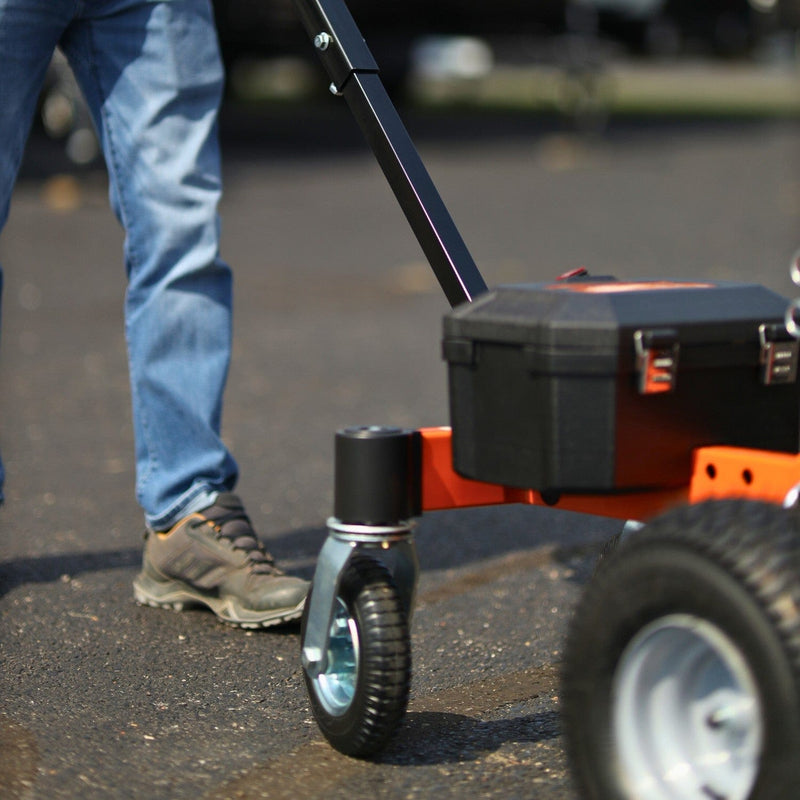
Post-Operation: Safely Detaching and Storing Your Trailer Dolly
Once your trailer is perfectly positioned, the final steps are just as important for ensuring safety. Properly detaching and storing your dolly protects your equipment and prevents future accidents.
Step 1: Secure the Trailer Before you do anything else, place wheel chocks securely behind and in front of the trailer’s tires. This is a non-negotiable step that prevents the trailer from rolling away once it’s unhitched from the dolly.
Step 2: Lower the Tongue Jack Use the trailer’s own tongue jack to slowly lift the trailer tongue, taking the full weight off the dolly’s hitch ball. Continue raising it until the coupler is completely clear of the ball.
Step 3: Detach and Move the Dolly With the weight fully supported by the jack, unlock the dolly's coupler latch. You can now smoothly roll the dolly away from the trailer tongue.
Step 4: Clean and Store Properly Wipe down your dolly to remove any dirt or grease. Check the tire pressure and inspect for any signs of wear or damage. Store it in a clean, dry location like a garage or shed to prevent rust and keep it ready for its next use. Proper storage ensures your investment in any of our trailer dollies lasts for years to come.
Frequently Asked Questions About Trailer Dolly Usage (Q&A)
Even with the right techniques, questions often arise. Here we answer some of the most common queries about using a trailer dolly to help you move with confidence.
How Much Weight Can a Trailer Dolly Handle Safely?
The weight capacity of a trailer dolly is not a one-size-fits-all number; it varies significantly between models. The most critical specification to check is the tongue weight capacity. This is the maximum downward force the trailer coupler can exert on the dolly's hitch ball. Exceeding this can cause equipment failure and lead to a dangerous situation.
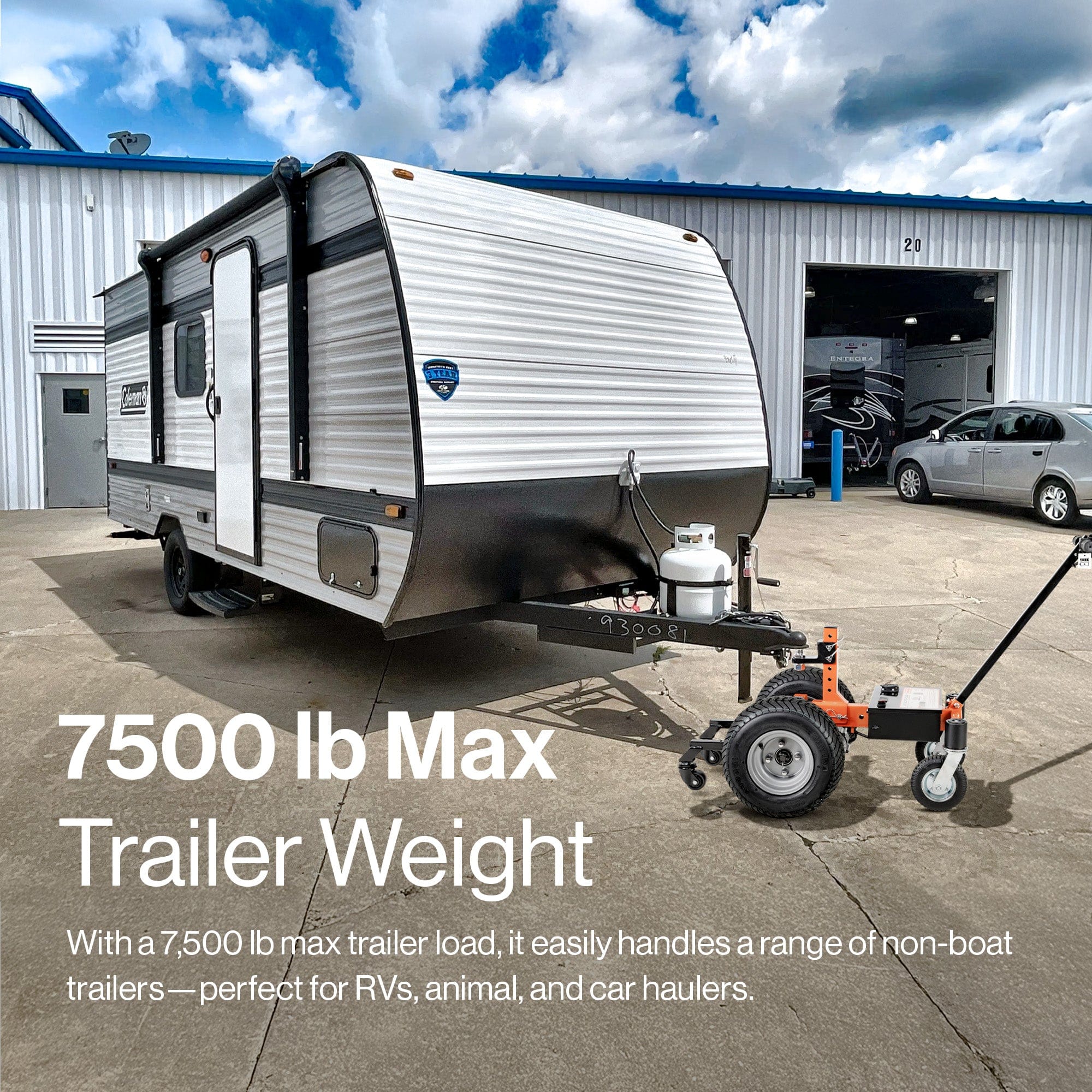
For lighter applications, manual dollies can manage tongue weights up to 600 lbs, while other heavy-duty manual models can handle up to 1,000 lbs. For heavier loads like large boats or campers, you'll need a motorized unit. For instance, the SuperHandy 7500 lb Electric Trailer Dolly is rated to move trailers with a gross weight of up to 2,800 lbs. Always check the manufacturer's specifications for both tongue weight and gross trailer weight on any of the trailer dollies you consider and ensure it exceeds your trailer's measured weight for a safe margin.
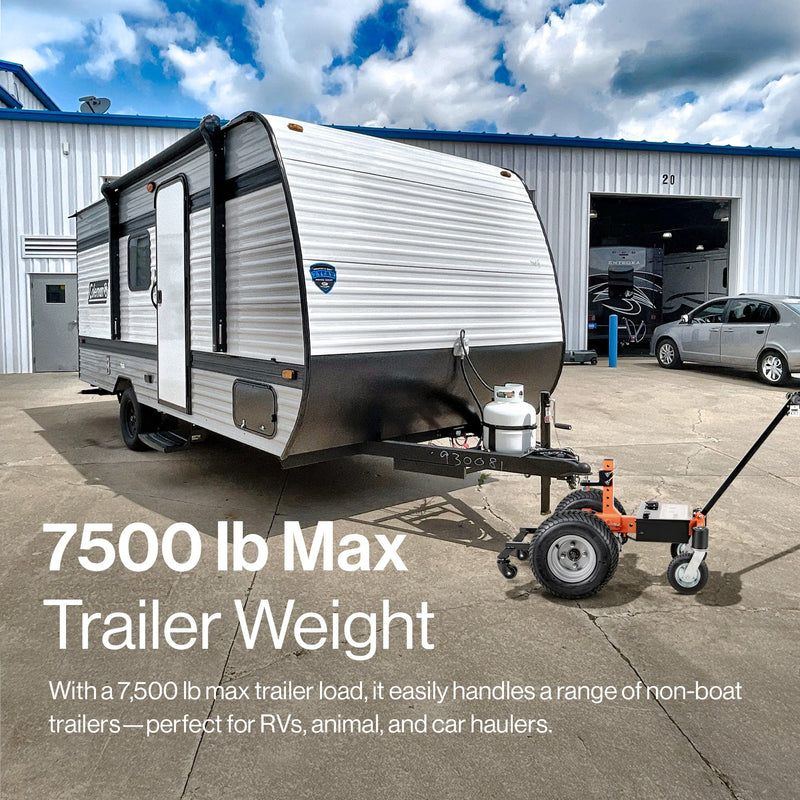
Is a Motorized Trailer Dolly Worth the Investment?
For many trailer owners, a motorized trailer dolly is absolutely worth the investment. While the upfront cost is higher than a manual dolly, the returns in safety, convenience, and reduced physical strain are significant.
An electric trailer dolly transforms a difficult, often two-person job into a simple task that one person can handle with precision. The powered drive system eliminates the strenuous pushing and pulling required for a manual car dolly, drastically reducing the risk of back injuries. This makes it invaluable for maneuvering heavy trailers, navigating slight inclines, or parking in very tight spaces where precise control is paramount. If you move your trailer frequently or find the physical effort of a manual dolly to be a challenge, a motorized unit is not just a luxury—it’s a powerful tool that makes the entire process safer and more efficient.
Related Products


Leave a comment
All comments are moderated before being published.
This site is protected by hCaptcha and the hCaptcha Privacy Policy and Terms of Service apply.