













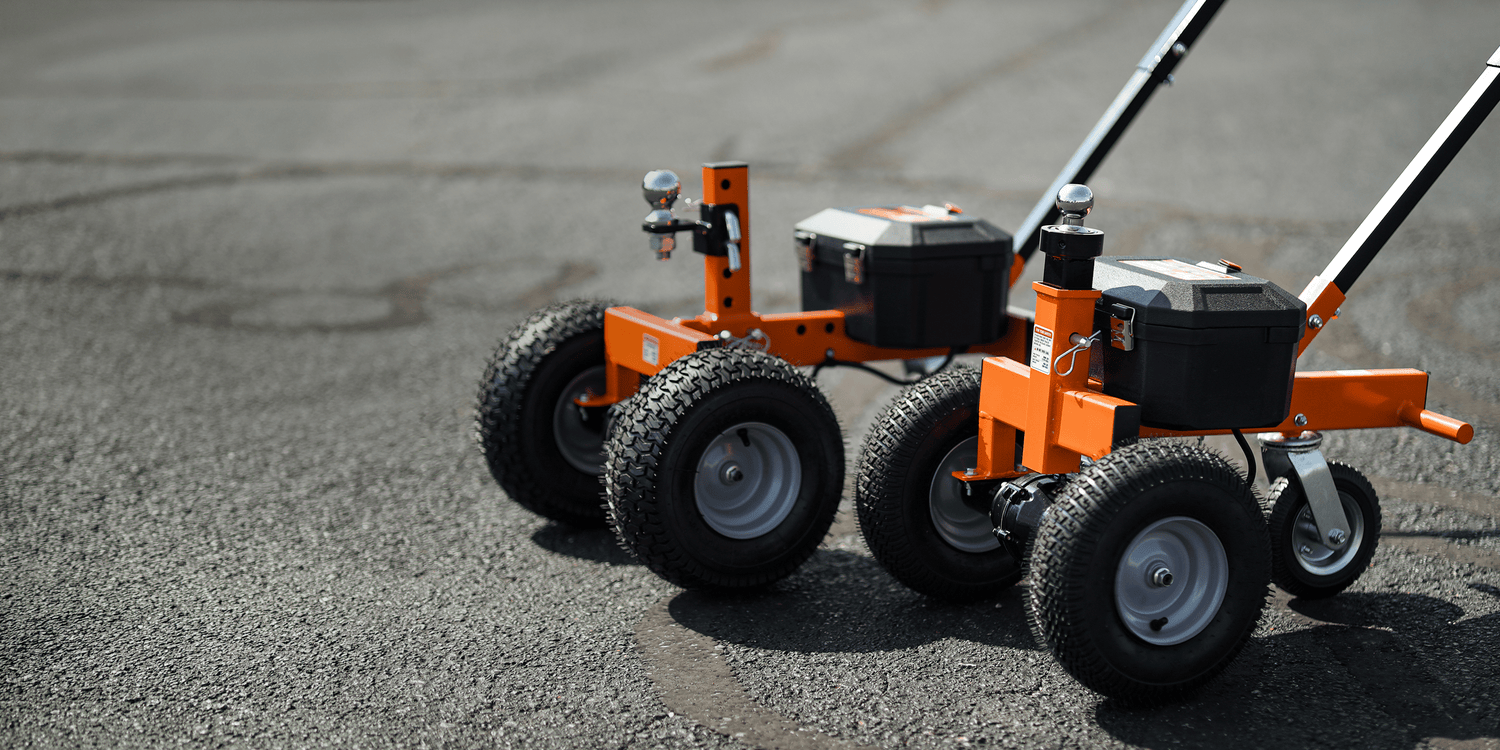
Why Mastering RV Maneuverability is the Key to Stress-Free Camping Adventures in 2026
For many outdoor enthusiasts, the dream of the open road often clashes with the harsh reality of maneuvering a heavy recreational vehicle. Backing a massive travel trailer into a tight driveway or a densely packed storage facility can instantly turn a relaxing vacation into a highly stressful ordeal. Navigating narrow clearances, avoiding obstacles, and communicating via confusing hand signals with a spotter are challenges that test the patience of even veteran RV owners. As we move deeper into 2026, the demand for smarter, safer, and more efficient towing solutions has never been higher.
Mastering maneuverability is no longer about raw driving skill; it is about leveraging modern motorized technology to simplify the process. A trailer dolly serves as the ultimate equalizer in this scenario, removing the steep learning curve associated with reverse towing. By transitioning the pivot point and power source away from a bulky truck and directly to the trailer's tongue, owners gain unparalleled precision. This technological evolution not only saves time but fundamentally changes how we interact with our heavy investments, ensuring that every trip begins and ends with peace of mind.

1. Achieving Surgical Precision in Narrow Driveways and Storage Units
How Independent Steering Eliminates the 'Jackknife' Risk
One of the most anxiety-inducing aspects of parking a travel trailer using a tow vehicle is the ever-present threat of jackknifing. As documented by the National Highway Traffic Safety Administration (NHTSA), jackknifing occurs when the angle between the tow vehicle and the trailer folds into a sharp V-shape, often resulting in severe structural damage to both vehicles. When you attempt to back into a constrained space, the turning radius of your truck severely limits your angles.
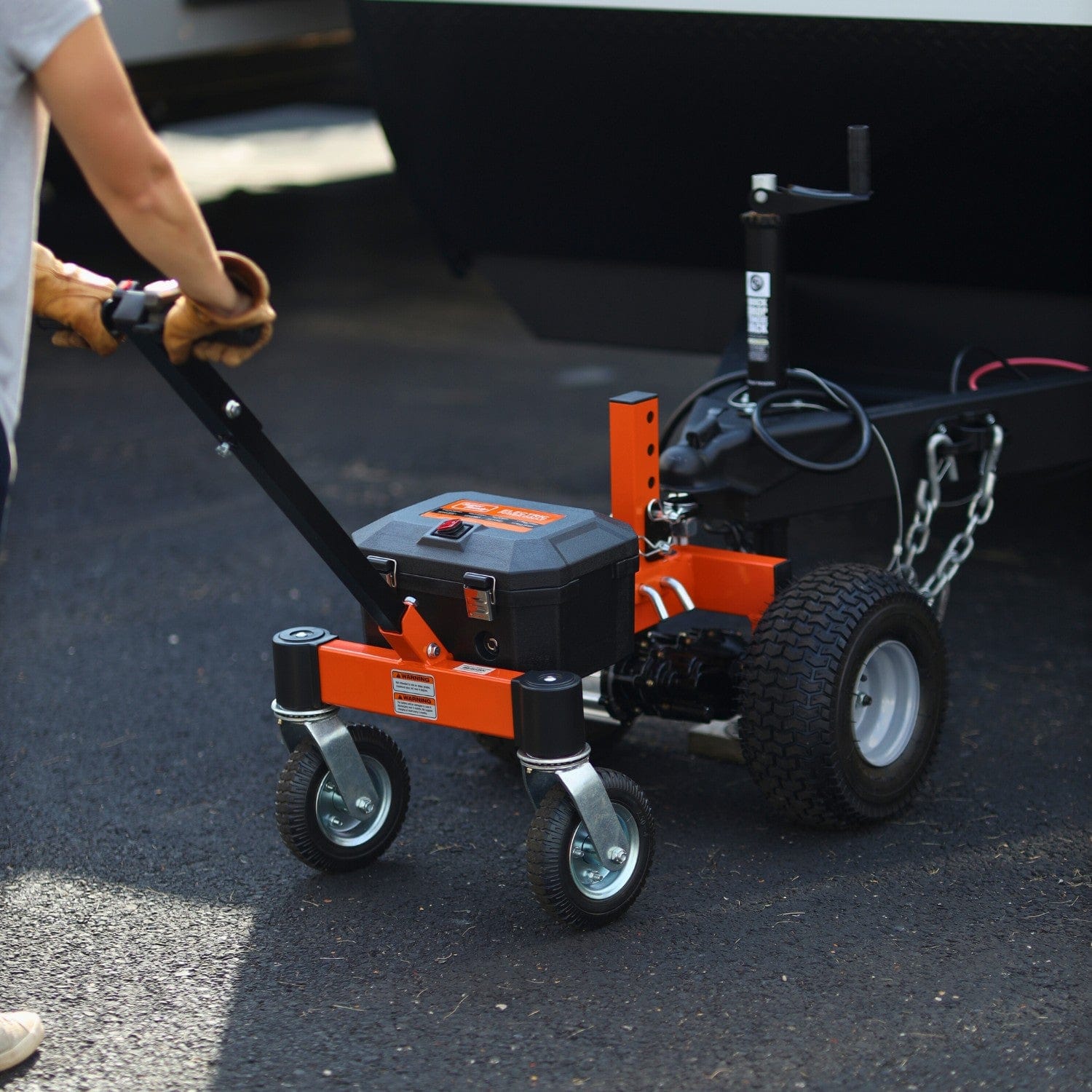
An electric trailer dolly fundamentally alters this geometry. By attaching directly to the A-frame coupler, the motorized dolly acts as an independent steering mechanism. You are no longer restricted by the wide turning arc of an extended cab truck. Instead, you can execute sharp, 90-degree pivots with zero risk of crushing your truck's bumper or the RV's front cap. This surgical precision allows you to thread the needle through narrow gates, between parked cars, and around tight corners with absolute confidence.
Maximizing Every Square Inch of Your Home Storage Space
Homeowners with limited property space know the frustration of an improperly parked RV. When relying on a truck to park a trailer, you invariably have to leave a buffer zone to ensure you have enough room to pull the truck out. This wasted space can mean the difference between fitting your camper behind your fence line or violating neighborhood HOA regulations.
With an electric trailer dolly, you can tuck your camper flush against walls, fences, or garage corners. Because you are standing next to the unit rather than sitting inside a vehicle 20 feet away, you can visually monitor the clearance down to the millimeter. This capability maximizes your property's usable footprint, potentially saving you thousands of dollars annually in off-site commercial storage fees by allowing you to keep your rig securely parked at home.
2. Eliminating Back Strain and the Physical Toll of Manual Trailer Positioning
The Ergonomic Shift from Manhandling to Motorized Assistance
For decades, smaller utility and camper trailers were manhandled into place using sheer physical force. Owners would push, pull, and strain against manual jockey wheels, battling gravity and friction. This antiquated method is not just exhausting; it completely ignores basic ergonomic principles. According to the Occupational Safety and Health Administration (OSHA), pushing and pulling heavy loads is a leading cause of severe musculoskeletal disorders.
An electric trailer dolly introduces a vital ergonomic shift. Instead of treating your body as the prime mover, you rely on high-efficiency electric motors to do the heavy lifting. The operator simply guides the unit using intuitive controls. This transition from manual labor to motorized assistance means that moving a 5,000-pound travel trailer requires no more physical exertion than pushing a lightweight lawnmower or a shopping cart, democratizing the RV lifestyle for individuals of all ages and physical abilities.
Preventing Costly Injuries and Strain During Pre-Trip Prep
Pre-trip preparation should be an exciting buildup to your vacation, not a physical ordeal that leaves you reaching for painkillers. Wrangling a heavy trailer tongue by hand frequently leads to pulled lower back muscles, strained rotator cuffs, and even hernias. The medical costs, physical pain, and subsequent recovery time can ruin an entire camping season in a matter of seconds.
Investing in a motorized trailer mover serves as an active insurance policy against these injuries. By fully supporting the static tongue weight and providing the propulsive force needed to overcome initial rolling resistance, the dolly completely isolates the user from mechanical stress. You arrive at your destination refreshed and physically capable of enjoying hiking, swimming, and exploring, rather than nursing a preventable back injury sustained in your own driveway.
3. Empowering the Solo Traveler with One-Person Hitching and Parking
Say Goodbye to Relationship Stress and Misunderstood Hand Signals
Inside the RV community, parking a trailer is often jokingly referred to as the ultimate relationship test. The dynamic of one partner behind the wheel with limited visibility, relying on the frantic hand signals and muffled shouts of a spotter standing in the blind spot, is a recipe for high stress and bruised egos. Miscommunications in these crucial moments frequently lead to bent fenders, scraped paint, and lingering arguments.
The adoption of modern trailer dollies completely eliminates this stressful dynamic. A single operator can connect the motorized unit and maneuver the rig into the tightest of spots without uttering a single command. By removing the need for a spotter, couples can maintain their peace of mind, and solo travelers are no longer dependent on the kindness of strangers at campgrounds to help them back into tricky spots.
How Remote Control Operation Provides a 360-Degree Safety View
One of the most profound advancements in 2026 towing technology is the integration of wireless remote controls. Advanced models allow the operator to uncouple the dolly's operation from a fixed handle. This means you can stand several feet away from the trailer, freely walking around the entire perimeter of the RV as it moves.
This 360-degree walk-around capability provides an unprecedented safety advantage. You can simultaneously check roof clearances for low-hanging branches on the left side, monitor tire alignment on the right, and ensure the rear bumper isn't encroaching on a campsite utility pedestal. You essentially become your own perfect spotter, armed with complete visibility and instantaneous control over the trailer's movement.

4. Conquering Difficult Terrain: From Loose Gravel to Wet Grass and Inclines
Understanding High-Torque Motor Systems for Challenging Surfaces
A common misconception among new RV owners is that smooth concrete is the only surface suitable for motorized positioning. However, real-world camping and storage environments frequently involve uneven dirt, crushed gravel, or wet, spongy grass. Moving a multi-ton vehicle across these surfaces requires more than just standard propulsion; it requires specialized high-torque motor systems.
Modern electric dollies are engineered with heavy-duty gear reduction technology. Instead of focusing on speed, the internal gearing maximizes torque output at the wheel level. This massive twisting force allows the dolly to overcome the extreme rolling resistance presented by mud or deep gravel. The motor delivers consistent, smooth power without bogging down, ensuring your rig maintains steady forward momentum even when the ground beneath it tries to swallow the tires.
Why Advanced Traction and Tire Tread Matter More Than Raw Horsepower
All the electrical horsepower in the world is useless if it cannot be transferred to the ground. When navigating a heavy load up an incline or across wet morning grass, the limiting factor is almost always traction, not power.
Premium trailer dollies address this by utilizing wide, pneumatic tires with aggressive, deep-lug tread patterns similar to those found on all-terrain vehicles. This design spreads the contact patch over a larger surface area, preventing the dolly from sinking into soft ground. Furthermore, because the dolly bears the heavy downward force of the trailer's tongue weight, this vertical pressure actively drives the tread into the earth, creating a self-reinforcing traction system that refuses to slip, spin, or lose its grip.
5. Protecting Your Tow Vehicle from Premature Transmission and Clutch Wear
The Hidden Costs of Using a Truck for Fine-Tuned Positioning
Tow vehicles are marvels of modern engineering, designed to pull massive loads over hundreds of miles at highway speeds. However, they are fundamentally ill-equipped for the micro-movements required for intricate parking. Feathering the throttle, riding the brakes, and endlessly shifting from drive to reverse puts an unnatural strain on your truck’s drivetrain.
These subtle positioning maneuvers generate extreme friction within the torque converter and clutch packs. Over time, this repetitive stress leads to the degradation of transmission fluid and the premature wear of critical internal components. Utilizing a dedicated motorized dolly for the final 50 feet of positioning shields your expensive tow vehicle from this damaging cycle, effectively extending its operational lifespan.
Why Low-Speed Shunting is the Silent Killer of Heavy-Duty Transmissions
In the automotive engineering community, low-speed shunting under heavy load is recognized as a primary catalyst for severe heat generation. When backing a heavy trailer up a slight driveway incline, your truck's transmission can rapidly exceed safe operating temperatures. Heat is the ultimate enemy of automatic transmissions, causing seals to harden and clutch bands to glaze over.
By offloading this high-stress, low-speed work to a purpose-built electric motor, you bypass the thermal buildup entirely. The electric dolly is designed specifically for high-torque, ultra-low-speed operation without relying on fluid couplings or friction clutches that are susceptible to heat damage. This strategic division of labor ensures your truck remains in prime condition for the highway.
6. Enhanced Safety Features: Integrated Braking and Anti-Runaway Systems
Keeping Your Investment Secure on Sloped Driveways
Gravity is an unforgiving force when dealing with heavy towables. A momentary lapse in attention or a slight slip on a sloped surface can result in a catastrophic runaway trailer scenario. Standard manual jockey wheels offer absolutely no resistance to gravity once momentum begins, leaving owners helpless as their RV rolls toward disaster.
The latest electric trailer dollies incorporate sophisticated dynamic braking systems. The moment the operator releases the throttle or the remote control button, the internal gearing locks automatically. This immediate dead-stop capability holds the trailer firmly in place, even on varying driveway gradients, giving owners the confidence to stop mid-maneuver to check clearances without fear of rolling backward.
The Importance of Automatic Brake Engagement for Heavy Dual-Axle Loads
When dealing with substantial weights, particularly dual-axle travel trailers, the inertia generated during movement requires robust stopping power. Advanced trailer dollies feature automatic brake engagement that perfectly matches the motor's output.
This technology acts as an unyielding fail-safe. If the system detects a loss of traction, a power interruption, or if the user simply lets go of the handles, the mechanical and electrical brakes clamp down instantly. According to modern safety standards outlined by industry experts, this passive safety net is essential for preventing localized property damage and ensuring the operator is never physically overwhelmed by the trailer's momentum.
7. Long-Term Value and Versatility Beyond the RV Lifestyle
Using One Dolly for Boats, Utility Trailers, and Horse Trailers
While highly celebrated within the RV community, an electric dolly is far from a single-use tool. Homeowners and outdoor enthusiasts typically possess a diverse fleet of towables. Whether it is a heavy fiberglass boat resting on a tandem-axle trailer, a utility trailer loaded with landscaping equipment, or a customized horse trailer, maneuverability remains a universal challenge.
Investing in a robust dolly means securing a versatile yard asset. By utilizing standard hitch ball mounts and adjustable height columns, a single electric unit can interface seamlessly with virtually any coupler style. This cross-functionality multiplies the return on investment, turning a grueling chore into an effortless task across all your weekend hobbies and home improvement projects.
Resale Value and the Reliability of Modern Lithium-Powered Units
Early generation dollies relied on heavy, inefficient lead-acid batteries that required constant maintenance and suffered from rapid degradation. Fast forward to 2026, and the landscape is dominated by high-density lithium-ion technology. Lithium power plants deliver consistent voltage until depletion, weigh a fraction of their predecessors, and boast incredible shelf lives.
Because of this leap in reliability and build quality, top-tier electric dollies maintain exceptional resale value. They are constructed with powder-coated steel frames and weather-sealed electronics that withstand the test of time. Should you ever decide to exit the towing lifestyle, a well-maintained lithium-powered dolly can be easily resold on the secondary market to eager buyers looking to upgrade their own storage capabilities.

How to Choose the Right Electric Dolly Based on Your Trailer’s Weight Profile
Calculating Static Tongue Weight vs. Gross Trailer Weight (GTW)
Selecting the correct motorized unit requires a fundamental understanding of your trailer's weight metrics. Two numbers dictate your choice: Gross Trailer Weight (GTW) and Static Tongue Weight. GTW is the total weight of the fully loaded trailer. However, the more critical metric for a dolly is the Static Tongue Weight—the downward force exerted directly onto the hitch ball.
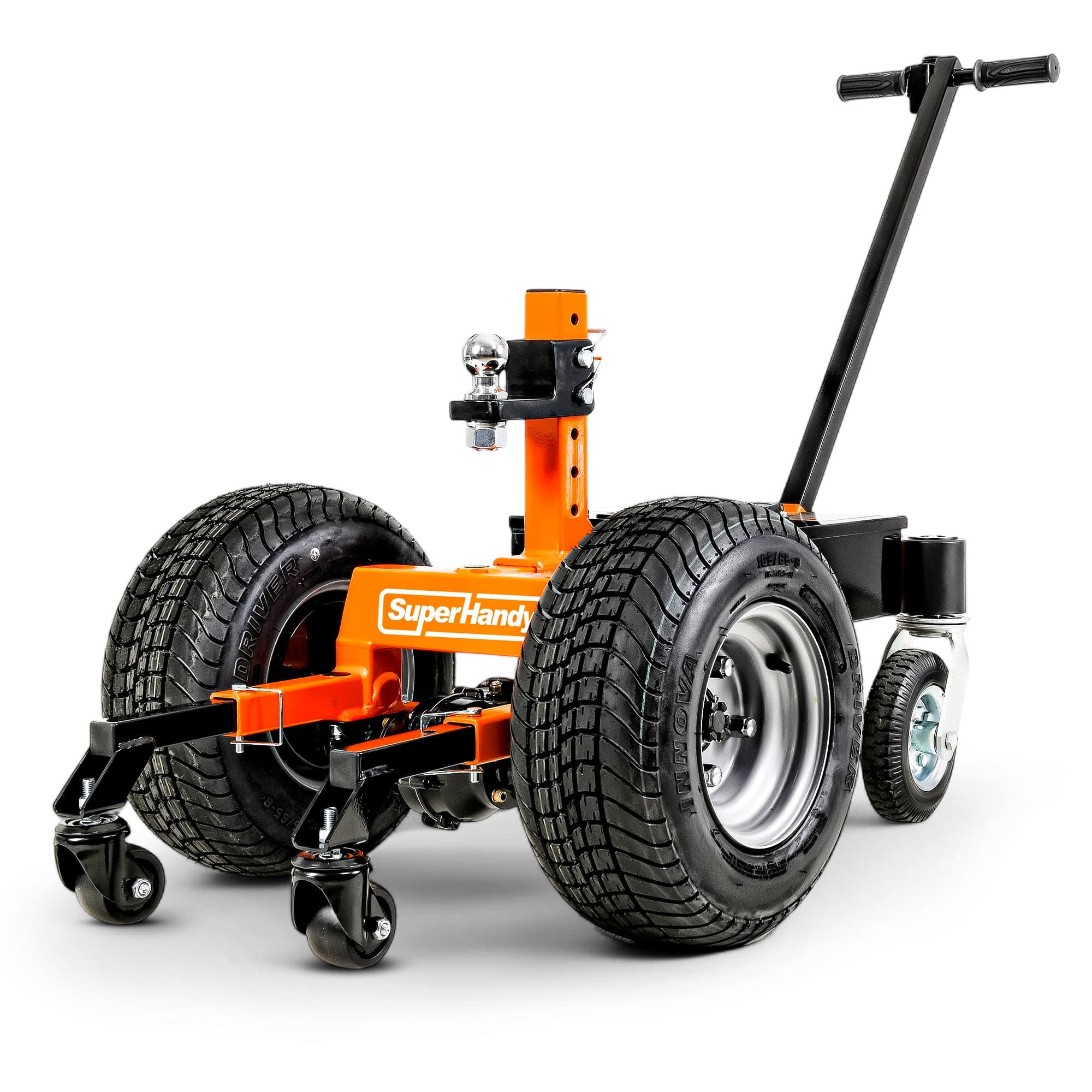
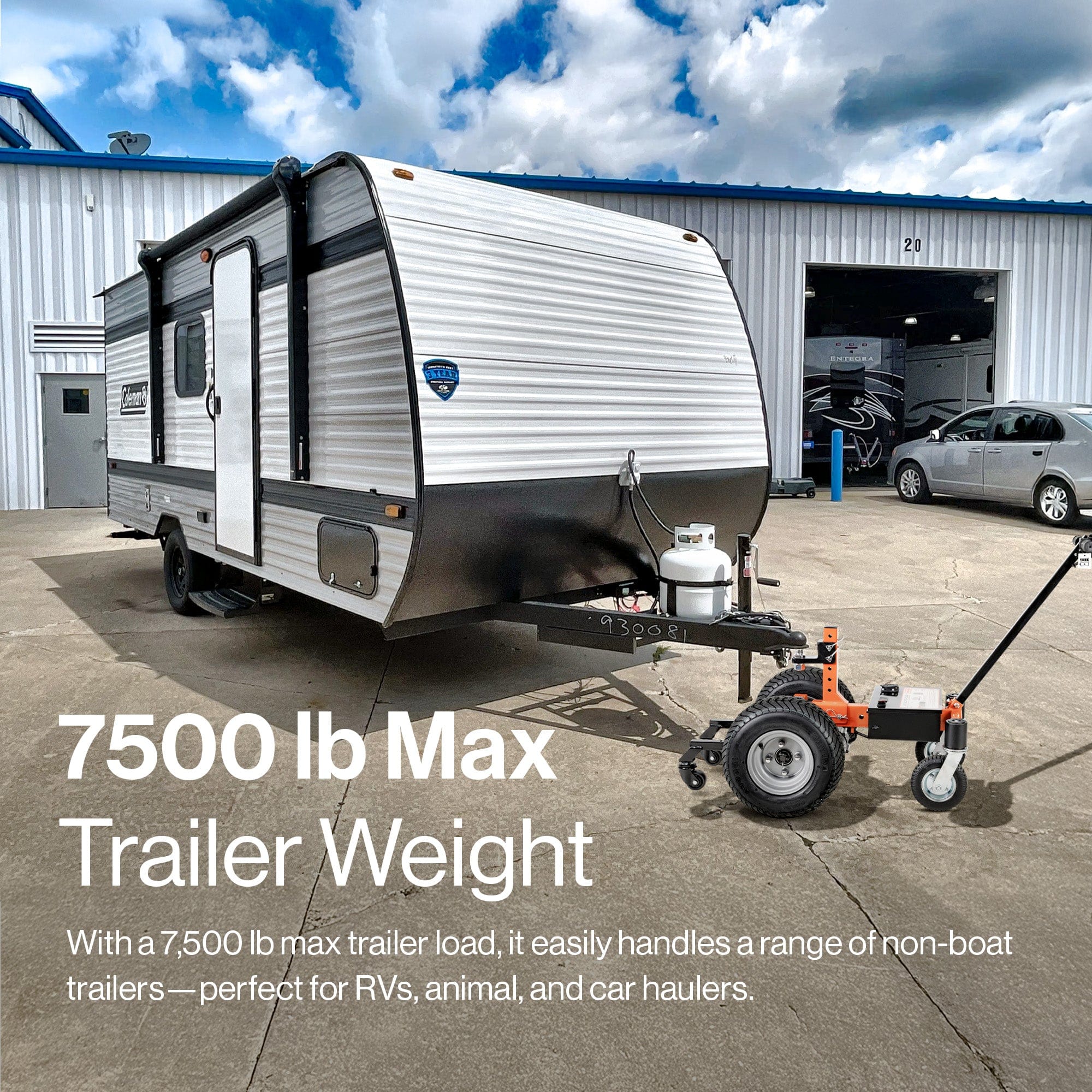
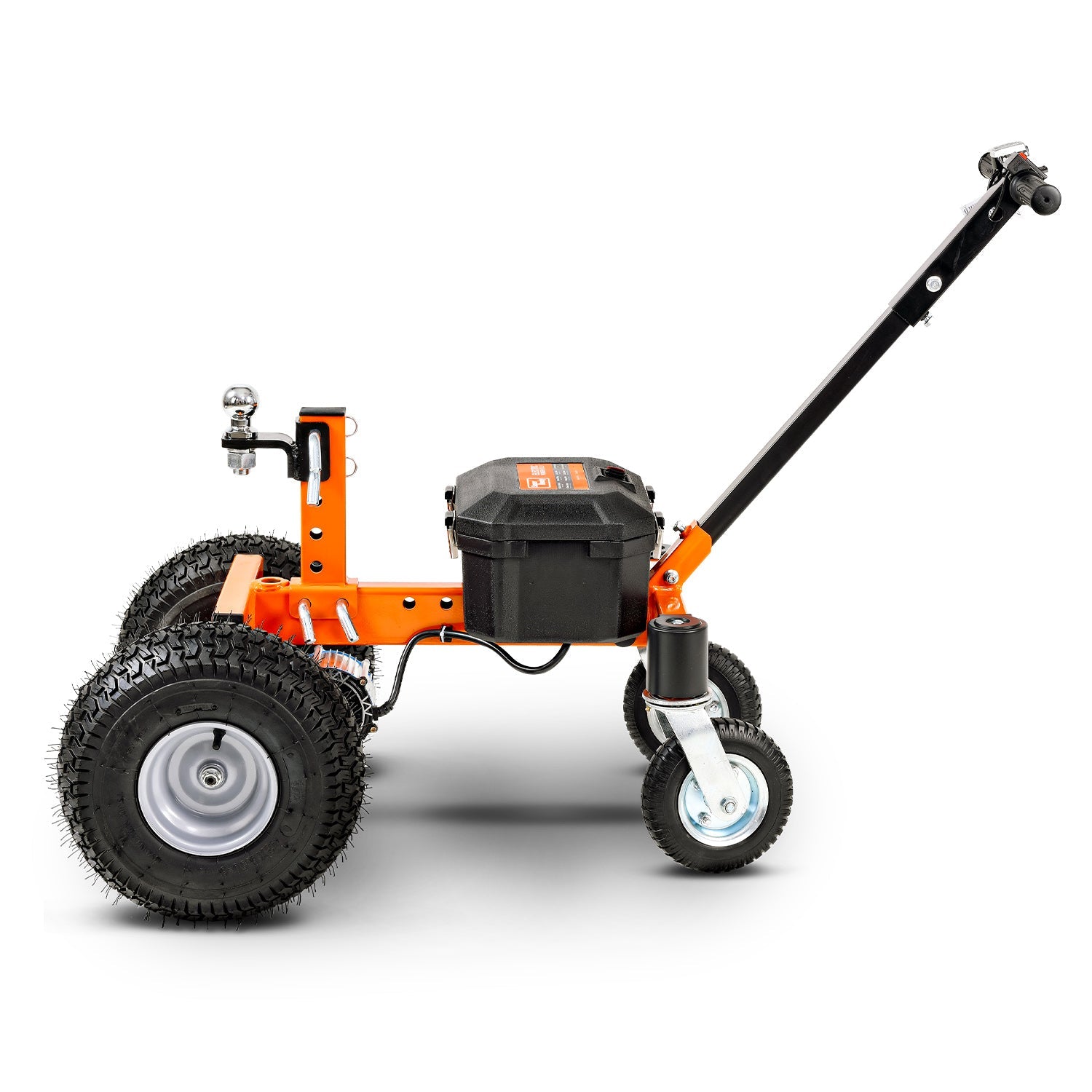
As a general rule, tongue weight comprises roughly 10% to 15% of the total GTW. If you own a large rig, you must select a dolly engineered to support massive downward pressure without buckling. For serious heavy lifting, the Electric Trailer Dolly Pro - 7500 Lb Towing Capacity provides the industrial-grade framework and high-torque gearing required to manage massive loads smoothly and securely.
Battery Life Expectations and Essential Maintenance for Longevity
To ensure your equipment is always ready for action, understanding battery dynamics is crucial. Modern lithium systems typically offer enough continuous runtime to move a trailer several hundred yards—more than sufficient for multiple complex parking maneuvers on a single charge.
Maintenance for these advanced systems is refreshingly minimal. The primary rule for longevity is avoiding deep discharges. Storing the battery indoors during extreme winter freezes and keeping it topped off on a smart charger ensures the internal cells remain balanced. Regularly inspecting tire pressure and ensuring the ball mount is lightly greased will guarantee your motorized assistant operates at peak efficiency for years to come.
Frequently Asked Questions About Electric Trailer Dollies
Can an electric dolly move a dual-axle trailer efficiently?
Yes, absolutely. Dual-axle trailers inherently resist tight turning because the four tires fight against each other during pivot maneuvers, a phenomenon known as tire scrub. High-quality electric dollies are specifically geared to generate immense low-end torque to overcome this friction. While moving a dual-axle requires more power than a single-axle, a properly rated dolly will handle the task efficiently, though you may notice a slight reduction in overall turning speed.
How long does the battery typically last on a single charge?
Runtime varies based on trailer weight, terrain, and the battery's amp-hour rating, but standard modern dollies yield roughly 30 to 45 minutes of continuous continuous motor operation. Because the actual time spent maneuvering a trailer into a parking spot is usually less than 5 minutes, a single full charge can easily last through multiple camping trips or several months of seasonal storage adjustments.
Will a motorized dolly work on steep or uneven driveway inclines?
Motorized dollies are highly capable on slight to moderate grades, typically up to a 5% to 7% incline depending on the total trailer weight and surface traction. However, steep hills pose a challenge for any non-anchored device due to gravity and traction limits. If you have a severe incline, it is crucial to ensure the dolly’s tires are properly inflated and the tongue weight is appropriately distributed to maximize tire grip.
Do I need to modify my trailer frame to use an electric dolly?
No structural modifications are required. These devices are universally designed to interact with standard A-frame couplers, connecting via a standard hitch ball just like your truck would. Some specialized systems may use a bracket that bolts onto the frame, but this is entirely non-destructive and requires basic hand tools, leaving your trailer's factory warranty completely intact.
Final Verdict: Transforming Your RV Storage Experience with Motorized Tech
As RVing continues to grow in popularity, the associated challenges of storage and maneuvering have been elegantly solved by the rapid advancement of electric towing assistance. By removing the physical strain, eradicating the risk of jackknifing, and empowering solo travelers to manage their rigs safely, the electric Trailer Dolly has firmly established itself as an indispensable tool for the modern outdoor enthusiast. Upgrading to a motorized system is not merely an investment in convenience; it is a commitment to the safety of your property, the longevity of your tow vehicle, and the overall enjoyment of your RV lifestyle in 2026 and beyond.
Related Products


Leave a comment
All comments are moderated before being published.
This site is protected by hCaptcha and the hCaptcha Privacy Policy and Terms of Service apply.