









Why Regular Cleaning is Crucial for Your Electric Scooter's Longevity and Your Health
Think of all the surfaces your scooter touches and that you touch in a single outing. Regular cleaning and disinfecting serve two primary purposes:
- Your Health: High-touch surfaces like handlebars, control levers, and the ignition can easily pick up and harbor bacteria and viruses. By regularly sanitizing these areas, you significantly reduce your risk of transferring germs and getting sick.
- Your Scooter's Longevity: Dirt, mud, moisture, and road salt can be corrosive. If left to sit, this buildup can damage your scooter's paint, lead to rust on the frame, and interfere with the smooth operation of its wheels and moving parts. Protecting your investment in a quality Mobility Scooter starts with simple, consistent maintenance.
Essential Supplies: What You Need for Effective Scooter Sanitation
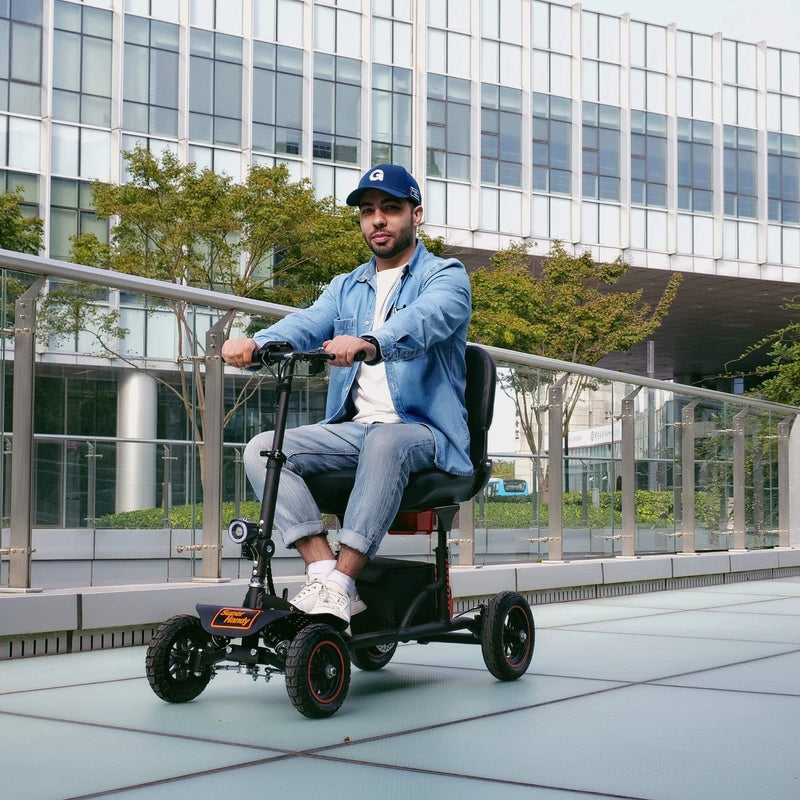
You don’t need a professional detailing kit to keep your scooter in top shape. Most of the necessary items are likely already in your home. Gather these supplies before you begin:
- Two or three soft, clean microfiber cloths: One for washing, one for rinsing, and one for drying.
- Two buckets: One for soapy water and one for clean rinse water.
- Mild soap: A gentle car wash soap or a few drops of dish soap work perfectly.
- A soft-bristled brush: An old toothbrush is great for getting into crevices and cleaning tire treads.
- Disinfectant: EPA-approved disinfectant wipes or a spray suitable for use on plastics and metals.
- Protective gloves: Optional, but recommended when handling cleaning and disinfecting agents.
Step-by-Step Guide: Safely Cleaning Your Electric Scooter's Exterior
Cleaning the main body of your scooter is straightforward. The most important rule is to never use a pressure washer or spray a hose directly at your scooter, as this can force water into the electrical components and cause severe damage.
- Prepare Your Space: Park your scooter in a shaded area. Turn the power completely off and remove the key to prevent any accidental startups.
- Dry Dusting: Take a dry microfiber cloth and wipe down the entire scooter, including the plastic shrouds, frame, and floorboard. This removes loose dust and debris, preventing it from scratching the surface during wet cleaning.
- Gentle Wash: Mix a small amount of mild soap with warm water in a bucket. Dip a microfiber cloth into the soapy water and wring it out until it is just damp. Carefully wipe down the plastic body panels and metal frame of your Mobility Scooter.
- Rinse and Dry: Using a fresh cloth dipped in your bucket of clean water and wrung out, wipe away any soap residue. Immediately follow up with a dry, clean microfiber cloth to dry the entire surface, preventing water spots and protecting against rust.
Focusing on High-Touch Surfaces: Handles, Levers, and Control Panels
The areas you touch most frequently require the most attention, especially after being in public. These are the primary points for germ transfer.
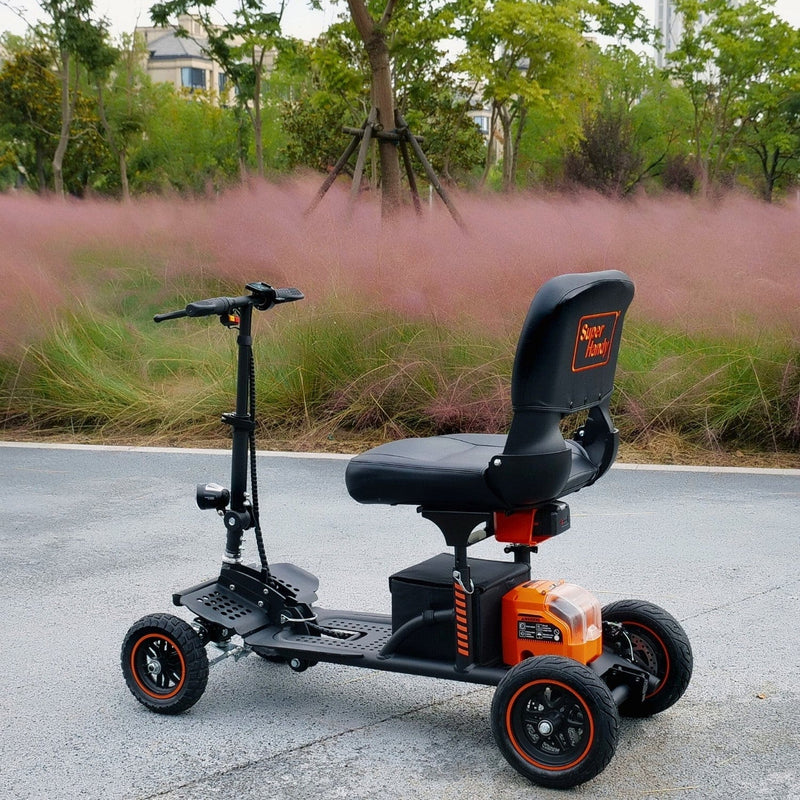
Key high-touch surfaces include:
- Handlebar grips
- Throttle or wig-wag lever
- Control panel buttons (horn, lights, speed dial)
- Key and ignition area
- Armrests and adjustment levers
For these surfaces, use a disinfectant wipe or lightly spray a disinfectant onto a clean cloth—never directly onto the controls. Carefully wipe down each surface, paying close attention to the grips and throttle. The user-friendly design of a modern Mobility Scooter often features a smooth, easy-to-clean control panel. Making this a quick habit after every outing is one of the best ways to maintain a hygienic ride.
Tackling the Seat and Upholstery: Keeping it Hygienic and Comfortable
Your mobility scooter’s seat is where you spend your time, making it a primary contact point that requires regular attention. Keeping it clean not only enhances comfort but also prevents the buildup of dirt and germs. The cleaning method depends on the material.
- Vinyl or Faux Leather: This is the most common material and the easiest to clean. Mix a few drops of mild dish soap with warm water. Dampen a microfiber cloth in the solution, wring it out well, and wipe down the entire seat, backrest, and armrests. Follow up with a clean, damp cloth to "rinse" away soap residue, then dry completely with a separate towel.
- Fabric or Cloth: For fabric seats, start by vacuuming the surface with a brush attachment to remove loose crumbs, dust, and debris. For light stains or general cleaning, use an upholstery cleaner formulated for automotive or home use. Always test the cleaner on a small, inconspicuous area first. Spray lightly and blot with a clean cloth—never rub, as this can push the dirt deeper into the fibers.
Cleaning the Wheels and Tires: Removing Dirt and Debris for Optimal Performance
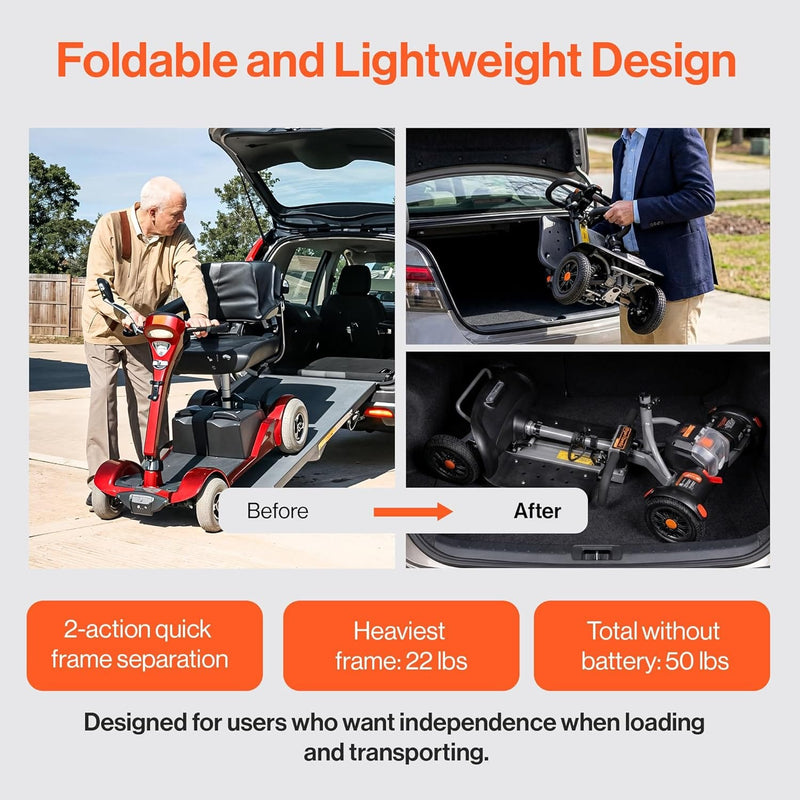
The wheels and tires of your Mobility Scooter are what connect you to the ground, picking up everything from mud and gravel to street grime. Cleaning them isn't just about appearances; it prevents you from tracking dirt into your home and ensures the tires maintain proper traction.
Start by using a stiff-bristled brush to knock off any caked-on mud or debris from the tires and wheel wells. Next, use a bucket of soapy water and a large sponge or rag to wash the tires and rims. Pay special attention to the treads where dirt can get lodged. Rinse carefully with a low-pressure stream of water or a clean, wet rag, being cautious not to spray water directly into any nearby electronic components or the motor housing. Finally, wipe the wheels and tires dry with an old towel.
Disinfecting Your Scooter: Choosing the Right Products for Germ Elimination
After cleaning, the next step is disinfecting. This process specifically targets and kills germs like bacteria and viruses. For your electric mobility scooter, you need products that are effective without being destructive.
Avoid using bleach or hydrogen peroxide, as these can damage plastic, vinyl, and painted surfaces over time. Instead, opt for one of these safer choices:
- Disinfectant Wipes: EPA-registered disinfectant wipes (from brands like Lysol or Clorox) are an excellent, convenient option for hard, non-porous surfaces like your tiller, control panel, and plastic shrouds.
- Isopropyl Alcohol Solution: A solution containing at least 70% isopropyl alcohol is highly effective against most germs. You can apply it to a clean cloth and wipe down high-touch surfaces. It evaporates quickly, reducing the risk of moisture damage.
When using any disinfectant, read the label for the "contact time" or "dwell time." This is the amount of time the surface must remain visibly wet for the product to effectively kill germs.
Understanding the Difference: Cleaning vs. Disinfecting for Electric Scooters
It’s easy to use the terms "cleaning" and "disinfecting" interchangeably, but they represent two distinct and important steps in maintaining your Mobility Scooter.
Cleaning is the physical removal of dirt, grime, and some germs using soap and water. This is the essential first step because it removes the organic matter that germs can hide in. You can’t effectively disinfect a dirty surface.
Disinfecting is the process of using chemicals to kill germs on surfaces. This step comes after cleaning and targets the invisible viruses and bacteria that remain.
Think of it this way: you clean your scooter to make it look good and remove visible dirt. You disinfect it to protect your health by eliminating harmful pathogens you may have picked up in public spaces. A complete hygiene routine involves doing both.
How to Properly Disinfect Your Scooter Without Damaging Electronics
The electronic components of your mobility scooter—like the control panel, throttle lever, battery gauge, and charging port—are the most sensitive parts of the machine. While they are high-touch surfaces that need disinfection, they are also highly susceptible to moisture damage. The cardinal rule is to never apply liquid directly to these areas.
According to the Mississippi State University Extension Service, you should not spray any cleaning product directly onto a device, as this can damage internal components. Instead, follow these steps to disinfect safely:
- Power Down: Always turn your scooter off and remove the key before cleaning the console.
- Use a Microfiber Cloth: Lightly spray an electronics-safe disinfectant (like a 70% isopropyl alcohol solution) onto a clean microfiber cloth. The cloth should be damp, not dripping wet.
- Wipe Gently: Carefully wipe down the control panel, buttons, and levers. Avoid applying excessive pressure.
- Avoid Openings: Be extra cautious around seams, charging ports, and any other openings where liquid could seep inside.
- Air Dry: Allow the surfaces to air dry completely. This contact time is essential for the disinfectant to effectively kill germs.
Frequency Matters: How Often Should You Clean and Disinfect Your Scooter?
The ideal cleaning schedule for your electric mobility scooter depends entirely on your usage patterns and environment. Here is a simple guideline to follow:
- After Each Use: Perform a quick wipe-down of high-touch surfaces. This includes the handles, tiller adjustment knob, control levers, and armrests. This 2-minute task is your first line of defense against germs.
- Weekly: Give your scooter a more thorough cleaning. This involves wiping down the entire frame, seat, and foot deck to remove accumulated dust and grime. This is also a good time to inspect and clean the wheels.
- Monthly or Seasonally: Conduct a deep clean and full disinfection. This is especially important during cold and flu season or if you’ve been navigating particularly dirty environments. This includes detailed cleaning of the upholstery, wheels, and a careful disinfection of all surfaces.

Storing Your Cleaned Scooter: Maintaining Hygiene Between Rides
Once your mobility scooter is clean and dry, proper storage is key to keeping it that way. Storing it in a clean, dry, and secure indoor location like a garage, entryway, or spare room prevents it from getting re-contaminated by dust, pests, or outdoor elements.
For an extra layer of protection, consider using a dedicated scooter cover. A cover shields your scooter from airborne dust, pet dander, and moisture, ensuring it remains pristine and ready for your next outing. Avoid storing your scooter in damp basements or uncovered outdoor areas where it is vulnerable to weather and dirt.
Troubleshooting Common Cleaning Challenges: Stubborn Stains and Odors
Even with regular cleaning, you may encounter stubborn spots or smells. Here’s how to tackle them:
- Stubborn Stains on Upholstery: For vinyl seats, like those on the Passport Prime Mobility Scooter, a magic eraser-style sponge can gently lift many stains. For deeper grime, use a dedicated vinyl cleaner or a soft brush with a mild soap solution. Always test any cleaner on a small, hidden area first.
- Scuff Marks on Plastic Shrouds: Black scuff marks on the plastic body can often be removed with a pencil eraser or a magic eraser. Apply gentle, circular motions. For tougher marks, a small amount of baking soda made into a paste with water can act as a mild abrasive.
- Lingering Odors: To neutralize odors in the seat or basket, first ensure the area is completely clean and dry. Sprinkle a generous amount of baking soda over the surface, let it sit for several hours to absorb the smell, and then vacuum it off thoroughly.
When to Seek Professional Cleaning or Maintenance for Your Scooter
Regular, at-home cleaning is a fantastic habit for every Mobility Scooter owner. It keeps your device looking great and functioning well. However, there are times when a simple wipe-down isn't enough and calling in a professional is the safest and most effective choice. Knowing when to hand the task over to an expert can protect your investment, ensure your safety, and address issues beyond the scope of a standard cleaning routine.
Here are key signs that it’s time to seek professional help for your electric mobility scooter:
1. Electrical or Mechanical Problems Uncovered During Cleaning Cleaning is often when you get an up-close look at your scooter. If you notice any of the following, stop immediately and contact a qualified technician:
- Frayed, cracked, or exposed wiring.
- Unusual sounds from the motor or wheels when you move the scooter.
- Corrosion on the battery terminals or connectors that doesn't wipe away easily.
- A wobbly frame, loose components, or unresponsive brakes.
Attempting to fix these issues yourself without proper training can be dangerous and may void your warranty. Professionals have the diagnostic tools and expertise to safely repair the complex systems of a modern Mobility Scooter.
2. Deep-Seated Stains and Persistent Odors Have you tried everything to remove a stain from the upholstery, or is there a musty, unpleasant odor that just won’t go away? These could be signs of issues like mold or mildew growth within the seat cushion or deep-set grime that requires specialized equipment. Professional detailers use commercial-grade cleaners, steam extractors, and ozone treatments that can eliminate stubborn stains and odors without damaging the scooter's materials.
3. Exposure to Severe Contaminants If your scooter has been exposed to more than just everyday dirt—such as floodwater, a chemical spill, or significant bio-contaminants—it requires professional decontamination. These situations pose health risks and can cause unseen damage to your scooter's electronics and mechanical parts. A professional service is equipped to handle hazardous materials safely and ensure your Mobility Scooter is thoroughly and safely sanitized.
4. Physical Inability to Clean Thoroughly Your health and safety come first. If you have physical limitations that make it difficult or painful to bend, scrub, or reach all parts of your scooter, hiring a mobile cleaning or maintenance service is a smart and practical solution. It ensures the job is done correctly without putting you at risk of a fall or injury.
5. Annual Service and Deep Cleaning Just like a car, an electric mobility scooter benefits from an annual professional check-up. This is the perfect time to have it professionally deep-cleaned as well. A technician can perform preventative maintenance, check battery health, and tune up all mechanical components while a detailing expert restores its appearance. This proactive approach ensures your scooter remains reliable, safe, and hygienic for the year ahead.
While DIY cleaning is essential, recognizing the limits of your toolkit and expertise is just as important. Investing in professional service when needed is a key part of responsible ownership that provides peace of mind and keeps you moving safely.
Frequently Asked Questions About Cleaning and Disinfecting Electric Scooters
Can I use bleach or household glass cleaner on my scooter?
It is strongly recommended to avoid harsh chemicals like bleach, ammonia-based cleaners, or abrasive solvents. These substances can damage your scooter's finish, causing discoloration, cracking on plastic components, and deterioration of the vinyl seat. Stick to gentle soap and water, or a multi-surface cleaner approved for use on plastics and metals. For disinfecting, a 70% isopropyl alcohol solution is a safe and effective choice for most surfaces.
Is it safe to use a pressure washer to clean my electric mobility scooter?
No, you should never use a pressure washer or a high-pressure hose on your Mobility Scooter. The intense water pressure can force moisture into sensitive electrical components, the motor housing, and the battery compartment, leading to short circuits, corrosion, and costly, irreparable damage. Always opt for a damp cloth, a soft brush, and a gentle spray bottle for controlled cleaning.

What's the difference between cleaning and disinfecting? Do I need to do both?
Yes, doing both is crucial for proper hygiene. Cleaning involves physically removing dirt, grime, and debris from surfaces using soap and water. This step is essential because germs can hide in dirt. Disinfecting, on the other hand, uses specific chemicals to kill germs and viruses on the surface. For the best results, you should always clean a surface before you disinfect it.
How do I safely clean the control panel and tiller?
The control panel, or tiller, is the nerve center of your scooter and requires special care. Never spray any liquid directly onto it. Instead, lightly dampen a soft, microfiber cloth with your chosen cleaner or disinfectant. Carefully wipe down the handles, levers, buttons, and screen. Ensure the cloth is not dripping wet to prevent any liquid from seeping into the electronics.
Key Takeaways: Maintaining a Clean and Healthy Electric Scooter
Keeping your electric mobility scooter in pristine condition is about more than just appearances; it's a vital practice for your health and the device's longevity. By integrating a simple routine, you can ensure every ride is a safe and pleasant one.
- Establish a Routine: Make cleaning a habit. A quick wipe-down of high-touch surfaces after every trip in public and a more thorough cleaning weekly will keep germs at bay.
- Clean Before You Disinfect: Always remove surface dirt and grime with soap and water first. Disinfectants are most effective on an already clean surface.
- Focus on High-Touch Points: Pay special attention to the handlebars, control levers, ignition or key area, and armrests. These are the primary zones for germ transfer.
- Use Safe Products: Stick to mild soap, water, and microfiber cloths. For disinfecting, use 70% isopropyl alcohol or disinfectant wipes that are safe for electronics and plastics. Avoid bleach and abrasive cleaners.
- Protect Your Electronics: Never spray liquids directly onto the control panel, charging port, or other electrical parts. Apply cleaners to a cloth first, then wipe.
- Store It Properly: After cleaning, store your Mobility Scooter in a clean, dry, and sheltered location to protect it from the elements and keep it ready for your next outing.
Related Products


Leave a comment
All comments are moderated before being published.
This site is protected by hCaptcha and the hCaptcha Privacy Policy and Terms of Service apply.