







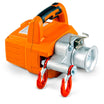

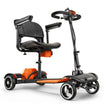



When you choose a portable floor lift, you want the best fit for your home and lifestyle. Most people look at these things first:
Capacity and size
Safety features
Cost and budget
Aesthetic and design
Installation needs
Superhandy offers mobile floor lifts that make this process easy.
Key Takeaways
Pick a portable floor lift that fits your space. Make sure it meets your patient's needs. Measure doorways and furniture to check if it fits.
Put safety features first, like brakes and safety belts. Slip-resistant seats are also important. These features help keep patients safe during moves.
Think about the lift's weight capacity and height range. Always choose a lift that can hold the patient's weight. Make sure it can reach the needed surfaces.
Why the Right Portable Floor Lift Matters
Safety and Comfort
Choosing the right patient lift helps keep everyone safe and comfortable. Using the wrong patient lift can be dangerous. People could get hurt badly, like getting head injuries or broken bones. Sometimes, using the wrong lift can even cause death. Lifts can break if they are old or not taken care of. If someone who is not trained uses the lift, accidents can happen more easily. Using the wrong sling size or moving too fast can hurt the patient. If furniture blocks the way or you do not follow directions, problems can happen too.
Picking a good patient lift helps stop these problems. Some lifts, like the Freedom Patient Lift, do not need slings. Patients sit down and hold onto arm grips to stay steady. This makes falling or getting hurt less likely. Patients feel safer and less worried when being moved. You can feel calm knowing your patient is safe, even if something goes wrong.
Tip: Always look at the patient lift for damage before you use it. Follow the instructions from the company.
Independence and Daily Use
A patient lift does more than just move people. It helps patients do more on their own each day. Studies show battery-powered lifts make things easier for caregivers and save time. Some lifts, like the Raymex lift, let patients get up from the floor by themselves. This helps them feel more independent.
Lift Type |
Benefit for Patients |
Caregiver Impact |
|---|---|---|
Battery-powered |
Easier transfers, less anxiety |
Less physical strain |
Portable floor |
Works in tight spaces |
Simple to operate |
Overhead/ceiling |
Faster transfers, more comfort |
Reduced effort |
Patients like lifts that fit in small spaces and let them move alone. Picking the right patient lift helps people be more independent and makes daily life easier.
Assess Your Needs
Space and Environment
You want your patient lift to fit well in your home. Start by measuring the space where you plan to use the lift. Look at doorways, hallways, and furniture. If you have tight spaces, a portable patient lift works better than a large transfer lift. Some lifts fold up for easy storage, so you can keep your home neat. Always check if the lift can move smoothly over carpets or thresholds. A good patient lift should help with patient transfer in every room you need.
Tip: Draw a simple map of your home and mark where you need patient assistance. This helps you see if the lift will fit.
User Mobility
Think about how much the patient can move on their own. If the patient has limited mobility, you need a lift that makes patient transfer easy and safe. Many people like the Raymex lift because it is light and portable. Frail older adults and caregivers often struggle with heavy lifts, so a lighter patient lift helps everyone. Some patients want extra features, like a basket for their phone, to make patient assistance more comfortable.
Portability and weight matter for patients with different mobility levels.
A lighter lift helps caregivers and patients during patient transfer.
Extra features can make the patient lift more useful.
Caregiver Involvement
Caregivers play a big role in using a patient lift. You want a lift that is easy for them to operate. If the caregiver has less strength, pick a lift that does not need much force. Some patient lifts work better for frequent patient transfer. Always ask caregivers what they need. You can also talk to an occupational therapist or physical therapist for advice. They help you choose the best patient lift for your home and patient needs.
Insurance and Funding
Coverage Options
You may ask if insurance pays for a patient lift. Most insurance plans do not pay for portable floor lifts at home. Medicare does not cover these lifts. Insurance companies think these lifts are home changes, not medical tools. Medicaid sometimes helps, but it depends on your state. Lift chairs might get covered, but portable floor lifts usually do not. Always check with your insurance before you buy a patient lift. For more details, visit Superhandy’s insurance coverage guide.
Medicaid rules are different in each state.
Lift chairs are not the same as portable floor lifts.
Tip: Ask your insurance company for a list of patient lifts they cover.
Financial Assistance
If insurance does not help, you still have choices. Many families use HSA or FSA accounts to pay for a patient lift. These accounts help with costs, especially at the end of the year. You can look for grants and funds too. Some groups help people with disabilities buy a lift. The Mary Beth Benison Foundation helps people with ALS. The Brighter Tomorrow Grant helps adults with MS. The Bryon Riesch Paralysis Foundation gives grants to people with nerve problems. Other groups like the Muscular Dystrophy Family Foundation and the Tyler Schrenk Foundation help patients with different needs.
HSA and FSA accounts help pay for a patient lift.
Grants are for people with ALS, MS, paralysis, and other problems.
Many groups help patients who need a lift for daily life.
Superhandy Support
You do not have to figure out insurance and money by yourself. Superhandy’s team answers questions about patient lift coverage and financial help. You can contact Superhandy for advice on picking the right lift for your patient and home. They help with paperwork and show you grants or programs. If you want to know more, check out Superhandy’s support page.
Note: Superhandy helps you learn about insurance, money, and patient lift choices.
Compare Portable Floor Lift Types
Manual vs. Electric
When you look at patient lift options, you’ll notice two main types: manual and electric. Manual lifts use a hydraulic system. You pump a handle to raise or lower the patient. Electric floor lifts run on batteries or plug into a wall outlet. You press a button or use a remote to move the patient.
Manual lifts need more physical effort from you or your caregiver. They work well for occasional transfers and have lower maintenance costs. Electric floor lifts make transfers easier and faster. You don’t need much strength to operate them. If you move a patient often, an electric floor lift saves time and energy. Clinical studies show electric lifts help caregivers do frequent transfers with less strain.
Here’s a quick comparison:
Feature |
Manual Lifts |
Electric Lifts |
|---|---|---|
Operation |
Uses hydraulic system for lifting |
Powered by battery or wall outlet |
Ease of Use |
Requires more physical effort |
Easier to operate with remote controls |
Maintenance |
Generally lower cost |
Requires battery charging or outlet use |
Transfer Speed |
Slower transfers |
Quick and efficient transfers |
Manual lifts cost less and need less technical care. Electric floor lifts need battery charging and sometimes more maintenance. If you want a patient lift for frequent transfers, electric floor lifts are the best choice.
Tip: If you have a busy schedule or need to move a patient many times a day, pick an electric floor lift for less effort and faster transfers.
Weight Capacity
Capacity is one of the most important things to check when you choose a patient lift. You want a lift that can safely hold the patient’s weight. Most portable lifts have a standard capacity range. Some lifts are heavy-duty and can handle more weight. If you pick a lift with too low a capacity, it may break or cause injury. Always check the patient’s weight before you buy a lift.
Here’s a table to help you see common capaity ranges:
Type of Lift |
Weight Capacity Range |
|---|---|
Stair Lifts |
300–350 lbs (standard), 600 lbs (heavy-duty) |
Vertical Platform Lifts |
600–750 lbs |
Home Elevators |
750–1,000+ lbs |
Scooter and Vehicle Lifts |
200–450 lbs |
You should pick a patient lift with a capacity that is at least 20% higher than the patient’s weight. This gives you a safety margin. If you have more than one patient at home, choose a lift with the highest needed capacity. Always check the lift’s manual for the exact capacity.
Note: Never overload a patient lift. Overloading can damage the lift and put the patient at risk.
Lift Height Range
Lift height range tells you how high or low the patient lift can go. This matters for different transfer situations. If you need to move a patient from the floor to a bed, you want a lift with a wide height range. Some lifts, like the Robotic Assisted Transfer Device, help caregivers keep a straight posture. This makes transfers safer and more comfortable, especially in small spaces like bathrooms.
A good lift height range lets you move a patient to chairs, beds, or wheelchairs without bending too much. You want a patient lift that lowers close to the floor and raises high enough for all surfaces. If you have tight spaces at home, pick a lift that works in those areas.
A wide lift height range helps with transfers from the floor, bed, or wheelchair.
Lifts with better height range support caregivers and reduce bending.
Some lifts help you keep a safe posture and lower the risk of injury.
Tip: Measure the height of your bed, chair, and wheelchair. Make sure the patient lift you choose can reach all these surfaces.
Choosing the right patient lift means looking at manual vs. electric, checking the capacity, and making sure the lift height range fits your needs. Take your time and think about how you will use the lift every day.
Patient Lift Safety Features
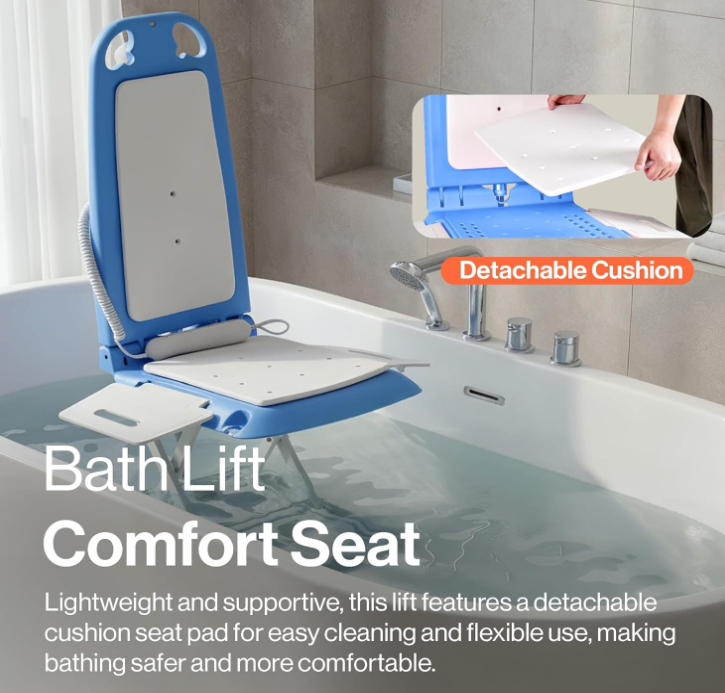
When you pick a patient lift for your home, you want to make sure it keeps everyone safe. You need to look for features that protect the patient during every transfer. Let’s talk about the most important safety features you should check before you buy a lift.
Brakes and Belts
Brakes and safety belts help you prevent accidents when you use a patient lift. Brakes stop the lift from moving when you transfer the patient. Safety belts keep the patient in place and lower the chance of falling. You want a lift with strong brakes and easy-to-use belts. If you use a lift without brakes, the patient could roll away or tip over. Safety belts also help if the patient moves or shifts during a transfer.
Here’s a quick look at how these features work:
Feature |
Contribution to Safety |
|---|---|
Brakes |
Prevent accidental movement during transfers |
Safety Belts |
Ensure secure positioning of the patient during transport |
Stability |
Provides a stable base, reducing the risk of falls |
Some lifts have an emergency shut-off control. You can use this control if something goes wrong during a transfer. This feature lets you stop the lift right away and keep the patient safe. You should always check the brakes before you use the lift. Make sure the safety belts fit the patient and hold them securely.
Tip: Test the brakes and belts every time you use the patient lift. If you notice any problems, fix them before you move the patient.
Slip-Resistant Seats
Slip-resistant seats help the patient stay steady during transfers. You want a seat that keeps the patient from sliding or slipping. If the seat is smooth or slippery, the patient could fall or get hurt. Many lifts come with seats that have special textures or grips. These seats give the patient more confidence and comfort.
You should look for a lift with a seat that fits the patient’s size and shape. If the seat is too small or too big, the patient might not feel safe. Slip-resistant seats work well for patients who move a lot or have trouble sitting still. You can also find lifts with seats that are easy to clean and keep dry.
Slip-resistant seats lower the risk of falls.
Patients feel safer and more relaxed during transfers.
You can clean these seats quickly after each use.
Sling Compatibility
Sling compatibility is one of the most important things to check when you choose a patient lift. You need to make sure the sling matches the lift’s loops and clips. If you use the wrong sling, the patient could tip or fall. This problem happens a lot in hospitals and homes. Experts say that using the wrong sling is a leading cause of accidents with lifts.
Incompatible slings and hangers is likely one of them. This issue, a leading cause of sling-related incidents, generally stems from lack of standardization within the same facility. This is a problem so prevalent and pressing that, in 2016, a group of safe patient handling and mobility experts formed a committee to investigate and address the matter.
You want to check the sling’s label and the lift’s manual before you use them together. If you are not sure, ask a nurse or therapist for help. Some lifts work with many sling types, but others need special slings. Always match the loops and clips for balance. If you use the wrong sling, the patient could lean to one side or slip out.
Match the sling to the lift for safe transfers.
Check the clips and loops every time you use the lift.
Ask for help if you do not know which sling to use.
Safety Standards and Certifications
You want your patient lift to meet safety standards in the United States. These standards help you know the lift is safe and strong. Here’s a table that shows the main standards:
Standard/Certification |
Description |
|---|---|
ASME A18.1 |
Covers design, construction, installation, operation, inspection, testing, maintenance, and repair of platform lifts. |
ADA Standards |
Requires platform lifts to be independently operable and prohibits attendant operation. Portable lifts do not meet these standards even if they comply with ASME A18.1. |
You should check if your lift meets these standards before you buy it. If you have questions, ask the dealer or look at the lift’s paperwork. Standards help you trust that the lift will keep the patient safe during every transfer.
Note: Always look for lifts with safety certifications. These lifts go through tests to make sure they work well and protect the patient.
When you choose a patient lift, you want brakes, safety belts, slip-resistant seats, and sling compatibility. You also want to check for safety standards and emergency shut-off control. These features help you keep the patient safe and make every transfer easier.
Test Before Buying
Hands-On Trials
You want to make sure the patient lift works well for your patient before you buy it. Trying the lift in person helps you see if it feels safe and easy to use. You can ask for a hands-on trial at a local dealer or through Superhandy’s demo program. When you test the lift, bring the patient with you if possible. This way, you can check if the lift fits their body and supports them during transfers. You get to see how the lift moves in your home and if it fits through doorways or around furniture.
Tip: Always test the lift with the patient present. This helps you spot any problems early.
What to Check
When you try a patient lift, look for these things:
Check the weight and size of the patient to make sure the lift can handle them.
Think about how often you will use the lift for patient transfers.
Measure how high the lift starts and where it ends during a transfer.
See if the lift can reach all the places you need, like the bed or wheelchair.
Watch how the lift turns and rotates with the patient.
Make sure the lift connects well with the patient and feels secure.
You want the patient to feel comfortable and safe every time you use the lift. If the lift feels hard to use or the patient looks uneasy, try another model.
Superhandy Demo Options
Superhandy offers demo and trial options for many patient lift models. You can contact their team to set up a test in your home or at a dealer. Their staff helps you learn how to use the lift and answers your questions. You can also visit the Superhandy product page to see which lifts are available for demo. Testing the lift before buying gives you peace of mind and helps you pick the best one for your patient.
Other Patient Lift Factors
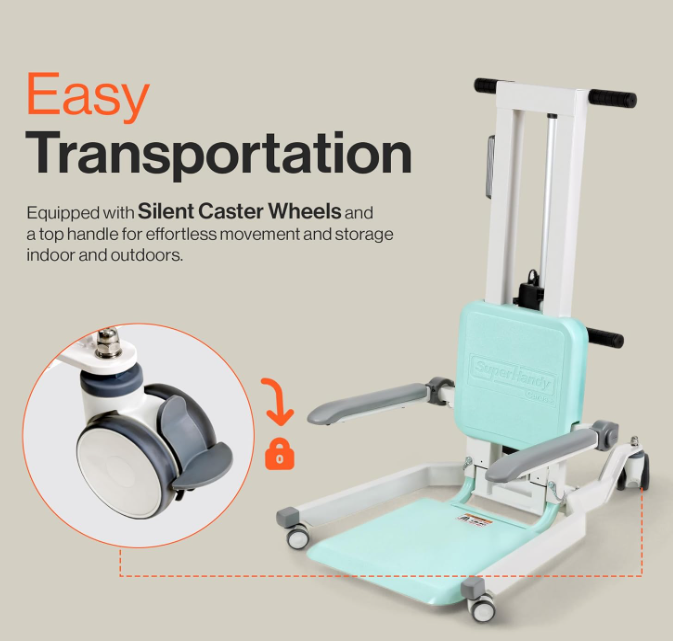
Portability and Storage
You want a patient lift that fits your lifestyle. Portable lifts, like the Molift Smart, fold up for storage or travel. This helps if you live in a small space or need to move the lift between rooms. Families who travel or visit relatives find these models easy to transport. You can tuck them away when you do not need them. Keep in mind, portable lifts often have lower weight limits. If your patient is heavier, you may need a sturdier design.
Foldable lifts save space in your home.
Easy transport helps families stay flexible.
Lower weight limits may affect some patients.
Base Clearance
Base clearance matters when you move a patient lift over thresholds or carpets. You want a lift with enough space under the base to roll smoothly. If your home has thick rugs or raised doorways, check the lift’s clearance before you buy. A higher base clearance makes transfers safer and easier for your patient.
Tip: Measure your doorways and floors to make sure the lift will not get stuck.
Assembly and Maintenance
Setting up a patient lift should not be hard. Most portable lifts come with simple instructions. You can put them together with basic tools. Regular care keeps your lift working well and keeps your patient safe. Here is a table to help you remember important tasks:
Maintenance Task |
Frequency |
|---|---|
Regular Cleaning |
As needed |
Daily Safety Check |
Daily |
2-Week Safety Check |
Every 2 weeks |
Annual Safety Check |
Annually |
Warranty and Support
You want peace of mind when you buy a patient lift. Superhandy gives you a one-year warranty from the date of purchase. This covers defects in materials and workmanship. If you need help, contact customer service with your proof of purchase and a description of the issue. The warranty does not cover damage from misuse or natural disasters. Superhandy will replace parts or the product if needed. Their support team answers questions and helps you with claims.
Note: Superhandy’s customer support makes owning a patient lift easier for you and your patient.
Find Reputable Dealers
New vs. Used Lifts
When you look for a patient lift, you might wonder if you should buy new or used. New lifts come with full warranties and the latest features. Used lifts cost less, but they may show wear and might not have a warranty. Here’s a table to help you compare:
Aspect |
New Portable Floor Lifts |
Used Portable Floor Lifts |
|---|---|---|
Warranty Coverage |
Full warranty, covers major parts |
Limited or no warranty |
Condition |
No wear, ready for patient use |
May need service, possible wear |
Cost |
Higher price |
Lower price |
Technology |
Latest features |
May lack new features |
Lifespan |
Up to 10 years |
Often shorter |
If you want peace of mind for your patient at home, a new lift is a safe choice. Used lifts work for families on a budget, but always check the condition before you buy.
Dealer Reviews
You want a dealer you can trust with your patient’s safety. Look for dealers with good reviews and strong support. Ask questions like: Do they offer a warranty? Are their technicians certified? What happens if your patient lift needs service? Here are some things to check:
Warranty details for patient lifts
Company reputation for patient safety
Service and support for patient needs
Technician certification for patient equipment
A good dealer keeps records and helps you with patient lift problems. You can read customer reviews to see how other families feel about their lifts.
Superhandy Network
Superhandy makes it easy to find a dealer for your patient lift. You can visit their dealer network page and see which stores offer lifts near your home. Superhandy lists customer reviews, so you know what other patient families think. If you want more info, check out Superhandy’s product pages for patient lifts. Their team helps you choose the right lift and answers your questions.
Tip: Always check dealer reviews and ask about service before you buy a patient lift for your patient.
You can find the right portable floor lift by looking at your space. Test the equipment before you buy it. Ask experts for advice if you need help. Always remember to think about safety in emergencies at home. Try out different portable floor lift models to see which works best. Ask about emergency features on each model. For more information, check these resources:
Types of portable floor lift for emergency use
Safety tips for emergency transfers
Guides on choosing a portable floor lift
FAQ
How do you know which portable floor lift fits your space?
Measure your doorways and rooms. Check the lift’s size in the product details. Ask the dealer if you need help with measurements.
Can you use a portable floor lift without a caregiver?
Some lifts let you operate them alone. Always read the instructions. If you feel unsure, ask your therapist or dealer for advice.
What should you do if your lift stops working?
First, check the battery or power cord. Look for error lights. If you still have trouble, call customer support or your dealer for help.

Leave a comment
All comments are moderated before being published.
This site is protected by hCaptcha and the hCaptcha Privacy Policy and Terms of Service apply.